Venice
Things to Do
44 attractions, museums, and experiences
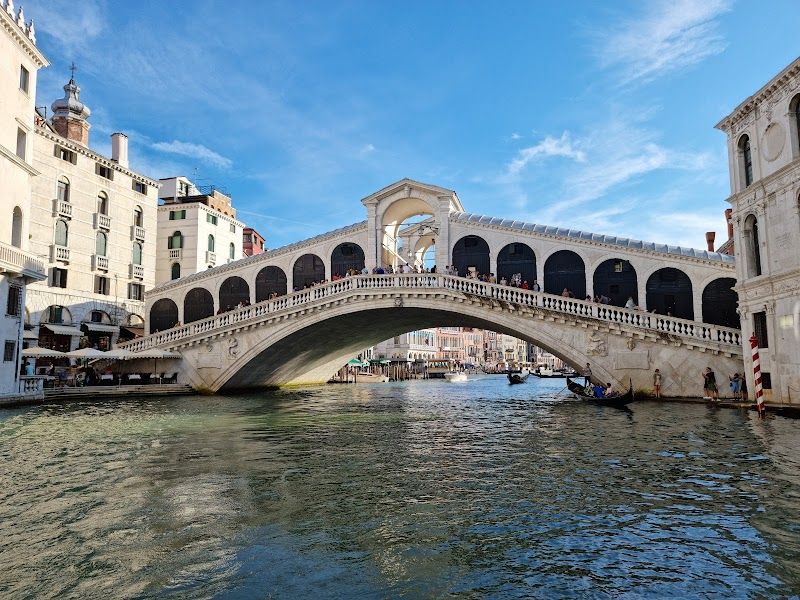
Rialto Bridge and Market
The Rialto Bridge spans the Grand Canal as Venice's oldest crossing, completed in 1591 with shops built right into its stone structure. You'll climb two inclined ramps lined with jewelry stores and souvenir shops to reach the central viewing point, where everyone stops for the classic Grand Canal photo. The real draw is the morning market on the San Polo side: Italy's finest fish market (Tuesday to Saturday, 7 AM to 12:30 PM) where Adriatic catches arrive daily, plus a produce market selling vegetables from the lagoon islands. The bridge itself gets packed by 10 AM, but the market area feels authentically Venetian as vendors shout prices and locals inspect the day's catch. You'll see fish species that don't exist outside Italy while dodging restaurant chefs making their morning purchases. The surrounding bacari (wine bars) like Al'Arco and Do Mori start serving cicchetti from 10 AM, where you can grab an ombra (small wine, EUR 1.50 to 2) and watch the market action. Most visitors rush across the bridge for photos and miss the market entirely, which is backwards. The bridge shops sell overpriced tourist goods, so save your euros for the bacari. Come before 10 AM when the fish market is at full energy and the bridge isn't shoulder to shoulder with tour groups. Skip the jewelry stores completely.
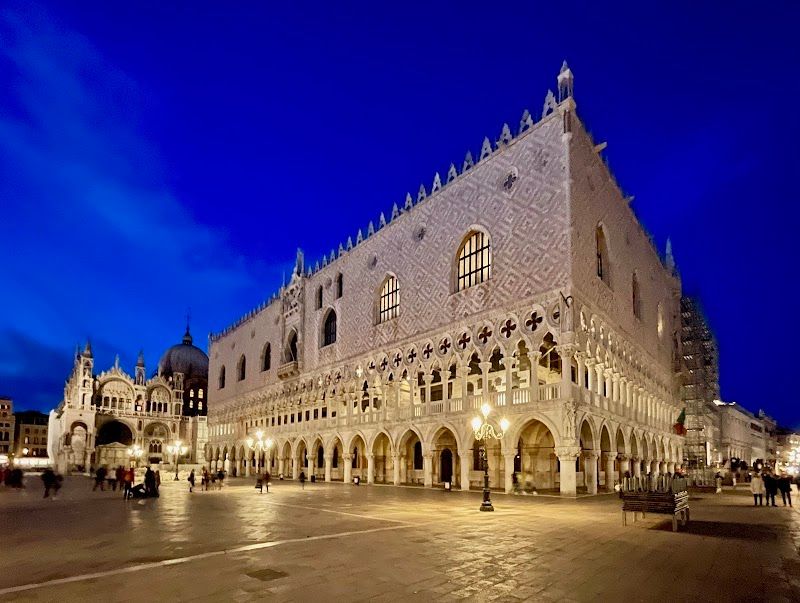
Doge's Palace (Palazzo Ducale)
The Doge's Palace was the seat of Venetian government for a thousand years and the most important Gothic civic building in the world. The exterior is a visual paradox: the building appears to stand on a lace of pointed arches and marble screens, with the heavy upper mass of pink and white diamond-patterned stonework sitting on top. Inside, the Council chambers are overwhelming in scale and decoration. The Sala del Maggior Consiglio is 52 metres long and the walls are covered in massive paintings including Tintoretto's Paradise on the back wall, which at 22 by 7 metres is the largest oil painting in the world. The Bridge of Sighs connects the palace to the old prison: the name comes from prisoners sighing as they glimpsed their last view of Venice through the small windows. The Armory (upstairs) has the actual armour of Doge Francesco Morosini including his horse's armour. EUR 30 includes Museo Correr, Museo Archeologico Nazionale, and the Monumental Rooms of the Biblioteca Nazionale Marciana. Book online to skip the ticket queue. The Secret Itineraries tour (EUR 30 extra, separate booking) goes behind the scenes to the interrogation rooms and the prison where Casanova escaped in 1756.
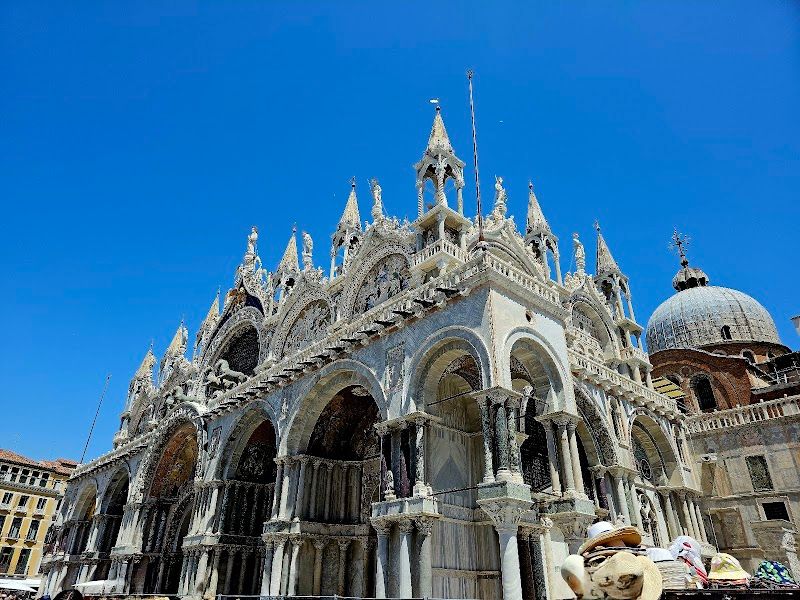
Basilica di San Marco
The Basilica di San Marco is the most important building in Venice and one of the most extraordinary interiors in Europe. It was built to house the remains of St Mark, smuggled out of Alexandria in 828 AD under a cover of pork fat (to deter Muslim customs inspectors). The exterior is five-domed Byzantine, covered in marble, gold mosaic, and sculpture looted from Byzantium after the Fourth Crusade, including the four bronze horses above the central door (the ones visible today are copies, the originals are in the museum upstairs). The interior is almost entirely covered in gold mosaic, 8,000 square metres of it, depicting biblical scenes and saints. The effect is not of a church but of a cave of gold. The Pala d'Oro behind the main altar is the high point of medieval goldsmith work: a jewelled altarpiece started in 976 and expanded over four centuries. Free entry to the main basilica (join the free queue on the left side of the piazza, not the paid fast-track queue, the wait is rarely more than 30 minutes). EUR 7 for the museum level above, which has the original bronze horses and much better mosaic views. Modest dress required (shoulders and knees covered), free covers available at the door.
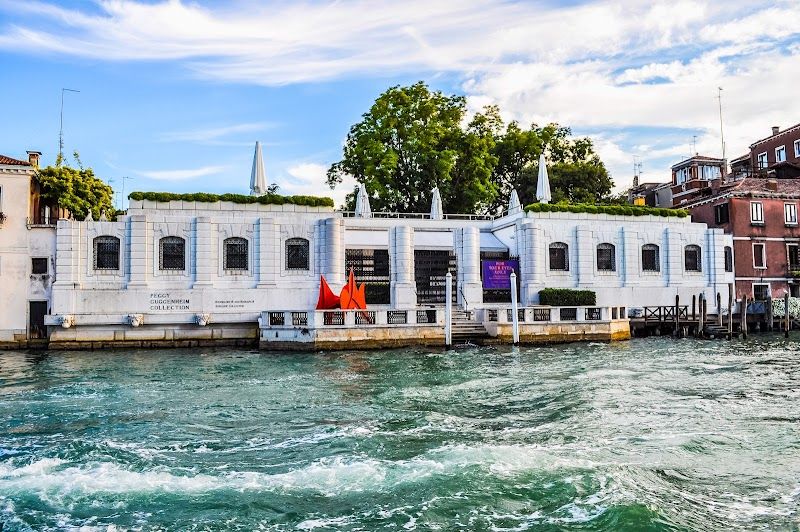
Peggy Guggenheim Collection
This is Europe's premier collection of 20th century art crammed into an intimate 18th-century palace that feels more like visiting a wealthy collector's home than a sterile museum. You'll see genuine masterpieces by Picasso, Pollock, Rothko, and Duchamp displayed in rooms where Peggy Guggenheim actually lived and entertained artists. The collection focuses intensely on Cubism, Surrealism, and Abstract Expressionism, with nearly every piece being museum-quality rather than filler. The experience feels refreshingly personal compared to Venice's overwhelming churches and palaces. You move through modest rooms where each painting gets space to breathe, then step onto the canal-side terrace for one of Venice's best Grand Canal views. The sculpture garden behind the palace contains Guggenheim's grave alongside her beloved dogs, plus works by Giacometti and Marino Marini's cheeky bronze horseman. Audio guides provide context about Guggenheim's relationships with the artists, making the collection feel alive rather than academic. At EUR 18, this delivers better value than most Venetian attractions because every room contains genuine treasures rather than tourist padding. Most visitors rush through in 45 minutes, but you need 90 minutes minimum to appreciate the density of masterworks. Skip the temporary exhibitions upstairs unless you're an art fanatic, the permanent collection downstairs is where the magic happens. The museum shop has Venice's best selection of art books and prints.
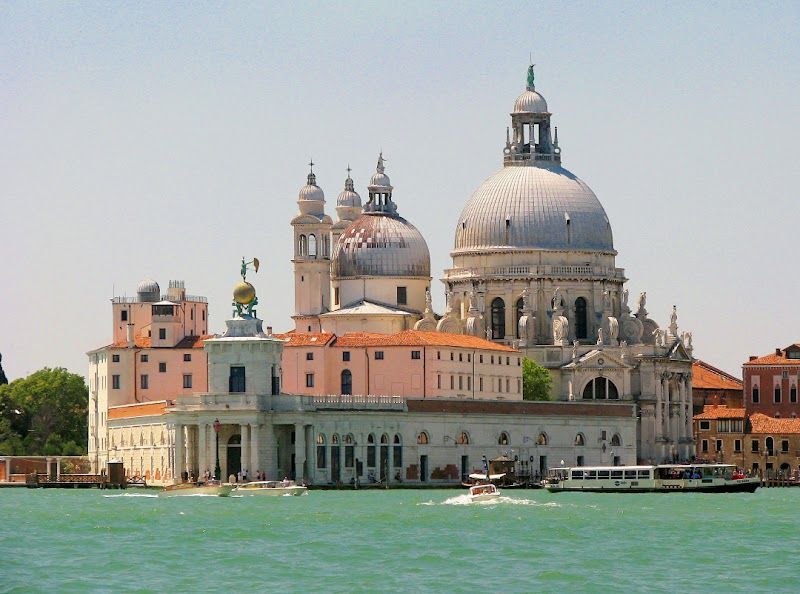
Basilica di Santa Maria della Salute
Santa Maria della Salute anchors the entrance to the Grand Canal with its distinctive octagonal dome and twin bell towers, built after Venice lost 80,000 residents to plague in 1630. The real treasure sits in the sacristy: three ceiling masterpieces by Titian showing Old Testament scenes painted when he was 70, plus his altar piece Wedding at Cana. You'll also find works by Tintoretto, but honestly, you're here for the Titians. The main church feels surprisingly spacious inside, with marble floors creating geometric patterns under that famous dome. Most tourists snap photos from the steps outside and leave, missing the sacristy entirely. The lighting inside can be tricky for photos, especially of the ceiling works, and crowds thin out significantly after 4pm. The atmosphere stays reverent despite constant foot traffic, and you'll hear multiple languages echoing off the marble. Skip the main church if you're pressed for time and go straight to the sacristy (5 EUR entry). Most guides don't mention that the best external photos come from the Palazzo Ducale waterfront, not the church steps. The November festival brings massive crowds but creates a unique experience if you're here then. Don't bother with audio guides, the sacristy attendant usually speaks English and knows more than any recording.
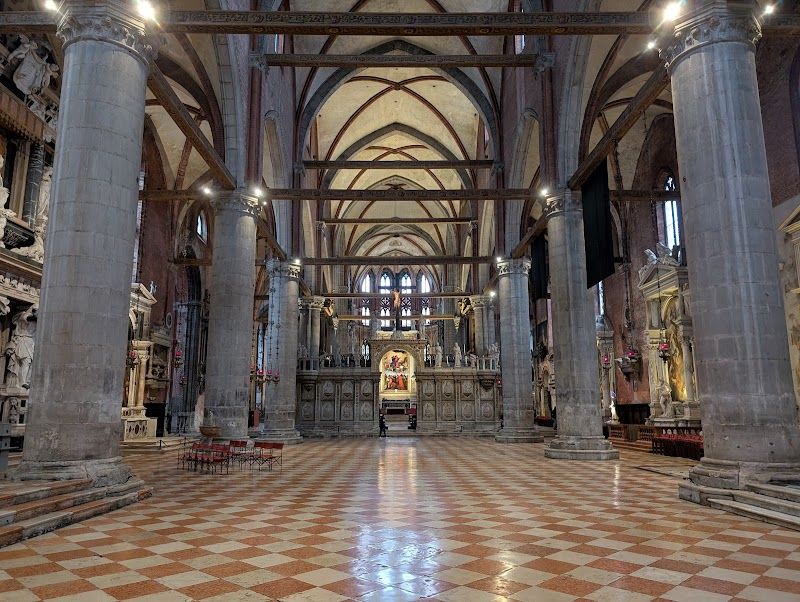
Basilica di Santa Maria Gloriosa dei Frari
The Frari stands as Venice's largest and most artistically significant church, housing two of the Renaissance's greatest masterpieces within its soaring Gothic walls. Titian's massive Assumption of the Virgin dominates the high altar, a swirling composition that practically glows in the filtered light, while Giovanni Bellini's serene Madonna and Child triptych in the sacristy offers intimate perfection on a smaller scale. You'll also find Titian's own tomb, Canova's pyramid monument, and some of Europe's finest wooden choir stalls carved by Renaissance masters. Walking into the Frari feels like entering a cathedral of art rather than just another Venetian church. The nave stretches endlessly upward, creating dramatic perspectives that frame Titian's altarpiece perfectly. The acoustic qualities are remarkable: every footstep echoes, and when tour groups whisper near the sacristy, their voices carry across the stone floors. Unlike St. Mark's crowds, you can actually contemplate the art here, moving freely between chapels and finding quiet corners to absorb the craftsmanship. Most visitors rush straight to Titian's Assumption and miss the real treasures: spend serious time with Bellini's triptych, which reveals new details up close. The EUR 3 entry fee is Venice's best art bargain, though the Chorus Pass at EUR 14 makes sense if you're church-hopping. Skip the audio guide and use that money for a coffee afterward, the plaques provide enough context for the major works.
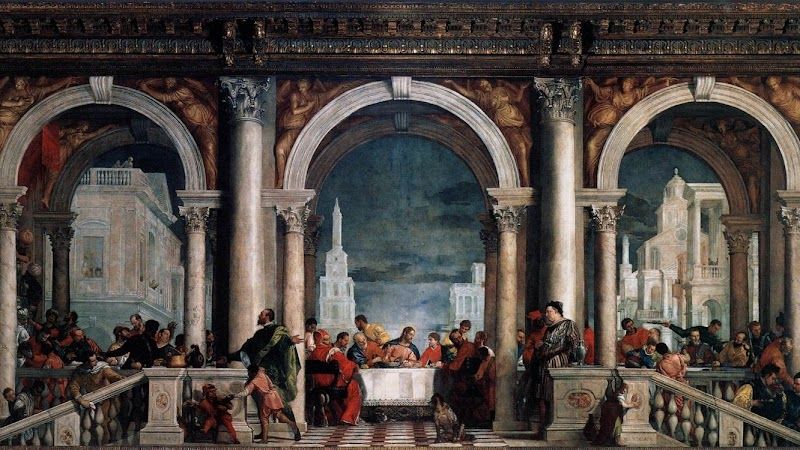
Gallerie dell'Accademia
Enter through the main entrance on Campo della Carità, not the side entrance that many tourists mistakenly use as the main entrance Most visitors tend to rush through the early rooms to reach the famous pieces, but Room 2 features Carpaccio's Miracle of the Cross cycle, which is often overlooked and usually empty The wooden Accademia Bridge right outside provides a classic view of the Grand Canal toward Santa Maria della Salute, making it a prime spot for photos after your visit
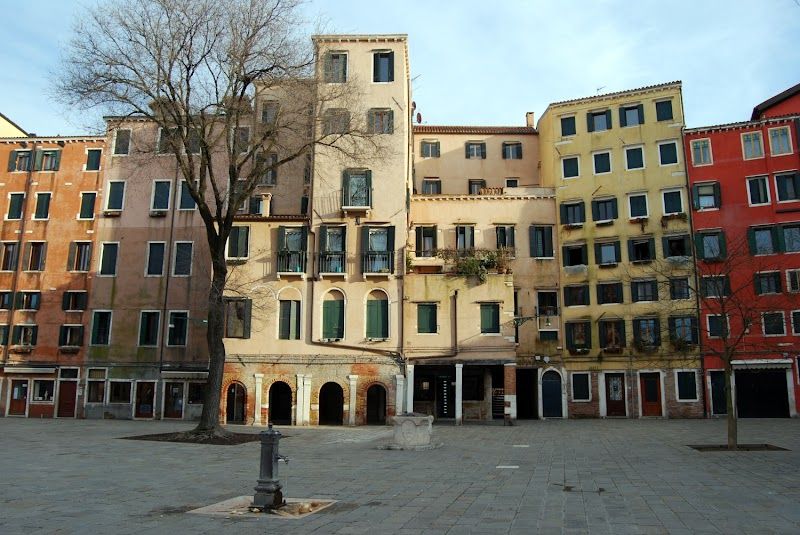
Jewish Ghetto of Venice
This is the world's original ghetto, where Venice confined its Jewish population starting in 1516. You'll walk through Campo del Ghetto Nuovo, surrounded by the tallest buildings in Venice (up to 9 stories, built vertically since the community couldn't expand horizontally), and visit five remarkable synagogues through guided tours. The Museo Ebraico tells the story of Venetian Jews across five centuries, but the real draw is seeing synagogues hidden on upper floors of ordinary buildings, each representing different Jewish communities: Ashkenazi, Sephardi, Italian, Levantine, and Canton. The museum feels intimate rather than overwhelming, and the synagogue tours reveal spaces you'd never know existed from street level. You'll climb narrow staircases to discover ornate interiors with hand-carved arks, gilded decorations, and crystal chandeliers that seem impossible in such a confined area. The guide explains how each community adapted their worship space to Venetian building restrictions, creating some of the most ingenious religious architecture you'll see. The contrast between the plain exteriors and elaborate interiors is genuinely striking. At EUR 8 for museum entry plus all synagogue tours, this is exceptional value compared to Venice's usual tourist traps. Most visitors rush through without understanding the architectural constraints that shaped these spaces. Skip the audio guide and stick with the live tours, they run every 30 minutes and the guides know stories you won't read elsewhere. The morning tours are smaller and more personal than afternoon crowds.
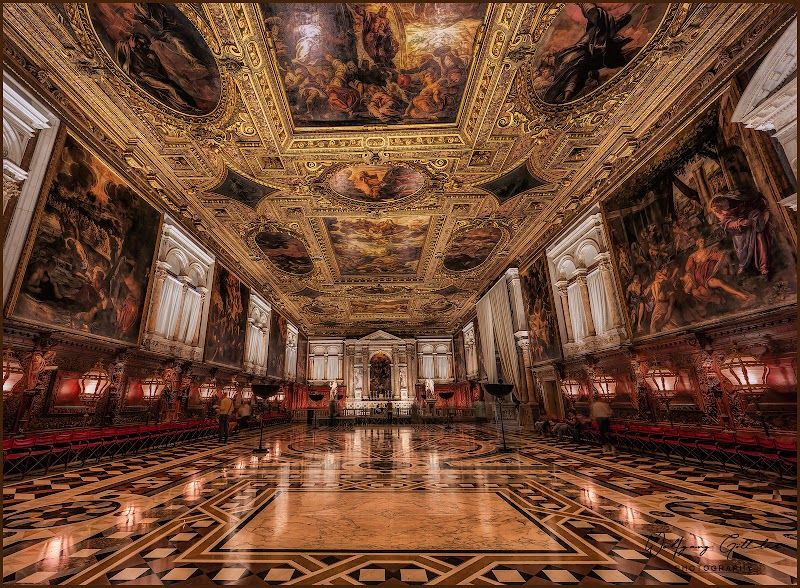
Scuola Grande di San Rocco
The Scuola Grande di San Rocco houses what's arguably Venice's greatest single artistic achievement: Tintoretto's complete decorative cycle covering every wall and ceiling. Unlike most Venetian churches where you crane your neck to glimpse fragments, here you're surrounded by 60 massive paintings that took the master 23 years to complete. The ground floor focuses on scenes from Mary's life, while upstairs showcases the epic Old and New Testament cycles, culminating in the breathtaking Crucifixion that spans an entire wall. You'll climb the elaborate staircase and enter rooms that feel more like stepping inside Tintoretto's mind than viewing paintings in a traditional sense. The upper hall overwhelms immediately: every surface tells a story through dramatic chiaroscuro and swirling figures that seem to move in the changing light. Mirrors are provided so you can study the ceiling paintings without breaking your neck, though most people ignore them and suffer anyway. The atmosphere is reverent but not stuffy, with excellent natural lighting that shifts throughout the day. Entry costs €10, which is exceptional value considering you're seeing one artist's complete vision in its original context. Most guides rush groups through in 45 minutes, but you need at least 90 minutes to absorb the scale properly. Skip the audio guide at €5 extra: the paintings speak for themselves, and the commentary tends toward academic droning. Focus your energy on the upper hall where Tintoretto's late masterpieces reside, though don't miss the tender Annunciation downstairs that shows his softer side.
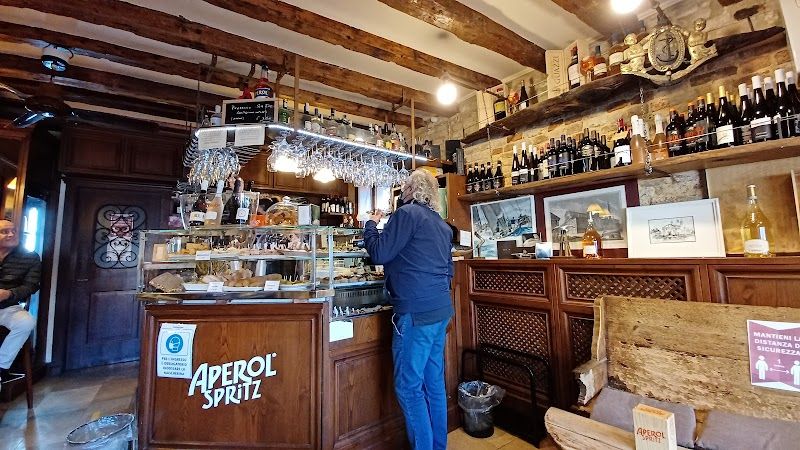
Osteria Al Squero
Bacaro directly facing a working gondola workshop across the canal in Dorsoduro. Stand outside with your cicchetti and spritz watching craftsmen repair gondolas. The baccalà mantecato is excellent, as are the seasonal vegetable crostini and polpette.
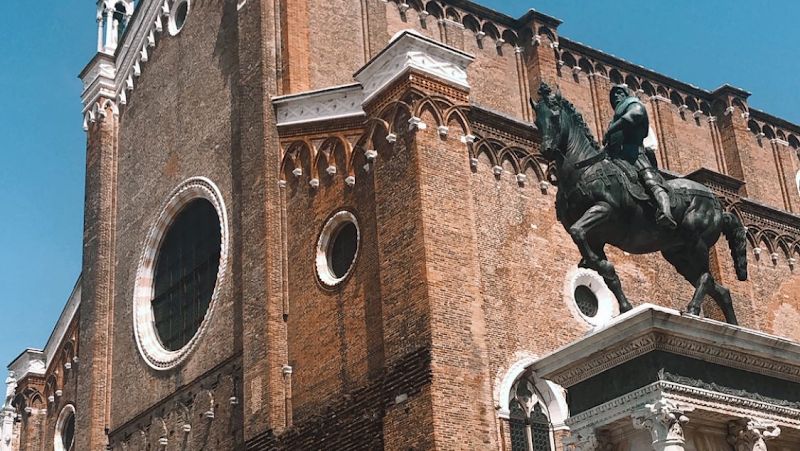
Basilica dei Santi Giovanni e Paolo
This massive Gothic church in Venice serves as the city's equivalent to Westminster Abbey, housing the tombs of 25 doges, along with countless admirals and senators who built the Venetian empire. Visitors come here to see Giovanni Bellini's polyptych of St. Vincent Ferrer (one of his finest works), Piazzetta's dramatic ceiling frescoes, and the immense scale of the interior that dwarfs most Venetian churches. Outside, Verrocchio's bronze statue of mercenary captain Bartolomeo Colleoni commands the campo with Renaissance flair. The church feels less crowded than San Marco, with locals actually using it for prayer rather than gawking. You'll walk through nave after nave of marble tombs, each telling stories of Venice's maritime past. The light filtering through Gothic windows creates an almost theatrical atmosphere, especially when it hits Bellini's altarpiece. The acoustics are impressive, so if there's a service happening, you'll hear Gregorian chant echo off 14th-century stones. Most guides exaggerate the tomb hunting, but honestly, after the first few doges they tend to blend together. Focus your time on Bellini's polyptych (right transept) and Piazzetta's ceiling near the main altar. Entry is free, though a small donation is appreciated. The real value comes from combining this with the Scuola Grande di San Marco next door, where you can admire trompe l'oeil facades without paying a cent.
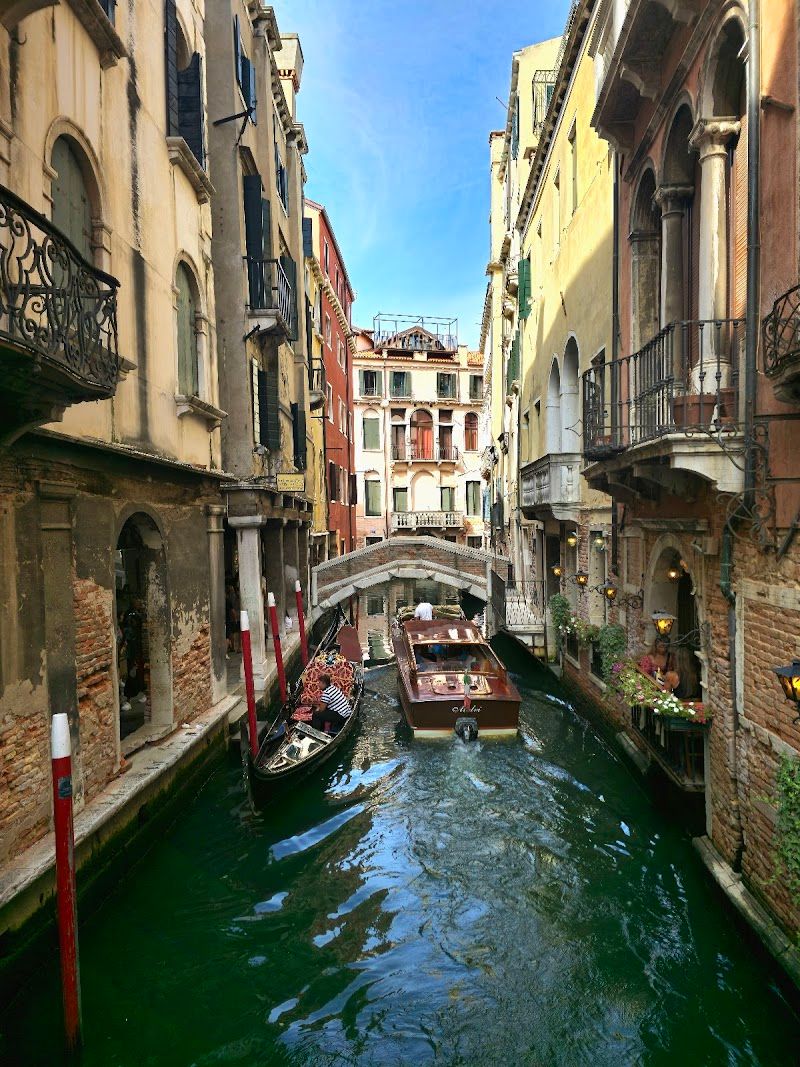
Grand Canal Vaporetto Ride (Line 1)
Line 1 is Venice's ultimate floating sightseeing tour, carrying you past 700 years of architectural history for just EUR 9.50. You'll glide past Byzantine palaces, Gothic mansions, and Renaissance churches while locals hop on and off at 16 stops between Piazzale Roma and San Marco. The route passes Ca' d'Oro's golden facade, the Rialto markets, and three historic bridges before delivering you to the postcard view of St. Mark's Basilica. The vaporetto moves slowly enough to photograph but fast enough to keep you engaged for the full 45 minutes. You'll share the boat with commuters carrying groceries, tourists clutching guidebooks, and locals who barely glance up from their phones despite floating past palaces worth millions. The engine noise and water slapping against marble steps create Venice's signature soundtrack while the captain navigates between gondolas and water taxis with practiced ease. This beats any hop-on bus tour in Europe for value and scenery. Skip the faster Line 2 express, which misses half the stops and rushes past the best palaces. Buy the EUR 25 day pass if you're taking more than two rides total, it covers all water buses and saves you from fumbling with tickets. Most tourists ride both directions, but the return trip shows you the same buildings from a less flattering angle.
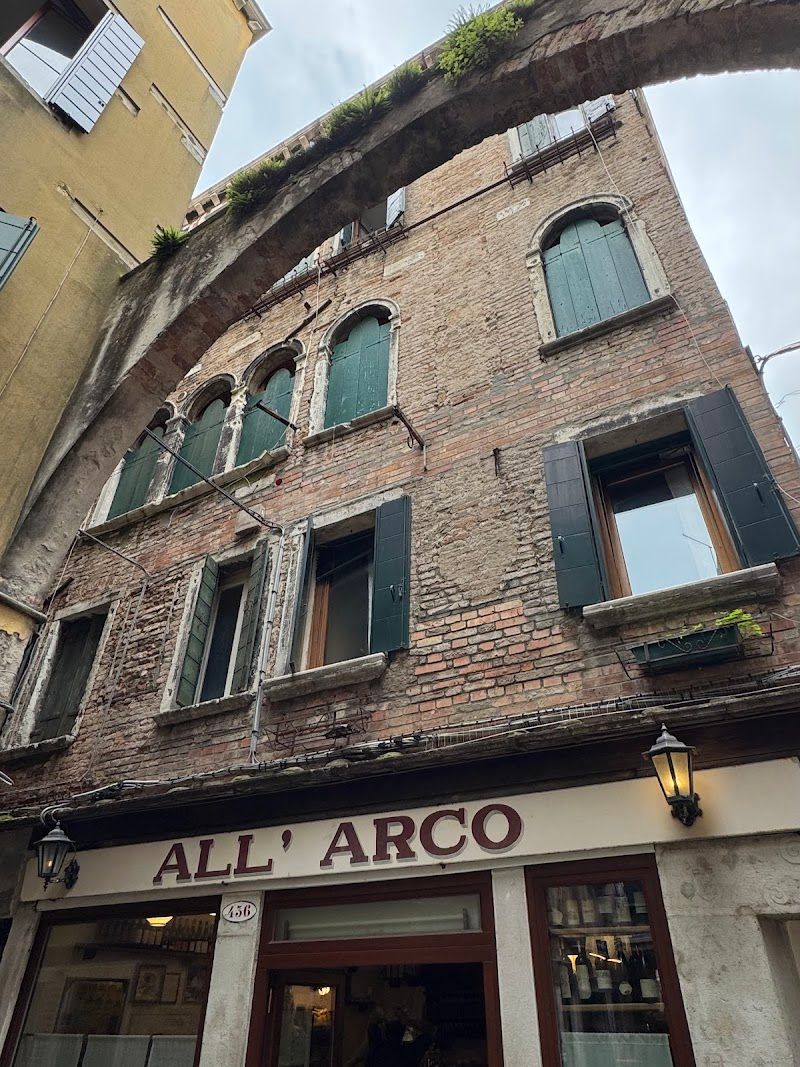
All'Arco
Tiny bacaro near the Rialto market with exceptional cicchetti prepared fresh daily. The counter fills with seasonal toppings like octopus with potato, creamy baccalà mantecato, and porcini mushrooms on crostini. Only a few stools inside, most regulars stand at the bar or outside.
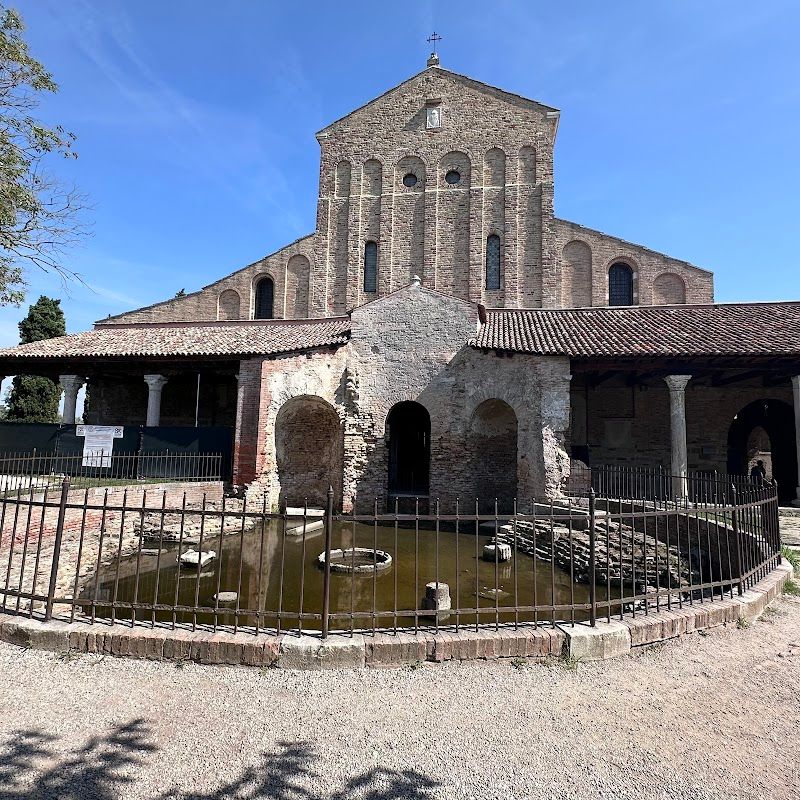
Torcello
Take the earliest vaporetto from Burano (usually 8:30 AM) to have the cathedral almost entirely to yourself for 30 minutes before other visitors arrive. Most visitors photograph the Last Judgment mosaic but miss the peacock and vine motifs on the marble choir screen, which are some of the finest Byzantine stone carving in Italy, with exceptional attention to detail. Walk past the cathedral complex to the far end of the island where Attila's Throne (a stone chair) sits alone in the grass, offering unobstructed panoramic views back toward Venice with relatively few crowds.
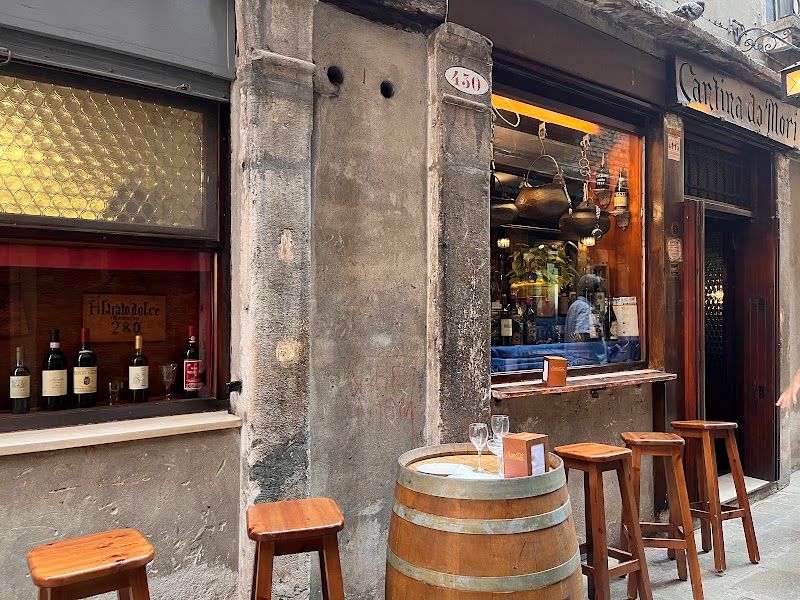
Cantina Do Mori
Venice's oldest bacaro, operating since 1462, with copper pots hanging from the ceiling and no seating whatsoever. Famous for francobolli (stamp-sized open sandwiches) with toppings like creamed cod, spicy salami, and artichoke spread. The house wine poured from large demijohns is surprisingly good.
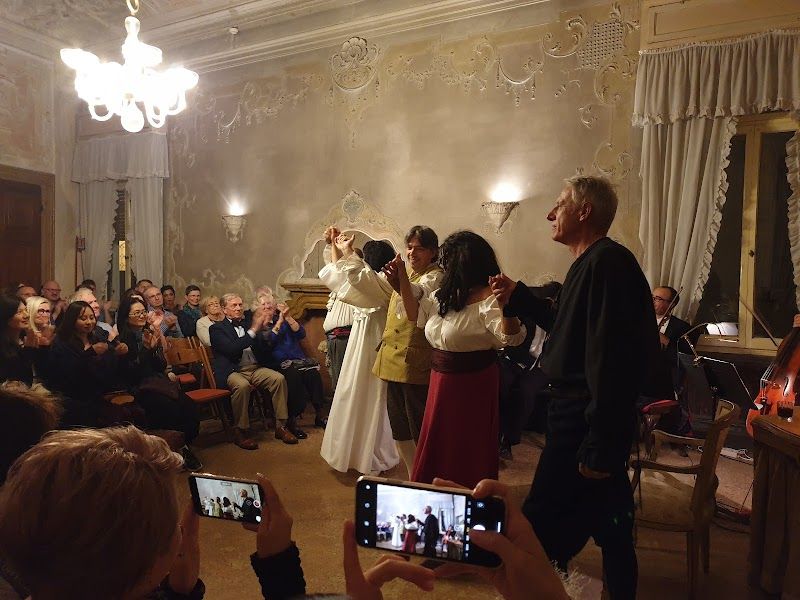
Musica Palazzo
Musica Palazzo turns opera into an immersive theater experience inside a genuine 15th-century palace on the Grand Canal. You'll follow a small group (maximum 70 people) through four ornate rooms as singers perform excerpts from La Traviata, The Barber of Seville, and other Italian classics without microphones or stage barriers. The palace itself is extraordinary: original Murano glass chandeliers, gilded ceilings, and frescoes that have survived five centuries of Venetian floods and politics. The evening unfolds like a private concert in someone's impossibly grand home. You start in an intimate salon where a soprano might serenade you from two meters away, then move to a ballroom for a dramatic duet, followed by smaller chambers for comic interludes. Between acts, you can examine the palace's details up close: intricate ceiling moldings, period furniture, and views of gondolas passing on the canal below. The acoustics are phenomenal, and watching singers' facial expressions this close adds emotional depth you'd never get from opera house nosebleed seats. Tickets run €65 to €85 depending on the season, which is reasonable for what amounts to a private palace tour plus professional opera. Most guides rave about every Venice classical music option, but this actually delivers on the hype. The only downside is the hard sell for drinks during intermission: skip the overpriced prosecco and focus on the performance. Book directly through their website to avoid third-party markups that can double the price.
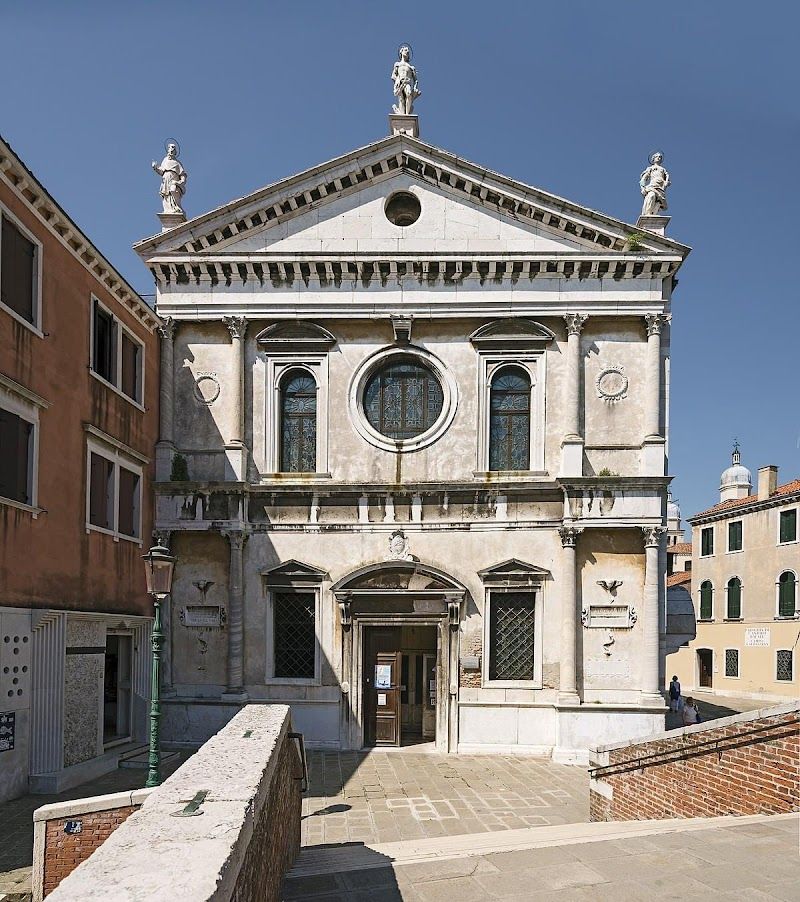
Chiesa di San Sebastiano
Enter through the side door on Campazzo San Sebastiano rather than searching for a main entrance, it's the only way in and saves confusion Most visitors spend five minutes looking up and then leave, but bringing binoculars or using your phone camera zoom can help you catch facial expressions and details in the ceiling panels Start with the altar area first, then work backward toward the entrance while studying the ceiling, this follows Veronese's intended viewing sequence and the story will make more sense
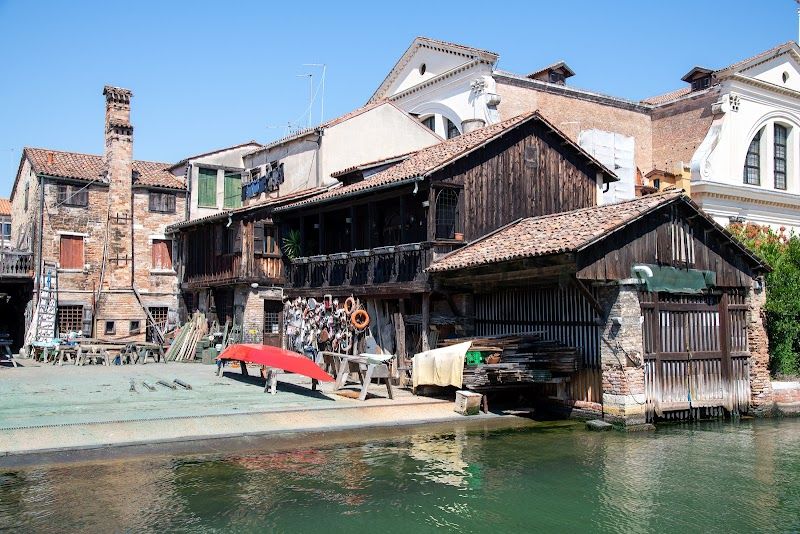
Squero di San Trovaso
The Squero di San Trovaso is one of only three active gondola workshops left in Venice, where you can watch craftsmen shape, repair, and maintain the city's famous boats using techniques passed down for centuries. You'll see gondolas in various stages of construction, from bare wooden frames to boats getting their final coat of black lacquer. The workshop operates in a distinctive wooden building that looks more like an Alpine chalet than typical Venetian architecture, built this way because many gondola makers historically came from the mountainous Cadore region. You observe everything from the fondamenta (canal-side walkway) across a narrow rio, which gives you a perfect theater-box view of the action inside. The craftsmen work with hand tools, bending and shaping eight different types of wood into the asymmetrical hull that makes gondolas naturally turn left. The smell of wood shavings and varnish drifts across the water, and you can hear the rhythmic hammering and scraping. It feels like watching a living museum where the exhibits are still earning their living. Most guidebooks make this sound more exciting than it actually is. On many days, especially afternoons, the workshop is quiet or closed entirely. The view is interesting for about 15 minutes max, then you've seen what there is to see. Don't make a special trip, but it's worth a quick stop if you're already exploring Dorsoduro. The real charm is combining it with a drink at the osteria across the canal, where you can linger and maybe catch more activity.
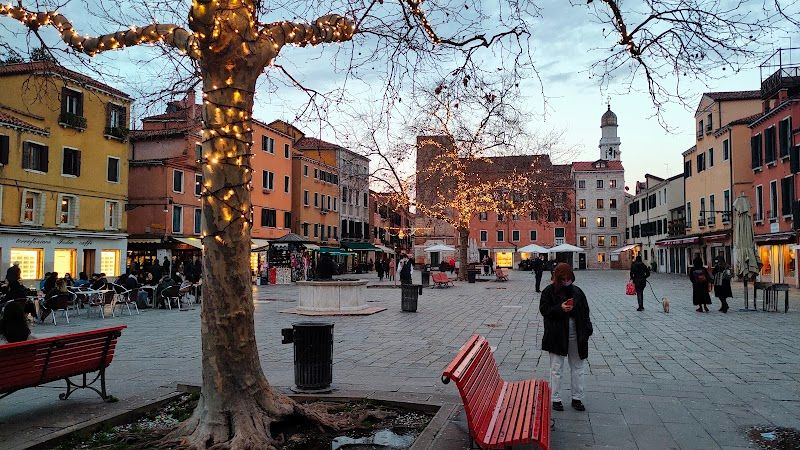
Campo Santa Margherita
Campo Santa Margherita stretches like a long oval through Dorsoduro, serving as the neighborhood's genuine social center where Venetians actually live their daily lives. You'll find elderly locals chatting on benches, university students from nearby Ca' Foscari sprawled on steps with books, and kids kicking footballs between the wellheads. The morning market sets up along one side with produce stalls, fish vendors, and a tiny flower stand that's been run by the same family for decades. The square feels refreshingly normal after Venice's tourist circus. Laundry hangs from windows above while locals wheel shopping carts across the stones, stopping to gossip with neighbors. Students nurse single espressos for hours at outdoor tables while older Venetians play cards in the shade. The 14th century church of Santa Margherita anchors one end, though it's been converted into an auditorium and rarely opens. The whole scene has an easy, unhurried rhythm that tourist squares lost long ago. Most guides oversell this as some authentic discovery, but it's simply a functioning neighborhood square that happens to welcome visitors. The aperitivo scene is genuinely good value: spritz cost 3-4 EUR with decent snacks included, compared to 8-12 EUR near San Marco. Skip the overhyped Il Doge gelato (tourist trap with long lines) and head to Il Caffe Rosso instead for proper local atmosphere. Come in late afternoon when university classes end and the square fills with actual Venetian energy.
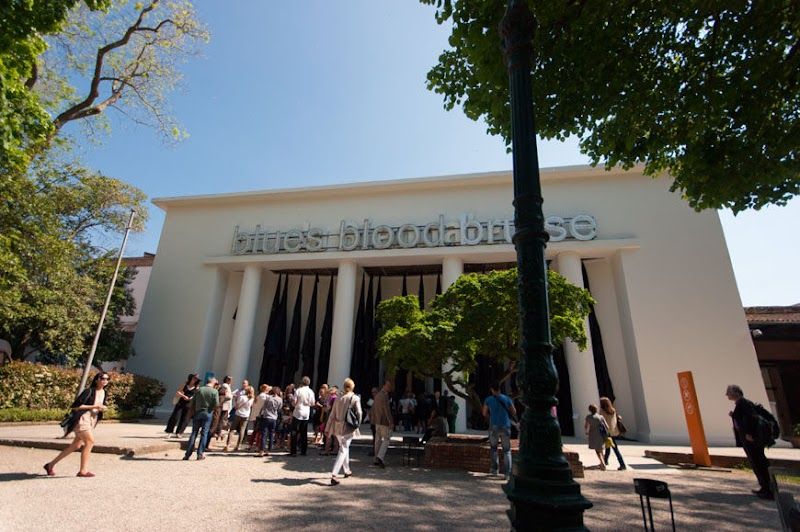
Giardini della Biennale
Enter through the main Giardini entrance and immediately turn left toward the water to start with the Austrian Pavilion by Josef Hoffmann, which many visitors overlook Visit between 2pm and 4pm when the afternoon light filters through the trees and the morning tour groups have moved on The small pavilions near the back corners (Hungary, Romania) are often unlocked even during the off-season, and they offer glimpses of their unique interior architecture
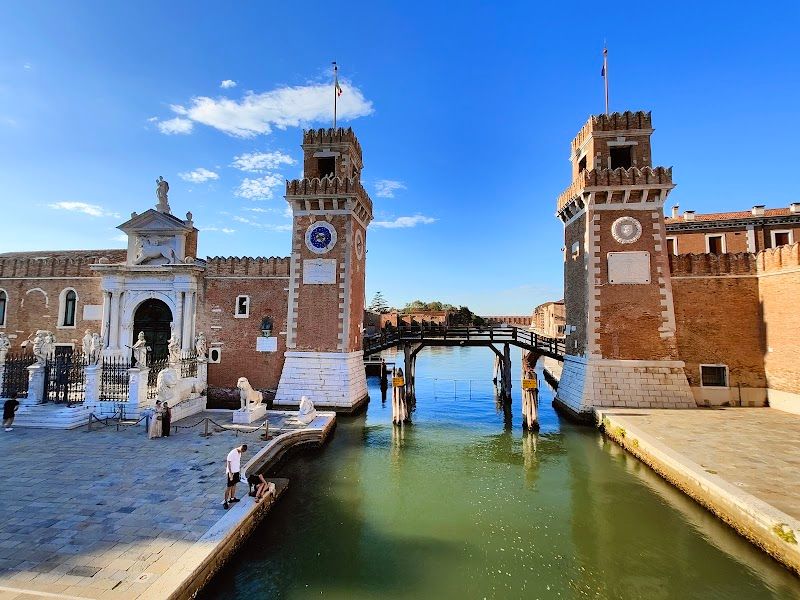
Arsenale di Venezia
The Arsenale showcases Venice's industrial might through its colossal Renaissance gateway, where four ancient Greek lions stand guard over what was Europe's largest shipyard. You'll see the monumental land gate built in 1460, decorated with winged lions and classical columns, plus the carved marble lions looted from Athens' Piraeus harbor in 1687. The complex spans 45 hectares of canals, workshops, and warehouses where Venetian workers once built entire galleys in 24 hours during the republic's golden age. Standing before the gateway feels like confronting a fortress rather than a shipyard. The stone lions, each with different expressions and origins, create an oddly intimate moment amid the grand architecture. You can peer through the iron gates into the vast complex of brick buildings and waterways, imagining the hammering of thousands of workers and the splash of newly launched warships. The scale becomes clear when you walk the perimeter along the fondamenta, where medieval walls stretch endlessly. Most guidebooks oversell this as a major attraction, but honestly, you're looking at a gate and some lions for about 10 minutes unless the Biennale is running. The real payoff comes during odd years (2025, 2027) when the art Biennale transforms the interior into exhibition spaces and you can finally explore the rope factory, shipbuilding halls, and arsenal buildings. Skip the architecture Biennale years unless you're genuinely interested in contemporary building design.
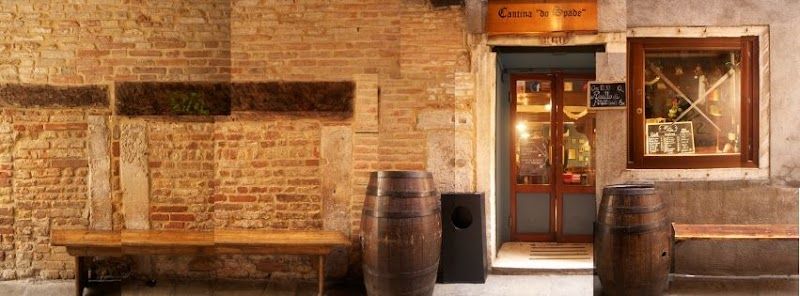
Cantina Do Spade
Historic bacaro near the Rialto operating since 1415, with wooden beams and a marble-topped bar. The front room is for standing and cicchetti, while the back dining room serves full meals. Try the sarde in saor or the seasonal seafood cicchetti, washed down with an ombra of local wine.
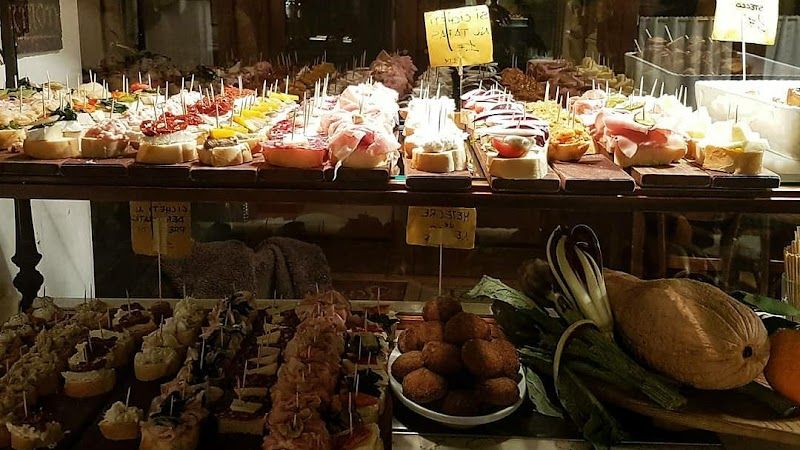
Al Timon
Canalside bacaro in Cannaregio where locals pack the fondamenta at sunset with spritz in hand (EUR 4) and generous cicchetti plates (EUR 2-3.50 each). The outdoor vibe is unbeatable, with boats passing and the crowd spilling onto the waterfront, making it Venice's most social standing bar scene.
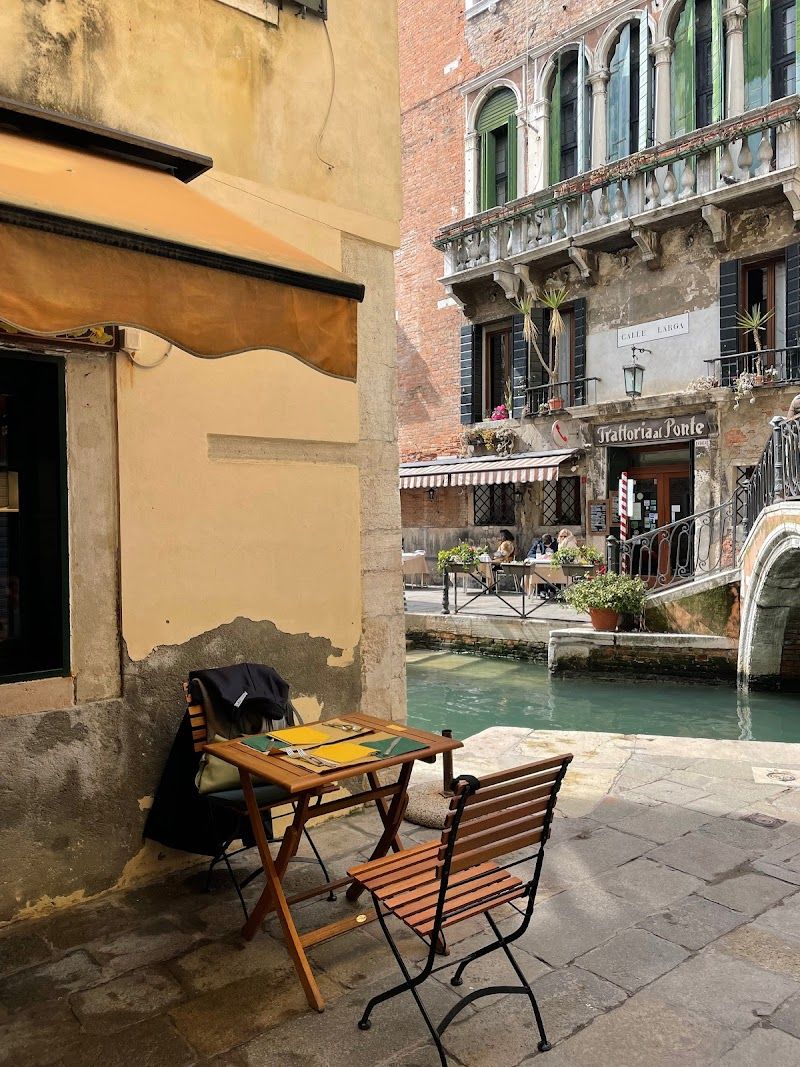
Osteria La Zucca
A cozy neighborhood osteria beloved by locals for its creative vegetarian dishes and seasonal pumpkin specialties. The intimate dining room fills quickly with Venetians who appreciate the innovative approach to traditional ingredients and excellent wine selection.
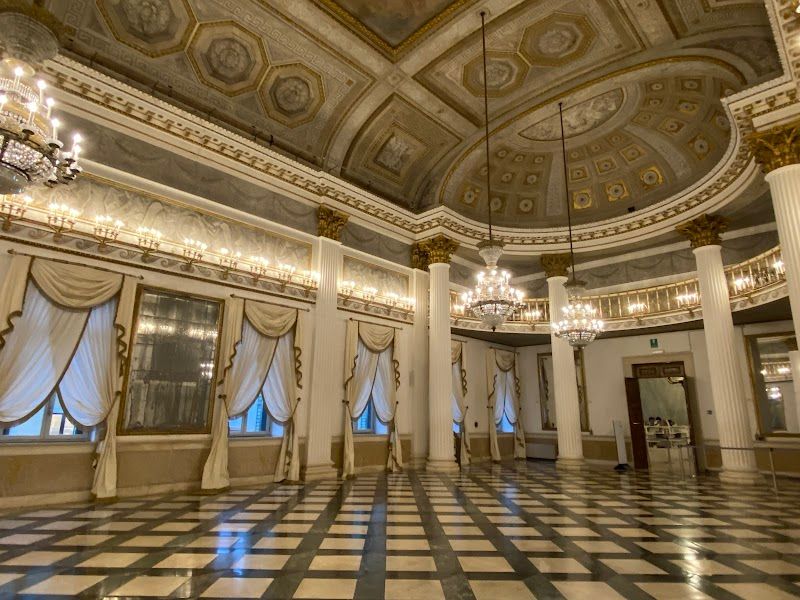
Museo Correr
Museo Correr gives you Venice's full story from the Republic's founding to Napoleon's takeover, all housed in the grand Procuratie Nuove overlooking St. Mark's Square. You'll walk through rooms filled with original maps showing Venice's trading empire, ceremonial armor worn by doges, and the famous platform shoes (chopines) that Venetian noblewomen used to tower over crowds. The upper galleries showcase masterpieces by Bellini and Carpaccio that most tourists rush past on their way to the Doge's Palace. The museum flows through Napoleon's neoclassical apartments, where each room offers different perspectives over St. Mark's Square through tall windows. The Ballroom is particularly striking with its coffered ceiling and marble columns, while the library rooms contain globes and nautical instruments that reveal Venice's maritime dominance. You'll feel the weight of centuries as you move from medieval artifacts to Renaissance paintings, with the lagoon views constantly reminding you why this location mattered so much. Most guides treat Correr as a quick stop before the Doge's Palace, but that's a mistake. The combined ticket costs €25 and includes both museums plus St. Mark's Campanile. Skip the coin collection on the ground floor completely, it's deadly boring. Focus your time on the historical rooms and the painting galleries upstairs, especially Carpaccio's "Two Venetian Ladies" which captures the city's peculiar mix of luxury and confinement. The views from the Napoleon rooms are actually better than many paid viewpoints in the city.
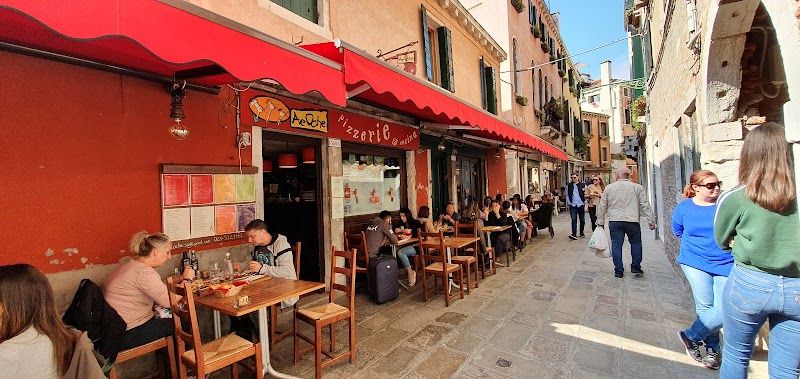
Ae Oche
Casual pizzeria and trattoria near Campo Santa Margherita popular with students and young Venetians for affordable pizza and pasta. The outdoor seating in the campo fills quickly on warm evenings. A reliable spot when you need a break from seafood, with decent salads and grilled meats too.
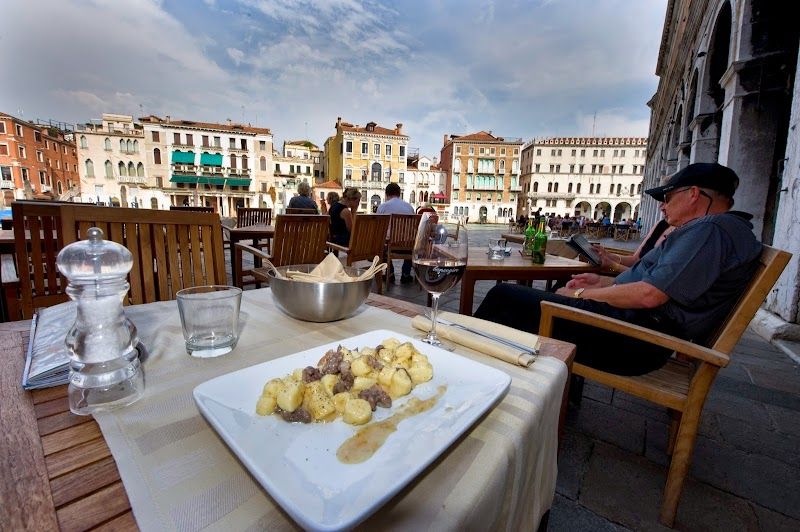
Osteria Bancogiro
Restaurant and wine bar on the Grand Canal right at the Rialto Market with terrace seating overlooking the water. The cicchetti selection at the bar is excellent for a quick bite, while the dining area serves refined versions of Venetian classics. The location is prime for watching canal traffic and sunsets.
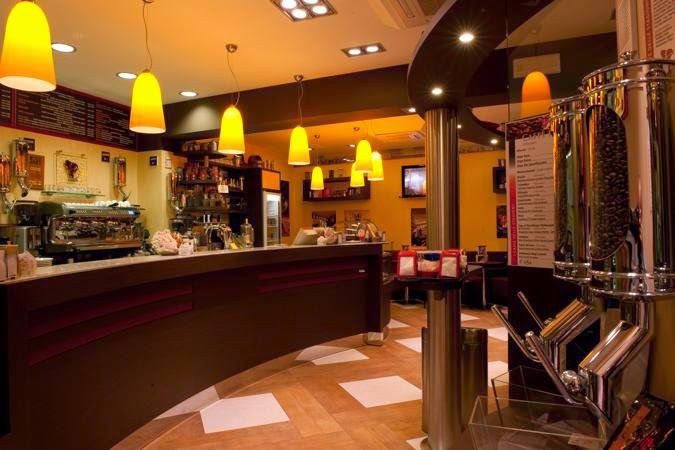
Caffè del Doge
Neighborhood roastery and cafe in Cannaregio serving properly pulled espresso (EUR 1.20 at the bar) from their own Venetian-roasted beans. No tourist markup, no table service theatrics, just excellent coffee in a working campo where locals stop for their morning fix.
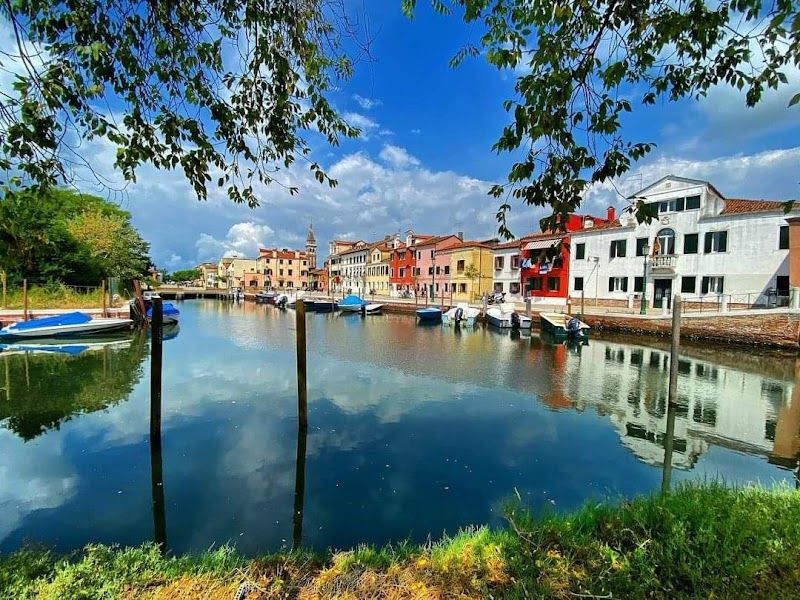
Lido di Venezia
Lido di Venezia is Venice's 12-kilometer barrier island where Venetians actually go to swim, cycle, and pretend they live in a normal seaside town. You'll find genuine sand beaches (a shock after all those stone steps), Art Deco hotels from the 1930s, and quiet residential streets where laundry hangs from balconies. The contrast with central Venice is jarring: here you can ride bikes, drive cars, and buy groceries without crossing a bridge. The vaporetto ride from San Marco takes exactly 15 minutes, and stepping off at Santa Maria Elisabetta feels like arriving in a different country. Palm trees line the main street leading to Lungomare Marconi, where beach clubs charge €25-40 per day for loungers and umbrellas. The atmosphere shifts completely from Venice's tourist intensity to genuine Italian beach culture: families playing cards under umbrellas, elderly men in speedos, and teenagers on vintage Vespas. Most visitors stick to the expensive central beaches and miss the real Lido experience. The paid beach clubs on Lungomare Marconi are overpriced tourist traps. Instead, walk or bus to the free beaches at either end where locals spread towels directly on sand. September during Film Festival week brings celebrities and inflated prices, but also electric energy. Rent bikes at the vaporetto stop for €15 per day to explore properly.
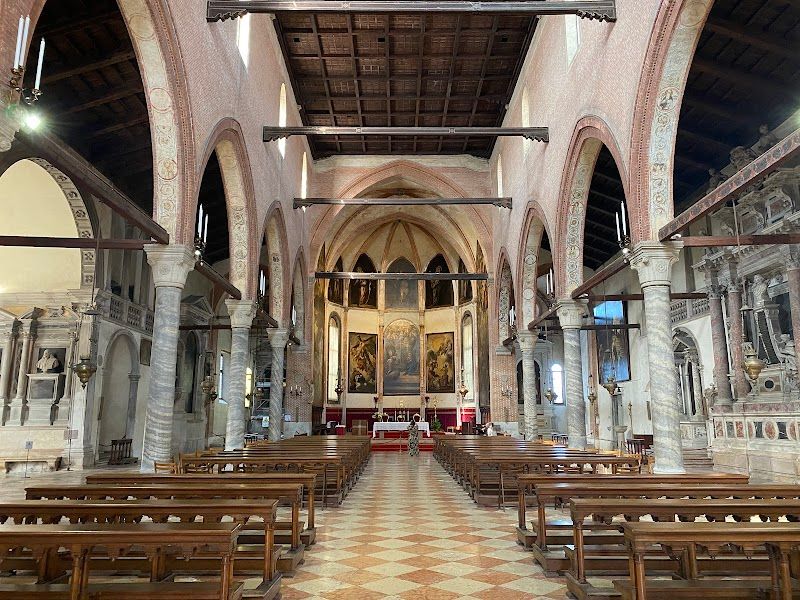
Madonna dell'Orto
Madonna dell'Orto houses ten Tintoretto masterpieces in a gloriously uncrowded 14th-century Gothic church where the artist himself worshipped and is buried. You'll find his enormous Last Judgment and Making of the Golden Calf dominating the choir area, plus eight smaller works scattered throughout the nave and chapels. The church sits in residential Cannaregio, meaning you'll often have these Renaissance treasures nearly to yourself while crowds mob the Doge's Palace. The moment you step inside, Tintoretto's dramatic biblical scenes command attention from the soaring walls. His tomb lies modestly in the chapel right of the main altar, marked by a simple plaque that feels oddly humble for Venice's most prolific painter. The Gothic architecture frames his work perfectly, and the natural light streaming through tall windows changes the paintings' mood throughout the day. You'll spend most of your time craning your neck upward, studying the massive canvases that dwarf everything else. Most guides rave about every single painting here, but honestly, focus on the two giant choir pieces and skip the smaller side chapel works unless you're a serious Tintoretto scholar. Entry costs €3, and the church closes unexpectedly for private functions, so check ahead. The audio guide costs extra €2 but adds crucial context to the biblical scenes that aren't immediately obvious.
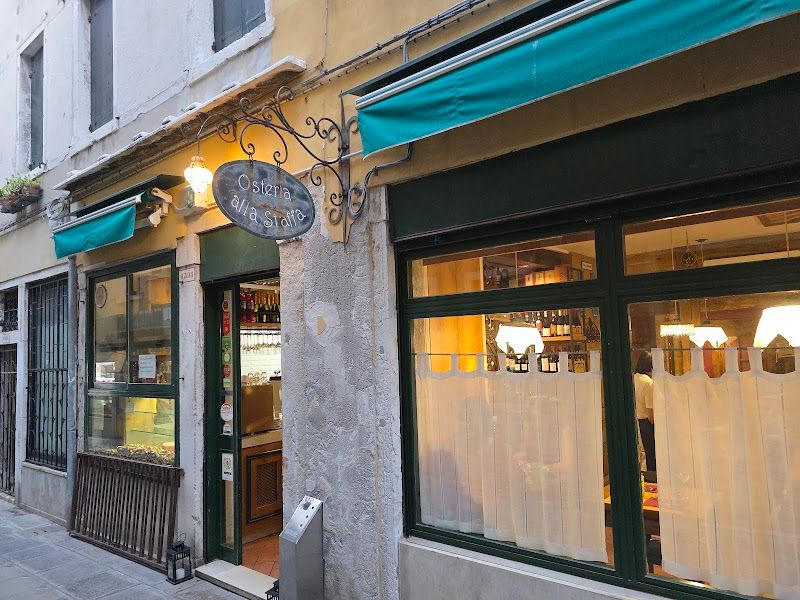
Osteria alla Staffa
Small neighborhood osteria in Cannaregio away from tourist routes, where locals gather for honest Venetian cooking at fair prices. The daily specials written on a chalkboard include risotto di go, bigoli in salsa, and perfectly fried calamari. The house wine comes in carafes and the atmosphere is authentically casual.
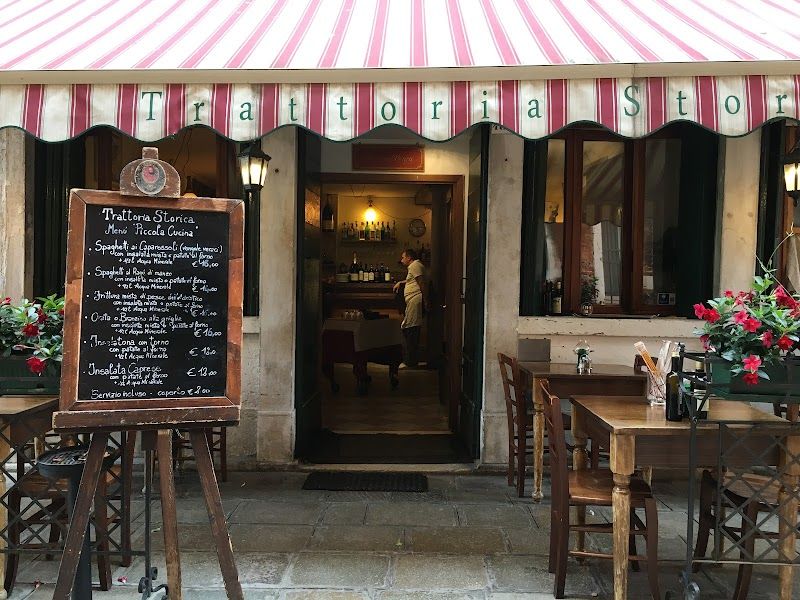
Trattoria Storica
No-nonsense trattoria in Cannaregio serving generous portions of traditional Venetian food at honest prices. The fegato alla veneziana (calf liver with onions) and grilled fish of the day are reliable choices. The atmosphere is simple with paper tablecloths and locals dining alongside visitors who found their way here.
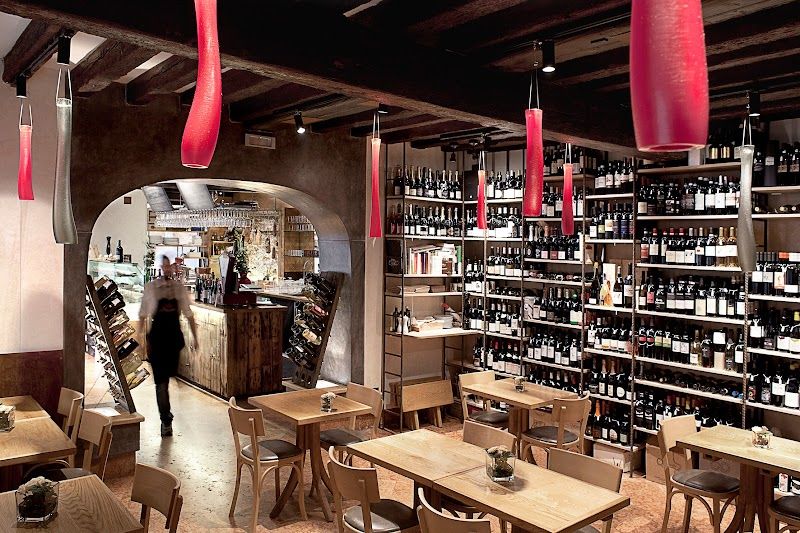
Estro Vino e Cucina
A contemporary wine bar and restaurant featuring creative Venetian cuisine with modern interpretations and an exceptional natural wine list. Chef's daily specials showcase seasonal ingredients from the Rialto market. The intimate atmosphere and knowledgeable sommelier make it popular with locals seeking quality over tradition.
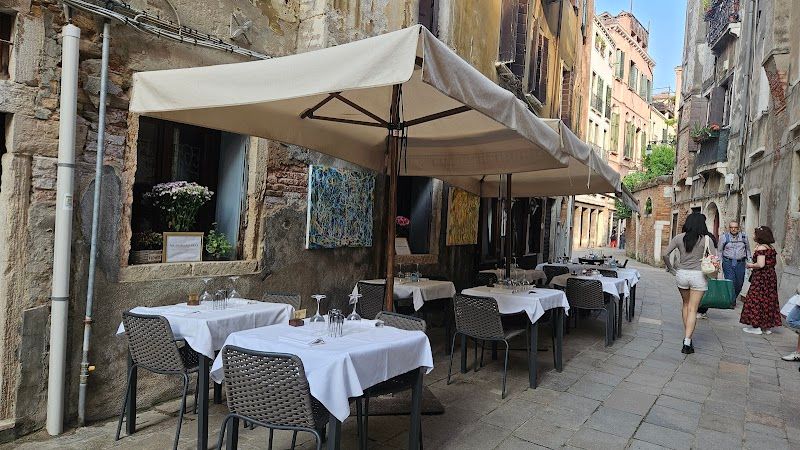
Trattoria Antiche Carampane
Family-run trattoria hidden in a quiet San Polo courtyard, serving traditional Venetian seafood dishes since 1966. The menu changes based on what is fresh from the Rialto market that morning. Their spaghetti with cuttlefish ink and grilled lagoon fish are standouts.
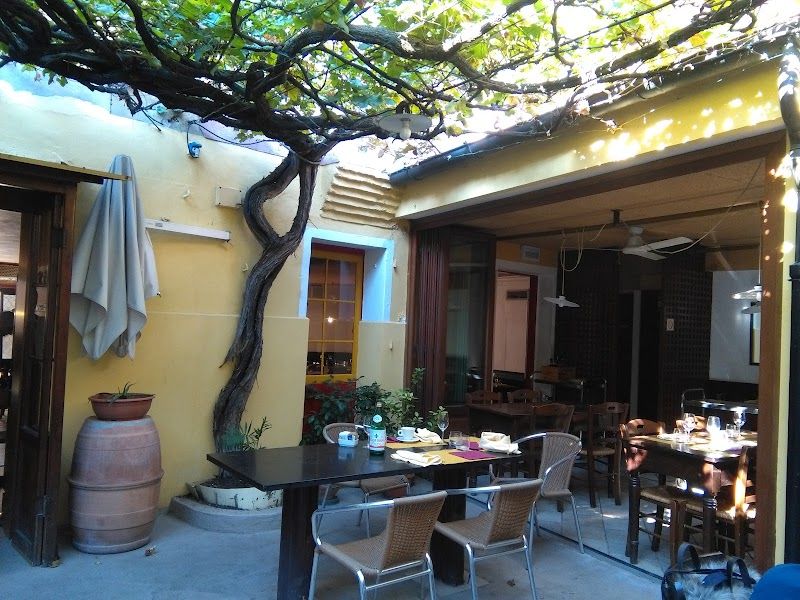
Corte Sconta
Beloved seafood trattoria in a quiet Castello courtyard, known for its exceptional fresh fish and shellfish preparations. The menu changes daily based on the catch, and the antipasto misto di mare is a feast of marinated, grilled, and fried seafood. The enclosed garden courtyard provides a peaceful escape.
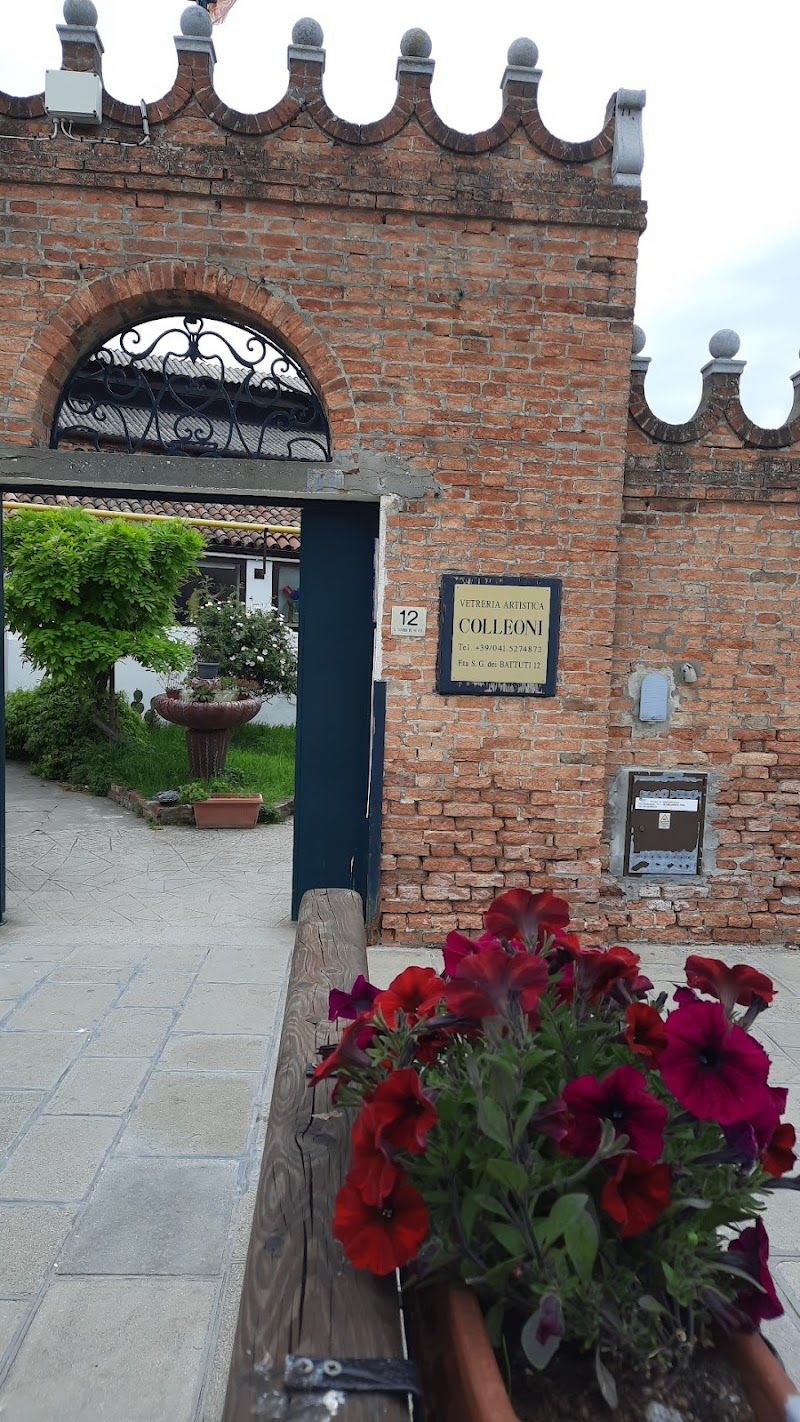
Vetreria Artistica Colleoni
Vetreria Artistica Colleoni is a genuine working glass workshop where the Colleoni family has been crafting Murano glass for three generations. You'll watch master glassblowers pull 1,100°C molten glass from roaring furnaces, shaping it into everything from delicate ornaments to elaborate chandeliers during free 30-minute demonstrations. The workshop produces both tourist pieces and serious art glass, with some works selling to galleries across Europe. The experience starts in their compact showroom filled with finished pieces, then moves to the furnace room where the real magic happens. You'll stand just meters from craftsmen wielding long metal rods, twisting and blowing glass that glows like liquid fire. The heat is intense, the skill mesmerizing, and unlike larger tourist factories, you can actually chat with the artisans between pieces. The smell of burning gas and the rhythmic sounds of tools on glass create an almost hypnotic atmosphere. Most Murano glass tours rush you through sanitized demonstrations at big-name factories, but Colleoni feels authentic because it actually is. Skip the overpriced tourist pieces (€15-50) and focus on their mid-range decorative items (€80-200) if you're buying. The family speaks decent English and won't pressure you to purchase, unlike some competitors. Morning visits around 10-11am offer the best demonstrations when furnaces run hottest.
Ca' d'Oro
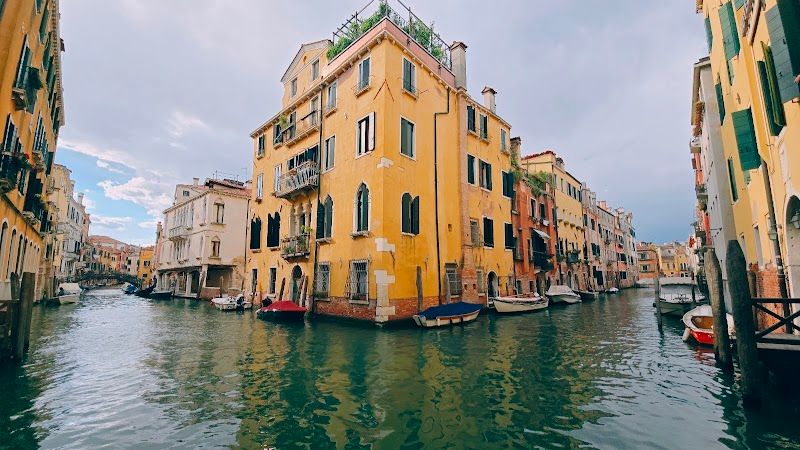
Ca' d'Oro houses the Galleria Giorgio Franchetti in what was once Venice's most opulent palace facade. You'll see Mantegna's haunting St. Sebastian, Byzantine reliefs, and Venetian ceramics across three floors of galleries. The palace name means 'Golden House' because its Gothic facade was originally gilded with gold leaf and painted with ultramarine blue, though only traces remain today. The visit flows naturally from the ground floor courtyard with its original 15th century wellhead up through intimate gallery rooms. The second floor balcony gives you a palazzo owner's perspective over the Grand Canal, watching vaporettos and water taxis navigate below. The collection feels personal rather than institutional, displayed in rooms that retain their residential character with original ceiling beams and period details. Most visitors rush through to tick it off their list, but the real draw isn't the art collection. It's experiencing how Venice's merchant princes actually lived. Entry costs €8.50 and the crowds are manageable compared to the Doge's Palace. Skip the third floor bronze collection unless you're genuinely interested, the second floor has everything worthwhile. The courtyard alone justifies the visit.
Pasticceria Rizzardini
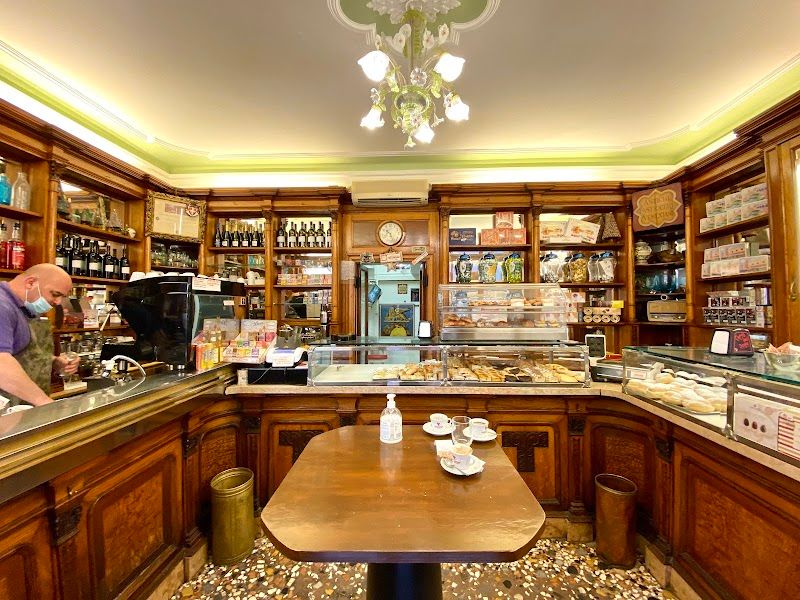
A historic pasticceria operating since 1742, serving traditional Venetian pastries and excellent espresso in an elegant wood-paneled interior. The fritole during Carnevale and zaleti year-round are legendary among locals who stop here for their morning coffee ritual.
Libreria Toletta
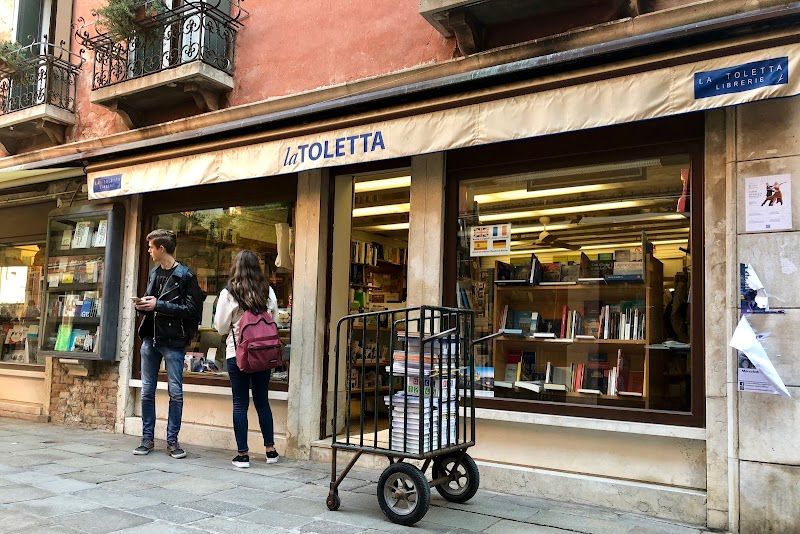
Libreria Toletta stocks exactly what you'd hope to find in Venice: serious books on art, architecture, and local history that go far beyond tourist guides. The owners, Claudio and his team, have curated a collection that includes hard-to-find English translations of Venetian chronicles, detailed architectural studies of specific palazzos, and art books you won't see in chain stores. You'll find first-rate titles on everything from Tiepolo's frescoes to the engineering behind the city's foundations, plus contemporary fiction and poetry. The shop occupies a cozy ground-floor space where books are displayed spine-out on wooden shelves, creating an almost library-like atmosphere. You can actually browse here without feeling rushed, unlike most Venetian shops. The lighting is warm, the floors creak authentically, and there's usually classical music playing softly. Claudio genuinely knows his inventory and will pull books from high shelves based on your interests, often suggesting connections between topics you hadn't considered. Most travel guides make this sound precious, but it's simply a well-run independent bookshop that happens to be in Venice. Prices are fair for the quality, typically 15-35 EUR for specialized art books. The English selection is genuinely good, not just tourist fodder translated from Italian. Skip it if you're looking for light beach reads or guidebooks, but if you want to understand Venice beyond the surface, this is where locals and serious visitors shop.
El Sbarlefo
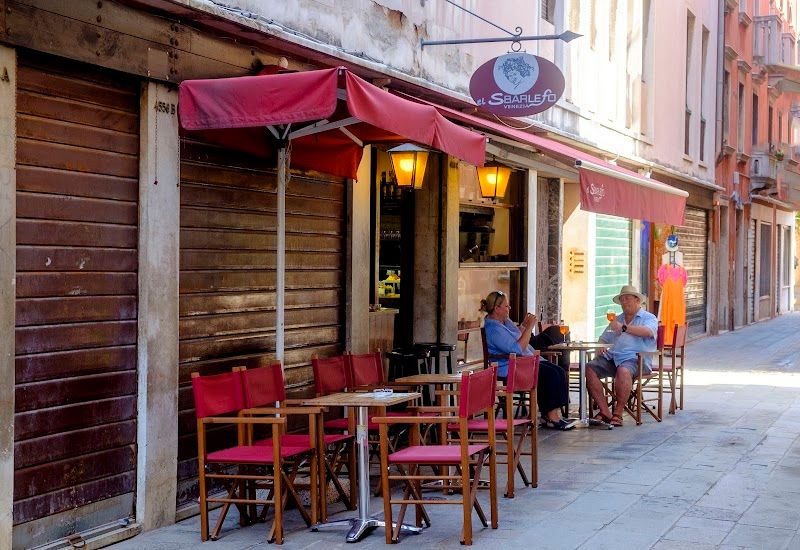
A no-frills bacaro beloved by Venetian students and locals serving generous portions of traditional cicchetti at rock-bottom prices. The atmosphere is authentically casual with standing room only during peak hours. Their meatballs and baccalà mantecato are neighborhood favorites.
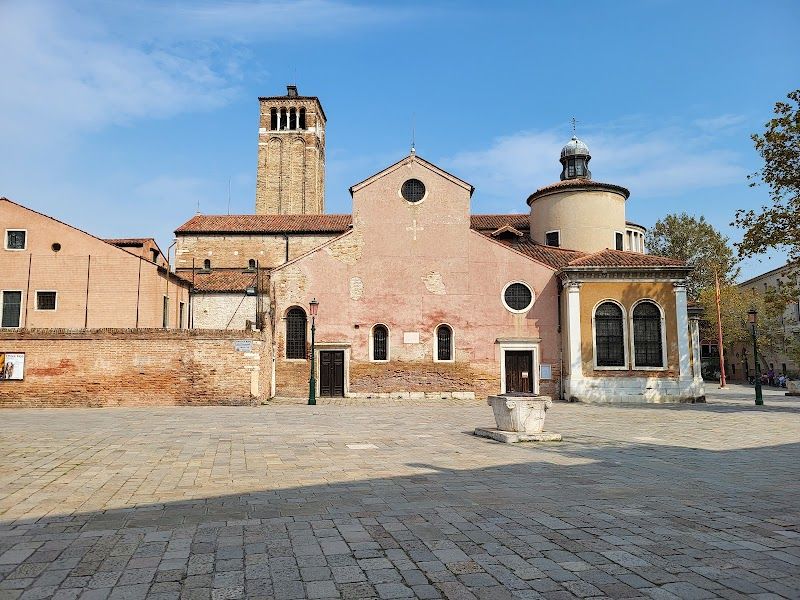
Chiesa di San Giacomo dell'Orio
A 9th-century church with a ship's keel ceiling and remarkable artwork, including paintings by Veronese and Palma il Giovane. The campo outside is one of Venice's most authentic neighborhood squares, filled with locals rather than tourists.
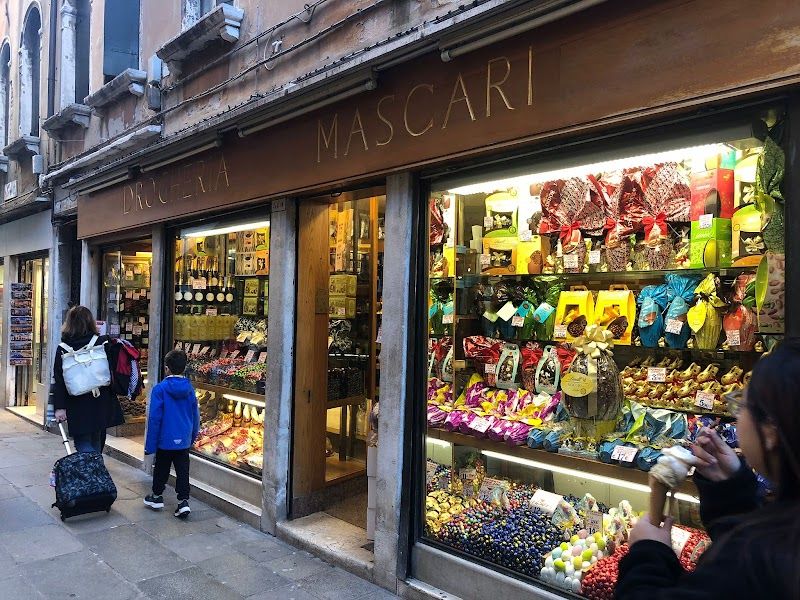
Drogheria Mascari
Drogheria Mascari has been cramming impossibly rare spices and specialty ingredients into their tiny San Polo shop since 1948, and it's genuinely one of Venice's best food stores. You'll find Cambodian peppercorns for €12 per 100g, hand-harvested sea beans from the Veneto coast, and at least 30 different types of salt including pink Himalayan and black Cyprus varieties. The shop specializes in ingredients you simply can't find elsewhere in Venice: sumac, berbere spice blends, proper saffron threads, and unusual vinegars that local chefs actually use. Walking into Mascari feels like entering an old apothecary where every jar contains something exotic. The smell hits you immediately: cardamom, cinnamon, and dried porcini mushrooms all competing for attention. The space is claustrophobic in the best way, with floor to ceiling shelves packed so tightly you need to ask for help reaching anything above eye level. The current owners, third generation, know exactly where everything is and can recommend specific uses for their more unusual items. Most tourists grab the obvious stuff like truffle salt (€8 for 80g) and miss the real treasures: their house-made risotto spice blend costs just €4.50 and tastes better than anything you'll make from scratch. The dried porcini are expensive at €35 per 100g but they're restaurant quality. Skip the tourist-targeted gift sets and go for individual spices in small quantities, they'll last longer and cost half the price of similar products elsewhere in Venice.
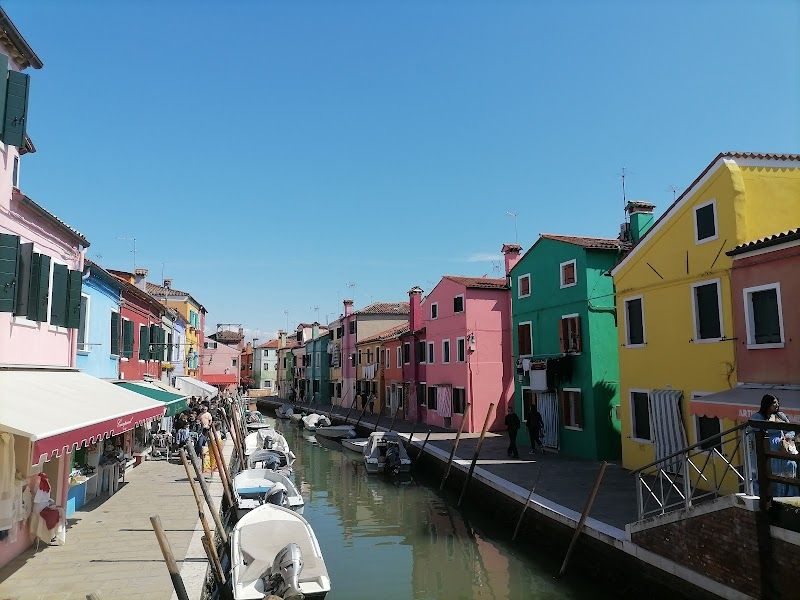
Burano Island Day Trip
Burano is a fishing island 45 minutes by vaporetto from Fondamente Nove (Line 12, direction Burano) with a claim to fame so extreme it has become a paradox: the houses are painted in such saturated colours (cobalt, crimson, yellow, green) that the island looks unreal, like a film set, and yet it is completely genuine. The tradition was practical: fishermen painted their houses in strong colours so they could identify them through the lagoon fog. The island has about 3,000 residents, three canals, and the leaning Campanile of San Martino visible from the vaporetto approach. The lace museum (Museo del Merletto, EUR 5) is small but excellent: the technique is almost extinct and the museum shows both historical examples and the few remaining practitioners. Lunch at Trattoria da Romano (cash only, book ahead, the risotto di go is the traditional lagoon fish risotto and the only reason you need to go). The island is also the base for visiting Torcello (further 5 minutes, the most atmospheric deserted island in the lagoon, the Byzantine mosaics in the cathedral are older than San Marco's and far less crowded). Return trip from Fondamente Nove: about EUR 9.50 each way with a single vaporetto ticket.
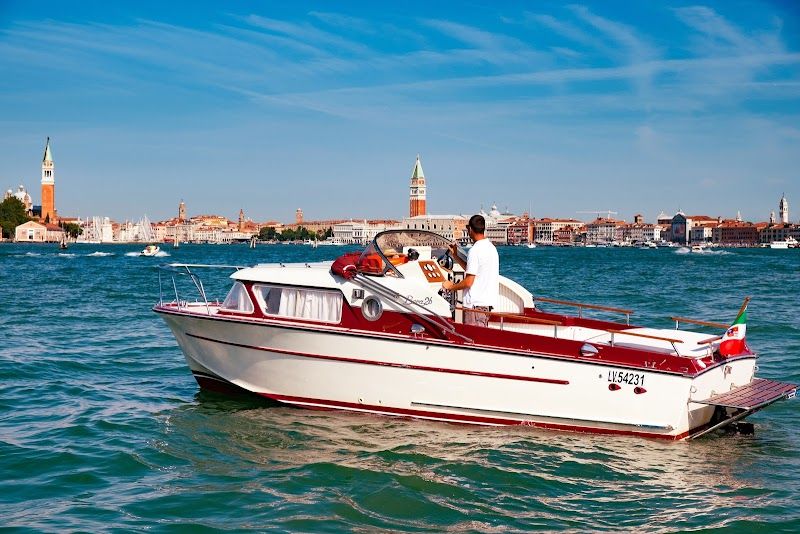
Venice Boat Experience
Venice Boat Experience takes you beyond the tourist waterways into the northern lagoon where most visitors never venture. You'll cruise past abandoned monasteries on San Francesco del Deserto, working fish farms around Burano's backwaters, and salt marshes that have shaped Venice for centuries. The local captains know every shallow channel and will cut engines near bird colonies where flamingos actually nest in spring. The boats are small rigid inflatables that can navigate channels barely wider than a gondola, giving you access to places the big tour boats can't reach. Your captain will beach the boat on tiny islands where you can walk among ruins of abandoned settlements, and you'll see the massive MOSE flood barriers up close. The afternoon light turns the shallow lagoon water into liquid gold, especially around the remote fishing villages where time feels suspended. Most lagoon tours stick to the main islands, but this one delivers on its promise of reaching genuinely remote spots. At 45 EUR per person for the 2.5 hour tour, it's reasonable value given the exclusive access. Skip the morning departure if you're prone to seasickness, as the lagoon gets choppy with afternoon winds dying down. Book directly with them rather than through hotel concierges who add unnecessary markup.