2 Days in Bergen: Bryggen, Fløyen & the Fjord
Fish market shrimp at 9 AM, Bryggen back alleys, the funicular to the summit, and one of the best fish soups in Norway
How to spend 2 days in Bergen: the fish market first thing, Bryggen's back alleys, Fløibanen funicular to the mountain summit, Kode art museums, and fish soup that justifies the trip.
Harbour, Bryggen & the Mountain
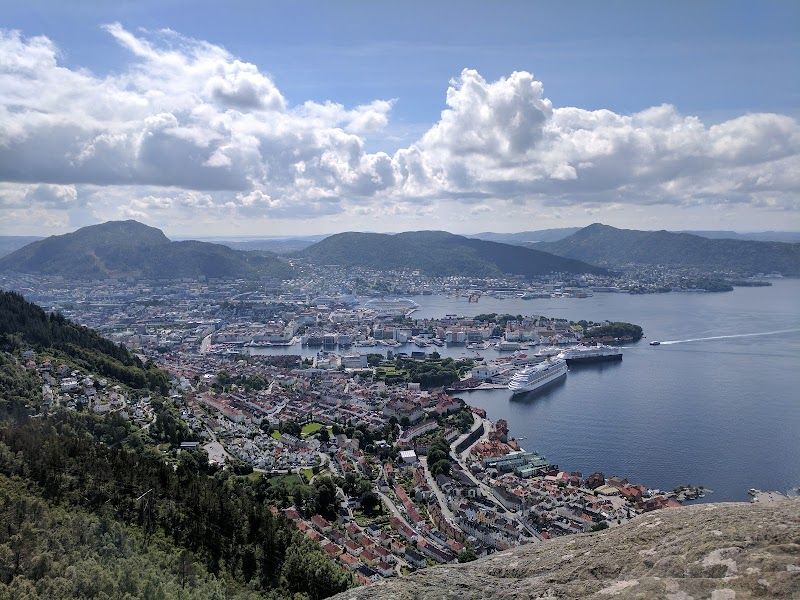
Start early at the fish market when the locals are still buying their lunch. You'll spend the morning eating with your hands and walking through 800-year-old wooden alleys that smell like salt and old timber. The funicular takes you up Fløyen for the full harbour panorama, then you'll walk back down through pine forest while the tour groups ride the cable car both ways.
- Fresh shrimp at the fish market
- Bryggen's medieval alleys
- Fløyen summit views
Morning: Fish Market & Bryggen (8:00 AM - 11:30 AM)
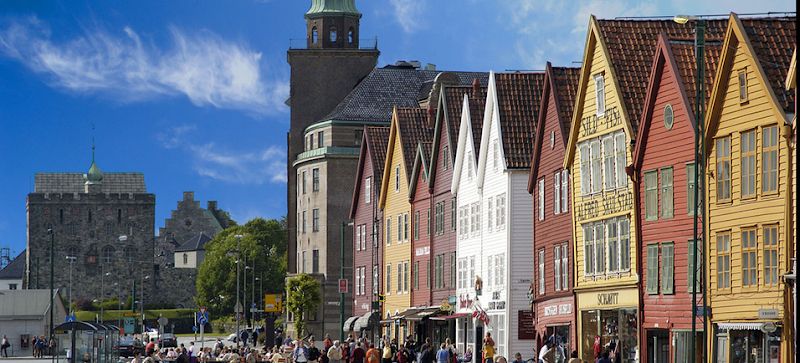
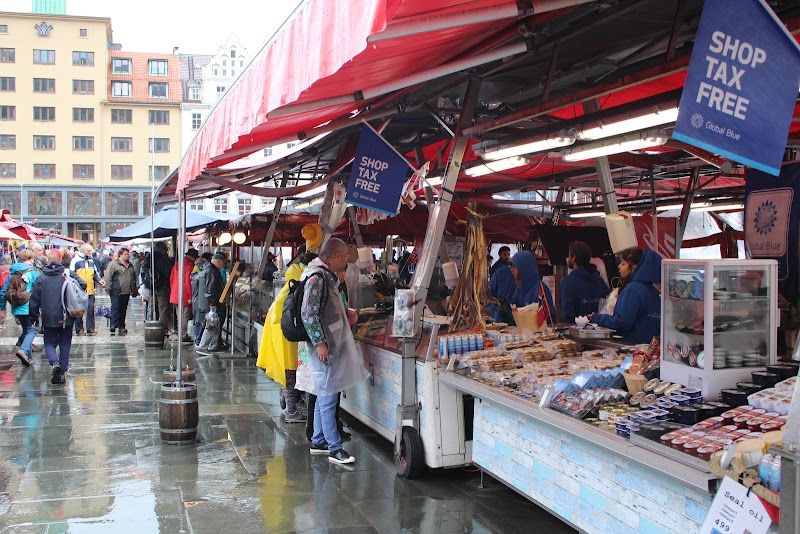
Get to Fisketorget by 8 AM when it opens. The vendors are setting up and there are no queues yet. Buy a bag of fresh shrimp for NOK 120-180 (about 300g), grab bread and mayonnaise from the same vendor, and eat standing at the wooden counter facing the harbour. The shrimp are sweet and cold, the bread is dense Norwegian-style, and you'll get mayo under your fingernails. This is exactly how Bergeners eat shrimp, and it's the right way to start your time here. After you finish, walk 200 meters to Bryggen's waterfront. The red and ochre wooden facades look like a postcard, but turn into the narrow passages between the buildings. These are the original Hanseatic warehouse spaces, now filled with craftspeople and small galleries. The alleys are barely wide enough for two people, the wooden floors creak under your feet, and everything smells like old timber and sea air. Don't just photograph the front; walk all the way through to the back courtyards where you can see the medieval construction methods.
Fløibanen Funicular & Forest Walk (11:30 AM - 1:30 PM)
Walk 300 meters from the Bryggen end to Vetrlidsallmenningen 23 for the Fløibanen funicular. It costs NOK 135 return and runs every 15 minutes. The 8-minute ride up is steep enough that your ears pop slightly. At the 320-meter summit, you get the full harbour panorama with Bryggen looking like a toy village below. Have a coffee at the summit cafe (NOK 45-65) and take the view in properly. Then ignore the funicular down and follow the marked forest trail instead. It's a 45-minute walk through pine forest on a well-maintained path, free, and you'll pass Norwegian families with children and elderly couples who do this walk regularly. The trail switchbacks down through trees, and you'll hear the city getting louder as you descend. This is infinitely better than taking the funicular both ways like most tourists do.
Lunch & Afternoon Museums (1:30 PM - 5:00 PM)
Walk to Mathopen brewery on Nordnes peninsula for lunch. It's 15 minutes from the funicular base, away from the Bryggen tourist crowds, and the lunch plates (NOK 150-200) are substantial. The local beer selection is good, and you can sit outside if the weather cooperates. After lunch, walk back to the Bryggen Museum on Dreggsallmenningen (NOK 120). This is the excavation of medieval Bergen exposed when the wooden buildings burned in 1955. You walk on glass floors above stone foundations that are 800 years old, and the explanations are clear and specific about daily life in medieval Bergen. Then visit the Hanseatic Museum (NOK 130) inside one of the original warehouse buildings. The German merchant rooms are preserved exactly as they were, complete with wooden beds, account books, and the small heating stoves that barely kept the traders warm. The museum explains how the Hanseatic League controlled Bergen's fish trade for 300 years, and why everything in Bryggen is built from wood.
Evening Walk & Dinner
Walk along the harbour to Nordnes peninsula and back (30 minutes each way, flat walking, fjord on one side). This gives you the full harbour perspective and takes you past the modern Bergen that most tourists never see. For dinner, pick a restaurant on Nøstet or the city center streets south of Bryggen. Fish soup (fiskesuppe) is what you should order here. It costs NOK 150-200 and is made with local white fish, salmon, and prawns in a creamy base that actually tastes like the sea. Budget NOK 250-400 for a full dinner at a sit-down restaurant. The harbour view tables fill up by 7 PM, so either book ahead or arrive early. Don't expect Mediterranean-style late dining; Norwegians eat dinner at 6:30 PM.
Kode Museums, Ulriken & Local Bergen
Your second day moves beyond the medieval harbor to Bergen's cultural side. The morning is for Nordic art in four connected museums, including Munch paintings that aren't in Oslo. The afternoon gives you choices: take a cable car higher than yesterday's mountain, or explore a reconstructed 18th-century neighborhood where locals still get married in the old church.
- Nordic art at Kode museums
- Ulriken cable car or historic Gamle Bergen
- Local neighborhoods beyond the tourist center
Morning: Kode Art Museums (10:00 AM - 1:00 PM)
The Kode museums (NOK 150 for all four buildings) open at 10 AM on Rasmus Meyers alle, directly opposite the city park. Start with Kode 2 and Kode 3, which have the most substantial collections. You'll see 600 years of Nordic art, including Edvard Munch paintings that didn't make it to Oslo, Harald Sohlberg's mountain landscapes that capture exactly what Norwegian light looks like, and a strong contemporary Norwegian section that shows how modern artists interpret the landscape tradition. The Munch rooms are quieter than the ones in Oslo, and you can actually stand in front of the paintings without fighting crowds. The contemporary section includes video installations about Arctic climate change and abstract paintings inspired by fjord geology. Allow 2-3 hours if you're genuinely interested in Nordic art, less if you're just checking it off. The cafe in Kode 2 serves reasonable lunch plates for NOK 120-170, including open-faced sandwiches with local fish.
Afternoon Options: Choose Your Bergen Experience
You have three good options for the afternoon, depending on weather and your interests. If it's clear, take the Ulriken cable car (NOK 200 return) to 642 meters above sea level. This is higher and more dramatic than yesterday's Fløyen, and on a clear day you see multiple fjords stretching toward the mountains. The gondola takes 10 minutes and runs regularly. If the weather is questionable or you prefer cultural sites, take bus 9 from Byparken (10 minutes) to Gamle Bergen Museum in Sandviken (NOK 130). This is 55 reconstructed buildings from the 1700s-1900s, and the guided tours show you inside the period bakery, pharmacy, and merchant houses. The interiors are complete down to the medical bottles and bread ovens, and local couples still get married in the 1800s church. If you want afternoon free time, walk the western side of Nordnes peninsula to Nordnes Sjøbad, the seawater pool at the fjord tip. It's free in summer, takes 15 minutes from Bryggen, and locals swim here year-round.
Bergen Logistics & Money-Saving Tips
NOK 500-600 per person per day covers museums, transport, and mid-range restaurant meals
Fløibanen and Ulriken cable car both offer student discounts with valid ID
The fish market vendors accept cards, but bring cash for faster transactions
Bergen rain is frequent but light; a waterproof jacket works better than an umbrella
Restaurant dinner reservations are essential by 6 PM, especially for harbour view tables
Ready to Visit Bergen?
Get a personalized itinerary tailored to your travel style and interests.
Plan Your Bergen TripMore Bergen Guides
First Time in Bergen: Wet Weather, Bryggen & the Fjord Gateway
Everything before your first Bergen visit: the rain (how bad, how to manage), what Bryggen is and what it costs, the Fløibanen funicular, the fjord day trips, and how to get there from Oslo.
6 min
Where to Eat in Bergen: Fish Soup, Shrimp at the Market & Local Fish
Bergen food without the tourist markup: fish soup in a bread bowl at the Fish Market, fresh shrimp by the bag, local restaurants on Nøstet, and the coffee scene away from Bryggen.
6 min