First Time in Bergen: Wet Weather, Bryggen & the Fjord Gateway
The rain reality, the Oslo Pass equivalent, what Bryggen actually is, and the fjord connections
Everything before your first Bergen visit: the rain (how bad, how to manage), what Bryggen is and what it costs, the Fløibanen funicular, the fjord day trips, and how to get there from Oslo.
First Time in Bergen: What You're Getting Into
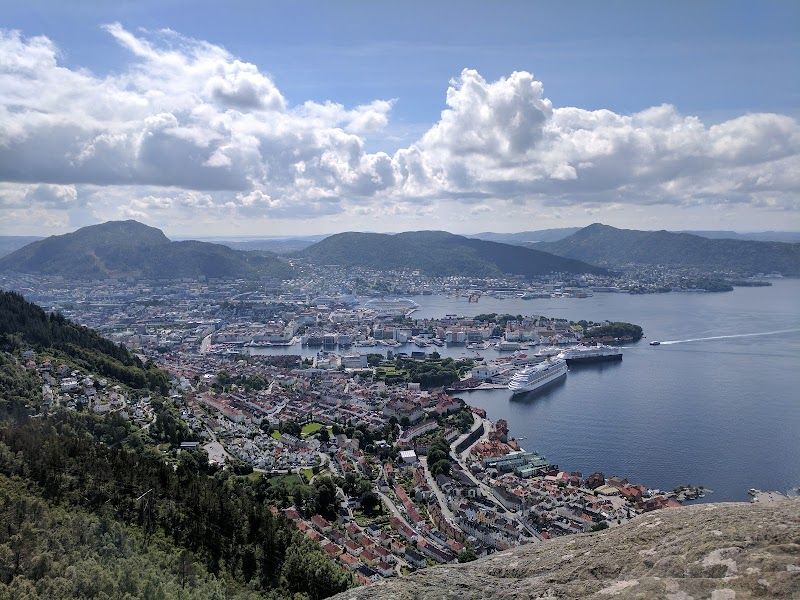
Bergen is Norway's second city, a compact port town of 280,000 people wedged between seven mountains and the North Sea. You're here for three things: the preserved medieval wharf called Bryggen, the gateway to Norway's famous fjords, and a city that works despite being soaked by rain two-thirds of the year. The touristy bits are genuinely worth seeing, the rain is manageable if you dress for it, and the fjord day trips from here are some of the best train and ferry rides in Europe. You can see Bergen properly in two days, or use it as a base for longer fjord exploration.
The Rain Reality
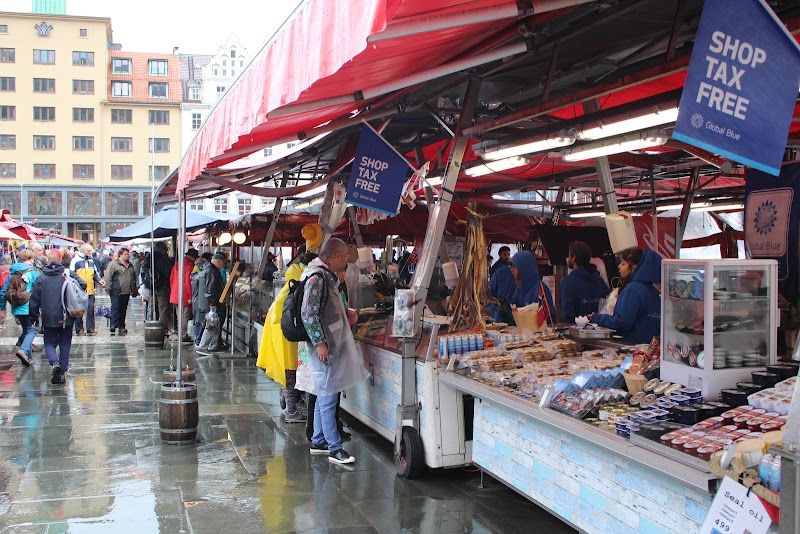
Bergen gets rain 239 days per year, making it the wettest major city in mainland Europe. Even July and August, the driest months, still see 15-20 rainy days each. Here's what this actually means: pack a proper waterproof jacket with a hood because umbrellas are useless in the coastal wind. Check yr.no the night before and book your Fløibanen funicular ride for clear morning forecasts. Most Bergen rain comes in 30-60 minute bursts rather than day-long downpours. The Fish Market has covered stalls, Bryggen's back alleys have overhangs, and the Kode art museums are perfect rainy-day retreats. The funicular runs in all weather, but the summit view in rain is just clouds.
Getting to Bergen
From Oslo, take the Bergen Railway (Bergensbanen, 6.5-7 hours, NOK 199-499) if you have time. This is one of Europe's great train journeys, crossing the Hardangervidda plateau at 1,300 metres and descending through valleys toward the coast. Book advance tickets for cheaper fares and window seats on the right side for the best mountain views. Flying is faster (45 minutes, NOK 300-600 return on budget carriers to Bergen airport Flesland) but you miss the scenery. From the airport, take the light rail (Bybanen, NOK 42, 45 minutes) into the city center, or a taxi (NOK 400-500) if you're carrying heavy luggage.
Getting Around Bergen
Bergen's center is compact enough to walk. Bryggen, the Fish Market, the Fløibanen lower station, and the Nordnes peninsula are all within 10-15 minutes of each other on foot. The light rail (Bybanen) connects the airport to Byparken, the main transit hub near Bryggen. City buses cost NOK 42 per journey, which adds up fast. The Bergen Card (NOK 279 for 24 hours, NOK 369 for 48 hours) covers all public transport plus the Fløibanen funicular, Bryggen Museum, Hanseatic Museum, and all four Kode art museums. If you're hitting two museums and taking the funicular, the card pays for itself.
What Bryggen Actually Is
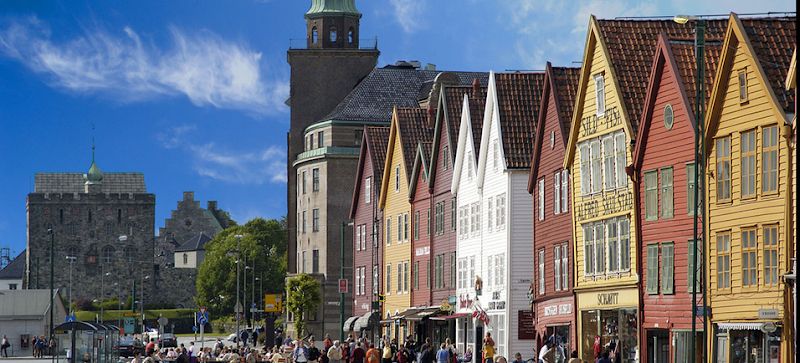
Bryggen is 62 wooden buildings lining the north side of Bergen's harbor, rebuilt after a 1702 fire on foundations dating to the 11th century. The buildings lean at odd angles because they're built on medieval stone rubble that has settled over centuries. The colorful row of facades facing the harbor is what everyone photographs, but the real interest is behind them. A maze of narrow alleys connects the original warehouse spaces where craftspeople, galleries, restaurants, and jewelry shops now operate. Walking both the wharf front and the back alleys is free. For the full story, visit the Hanseatic Museum (NOK 130) inside one of the original merchant houses, or the Bryggen Museum (NOK 120) built over archaeological excavations behind the wharf.
Bergen as Your Fjord Gateway
Bergen is Norway's main fjord travel hub, with three key connections you should understand before booking anything. The Norway in a Nutshell route is a full-day loop: train from Bergen to Myrdal, the dramatic Flam railway down to fjord level, ferry across Naeroyfjord to Gudvangen, then bus and train back to Bergen (NOK 600-1,200 depending on season and booking). Hardangerfjord day trips go by bus or ferry to towns like Eidfjord or Norheimsund. Sognefjord connections require ferry rides from Bergen or train connections through Myrdal. These are separate trips that add full days to your Bergen visit. Bergen works fine as a city break without the fjords, but the fjords are much harder to reach efficiently from anywhere else in Norway.
Bergen Essentials
Download the yr.no weather app for hyperlocal Bergen forecasts that update hourly
Buy your Bergen Card at the tourist information office near the Fish Market, not online where you pay processing fees
The Fløibanen funicular gets crowded after 10am, especially when cruise ships dock. Go early or after 4pm
Bryggen's back alleys close to the public during private events. Check the signs at the harbor-facing entrance
ATMs charge foreign cards NOK 20-50 per withdrawal. Most places accept cards, but the Fish Market vendors prefer cash
The light rail to the airport runs every 20 minutes until 11pm, every 30 minutes after that
Ready to Visit Bergen?
Get a personalized itinerary tailored to your travel style and interests.
Plan Your Bergen TripMore Bergen Guides
2 Days in Bergen: Bryggen, Fløyen & the Fjord
How to spend 2 days in Bergen: the fish market first thing, Bryggen's back alleys, Fløibanen funicular to the mountain summit, Kode art museums, and fish soup that justifies the trip.
7 min
Where to Eat in Bergen: Fish Soup, Shrimp at the Market & Local Fish
Bergen food without the tourist markup: fish soup in a bread bowl at the Fish Market, fresh shrimp by the bag, local restaurants on Nøstet, and the coffee scene away from Bryggen.
6 min