Mallorca
Interior (Es Pla)
The agricultural heartland: stone villages, Wednesday markets, wine tastings, almond groves, and the Mallorca that has nothing to do with beaches.
About Interior (Es Pla)
Es Pla (the plain) is the central plateau of Mallorca, and tourists drive through it without stopping. Their loss. Sineu has the oldest market on the island (every Wednesday since the 13th century, livestock and local produce, arrive before 10 AM for the animal market). Binissalem is the centre of the DO Binissalem wine region: the local Manto Negro (red) and Prensal Blanc (white) grapes produce wines that are genuinely good, and tastings at the bodegas cost EUR 10-20 with food pairings. Inca has leather factories (the outlet stores on the edge of town are where locals buy shoes and bags at 40-60% off retail) and cellars (cellers), traditional restaurants in converted wine cellars where a three-course lunch with wine costs EUR 15-20. Petra is the birthplace of Junipero Serra (the Franciscan friar who founded the California missions), and the town museum (EUR 3) tells the story.
Things to Do
Top experiences in Interior (Es Pla)
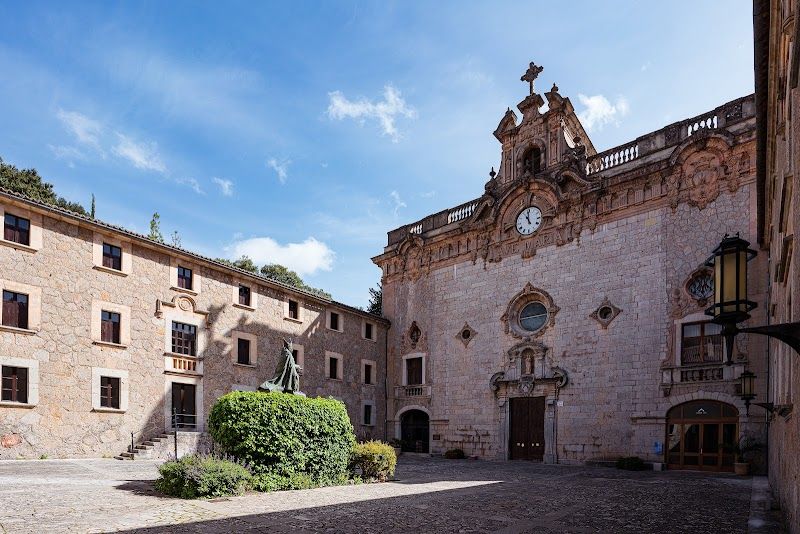
Monestir de Lluc
Mallorca's spiritual heart sits 525 meters up in the Tramuntana mountains, built around a 13th-century statue of the Black Madonna that pilgrims have venerated for over 700 years. You'll find a working monastery with sleeping quarters, a basilica mixing Renaissance and Baroque styles, and Els Blauets boys' choir who've been performing here since 1531. The complex feels like a small village with stone courtyards, a botanical garden displaying endemic Balearic plants, and mountain views that stretch to the coast. The visit flows naturally from the main square through interconnected courtyards and cloisters. The basilica interior surprises with its ornate ceiling and the famous Black Madonna statue positioned above the altar in a marble niche. Els Blauets perform twice daily, their voices filling the stone space with centuries-old Gregorian chants. Between the religious buildings, you'll discover peaceful gardens with labeled Mediterranean flora and quiet spots where monks still go about their daily routines. Most guides oversell the hiking trails here, they're decent but not spectacular compared to other Tramuntana routes. The real draw is experiencing a living monastery that hasn't been turned into a museum. Skip the overpriced cafe (coffee costs 3 EUR) and bring snacks instead. The gift shop sells decent honey made by the monks for 8 EUR, but avoid the touristy religious trinkets.
Mercat de Sineu
Every Wednesday morning, Sineu transforms into what feels like medieval Mallorca. This 700-year-old market is the real deal: actual farmers selling produce from their land, livestock pens with squealing pigs and clucking chickens, and elderly vendors who've held the same spot for decades. You'll see traditional Mallorcan vegetables like esclata-sangs (wild mushrooms in season), local sobrassada sausages, and jars of honey that taste like the island's wild herbs. The market spreads across Sineu's main square and spills into surrounding streets, creating a maze of stalls and animal pens. Farmers arrive before dawn and set up by 7am, many still wearing traditional blue work clothes and wide-brimmed hats. The livestock section feels authentically rural, complete with the sounds and smells of a working farm. By 10am the square is packed with locals haggling in Catalan while tourists wander slightly bewildered through the organized chaos. Most travel guides romanticize this place, but here's the truth: it's genuinely authentic but also genuinely overwhelming. The produce is excellent but not cheap (expect 3-4 EUR for a jar of honey, 8-10 EUR per kilo for good cheese). Skip the touristy ceramic stalls near the church and focus on the food vendors under the stone arches. The livestock section is interesting for five minutes unless you're actually buying a pig.
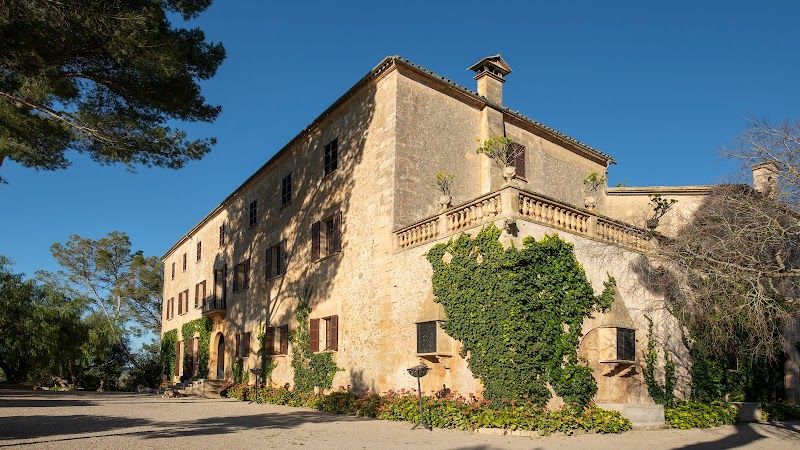
Els Calderers
Els Calderers is an 18th-century manor house that functions as a living museum of Mallorcan rural aristocracy. You'll walk through completely furnished rooms where the family actually lived, from the master's study lined with leather-bound books to the kitchen with its massive stone fireplace still blackened from centuries of cooking. The estate includes working grain mills, wine cellars carved into rock, and a collection of traditional Mallorcan animals including the famous black pigs and sturdy local donkeys. The visit flows naturally from the main house through courtyards to the working areas, and it genuinely feels like the family just stepped out for lunch. The chapel retains its original wooden pews and painted ceiling, while the servants' quarters show how the other half lived with simple beds and basic furniture. Craftspeople demonstrate traditional skills like basket weaving and blacksmithing in the original workshops, using tools and techniques unchanged for generations. Most guides oversell this as a major attraction, but it's actually perfect for families with kids who love animals and anyone genuinely interested in rural life rather than grand palaces. The folk dancing demonstration at noon gets crowded, so arrive by 11:30 or skip it entirely for a quieter experience. Entry costs around 15 EUR for adults, and you can easily see everything worthwhile in 90 minutes despite the suggested two hours.
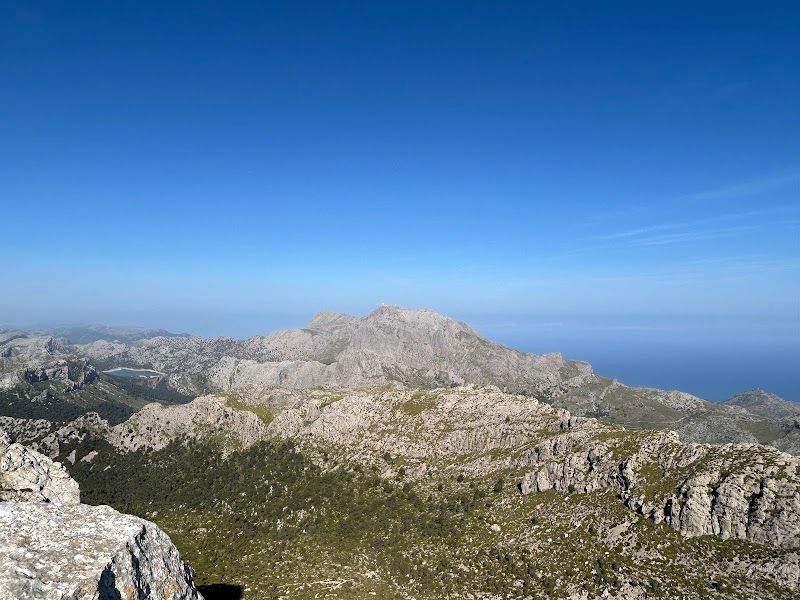
Puig de Massanella
Puig de Massanella stands at 1,365 meters as Mallorca's highest accessible peak, offering the island's most rewarding mountain hike without requiring special permits. The trail climbs through dense holm oak forests before emerging onto barren limestone terrain where you'll get sweeping 360-degree views across the entire island. On clear days you can see the coast in every direction, plus Menorca floating on the horizon. The 5-6 hour return hike starts steep and stays that way, with the forest section providing welcome shade before you hit the exposed upper slopes. The atmosphere shifts dramatically as you climb: bird calls and rustling leaves give way to wind and your own breathing echoing off rock faces. The final approach involves some easy scrambling over limestone slabs, but nothing technical. Winter brings snow to the upper sections, creating a surprisingly alpine feel that most visitors don't expect from Mallorca. Most hiking guides make this sound harder than it actually is. You need decent fitness but not mountaineering skills. The biggest mistake people make is starting too late: begin before 8am or you'll be climbing the exposed sections in brutal midday heat. Skip this entirely from July through August unless you're genuinely experienced in mountain hiking. The trail is well-marked but bring plenty of water since there are no facilities beyond the starting point.
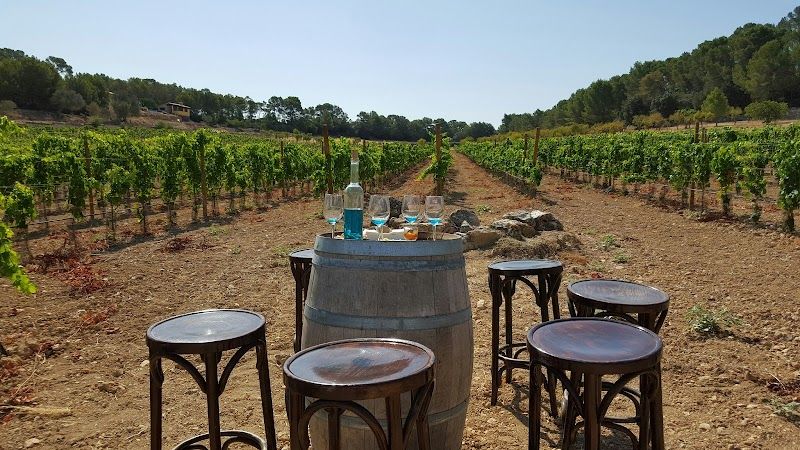
Mallorca Wine Tasting Tour
The Binissalem wine region in central Mallorca produces wines from local grapes (Manto Negro red, Prensal Blanc white) that are genuinely good and almost unknown outside the island. A wine tour visits 2-3 bodegas with tastings, food pairings (local cheese, sobrassada, olives), and vineyard walks. Jose L. Ferrer is the largest and most accessible (EUR 10-15 for a tasting). Smaller producers like Biniagual, Macia Batle, and Vins Nadal offer more personal experiences (EUR 15-20, often by appointment). Self-drive is possible (Binissalem is 25 minutes from Palma) or take a guided tour (EUR 60-90 per person including transport).
Where to Eat
Restaurants and cafes in Interior (Es Pla)
Getting Here
Insider Tips
Sineu Wednesday market
The oldest market on the island, every Wednesday since the 13th century. The animal market (livestock) runs from 8 AM and is unlike anything else in Mallorca. The produce and craft stalls fill the town by 9 AM. Go early, park on the outskirts, walk in. By noon it is winding down.
Binissalem wine route
Book a tasting at one of the bodegas: Jose L. Ferrer (the biggest, EUR 10-15), Biniagual (small, appointment only, more personal), or Vins Nadal. Manto Negro is the local red, Prensal Blanc the white. Tastings include 4-6 wines and usually bread, cheese, and sobrassada. Allow 1-1.5 hours.
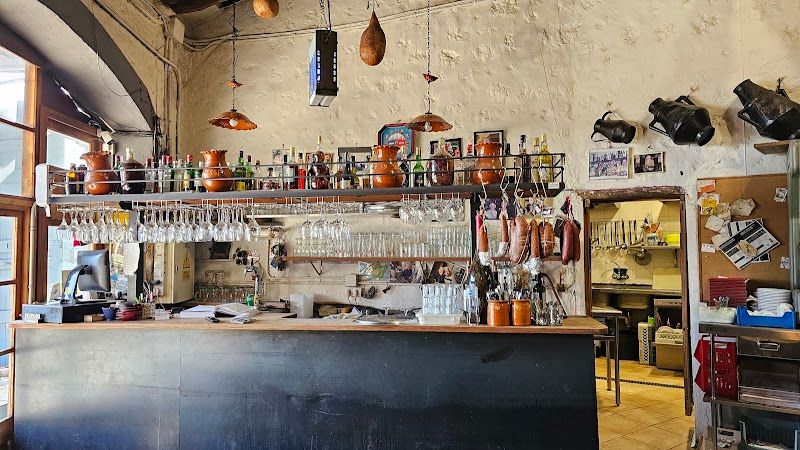
Inca cellers
The cellers are traditional restaurants in old wine cellars. Celler Can Amer and Celler Ca'n Ripoll are the most famous. Three-course lunch with wine costs EUR 15-20. The portions are enormous. Go for lunch, not dinner (some close in the evening). Thursday is market day in Inca.
Nearby Neighborhoods
Continue exploring
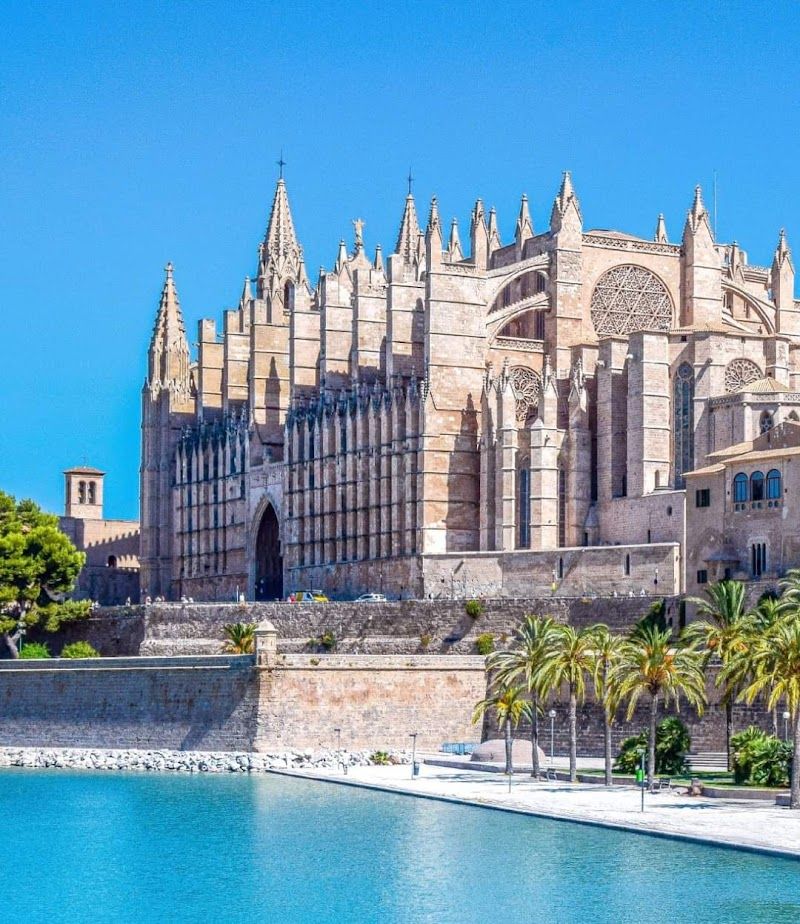
Palma
A real Mediterranean city: Gothic cathedral on the waterfront, narrow old town streets, palace courtyards, and the Santa Catalina neighbourhood where locals eat and drink.
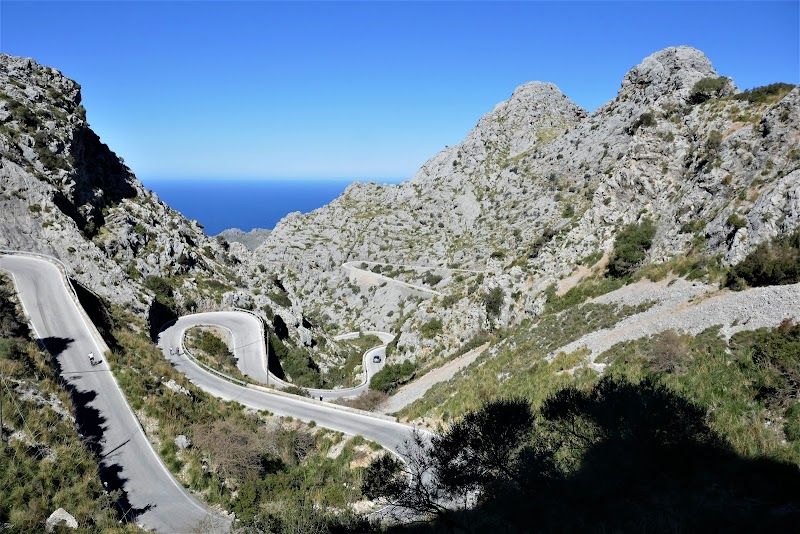
Serra de Tramuntana
UNESCO mountain range: stone villages clinging to cliffs, ancient olive groves, hiking trails, and a coastal road that is one of the best drives in Europe.
Southwest Coast
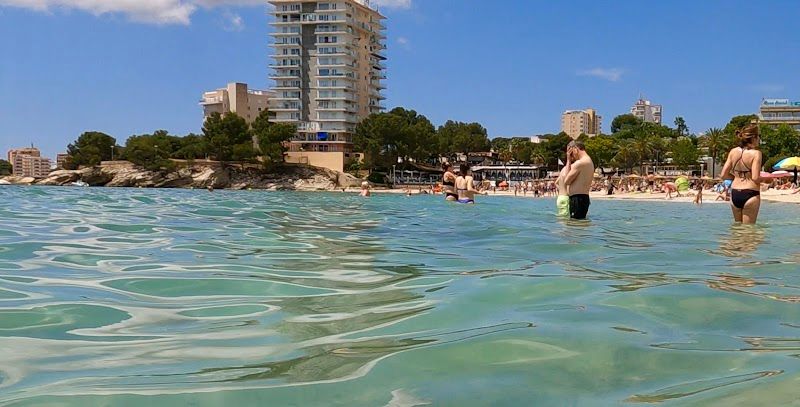
The quieter, more upscale end of the coast: Port d'Andratx harbour, Sant Elm village, Dragonera island, and sunset views that draw painters and photographers.
Plan a trip featuring Interior (Es Pla)
Get a personalized Mallorca itinerary with Interior (Es Pla) built in.
Start Planning