
Milan
Porta Garibaldi & Corso Como
Modern Milan - glass skyscrapers, the vertical forest, a legendary concept store, and rooftop bars with skyline views.
About Porta Garibaldi & Corso Como
Porta Garibaldi and Corso Como represent the Milan that emerged in the 2010s: the Porta Nuova business district with its glass towers, Piazza Gae Aulenti (a raised circular plaza with fountains and restaurants), and Bosco Verticale - Stefano Boeri's vertical forest towers that have become the most photographed buildings in modern Milan. 10 Corso Como (concept store, gallery, bar, restaurant, and bookshop in one courtyard) has been setting design trends since 1990. The area connects to Isola across the railway and the Biblioteca degli Alberi park fills the space between the towers with green.
Things to Do
Top experiences in Porta Garibaldi & Corso Como
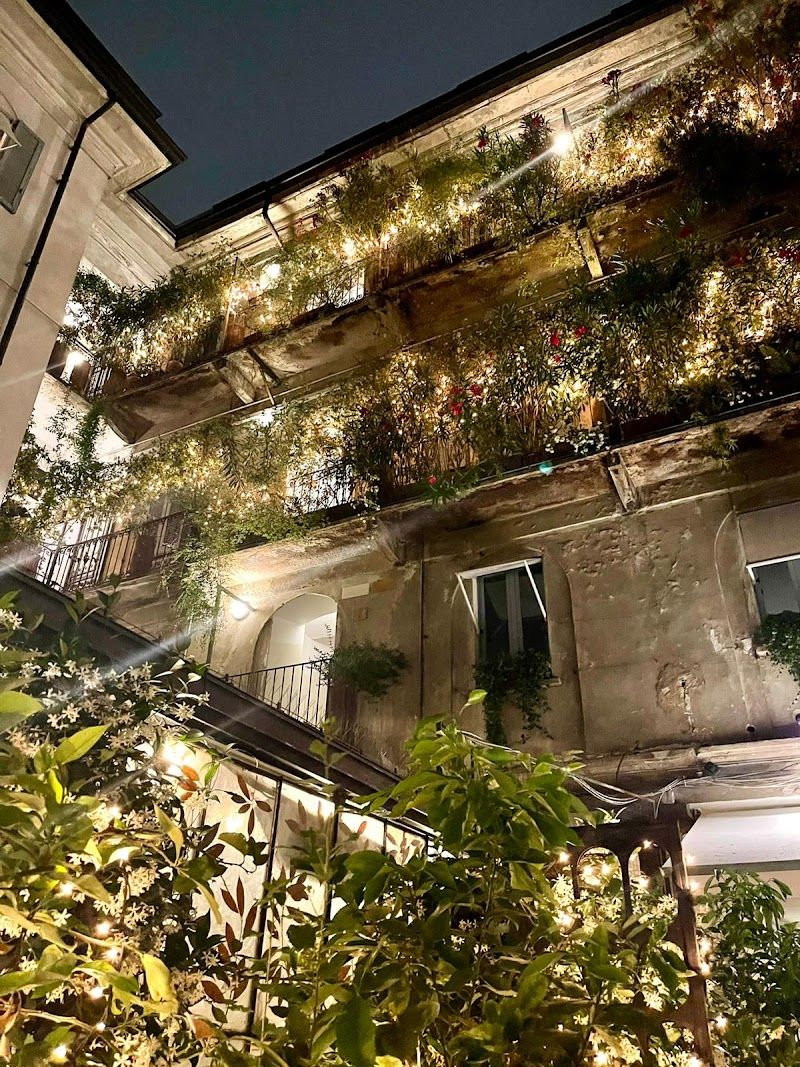
10 Corso Como
This pioneering concept store transformed Milan's shopping scene by mixing high-end fashion with art, books, and dining in a converted garage space. You'll find carefully curated designer pieces from established and emerging brands, a serious art bookshop, rotating contemporary exhibitions on the third floor, and a gorgeous garden restaurant in the courtyard. It's not just shopping - it's more like wandering through fashion editor Carla Sozzani's personal vision of how retail should work. The space flows naturally from the ground-floor boutique through different rooms and levels, each with its own personality but cohesive aesthetic. The fashion selection feels personal rather than commercial, with pieces you won't find in department stores alongside cult accessories and design objects. The third-floor gallery genuinely surprises - serious contemporary art that changes every few months, completely free while you browse. The garden cafe in back creates an unexpectedly peaceful retreat from the Corso Como energy outside. Most visitors rush through the fashion floors and miss the bookshop, which stocks the best art and fashion titles in Milan. The restaurant gets busy at lunch (expect 25-30 EUR for a main course), but it's perfect for aperitivo around 6pm when the garden lighting kicks in. Skip the expensive accessories near the entrance - the real finds are upstairs where the curation gets more adventurous and the crowds thin out.
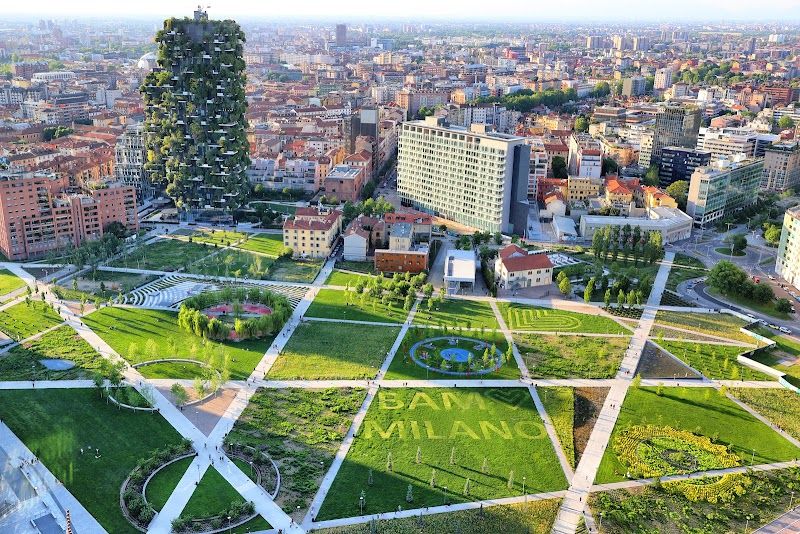
Biblioteca degli Alberi
Biblioteca degli Alberi transforms 22 acres of former industrial land into Milan's most sophisticated botanical experiment, with 135 tree species arranged in circular garden rooms that shift dramatically through the seasons. You'll walk through themed groves - Mediterranean oaks in one circle, Japanese maples in another, North American varieties in a third - while glass skyscrapers tower overhead. The contrast between cutting-edge botany and futuristic architecture makes this feel like stepping into a sci-fi movie where nature and technology actually coexist peacefully. The circular design means you can wander in any direction and discover something new - spring brings cherry blossoms and magnolias, summer offers dense canopies perfect for escaping Milan's heat, autumn explodes with maple colors you wouldn't expect in Italy. The wide gravel paths connect seamlessly between garden rooms, and elevated walkways give you treetop perspectives of both plants and the surrounding Porta Nuova skyline. Families spread picnics on the generous lawns while joggers loop the perimeter paths. Most travel guides gush about this place, but honestly, it's still maturing - many trees are young and the gardens need another decade to reach their full potential. The summer fitness classes are decent but get crowded, and weekend afternoons turn into outdoor office spaces for locals with laptops. Visit on weekday mornings for the best experience, and don't expect Kew Gardens - this is urban landscaping done very well, not a botanical wonderland.
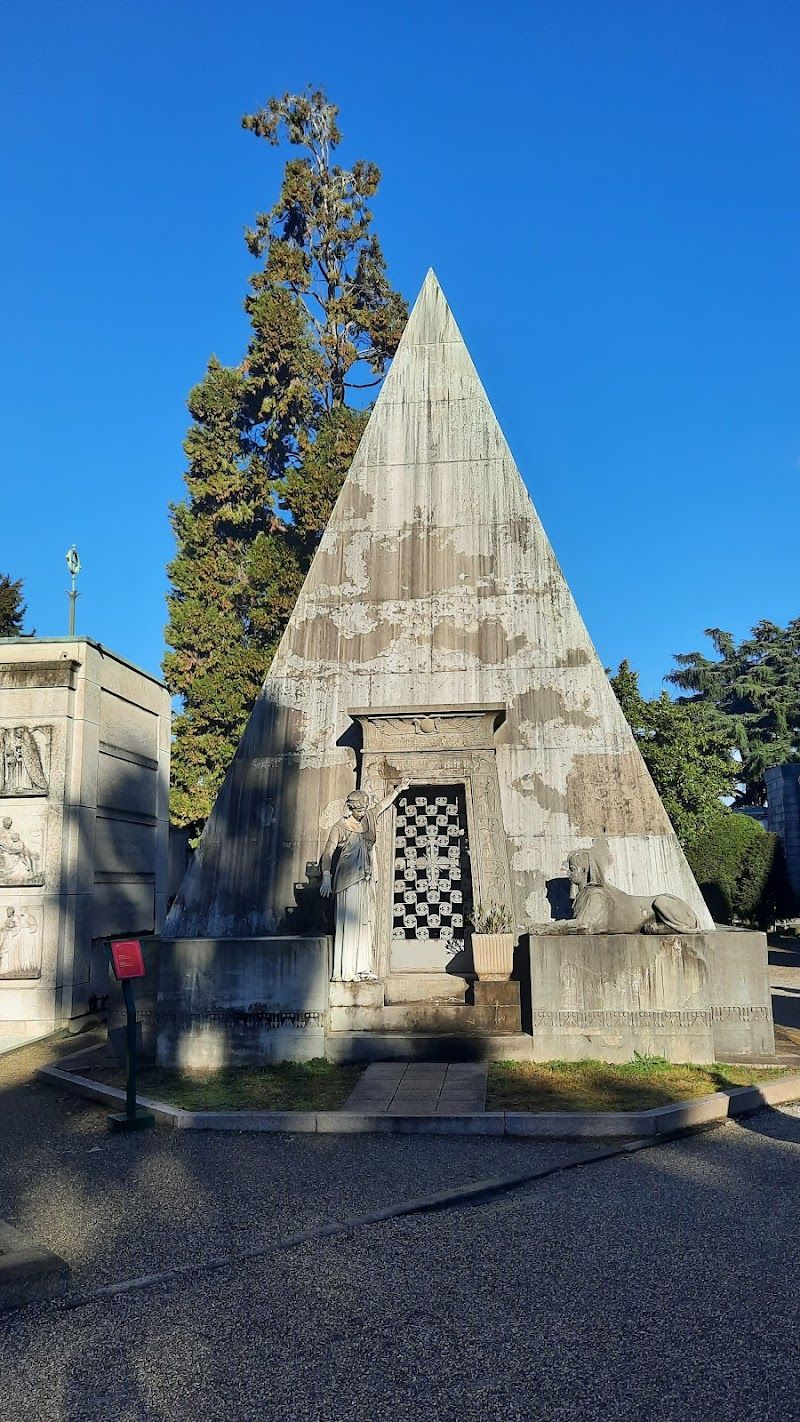
Cimitero Monumentale di Milano
Milan's Monumentale Cemetery is where Italy's wealthy families competed to build the most spectacular tombs, creating an accidental sculpture park that rivals any museum. You'll walk past towering Art Nouveau monuments, miniature Gothic cathedrals, and modernist masterpieces by sculptors like Medardo Rosso and Giò Pomodoro. The centerpiece Famedio hall houses Italy's cultural elite - composer Giuseppe Verdi, novelist Alessandro Manzoni, and conductor Arturo Toscanini - under stunning Byzantine mosaics. The experience feels like wandering through a wealthy neighborhood frozen in time, where marble angels weep over forgotten industrialists and elaborate family chapels showcase century-old craftsmanship. You'll find yourself studying intricate bronze reliefs and Art Deco details that would be roped off in any museum. The Jewish section contains some of the finest early 1900s sculpture in Italy, while the newer areas show how modern artists approach memorial art. Most visitors rush through in 30 minutes, missing the real treasures scattered throughout the 250,000 graves. Entry is free, but the small guidebook (€3) helps identify the masterpieces among lesser works. Skip the crowded central avenue and explore the side paths where families still maintain elaborate private chapels. The morning light hits the marble beautifully, and you'll avoid the afternoon tour groups.
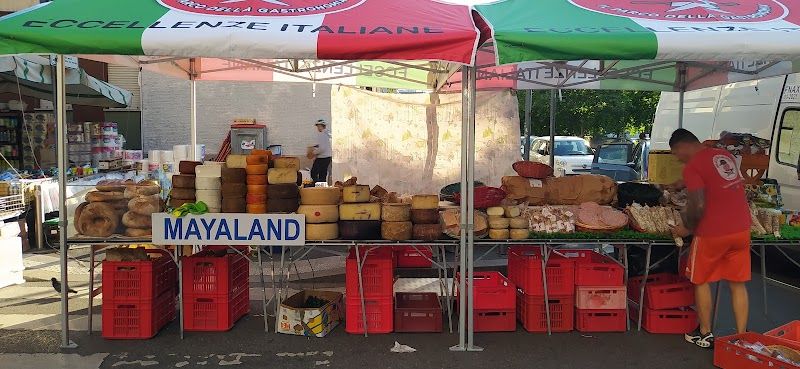
Mercato di Via Fauché
Mercato di Via Fauché is Milan's most authentic neighborhood market, operating since 1929 in a covered hall that serves locals rather than tourists. You'll find exceptional fresh produce, aged cheeses, whole fish displayed on ice, and cuts of meat that draw regulars every morning. The flower vendors outside add color, while surrounding stalls hawk everything from kitchen gadgets to regional Italian specialties shipped in from Sicily and Puglia. The atmosphere feels genuinely Milanese: elderly shoppers inspect tomatoes with surgical precision, vendors shout prices in dialect, and the smell of fresh herbs mingles with roasting porchetta. You'll navigate narrow aisles between stalls, dodging locals with wheeled shopping bags who know exactly where to find the best mozzarella. The pace picks up around 10am when office workers grab quick lunches before everything winds down by noon. Most food markets in Milan cater to tourists, but this one stays refreshingly real. Skip the overpriced items near the entrance and head straight to the back where prices drop significantly. The cheese selection rivals expensive delis at half the cost, particularly the aged parmigiano and fresh burrata. Come before 11am for the best selection, but don't expect English: vendors assume you're local and act accordingly.
Where to Eat
Restaurants and cafes in Porta Garibaldi & Corso Como
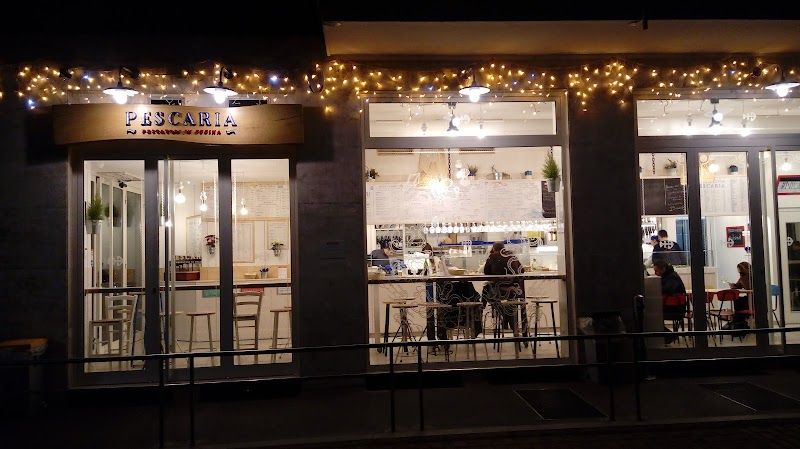
Pescaria Milano
RestaurantFried fish street food concept in Navigli. Sustainably sourced seafood served as sandwiches, fried cones, and platters. Quick, casual, and affordable for aperitivo hour.
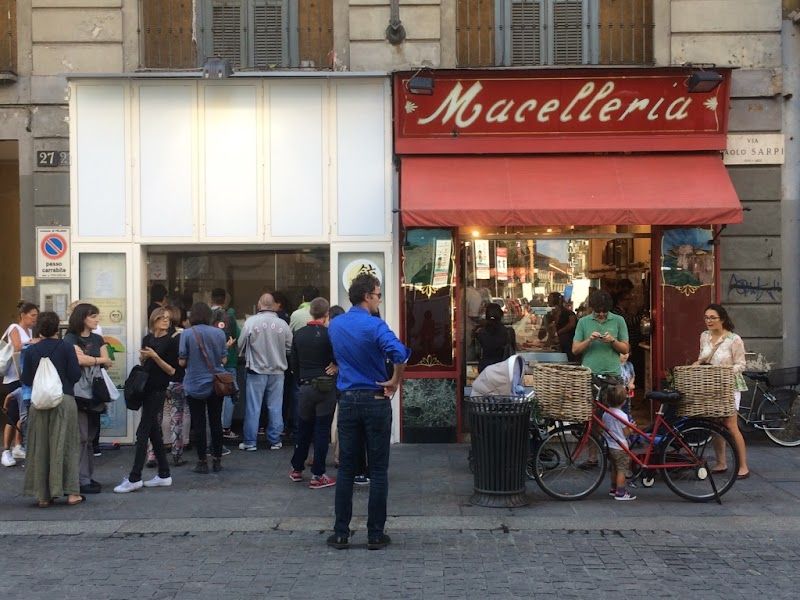
Ravioleria Sarpi
RestaurantFresh handmade dumplings and noodles in Milan's Chinatown. Choose your fillings, watch them make your ravioli, then have them cooked in broth or sauce. Exceptional value at EUR 8-12.
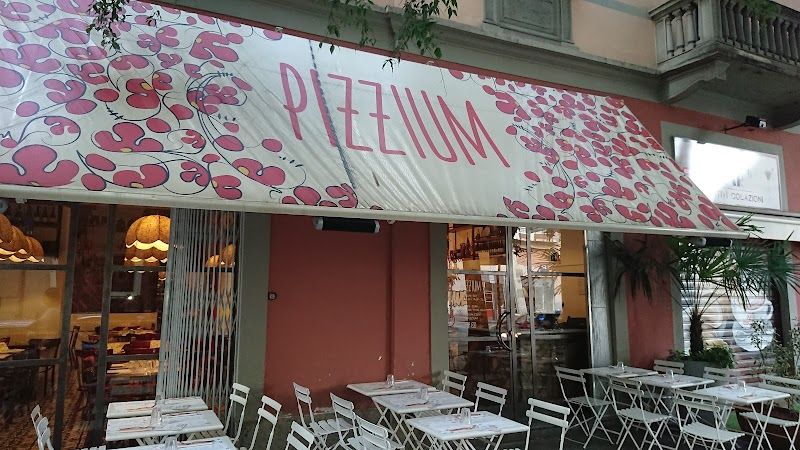
Pizzium
RestaurantModern pizza chain by master pizzaiolo Franco Pepe, using high-quality ingredients and proper Neapolitan technique. Fast, casual, and consistent quality.
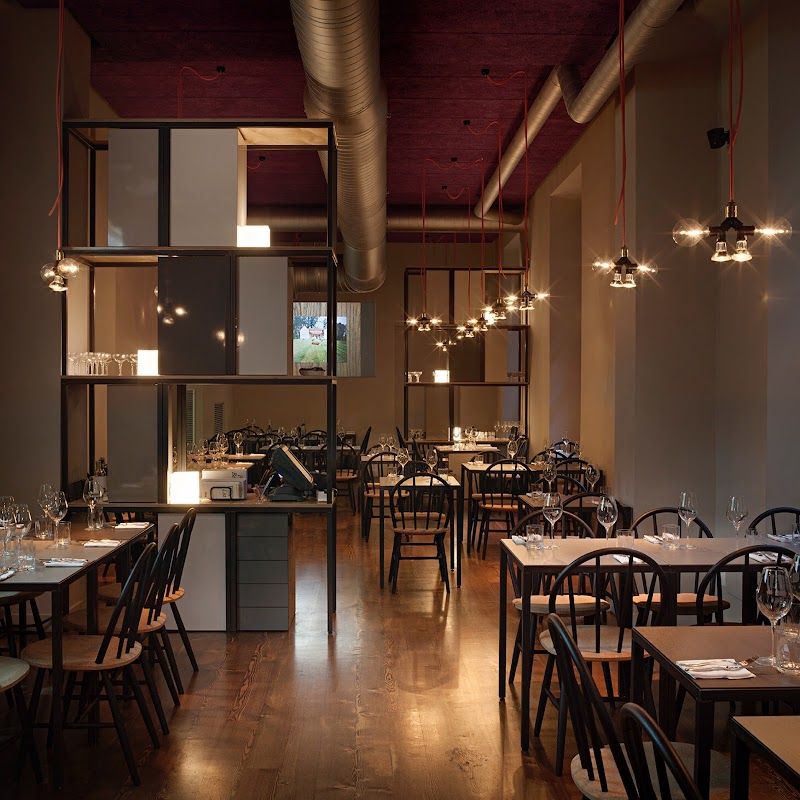
Dry Milano
RestaurantCocktail bar with serious food, serving creative small plates and excellent aperitivo spreads. The drinks program is award-winning, but locals come for the buffet at aperitivo hour (EUR 10).
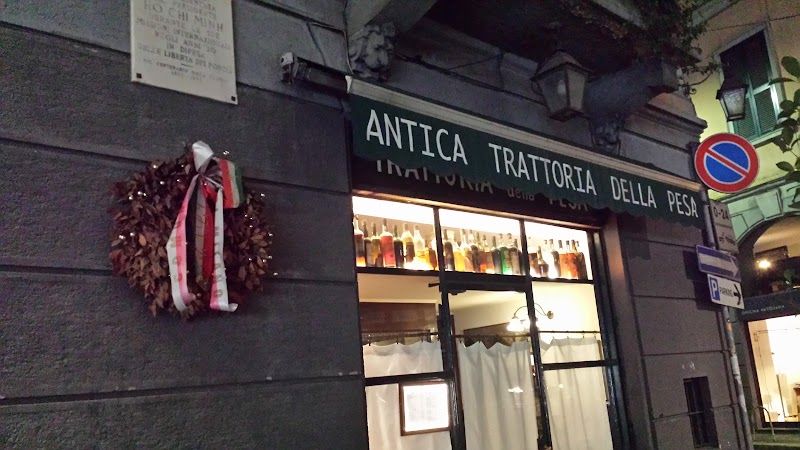
Antica Trattoria della Pesa
RestaurantOperating since 1880, this trattoria in a former customs house serves massive portions of Milanese classics. The cassoeula (pork and cabbage stew) is served only in winter, as tradition demands.
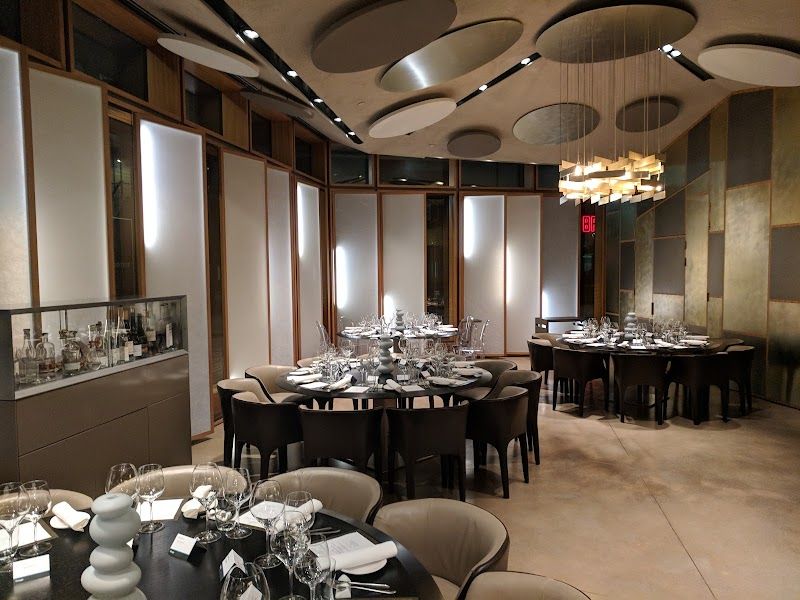
Ristorante Berton
RestaurantMichelin-starred restaurant from chef Andrea Berton in a modern glass-walled space. Contemporary Italian cuisine with impeccable technique and a focus on seafood.
Nightlife
Bars and nightlife in Porta Garibaldi & Corso Como
Getting Here
Insider Tips
Bosco Verticale
The vertical forest towers are residential (you cannot go inside) but the view from Piazza Gae Aulenti or the Biblioteca degli Alberi park is the money shot. Best in the afternoon light.
10 Corso Como
Enter from the small gate off Corso Como. The courtyard cafe is overpriced but atmospheric. The bookshop and gallery are free to browse. The rooftop terrace bar is excellent for a pre-dinner drink.
Piazza Gae Aulenti
The raised plaza has free fountains (kids love them in summer), good coffee at the kiosks, and the UniCredit Tower above. Take the escalators up from street level.
Nearby Neighborhoods
Continue exploring

Centro Storico
Milan's monumental core - the Duomo, the Galleria, the castle, and the grand squares that make the first impression.

Brera
Milan's bohemian art quarter - cobbled streets, the Pinacoteca, independent boutiques, and the best aperitivo scene outside Navigli.

Navigli
Milan's canal district - aperitivo at sunset on the water, vintage shops, flea markets, and the most relaxed neighbourhood in the city.
Plan a trip featuring Porta Garibaldi & Corso Como
Get a personalized Milan itinerary with Porta Garibaldi & Corso Como built in.
Start Planning