
Milan
Porta Romana & Porta Ticinese
Student-fuelled neighbourhood life - Roman columns, Bocconi University buzz, neighbourhood trattorias, and prices that make Brera look expensive.
About Porta Romana & Porta Ticinese
Porta Romana and Porta Ticinese connect the centre to the Navigli canals and have the energy of a neighbourhood where people actually live. The Columns of San Lorenzo (16 Roman columns from the 3rd century, free, always accessible) are a favourite gathering spot in the evening. The Basilica di San Lorenzo (free, 4th century) is next to them. Porta Romana has Bocconi University, which means affordable restaurants, lively bars, and a young population. The Fondazione Prada (EUR 15, Rem Koolhaas architecture) is in this area and is one of the best contemporary art spaces in Europe. Neighbourhood trattorias serve Milanese classics at EUR 12-20 per plate.
Things to Do
Top experiences in Porta Romana & Porta Ticinese
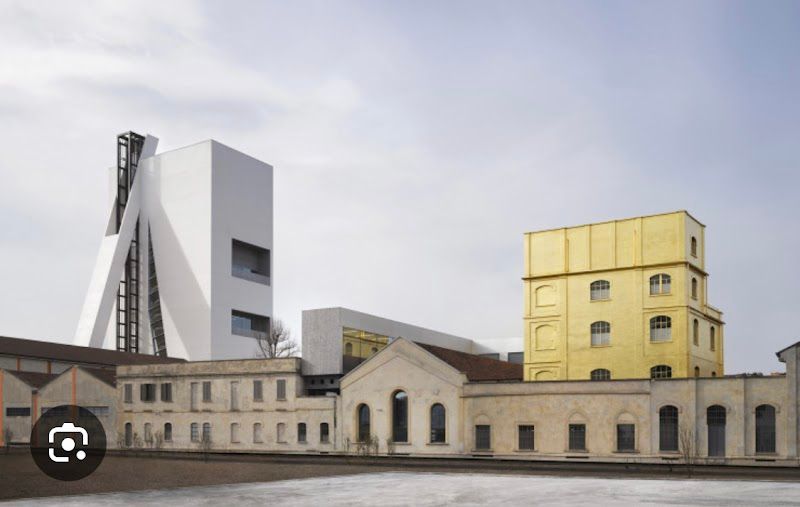
Fondazione Prada
Fondazione Prada occupies a transformed 1910s gin distillery where Rem Koolhaas created one of Europe's most striking contemporary art spaces. You'll navigate between seven restored industrial buildings and three bold new structures, including the gold-leaf Torre and the mirror-clad Haunted House. Permanent works include Louise Bourgeois' haunting sculptures and Damien Hirst's pharmacy installation, while rotating exhibitions showcase cutting-edge contemporary artists. The complex feels like wandering through an art-filled industrial playground where each building offers completely different experiences. The old fermentation tanks now house video installations, while the pristine white Podium building contrasts sharply with the weathered brick warehouses. Wes Anderson's Bar Luce perfectly recreates a 1950s Milanese café with mint-green banquettes and vintage Formica tables where you can actually sit and order espresso. Most visitors rush through without realizing the Torre requires separate timing - it's only open certain hours and offers Milan's best 360-degree views. Skip the overhyped Cisterna basement space unless there's something exceptional on. The full experience costs €15 for the foundation plus €10 extra for Torre access, but you can easily spend half a day here if you're serious about contemporary art.
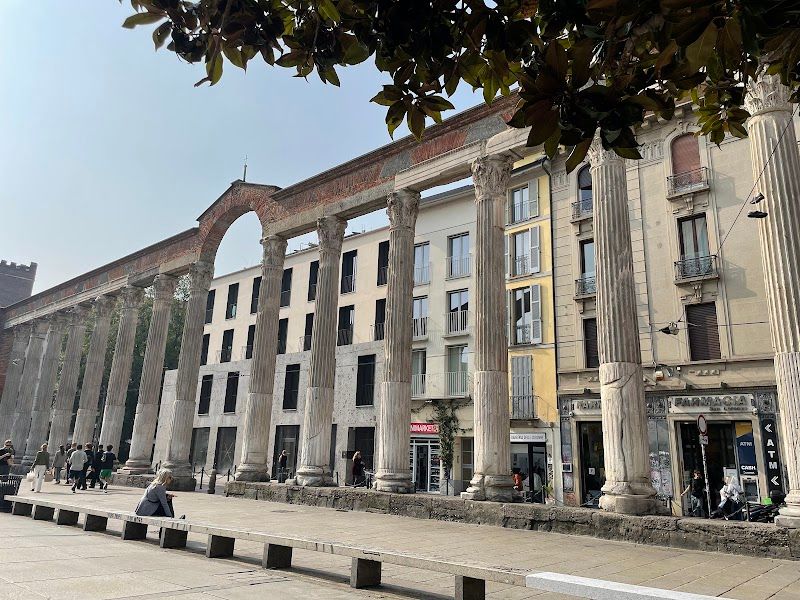
Colonne di San Lorenzo
These sixteen Corinthian columns are Milan's most significant Roman survivors. Standing 8 meters tall before the ancient Basilica of San Lorenzo, they date back to a 2nd-century temple or bath complex that dominated this area when Milan was Mediolanum, capital of the Western Roman Empire. The columns were recycled in the 4th century by early Christians who relocated them here, stone by stone, to create an impressive entrance portico for their new basilica - a prime example of ancient upcycling. This spot holds archaeological value, but its attraction also lies in how 1,800-year-old marble integrates with modern Milanese life. By day, tourists take photos in front of the weathered capitals while locals ride through on Vespas. After aperitivo hour, the piazza transforms into Milan's most atmospheric outdoor living room. Students sprawl across the ancient stones with spritz and panettone, street musicians fill the colonnade with melodies, and the warm golden lighting makes the marble glow. The juxtaposition is characteristic of Milan - respectful of history, but also lived-in. The basilica behind offers free entry and is open from 7:30am to 6:30pm, containing 5th-century architecture. Most visitors overlook the true treasure: the octagonal Cappella di Sant'Aquilino, where original 4th-century mosaics shimmer with gold-leaf tesserae in an intimate space that resembles stepping into a jewel box, available for €2 entry.
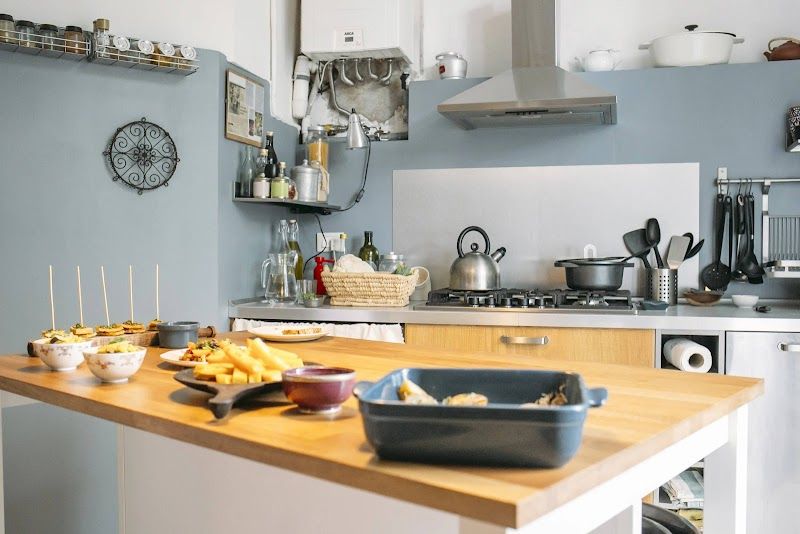
Cesarine Milanese Cooking Class
This three-hour cooking class takes you into a real Milanese home where you'll learn to make the city's two signature dishes from a local cook. You'll work with authentic ingredients like saffron threads from Abruzzo and veal shanks with the marrow still intact, using techniques that Italian nonnas have passed down for generations. The class covers everything from selecting the right rice variety to the precise timing that makes risotto creamy rather than mushy, plus the slow braising method that transforms tough ossobuco into fork-tender perfection. Your host treats you like family from the moment you arrive, explaining each step while you chop, stir, and season together in their actual kitchen. The atmosphere feels genuinely homey - you'll hear stories about their grandmother's cooking while learning why you never add cheese to risotto until the very end. The pace is relaxed but focused, and you'll find yourself absorbed in the methodical stirring and the rich aromas building throughout the afternoon. At around €95 per person, it's excellent value considering you get a full meal with wine pairings included. Most cooking classes in Milan stick to touristy locations, but Cesarine connects you with real home cooks who actually know these recipes intimately. The only downside is that classes can feel rushed if you're paired with impatient participants, but most hosts are skilled at managing different skill levels without making anyone feel left behind.
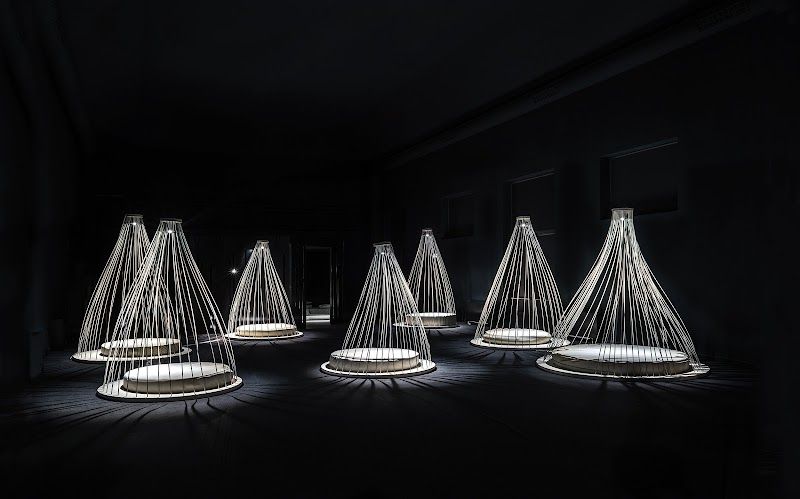
QC Termemilano Spa Experience
QC Termemilano transforms a gorgeous 1920s tram depot into Milan's most atmospheric spa experience, with original industrial bones housing 25 different wellness areas. You'll find everything from Himalayan salt rooms and bio saunas to Japanese ofuro baths and meditation spaces, all arranged around the stunning central hall with its soaring glass roof. The outdoor thermal pools stay at a perfect 38°C year-round, creating steam clouds that look magical against Milan's skyline. The experience flows naturally from hot to cold - you'll drift between saunas, steam rooms, and thermal pools without any rigid schedule. The restored architecture creates an almost sacred atmosphere, especially in the evening when soft lighting transforms the space. The outdoor area feels like a secret garden in the middle of the city, with wooden walkways connecting different pools and relaxation areas. Day passes run €45-65 depending on the season, which is reasonable for 4+ hours of unlimited access. Most visitors make the mistake of rushing - this isn't about checking off every room but finding your rhythm. Skip the overpriced restaurant inside and eat beforehand. The weekend crowds can kill the zen vibe, so weekdays are genuinely better if you can swing it.
Where to Eat
Restaurants and cafes in Porta Romana & Porta Ticinese
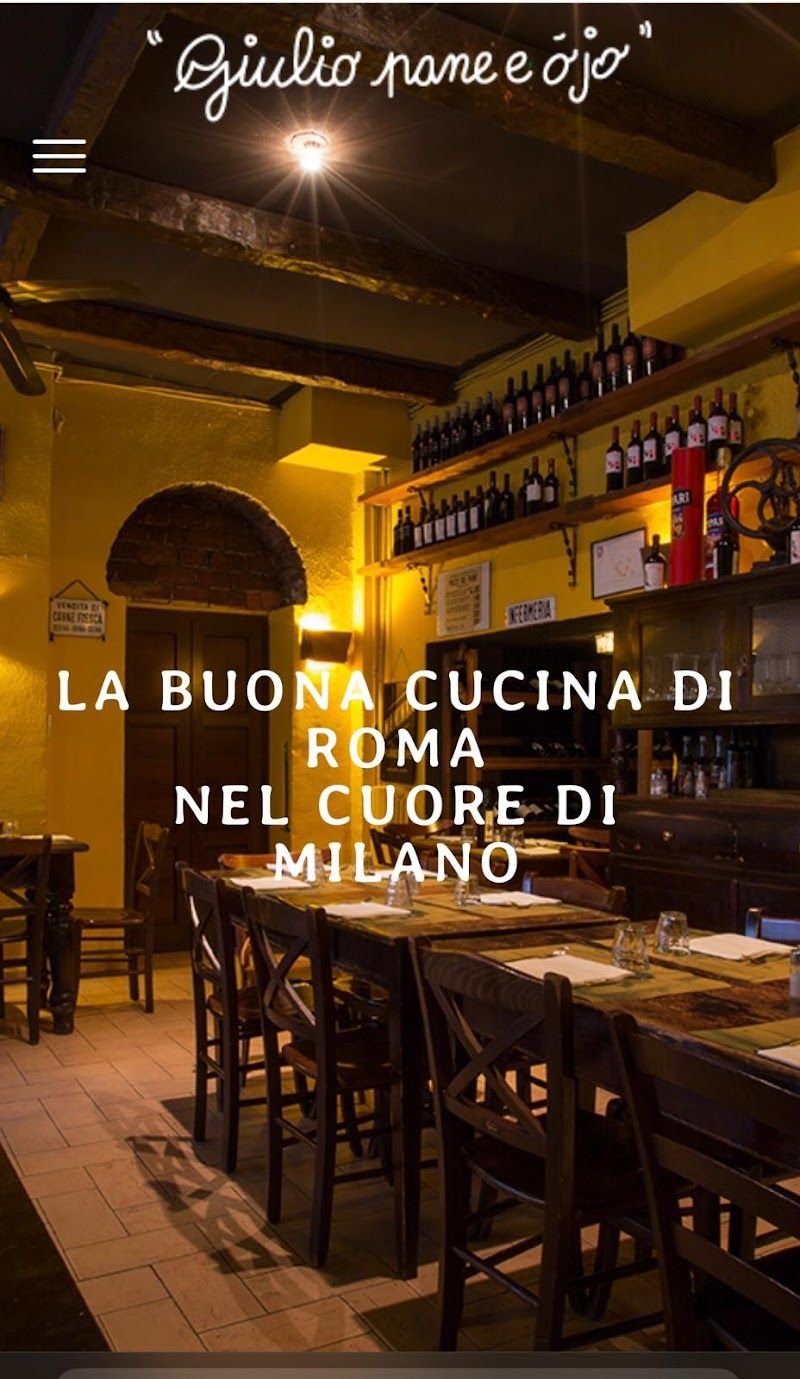
Giulio Pane e Ojo
RestaurantRoman trattoria serving authentic Roman classics: carbonara, cacio e pepe, amatriciana. The pasta is made fresh daily and the portions are generous.
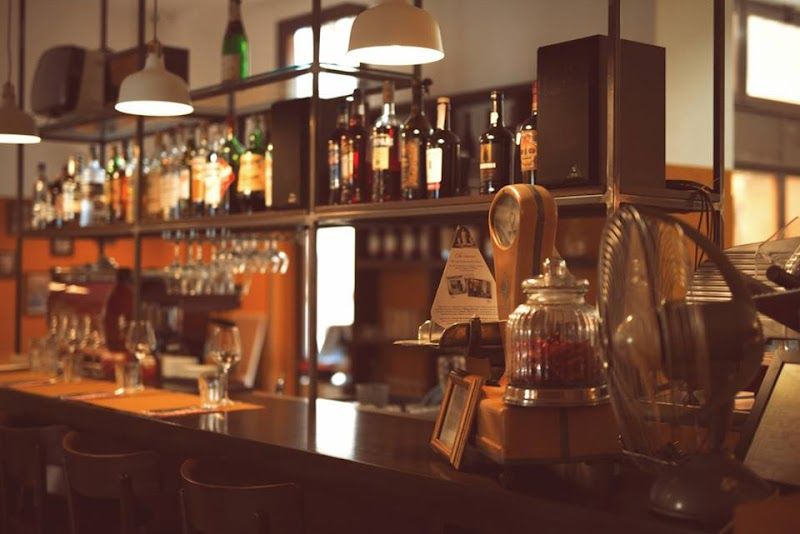
Trippa
RestaurantA tiny, energetic osteria from chef Diego Rossi serving nose-to-tail Milanese cooking. The menu changes daily based on market finds, with dishes like beef heart tartare and veal brain fritto misto.
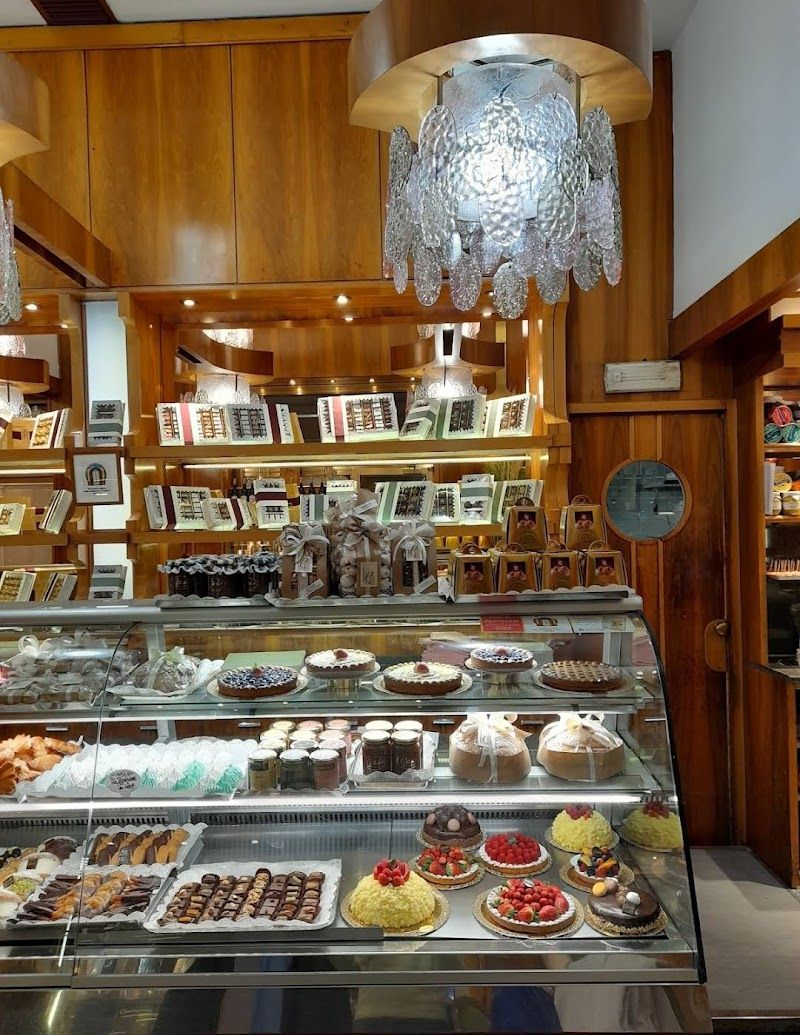
Pasticceria Gattullo
CafeA traditional Milanese pasticceria near Corso Buenos Aires, family-run since 1938 and famous for its panettone that locals order months in advance for Christmas. They bake the traditional Milanese colomba for Easter and maintain old recipes for forgotten pastries like the veneziana. The shop retains its original 1950s display cases and tile floors.
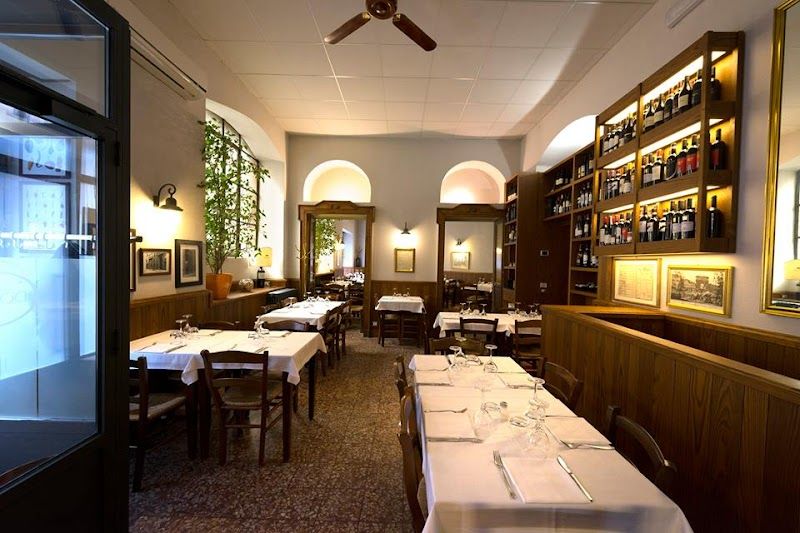
Dongiò
RestaurantCasual trattoria in Isola specializing in Calabrian cuisine from southern Italy. The 'nduja (spicy spreadable salami) dishes and handmade fileja pasta showcase southern flavors.
Nightlife
Bars and nightlife in Porta Romana & Porta Ticinese
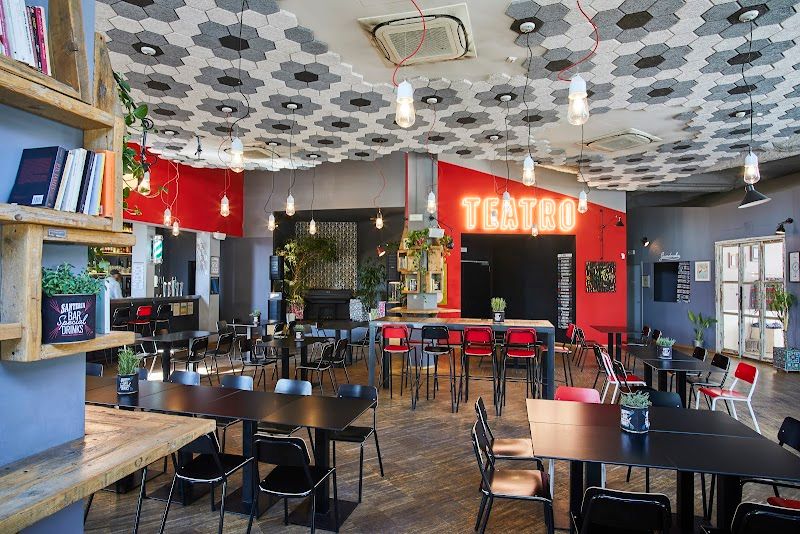
Santeria Social Club
NightlifeA multifunctional cultural space and live music venue in a former industrial building near Brera. This eclectic spot hosts concerts, DJ sets, art exhibitions, and aperitivo, attracting a creative crowd. The venue combines a restaurant, bar, and concert hall under one roof.
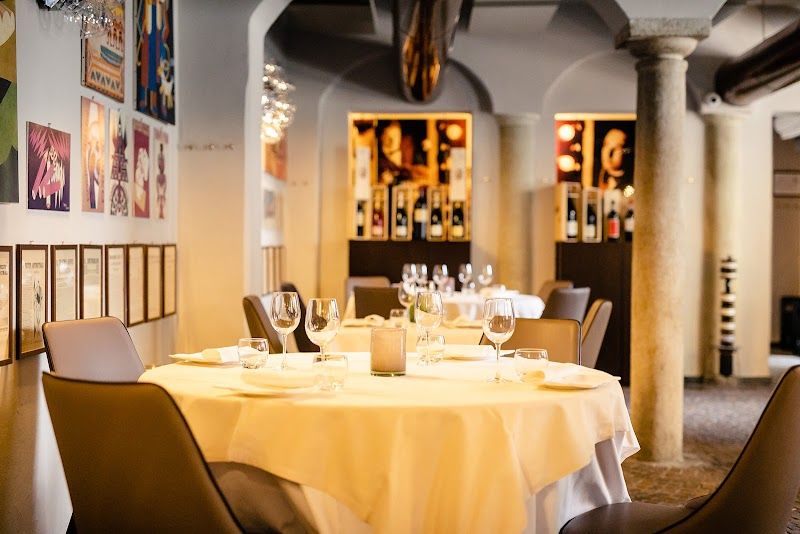
Lacerba
NightlifeAll-day Isola bar transforming from coffee shop to aperitivo hotspot to late-night DJ venue. The generous aperitivo spread (EUR 10-12) includes fresh focaccia, pasta, and vegetable dishes. Weekend nights feature vinyl-only DJ sets spanning disco, house, and Italo classics.
Getting Here
Insider Tips
Columns of San Lorenzo
Free, 24/7. The 16 Roman columns are a gathering spot in the evening. Bring a beer from the nearby shops and join the locals. The basilica behind them (free) has a 4th-century chapel that most people skip.
Fondazione Prada
EUR 15, closed Tuesdays. Rem Koolhaas converted a 1910 distillery into one of Europe's best contemporary art spaces. The gold-leafed "Haunted House" building is extraordinary. Bar Luce, designed by Wes Anderson, is inside.
Student prices
The Bocconi area has trattorias with pranzo (lunch special) at EUR 10-14 including primo, secondo, water, and bread. Better value than anywhere near the Duomo.
Nearby Neighborhoods
Continue exploring

Centro Storico
Milan's monumental core - the Duomo, the Galleria, the castle, and the grand squares that make the first impression.

Brera
Milan's bohemian art quarter - cobbled streets, the Pinacoteca, independent boutiques, and the best aperitivo scene outside Navigli.

Navigli
Milan's canal district - aperitivo at sunset on the water, vintage shops, flea markets, and the most relaxed neighbourhood in the city.
Plan a trip featuring Porta Romana & Porta Ticinese
Get a personalized Milan itinerary with Porta Romana & Porta Ticinese built in.
Start Planning