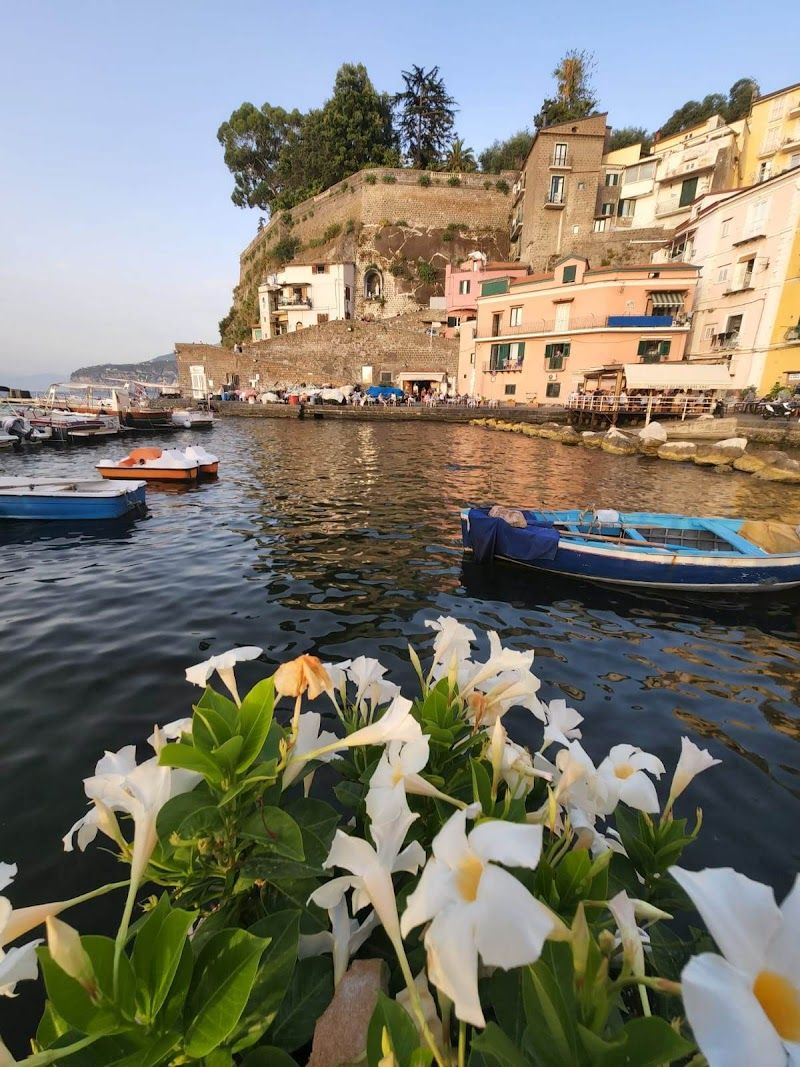
Naples
Lungomare & Chiaia
The seafront Naples: Castel dell'Ovo with the bay view and Vesuvius backdrop, the Lungomare promenade walk, Piazza del Plebiscito and the Royal Palace, and Chiaia for aperitivo and upscale dining.
About Lungomare & Chiaia
The Lungomare is Naples' seafront, running 3 km from Castel dell'Ovo west to Mergellina, with Mount Vesuvius framing the view across the bay at almost every point. Castel dell'Ovo is the castle on the small island of Megaride at the eastern end of the seafront: free entry, the ramparts are open, and the view of the bay and Vesuvius from the walls is the standard Naples postcard. Piazza del Plebiscito (10 minutes north from the castle) is the grand neoclassical square: the Royal Palace (EUR 10) on the east side, the Basilica of San Francesco di Paola on the west (modelled on the Pantheon, free). Chiaia is the upscale residential neighbourhood between the Lungomare and the Vomero hill: the best aperitivo bars, good seafood restaurants, and the Villa Comunale park on the waterfront.
Things to Do
Top experiences in Lungomare & Chiaia
Sorrento
Sorrento sits on dramatic cliffs 50 meters above the Bay of Naples, serving as your gateway to the Amalfi Coast's famous SS163 coastal road. The town itself offers walks through lemon groves, clifftop views of Vesuvius, and a historic center with ceramic shops and limoncello tastings. Most visitors use it as a day trip base, but the real prize is the scenic coastal drive to Positano's pastel houses, Amalfi's cathedral square, and Ravello's 350-meter-high Villa Rufolo gardens overlooking the Mediterranean. Your morning starts with the spectacular descent along hairpin curves carved into vertical cliffs, where every turn reveals another breathtaking view of azure water and terraced villages. In Positano, you'll navigate steep pedestrian streets to reach the pebbly beach, while Amalfi offers flat cathedral squares perfect for gelato breaks between exploring the Duomo's Arab-Norman architecture. Ravello provides the day's highlight with Villa Rufolo's gardens, where Wagner composed and celebrities still marry against panoramic backdrops. Most guides won't mention that driving yourself is genuinely stressful, not enjoyable. The roads barely fit two cars, parking costs 25-30 EUR when available, and summer traffic turns scenic drives into stop-and-go ordeals. SITA buses from Sorrento cost 10 EUR roundtrip, run every 30 minutes, and let you appreciate those cliff views instead of worrying about steering. Skip the expensive lemon grove tours (15 EUR for a short stroll) and save your money for decent restaurant meals in each village.
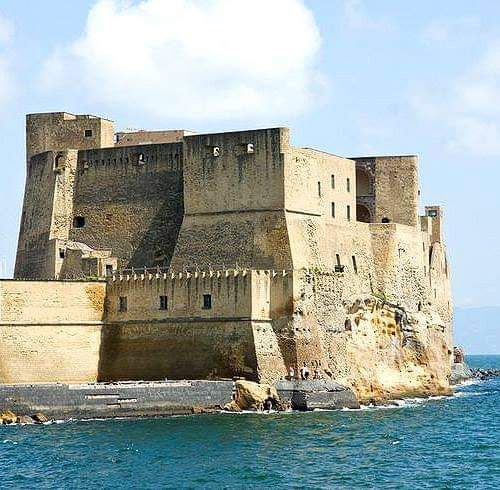
Castel dell'Ovo and the Lungomare
Castel dell'Ovo sits on a tiny island connected by causeway, where Greeks founded their first settlement 2,700 years ago. You're here for the knockout views: Mount Vesuvius rising across the bay, the sweep of Naples climbing the hills behind you, and fishing boats bobbing in the marina below. The medieval castle itself is free to enter, and you can walk the ramparts and explore a few sparse rooms, but the real draw is standing on these ancient stones with the entire Bay of Naples spread out before you. The visit flows naturally from the castle out onto the Lungomare, Naples' seafront promenade that curves west for 3km to Mergellina. You'll walk past joggers, fishermen casting lines, and Neapolitans taking their evening passeggiata. The grand Belle Époque hotels face the water along Via Partenope, their terraces perfect for watching the light change on Vesuvius. The promenade has that relaxed seaside energy you don't expect in such a dense city, with the smell of salt air mixing with coffee from the waterfront bars. Most guides oversell the castle's interior: there's honestly not much to see inside beyond a few archaeological fragments and empty rooms. The magic happens outside on the ramparts and along the waterfront walk. Skip the castle entirely if you're pressed for time and just do the Lungomare, especially the stretch from Castel dell'Ovo to the Santa Lucia marina where the fishing boats cluster. The walk to Mergellina takes about 45 minutes and ends at excellent seafood restaurants.
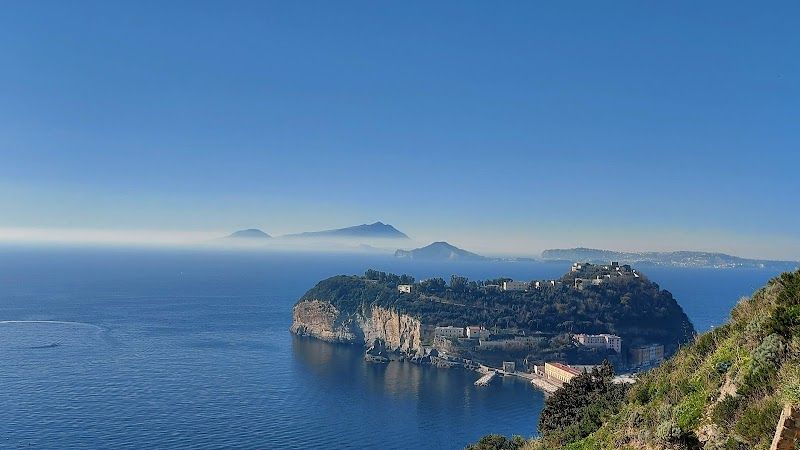
Parco Virgiliano
Parco Virgiliano sits on the Posillipo promontory like Naples' natural amphitheater, offering what locals consider the city's best panoramic views. You'll see the entire Bay of Naples spread out below, from Vesuvius smoking in the distance to the islands of Procida, Ischia, and Capri floating on the horizon. The terraced park has multiple levels with benches and viewing platforms, plus pine groves that provide welcome shade during summer heat. The experience feels refreshingly local compared to touristy viewpoints elsewhere in Naples. Families arrive with picnic baskets, couples claim sunset spots on the grass, and joggers loop the pathways while taking in million euro views for free. The park flows naturally from level to level, each terrace revealing a slightly different angle of the spectacular coastline. You can easily spend an hour just moving between viewpoints and watching ferries trace white lines between the islands. Most guidebooks barely mention this place, which keeps crowds manageable even on weekends. Skip the overcrowded Castel dell'Ovo viewpoint and come here instead for the same views without fighting for photo space. The sunset hour (around 6:30pm in summer) draws the biggest crowds, so arrive by 5pm to claim a good spot. Bring snacks since there's no cafe, and wear comfortable shoes as the paths have some steep sections between terraces.
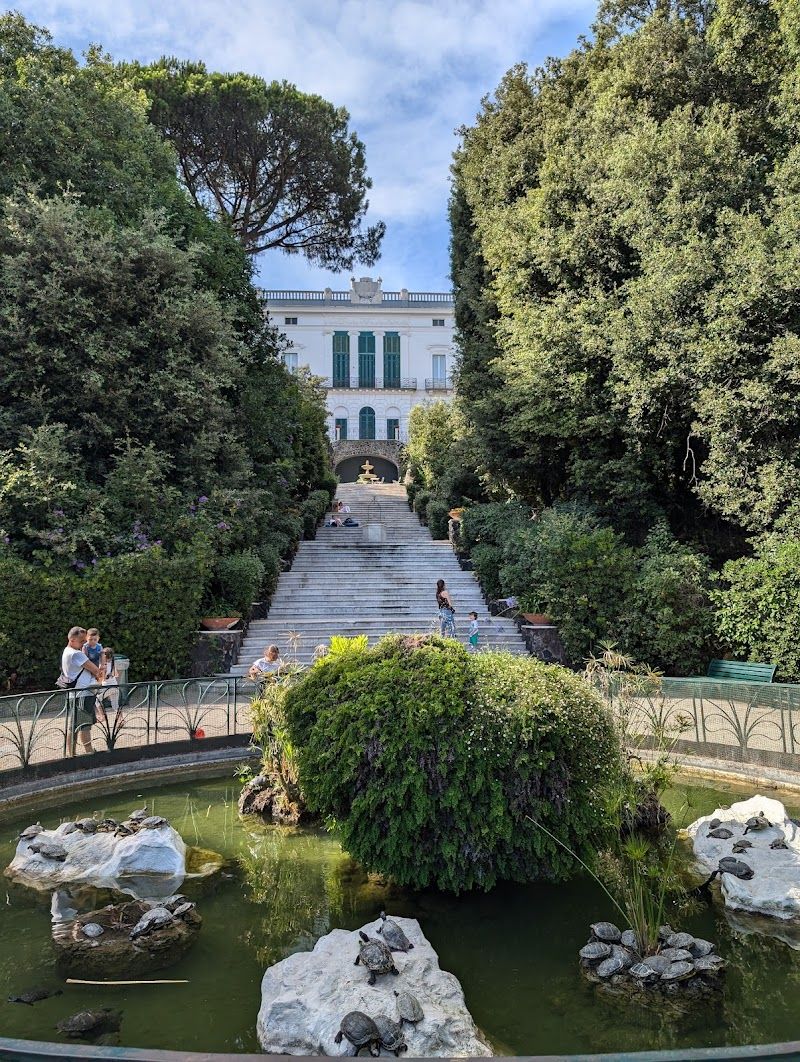
Villa La Floridiana
Villa La Floridiana sits on Vomero hill like Naples' best-kept secret viewpoint, wrapped in 20 acres of landscaped gardens that most tourists never find. You're here for two things: the sweeping Bay of Naples views from the upper terraces (seriously spectacular on clear days) and the surprisingly excellent Duca di Martina ceramics museum housed in the neoclassical villa itself. The collection spans centuries of European porcelain, Japanese pottery, and decorative arts that'll surprise you with its quality. The experience feels like discovering a private estate rather than a public park. You'll wander tree-lined paths past well-dressed locals walking dogs, elderly Neapolitans playing cards on benches, and families picnicking on weekends. The villa museum rooms flow chronologically through ornate chambers filled with Capodimonte porcelain, Chinese vases, and intricate majolica pieces. Outside, the gardens cascade down terraced levels with that million-dollar bay view appearing around every corner. Most guidebooks barely mention this place, which keeps crowds away but means opening hours can be unpredictable. The museum entry is free (rare for Naples), but they sometimes close sections without warning. Skip the lower garden paths if you're short on time and head straight to the upper terraces for photos. The view beats Castel Sant'Elmo's crowded panorama, and you'll have it mostly to yourself.
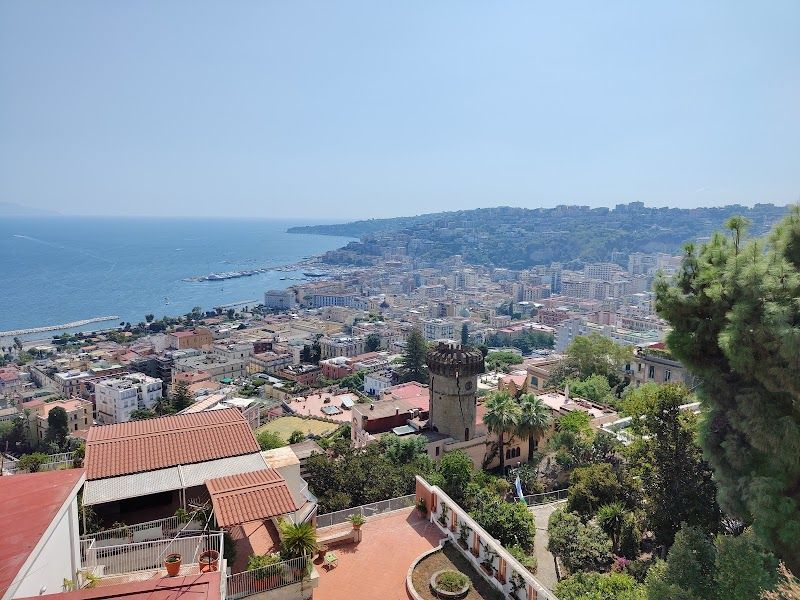
Parco di Villa Floridiana
Parco di Villa Floridiana occupies prime real estate on Vomero hill, wrapping around an elegant 19th-century neoclassical villa that now houses the Museo Nazionale della Ceramica Duca di Martina (EUR 5). The terraced gardens cascade down the hillside, offering unobstructed views across Naples' bay to Mount Vesuvius and the islands of Capri and Ischia. You'll find one of Naples' best panoramic viewpoints here, plus peaceful walking paths lined with Mediterranean pines and palm trees. The park feels like Naples' secret backyard, where local families come for evening passeggiatas while tourists remain oblivious down in the historic center. You can wander the formal gardens, settle on benches facing the bay, or explore the villa's impressive ceramics collection featuring Capodimonte porcelain and Asian pieces. The atmosphere stays relaxed throughout the day, with joggers using the paths in early morning and couples claiming the best sunset spots by evening. Most guidebooks barely mention this place, which works in your favor since you'll rarely encounter crowds. The museum inside gets overlooked but contains genuinely world-class ceramics if you're into decorative arts. Skip the lower terraces which offer limited views, head straight to the upper gardens where the real panoramas unfold. The EUR 5 museum ticket is optional unless you're particularly interested in porcelain and pottery.
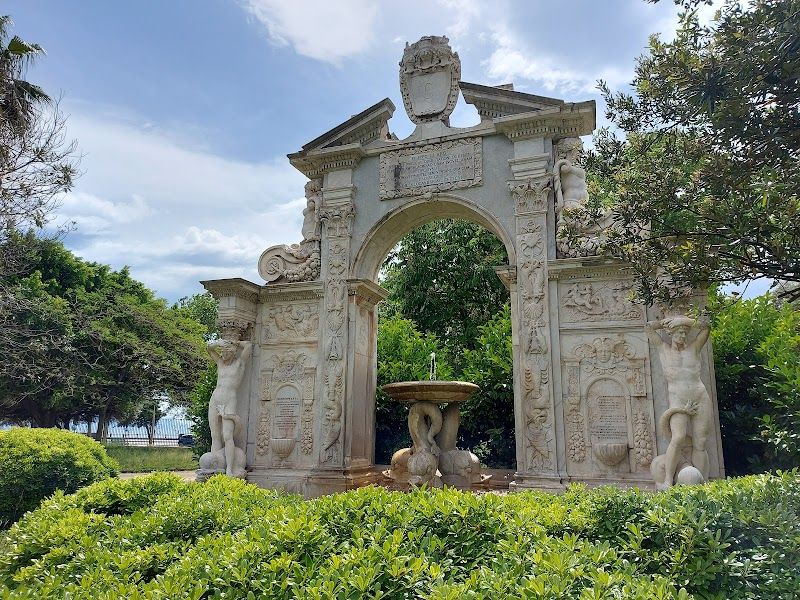
Villa Comunale di Napoli
Villa Comunale stretches for nearly two kilometers along Naples' waterfront, offering a peaceful escape from the chaotic streets above. You'll find wide, tree-lined paths perfect for jogging or cycling, neoclassical fountains that actually work, and unobstructed views across the Bay of Naples to Mount Vesuvius. The 19th-century park also houses Europe's oldest public aquarium, the Stazione Zoologica, where you can see Mediterranean sea life in Art Nouveau tanks. The park feels like Naples' living room: families picnic under towering palm trees, couples stroll past ornate pavilions, and serious runners lap the perimeter paths. The atmosphere shifts throughout the day, from peaceful morning dog walkers to evening crowds heading to nearby Chiaia bars. What strikes you most is the contrast between the serene parkland and the intense urban energy just across Via Caracciolo. Most guides exaggerate this as a top attraction when it's mainly a pleasant city park with great views. The aquarium costs €1.50 and feels dated rather than world-class. To avoid crowds, skip the eastern entrance near Castel dell'Ovo and enter at Via Caracciolo instead. The western end near Mergellina offers better Vesuvius views and fewer tour groups.
Where to Eat
Restaurants and cafes in Lungomare & Chiaia

Gran Caffè Cimmino
CafeHistoric Vomero café and pastry shop that has been serving Neapolitans since 1930. Famous for its sfogliatelle, babà, and excellent espresso, it's a beloved local institution. The elegant interior and outdoor seating on Via Scarlatti make it ideal for people-watching.
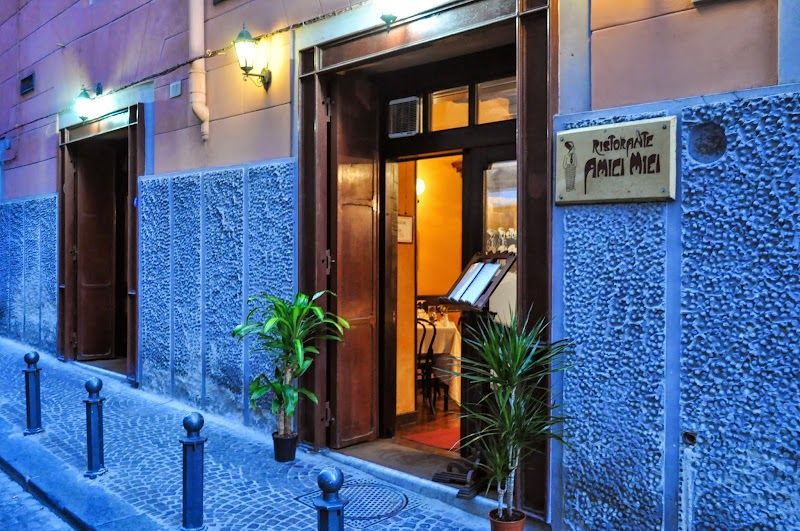
Ristorante Amici Miei
RestaurantSeafood-focused restaurant near the Mergellina waterfront serving crudo (raw seafood), spaghetti alle vongole veraci, and daily catches from the Bay of Naples. The kitchen prepares fish simply grilled or acqua pazza (poached in tomato and garlic broth).
Getting Here
Getting There
Metro Line 2: Mergellina; bus from Piazza del Plebiscito
On Foot
Flat along the seafront, walkable from the centro storico (20-25 minutes).
Insider Tips
Castel dell'Ovo sunset
Free entry. Open until 6-7 PM most days. The best time is late afternoon: the light falls on Vesuvius across the bay and the whole seafront turns gold. Walk the outer ramparts rather than the interior rooms. The view from the east side of the castle looks back toward the city; the west side looks toward Mergellina and the open sea.
Lungomare walk
From Castel dell'Ovo to Mergellina: 45-60 minutes, flat, the best urban waterfront walk in southern Italy. At Mergellina the boats go to the islands and the seafood restaurants on the pier are some of the best-value in the city. The walk back at night, with the Vesuvius lights reflected in the bay, is worth doing.
Nearby Neighborhoods
Continue exploring

Centro Storico & Spaccanapoli
The 2,500-year-old Greek street grid: Spaccanapoli cutting through the city, Cappella Sansevero with the Veiled Christ, the best pizzerias in Naples, the Christmas alley with nativity artisans, and churches at every corner.

Museo & Port Area
The museum and port district: the National Archaeological Museum with the world's best Roman collection, the Farnese Hercules, the Alexander Mosaic, and the port from which ferries leave for Capri, Ischia, and Procida.
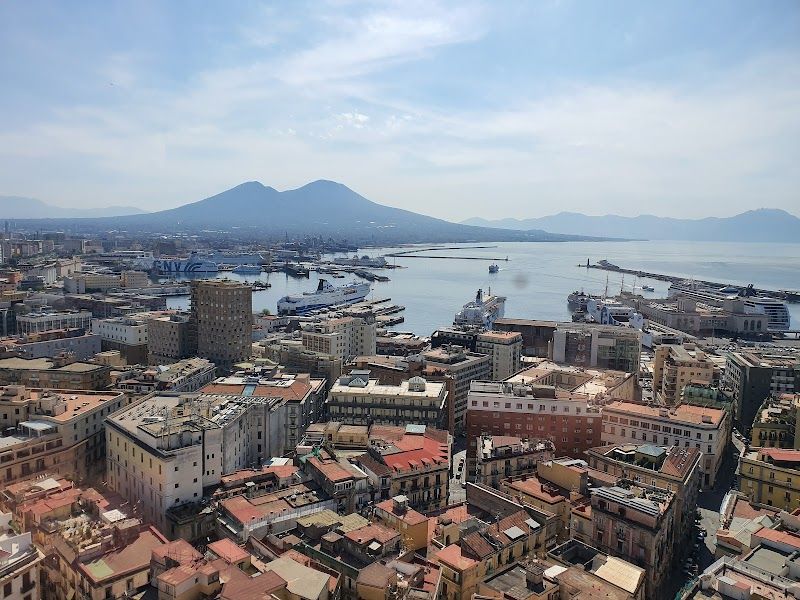
Quartieri Spagnoli & Via Toledo
The Spanish Quarter grid west of Via Toledo: Maradona is a local saint here (wall murals, street shrines), the cheapest food in Naples, scooters threading through pedestrians, and an energy that is raw, loud, and completely alive.
Plan a trip featuring Lungomare & Chiaia
Get a personalized Naples itinerary with Lungomare & Chiaia built in.
Start Planning