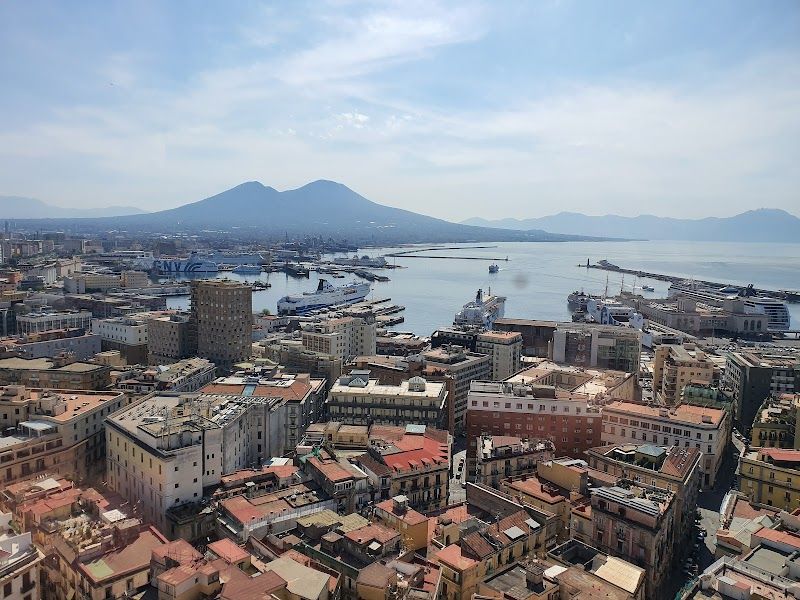
Naples
Quartieri Spagnoli & Via Toledo
The Spanish Quarter grid west of Via Toledo: Maradona is a local saint here (wall murals, street shrines), the cheapest food in Naples, scooters threading through pedestrians, and an energy that is raw, loud, and completely alive.
About Quartieri Spagnoli & Via Toledo
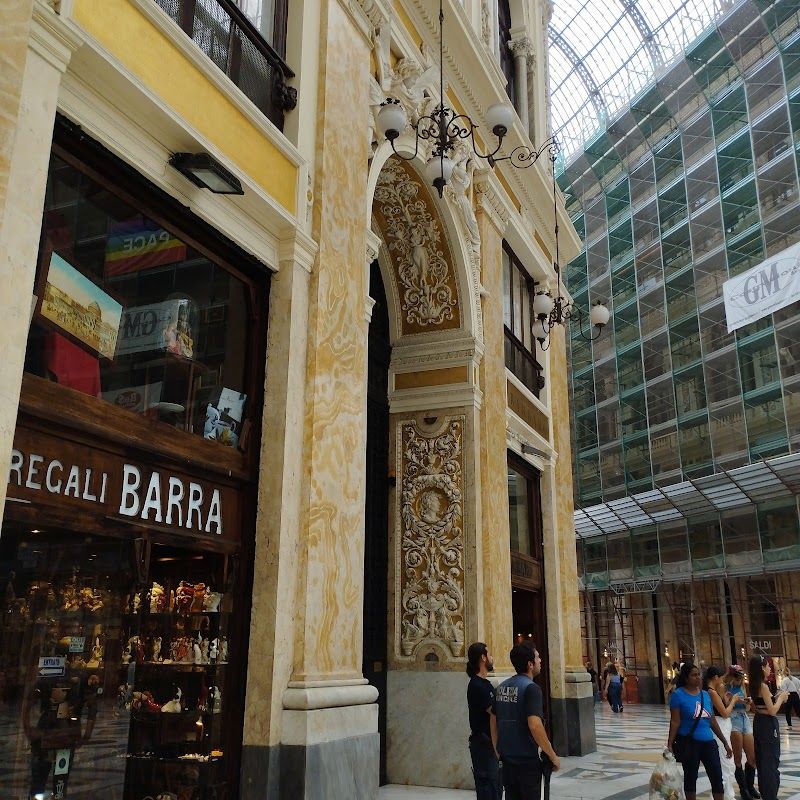
The Quartieri Spagnoli (Spanish Quarter) is the dense residential grid west of Via Toledo, built by the Spanish viceroy in the 16th century to house troops. It is now the most Neapolitan neighbourhood in Naples. The streets are narrow enough that laundry lines reach between windows on opposite sides. Diego Maradona is treated here as a saint, literally: wall-sized murals, small street shrines with candles and photographs, and a bar on Via Bisignano that is effectively a Maradona chapel. Via Toledo is the main shopping street, flat and pedestrianised from Piazza Dante to the Piazza del Plebiscito end. The Galleria Umberto I (the glass-domed arcade, 1891, modelled on Milan's Galleria Vittorio Emanuele) is at the southern end of Via Toledo and houses luxury shops at significantly lower prices than the original.
Things to Do
Top experiences in Quartieri Spagnoli & Via Toledo
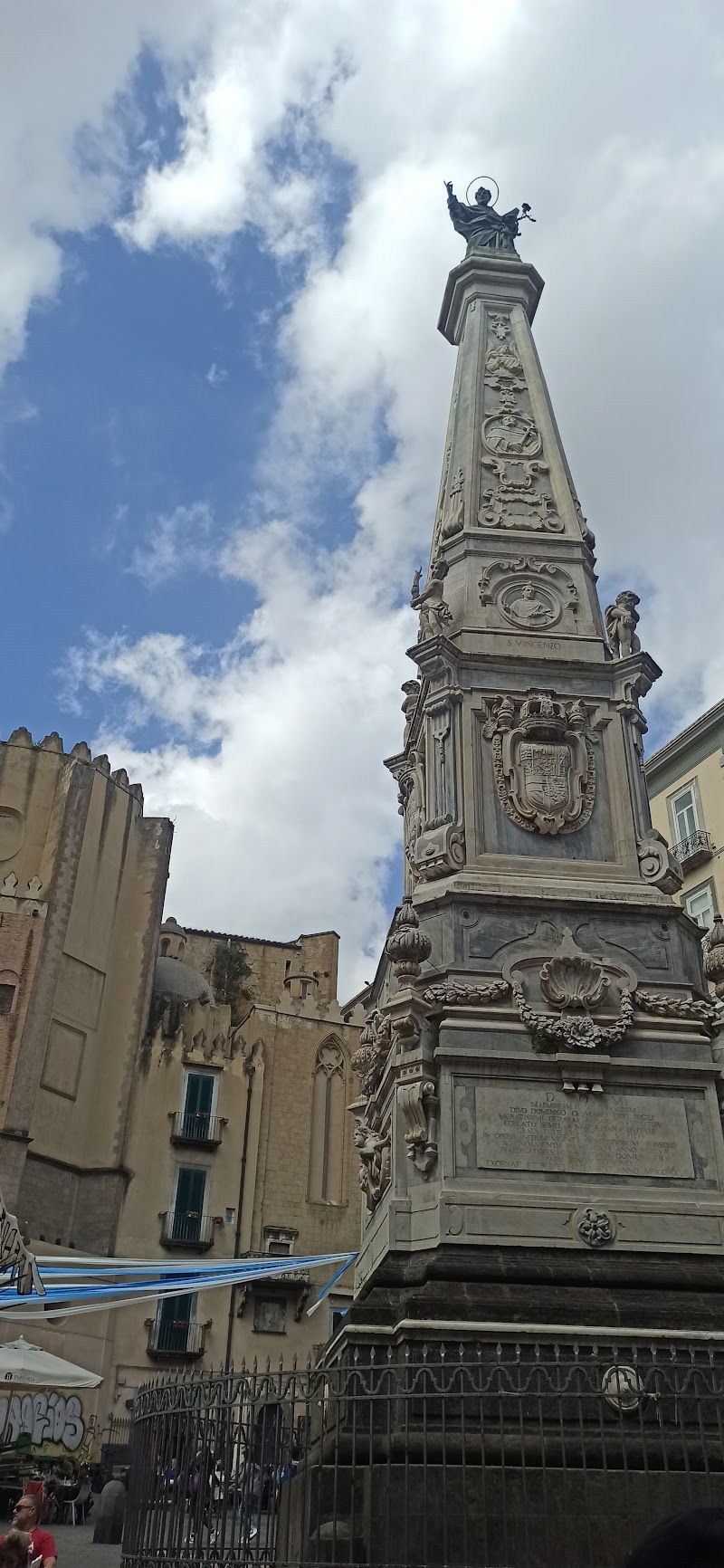
Quartieri Spagnoli
Quartieri Spagnoli is Naples at its core: a 16th-century grid built for Spanish soldiers that's now the city's most authentic working-class neighborhood. You'll walk narrow alleys lined with laundry, past tiny ground-floor workshops where cobblers and tailors work with doors flung open, while the sound of Vespa engines echoes off centuries-old walls. The Diego Maradona street art is everywhere, but it's the everyday life spilling onto the streets that makes this neighborhood unique. The experience feels like walking through someone's extended outdoor living room. Kids play football in pocket-sized piazzas while grandmothers lean from balconies shouting instructions to relatives below. You'll smell ragù simmering from kitchen windows, hear animated conversations in thick Neapolitan dialect, and navigate around parked scooters that somehow fit into spaces the width of shopping carts. The energy is constant but never feels threatening, just intensely alive. Many guides portray this neighborhood in a romanticized light, but in reality, it's a real community where people work and struggle. To best experience Quartieri Spagnoli, skip organized tours that treat residents as if they were zoo animals. Instead, grab a €1 espresso at any corner bar (locals will eye you curiously but kindly), browse the Via Pignasecca market on the eastern edge for great produce prices, and keep your valuables out of sight. Early morning is the best time to capture the best light filtering through the laundry lines without the midday heat bouncing off the stones.
Molo Beverello
Molo Beverello serves as Naples' main gateway to the islands, where sleek hydrofoils and slower ferries depart for Capri, Ischia, and Procida throughout the day. You'll find ticket offices for multiple companies (Caremar, NLG, SNAV) selling passages that range from EUR 20-25 each way to Capri, with departures every 30-60 minutes starting at 7 AM. The terminal sits right on the waterfront with Mount Vesuvius looming across the bay, and you can grab an espresso at the bar while waiting for your boat. The experience feels authentically Italian chaos: crowds of tourists mixing with locals heading to work on the islands, announcements in rapid Italian echoing off concrete walls, and that slight diesel smell from idling boats. You'll queue outside specific gates (check your ticket for the gate number), then walk down floating docks where crew members help you aboard. The hydrofoils are surprisingly comfortable with airplane-style seating, and the 45-minute ride to Capri offers spectacular views of the coastline as Naples shrinks behind you. Most guides don't mention that morning return tickets often sell out by afternoon, especially in summer when 15,000+ people visit Capri daily. The companies are interchangeable despite what ticket sellers claim, so just go with whoever has the best departure time. Skip the expensive snack bar inside the terminal and hit the cafe next door for proper espresso at half the price (EUR 1.20 vs EUR 2.50).
Piazza del Plebiscito
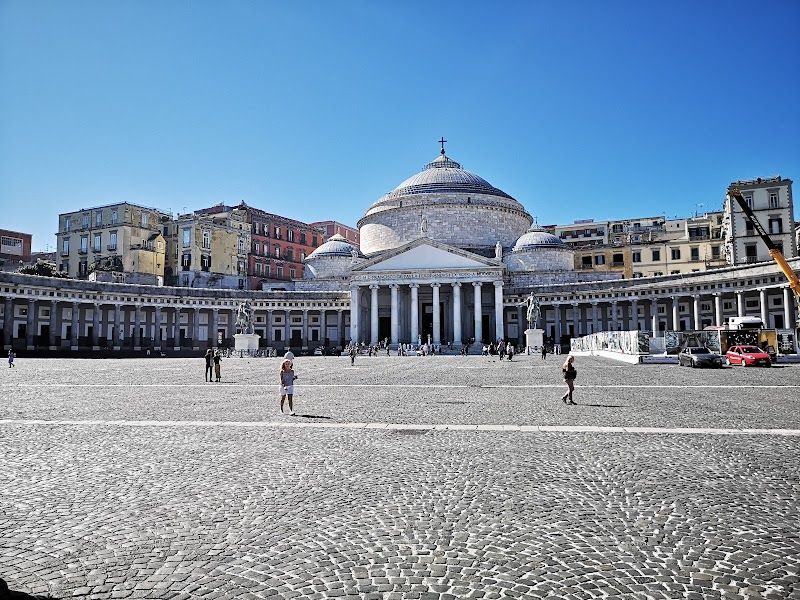
Naples' grandest square sprawls across 25,000 square meters of smooth trachyte stone, designed to rival Rome's St. Peter's Square. The semicircular colonnade of the Basilica di San Francesco di Paola curves dramatically around one side while the imposing Royal Palace dominates the other. Two bronze equestrian statues of Bourbon kings stand in the center, and locals have turned them into an unofficial game: walk between them with your eyes closed and try to reach the opposite end without veering off course. The perspective tricks make it much harder than it looks. The square feels genuinely grand without being oppressive, especially when you realize it's completely car free. Students sit on the steps of the basilica, street musicians set up near the colonnade, and kids run wild across the open space. The acoustics are remarkable: clap your hands in the center and the sound bounces off the curved facade in perfect echoes. Late afternoon brings the evening passeggiata as Neapolitans stroll across the smooth stones, and the golden light makes everything glow. Most people snap photos and leave within 10 minutes, but you'll get more out of it if you actually walk the perimeter and appreciate the scale. The basilica interior is free but fairly plain compared to Naples' other churches, so skip it unless you're a neoclassical architecture enthusiast. The real magic happens at ground level on the square itself. Avoid midday in summer when the stone reflects heat mercilessly.
Castel Nuovo
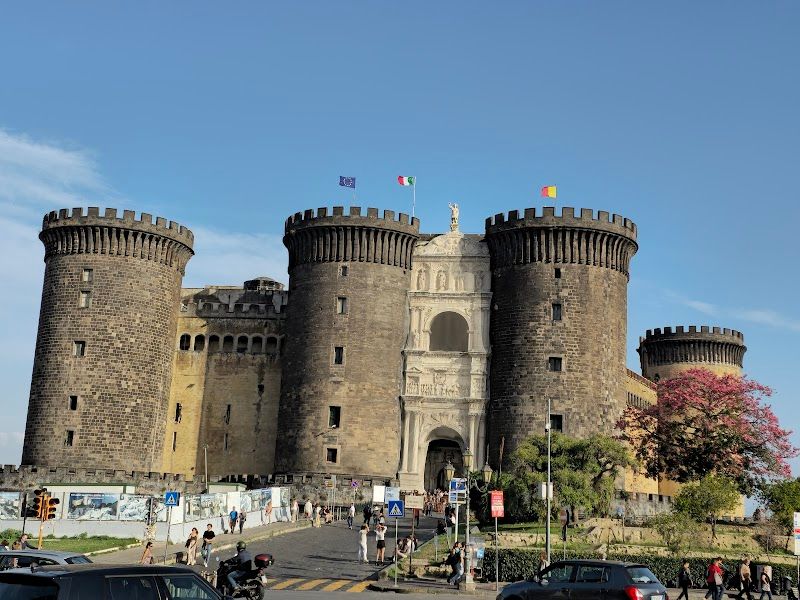
Castel Nuovo stands like a medieval fortress dropped into Naples' port, its five round towers and massive walls built by the Aragonese in the 13th century. The showstopper is the Renaissance triumphal arch squeezed between two defensive towers, covered in detailed marble reliefs celebrating Alfonso of Aragon's victories. Inside, you'll explore the Sala dei Baroni with its soaring ribbed vault where medieval nobles once plotted, plus the Civic Museum displaying Neapolitan paintings and historical artifacts. The castle visit flows from the impressive courtyard through a series of medieval halls and up to the ramparts. The contrast hits you immediately: brutal defensive architecture interrupted by that delicate Renaissance archway. The Sala dei Baroni feels genuinely atmospheric with its stone walls and dramatic ceiling, while the museum rooms showcase local art spanning centuries. From the battlements, you get sweeping views over the port toward Vesuvius and across to the islands. Most guides oversell the museum collection, which is decent but not spectacular. The real draw is the architecture and those rampart views. Entry costs around 6 EUR, and you can easily see everything worthwhile in 90 minutes. Skip the upper museum floors if you're pressed for time and head straight to the battlements. The castle feels authentically medieval despite being in the city center, making it worth the visit for the atmosphere alone.
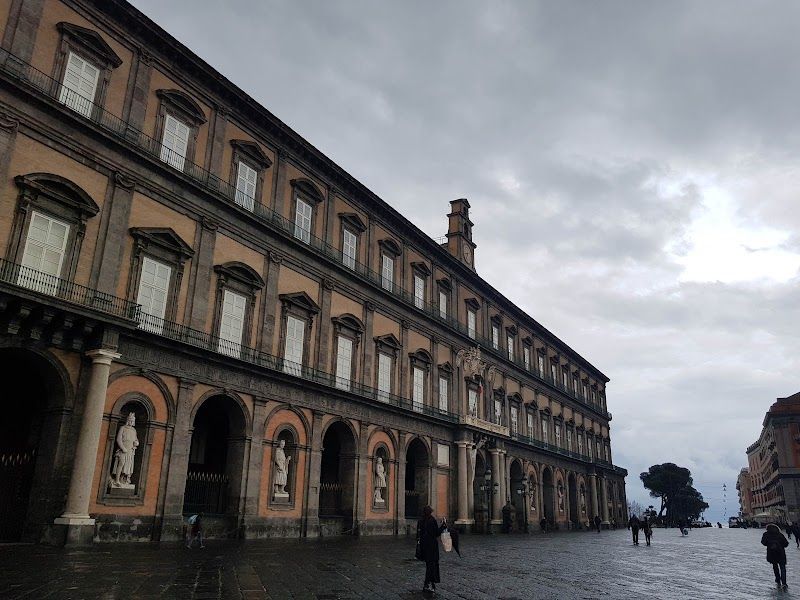
Palazzo Reale di Napoli
The Palazzo Reale delivers what you'd expect from a Bourbon royal residence: over-the-top opulence that might overwhelm you from all the gold leaf. You're walking through 30 state rooms filled with original 18th-century furniture, massive Flemish tapestries, and ceilings so elaborately frescoed they resemble baroque fever dreams. The real star is the tiny Teatrino di Corte, a perfectly preserved court theater that seats just 180 people and feels like a tiny, ornate room. The visit flows chronologically through the royal apartments, starting with the more formal reception rooms before moving into the king's private quarters. Each room tries to outdo the last with increasingly large chandeliers and furniture that epitomizes wealth. The theater is a standout, it's genuinely captivating and completely different from the heavy formality of the state rooms. The National Library occupies part of the building but feels like an afterthought after all that royal excess. Most guides won't tell you that half the rooms feel repetitive after the first dozen, all that gilded furniture starts to blend together. Entry costs 6 EUR, which is reasonable for what you get, but skip the audio guide at 5 EUR extra, the room placards have enough detail. Focus your energy on the Throne Room, the theater, and maybe three or four other rooms that catch your eye, then call it done.
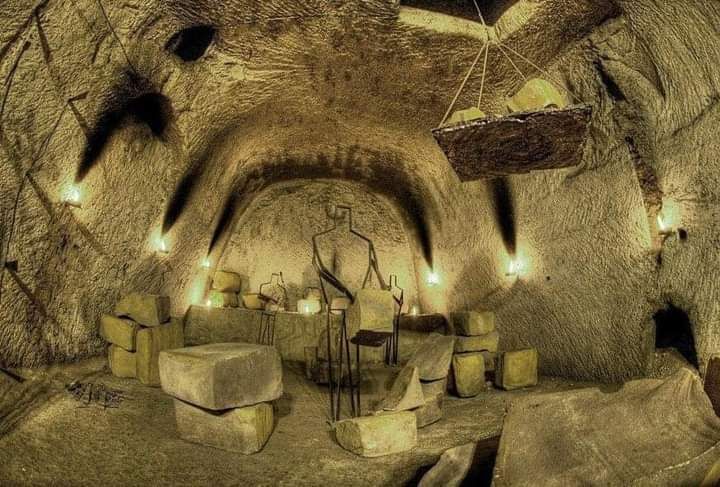
Napoli Sotterranea
Napoli Sotterranea takes you 40 meters underground into the belly of ancient Naples, where Greek settlers carved the first cisterns 2,400 years ago and Romans expanded them into a massive aqueduct network. You'll crawl through narrow tufa tunnels barely wide enough for one person, explore cavernous water chambers that echo with every footstep, and emerge inside a buried Roman theater that sits directly beneath someone's living room. This isn't just archaeology: you're walking through the literal foundation of the city above. The 90-minute tour starts in a nondescript courtyard, then plunges into flickering candlelit passages where your guide explains how this underground maze supplied Naples with water until 1884. The highlight comes when you squeeze through an impossibly tight tunnel section (seriously, some people can't fit), then suddenly find yourself standing in the orchestra pit of a 2,000-year-old Roman theater. During WWII, these same tunnels sheltered 4,000 Neapolitans from Allied bombing raids. At €10 per adult, it's excellent value compared to Pompeii's crowds and higher prices. Skip this if you're claustrophobic: some passages require you to turn sideways and shuffle. The Roman theater finale makes the tight squeezes worthwhile, but about 20% of visitors struggle with the narrowest section. Tours run in Italian with decent English translation, though you'll miss some nuanced history.
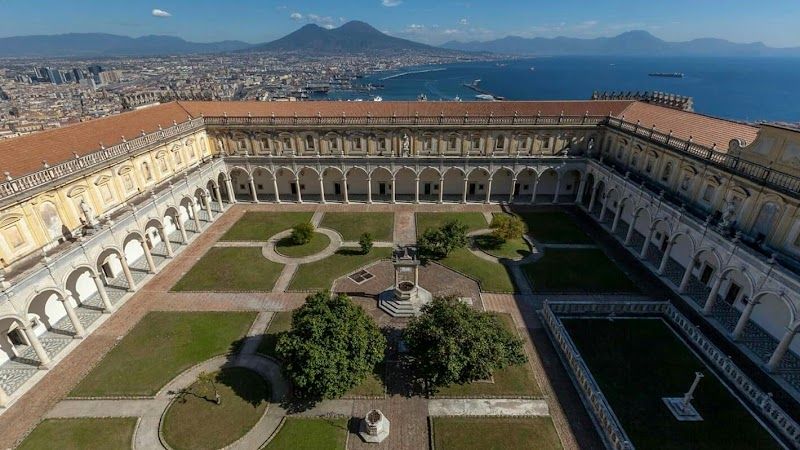
Certosa di San Martino and Castel Sant'Elmo
The Certosa di San Martino is the Carthusian monastery on the Vomero hill, reached by funicular (EUR 1.10 with a transit ticket, three funicular lines serve the hill). It was founded in 1325 and rebuilt in the Baroque period under the supervision of Cosimo Fanzago, who spent 40 years on it. It is now a museum (EUR 6) covering Neapolitan art, history, and the presepe (nativity scene) tradition for which Naples is famous: the 18th-century presepi in the museum are extraordinary works of art, with hundreds of hand-made terracotta figures in elaborate landscapes. The Baroque church and its cloister are the visual highlight: Fanzago's cloister is considered the finest Baroque cloister in Italy. The panoramic terrace looks out over the entire city, the bay, and the islands (Capri is the dark shape 25 km away on clear days). Castel Sant'Elmo (EUR 5, star-shaped fortress beside the Certosa) has an even better panoramic view from the ramparts. Both are on the same Vomero hill and can be combined in a half-day.
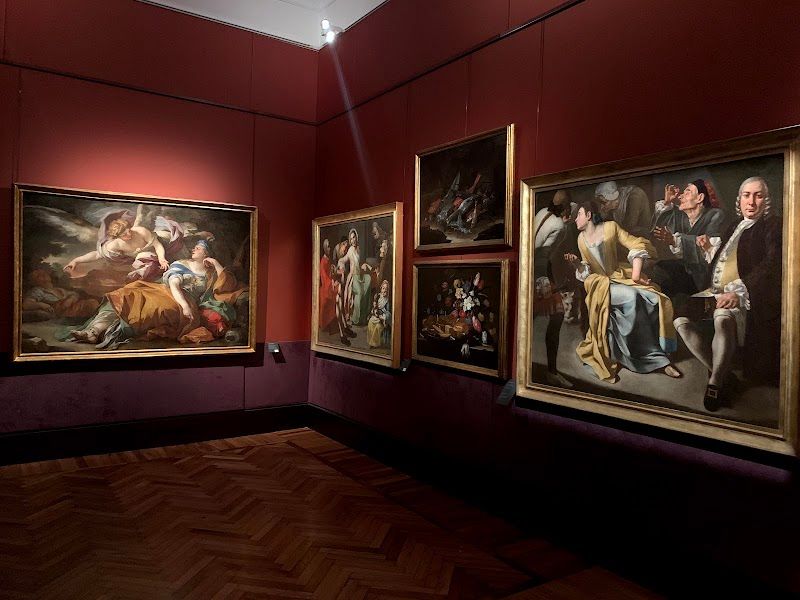
Gallerie d'Italia Palazzo Zevallos Stigliano
This 17th-century palazzo holds Naples' finest collection of Baroque paintings, centered around Caravaggio's last masterpiece, The Martyrdom of Saint Ursula. You'll find works by Luca Giordano, Francesco Solimena, and other masters who defined Neapolitan painting during the Spanish viceregal period. The frescoed salons themselves are artworks, with gilded ceilings and marble floors that showcase aristocratic life at its peak. You enter through a grand marble staircase that sets the tone for three floors of opulent rooms. The Caravaggio gets its own climate-controlled space where you can study the violent brushstrokes and dramatic lighting up close. Each salon flows into the next, creating a journey through centuries of religious and mythological scenes. The quieter third floor often gets overlooked but contains some of the most intimate portraits. Most visitors rush straight to the Caravaggio and miss the context that makes it special. The audio guide costs €5 but adds crucial backstory about the Spanish influence on Neapolitan art. Skip the ground floor gift shop, it's overpriced tourist items. Entry is free, making this one of Naples' best cultural bargains, though they sometimes close unexpectedly for private events.
Pompeii Day Trip from Naples
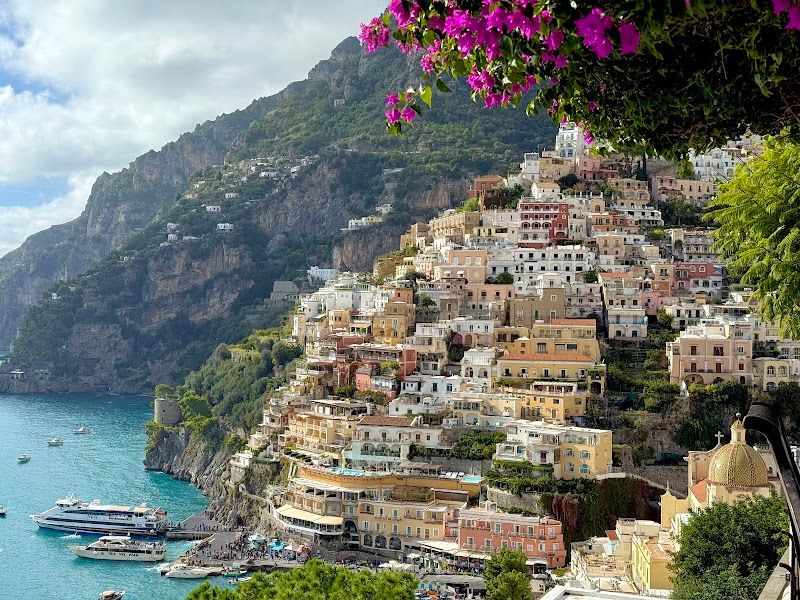
Pompeii is 35 minutes from Naples Centrale by Circumvesuviana train (Sorrento line, get off at Pompei Scavi, EUR 3.60 each way). The site admission is EUR 18 and the site is open daily. Pompeii was a prosperous Roman city of 20,000 people buried under 4-6 metres of volcanic ash and pumice in 79 AD when Vesuvius erupted. Excavations since 1748 have uncovered about two-thirds of the city. What you see is not reconstruction but preservation: the buildings, streets, mosaics, garden walls, and shop fronts are mostly original material. The Forum, the Amphitheatre (the oldest surviving Roman amphitheatre, built in 70 BC), the Lupanar (the brothel, the most visited building in Pompeii, small rooms with stone beds and erotic paintings), the Villa of the Mysteries (the best-preserved paintings in the ancient world, the Dionysiac frieze is extraordinary), and the plaster casts of the victims are the essential stops. Allow 3-4 hours minimum. An official audio guide is EUR 8-10. A guided tour (EUR 120-150 for a private group) dramatically increases comprehension: the context for what you are seeing is half the experience.
Where to Eat
Restaurants and cafes in Quartieri Spagnoli & Via Toledo
Trattoria da Nennella
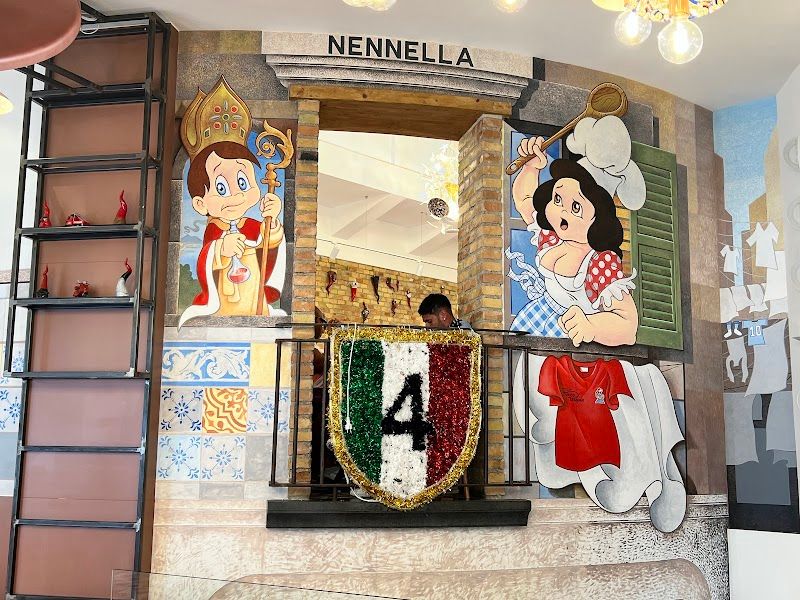
RestaurantChaotic family-run trattoria in the heart of Quartieri Spagnoli where the owner shouts orders and tosses wine bottles across the room. Fixed-price menu changes daily based on what is available, with massive portions of traditional Neapolitan pasta and secondi served at communal tables.
Sfogliatella Mary
RestaurantTiny pastry shop specializing in sfogliatella riccia, the crispy layered pastry filled with sweetened ricotta, semolina, and candied citrus. Baked fresh multiple times daily and best eaten warm from the oven.
Getting Here
Getting There
Metro Line 1: Toledo (the most beautiful metro station in Italy, worth seeing for the Eduardo Tresoldi tile installation)
On Foot
Very walkable. The Quartieri is compact. Via Toledo is the eastern boundary.
Insider Tips
The Maradona shrines
The Quartieri Spagnoli Maradona shrine is on Via Emanuele de Deo (the wall of the building, a large mural with candles and photographs at the base). It was maintained continuously from his death in 2020. Others are scattered throughout the neighbourhood: look for the laminated photographs and lit candles on doorway steps. This is not a tourist installation: Neapolitans maintain it.
Cheapest street food in Naples
Pizza fritta from street vendors on the Quartieri Spagnoli streets: EUR 2-3 for a calzone-style fried pocket. Cuoppo di frittura (paper cone of mixed fried food) EUR 5-7 from the friggitorie on Via Toledo. Espresso at a neighbourhood bar: EUR 1, no surcharge for standing.
Nearby Neighborhoods
Continue exploring
Centro Storico & Spaccanapoli
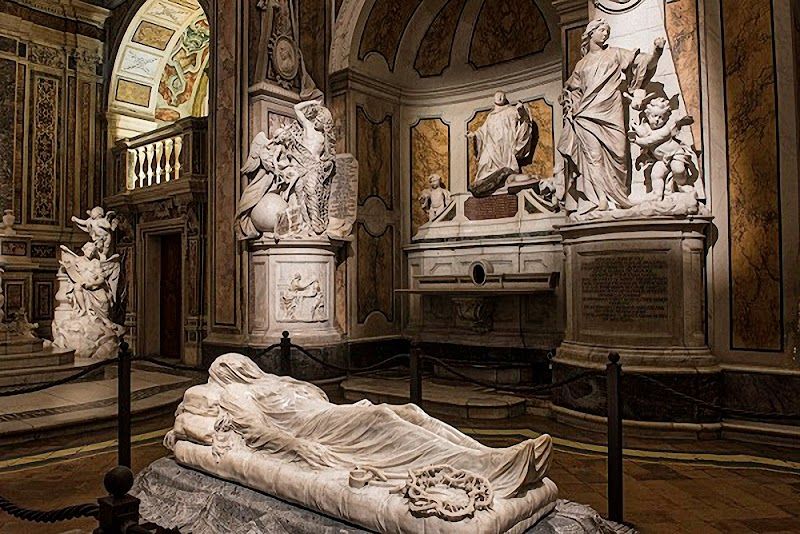
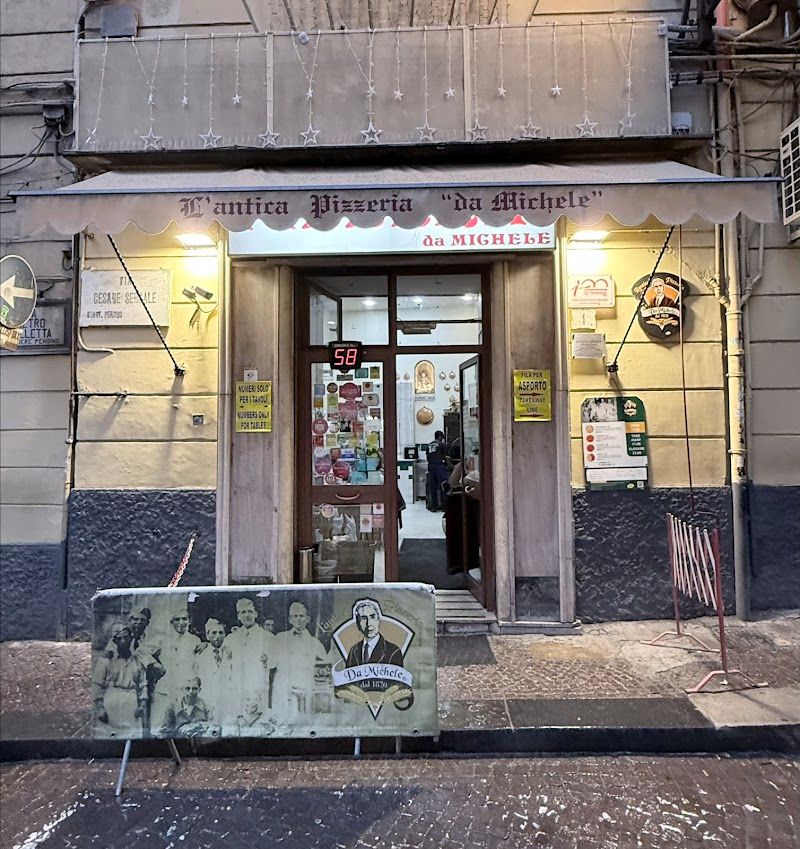
The 2,500-year-old Greek street grid: Spaccanapoli cutting through the city, Cappella Sansevero with the Veiled Christ, the best pizzerias in Naples, the Christmas alley with nativity artisans, and churches at every corner.
Museo & Port Area
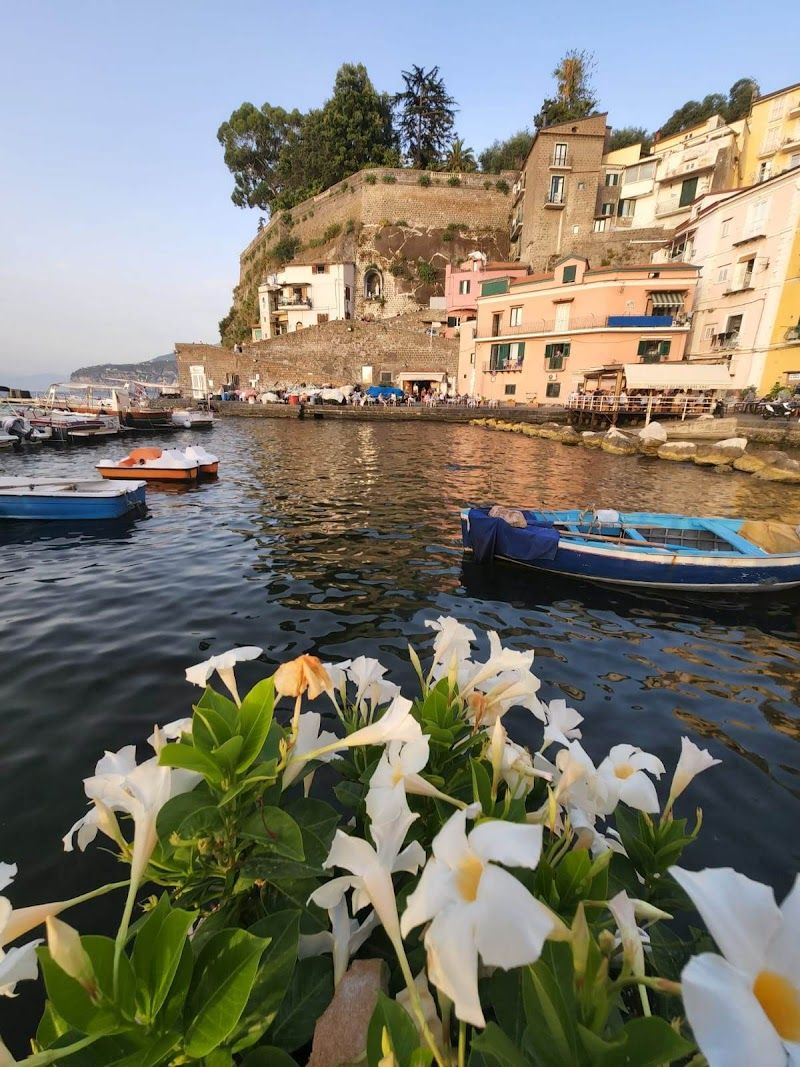
The museum and port district: the National Archaeological Museum with the world's best Roman collection, the Farnese Hercules, the Alexander Mosaic, and the port from which ferries leave for Capri, Ischia, and Procida.
Lungomare & Chiaia
The seafront Naples: Castel dell'Ovo with the bay view and Vesuvius backdrop, the Lungomare promenade walk, Piazza del Plebiscito and the Royal Palace, and Chiaia for aperitivo and upscale dining.
Plan a trip featuring Quartieri Spagnoli & Via Toledo
Get a personalized Naples itinerary with Quartieri Spagnoli & Via Toledo built in.
Start Planning