Naples
Museo & Port Area
The museum and port district: the National Archaeological Museum with the world's best Roman collection, the Farnese Hercules, the Alexander Mosaic, and the port from which ferries leave for Capri, Ischia, and Procida.
About Museo & Port Area
The Museo Archeologico Nazionale (EUR 18, closed Tuesday) is the primary reason many people come to Naples. It holds the entire Farnese collection (accumulated by Rome's most powerful Renaissance dynasty) and all the significant objects excavated from Pompeii and Herculaneum since 1748. The Alexander Mosaic (Room 61) is 20 square metres of 1.5 million tesserae, the battle scene between Alexander and Darius, originally the floor of the House of the Faun in Pompeii. The Farnese Hercules is 3.15 metres of 3rd-century Roman marble. The Secret Cabinet (Gabinetto Segreto) contains the erotic objects from Pompeii, including the famous marble Priapus. The port (Molo Beverello) is 10 minutes south: hydrofoils to Capri (45 min, EUR 22-25), fast ferries to Ischia (1 hour) and Procida (1 hour).
Things to Do
Top experiences in Museo & Port Area
Spaccanapoli Walk
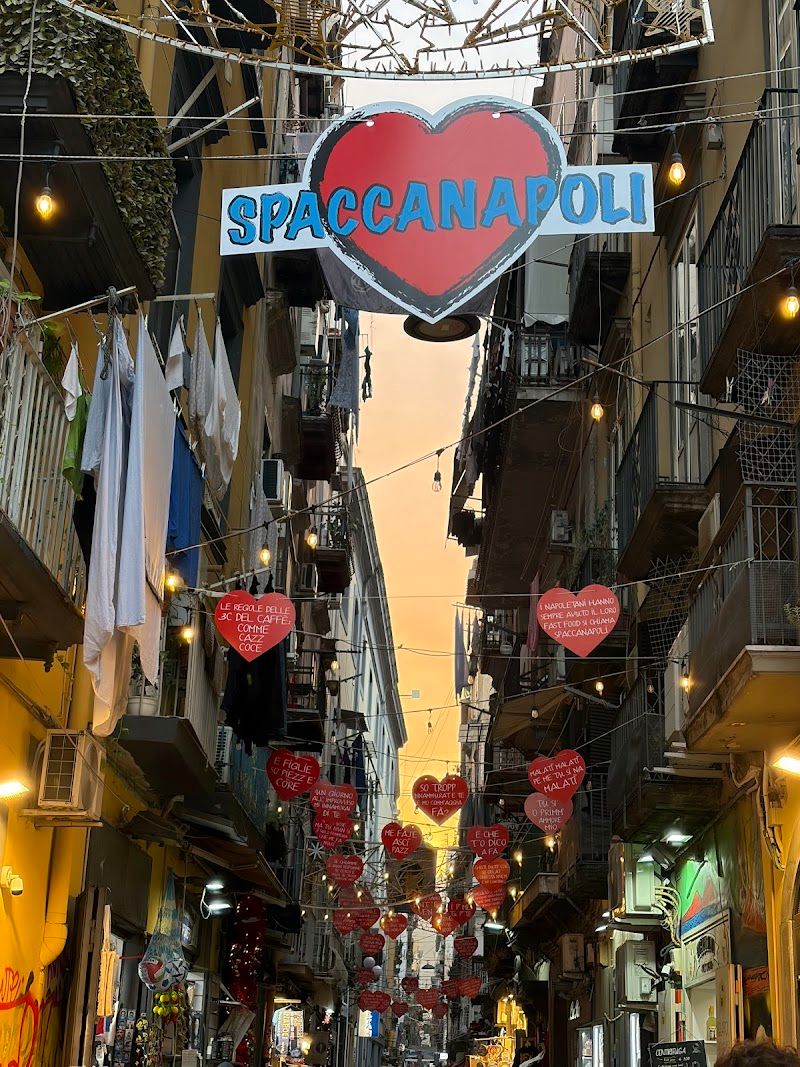
Spaccanapoli follows the exact route of ancient Greek Neapolis' main street, a 2,500-year-old thoroughfare that remains the city's main artery. This straight line cuts through Naples' historic city centre for 1.5km, taking you past baroque churches, nativity carving workshops, and some of the city's top-rated pizza restaurants. You'll walk through genuine working neighborhoods where artisans hammer gold, grandmothers hang laundry from balconies, and Vespas weave between pedestrians. The street is like walking through a living museum where nothing's been sanitized for tourists. Scooters buzz past constantly, church bells clang overhead, and the smell of frying pizza dough mixes with incense from open chapel doors. Via San Gregorio Armeno branches off with year-round Christmas workshops, while Santa Chiara's majolica-tiled cloister provides a quieter break from the chaos. The density is overwhelming but never threatening. Most guides don't mention that the eastern half, Via dei Tribunali, is actually more interesting than the touristy western end. Skip the overcrowded Christmas alley unless you're actually buying something, prices there are inflated. Santa Chiara's cloister costs nothing but many visitors walk right past the side entrance. The true treasure is stumbling into tiny churches that are older than most European capitals.
Stazione Ercolano Scavi
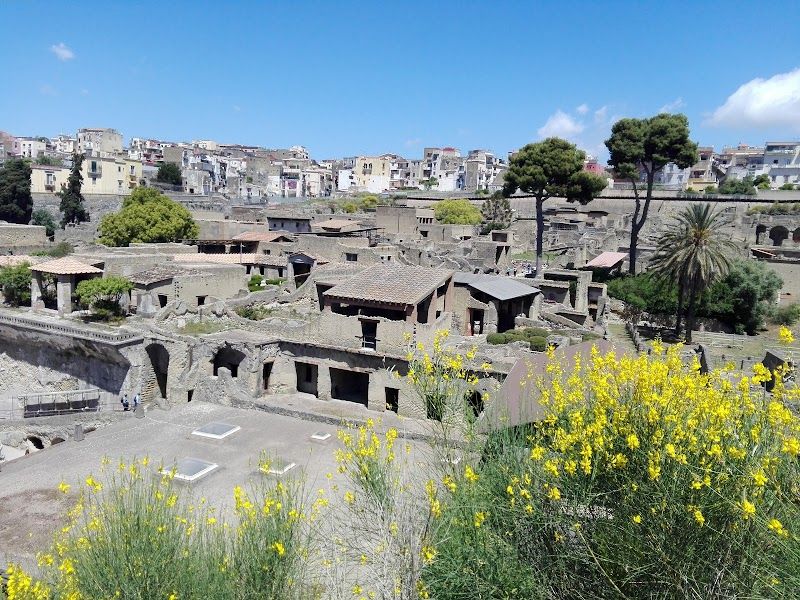
Stazione Ercolano Scavi connects you to Herculaneum, the Roman town that got flash-frozen by Mount Vesuvius in 79 AD. Unlike Pompeii's ash burial, pyroclastic flows created an instant seal that preserved wooden furniture, intact upper floors, and brilliant frescoes. You'll walk through actual Roman apartments with original balconies, see carbonized loaves of bread still in ovens, and explore the Villa of the Papyri where scrolls survived for 2,000 years. The site sits 20 meters below modern Ercolano, so you descend into this preserved slice of antiquity. Most striking are the two-story houses where you can climb original staircases and peer into bedrooms with frescoed walls. The thermal baths showcase intricate mosaics, while the boat pavilion displays skeletons of residents who fled to the harbor. Audio guides help, but the preservation speaks for itself when you're touching wooden door frames that Romans used daily. Tickets cost €13 and include Villa dei Papyri access on weekends only. Most tour groups rush through in 90 minutes, but you need at least 3 hours to appreciate details like the House of Neptune's pristine mosaics. Skip the expensive official guidebook and download the free Herculaneum app instead. The site gets brutally hot in summer with limited shade, so bring water and start early.
Naples Street Food and Neighborhood Walk
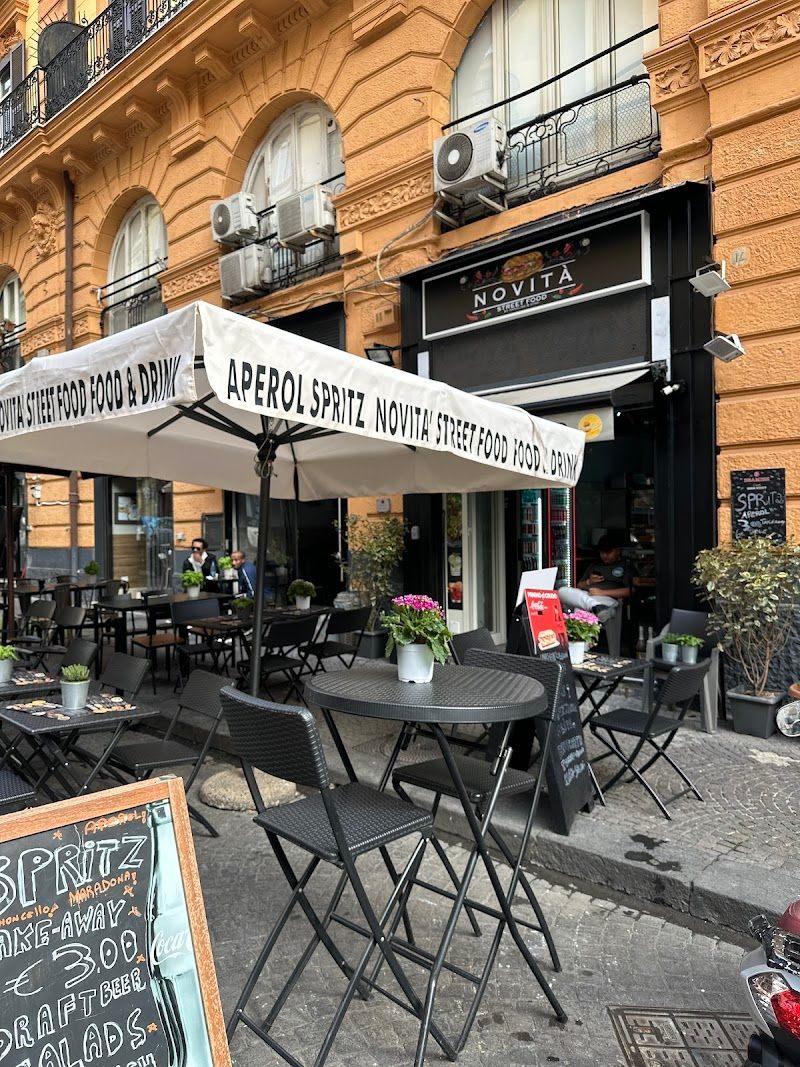
The street food of Naples is one of Italy's most complete traditions. A proper Naples street food tour covers: pizza fritta (fried pizza, a calzone-style pocket fried in lard or oil, EUR 3-4, the original pizza of the working poor before gas ovens were common), sfogliatella (the shell-shaped pastry, riccia is the multi-layered crispy version filled with ricotta and semolina, frolla is the shortcrust version, riccia is the correct one, EUR 2-3, from Sfogliatella Mary at Stazione Centrale or Pintauro on Via Toledo), cuoppo (a paper cone of fried food, mixed seafood or vegetable, EUR 5-7), o per e o muss (pig ear and snout, the traditional working-class street food, from the street vendors with the wheeled carts, EUR 2-3), struffoli (honey and fried dough, seasonal), and the espresso (EUR 1-1.20, standing at the bar, never sitting, the best is at a neighbourhood bar not at the tourist places). Guided street food tours run EUR 40-70 per person for 3 hours and hit 6-8 stops.
Where to Eat
Restaurants and cafes in Museo & Port Area
Getting Here
Getting There
Metro Line 1: Museo; Line 2: Piazza Cavour
On Foot
Walkable from the centro storico (15 minutes north). The port is 20 minutes south.
Insider Tips
MANN: what to prioritise
The museum is very large. Prioritise in order: Room 61 (Alexander Mosaic), the Farnese gallery ground floor (the Hercules and the Bull), the Pompeii mosaic and fresco rooms on the mezzanine, the Secret Cabinet (ask at the desk, sometimes the entrance is not obvious). Allow 2 hours minimum for a focused visit.
Ferries to Capri from the port
Hydrofoils from Molo Beverello to Capri: 45 minutes, EUR 22-25 each way. Multiple companies operate the same route; prices are set and identical. Buy tickets at the Molo Beverello ticket windows the morning of travel (or the day before in summer). The last return from Capri is around 7:30 PM in summer, 6 PM in winter.
Nearby Neighborhoods
Continue exploring
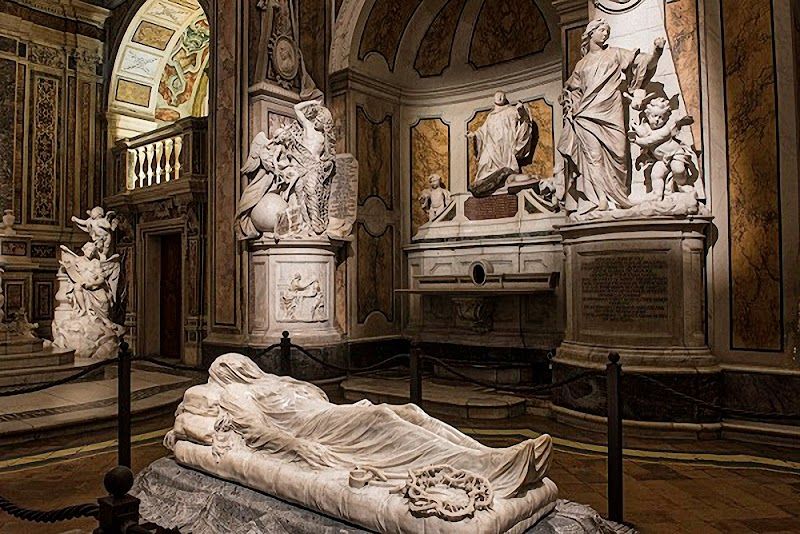
Centro Storico & Spaccanapoli
The 2,500-year-old Greek street grid: Spaccanapoli cutting through the city, Cappella Sansevero with the Veiled Christ, the best pizzerias in Naples, the Christmas alley with nativity artisans, and churches at every corner.
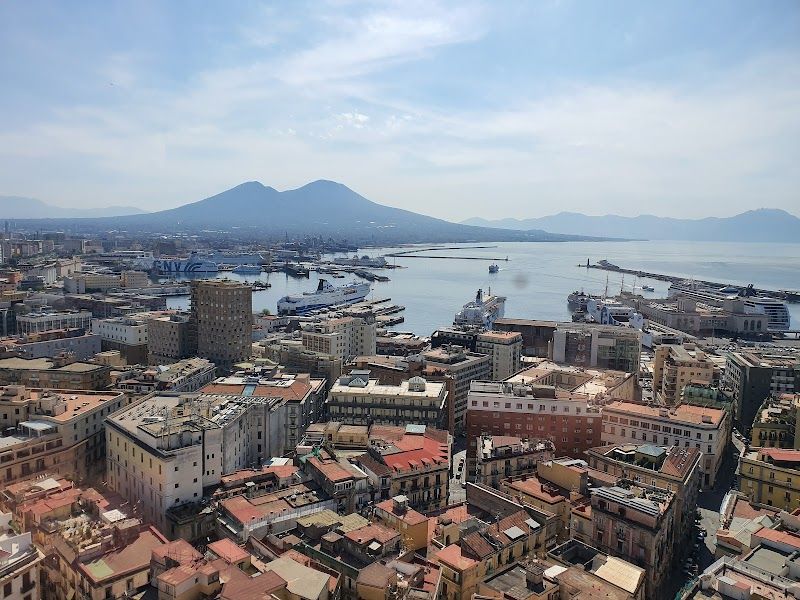
Quartieri Spagnoli & Via Toledo
The Spanish Quarter grid west of Via Toledo: Maradona is a local saint here (wall murals, street shrines), the cheapest food in Naples, scooters threading through pedestrians, and an energy that is raw, loud, and completely alive.
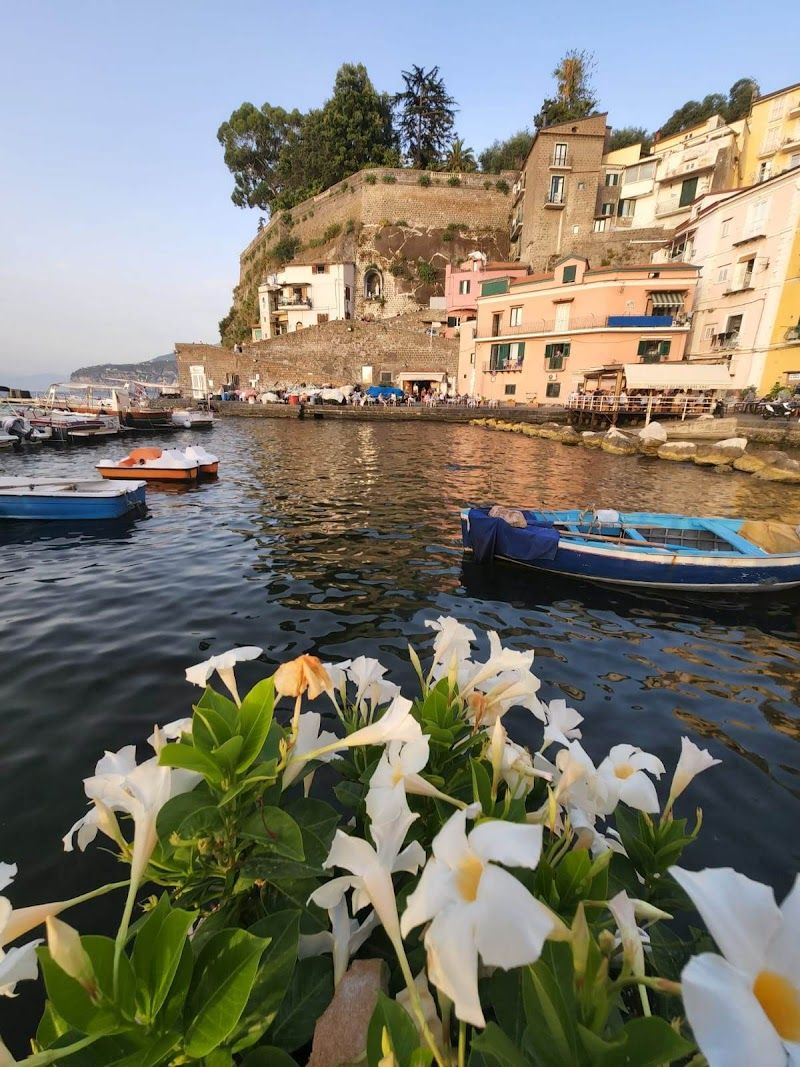
Lungomare & Chiaia
The seafront Naples: Castel dell'Ovo with the bay view and Vesuvius backdrop, the Lungomare promenade walk, Piazza del Plebiscito and the Royal Palace, and Chiaia for aperitivo and upscale dining.
Plan a trip featuring Museo & Port Area
Get a personalized Naples itinerary with Museo & Port Area built in.
Start Planning