Naples
Centro Storico & Spaccanapoli
The 2,500-year-old Greek street grid: Spaccanapoli cutting through the city, Cappella Sansevero with the Veiled Christ, the best pizzerias in Naples, the Christmas alley with nativity artisans, and churches at every corner.
About Centro Storico & Spaccanapoli
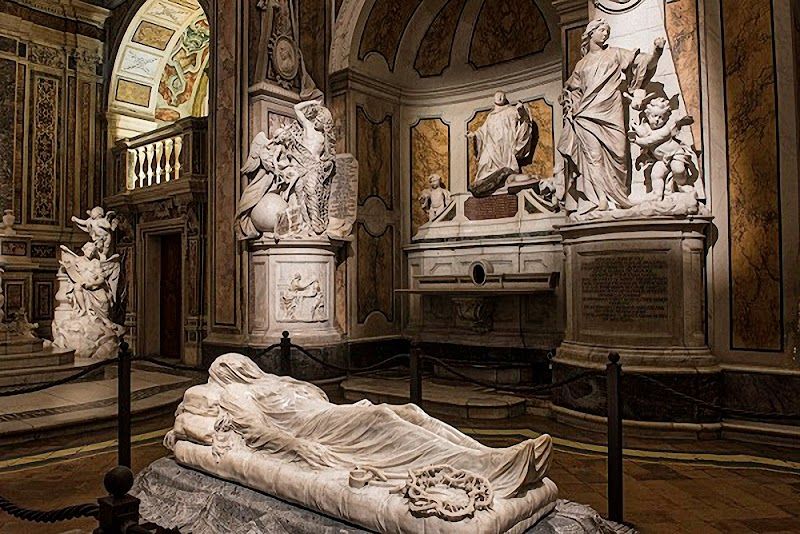
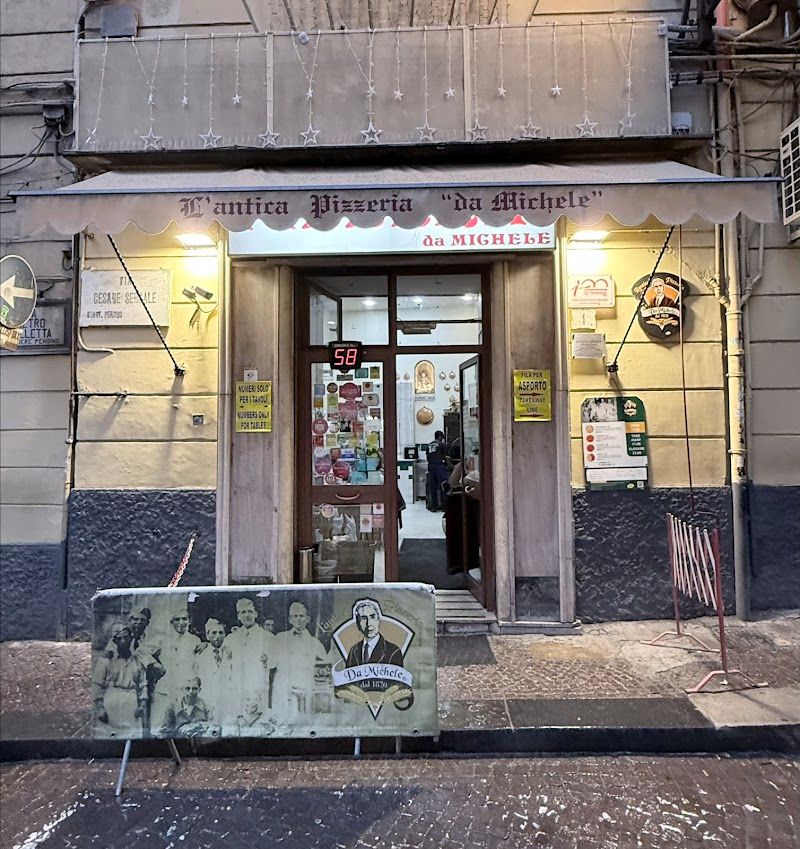
The centro storico of Naples follows the exact grid of the ancient Greek city of Neapolis, laid out in the 5th century BC. Spaccanapoli (Via Benedetto Croce) is the decumanus maximus, the main east-west artery, now a canyon of Baroque churches, palazzi, laundry lines, and pizza places. Cappella Sansevero (EUR 10) is on Via Francesco De Sanctis off Spaccanapoli: the Veiled Christ in marble, Sanmartino 1753, is the most technically extraordinary sculpture in Italy. The Christmas alley (Via San Gregorio Armeno) runs north from Spaccanapoli: artisans make nativity figures year-round in the street workshops. The church of Santa Chiara has a free 14th-century cloister with majolica tile benches. The Duomo is the main cathedral with the San Gennaro chapel and the biannual blood liquefaction ceremony. The pizzerias are everywhere: Sorbillo (Via dei Tribunali), Da Michele (Via Cesare Sersale), Di Matteo (Via dei Tribunali) are within 5 minutes of each other.
Things to Do
Top experiences in Centro Storico & Spaccanapoli
Cappella Sansevero and the Veiled Christ
The Cappella Sansevero houses three sculptures that defy explanation: marble figures carved with translucent veils and nets that seem physically impossible. Giuseppe Sanmartino's Veiled Christ (1753) shows the dead Christ beneath a veil so realistic you'll swear it's actual fabric, but it's carved from the same marble block. Two competing sculptures, Disillusion (a figure trapped in a marble net) and Modesty (another veiled figure), are equally mind-bending. The crypt holds two complete human skeletons with perfectly preserved circulatory systems that scientists still can't explain. You'll enter a small baroque chapel where your eyes immediately go to the Veiled Christ in the center. The detail is genuinely unsettling: you can see Christ's facial features, eyelashes, and wounds through the marble veil. The other sculptures line the walls, each one making you question how 18th-century sculptors achieved such effects. Descending to the crypt feels like entering a mad scientist's laboratory, complete with those mysterious anatomical figures that look like something from a horror film. Most guides rush through in 30 minutes, but you need the full hour to properly absorb what you're seeing. Skip the audio guide (EUR 5 extra) and just stare at the sculptures: they speak for themselves. The chapel gets stupidly crowded after 11 AM, turning the experience into a cattle shuffle. At EUR 10, it's pricey for 20 minutes of actual viewing time, but these sculptures exist nowhere else on earth.
National Archaeological Museum of Naples (MANN)
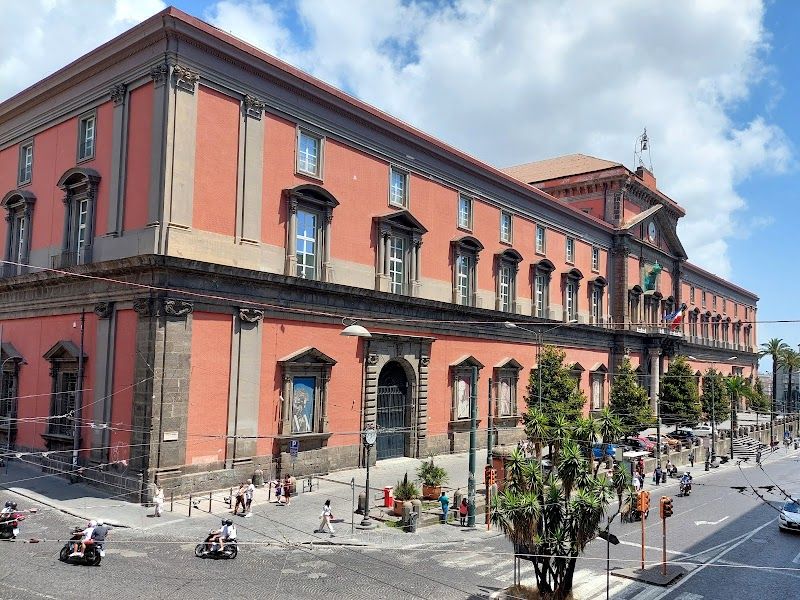
The Museo Archeologico Nazionale di Napoli (MANN) is the most important collection of Roman and Greek antiquities in the world, significantly better than what is in Rome itself. This is because the museum holds the entire Farnese collection (accumulated by one of Rome's most powerful families over two centuries) and the objects recovered from Pompeii, Herculaneum, and Stabiae after the 1748 excavations began. The Farnese collection includes the Farnese Hercules (the largest surviving ancient statue, 3.15 metres, a 3rd-century Roman copy of a Greek original, the head is disproportionately small because the original head was lost and replaced) and the Farnese Bull (the largest surviving sculptural group from antiquity, 3.7 metres high). The Pompeii galleries contain the actual mosaics, wall paintings, and objects removed from the excavations: the Alexander Mosaic (the battle between Alexander the Great and Darius, originally the floor of the House of the Faun in Pompeii, 20 square metres, made from 1.5 million tesserae) is in Room 61. The Secret Cabinet (Gabinetto Segreto) contains the erotic art recovered from Pompeii, which was locked away for most of the museum's history and only fully opened in 2000. EUR 18. Closed Tuesday.
Duomo di Napoli
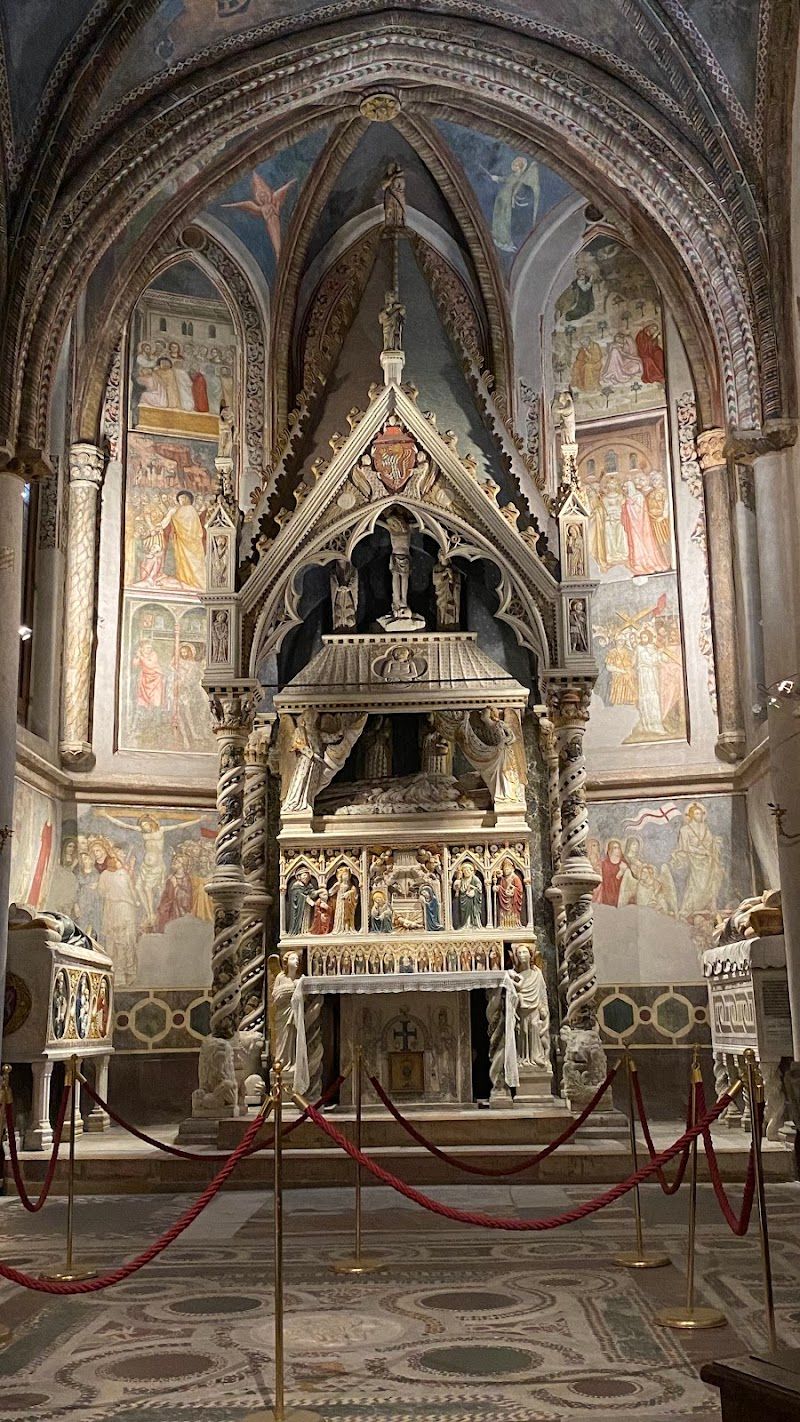
Naples Cathedral houses one of Italy's most fascinating religious spectacles: the liquefaction of San Gennaro's blood, which happens three times yearly and draws thousands of believers. Beyond the miracle, you'll find the oldest baptistery mosaics in Western Europe dating from the 4th-5th centuries, plus a surprisingly ornate baroque interior that most tourists rush through. The Chapel of San Gennaro glitters with silver and precious stones, while the archaeological area beneath reveals layers of Greek and Roman Naples. The cathedral feels like stepping into Naples' spiritual heartbeat, especially during the blood miracle ceremonies when the entire city holds its breath. Outside miracle days, it's pleasantly quiet with excellent natural light filtering through the nave. The baptistery mosaics are genuinely spectacular, showing early Christian symbols in brilliant blues and golds that have survived 1,600 years. You'll hear whispered prayers echoing off baroque marble and smell centuries of incense in the side chapels. Most guides oversell the main cathedral space, which is nice but not extraordinary by Italian standards. The real treasures are the baptistery (often overlooked) and the archaeological excavations beneath (entry costs €3). Skip the treasury unless you're obsessed with religious artifacts. The miracle ceremonies are genuinely moving if you can handle massive crowds, but the atmosphere on regular days is actually more contemplative for appreciating the art and architecture.
Complesso Monumentale di Santa Chiara
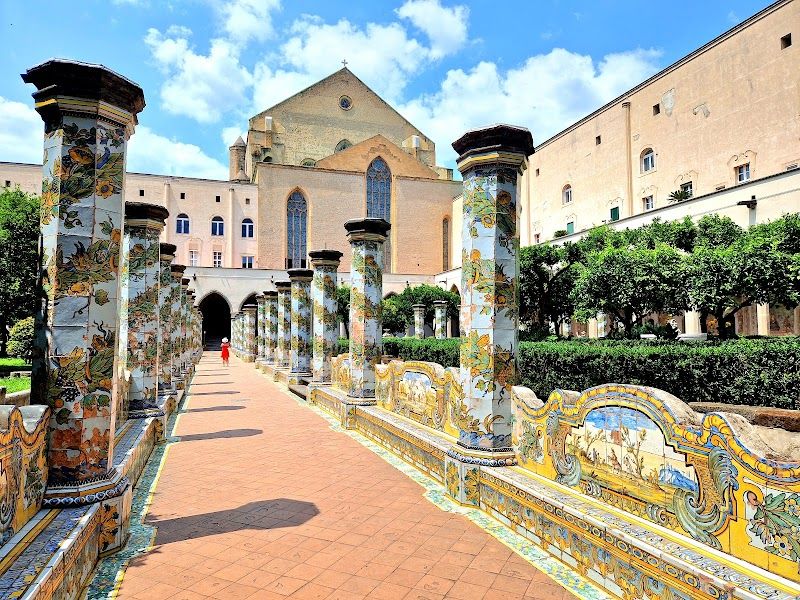
The Santa Chiara complex houses Naples' cloister, where every surface tells a story through hand-painted majolica tiles from the 1740s. You'll walk through a peaceful garden surrounded by 72 octagonal columns completely covered in climbing ceramic vines, while the benches display intricate scenes of 18th-century Neapolitan life, from hunting parties to rural landscapes. The attached museum holds one of Italy's finest nativity collections, with elaborate presepe scenes that locals take seriously. The moment you step into the cloister, the noise of Spaccanapoli disappears completely. Sunlight filters through the garden, highlighting the detail in the tilework: every vine leaf, every human expression, every architectural element rendered in brilliant ceramics. The space feels more like an outdoor art gallery than a religious site, and you'll find yourself studying individual tiles for ages. The museum upstairs surprises most visitors with its theatrical nativity displays, some featuring entire Neapolitan neighborhoods in miniature. Most guides don't mention that entry costs €6, or that the best light hits the tiles between 11am and 2pm when the courtyard gets full sun. Skip the rushed group tours and take your time with the tilework, particularly the benches along the eastern wall where the craftsmanship peaks. The nativity museum gets crowded after 3pm, so tackle it first if you're visiting late in the day.
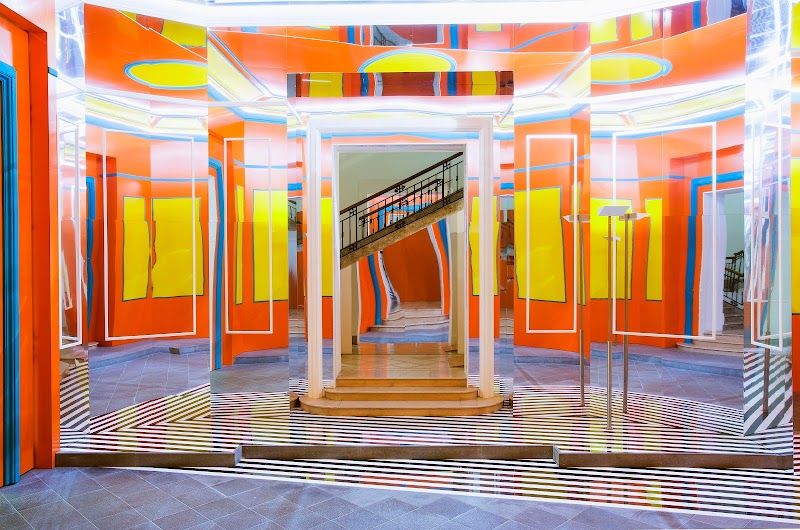
Museo d'Arte Contemporanea Donnaregina
MADRE transforms a 19th century palazzo into Naples' premier contemporary art space, housing permanent works by Jeff Koons, Anish Kapoor, and Francesco Clemente alongside rotating international exhibitions. You'll find three floors of installations that range from subtle video pieces to room-filling sculptures, with Italian artists like Mimmo Paladino getting equal billing with global names. The museum focuses on post-1960s work, so expect conceptual pieces, digital art, and experimental media rather than paintings on walls. The experience flows vertically through minimalist white galleries that deliberately contrast with the building's ornate ceilings and period details. Each floor feels different: ground level installations often spill into corridors, the second floor houses more intimate works, while the top floor saves space for large-scale pieces that need breathing room. The juxtaposition works brilliantly, making both old and new feel more dramatic. You'll spend time puzzling over some pieces while others hit immediately. Most guides oversell this as essential Naples culture, but it's genuinely good if contemporary art interests you. Skip it entirely if you're rushed or prefer classical work. The €7 entry fee represents solid value compared to Rome or Milan equivalents. Start on the top floor and work down to avoid backtracking, and don't feel obligated to read every placard.
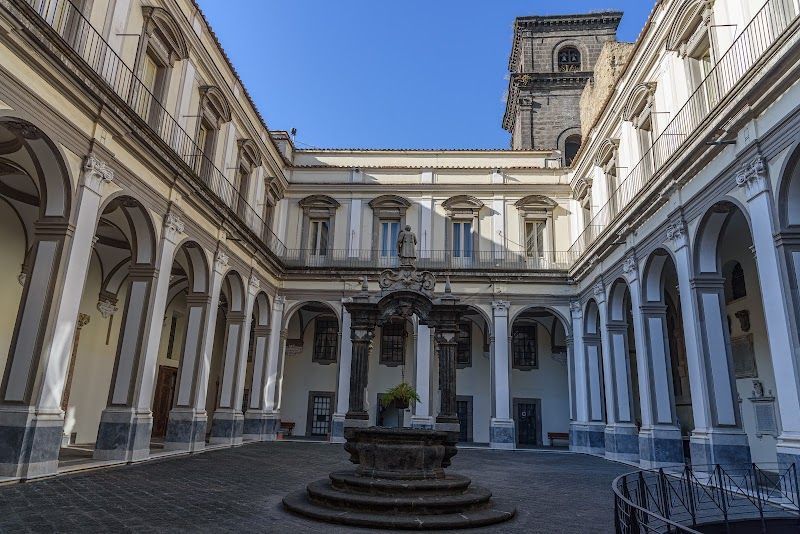
Complesso Museale di San Lorenzo Maggiore
San Lorenzo Maggiore gives you two attractions in one: a beautiful 13th-century Gothic church upstairs and genuine Roman ruins below street level. The underground excavations reveal the ancient macellum (market) of Neapolis, complete with Roman shops, a bakery, and treasury rooms that look exactly as they did 2,000 years ago. You're literally walking through the economic heart of ancient Naples, with medieval foundations built directly on top of Roman walls. The visit starts in the church above, where Gothic arches soar overhead and you can see where Boccaccio supposedly met his muse Fiammetta. Then you descend into the cool underground passages where Roman brick archways frame ancient shop fronts and storage rooms. The contrast hits you immediately: one moment you're in medieval Naples, the next you're stepping onto Roman paving stones. Audio guides explain each room's purpose, from bread ovens to coin storage areas. Most visitors rush through the church to get to the ruins, but spend time with both levels. The Roman sections can feel repetitive after 20 minutes, so focus on the main market hall and bakery area rather than every small room. At 9 EUR for adults, it's reasonably priced for what you get. Skip the gift shop completely, it's overpriced postcards and plastic replicas.
Where to Eat
Restaurants and cafes in Centro Storico & Spaccanapoli
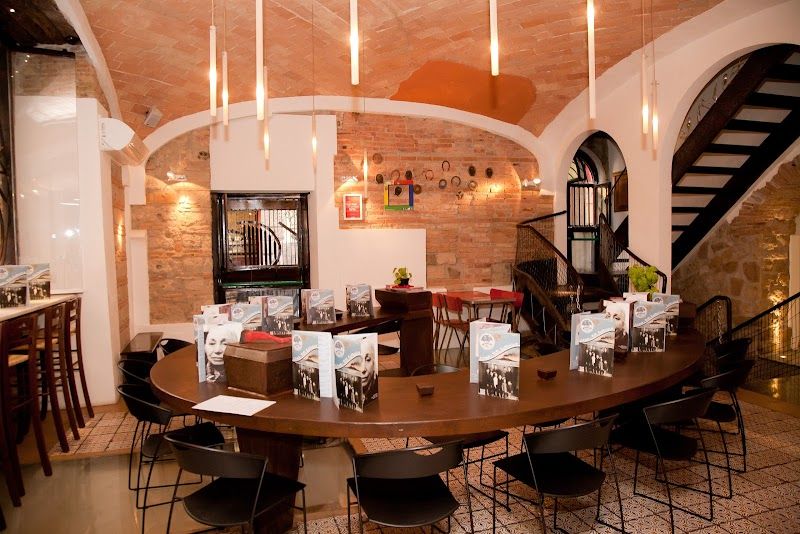
Pizzeria Gino Sorbillo
RestaurantThird-generation pizzaiolo operating since 1935 on the famous Via dei Tribunali pizza street. The queues are long but move quickly, and the enormous pillowy-edged pizzas from the 485-degree oven justify the wait.
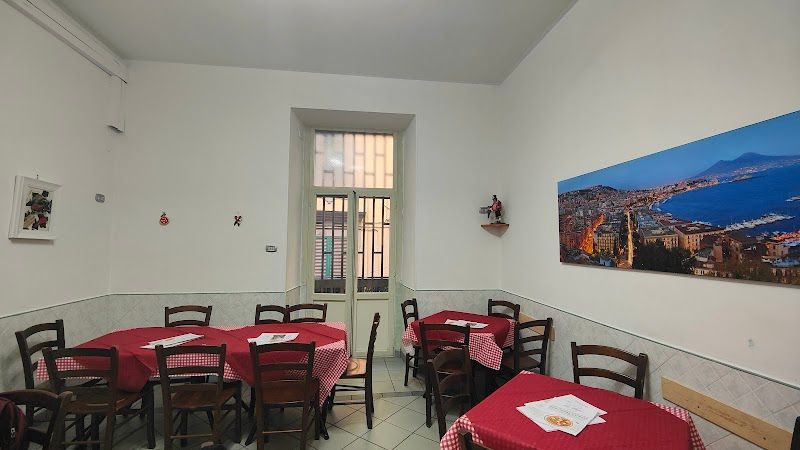
Pizzeria Di Matteo
RestaurantNo-frills pizzeria and friggitoria since 1936, serving both round pizzas and pizza fritta (fried calzone) stuffed with cicoli and ricotta. Bill Clinton ate here during the 1994 G7 summit, but locals come for the authentic working-class atmosphere and EUR 4 fried pizzas.
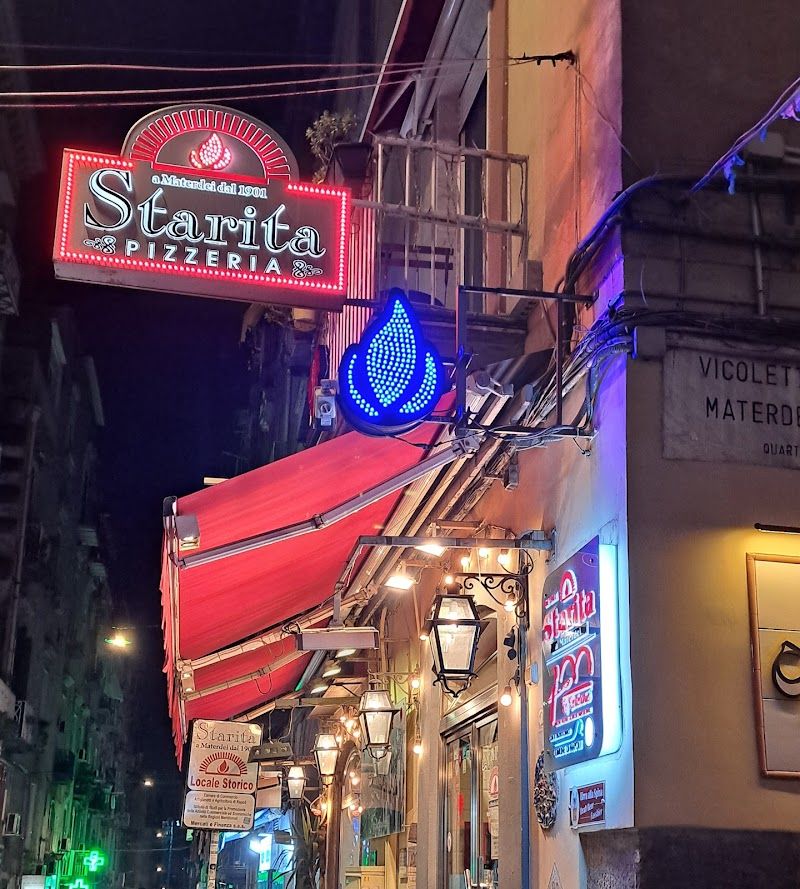
Pizzeria Starita a Materdei
RestaurantFamily-run pizzeria since 1901, famous for its montanara (fried then baked pizza) and as the filming location for the Sophia Loren film 'L'oro di Napoli'. The kitchen produces classic Neapolitan pizzas from a wood-fired oven with a menu that includes both traditional and creative variations.
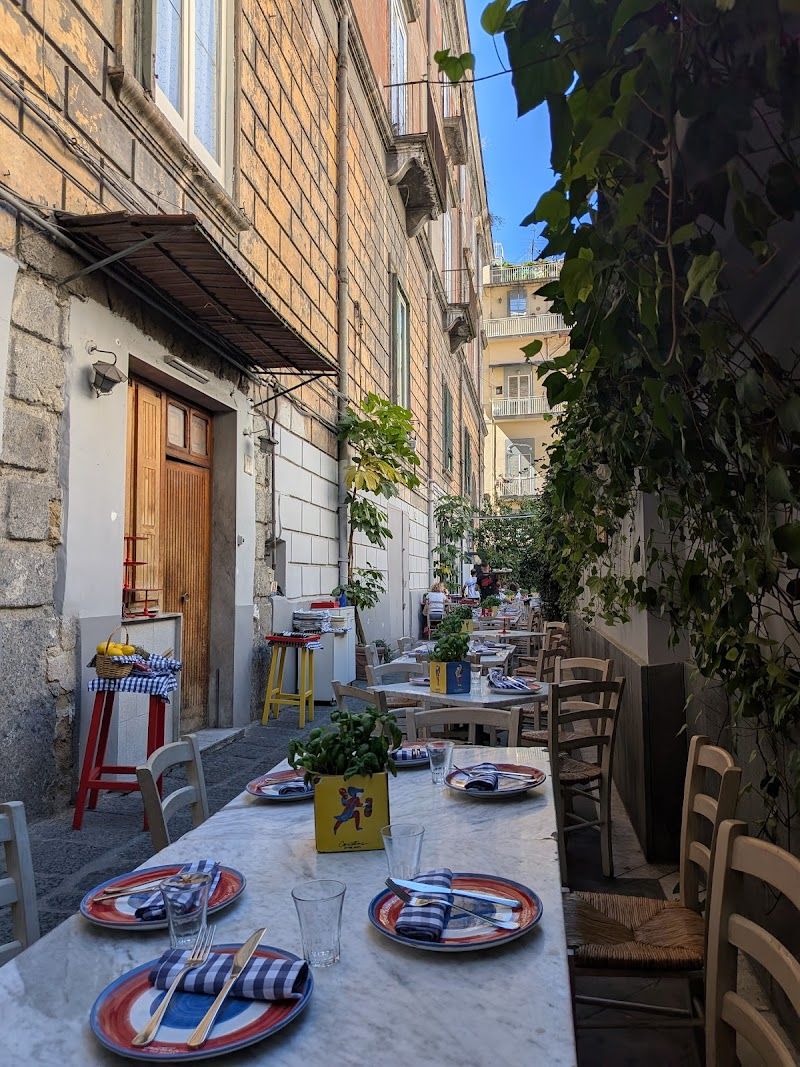
Pizzeria Concettina ai Tre Santi
RestaurantFourth-generation pizzeria in the Sanita neighborhood known for experimental toppings while respecting traditional dough techniques. The Mastunicola pizza (lard, basil, pecorino, and black pepper) dates to pre-tomato Naples, and the seasonal specials use Slow Food ingredients.
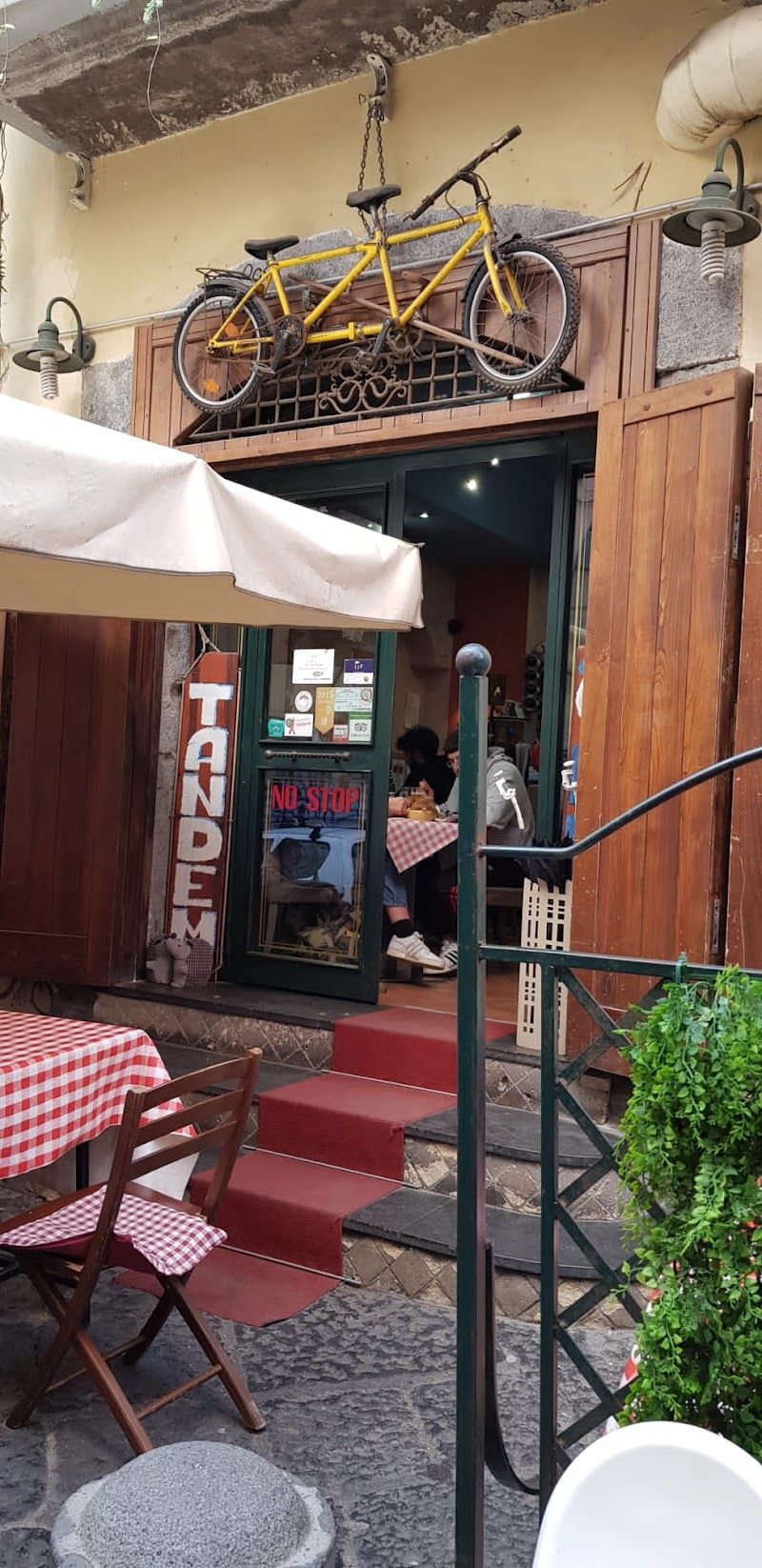
Tandem Ragu
RestaurantSmall restaurant dedicated exclusively to ragu napoletano, the Sunday sauce slow-cooked for 10-12 hours with multiple cuts of meat. Choose your pasta shape and whether you want your ragu with meatballs, braciole, or both.
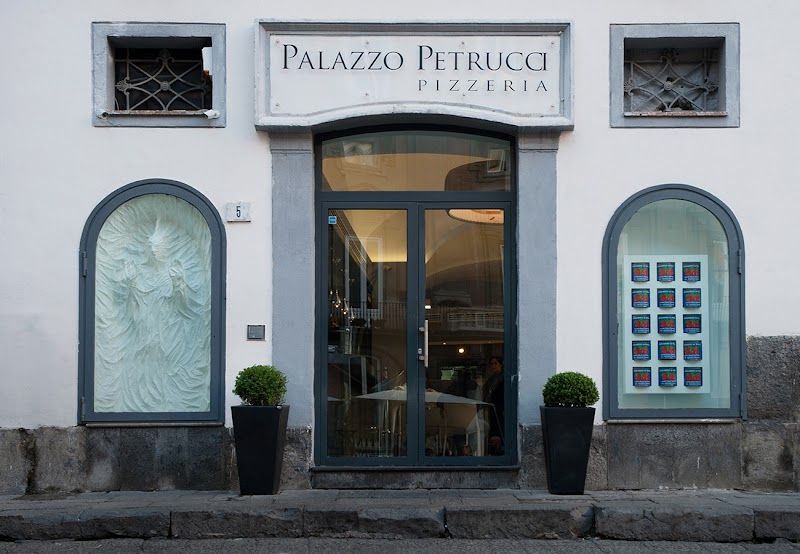
Palazzo Petrucci Pizzeria
RestaurantMichelin-starred chef's casual pizzeria in Piazza San Domenico Maggiore using premium ingredients like Campanian buffalo mozzarella and Cetara anchovies. The dough ferments for 24 hours and the minimal toppings showcase ingredient quality over quantity.
Getting Here
Getting There
Metro Line 1: Università or Duomo (under construction); Line 2: Montesanto
On Foot
Very walkable but very dense. The streets are narrow. Scooters share the roadway. Stay on the pavement and keep your bag on the building side.
Insider Tips
Cappella Sansevero: book ahead
EUR 10. Closed Tuesday. The chapel is very small (50 people maximum) and sells out in peak season. Book at museosansevero.it. Arrive at opening (9 AM) to see the Veiled Christ before the groups. Look at all three veil sculptures: the Veiled Christ (Sanmartino), Disillusion (Queirolo), and Modesty (Corradini). The two anatomical machines in the crypt are in the same building: ask at the ticket desk.
Pizza: the right order and the right place
Da Michele (Via Cesare Sersale 1): serves only margherita and marinara, cash only, queue outside, the Platonic ideal. Sorbillo (Via dei Tribunali 32): more options, still excellent. Di Matteo: also good, adds frittura. Order a margherita first. The correct size is personal (one pizza per person). Eat with your hands, folded. The queue moves faster than it looks.
Santa Chiara cloister
Free. Enter from the side door off Piazza del Gesù Nuovo or from Via Santa Chiara. The 14th-century cloister was rebuilt in the 18th century with majolica-tiled pillars and benches, a garden of lemon trees, and a quiet atmosphere completely at odds with the noise of Spaccanapoli 10 metres away. Open mornings.
Nearby Neighborhoods
Continue exploring
Museo & Port Area
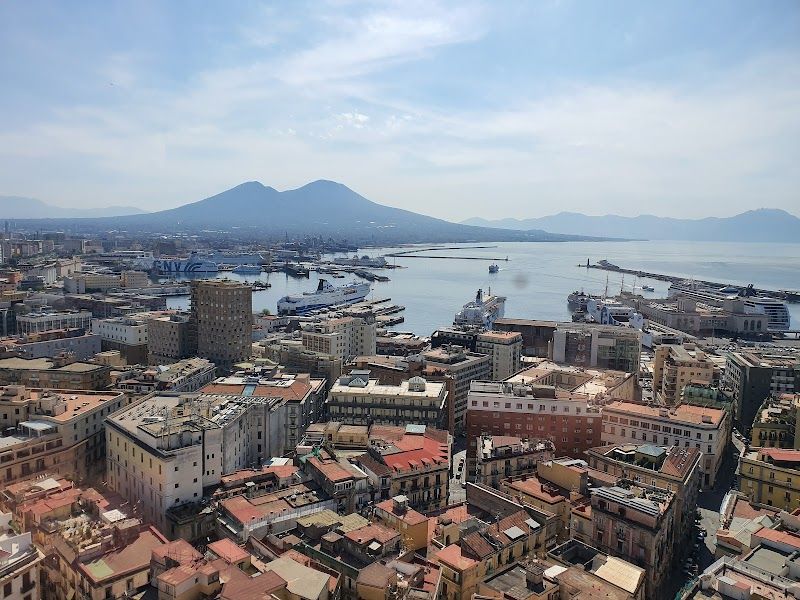
The museum and port district: the National Archaeological Museum with the world's best Roman collection, the Farnese Hercules, the Alexander Mosaic, and the port from which ferries leave for Capri, Ischia, and Procida.
Quartieri Spagnoli & Via Toledo
The Spanish Quarter grid west of Via Toledo: Maradona is a local saint here (wall murals, street shrines), the cheapest food in Naples, scooters threading through pedestrians, and an energy that is raw, loud, and completely alive.
Lungomare & Chiaia
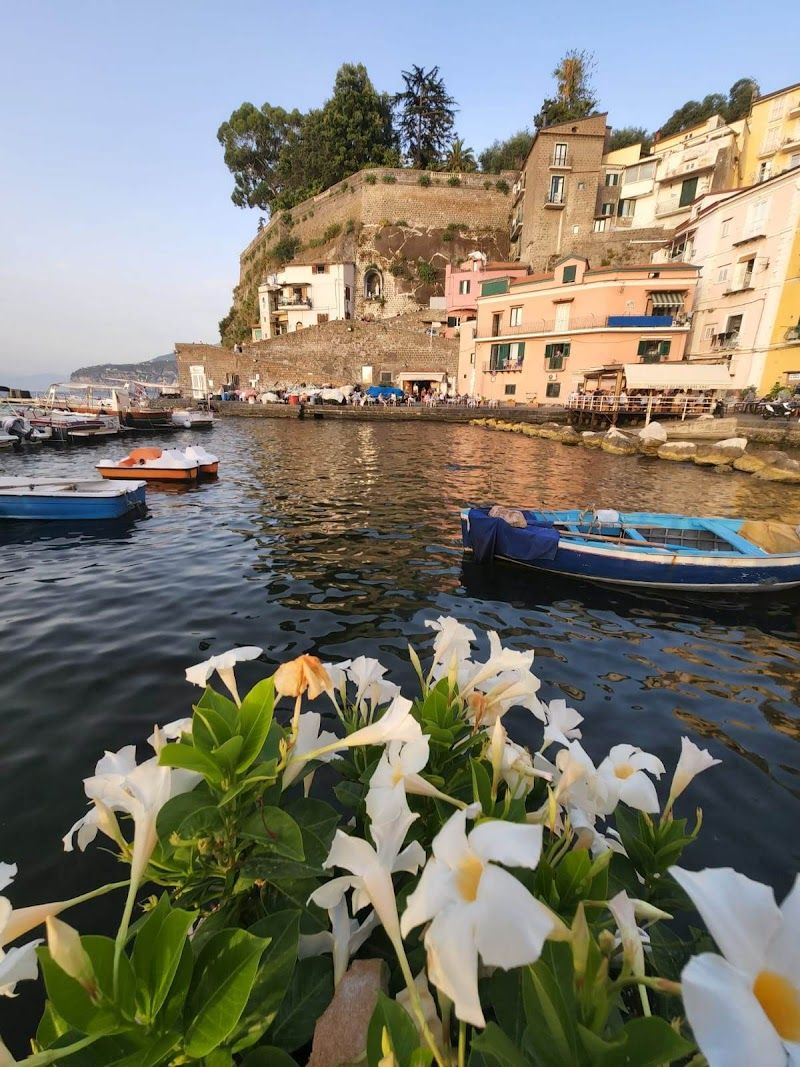
The seafront Naples: Castel dell'Ovo with the bay view and Vesuvius backdrop, the Lungomare promenade walk, Piazza del Plebiscito and the Royal Palace, and Chiaia for aperitivo and upscale dining.
Plan a trip featuring Centro Storico & Spaccanapoli
Get a personalized Naples itinerary with Centro Storico & Spaccanapoli built in.
Start Planning