Siena
Contrada della Selva & North
The residential north where contrada life is real, not performed: neighbourhood fountains, local trattorias with no English menus, and the basilica where Saint Catherine had her visions.
About Contrada della Selva & North
The northern quarter of Siena extends from the Basilica di San Domenico down to the Fontebranda fountain and up through the streets of the Selva (Rhinoceros) contrada. San Domenico is a massive brick church (free entry) that holds the relics of Saint Catherine of Siena, including her preserved head in a gilded reliquary in the Chapel of the Vaults. The Fontebranda is the oldest fountain in Siena (13th century), once the main water source for the city. The streets in this area are residential and quiet, with local trattorias serving lunch for EUR 10-15 without English menus. The contrada museums here (small, free or EUR 2-3, open irregular hours) show the flags, costumes, and trophies of each ward's Palio history.
Things to Do
Top experiences in Contrada della Selva & North
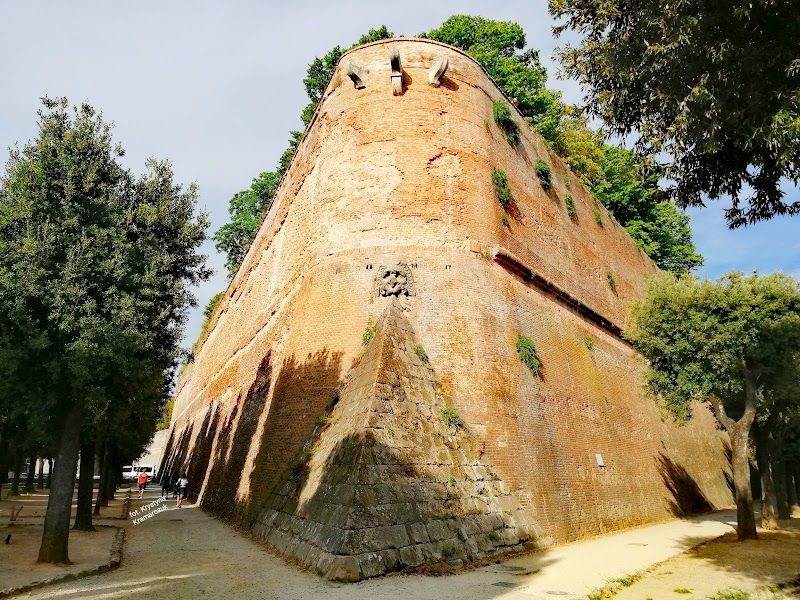
Fortezza Medicea
The Fortezza Medicea sits on Siena's northern edge as a massive 16th-century star-shaped fortress built by Cosimo I de' Medici to control the conquered city. You'll find thick brick walls, angular bastions, and surprisingly well-maintained gardens inside what's now a public park. The real draw is the Enoteca Italiana, Italy's official wine showcase housed in the fortress cellars, where you can taste wines from every Italian region without the tourist markup you'll find elsewhere in Siena. Walking the perimeter walls takes about 20 minutes and offers genuinely spectacular views over the Tuscan hills, especially toward the southeast where you can spot medieval towers dotting the countryside. Inside the walls, locals spread blankets on the grass for impromptu picnics while kids play football in the open areas. The atmosphere feels more like a neighborhood park than a historical monument, which is exactly what makes it special. The Enoteca's tasting room occupies atmospheric vaulted chambers that stay cool even in summer heat. Most guidebooks oversell this as a major historical site when it's really best appreciated as a peaceful escape from Siena's crowded centro storico. The fortress itself has limited historical displays and no museum worth paying for. Focus your time on the wall walk at golden hour and the Enoteca's wine selection, where tastings start around 8 EUR. Skip weekends when local families pack the grassy areas.
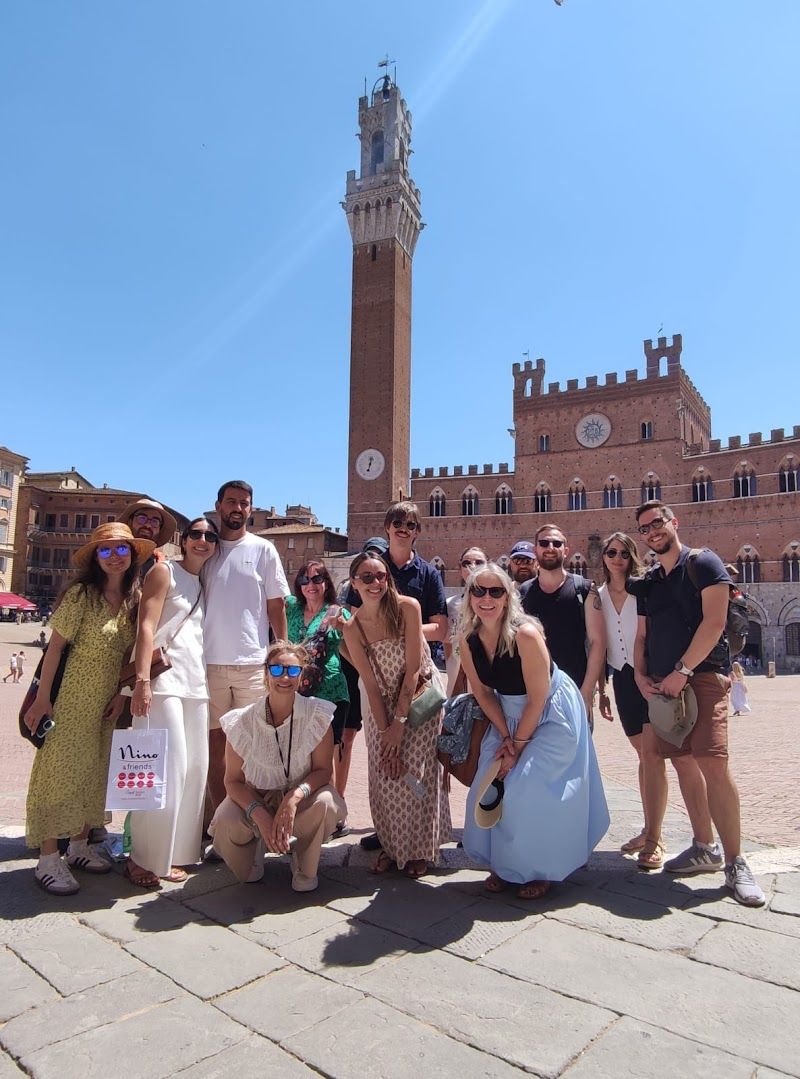
Contrade and Palio Walking Tour
This specialized tour takes you deep into Siena's contrada system, the 17 neighborhood districts that have defined the city's identity since medieval times. You'll visit contrada museums displaying centuries of Palio silks and silver, see the animal-emblemed fountains that mark each territory, and learn how these rivalries still shape daily life. Your guide explains the Byzantine rules governing the famous bareback horse race held twice yearly in the Piazza del Campo, plus the year-round ceremonies that keep these traditions alive. The 2.5-hour walk winds through narrow streets where each contrada's symbols appear on flags, doorways, and street art. You'll hear stories of legendary victories and bitter defeats while standing in the exact spots where celebrations or mourning took place. The atmosphere shifts noticeably as you cross invisible borders between rival territories. Some guides arrange access to private contrada spaces like chapels or meeting halls normally closed to outsiders, giving you a rare glimpse into this parallel world within Siena. Most Palio tours focus only on the race itself and miss the deeper cultural significance. This one gets it right by showing how the contrade function as extended families with their own baptisms, weddings, and social structures. Skip the generic Siena walking tours that barely mention the contrade. At around 45-50 EUR per person, it's expensive but worth it for the insider access and authentic stories you won't get elsewhere.
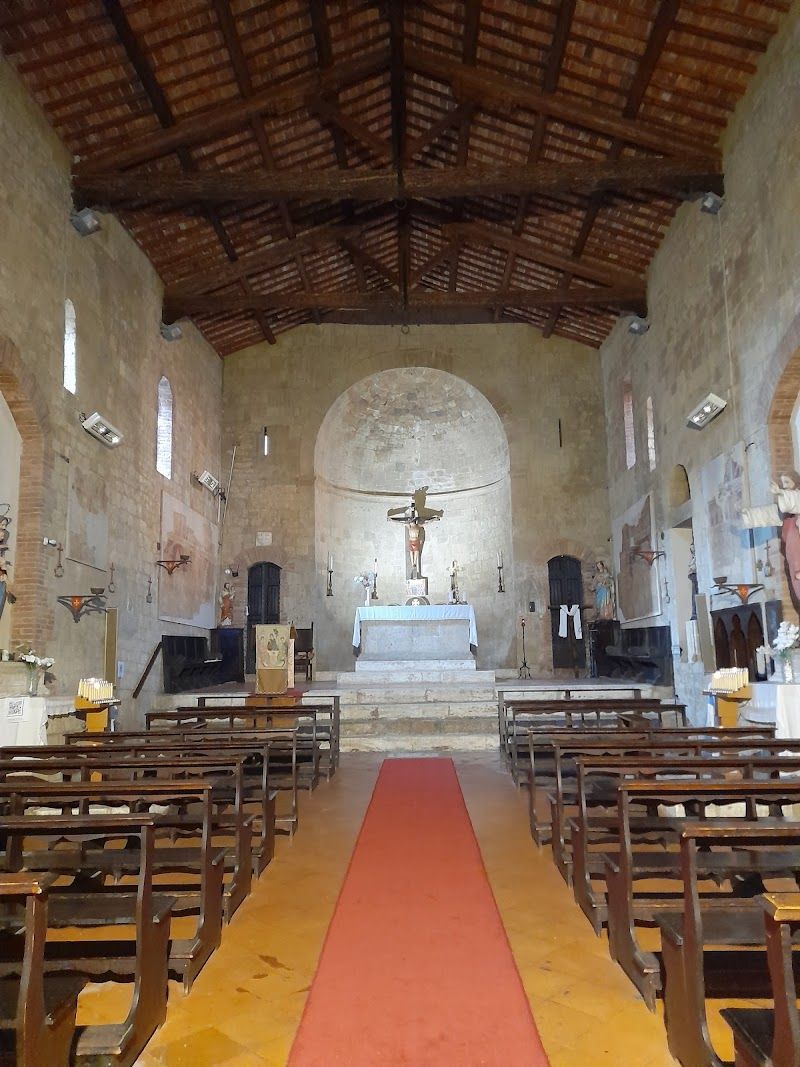
Chiesa di San Pietro alla Magione
Chiesa di San Pietro alla Magione is a compact 12th-century Romanesque church that once served the Knights Templar on their pilgrimage routes. The honey-colored brick facade looks modest from Via Camollia, but step inside to find elegant stone columns, worn medieval floor tiles, and fragments of original frescoes that most tourists never see. You'll spend about 20 minutes here appreciating the simple beauty and the weight of eight centuries of prayer. The interior feels refreshingly authentic compared to Siena's more polished churches. Light filters through small windows onto bare stone walls, creating an atmosphere that's contemplative rather than showy. You can actually hear yourself think here, unlike the Duomo where tour groups echo constantly. The wooden pews face a modest altar, and you'll notice worn stone details that speak to centuries of use by both Templars and ordinary Sienese. Most guidebooks barely mention this place, which works in your favor. There's no admission fee, no crowds, and no pressure to rush through. The church often stays open later than posted hours, but don't count on it being open during lunch (roughly 12:30 to 3:00). Skip it if you're already churched out from the Duomo and San Domenico, but if you appreciate quiet medieval spaces, this delivers more atmosphere per minute than most of Siena's famous sites.
Getting Here
Getting There
No metro. Walk from the Campo (10 minutes via Via della Sapienza).
On Foot
Hilly but manageable. The descent to Fontebranda is steep.
Insider Tips
Contrada museums
Each contrada has a small museum showing its Palio trophies, flags, and historical costumes. They open irregularly (usually weekend afternoons or by request). Ask at the contrada fountain or local bar for opening times. The Selva and Oca museums are the most accessible to visitors.
San Domenico for the view
The terrace outside San Domenico has a panoramic view of the Duomo and the city skyline that most visitors miss because they are focused on the cathedral area. Free, uncrowded, and excellent at sunset.
Nearby Neighborhoods
Continue exploring
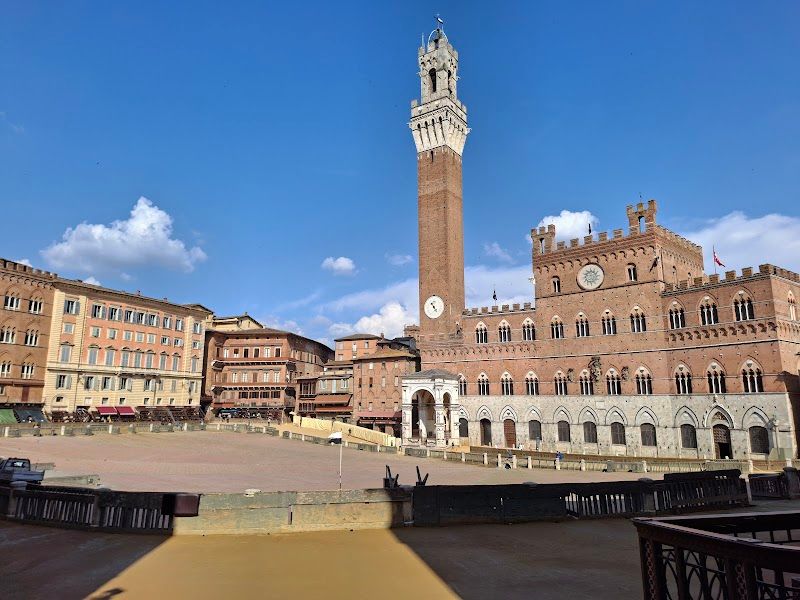
Piazza del Campo & Centro
The shell-shaped square that is the finest public space in Italy: the sloping brick fan where students drink wine, tourists eat gelato, and twice a year horses race bareback around the edge.
Duomo & San Giovanni
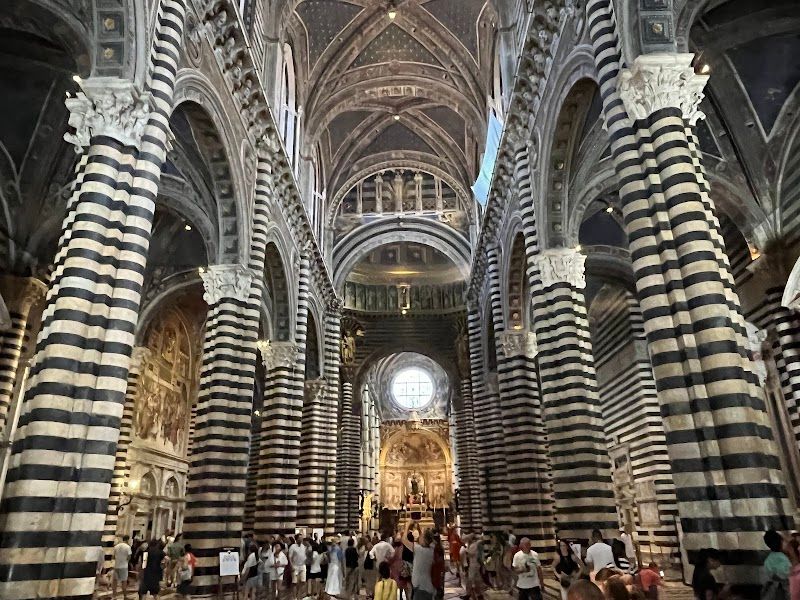
The cathedral quarter on the hill above the Campo: black-and-white striped marble, 200 years of floor panels, Renaissance frescoes, and the unfinished nave wall you can climb for the view.
San Martino & South
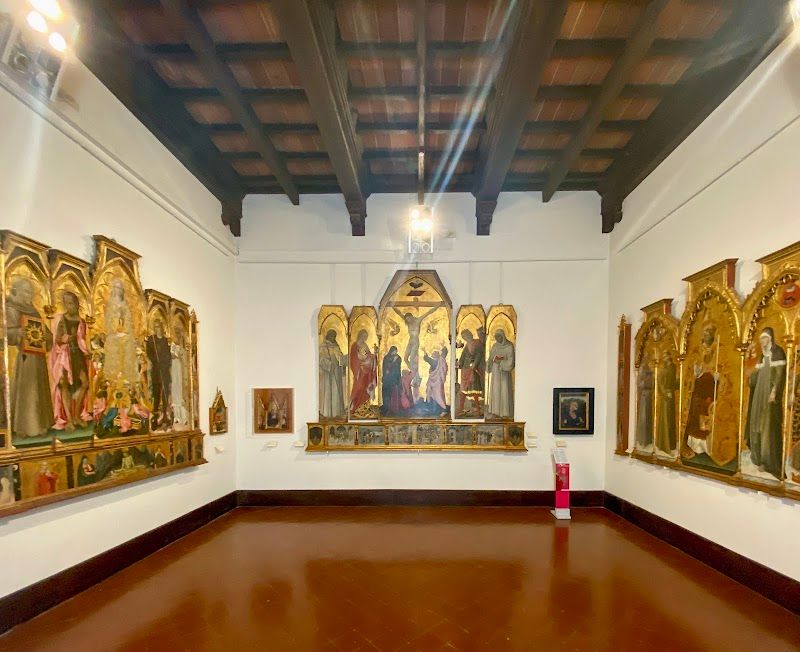
The quiet south where Siena trails off into Tuscan countryside: a world-class painting gallery that nobody visits, a church with the best panorama in the city, and the trattorias where locals eat lunch.
Plan a trip featuring Contrada della Selva & North
Get a personalized Siena itinerary with Contrada della Selva & North built in.
Start Planning