Siena
Duomo & San Giovanni
The cathedral quarter on the hill above the Campo: black-and-white striped marble, 200 years of floor panels, Renaissance frescoes, and the unfinished nave wall you can climb for the view.
About Duomo & San Giovanni
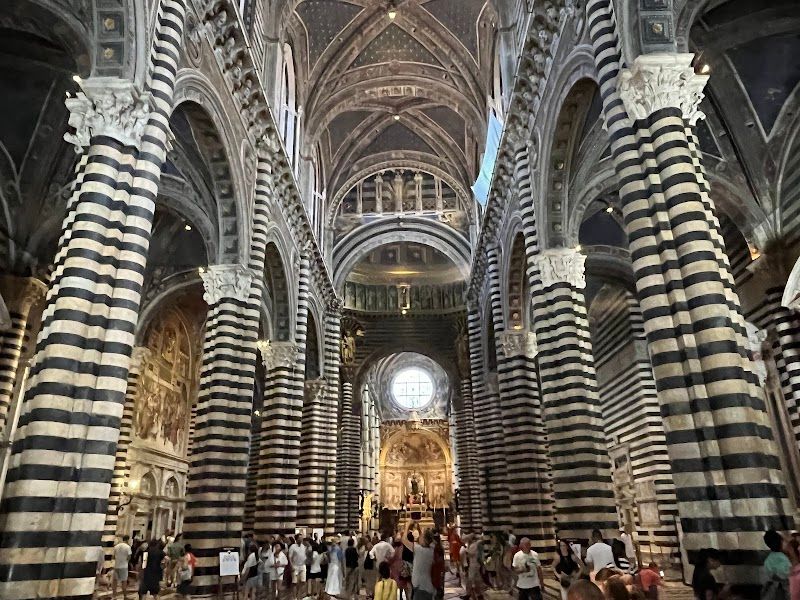
The Duomo di Siena sits on the hill above Piazza del Campo and is one of the great cathedrals of Italy. The black-and-white striped marble exterior (the colours of Siena's coat of arms) is dramatic from every angle. Inside, the marble floor has 56 narrative panels created by 40 artists over 200 years, most covered by protective flooring and revealed only between late August and late October. The Piccolomini Library (inside the cathedral, included in the OPA SI Pass) has Pinturicchio frescoes depicting the life of Pope Pius II with colours so vivid they look freshly painted. The OPA SI Pass (EUR 13) covers the cathedral, library, baptistery (with Donatello's bronze panels), crypt (with 13th-century frescoes discovered in 1999), and the Facciatone (the unfinished wall of a planned nave extension that was abandoned after the 1348 plague, now a viewpoint with a panoramic view of Siena).
Things to Do
Top experiences in Duomo & San Giovanni
Siena Cathedral (Duomo di Siena)
Siena Cathedral stands as Italy's most striking example of black and white striped marble architecture, built over two centuries starting in the 1200s. The real treasure lies beneath your feet: 56 intricate marble floor panels telling biblical stories, created by 40 different artists over 200 years. You'll also find Pinturicchio's vibrant frescoes in the Piccolomini Library that look like they were painted yesterday, not 500 years ago. The unfinished Facciatone offers panoramic views across Siena's terracotta rooftops. Walking into the cathedral feels like entering a zebra-striped jewel box where every surface tells a story. The marble floors are usually covered by protective boarding, but when exposed (late August to October), they transform the space into a walkable art gallery. The Piccolomini Library glows with Renaissance colors, while climbing the Facciatone gives you breathing space and sweeping views after the intensity inside. Audio guides help decode the complex iconography. Skip the basic EUR 5 cathedral-only ticket and get the OPA SI Pass for EUR 13 (EUR 15 during floor season). Most visitors rush through without realizing the crypt and baptistery are equally impressive. The library is small but spectacular, don't miss it. If you're here during floor season, arrive early as crowds build quickly. The Facciatone climb is easier than Torre del Mangia with better views.
Santa Maria della Scala
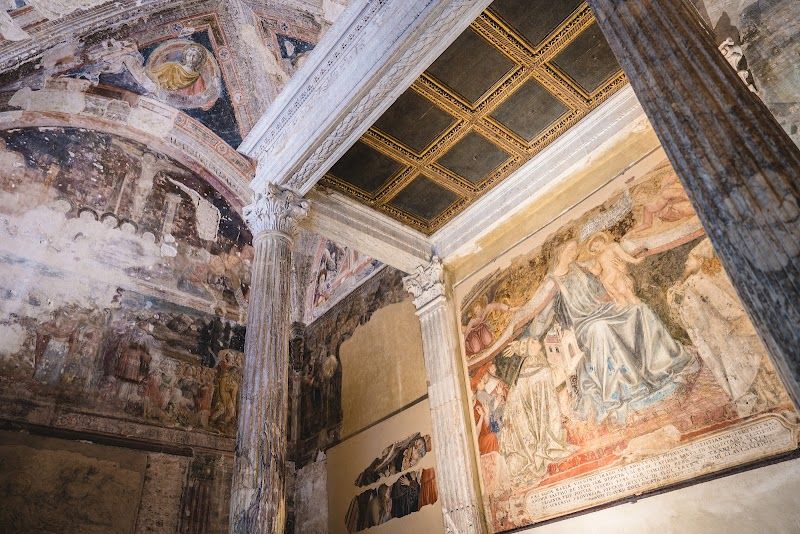
Santa Maria della Scala operated as Europe's oldest hospital for over 800 years before transforming into Siena's most underrated museum. You'll explore a labyrinth of medieval halls, Renaissance chapels, and underground Etruscan chambers that most tourists skip entirely. The star attraction is the Pellegrinaio hall, where Domenico di Bartolo's extraordinary 15th-century frescoes show orphans being bathed, pilgrims receiving care, and nuns preparing medicines with documentary precision. The visit feels like archaeological detective work as you descend through layers of Sienese history. Medieval hospital wards lead to ornate sacristies, then down stone steps into pre-Roman tunnels where Etruscan artifacts sit in climate-controlled cases. The atmosphere shifts from clinical medieval efficiency upstairs to mysterious ancient worship below. You'll often have entire rooms to yourself, especially the haunting underground sections where your footsteps echo off stone walls. Most guides completely ignore this place, which means you get extraordinary art without crowds but terrible signage in English. The €9 entry fee is excellent value compared to packed attractions nearby. Skip the top floors entirely, they're mostly administrative displays. Focus your energy on the Pellegrinaio frescoes and the underground archaeological areas, both genuinely spectacular and completely tourist-free.
Museo dell'Opera del Duomo
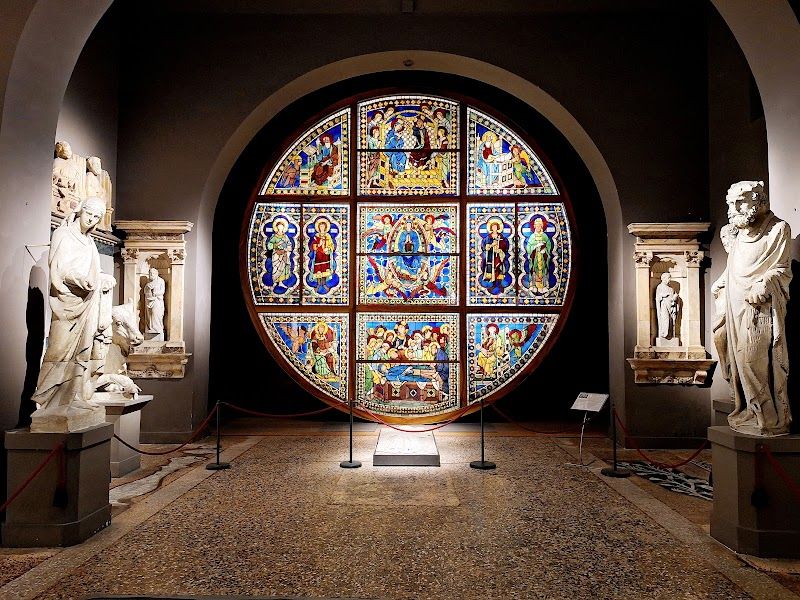
This museum houses Duccio's Maestà, the altarpiece that changed Italian art forever when it was completed in 1311. You'll see both sides of this massive work: the front shows the Virgin and Child surrounded by saints, while the back tells Christ's passion story across 26 panels. The museum also displays original statues from the cathedral's facade by Giovanni Pisano, letting you examine details impossible to see from street level. The visit flows chronologically through Sienese art history, but everyone comes for the Maestà room on the first floor. Standing before this golden masterpiece feels almost overwhelming: the faces are impossibly expressive for 14th century painting, and you can spend ages discovering tiny narrative details. The top floor terrace offers spectacular views over Siena's terracotta rooftops, with the Torre del Mangia perfectly framed. Most guides oversell the entire collection when really it's about three highlights: the Maestà, Pisano's statues, and that terrace view. The ground floor rooms feel like filler compared to upstairs. Entry costs €8, or €15 combined with the cathedral (worth it). Skip the audio guide and use that €5 for gelato instead: the wall texts are perfectly adequate in English.
Basilica di San Domenico
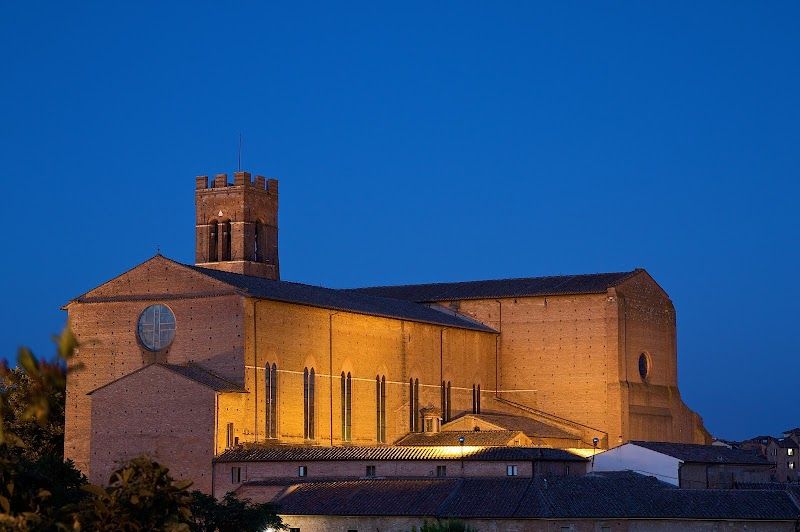
The Basilica di San Domenico is a massive brick church on the hill northwest of Piazza del Campo, built in the 13th century and expanded over the following centuries. It is the church most associated with Saint Catherine of Siena (1347-1380), and the Chapel of the Vaults holds her preserved head in a gilded reliquary and her thumb in a separate case. The Chapel of Saint Catherine has frescoes by Sodoma depicting her ecstasies and miracles. The church is free to enter and the terrace outside provides one of the best panoramic views of Siena, with the Duomo and Torre del Mangia visible across the valley. Allow 20-30 minutes for the church and the view.
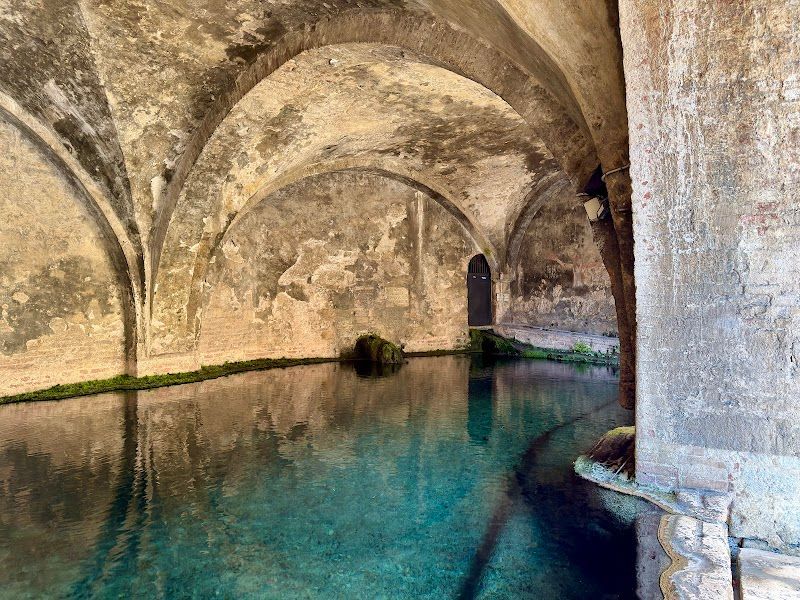
Fontebranda
Fontebranda stands as Siena's oldest fountain, a massive 13th-century structure with three soaring Gothic arches of weathered red brick that once supplied the entire Fontebranda district. You're looking at genuine medieval infrastructure still doing its job: water flows from carved stone spouts into rectangular basins where Saint Catherine of Siena drew water daily in the 1300s. The fountain's engineering is remarkable, fed by underground springs through a system of tunnels that kept medieval Siena's leather workers and dyers in business. You'll find yourself in a quiet corner where few tourists venture, surrounded by the authentic sounds of trickling water and neighborhood life. The three arches create dramatic shadows against the red brick, especially in morning light, while locals still use the fountain for practical purposes. The medieval stonework shows centuries of wear, with smooth edges where countless hands have rested while filling containers. Most guides make this sound more exciting than it actually is: it's a working fountain, not a museum piece. The real value comes from combining it with the Catherine of Siena sites uphill, creating a proper walking route through this medieval quarter. Skip it if you're rushed, but if you're exploring the area anyway, it's worth the five-minute detour for the authentic neighborhood atmosphere.
Where to Eat
Restaurants and cafes in Duomo & San Giovanni
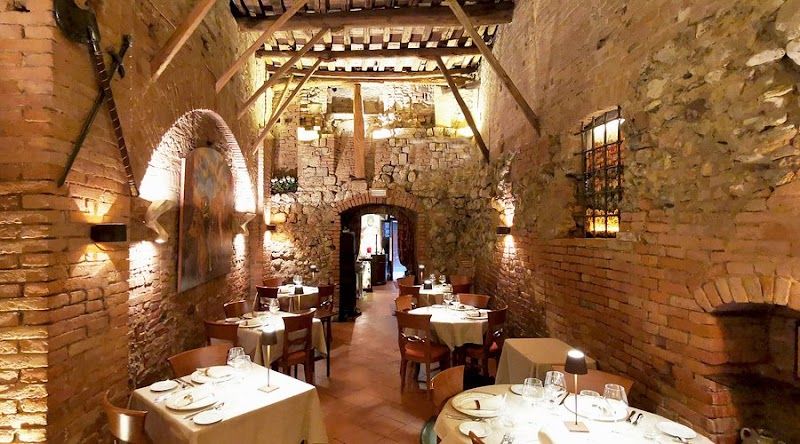
Antica Osteria da Divo
RestaurantUnderground restaurant built into Etruscan tombs and medieval cellars with exposed tufa stone walls. The creative menu pairs traditional Sienese ingredients with modern techniques, featuring dishes like saffron pici and duck breast with vin santo reduction. Candlelit alcoves create intimate dining spaces within the ancient stonework.
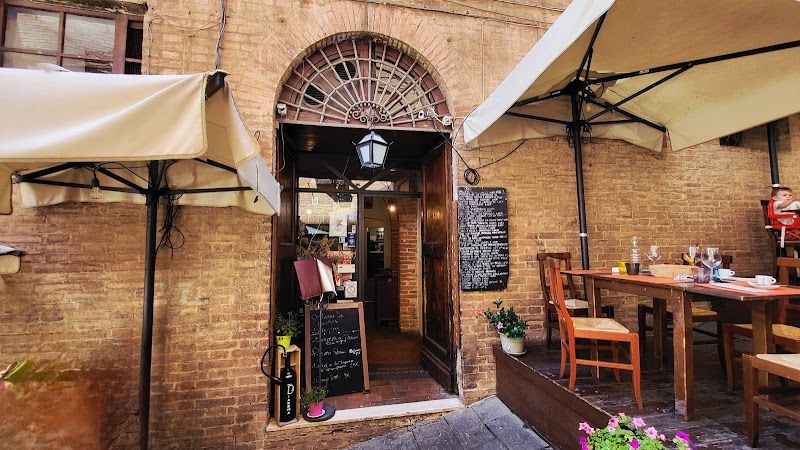
Trattoria La Chiacchera
RestaurantFamily-run trattoria serving traditional Sienese recipes unchanged for three generations. The pici cacio e pepe and ribollita are made daily, with portions sized for serious appetites. The dining room displays vintage Palio flags and family photographs from the Contrada della Selva.
Getting Here
Getting There
No metro. Walk uphill from Piazza del Campo (5-7 minutes via Via di Citta).
On Foot
Compact and walkable. Steep climb from the Campo but flat once you reach the cathedral plateau.
Insider Tips
Floor panels timing
The marble floor panels are uncovered only from late August to late October. If you visit during this window, the interior is transformed. Outside this period, only a few panels near the entrance are visible. The OPA SI Pass is EUR 15 during the floor uncovering period (vs EUR 13 normally).
Facciatone viewpoint
The Facciatone is the unfinished wall of the planned cathedral extension. Climb the narrow stairs to the top for a view that rivals the Torre del Mangia but with shorter queues. Limited to 20 people at a time. The view looks across the rooftops to the Campo and the Torre del Mangia.
Nearby Neighborhoods
Continue exploring
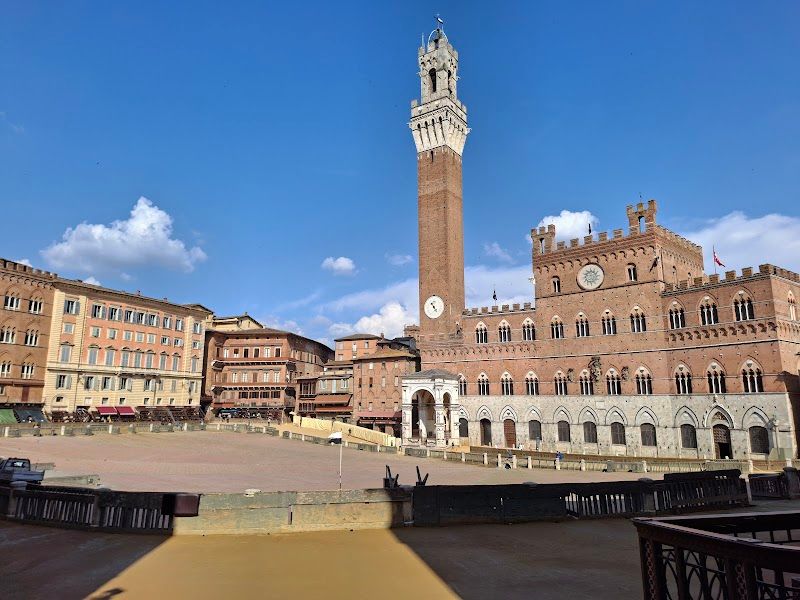
Piazza del Campo & Centro
The shell-shaped square that is the finest public space in Italy: the sloping brick fan where students drink wine, tourists eat gelato, and twice a year horses race bareback around the edge.
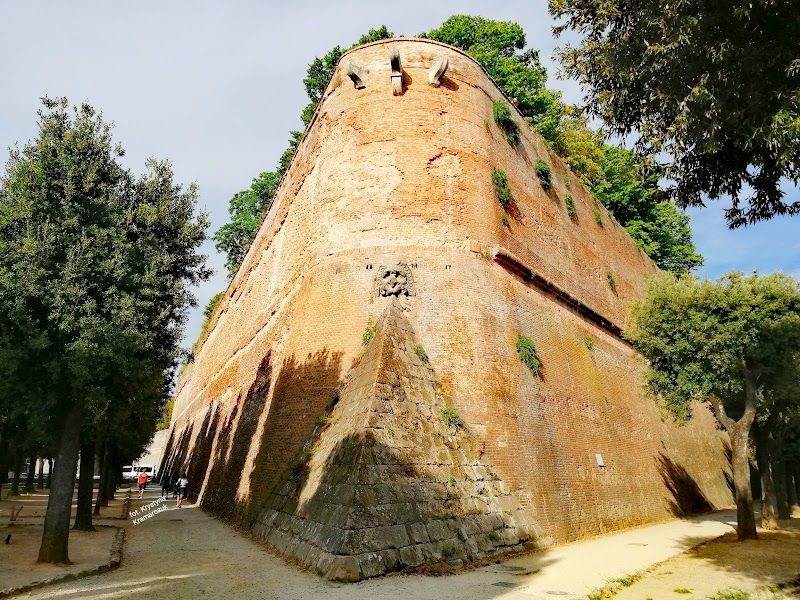
Contrada della Selva & North
The residential north where contrada life is real, not performed: neighbourhood fountains, local trattorias with no English menus, and the basilica where Saint Catherine had her visions.
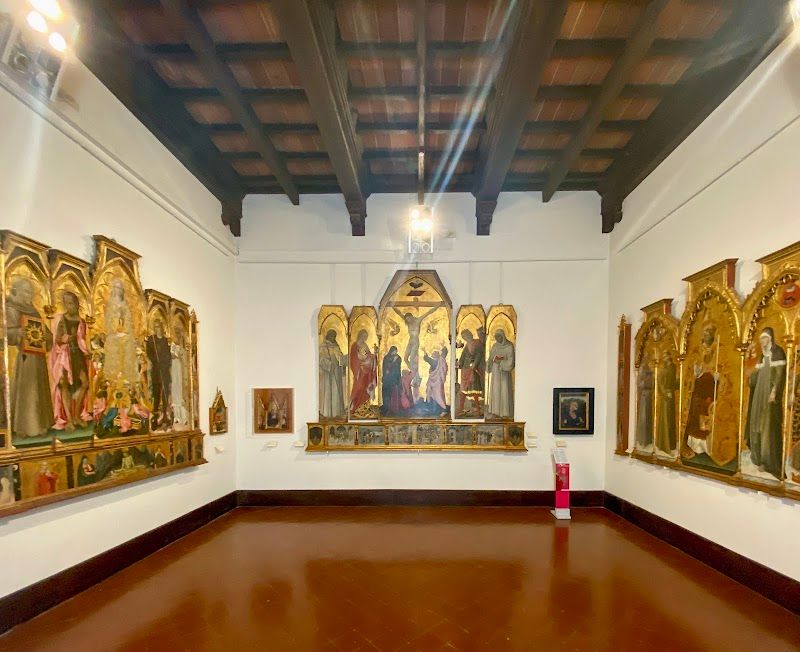
San Martino & South
The quiet south where Siena trails off into Tuscan countryside: a world-class painting gallery that nobody visits, a church with the best panorama in the city, and the trattorias where locals eat lunch.
Plan a trip featuring Duomo & San Giovanni
Get a personalized Siena itinerary with Duomo & San Giovanni built in.
Start Planning