Siena
San Martino & South
The quiet south where Siena trails off into Tuscan countryside: a world-class painting gallery that nobody visits, a church with the best panorama in the city, and the trattorias where locals eat lunch.
About San Martino & South
San Martino and the southern quarter of Siena extend from below the Campo toward the Porta Romana gate. The Pinacoteca Nazionale (EUR 4, Tues-Sun) has a collection of Sienese painting from the 12th to 17th centuries that would be a major attraction in any other city but is largely ignored in Siena because the Duomo and the Campo take all the attention. Duccio, Simone Martini, and the Lorenzetti brothers are all represented. Santa Maria dei Servi is the church at the southern edge (free entry, 15-minute walk from the Campo) with a terrace that offers the widest panoramic view of Siena, the Duomo, and the Crete Senesi clay hills stretching south toward Montalcino. The trattorias in this neighbourhood serve lunch for EUR 10-14 to a local crowd.
Things to Do
Top experiences in San Martino & South
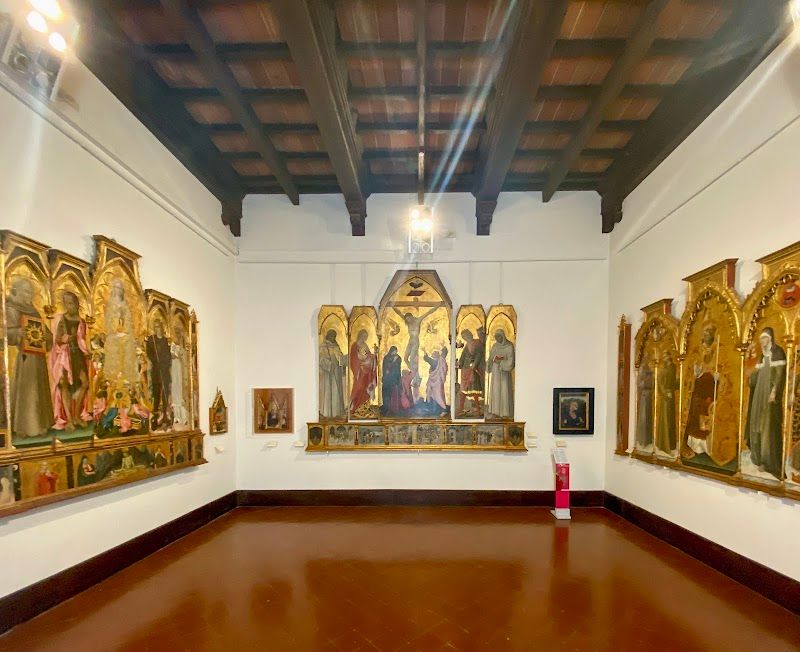
Pinacoteca Nazionale
The Pinacoteca Nazionale houses the world's greatest collection of Sienese School paintings, spanning from the 1200s through the Renaissance in two connected medieval palaces. You'll see works by Duccio, Simone Martini, and the Lorenzetti brothers that show how Siena developed a distinctly different artistic style from Florence, with more Byzantine influence and ethereal gold backgrounds. The collection includes Duccio's stunning polyptych fragments and Pietro Lorenzetti's sublime Birth of the Virgin. The chronological layout across 30 rooms tells the story of Siena's artistic golden age perfectly. You start with primitive religious panels and progress through increasingly sophisticated works that rival anything in the Uffizi. Room 7 holds the masterpieces: Duccio's Madonna and Child panels feel almost alive under the careful lighting. The upper floors get quieter, and by the time you reach the later Renaissance works, you'll often have entire rooms to yourself. Admission costs €4, making this one of Italy's best art bargains. Most visitors rush through to tick boxes, but you should linger in rooms 4 through 9 where the real treasures live. Skip the ground floor temporary exhibitions unless the topic genuinely interests you, they're usually academic and dry. The audio guide costs €3 extra and actually adds valuable context about Sienese painting techniques.
Orto Botanico dell'Università di Siena
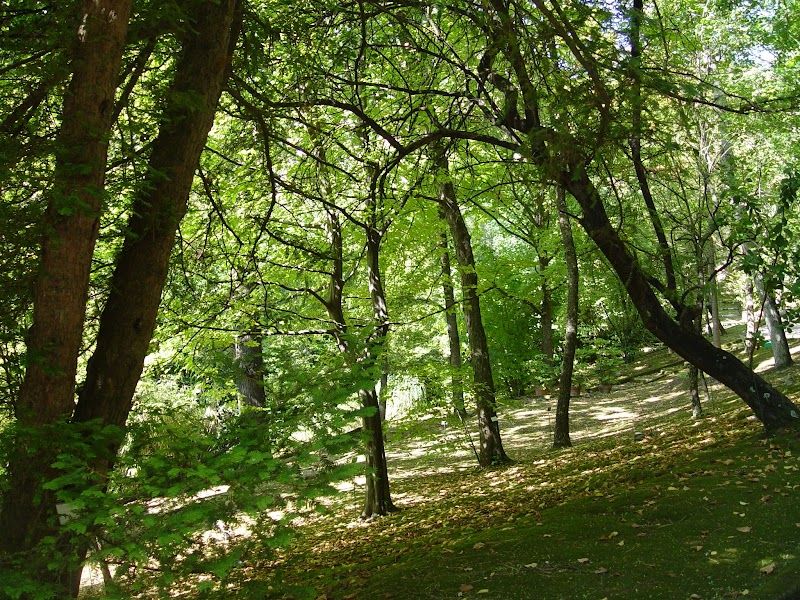
This 2.5-hectare botanical garden serves as the University of Siena's living laboratory, housing over 2,000 plant species across terraced slopes just outside the medieval walls. You'll find serious collections here: a medicinal plant section that reflects its 16th-century origins, a impressive fern valley with species from five continents, and greenhouses packed with tropical specimens. The layout follows natural contours, creating distinct garden rooms connected by gravel paths that wind between ancient stone walls and modern research plots. The visit feels more like exploring a working research facility than a manicured tourist attraction. Students sketch plants on benches while professors lead small groups through specialized sections. The terraced design means you're constantly climbing or descending, with each level revealing different microclimates and plant communities. The historic greenhouses smell of earth and humidity, filled with palms, orchids, and climbing vines that create a jungle atmosphere just steps from Siena's dusty streets. Most guides oversell this as a major attraction when it's really a specialist interest site. The €3 entrance fee represents decent value if you appreciate botanical diversity, but casual visitors often leave underwhelmed after 20 minutes. Focus your time on the medicinal plant section and the main greenhouse complex. Skip the upper terraces unless you're genuinely interested in native Tuscan flora, they're repetitive and offer little shade on hot days.
Basilica di Santa Maria dei Servi
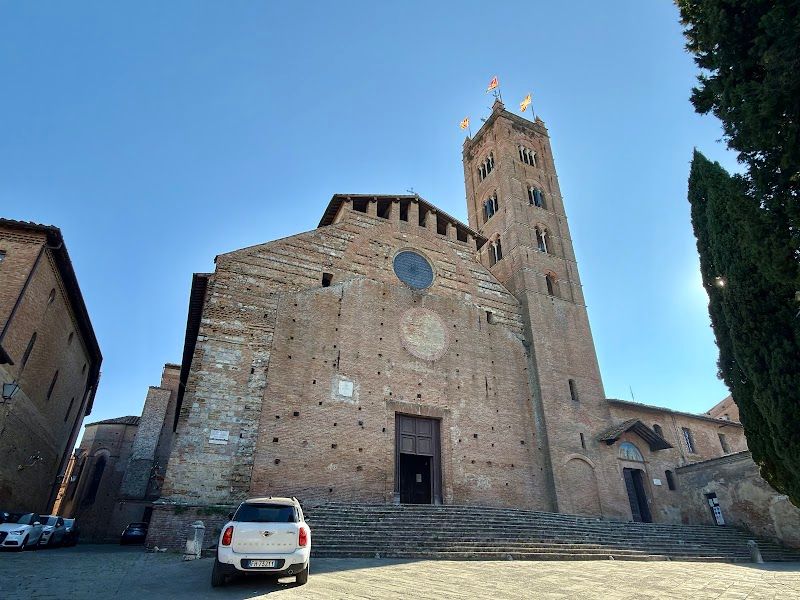
This 13th-century Servite church perches on Colle di Valdimontone hill, about a 10-minute walk south from Il Campo. You'll find genuine medieval frescoes by Pietro Lorenzetti in the second chapel on the right, plus a striking 13th-century Madonna by Coppo di Marcovaldo above the high altar. The real payoff is the panoramic terrace behind the church, where you get unobstructed views across Siena's terracotta rooftops to the Duomo's striped campanile and the rolling Chianti hills beyond. The church interior feels authentically medieval rather than overly restored, with worn stone floors and dim lighting that makes the frescoes glow. Most visitors spend 10 minutes inside before heading to the terrace, where you can sit on stone benches and take in the view. The location keeps crowds light compared to the major churches in the centro storico. The walk up Via dei Servi involves some steep sections, but the gradient is manageable for most people. Skip this if you're pressed for time and have already been to Torre del Mangia, the views are similar but Torre del Mangia is more dramatic. The church itself is free, though there's often a small donation box. Come in late afternoon when the light hits the Tuscan hills perfectly, but avoid the hour before sunset when tour groups sometimes appear. The Lorenzetti frescoes alone justify the visit if you appreciate medieval art.
Where to Eat
Restaurants and cafes in San Martino & South
La Taverna di San Giuseppe
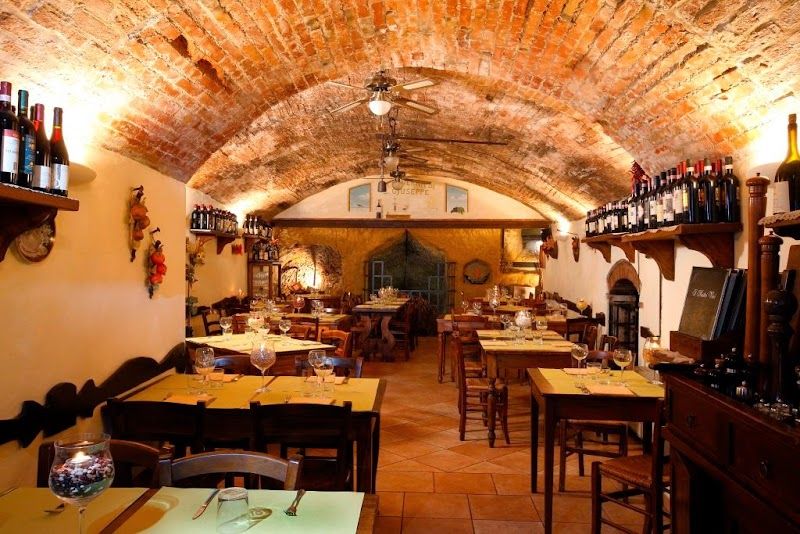
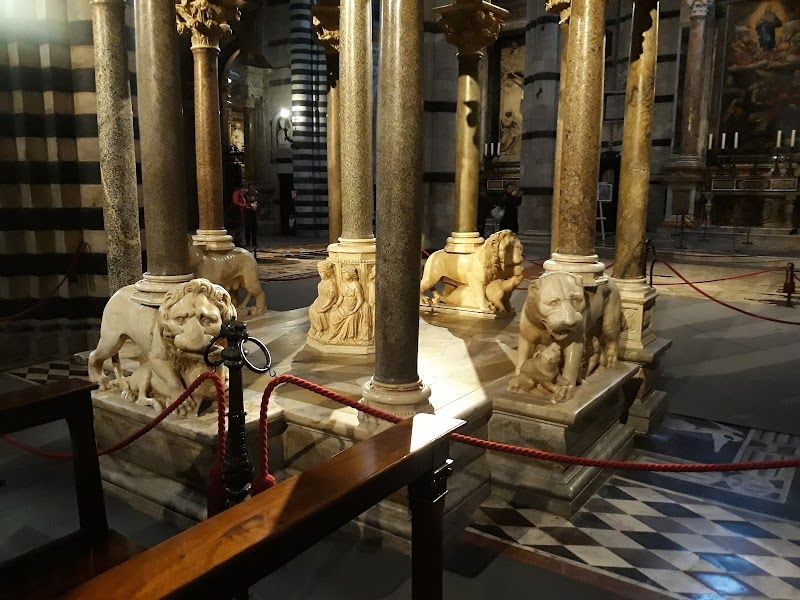
RestaurantMedieval cellar restaurant carved into three levels of brick-vaulted rooms dating to the 12th century. The menu emphasizes wild boar prepared multiple ways including the signature pappardelle al cinghiale with slow-cooked ragu. Wine storage alcoves built into the ancient walls hold the restaurant's collection of local vintages.
Osteria Il Tamburino
RestaurantFamily-run trattoria serving authentic Sienese cuisine in a cozy, intimate setting. Known for their handmade pici pasta and seasonal truffle dishes, this spot is a favorite among locals who appreciate traditional recipes done right.
Getting Here
Getting There
No metro. Walk from the Campo (10-15 minutes downhill toward Porta Romana).
On Foot
Downhill from the centre, which means uphill on the return. Quieter streets, easy walking.
Insider Tips
Pinacoteca Nazionale
The Pinacoteca is Siena's most underrated attraction. EUR 4 entry, rarely crowded, and the Sienese School paintings (Duccio, Simone Martini, Lorenzetti) are among the finest medieval art in Italy. Allow 1-1.5 hours. The building itself is a 15th-century palace.
Santa Maria dei Servi panorama
Walk to Santa Maria dei Servi (free) for the widest view of Siena. The terrace in front of the church looks north across the entire city with the Duomo and Torre del Mangia in the centre. Fewer than 5% of visitors make it here. Best in late afternoon light.
Nearby Neighborhoods
Continue exploring
Piazza del Campo & Centro
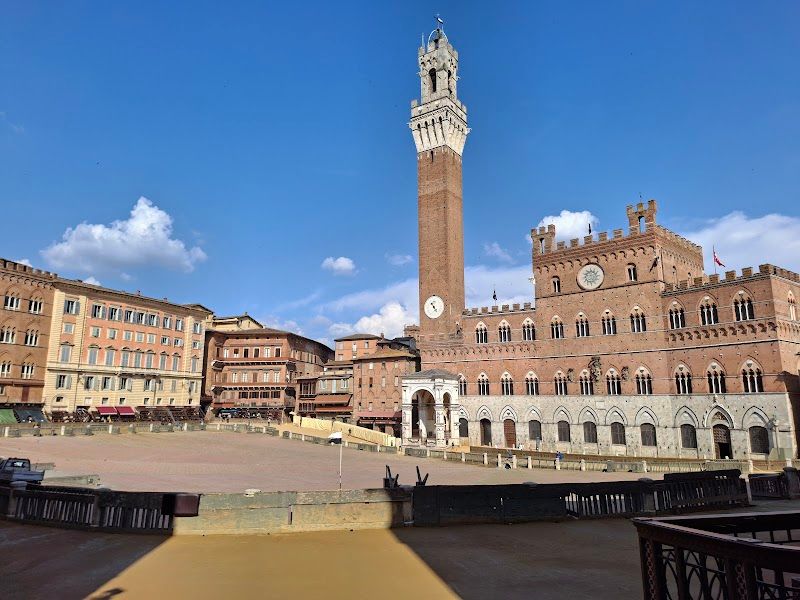
The shell-shaped square that is the finest public space in Italy: the sloping brick fan where students drink wine, tourists eat gelato, and twice a year horses race bareback around the edge.
Duomo & San Giovanni
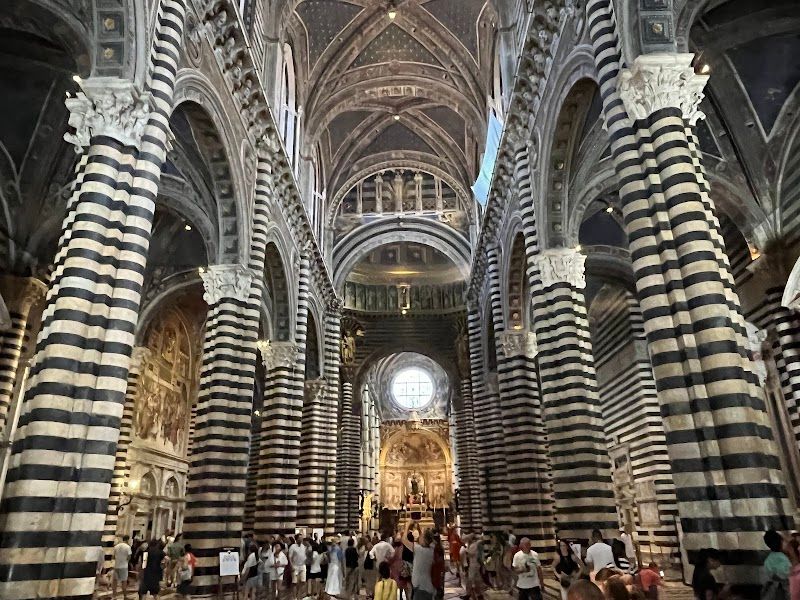
The cathedral quarter on the hill above the Campo: black-and-white striped marble, 200 years of floor panels, Renaissance frescoes, and the unfinished nave wall you can climb for the view.
Contrada della Selva & North
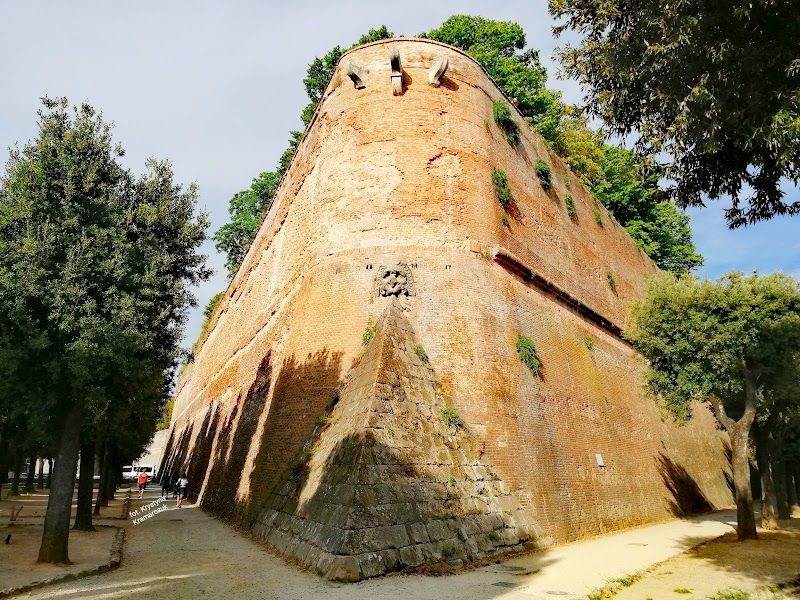
The residential north where contrada life is real, not performed: neighbourhood fountains, local trattorias with no English menus, and the basilica where Saint Catherine had her visions.
Plan a trip featuring San Martino & South
Get a personalized Siena itinerary with San Martino & South built in.
Start Planning