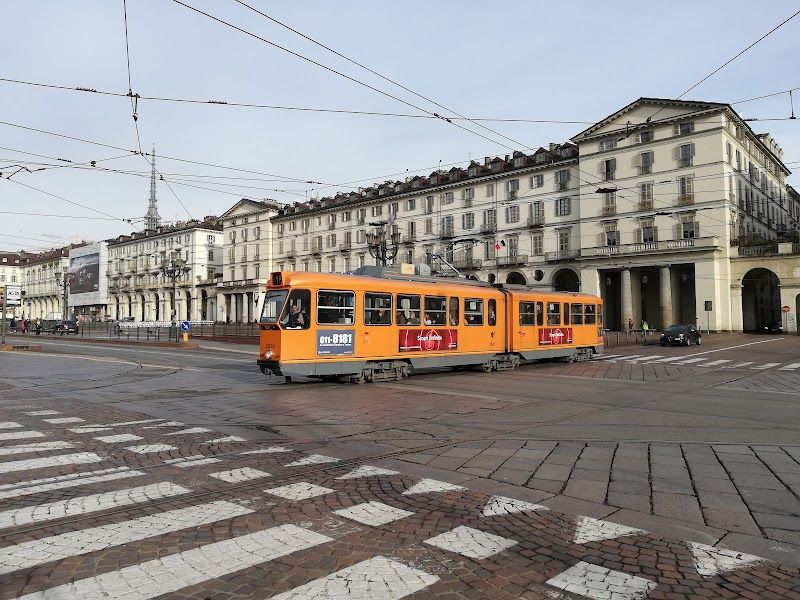
2-3 Days in Turin: First-Timer's Itinerary
Egyptian Museum, Mole, bicerin, Porta Palazzo market, and Barolo in the Langhe
How to spend 2-3 days in Turin: the Egyptian Museum, Mole Antonelliana, bicerin at Al Bicerin, the Porta Palazzo market, Piazza Castello, and an optional Langhe wine day.
2-3 Days in Turin: First-Timer's Itinerary
Turin doesn't shout for attention like Rome or Venice, which is exactly why it works. This is a city that earned its elegance through centuries of royal patronage, then kept its dignity when the capital moved elsewhere. You'll spend your first day surrounded by the Savoy dynasty's serious wealth, your second day climbing the city's strangest monument and eating at its oldest market. If you have a third day and can handle winding roads, the Langhe wine region is an hour south and worth every hairpin turn.
Royal centre and the museums
Today is about understanding why Turin was a capital city for 600 years. You'll walk through rooms where kings actually lived, not just visited for ceremonies. The Egyptian Museum is genuinely world-class, not provincial-city trying-too-hard. By evening you'll be drinking vermouth in medieval streets, watching the city's social rituals unfold.
- Egyptian Museum
- Royal Palace
- Quadrilatero Romano aperitivo
Start at Caffè Al Bicerin on Piazza della Consolata at 8:30 AM when they open. Order the bicerin, which is espresso, drinking chocolate, and milk foam in distinct layers for EUR 5-7. Do not stir it. The point is tasting each layer as you drink down. The cafe has been serving this exact drink since 1763, and the small copper counter looks like nothing has changed since then. The morning regulars will give you suspicious looks if you order cappuccino here.
Walk five minutes south to Piazza Castello, where the Royal Palace dominates the eastern side with its brick facade and white stone details. Buy the combined ticket for EUR 15 to see the state apartments, armory, and Chapel of the Shroud. The Throne Room has red silk wall coverings and a ceiling painted with military victories. The armory contains enough medieval weapons to outfit a small army, which was probably the point. The Chapel of the Shroud houses the famous burial cloth, though the actual shroud is only displayed rarely. The chapel's black marble and bronze decoration feels more like a mausoleum than a church.
Cross the piazza to Palazzo Madama, which looks like two different buildings smashed together because that's exactly what it is. The medieval castle base has a Baroque facade grafted onto it by the architect Juvarra. Pay EUR 10 for entry and head straight to the rooftop terrace, where you can see the Alps on clear days. The view explains why the Savoys chose this spot to build their capital. The interior rooms show how 18th-century nobility lived when they had unlimited budgets and questionable taste in interior decoration.
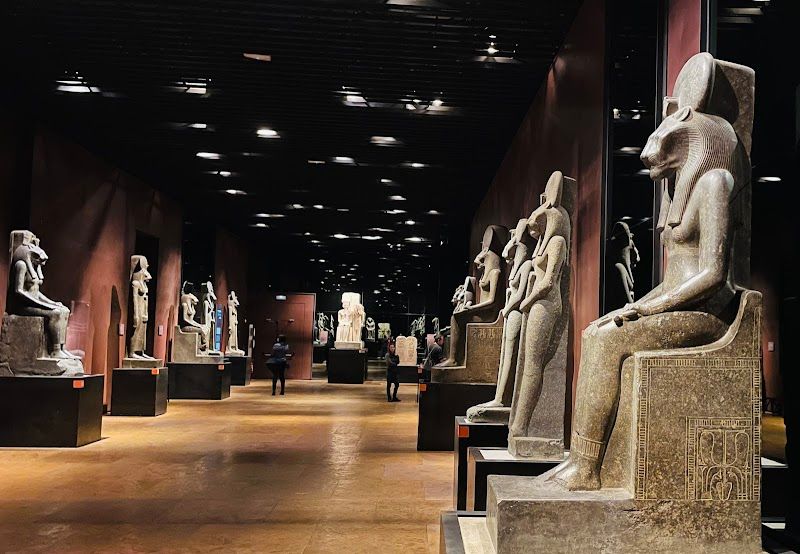
Walk south on Via Roma to the Egyptian Museum, which charges EUR 18 but delivers more ancient Egyptian artifacts than anywhere outside Cairo. Plan 2-3 hours minimum. Start with the Tomb of Kha on the second floor, where you'll see 3,400-year-old bread, meat, and wine left for the afterlife. The preservation is unsettling, like the occupants just left. Then see the massive granite statues in the sculpture gallery, particularly the Ramesses II pieces that required custom shipping from Egypt. Save the mummy rooms for last, when you've built up some historical context.
For lunch, skip the tourist restaurants around the museums and walk northeast to the Quadrilatero Romano, the grid of Roman streets between Via Garibaldi and Corso Regina Margherita. Any neighborhood trattoria here will serve agnolotti del plin, tiny meat-filled pasta parcels in butter sauce, for EUR 12-15. The local workers eat lunch here, which tells you the prices haven't been inflated for visitors yet.
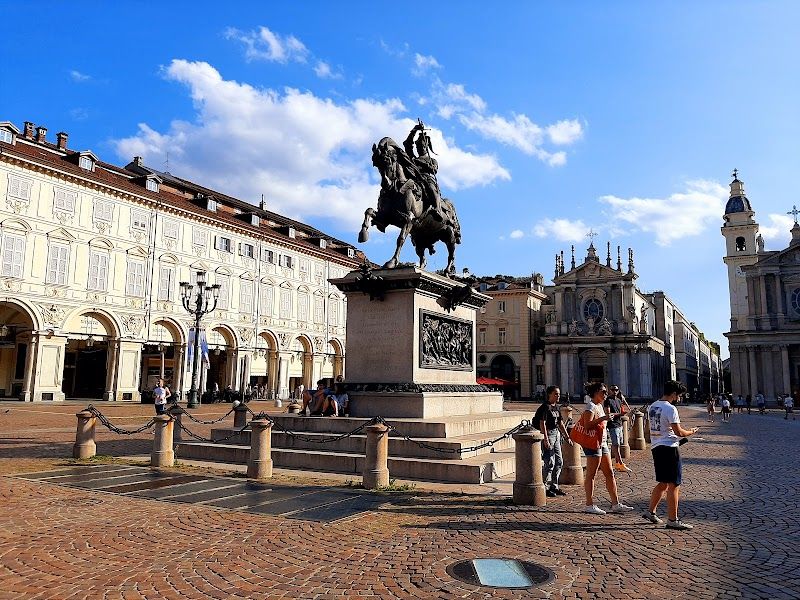
Spend the afternoon walking south down Via Roma, the main shopping street built by Mussolini to connect the train station to the royal palaces. The arcaded sidewalks provide covered walking, which you'll appreciate in Turin's frequent rain. End at Piazza San Carlo, where twin Baroque churches bookend the southern side. Look for the bronze bull embedded in the sidewalk near the center, supposedly bringing good luck if you step on it with your heel. The aperitivo bars under the arcades start filling with well-dressed locals around 5 PM.
Return to the Quadrilatero Romano for aperitivo at 6:30 PM. Order any drink at bars like Pastis or Caffè Elena, and plates of olives, cheese, focaccia, and small bites appear automatically. This isn't a tourist show, it's how Turin socializes. The drinks cost EUR 8-12, the food is free, and you'll eat enough to skip a proper dinner if you pace yourself. Listen to the Piedmontese dialect, which sounds like Italian spoken through a French accent.
For dinner, book a table at Consorzio on Via Monte di Pietà. Order the vitello tonnato, cold sliced veal under tuna sauce that sounds wrong but tastes right, for EUR 16. Follow with agnolotti del plin in butter and sage for EUR 14. The restaurant looks like someone's grandmother's dining room, which in Turin is a compliment. Skip dessert and end with a digestif of grappa, made from the grape skins left over from wine production.
Mole, market, and chocolate
This day mixes Turin's working-class soul with its strangest monument. You'll start among vegetable vendors and truffle dealers at Europe's largest open-air market, then take a terrifying glass elevator up the city's most recognizable building. The afternoon is for walking along the Po River, where the city shows its quieter side away from the royal palaces.
- Porta Palazzo market
- Mole Antonelliana
- Po riverfront walk
Reach Porta Palazzo market by 8:30 AM when the vendors are still arranging their stalls and the produce looks best. This is Europe's largest open-air market, spreading across several piazzas with separate sections for vegetables, clothes, and antiques. Walk through the main food market first, where vendors sell vegetables, cheese, and meat to restaurant chefs and local grandmothers who know exactly what they want. If you're here in October or November, spend extra time at the truffle section, where dealers sell white truffles from the nearby Langhe hills. The small, dirty-looking lumps cost EUR 300-500 per kilogram, and the vendors will let you smell them for free.
Walk southeast to the Mole Antonelliana, Turin's strangest building and the symbol you'll see on every postcard. This 167-meter tower was designed as a synagogue in 1863, then became a monument to Italian unification when the Jewish community ran out of money. Today it houses the National Cinema Museum for EUR 15, though the real attraction is the panoramic lift to the top for an additional EUR 8. The glass elevator rises through the center of the building's hollow interior, and the ride is genuinely frightening if you're afraid of heights. The view from the top shows the entire Po Valley backed by the Alps, explaining why Turin became a major city.
For lunch, walk across the Po River to Vanchiglia, the neighborhood that's slowly gentrifying with natural wine bars and creative restaurants. Try Osteria Antiche Sere on Via Cenischia, where the menu changes daily based on market ingredients. Expect dishes like raw beef with vegetables for EUR 16 or house-made pasta with seasonal vegetables for EUR 12. The neighborhood still has working-class locals mixed with young professionals, which keeps the prices reasonable and the food honest.
Spend the afternoon at Piazza Vittorio Veneto, Europe's largest Baroque piazza though it doesn't feel especially Baroque. The long rectangular space stretches from the Po River toward the hills, lined with 18th-century buildings housing cafes and shops. Walk to the southern end for views down to Gran Madre di Dio church, which looks like the Pantheon relocated to northern Italy. The church sits where Hannibal supposedly crossed the Po with his elephants, though historians debate whether this actually happened here.
Walk along the Po riverfront, where tree-lined paths follow both banks of the slow-moving river. The Murazzi, stone embankments built in the 18th century, now house restaurants and bars that fill with university students in the evening. This is Turin at its most relaxed, away from the formal royal architecture of the city center. Cross back into the center via Ponte Vittorio Emanuele I, stopping in the middle for photos of the city skyline with the Mole Antonelliana rising above the rooftops.
Stop at Guido Gobino chocolatier on Via Lagrange before dinner to understand why Turin claims to have invented modern chocolate. Buy gianduja, the hazelnut-chocolate paste created here in the 1860s, or Tourinot chocolates shaped like the Mole Antonelliana for EUR 3-5 each. The shop has been family-owned since 1964, and they still make everything by hand in small batches. Taste before buying, since the flavors are more subtle than commercial chocolate.
For dinner, reserve at Trattoria Valenza on Via Borgo Dora. Start with vitello tonnato for EUR 14, then order agnolotti del plin for EUR 16. Drink a glass of Barolo from the nearby Langhe region for EUR 12-15. The wine is too expensive for everyday drinking but makes sense with the rich local food. The restaurant fills with local families, and the service moves at Italian pace, meaning you'll spend two hours minimum at table. This isn't rushed dining, it's how Piedmontese people end their day.
Langhe wine day trip
If you can handle winding roads and want to see why Italian wine lovers get excited about this region, rent a car and drive south into the Langhe hills. This is serious wine country, where Barolo and Barbaresco wines come from specific hillside vineyards that have been family-owned for generations. The landscape looks like Tuscany without the crowds, and the wine tastes like nowhere else on earth.
- Barolo village
- Langhe countryside
- Wine tasting
Rent a car in Turin, expect EUR 40-60 per day for a small car, or book an organized tour for EUR 80-120 that handles the driving. If driving yourself, take the A6 autostrada south toward Asti, then exit onto SP roads that wind through hills covered with vineyards. The drive takes about an hour to reach Barolo village, but plan extra time for getting lost on unmarked country roads. GPS helps, but many vineyards are reached by gravel roads that don't appear on digital maps.
Start in Barolo village at the Enoteca del Barolo, the regional wine shop that represents multiple local producers. Pay EUR 5-15 per glass for tastings from different vineyards, allowing you to compare how the same grape variety tastes different from each hillside. Barolo wine is made from Nebbiolo grapes that only ripen properly in this specific microclimate. The wine tastes of tar, roses, and earth, which sounds unpleasant but works together in ways that justify the EUR 50-80 bottle prices.
Drive to La Morra, a hilltop town with panoramic views across the Langhe countryside. Park at the belvedere near the town center for photos of vineyard-covered hills stretching toward the Alps. The landscape changes color with the seasons: green in spring, dusty gold in summer, red and orange in autumn. October and November are the most beautiful months, when morning fog rises from the valleys and harvest activity fills the vineyards.
For lunch, find any Langhe trattoria and order tajarin al tartufo if you're visiting during truffle season, October through December. The thin egg pasta comes covered with paper-thin shavings of white truffle for EUR 25-35 per portion. The price is high because white truffles can't be cultivated, only found wild by trained dogs in specific forests. The taste is intensely earthy and slightly garlicky, unlike anything else in Italian cuisine. Outside truffle season, order brasato al Barolo, beef braised in red wine, for EUR 18-22.
Spend the afternoon driving the small roads between vineyards, stopping at family wineries for tastings. Most charge EUR 10-20 for tastings that include three to four wines. Don't expect polished visitor centers, these are working farms where wine happens to be the product. Many producers speak limited English, but wine tasting transcends language barriers. Buy bottles directly from producers, prices are typically 30-40% lower than what you'd pay in restaurants.
Drive back to Turin in late afternoon, when the light hits the vineyard hills at the best angle for photos. The winding roads require attention, especially after wine tasting, so designate a driver or book that organized tour. Alternatively, stay overnight in the region at an agriturismo, farmhouse accommodation that typically includes dinner and breakfast for EUR 100-150 per room. The pace of life in the Langhe moves slower than in Turin, which after two days of urban sightseeing might be exactly what you need.
Ready to Visit Turin?
Get a personalized itinerary tailored to your travel style and interests.
Plan Your Turin TripMore Turin Guides
First Time in Turin: What You Need to Know
Turin is the Italian city most people skip and then regret. Here is what it actually is, what to do in the right order, and why the Egyptian Museum deserves more of your time than the Colosseum.
6 min
Turin Food & Chocolate Guide: Bicerin, Gianduja, Barolo & Piedmontese Cuisine
Turin invented gianduja (which became Nutella), the bicerin, and arguably the aperitivo. The Piedmontese food is rich, butter-heavy, and truffle-adjacent. Here is how to eat it correctly.
8 min