First Time in Turin: What You Need to Know
The city nobody visits, the Egyptian Museum that beats Rome, the chocolate that became Nutella, and how to do aperitivo correctly
Turin is the Italian city most people skip and then regret. Here is what it actually is, what to do in the right order, and why the Egyptian Museum deserves more of your time than the Colosseum.
What Turin Actually Is
Turin is not a side trip. It is a proper city with a coherent identity that is mostly invisible to international tourism. It was the first capital of unified Italy (1861-1865). It is the home of Fiat (founded 1899) and Lavazza (founded 1895). It invented gianduja, the hazelnut chocolate that Ferrero industrialised into Nutella. It has the second most important Egyptian collection in the world, the largest Baroque grid of arcaded boulevards in Italy, and a vermouth tradition (Carpano invented vermouth here in 1786) that gave the world the Negroni and the Spritz. Most tourists drive past it on the way to Milan or Florence. This is their loss.
Getting Oriented
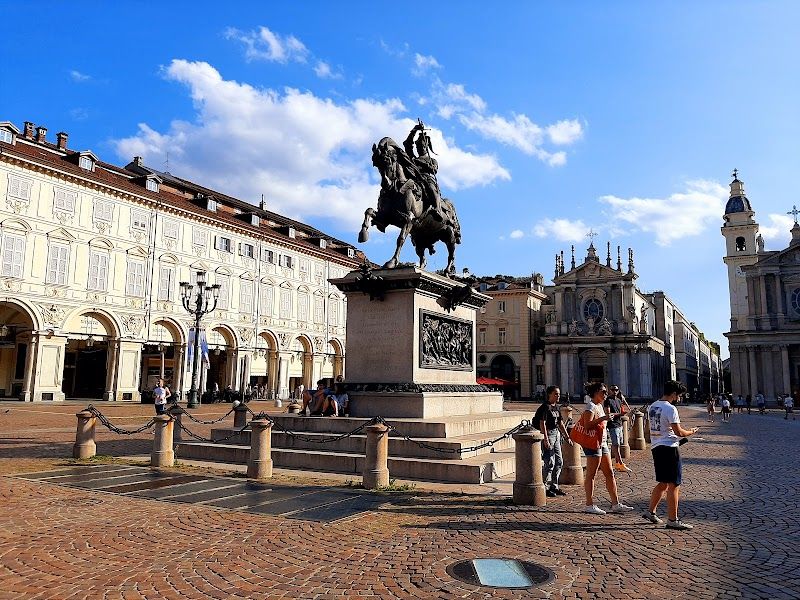
Turin is built on a Baroque grid: straight boulevards, long arcades, planned squares. It is flat and easy to navigate on foot. Porta Nuova is the main train station. Piazza Castello (15 minutes north on Via Roma) is the ceremonial centre. The Quadrilatero Romano (the Roman grid, northwest of Piazza Castello) is the aperitivo and restaurant district. Piazza della Repubblica (Porta Palazzo) is the market and multicultural zone. The Mole and Vanchiglia are east. You can walk the entire city centre in 45 minutes. The arcades mean you stay dry when it rains, which happens often.
The Museums That Matter
Egyptian Museum (EUR 18)
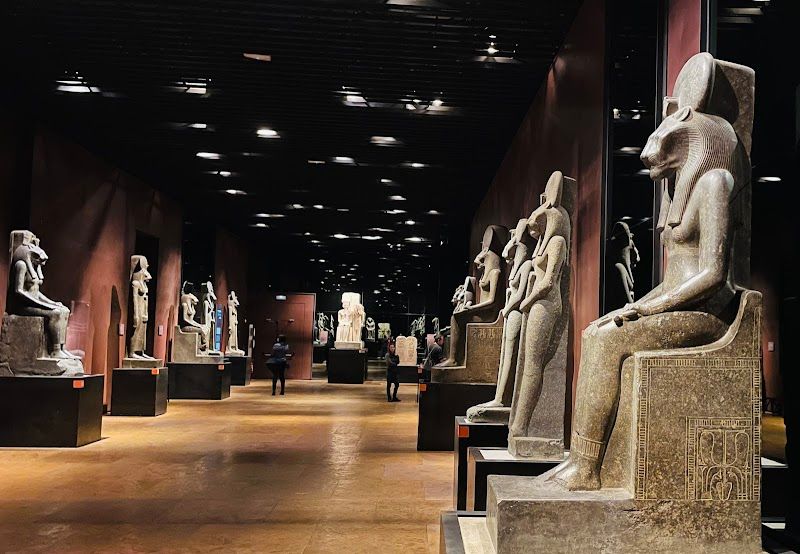
The collection is second only to Cairo and presented better. The Tomb of Kha (intact since 1400 BC, Room 8) contains 3,500-year-old bread and makeup that still has colour. Eight royal mummies lie in climate-controlled cases. The large-scale Ramesses II statue dominates the ground floor. Plan 2-3 hours. Via Accademia delle Scienze, closed Monday. Book online or you'll wait 45 minutes in summer.
National Cinema Museum in the Mole Antonelliana (EUR 15 + EUR 8 lift)
The museum is inside Turin's defining building, a 167-metre spire originally designed as a synagogue. The cinema collection is interesting but the panoramic lift through the centre of the tower to 85 metres is the best city view in northern Italy. On clear days you see the Alps. The lift runs through the museum's central void, which feels like ascending through a cathedral. Allow 2 hours total.
Royal Palace (EUR 15)
This is where Italy's first kings lived. The Armory has 3,000 pieces including samurai swords and medieval armor that children love. The State Apartments are pure 18th-century excess: gilded everything, frescoed ceilings, Chinese vases the size of small children. The Throne Room's red velvet and gold leaf will make you understand why people had revolutions. Skip if you've seen Versailles recently.
Food and Drink Essentials
Turin food is rich, meat-heavy, and designed for cold winters. Vitello tonnato (cold veal with tuna sauce) sounds wrong but tastes right. Agnolotti del plin are tiny pasta parcels stuffed with roasted meat and folded like small purses. Bagna cauda is hot olive oil and anchovy dip for raw vegetables, shared from a communal pot. In autumn, tajarin al tartufo means thin egg noodles with white truffles shaved on top until you say stop. Never say stop too early. The bicerin at Caffe Al Bicerin (since 1763) is espresso, chocolate, and cream served in layers. Do not stir it, drink it so you taste each layer separately. Giandujotti from Guido Gobino are the original hazelnut chocolates, nothing like mass-produced versions.
Aperitivo Culture
Aperitivo happens at 6:30 PM in the Quadrilatero Romano. Order a drink (EUR 8-12), food appears automatically at good bars. This is not like Spanish tapas where you order dishes. You drink slowly, eat what they bring, and talk. The ritual lasts until 8:30 PM when restaurants open for dinner. Vermouth is the local drink: Carpano Antica Formula with an orange peel, or a Negrino (Campari, sweet vermouth, gin) if you want something stronger. The food ranges from olives and focaccia at average places to elaborate buffets with risotto and roasted vegetables at the better bars.
Day Trip Options
The Langhe Hills (1 hour south)
This is where Barolo and Barbaresco come from. In October, white truffle season turns every restaurant into a pilgrimage site. The hills look like Tuscany but with better wine and fewer crowds. Alba is the main town. Book restaurants ahead during truffle season or you'll eat pizza. A glass of aged Barolo costs EUR 8-15 at local enotecas, which is half what you pay in Rome.
Venaria Reale (30 minutes by bus)
A Versailles-scale palace built by the same architects. The gardens are free and massive. The palace interior costs EUR 20 and takes 3 hours if you see everything. The Hall of Diana has hunt scenes painted on every surface. Go on weekdays to avoid Italian school groups who arrive by the busload on Fridays.
What Not to Do
Do not skip the Egyptian Museum. It is genuinely world-class and most people have no idea it exists.
Do not try to do Turin and Milan in the same day. Turin deserves at least two full days and Milan is 2 hours away by train.
Do not stir the bicerin. The layers are the point.
Do not expect English everywhere. This is not Florence. Download Google Translate.
Do not plan to shop on Sunday. Everything except restaurants and the Egyptian Museum closes.
Do not book the first restaurant you find on TripAdvisor. Ask your hotel for recommendations in the Quadrilatero Romano instead.
When to Visit
October and November are perfect: white truffle season, comfortable walking weather, and the Alps are visible on clear days. December through February is cold and foggy but the museums are empty and aperitivo bars are cozy. March through May is pleasant but can be rainy. June through August is hot and many locals leave for vacation, though this means shorter lines at museums. September is ideal weather but busier with Italian tourists taking late summer trips.
Ready to Visit Turin?
Get a personalized itinerary tailored to your travel style and interests.
Plan Your Turin TripMore Turin Guides
2-3 Days in Turin: First-Timer's Itinerary
How to spend 2-3 days in Turin: the Egyptian Museum, Mole Antonelliana, bicerin at Al Bicerin, the Porta Palazzo market, Piazza Castello, and an optional Langhe wine day.
7 min
Turin Food & Chocolate Guide: Bicerin, Gianduja, Barolo & Piedmontese Cuisine
Turin invented gianduja (which became Nutella), the bicerin, and arguably the aperitivo. The Piedmontese food is rich, butter-heavy, and truffle-adjacent. Here is how to eat it correctly.
8 min