Turin Food & Chocolate Guide: Bicerin, Gianduja, Barolo & Piedmontese Cuisine
The bicerin, gianduja history, vitello tonnato, bagna càuda, and how to drink Barolo by the glass
Turin invented gianduja (which became Nutella), the bicerin, and arguably the aperitivo. The Piedmontese food is rich, butter-heavy, and truffle-adjacent. Here is how to eat it correctly.
THE BICERIN
Turin's signature drink looks simple but getting it right requires precision. Three layers in a small glass: espresso on the bottom, thick dark drinking chocolate in the middle, whipped cream on top. Do not stir it. The point is to drink through the layers, tasting each one as it changes. Caffè Al Bicerin at Piazza della Consolata 5 has been making the same recipe since 1763, and you can taste the centuries of practice. The café is tiny with only 10 tables, opens at 8:30 AM, and gets packed by 10. Alexander Dumas wrote about drinking bicerin here, and Nietzsche was a regular when he lived in Turin. The drink costs EUR 5-7, and the old wood tables and mirrored walls haven't changed since Puccini sat here composing. If Al Bicerin is full, walk to Baratti e Milano on Piazza Castello. Their hot chocolate component is actually better, richer and more complex, but the atmosphere lacks the history.
GIANDUJA AND CHOCOLATE
Turin invented gianduja in 1852 when a chocolate shortage forced local chocolatiers to stretch their cocoa with roasted Piedmontese hazelnuts. The result was better than the original. Ferrero took this recipe, moved it 60 kilometers south to Alba, and turned it into Nutella, but the real thing is still made by Turin's artisan chocolatiers. Guido Gobino on Via Lagrange makes the Tourinot, the traditional gianduja shape that melts soft and hazelnut-forward on your tongue. Peyrano on Corso Moncalieri is the old-school house where the gianduja has more bite, stronger dark chocolate that doesn't let the hazelnuts dominate. Buy a bag of giandujotti, the individually wrapped pieces, for EUR 8-15 per 200 grams. These travel well and taste like what Nutella wishes it could be. Venchi is fine if you're in a hurry, but it's the tourist version. The serious chocolate work happens at the smaller shops where they're still tempering by hand.
PIEDMONTESE FOOD
Piedmontese cuisine makes no sense on paper but complete sense in your mouth. Vitello tonnato is the most Piedmontese dish: cold sliced veal covered in tuna mayonnaise with capers. It sounds like a mistake, tastes like genius. Every restaurant serves it for EUR 12-16, and you'll understand why it survived centuries once you try it. Bagna càuda is winter comfort food: a fondue pot of hot garlic and anchovy dissolved in butter and olive oil. You dip raw seasonal vegetables into it, your breath smells like garlic for 24 hours, and it's completely worth it. Expect to pay EUR 10-14 per person. Agnolotti del plin are tiny pinched pasta parcels with meat filling. The plin refers to the pinch that seals them, and they're more savory and substantial than tortellini. They cost EUR 12-16 and taste like Sunday dinner concentrated into small packages. Tajarin al tartufo is thin egg pasta with white or black truffle shaved over it. The pasta is golden from egg yolks, the truffle is earthy and intense, and the price ranges from EUR 25-60 depending on how much truffle you want and what season you're eating it.
BAROLO AND PIEDMONTESE WINE
Barolo and Barbaresco are both made from Nebbiolo grapes grown on the Langhe hills south of Turin, and they require patience from everyone involved. Barolo needs at least three years of aging, often ten or more, before it's ready to drink. When it is ready, it tastes like tar, roses, dried cherries, and the weight of time itself. A glass of good producer Barolo at a Turin enoteca costs EUR 8-15, and you'll understand why people write poetry about this wine. Barbera d'Asti is the everyday red, more approachable and food-friendly, and a glass costs EUR 5-8. This is what locals drink with dinner when they're not trying to impress anyone. Punt e Mes is Turin's own vermouth, invented in 1870, slightly bitter and perfect with soda. It costs EUR 8-10 and tastes like Turin in a glass: complex, slightly bitter, and more interesting than you expected.
THE APERITIVO
Turin invented the aperitivo tradition when Carpano created vermouth here in 1786. The idea of serving food with a drink to stimulate the appetite spread from Turin through the rest of Italy, so you're experiencing the original version. The modern Turin aperitivo works like this: go to a bar in the Quadrilatero Romano between 6 and 9 PM, order any drink, and watch a table of food appear without you asking. The better bars serve proper cured meats, local cheeses, bruschette, and hot bites that change based on what's good that day. You pay EUR 8-12 for your drink, the food is included, and you've just had both aperitivo and a light dinner. The atmosphere is relaxed, locals stand at the bar or sit at small tables, and the conversation flows as smoothly as the Punt e Mes. This isn't a tourist show, it's how Turin ends the workday and starts the evening.
Ready to Visit Turin?
Get a personalized itinerary tailored to your travel style and interests.
Plan Your Turin TripMore Turin Guides
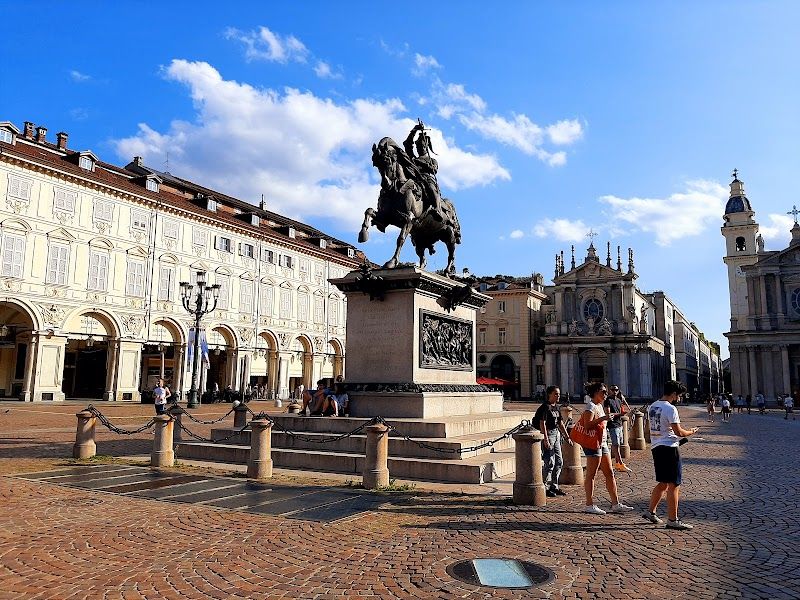
First Time in Turin: What You Need to Know
Turin is the Italian city most people skip and then regret. Here is what it actually is, what to do in the right order, and why the Egyptian Museum deserves more of your time than the Colosseum.
6 min
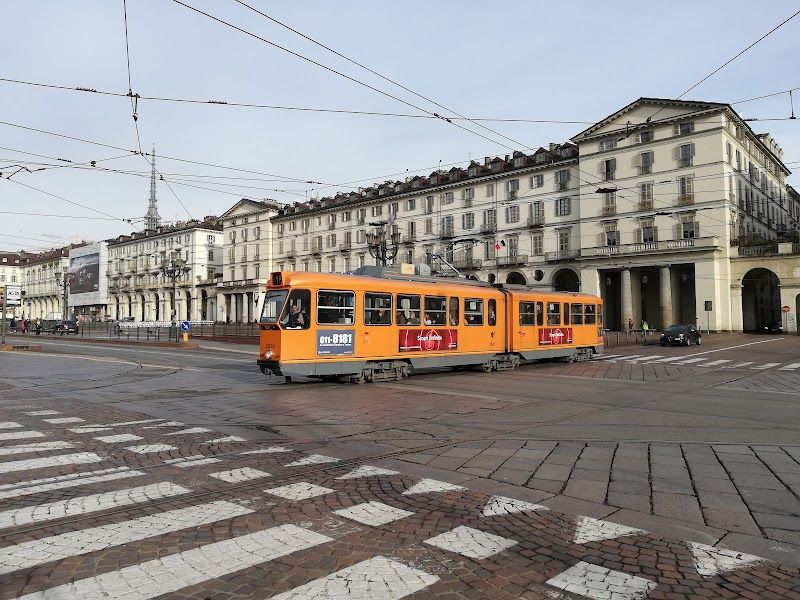
2-3 Days in Turin: First-Timer's Itinerary
How to spend 2-3 days in Turin: the Egyptian Museum, Mole Antonelliana, bicerin at Al Bicerin, the Porta Palazzo market, Piazza Castello, and an optional Langhe wine day.
7 min