2-3 Days in Valencia: First-Timer's Itinerary
Mercado Central, the Turia Gardens, paella at the beach, and the Calatrava complex
Two to three days in Valencia: what to see in the old town, how to bike the Turia Gardens to the City of Arts and Sciences, where to eat the correct paella, and what to do in Ruzafa.
2-3 Days in Valencia: First-Timer's Itinerary
Valencia hits differently than other Spanish cities. It's got the medieval bones of Barcelona without the crowds, paella that actually tastes like something (because this is where it was invented), and a massive park that used to be a river running straight through downtown. Most people rush through on their way to Madrid or the islands, which means you'll have one of Europe's best food cities largely to yourself. Three days gives you time to eat properly, bike the old riverbed, and understand why Valencians think their city is perfect exactly as it is.
Old Town: Markets, Cathedrals, and Medieval Gates
Your first day is about understanding Valencia's layers: Roman walls, medieval gates, Gothic architecture, and a food market that's been feeding the city since 1928. You'll climb a tower for the city view, graze through the market like a local, and end up in the neighborhood where young Valencia goes to eat and drink. It's touristy in the morning, authentically Valencian by evening.
- Mercado Central food crawl
- Climbing Valencia Cathedral's tower
- Sunset drinks in Ruzafa
Morning: Market and Medieval Architecture (9:00 AM - 12:00 PM)
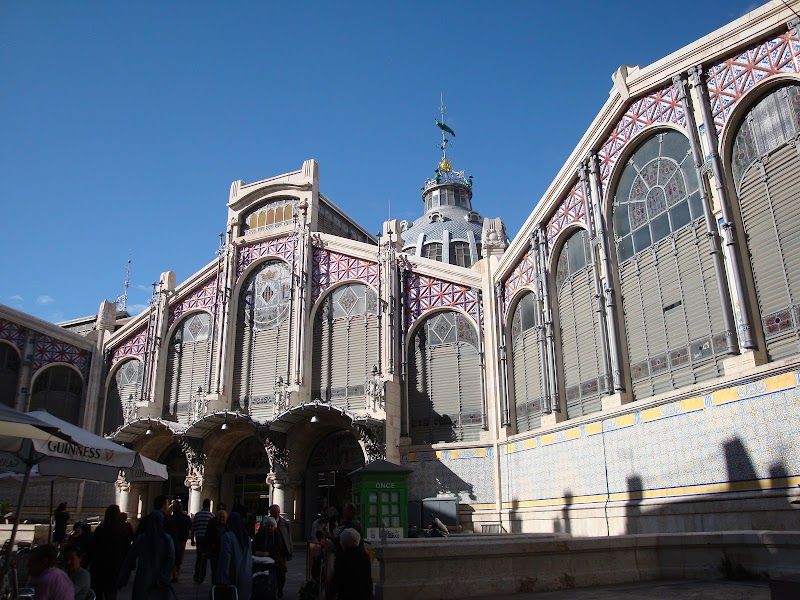
Start at Mercado Central before 10 AM when the fish vendors are still hosing down their stalls and the morning shoppers are picking through tomatoes. This isn't a tourist market pretending to be local, it's a working market that happens to be beautiful. The building itself is 1928 Art Nouveau with a massive dome and stained glass, but you're here for the food. Head straight to the horchata stand near the main entrance and order horchata with fartons (the sweet bread sticks for dipping). It tastes like liquid rice pudding and the fartons are somewhere between a churro and a breadstick. Budget EUR 15-20 for a proper grazing session: try the Manchego at the cheese counter, grab some jamón ibérico, and watch the fishmongers work. The octopus display is genuinely impressive.
Walk five minutes to La Llotja de la Seda while your stomach settles. This is Valencia's old silk exchange, and for EUR 2 you get to see the main trading hall with twisted Gothic columns that look like stone palm trees. The ceiling is ribbed vaulting that somehow feels both heavy and delicate. It takes 20 minutes to see properly, and it's the best example of Gothic civic architecture in Spain. The combination of market breakfast and Gothic architecture is a perfect introduction to how Valencia layers its pleasures.
Late Morning: Cathedral and Tower Views (12:00 PM - 1:30 PM)
Valencia Cathedral is three minutes from the silk exchange, and yes, it claims to house the Holy Grail. The building itself is fine but not spectacular: Gothic core with Baroque additions that don't quite work together. Pay the EUR 9 to get inside and see the supposed Holy Grail in the right transept (it's a first-century agate cup that may or may not be the real thing, but the Spanish believe it is). The real reason you're here is the Micalet, the cathedral's octagonal bell tower. Pay the extra EUR 2 and climb 207 steps for the best view of Valencia's rooftops. The old town spreads out below you in terra cotta tiles, and you can see all the way to the sea. Go up even if you hate climbing towers.
From the cathedral, walk 10 minutes north through the old streets to Torres de Serranos. This is one of Valencia's original medieval gates, and for EUR 2 you can climb up for another city view. The towers are 14th century and genuinely imposing, the kind of defensive architecture that was built to intimidate. The view from the top shows you the contrast between medieval Valencia and the modern city beyond. If you're tired of climbing things, skip it and admire from street level.
Afternoon: Barrio del Carmen Exploration (2:00 PM - 6:00 PM)
Grab lunch at any of the tapas bars around the cathedral (avoid the ones with English menus facing the main square) or head back to the market for a bocadillo from one of the stalls. Then spend the afternoon wandering Barrio del Carmen, the oldest part of Valencia. This neighborhood has Roman wall fragments, medieval streets, and some of the best street art in Spain. The Calle de Caballeros is the main artery, lined with boutiques and cafés, but the interesting stuff is in the side streets. You'll find actual Roman walls on Calle Salinas, and the street art gets better as you move away from the tourist center. The neighborhood has been gentrified but not sanitized, so you'll still see old men playing dominoes in doorways next to hipster coffee shops.
Evening: Ruzafa Dinner and Drinks (8:30 PM - late)
Walk or take the metro to Ruzafa for dinner (Line 5 to Xàtiva station). Arrive around 8:30 or 9 PM when the restaurants are starting to fill up with locals. This is Valencia's foodie neighborhood, where young professionals and students come to eat and drink. The streets around Calle Cadiz are lined with terrace restaurants and tapas bars. Sit outside if the weather cooperates and order small plates to share: the croquetas are consistently good everywhere, the pulpo a la gallega (Galician octopus) is excellent, and the local wines are better than you expect. Budget EUR 25-40 per person including wine. The vibe is relaxed and social, very different from the tourist restaurants around the cathedral. This is where you'll understand why Valencians think their city is perfect.
Future City and Beach Paella
Day two is about Valencia's reinvention of itself: the massive park where a river used to be, the futuristic buildings that put the city on the architecture map, and the beach where paella was perfected. You'll bike through the city center on dedicated paths, choose your level of tourist attraction involvement, and eat lunch on the sand where Valencian fishermen first started cooking rice with whatever they caught.
- Biking through Turia Gardens
- City of Arts and Sciences architecture
- Authentic paella by the beach
Morning: Turia Gardens to City of Arts and Sciences (9:00 AM - 1:00 PM)
Pick up a ValenBisi bike at the Alameda station (you'll need to register online first or use the app). The Turia Gardens used to be a river until Valencia diverted it after massive floods in 1957, and now it's a 9-kilometer linear park cutting straight through the city center. The bike path is completely flat and car-free, taking you from the old town to the City of Arts and Sciences in 30-40 minutes of easy riding. Stop halfway at Gulliver park, where there's a massive Gulliver sculpture that kids (and adults) can climb on. It's weird and fun and very Valencia.
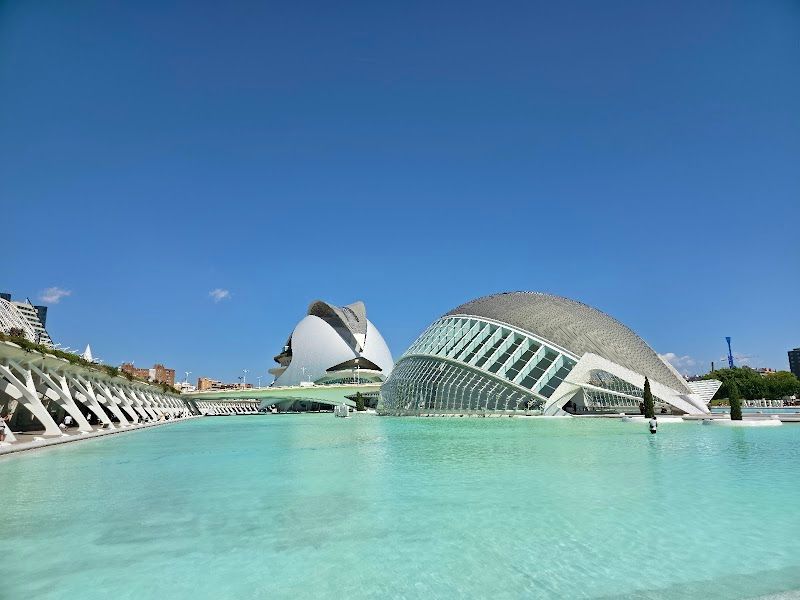
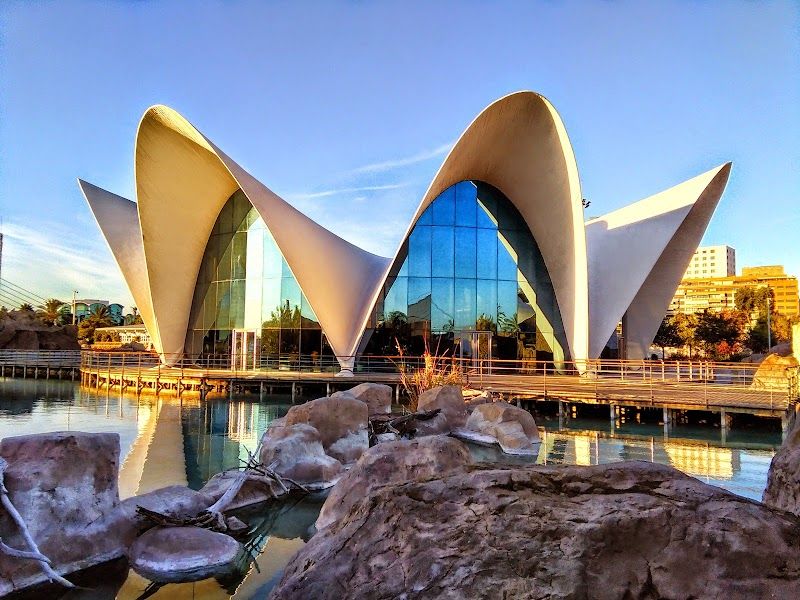
The City of Arts and Sciences will hit you like a slap when you emerge from the park. Santiago Calatrava's buildings look like they landed from the future: white concrete and steel structures reflected in long blue pools. Walk around the exterior first (it's free and honestly the best part), then decide if you want to go inside anywhere. The Oceanografic is Europe's largest aquarium (EUR 33, genuinely impressive if you like aquariums). The Science Museum is hands-on exhibits that work better if you have kids (EUR 9, skip it if you don't). The Opera House is beautiful but unless you're seeing a performance, you're just looking at expensive architecture. Budget 2-3 hours total here depending on what you choose to see inside.
Afternoon: Beach Paella and Mediterranean Swimming (1:00 PM - 6:00 PM)
Take the metro from Natzaret to Neptuno (Line 1, 15 minutes) for lunch by the beach. This is where you eat your first proper paella, and yes, it matters that you do it right. Book a table at La Pepica (Hemingway ate here, but more importantly, locals still do) or Las Arenas (newer, better views). Order paella valenciana for two people and expect to wait 45 minutes for it to cook. Real paella is not fast food. It arrives in the pan, crusty rice on the bottom (that's called socarrat and it's the best part), saffron-yellow rice studded with chicken, rabbit, green beans, and garrofón beans. No seafood. That's paella mixta, which is fine but not traditional. Budget EUR 24-36 for paella for two.
While you wait, or after you eat, walk on La Malvarrosa beach. It's a proper city beach with golden sand and decent swimming when the Mediterranean cooperates. The promenade is lined with paella restaurants and beach bars, and yes, it's touristy, but it's also where Valencians come on weekends. Before you leave, walk through El Cabanyal neighborhood between the beach and the metro. These streets are lined with houses covered in painted tiles (azulejos), each one different, creating a neighborhood that looks like a hand-painted ceramic village. Many are crumbling, which makes them more beautiful in a melancholy way.
Evening: Ruzafa Bars and Agua de Valencia (8:00 PM - late)
Head back to Ruzafa for evening drinks. If you liked it the night before, try different bars along the same streets. Order Agua de Valencia at least once: it's the city's signature cocktail made with orange juice, cava, vodka, and gin. It tastes like alcoholic orange juice and goes down dangerously easy. The outdoor terraces fill up with locals meeting after work, and the vibe is relaxed and social. This is Valencia at its best: unpretentious, food-focused, and genuinely friendly.
Albufera Natural Park (Optional Third Day)
If you have a third day, head south to where Valencia's rice actually grows. Albufera is a freshwater lagoon surrounded by rice paddies, and it's where the ingredients for your paella came from yesterday. It's a half-day trip that shows you the agricultural side of Valencia, plus you get to eat more rice dishes in the village where they were perfected.
- Boat trip on Valencia's rice-growing lake
- Best arroz a banda in El Palmar village
- Morning market browsing
Morning: Albufera Lagoon and Boat Trip (10:00 AM - 1:00 PM)
Take bus 25 from Plaça de l'Ajuntament to El Palmar (45 minutes, runs every hour). Albufera is a massive freshwater lagoon 15 kilometers south of Valencia, separated from the sea by a narrow strip of sand dunes and pine forest. This is where Valencia's rice grows in flooded paddies that stretch to the horizon. The boat trips (EUR 5-8, 45 minutes) are low-key affairs on traditional wooden boats called albuferencs. The water is calm, the birdlife is significant (especially in migration seasons), and the silence is complete except for bird calls and boat engines. It's not dramatic scenery, but it's peaceful in a way that's hard to find near major cities.
Lunch: Rice in El Palmar Village (1:00 PM - 3:00 PM)
El Palmar sits on an island in the lagoon connected by a causeway, and it exists almost entirely to serve rice dishes to day-trippers and locals who know good rice. Every restaurant here specializes in arroz dishes, and this is where you try arroz a banda: rice cooked in fish stock with the seafood served separately on the side. It's more subtle than paella but arguably more sophisticated, the rice intensely flavored with fish and saffron, the seafood (usually prawns, mussels, and squid) perfectly cooked. Budget EUR 15-20 per person. Casa Roberto and Restaurante Mateu are both reliable choices. The village itself is small and frankly not much to look at, but the setting on the lagoon is lovely.
Afternoon: Return to Valencia and Market Browsing (3:30 PM - 6:00 PM)
Take the bus back to Valencia and spend your remaining time browsing markets or neighborhoods you missed. If it's Saturday, the Ruzafa market is worth a visit for local produce and a different market vibe from Mercado Central. Otherwise, head to Mercado de Colon, Valencia's upscale market hall converted into gourmet food stalls and cafés. It's more expensive and more touristy than Mercado Central, but the building is beautiful Art Nouveau and it's a good place for coffee and pastries. The neighborhood around it (Colon) is Valencia's upscale shopping district if you want to see how the other half lives.
Essential Valencia Tips
ValenBisi bikes require online registration. Do it the night before or use the app to avoid morning frustration.
Paella restaurants stop serving at 4 PM for lunch service. Order by 1 PM or you'll be eating tourist paella somewhere terrible.
The Oceanografic is genuinely impressive but takes 3-4 hours to see properly. Choose between it and beach time, don't try to do both.
Spanish dinner doesn't start until 9 PM. Eat lunch late (2-3 PM) or you'll be starving by evening.
Valencia's beaches are fine but not spectacular. Go for the paella and the neighborhood walks, not the swimming.
Metro day passes cost EUR 7.20 and include the airport line. Buy one if you're doing the beach and Albufera trips.
Ready to Visit Valencia?
Get a personalized itinerary tailored to your travel style and interests.
Plan Your Valencia TripMore Valencia Guides
First Time in Valencia: What You Need to Know
The practical guide to Valencia: the non-negotiable paella rules, the Turia Gardens and how to bike them, what Las Fallas actually is, horchata with fartons, and how to get to the Calatrava complex.
6 min
Where to Eat in Valencia: Paella, Horchata & Ruzafa
Valencia food guide: the correct way to order paella, where to eat it (beach restaurants, El Palmar), the Ruzafa restaurant district, horchata with fartons, the Mercado Central, and the Agua de Valencia cocktail.
8 min