First Time in Valencia: What You Need to Know
Paella rules, the Turia Gardens, Las Fallas, horchata, and how to get to the beach
The practical guide to Valencia: the non-negotiable paella rules, the Turia Gardens and how to bike them, what Las Fallas actually is, horchata with fartons, and how to get to the Calatrava complex.
First Time in Valencia: What You Need to Know
Valencia is Spain's third city, but it moves at its own pace. This is a place where locals argue passionately about paella ingredients, where a dried-up river became Europe's longest urban park, and where they burn millions of euros worth of art in the streets every March just because they can. You'll eat lunch at 2 PM and dinner at 10 PM, and you'll quickly understand why rushing through a meal here is considered borderline offensive. The city sits between orange groves and the Mediterranean, and that combination of agriculture and sea defines everything you'll taste.
Paella Rules (Non-Negotiable)
Paella is lunch, never dinner. Any restaurant serving paella after 4 PM is targeting tourists, not locals. You need to order a minimum of two portions because proper paella cannot be made for one person, and it takes 30 to 45 minutes to cook because the rice has to absorb the stock slowly. Paella valenciana contains rabbit, chicken, green beans, garrafon beans, and saffron. That's it. Seafood paella exists and is legitimate, but it's a different dish entirely. If you see chorizo in paella, you're looking at a mistake, not a variation. The socarrat, the crispy layer at the bottom of the pan, tells you if the cook knows what they're doing. Head to the beachfront restaurants at La Malvarrosa like La Pepica or Las Arenas, or make the trip to El Palmar village at the Albufera lagoon where paella was invented. Order by 1:30 PM at the latest, or you'll be eating reheated rice.
The Turia Gardens (Your Highway Through the City)
The 9-kilometer park running through Valencia's center is built in the old river bed after they diverted the Turia River following massive floods in 1957. It connects everything: from the Torres de Serranos towers in the old town straight to the City of Arts and Sciences. Rent a ValenBisi city bike for EUR 0.50 per 30 minutes through the app or at any kiosk with a credit card. The entire route is flat, car-free, and takes 30 to 40 minutes to bike end to end. You'll pass the Parque de Gulliver halfway through, where a giant Gulliver figure doubles as a playground with slides built into his body. Kids love it, but adults look ridiculous on it. The gardens are also perfect for walking if you prefer to take your time and actually look at the dozen different themed sections.
The Calatrava Complex (Expensive to Enter, Free to Admire)
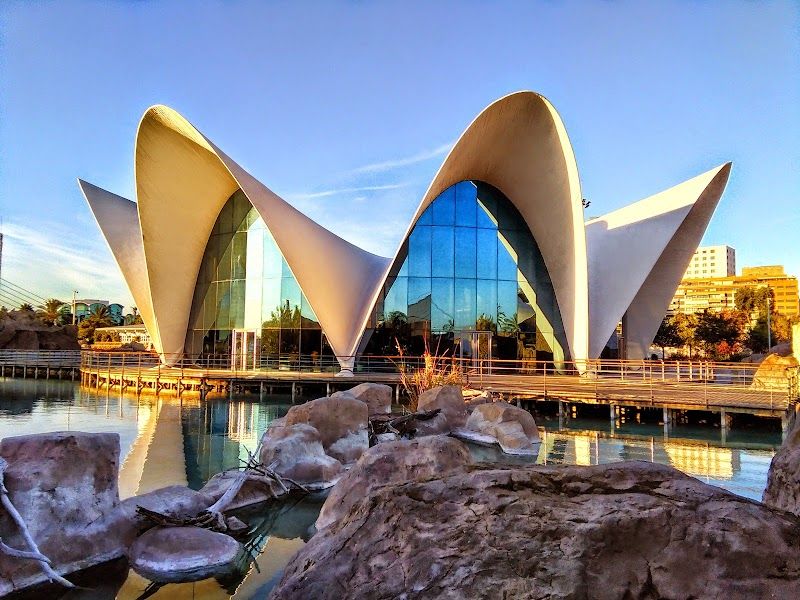
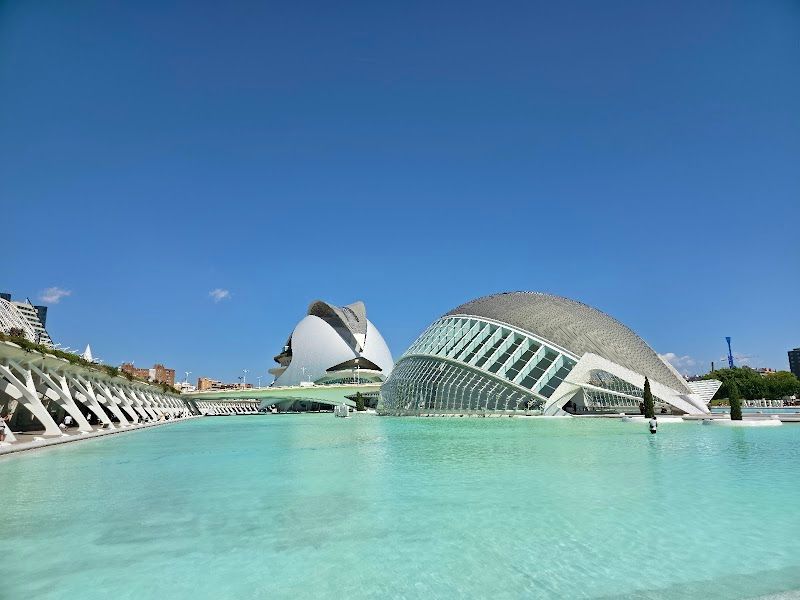
The City of Arts and Sciences complex is worth visiting for Santiago Calatrava's architecture alone, and walking around the exterior costs nothing. The white concrete structures look like dinosaur skeletons or alien spacecraft, depending on your mood, and the long pools create perfect reflections if you arrive before 11 AM. If you want to go inside something, the Oceanografic aquarium (EUR 33) gives you the most for your money and time. It's the largest aquarium in Europe, and you'll need 2 to 3 hours to see it properly. The Science Museum looks impressive from outside but is geared toward children. The opera house only matters if you're actually seeing a performance. Take Metro Line 5 to Alameda and either walk through the final section of Turia Gardens or bike it to arrive in style.
Las Fallas (Controlled Chaos in March)
Las Fallas happens the third week of March and transforms Valencia into a city-wide art project that ends in flames. Neighborhood committees spend months building enormous satirical sculptures called fallas, which they install throughout the streets. Every day at exactly 2 PM, they set off the mascletà in Plaza del Ayuntamiento, five minutes of coordinated fireworks that you feel in your chest as much as hear. On March 19th, they burn everything except the winning pieces. It's UNESCO-listed because it's completely insane and thoroughly Spanish. Book accommodation 6 to 12 months ahead because the city fills up and prices triple. The mascletà is the loudest thing you'll experience in a public space, and locals judge the quality by how much the ground shakes.
Horchata (The Real Version)
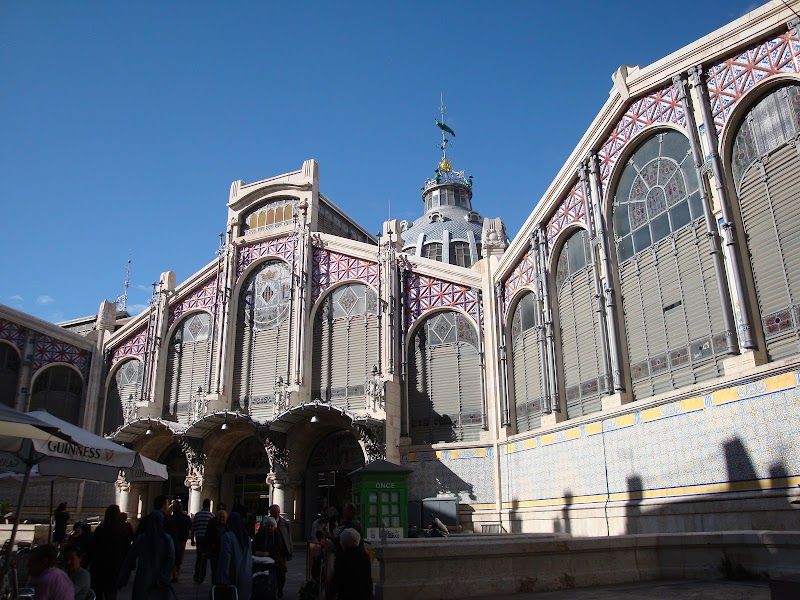
Fresh horchata made from tiger nuts grown around Valencia tastes nothing like the sweet Mexican version you might know. This one is thick, slightly earthy, and refreshing in a way that's hard to explain until you try it. Drink it cold with fartons, those elongated glazed pastries that you dip into the horchata. The best fresh horchata is at the stall inside Mercado Central, where they make it throughout the morning. Horchateria Santa Catalina near the Cathedral has been serving it since 1845 and feels like a neighborhood secret even though it isn't. Mid-morning is the correct time to drink horchata, after your coffee has worn off but before lunch gets serious.
Getting Around (Simpler Than It Looks)
The metro has six lines, costs EUR 1.50 per journey, and handles everything beyond the walkable old town. Line 4 or 6 gets you to Neptuno station for the beach, Line 5 to Alameda puts you at the City of Arts and Sciences end of Turia Gardens. ValenBisi bikes cost EUR 0.50 for 30 minutes and work perfectly for the Turia Gardens, though the hills in other parts of the city will make you regret not taking the metro. The old town is entirely walkable, and Ruzafa, the trendy neighborhood everyone talks about, is only 15 to 20 minutes on foot from the Cathedral area. The city is flat except for a few areas, so walking never feels like work. Traffic is reasonable compared to Madrid or Barcelona, but drivers treat pedestrian crossings as suggestions rather than laws.
Ready to Visit Valencia?
Get a personalized itinerary tailored to your travel style and interests.
Plan Your Valencia TripMore Valencia Guides
2-3 Days in Valencia: First-Timer's Itinerary
Two to three days in Valencia: what to see in the old town, how to bike the Turia Gardens to the City of Arts and Sciences, where to eat the correct paella, and what to do in Ruzafa.
8 min
Where to Eat in Valencia: Paella, Horchata & Ruzafa
Valencia food guide: the correct way to order paella, where to eat it (beach restaurants, El Palmar), the Ruzafa restaurant district, horchata with fartons, the Mercado Central, and the Agua de Valencia cocktail.
8 min