Where to Eat in Valencia: Paella, Horchata & Ruzafa
The paella rules, the beachfront restaurants, the Ruzafa scene, and what a Valencian actually eats
Valencia food guide: the correct way to order paella, where to eat it (beach restaurants, El Palmar), the Ruzafa restaurant district, horchata with fartons, the Mercado Central, and the Agua de Valencia cocktail.
PAELLA: THE FUNDAMENTALS
Paella valenciana is rabbit, chicken, green beans, garrafó beans (a large flat white bean specific to Valencia), saffron, and short-grain Valencian rice (Bomba or Senia variety) cooked in a wide flat pan over a wood fire. The socarrat (the caramelized crispy rice layer at the bottom of the pan) forms only with correct fire management and is the mark of a good paella. When you press your fork into it, you'll hear a satisfying crunch before it gives way to the tender rice above. Seafood paella (arroz a banda, arroz negro with squid ink, paella marinera) is a different dish from a different tradition. Fideuà (the noodle version of paella, from the Gandia coast) is excellent at beachfront restaurants. All of these are lunch dishes. None of them are dinner. If you see paella on a dinner menu in Valencia, you're in a tourist trap.
WHERE TO EAT PAELLA
La Pepica (Paseo Neptuno 6)
Open since 1898, this is where Hemingway ate his paella, and the kitchen still knows what they're doing. The restaurant sits directly on La Malvarrosa beach, and you can hear the waves between the conversations. Book a table for Sunday lunch or you'll wait an hour. The paella valenciana arrives in a wide pan that's been blackened by decades of wood fires, and the socarrat has that proper caramelized snap. EUR 12-18 per person for paella, and they won't rush you through lunch.
Las Arenas (Paseo Marítimo)
Slightly more formal than La Pepica but the same quality and similar prices. The dining room has better views of the Mediterranean, and the service moves faster. The fideuà here is particularly good, with thin noodles that absorb the seafood stock and develop their own socarrat. This is your backup if La Pepica is full, not a consolation prize.
El Palmar Village (Albufera Lagoon)
Fifteen kilometers south of Valencia, this fishing village sits directly on the rice fields that supply the restaurants. The arroz a banda (rice cooked in fish stock, served with aioli) is the speciality here, and it tastes different because the rice was growing behind the restaurant last season. The village has six restaurants, all similar in quality and price (EUR 12-16 per person). It's quieter than the beach restaurants and feels less like a tourist destination, though that's exactly what you're doing.
THE MERCADO CENTRAL
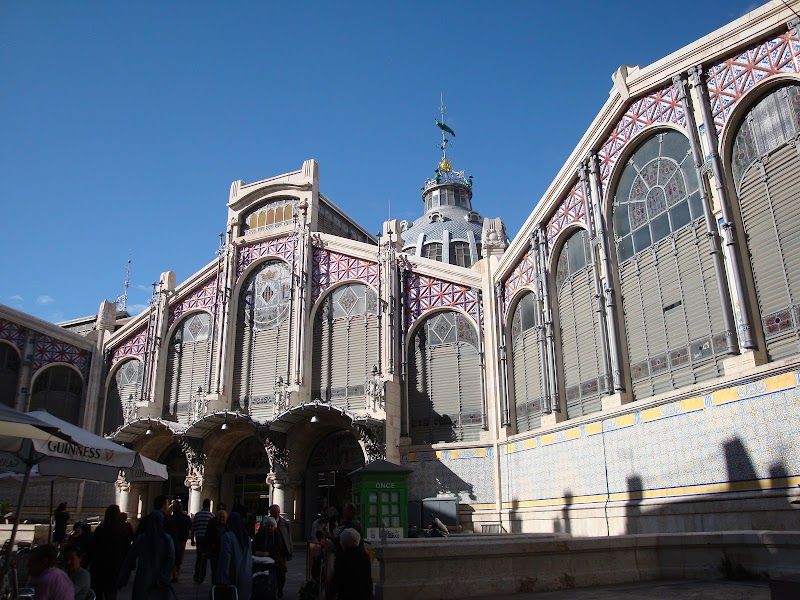
This is 1,200 stalls in a 1928 Modernisme building on the Plaza del Mercado, and it operates like a giant Valencian breakfast until 3 PM Monday through Saturday. Go before noon when the vendors are still setting up and the tourists haven't arrived yet. The correct way to use it: drink fresh horchata with fartons at the entrance stall (EUR 2.50), eat at the fish bar (oysters, clams, a glass of white wine while standing at a marble counter), taste Iberian ham at a charcuterie counter where they'll slice it paper-thin in front of you, and buy citrus fruits to take away. The oranges here are from trees within 50 kilometers of the city and taste like concentrated sunshine. Budget EUR 15-20 for a proper grazing visit. The stalls are more interesting than the tourist-facing restaurants that surround the building, which serve mediocre paella to people who don't know better.
RUZAFA
Valencia's restaurant neighborhood south of the old town has the most diverse and consistent eating in the city. This is where young Valencians go for modern Spanish, Mediterranean, brunch, and cocktail bars when they want something more interesting than traditional cuisine. The restaurants are concentrated around Calle del Doctor Serrano, Calle de Vivons, and the surrounding streets, which form a grid that's easy to navigate on foot. Budget EUR 25-40 per person for a proper dinner with wine. Reserve ahead on Friday and Saturday or you'll end up at whatever table is available. The neighborhood works best for dinner: arrive at 9 PM, when it's filling up but not yet full, and you can still hear yourself think.
HORCHATA AND THE VALENCIAN BREAKFAST
Fresh horchata (tiger nut milk, cold, thick, EUR 2-3) with fartons (EUR 1-2) is the mid-morning snack that every Valencian does at least once a week. The horchata has the consistency of thin cream and tastes faintly of almonds, though it contains no dairy or nuts. The fartons are elongated pastries designed for dipping, and they dissolve slightly in the horchata before you bite them. Horchatería Santa Catalina (Plaza Santa Catalina, open since 1836) is the reference point, with marble tables and waiters who've been working there for decades. The Mercado Central stall is the best for fresh-made horchata without a queue. Drink it cold and quickly before it warms up and loses its texture.
AGUA DE VALENCIA
The cocktail that every visitor discovers on their second night: fresh-squeezed orange juice, cava, vodka, and gin, mixed in a glass jug (EUR 18-25 for a jug serving 2-4 people). It tastes like the best fresh orange juice you've ever had, with a slight effervescence from the cava. It is not just orange juice. The alcohol content is substantial, and you won't realize this until you stand up from the table. Most Ruzafa bars serve it, and the El Cabanyal beach bars make it in summer. A jug between two people at 9 PM before dinner is the correct dose. More than that and you'll need a taxi back to your hotel.
Ready to Visit Valencia?
Get a personalized itinerary tailored to your travel style and interests.
Plan Your Valencia TripMore Valencia Guides
2-3 Days in Valencia: First-Timer's Itinerary
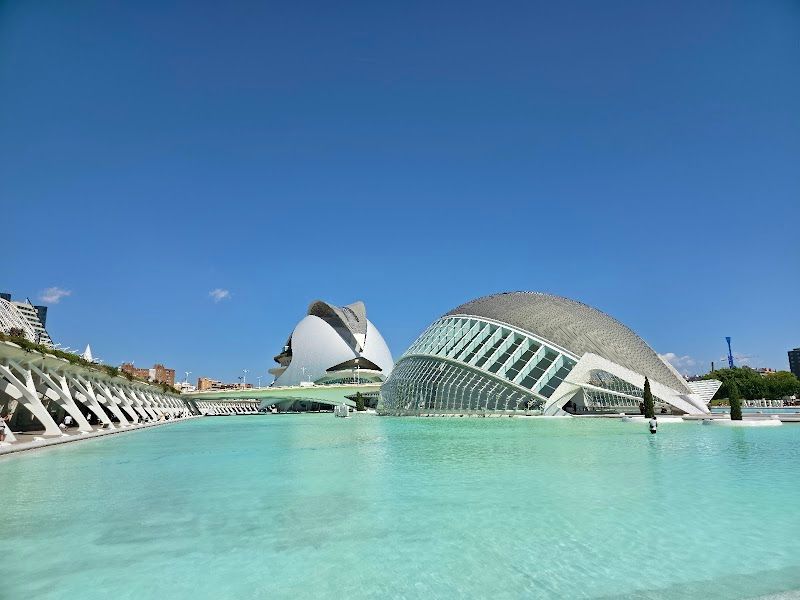
Two to three days in Valencia: what to see in the old town, how to bike the Turia Gardens to the City of Arts and Sciences, where to eat the correct paella, and what to do in Ruzafa.
8 min
First Time in Valencia: What You Need to Know
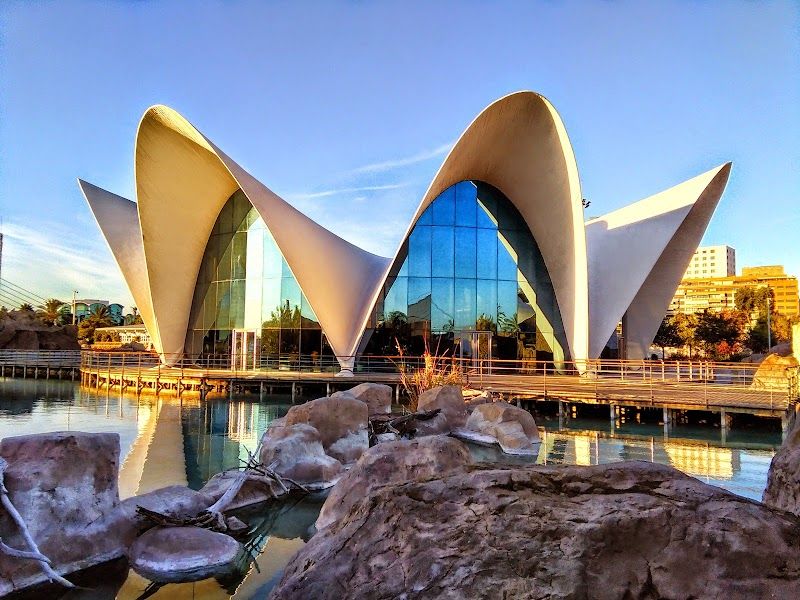
The practical guide to Valencia: the non-negotiable paella rules, the Turia Gardens and how to bike them, what Las Fallas actually is, horchata with fartons, and how to get to the Calatrava complex.
6 min