Venice
Cannaregio
The most residential sestiere: the world's first Jewish Ghetto, the best bacari strips in Venice, Ca'd'Oro Gothic palace on the Grand Canal, and laundry lines where the tourist density drops to nearly zero.
About Cannaregio
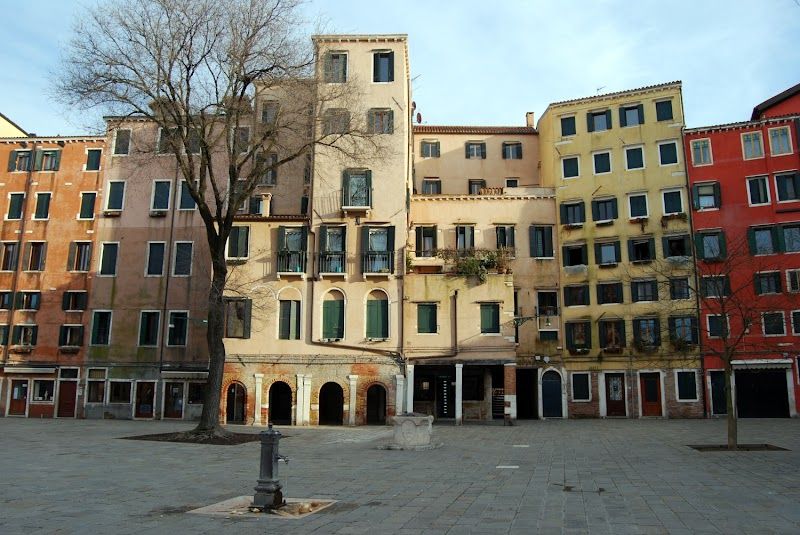
Cannaregio is the longest sestiere in Venice, stretching from the train station to the northern lagoon edge, and it is the most authentically residential. The Jewish Ghetto (established 1516, the oldest in the world, the word ghetto is Venetian) is at the heart of the neighbourhood: Campo del Ghetto Nuovo is surrounded by buildings 8-9 storeys high because the community could not expand outward. The Museo Ebraico (EUR 8) runs synagogue tours throughout the day. Ca'd'Oro is the most elaborately decorated Gothic palace on the Grand Canal, now a gallery (EUR 6). The Fondamenta degli Ormesini and Fondamenta della Misericordia are the bacari strip: wine bars and cicchetti venues where Venetians eat and drink in the evening. The restaurant density and quality is higher and the prices lower than in San Marco.
Things to Do
Top experiences in Cannaregio
Jewish Ghetto of Venice
This is the world's original ghetto, where Venice confined its Jewish population starting in 1516. You'll walk through Campo del Ghetto Nuovo, surrounded by the tallest buildings in Venice (up to 9 stories, built vertically since the community couldn't expand horizontally), and visit five remarkable synagogues through guided tours. The Museo Ebraico tells the story of Venetian Jews across five centuries, but the real draw is seeing synagogues hidden on upper floors of ordinary buildings, each representing different Jewish communities: Ashkenazi, Sephardi, Italian, Levantine, and Canton. The museum feels intimate rather than overwhelming, and the synagogue tours reveal spaces you'd never know existed from street level. You'll climb narrow staircases to discover ornate interiors with hand-carved arks, gilded decorations, and crystal chandeliers that seem impossible in such a confined area. The guide explains how each community adapted their worship space to Venetian building restrictions, creating some of the most ingenious religious architecture you'll see. The contrast between the plain exteriors and elaborate interiors is genuinely striking. At EUR 8 for museum entry plus all synagogue tours, this is exceptional value compared to Venice's usual tourist traps. Most visitors rush through without understanding the architectural constraints that shaped these spaces. Skip the audio guide and stick with the live tours, they run every 30 minutes and the guides know stories you won't read elsewhere. The morning tours are smaller and more personal than afternoon crowds.
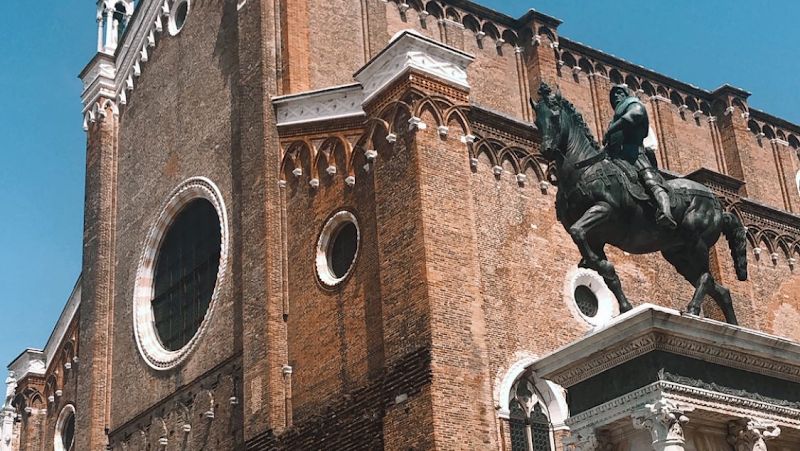
Basilica dei Santi Giovanni e Paolo
This massive Gothic church in Venice serves as the city's equivalent to Westminster Abbey, housing the tombs of 25 doges, along with countless admirals and senators who built the Venetian empire. Visitors come here to see Giovanni Bellini's polyptych of St. Vincent Ferrer (one of his finest works), Piazzetta's dramatic ceiling frescoes, and the immense scale of the interior that dwarfs most Venetian churches. Outside, Verrocchio's bronze statue of mercenary captain Bartolomeo Colleoni commands the campo with Renaissance flair. The church feels less crowded than San Marco, with locals actually using it for prayer rather than gawking. You'll walk through nave after nave of marble tombs, each telling stories of Venice's maritime past. The light filtering through Gothic windows creates an almost theatrical atmosphere, especially when it hits Bellini's altarpiece. The acoustics are impressive, so if there's a service happening, you'll hear Gregorian chant echo off 14th-century stones. Most guides exaggerate the tomb hunting, but honestly, after the first few doges they tend to blend together. Focus your time on Bellini's polyptych (right transept) and Piazzetta's ceiling near the main altar. Entry is free, though a small donation is appreciated. The real value comes from combining this with the Scuola Grande di San Marco next door, where you can admire trompe l'oeil facades without paying a cent.
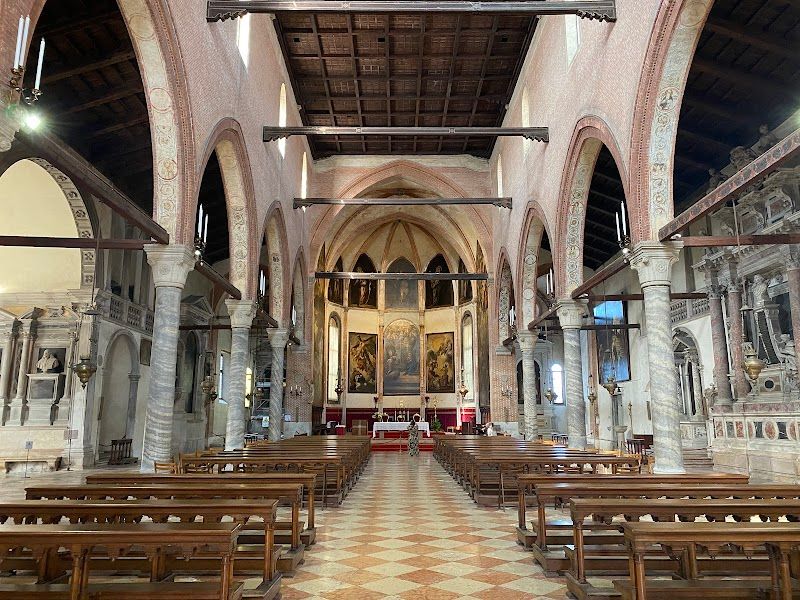
Madonna dell'Orto
Madonna dell'Orto houses ten Tintoretto masterpieces in a gloriously uncrowded 14th-century Gothic church where the artist himself worshipped and is buried. You'll find his enormous Last Judgment and Making of the Golden Calf dominating the choir area, plus eight smaller works scattered throughout the nave and chapels. The church sits in residential Cannaregio, meaning you'll often have these Renaissance treasures nearly to yourself while crowds mob the Doge's Palace. The moment you step inside, Tintoretto's dramatic biblical scenes command attention from the soaring walls. His tomb lies modestly in the chapel right of the main altar, marked by a simple plaque that feels oddly humble for Venice's most prolific painter. The Gothic architecture frames his work perfectly, and the natural light streaming through tall windows changes the paintings' mood throughout the day. You'll spend most of your time craning your neck upward, studying the massive canvases that dwarf everything else. Most guides rave about every single painting here, but honestly, focus on the two giant choir pieces and skip the smaller side chapel works unless you're a serious Tintoretto scholar. Entry costs €3, and the church closes unexpectedly for private functions, so check ahead. The audio guide costs extra €2 but adds crucial context to the biblical scenes that aren't immediately obvious.
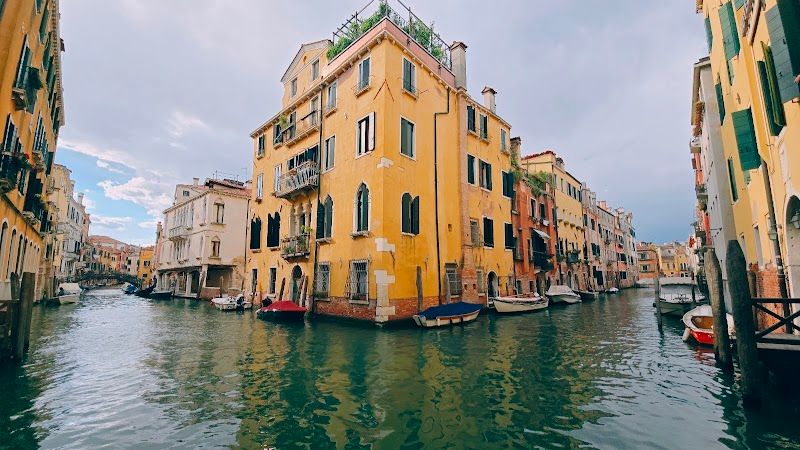
Ca' d'Oro
Ca' d'Oro houses the Galleria Giorgio Franchetti in what was once Venice's most opulent palace facade. You'll see Mantegna's haunting St. Sebastian, Byzantine reliefs, and Venetian ceramics across three floors of galleries. The palace name means 'Golden House' because its Gothic facade was originally gilded with gold leaf and painted with ultramarine blue, though only traces remain today. The visit flows naturally from the ground floor courtyard with its original 15th century wellhead up through intimate gallery rooms. The second floor balcony gives you a palazzo owner's perspective over the Grand Canal, watching vaporettos and water taxis navigate below. The collection feels personal rather than institutional, displayed in rooms that retain their residential character with original ceiling beams and period details. Most visitors rush through to tick it off their list, but the real draw isn't the art collection. It's experiencing how Venice's merchant princes actually lived. Entry costs €8.50 and the crowds are manageable compared to the Doge's Palace. Skip the third floor bronze collection unless you're genuinely interested, the second floor has everything worthwhile. The courtyard alone justifies the visit.
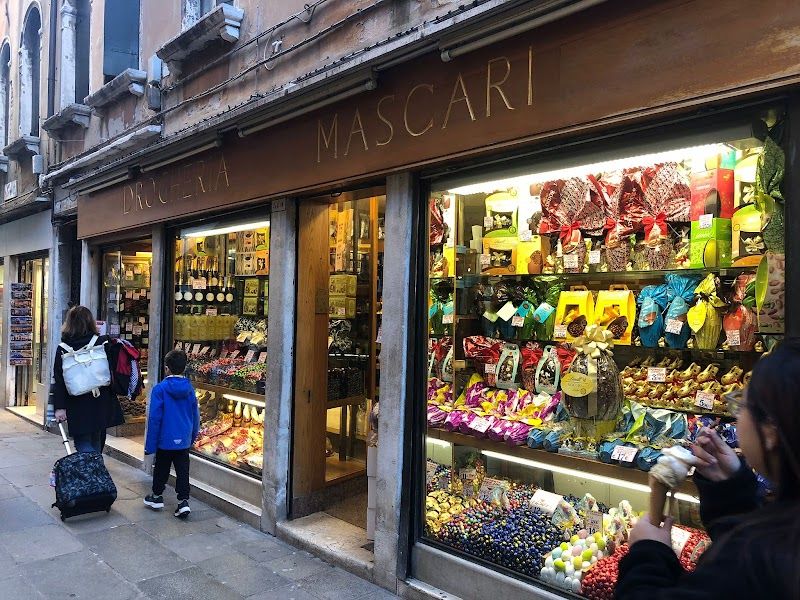
Drogheria Mascari
Drogheria Mascari has been cramming impossibly rare spices and specialty ingredients into their tiny San Polo shop since 1948, and it's genuinely one of Venice's best food stores. You'll find Cambodian peppercorns for €12 per 100g, hand-harvested sea beans from the Veneto coast, and at least 30 different types of salt including pink Himalayan and black Cyprus varieties. The shop specializes in ingredients you simply can't find elsewhere in Venice: sumac, berbere spice blends, proper saffron threads, and unusual vinegars that local chefs actually use. Walking into Mascari feels like entering an old apothecary where every jar contains something exotic. The smell hits you immediately: cardamom, cinnamon, and dried porcini mushrooms all competing for attention. The space is claustrophobic in the best way, with floor to ceiling shelves packed so tightly you need to ask for help reaching anything above eye level. The current owners, third generation, know exactly where everything is and can recommend specific uses for their more unusual items. Most tourists grab the obvious stuff like truffle salt (€8 for 80g) and miss the real treasures: their house-made risotto spice blend costs just €4.50 and tastes better than anything you'll make from scratch. The dried porcini are expensive at €35 per 100g but they're restaurant quality. Skip the tourist-targeted gift sets and go for individual spices in small quantities, they'll last longer and cost half the price of similar products elsewhere in Venice.
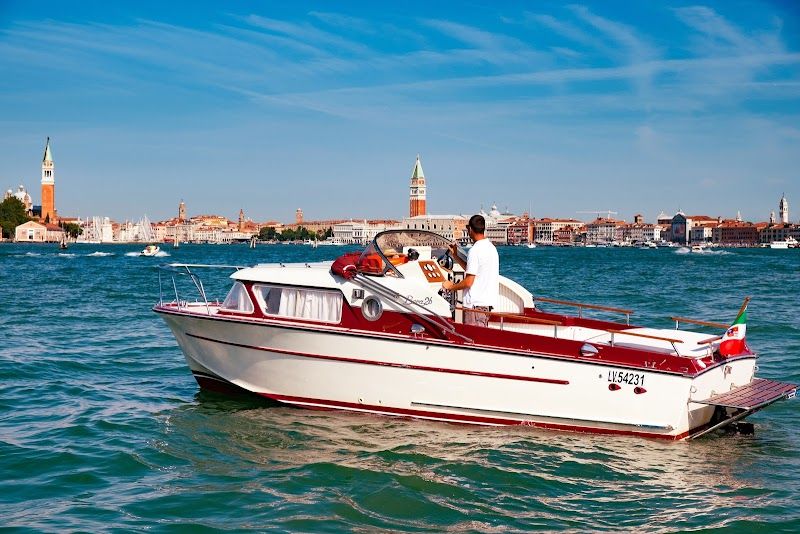
Venice Boat Experience
Venice Boat Experience takes you beyond the tourist waterways into the northern lagoon where most visitors never venture. You'll cruise past abandoned monasteries on San Francesco del Deserto, working fish farms around Burano's backwaters, and salt marshes that have shaped Venice for centuries. The local captains know every shallow channel and will cut engines near bird colonies where flamingos actually nest in spring. The boats are small rigid inflatables that can navigate channels barely wider than a gondola, giving you access to places the big tour boats can't reach. Your captain will beach the boat on tiny islands where you can walk among ruins of abandoned settlements, and you'll see the massive MOSE flood barriers up close. The afternoon light turns the shallow lagoon water into liquid gold, especially around the remote fishing villages where time feels suspended. Most lagoon tours stick to the main islands, but this one delivers on its promise of reaching genuinely remote spots. At 45 EUR per person for the 2.5 hour tour, it's reasonable value given the exclusive access. Skip the morning departure if you're prone to seasickness, as the lagoon gets choppy with afternoon winds dying down. Book directly with them rather than through hotel concierges who add unnecessary markup.
Where to Eat
Restaurants and cafes in Cannaregio
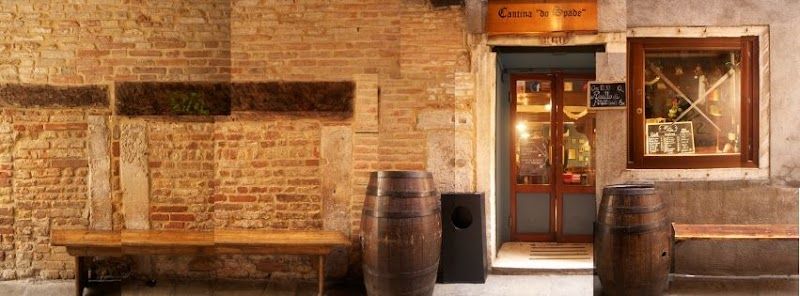
Cantina Do Spade
RestaurantHistoric bacaro near the Rialto operating since 1415, with wooden beams and a marble-topped bar. The front room is for standing and cicchetti, while the back dining room serves full meals. Try the sarde in saor or the seasonal seafood cicchetti, washed down with an ombra of local wine.
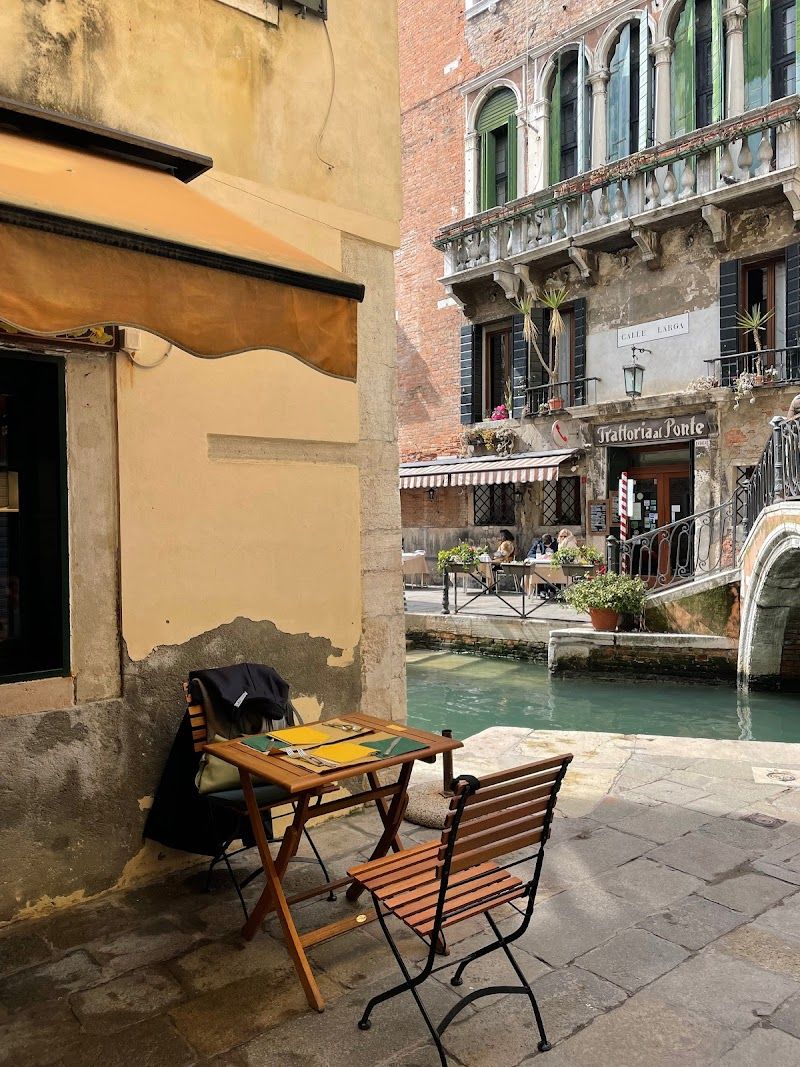
Osteria La Zucca
RestaurantA cozy neighborhood osteria beloved by locals for its creative vegetarian dishes and seasonal pumpkin specialties. The intimate dining room fills quickly with Venetians who appreciate the innovative approach to traditional ingredients and excellent wine selection.
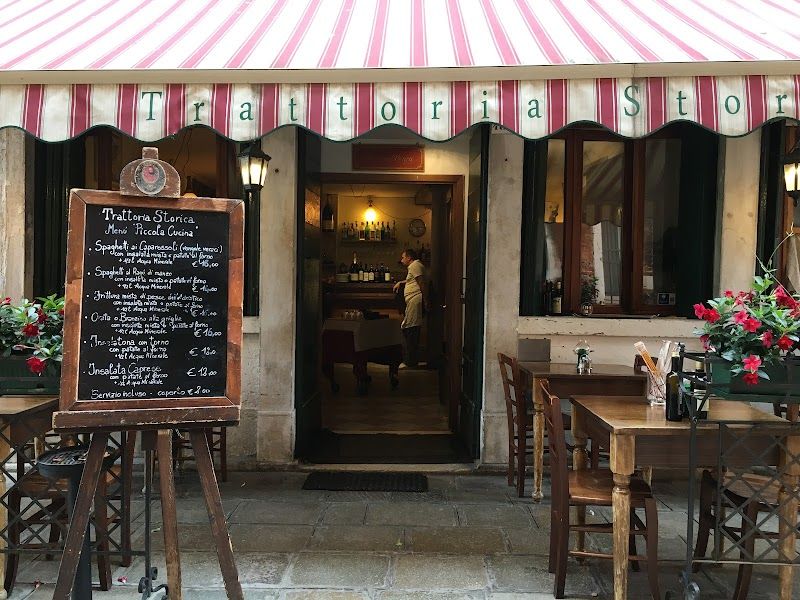
Trattoria Storica
RestaurantNo-nonsense trattoria in Cannaregio serving generous portions of traditional Venetian food at honest prices. The fegato alla veneziana (calf liver with onions) and grilled fish of the day are reliable choices. The atmosphere is simple with paper tablecloths and locals dining alongside visitors who found their way here.
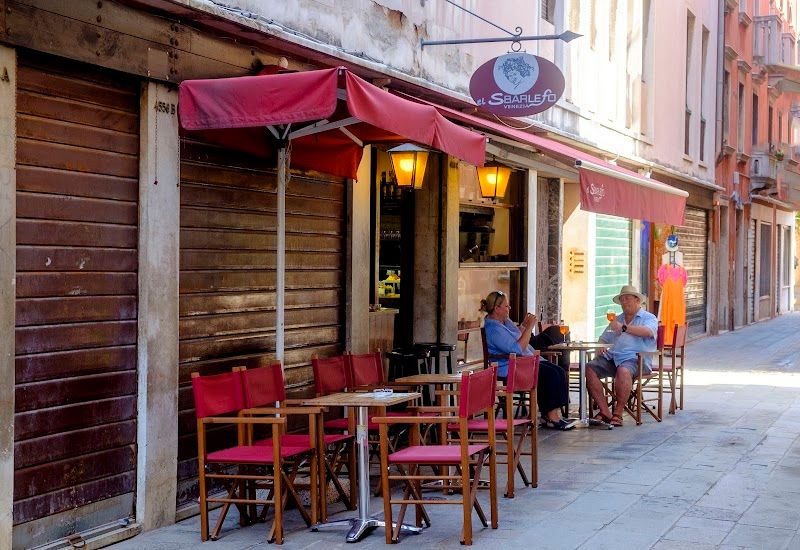
El Sbarlefo
RestaurantA no-frills bacaro beloved by Venetian students and locals serving generous portions of traditional cicchetti at rock-bottom prices. The atmosphere is authentically casual with standing room only during peak hours. Their meatballs and baccalà mantecato are neighborhood favorites.
Nightlife
Bars and nightlife in Cannaregio
Getting Here
On Foot
Long east-west distances but flat and walkable. The fondamente along the northern canal are the best walking route.
Insider Tips
Bacari evening crawl
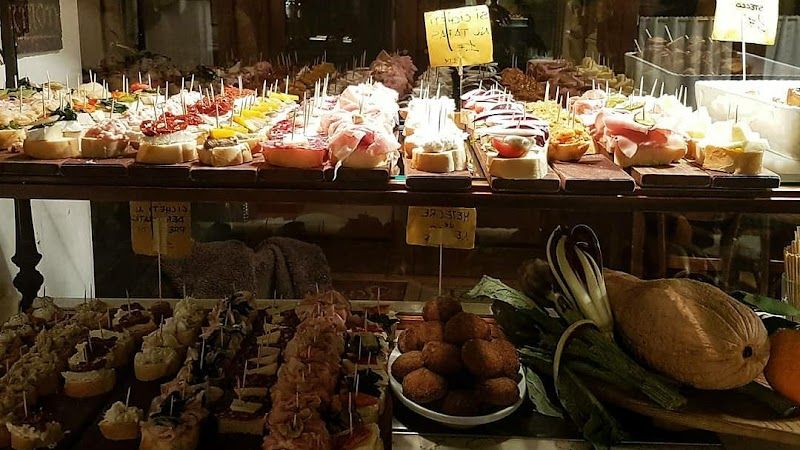
The Fondamenta degli Ormesini and Fondamenta della Misericordia are the best bacaro strips in Venice. Start around 6:30 PM. Order an ombra (EUR 1.50-2.50, small glass of house wine) and 3-4 cicchetti (EUR 1.50-3 each) at each bar. Al Timon, Osteria dell'Orto, and the bars along both fondamente are the reliable choices. The whole crawl should cost EUR 20-30 per person.
Jewish Ghetto synagogue tours
EUR 8 includes the museum and a synagogue tour. Tours run regularly throughout the day: check the schedule at the museum entrance and time your visit to join one. The synagogues are on the upper floors of ordinary-looking buildings (for reasons of Ottoman-era law) and are accessible only via the guided tour. The tour explains the five communities (Ashkenazi, Sephardi, Italian, Levantine, Canton) and their different architectural traditions.
Nearby Neighborhoods
Continue exploring
San Marco
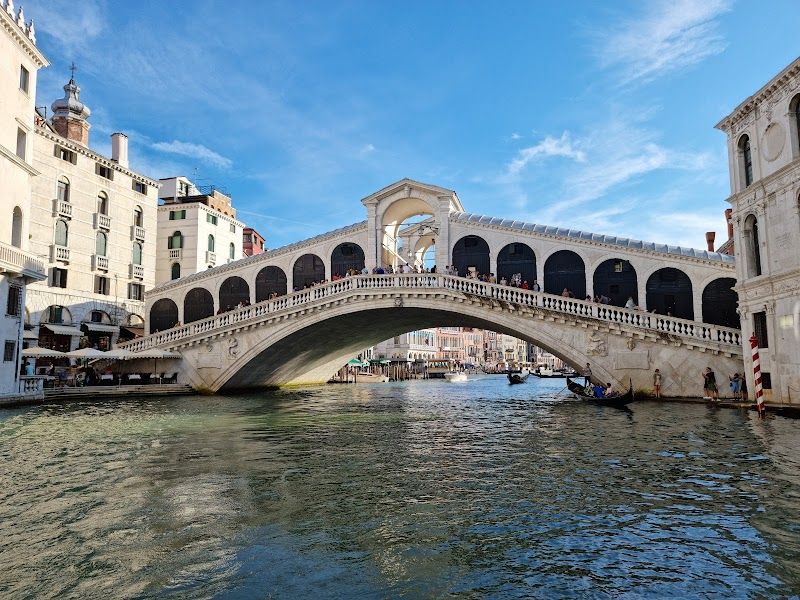
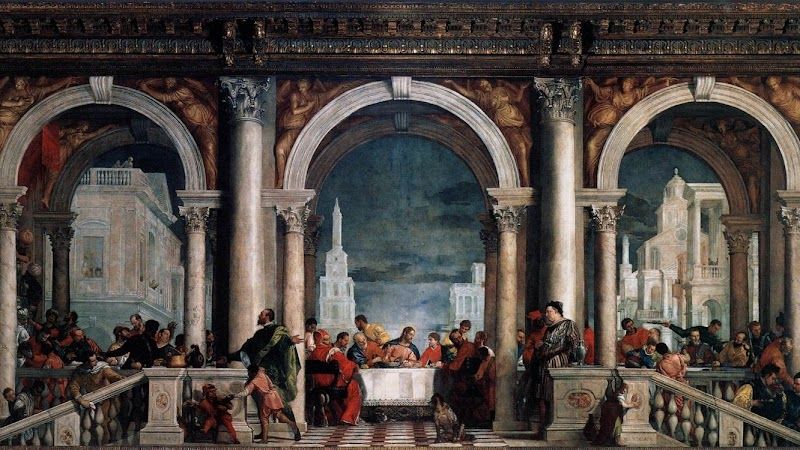
The monumental core of Venice: Byzantine gold mosaics, Gothic palace facades, the Bridge of Sighs, and a piazza Napoleon called the drawing room of Europe. Expensive and essential.
Dorsoduro
The art and student neighbourhood on the south bank: two of the best museums in Venice, the Grand Canal entrance with the Salute dome, Campo Santa Margherita for cheap spritz, and the Zattere waterfront walk.
San Polo & Santa Croce
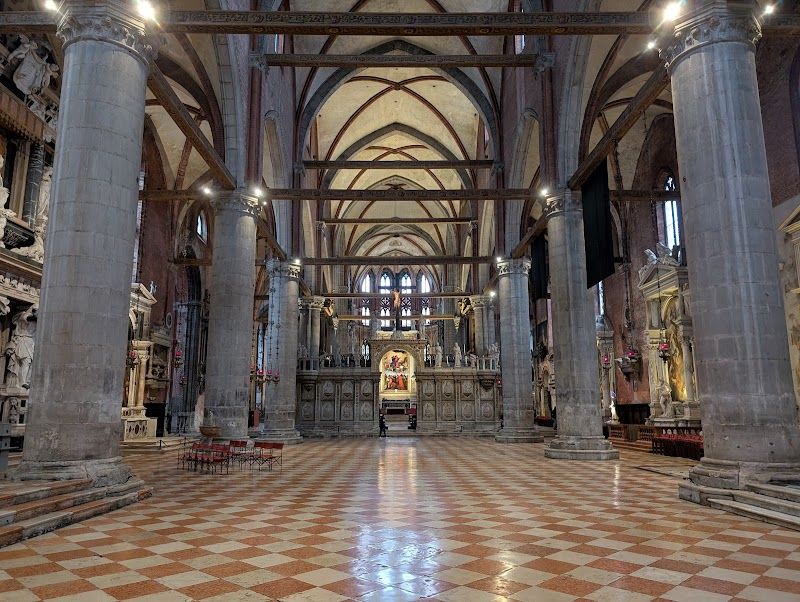
The Rialto market sestiere: the best fish market in Italy (Tuesday-Saturday mornings), Titian's Assumption in the Frari church, Tintoretto's 23-year painting cycle at San Rocco, and the densest bacaro concentration in Venice.
Plan a trip featuring Cannaregio
Get a personalized Venice itinerary with Cannaregio built in.
Start Planning