Venice
Dorsoduro
The art and student neighbourhood on the south bank: two of the best museums in Venice, the Grand Canal entrance with the Salute dome, Campo Santa Margherita for cheap spritz, and the Zattere waterfront walk.
About Dorsoduro
Dorsoduro sits on the south bank of Venice between the Grand Canal and the Giudecca canal, and it has the best combination of museums, waterfront, and neighbourhood life in the city. The Peggy Guggenheim Collection (EUR 18, closed Tuesday) occupies the Palazzo Venier dei Leoni on the Grand Canal: Guggenheim is buried in the garden with her dogs, the Pollock and Kandinsky rooms are the highlights, and the sculpture terrace on the canal is one of the most elegant outdoor spaces in Venice. The Gallerie dell'Accademia (EUR 12, closed Monday) is the main Venetian painting museum, with Bellini, Carpaccio, Giorgione, Titian, and Tintoretto. The Basilica di Santa Maria della Salute is free: the great Baroque dome at the Grand Canal entrance, built as a votive offering after the plague of 1630. Campo Santa Margherita is the student square: the cheapest spritz in Venice (EUR 3-4), outdoor tables, a market on weekday mornings, and the most Venetian daily life this side of Cannaregio.
Things to Do
Top experiences in Dorsoduro
Gallerie dell'Accademia
Enter through the main entrance on Campo della Carità, not the side entrance that many tourists mistakenly use as the main entrance Most visitors tend to rush through the early rooms to reach the famous pieces, but Room 2 features Carpaccio's Miracle of the Cross cycle, which is often overlooked and usually empty The wooden Accademia Bridge right outside provides a classic view of the Grand Canal toward Santa Maria della Salute, making it a prime spot for photos after your visit
Chiesa di San Sebastiano
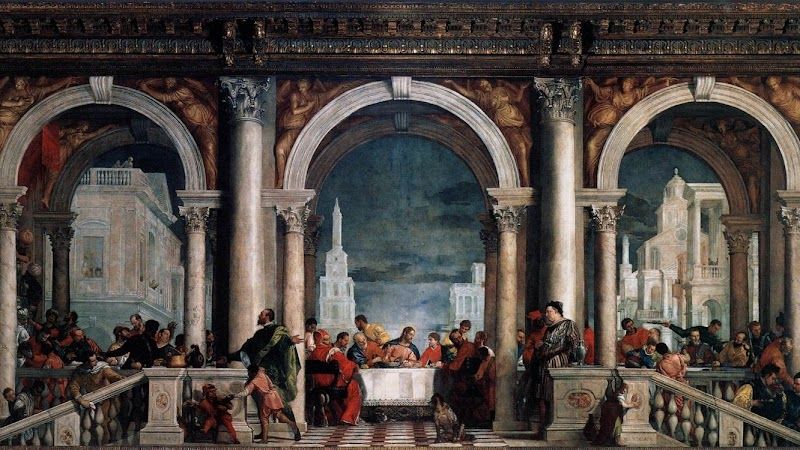
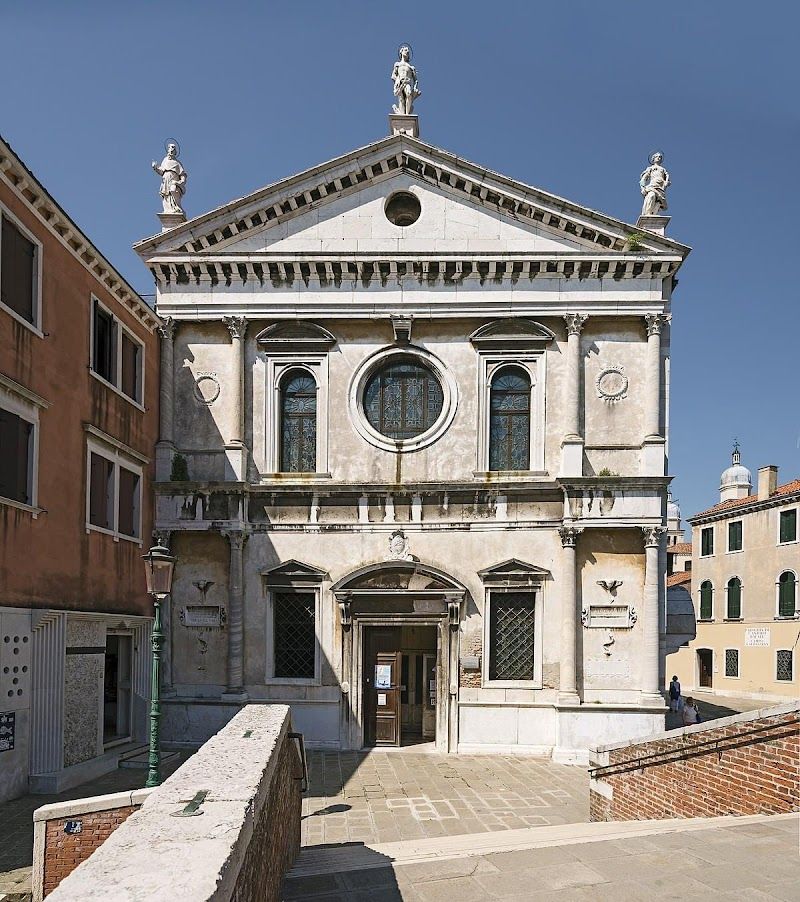
Enter through the side door on Campazzo San Sebastiano rather than searching for a main entrance, it's the only way in and saves confusion Most visitors spend five minutes looking up and then leave, but bringing binoculars or using your phone camera zoom can help you catch facial expressions and details in the ceiling panels Start with the altar area first, then work backward toward the entrance while studying the ceiling, this follows Veronese's intended viewing sequence and the story will make more sense
Squero di San Trovaso
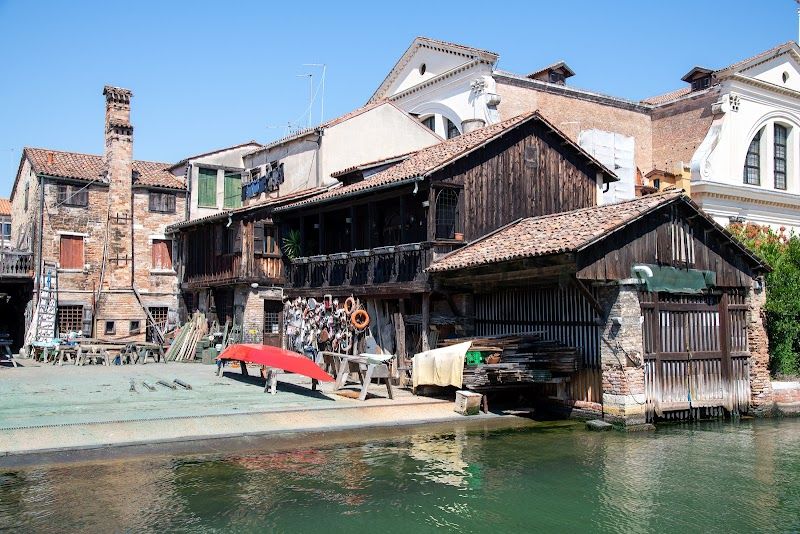
The Squero di San Trovaso is one of only three active gondola workshops left in Venice, where you can watch craftsmen shape, repair, and maintain the city's famous boats using techniques passed down for centuries. You'll see gondolas in various stages of construction, from bare wooden frames to boats getting their final coat of black lacquer. The workshop operates in a distinctive wooden building that looks more like an Alpine chalet than typical Venetian architecture, built this way because many gondola makers historically came from the mountainous Cadore region. You observe everything from the fondamenta (canal-side walkway) across a narrow rio, which gives you a perfect theater-box view of the action inside. The craftsmen work with hand tools, bending and shaping eight different types of wood into the asymmetrical hull that makes gondolas naturally turn left. The smell of wood shavings and varnish drifts across the water, and you can hear the rhythmic hammering and scraping. It feels like watching a living museum where the exhibits are still earning their living. Most guidebooks make this sound more exciting than it actually is. On many days, especially afternoons, the workshop is quiet or closed entirely. The view is interesting for about 15 minutes max, then you've seen what there is to see. Don't make a special trip, but it's worth a quick stop if you're already exploring Dorsoduro. The real charm is combining it with a drink at the osteria across the canal, where you can linger and maybe catch more activity.
Campo Santa Margherita
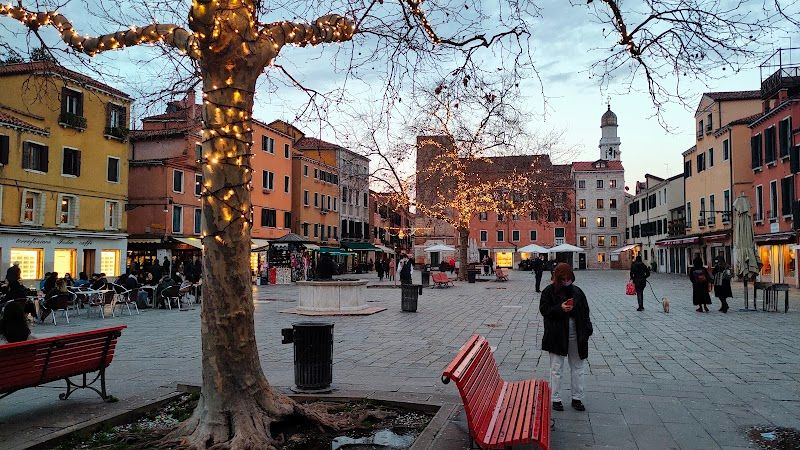
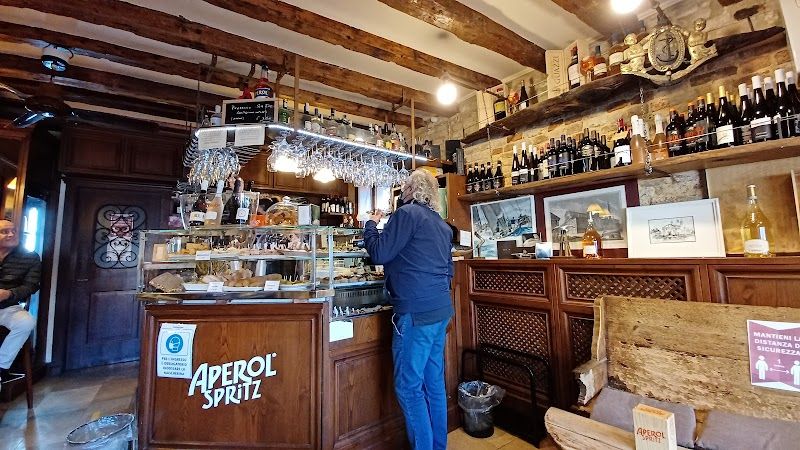
Campo Santa Margherita stretches like a long oval through Dorsoduro, serving as the neighborhood's genuine social center where Venetians actually live their daily lives. You'll find elderly locals chatting on benches, university students from nearby Ca' Foscari sprawled on steps with books, and kids kicking footballs between the wellheads. The morning market sets up along one side with produce stalls, fish vendors, and a tiny flower stand that's been run by the same family for decades. The square feels refreshingly normal after Venice's tourist circus. Laundry hangs from windows above while locals wheel shopping carts across the stones, stopping to gossip with neighbors. Students nurse single espressos for hours at outdoor tables while older Venetians play cards in the shade. The 14th century church of Santa Margherita anchors one end, though it's been converted into an auditorium and rarely opens. The whole scene has an easy, unhurried rhythm that tourist squares lost long ago. Most guides oversell this as some authentic discovery, but it's simply a functioning neighborhood square that happens to welcome visitors. The aperitivo scene is genuinely good value: spritz cost 3-4 EUR with decent snacks included, compared to 8-12 EUR near San Marco. Skip the overhyped Il Doge gelato (tourist trap with long lines) and head to Il Caffe Rosso instead for proper local atmosphere. Come in late afternoon when university classes end and the square fills with actual Venetian energy.
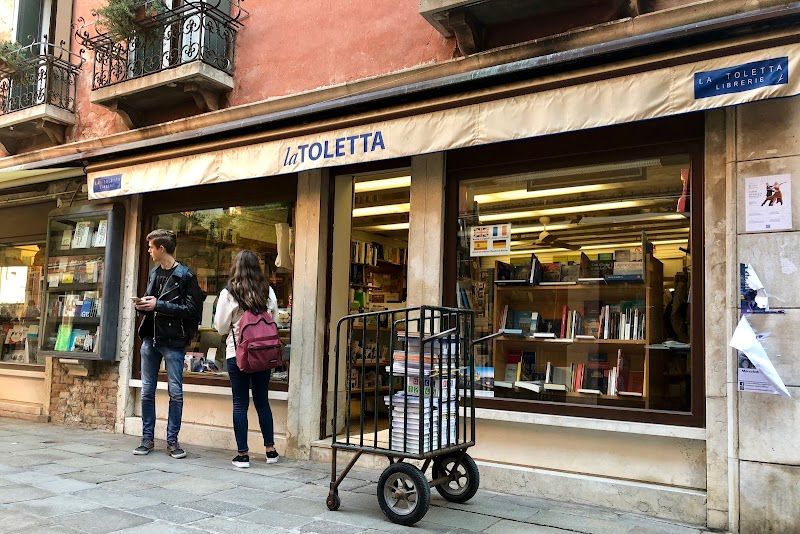
Libreria Toletta
Libreria Toletta stocks exactly what you'd hope to find in Venice: serious books on art, architecture, and local history that go far beyond tourist guides. The owners, Claudio and his team, have curated a collection that includes hard-to-find English translations of Venetian chronicles, detailed architectural studies of specific palazzos, and art books you won't see in chain stores. You'll find first-rate titles on everything from Tiepolo's frescoes to the engineering behind the city's foundations, plus contemporary fiction and poetry. The shop occupies a cozy ground-floor space where books are displayed spine-out on wooden shelves, creating an almost library-like atmosphere. You can actually browse here without feeling rushed, unlike most Venetian shops. The lighting is warm, the floors creak authentically, and there's usually classical music playing softly. Claudio genuinely knows his inventory and will pull books from high shelves based on your interests, often suggesting connections between topics you hadn't considered. Most travel guides make this sound precious, but it's simply a well-run independent bookshop that happens to be in Venice. Prices are fair for the quality, typically 15-35 EUR for specialized art books. The English selection is genuinely good, not just tourist fodder translated from Italian. Skip it if you're looking for light beach reads or guidebooks, but if you want to understand Venice beyond the surface, this is where locals and serious visitors shop.
Where to Eat
Restaurants and cafes in Dorsoduro
Getting Here
On Foot
Very walkable. Flat, residential streets, much quieter than San Marco.
Insider Tips
Peggy Guggenheim timing
Closed Tuesday. Queues are shortest at opening (10 AM) on weekdays. The Grand Canal terrace (included in the ticket) is the best outdoor space in Dorsoduro. The sculpture garden where Guggenheim is buried has Giacometti and Marino Marini's controversial Archangel (the phallus was made removable for papal visits, a fact Guggenheim publicised with obvious pleasure).
Zattere waterfront
The Zattere is the broad promenade facing Giudecca island on the south side of Dorsoduro. It runs 1.5 km east to west, facing south, so it gets afternoon and evening sun when the rest of Venice is in shadow. The gelateria Nico at the western end (the gianduiotto, a slab of frozen chocolate cream, is the local institution) is not a tourist trap: Venetians come here.
Campo Santa Margherita cheapest spritz
The cheapest spritz in Venice is at the bars on Campo Santa Margherita (EUR 3-4 for an Aperol or Campari spritz). This is the student area and the prices reflect it. The campo has a small morning market (fruit and vegetables, Tuesday-Saturday). The best time is 6 PM when the aperitivo crowd arrives and the campo fills.
Nearby Neighborhoods
Continue exploring
San Marco
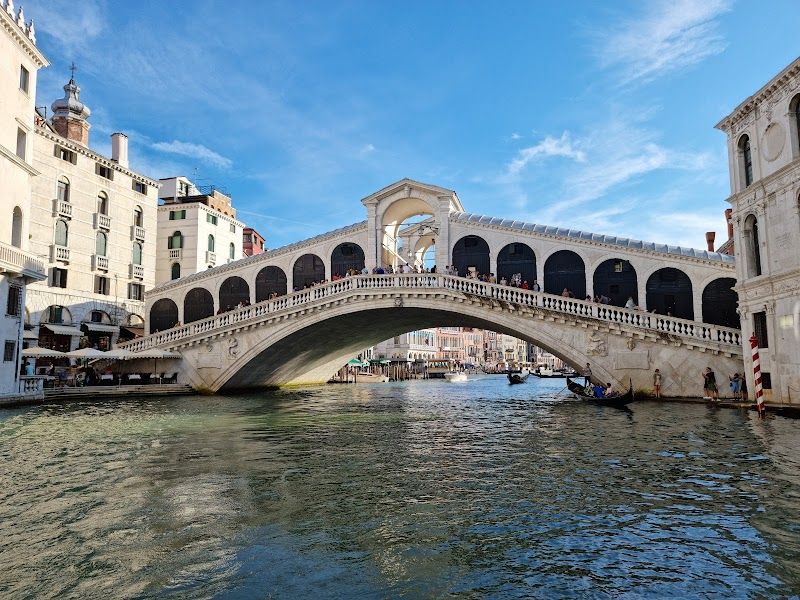
The monumental core of Venice: Byzantine gold mosaics, Gothic palace facades, the Bridge of Sighs, and a piazza Napoleon called the drawing room of Europe. Expensive and essential.
Cannaregio
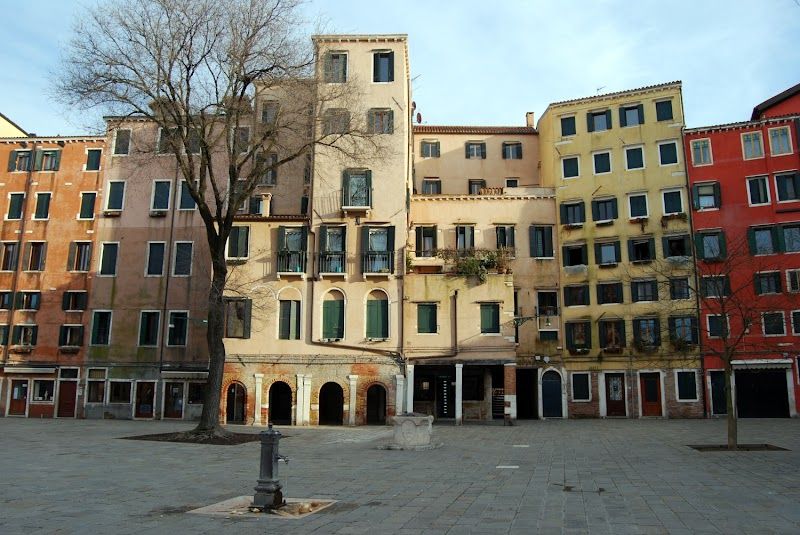
The most residential sestiere: the world's first Jewish Ghetto, the best bacari strips in Venice, Ca'd'Oro Gothic palace on the Grand Canal, and laundry lines where the tourist density drops to nearly zero.
San Polo & Santa Croce
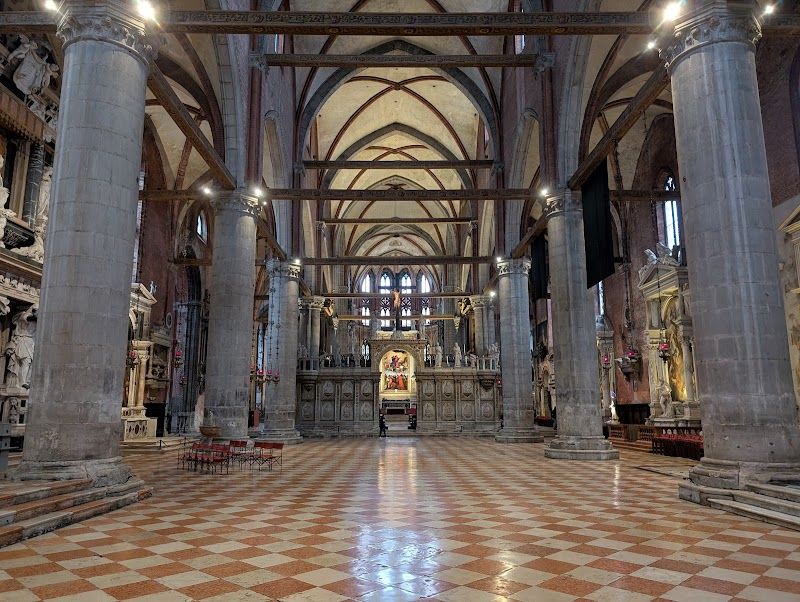
The Rialto market sestiere: the best fish market in Italy (Tuesday-Saturday mornings), Titian's Assumption in the Frari church, Tintoretto's 23-year painting cycle at San Rocco, and the densest bacaro concentration in Venice.
Plan a trip featuring Dorsoduro
Get a personalized Venice itinerary with Dorsoduro built in.
Start Planning