Venice
San Polo & Santa Croce
The Rialto market sestiere: the best fish market in Italy (Tuesday-Saturday mornings), Titian's Assumption in the Frari church, Tintoretto's 23-year painting cycle at San Rocco, and the densest bacaro concentration in Venice.
About San Polo & Santa Croce
San Polo and Santa Croce are the commercial heart of Venice, centred on the Rialto market and bridge. The fish market (Pescheria) runs Tuesday to Saturday mornings and has been in the same location since the 11th century: the fish come from the Adriatic and the Venetian lagoon, and the variety is wider than anything on the mainland. The Frari church (EUR 5) is the most important Gothic church in Venice after the Basilica: Titian's Assumption of the Virgin (1516-1518) hangs over the main altar and changed Venetian painting, and Bellini's triptych in the sacristy is one of his finest works. Scuola Grande di San Rocco (EUR 10) is where Tintoretto spent 23 years: the Sala dell'Albergo ceiling with the Crucifixion is the greatest painting in Venice after the Doge's Palace. The streets around the Rialto have the highest concentration of bacari in the city: Al'Arco, Cantina Do Spade, Do Mori, and 20 others within 5 minutes of each other.
Things to Do
Top experiences in San Polo & Santa Croce
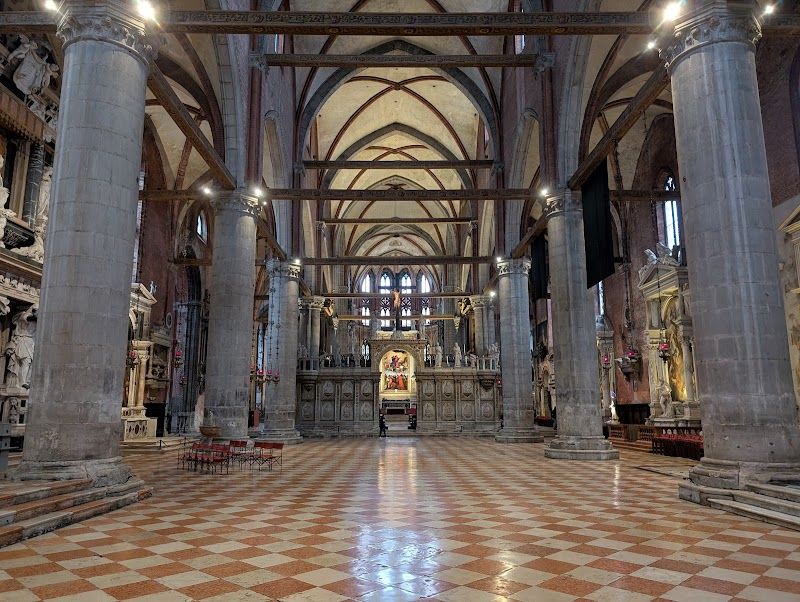
Basilica di Santa Maria Gloriosa dei Frari
The Frari stands as Venice's largest and most artistically significant church, housing two of the Renaissance's greatest masterpieces within its soaring Gothic walls. Titian's massive Assumption of the Virgin dominates the high altar, a swirling composition that practically glows in the filtered light, while Giovanni Bellini's serene Madonna and Child triptych in the sacristy offers intimate perfection on a smaller scale. You'll also find Titian's own tomb, Canova's pyramid monument, and some of Europe's finest wooden choir stalls carved by Renaissance masters. Walking into the Frari feels like entering a cathedral of art rather than just another Venetian church. The nave stretches endlessly upward, creating dramatic perspectives that frame Titian's altarpiece perfectly. The acoustic qualities are remarkable: every footstep echoes, and when tour groups whisper near the sacristy, their voices carry across the stone floors. Unlike St. Mark's crowds, you can actually contemplate the art here, moving freely between chapels and finding quiet corners to absorb the craftsmanship. Most visitors rush straight to Titian's Assumption and miss the real treasures: spend serious time with Bellini's triptych, which reveals new details up close. The EUR 3 entry fee is Venice's best art bargain, though the Chorus Pass at EUR 14 makes sense if you're church-hopping. Skip the audio guide and use that money for a coffee afterward, the plaques provide enough context for the major works.
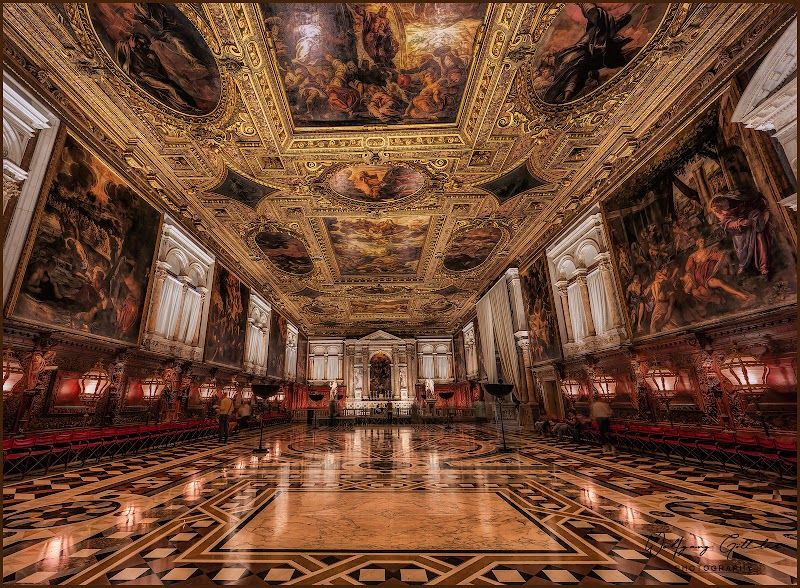
Scuola Grande di San Rocco
The Scuola Grande di San Rocco houses what's arguably Venice's greatest single artistic achievement: Tintoretto's complete decorative cycle covering every wall and ceiling. Unlike most Venetian churches where you crane your neck to glimpse fragments, here you're surrounded by 60 massive paintings that took the master 23 years to complete. The ground floor focuses on scenes from Mary's life, while upstairs showcases the epic Old and New Testament cycles, culminating in the breathtaking Crucifixion that spans an entire wall. You'll climb the elaborate staircase and enter rooms that feel more like stepping inside Tintoretto's mind than viewing paintings in a traditional sense. The upper hall overwhelms immediately: every surface tells a story through dramatic chiaroscuro and swirling figures that seem to move in the changing light. Mirrors are provided so you can study the ceiling paintings without breaking your neck, though most people ignore them and suffer anyway. The atmosphere is reverent but not stuffy, with excellent natural lighting that shifts throughout the day. Entry costs €10, which is exceptional value considering you're seeing one artist's complete vision in its original context. Most guides rush groups through in 45 minutes, but you need at least 90 minutes to absorb the scale properly. Skip the audio guide at €5 extra: the paintings speak for themselves, and the commentary tends toward academic droning. Focus your energy on the upper hall where Tintoretto's late masterpieces reside, though don't miss the tender Annunciation downstairs that shows his softer side.
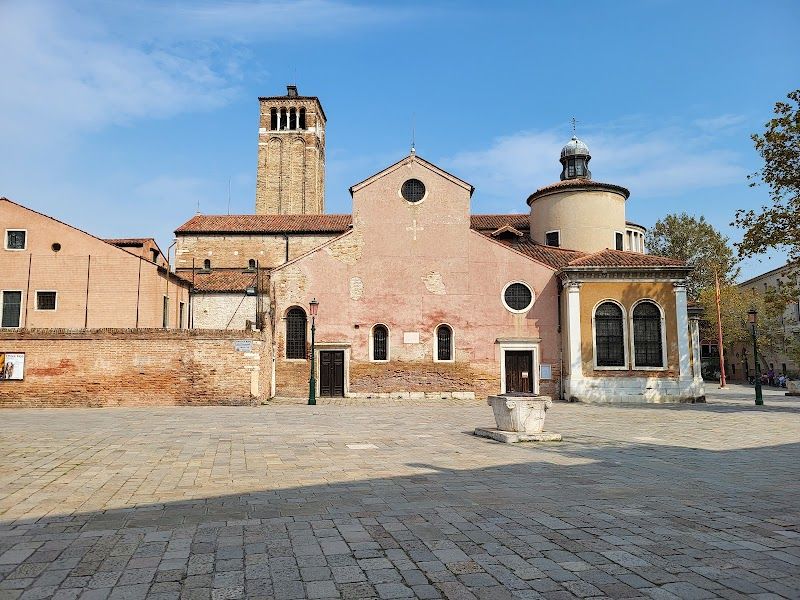
Chiesa di San Giacomo dell'Orio
A 9th-century church with a ship's keel ceiling and remarkable artwork, including paintings by Veronese and Palma il Giovane. The campo outside is one of Venice's most authentic neighborhood squares, filled with locals rather than tourists.
Where to Eat
Restaurants and cafes in San Polo & Santa Croce
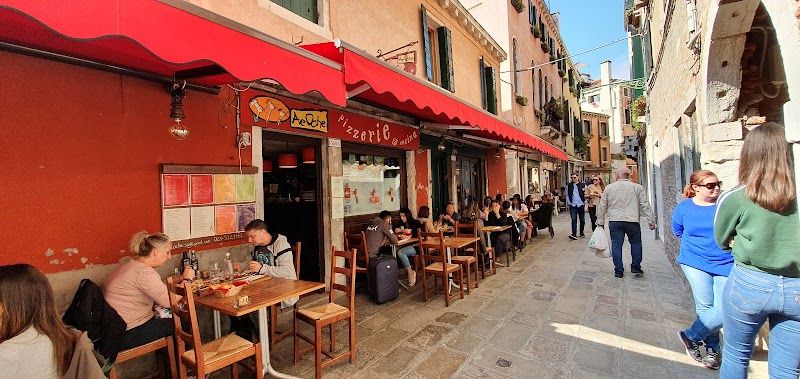
Ae Oche
RestaurantCasual pizzeria and trattoria near Campo Santa Margherita popular with students and young Venetians for affordable pizza and pasta. The outdoor seating in the campo fills quickly on warm evenings. A reliable spot when you need a break from seafood, with decent salads and grilled meats too.
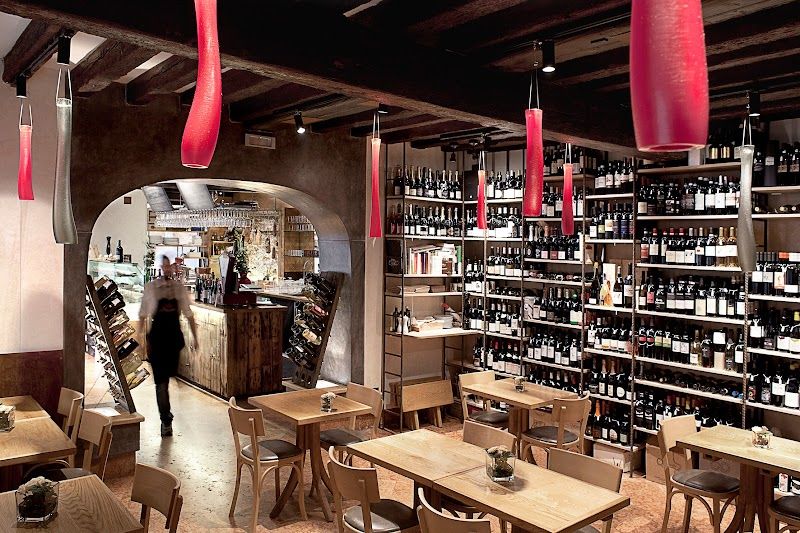
Estro Vino e Cucina
RestaurantA contemporary wine bar and restaurant featuring creative Venetian cuisine with modern interpretations and an exceptional natural wine list. Chef's daily specials showcase seasonal ingredients from the Rialto market. The intimate atmosphere and knowledgeable sommelier make it popular with locals seeking quality over tradition.
Getting Here
On Foot
Walkable but the streets are a maze. The Rialto Bridge is the orientation point. From here you can reach any part of Venice in 15-20 minutes on foot.
Insider Tips
Rialto fish market hours
Open Tuesday to Saturday, 7 AM to about 12:30 PM. The market closes on Sundays and Mondays. Arrive before 10 AM for the best selection and before the tourist flood. The best view is from the Grand Canal side: look across from the Fondamenta Vin on the San Marco side.
Scuola Grande di San Rocco
EUR 10. Open daily. The Tintoretto cycle covers three rooms over two floors. Rent the mirror boards (provided free at the entrance) for looking at the ceiling paintings without craning your neck. The Sala dell'Albergo Crucifixion (1565) is the largest and most ambitious: Tintoretto shows the full Calvary crowd, 40 square metres, painted in the first year before the competition was decided.
Nearby Neighborhoods
Continue exploring
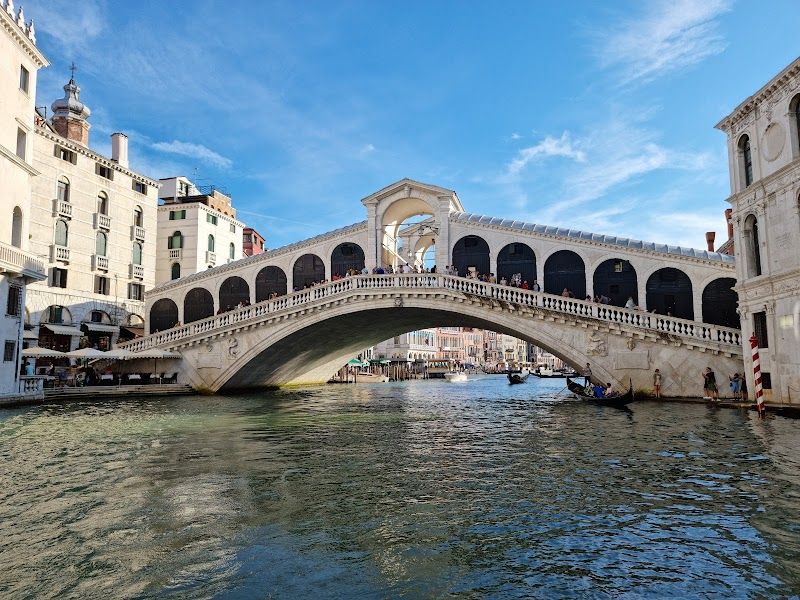
San Marco
The monumental core of Venice: Byzantine gold mosaics, Gothic palace facades, the Bridge of Sighs, and a piazza Napoleon called the drawing room of Europe. Expensive and essential.
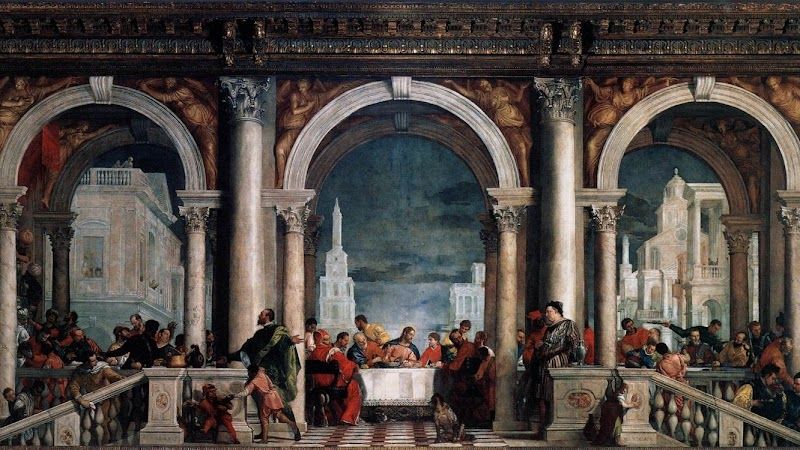
Dorsoduro
The art and student neighbourhood on the south bank: two of the best museums in Venice, the Grand Canal entrance with the Salute dome, Campo Santa Margherita for cheap spritz, and the Zattere waterfront walk.
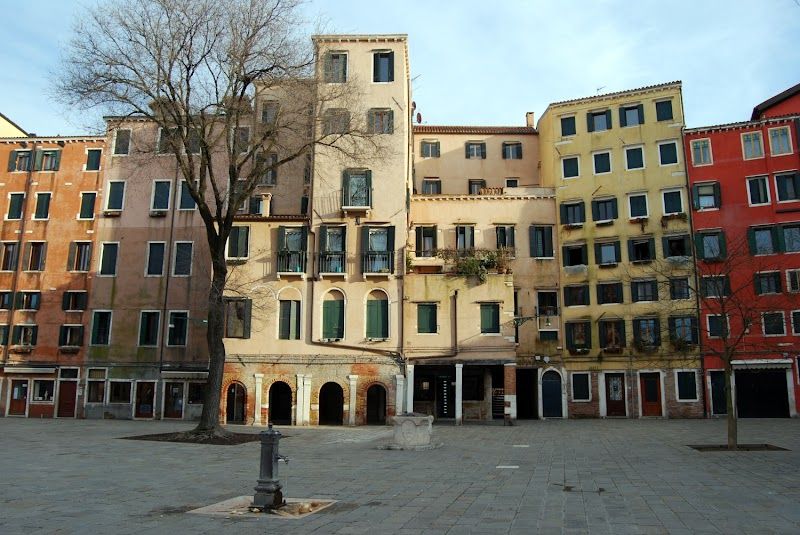
Cannaregio
The most residential sestiere: the world's first Jewish Ghetto, the best bacari strips in Venice, Ca'd'Oro Gothic palace on the Grand Canal, and laundry lines where the tourist density drops to nearly zero.
Plan a trip featuring San Polo & Santa Croce
Get a personalized Venice itinerary with San Polo & Santa Croce built in.
Start Planning