Venice
Castello & the Arsenale
The quiet eastern tail of Venice where the tourists thin out: Santi Giovanni e Paolo church, Via Garibaldi neighbourhood life, the Arsenale gateway, and the Biennale gardens at the eastern tip.
About Castello & the Arsenale
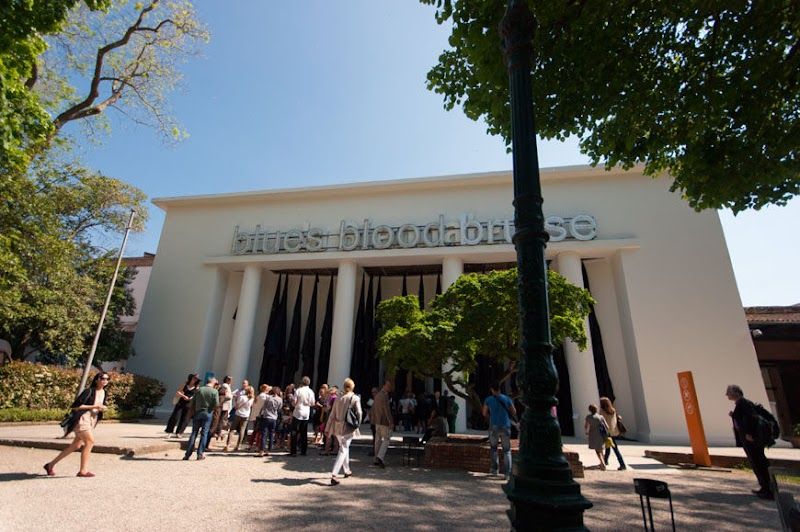
Castello is the largest and least visited sestiere, stretching east from San Marco to the Biennale gardens and the Arsenale. Via Garibaldi is the widest street in Venice (which is not saying much) and feels like the most genuinely local commercial street: a Saturday market, neighbourhood bars, fruit stalls, the one gelateria where you do not feel watched. Basilica dei Santi Giovanni e Paolo (EUR 3.50) is the Venetian Pantheon: 25 doges are buried here, with tombs and monuments filling the walls, and Giovanni Bellini's polyptych in the sacristy is one of his best. The Arsenale (the medieval shipyard complex where Venice built its empire at peak production of one galley per day) is closed except during the Biennale, but the Renaissance gateway is visible from outside and is one of the finest in Italy. The Biennale gardens at the eastern tip (free outside Biennale years) have the permanent pavilions of 28 countries.
Things to Do
Top experiences in Castello & the Arsenale
Giardini della Biennale
Enter through the main Giardini entrance and immediately turn left toward the water to start with the Austrian Pavilion by Josef Hoffmann, which many visitors overlook Visit between 2pm and 4pm when the afternoon light filters through the trees and the morning tour groups have moved on The small pavilions near the back corners (Hungary, Romania) are often unlocked even during the off-season, and they offer glimpses of their unique interior architecture
Arsenale di Venezia
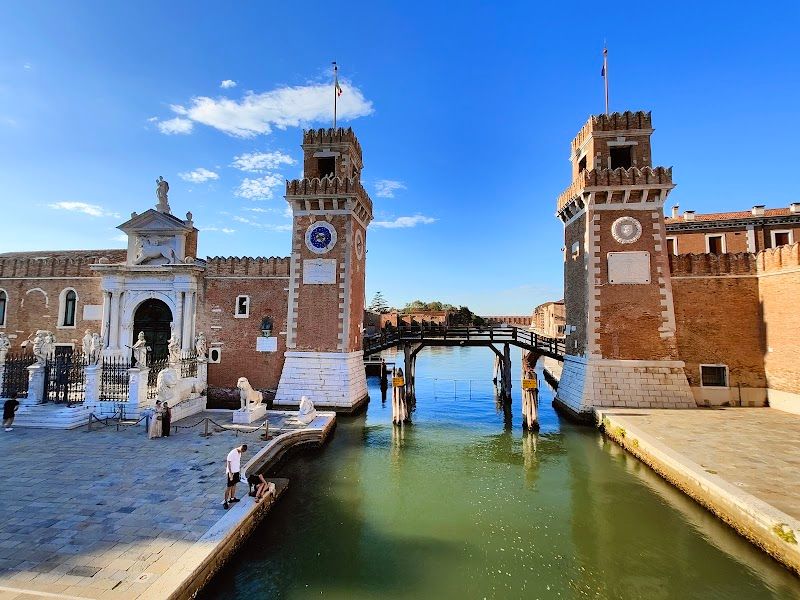
The Arsenale showcases Venice's industrial might through its colossal Renaissance gateway, where four ancient Greek lions stand guard over what was Europe's largest shipyard. You'll see the monumental land gate built in 1460, decorated with winged lions and classical columns, plus the carved marble lions looted from Athens' Piraeus harbor in 1687. The complex spans 45 hectares of canals, workshops, and warehouses where Venetian workers once built entire galleys in 24 hours during the republic's golden age. Standing before the gateway feels like confronting a fortress rather than a shipyard. The stone lions, each with different expressions and origins, create an oddly intimate moment amid the grand architecture. You can peer through the iron gates into the vast complex of brick buildings and waterways, imagining the hammering of thousands of workers and the splash of newly launched warships. The scale becomes clear when you walk the perimeter along the fondamenta, where medieval walls stretch endlessly. Most guidebooks oversell this as a major attraction, but honestly, you're looking at a gate and some lions for about 10 minutes unless the Biennale is running. The real payoff comes during odd years (2025, 2027) when the art Biennale transforms the interior into exhibition spaces and you can finally explore the rope factory, shipbuilding halls, and arsenal buildings. Skip the architecture Biennale years unless you're genuinely interested in contemporary building design.
Burano Island Day Trip
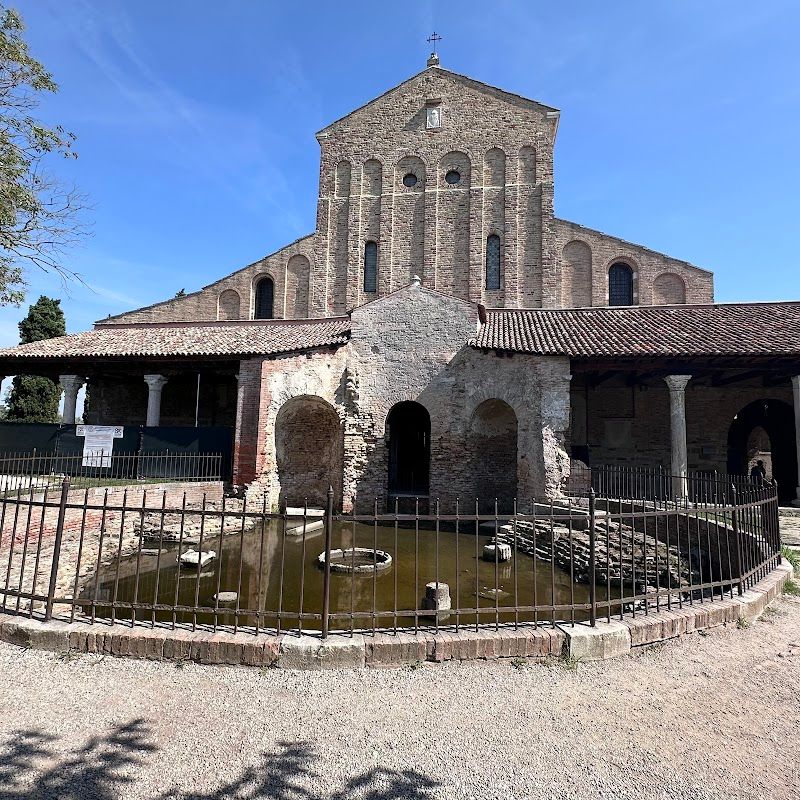
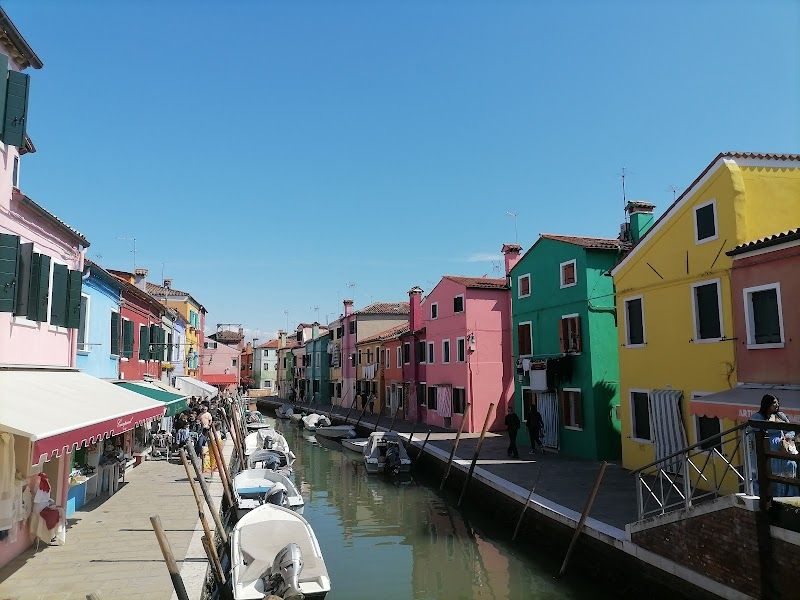
Burano is a fishing island 45 minutes by vaporetto from Fondamente Nove (Line 12, direction Burano) with a claim to fame so extreme it has become a paradox: the houses are painted in such saturated colours (cobalt, crimson, yellow, green) that the island looks unreal, like a film set, and yet it is completely genuine. The tradition was practical: fishermen painted their houses in strong colours so they could identify them through the lagoon fog. The island has about 3,000 residents, three canals, and the leaning Campanile of San Martino visible from the vaporetto approach. The lace museum (Museo del Merletto, EUR 5) is small but excellent: the technique is almost extinct and the museum shows both historical examples and the few remaining practitioners. Lunch at Trattoria da Romano (cash only, book ahead, the risotto di go is the traditional lagoon fish risotto and the only reason you need to go). The island is also the base for visiting Torcello (further 5 minutes, the most atmospheric deserted island in the lagoon, the Byzantine mosaics in the cathedral are older than San Marco's and far less crowded). Return trip from Fondamente Nove: about EUR 9.50 each way with a single vaporetto ticket.
Where to Eat
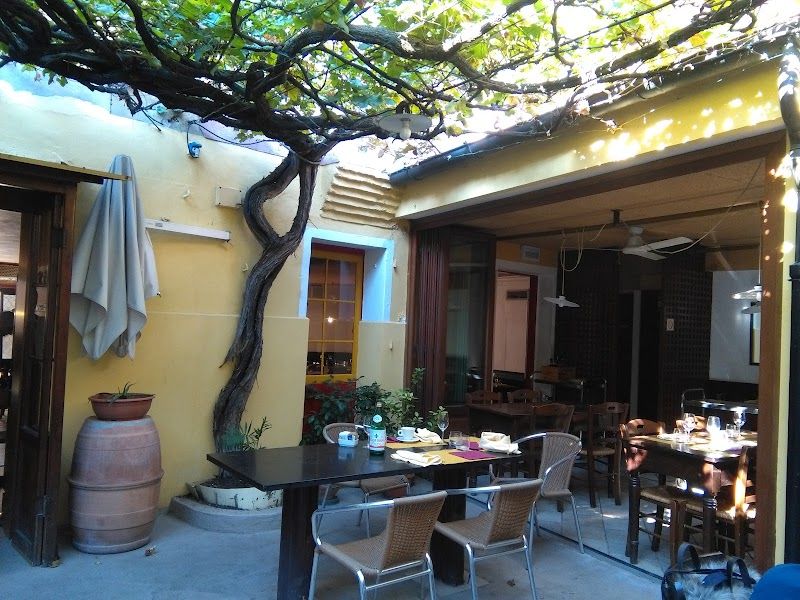
Restaurants and cafes in Castello & the Arsenale
Getting Here
On Foot
Very walkable. The least crowded of the sestieri. Via Garibaldi runs east from the Arsenale area.
Insider Tips
Via Garibaldi Saturday market
The small street market on Via Garibaldi (Saturday mornings) is the most local in Venice: the customers are Venetians, the vegetables are seasonal, the prices are lower than the Rialto. Walk east from the Arsenale gate: Via Garibaldi begins immediately after the bridge.
Santi Giovanni e Paolo
EUR 3.50. The scale of the church (the second largest in Venice after the Frari) means the funeral monuments of 25 doges are widely spaced and not overwhelming. The Verrocchio equestrian statue of Bartolomeo Colleoni outside the north door is considered by many to be the finest Renaissance bronze in existence.
Nearby Neighborhoods
Continue exploring
San Marco
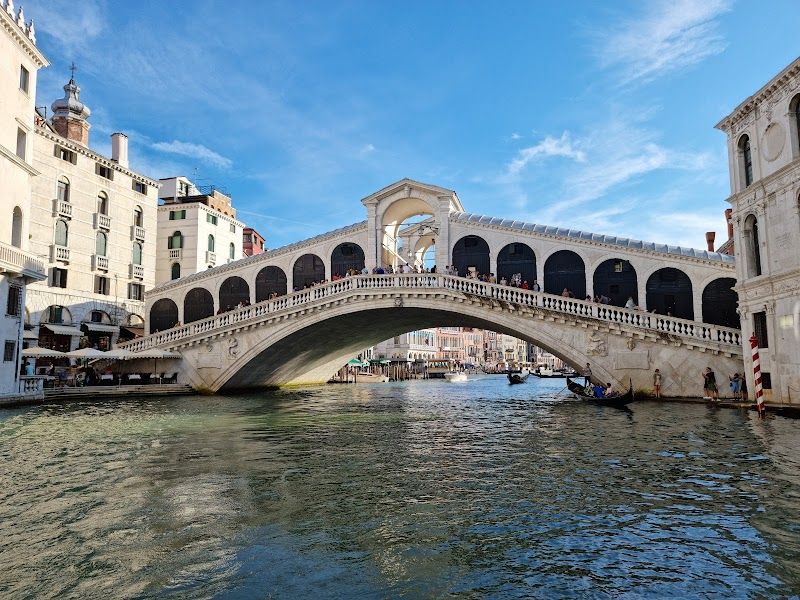
The monumental core of Venice: Byzantine gold mosaics, Gothic palace facades, the Bridge of Sighs, and a piazza Napoleon called the drawing room of Europe. Expensive and essential.
Dorsoduro
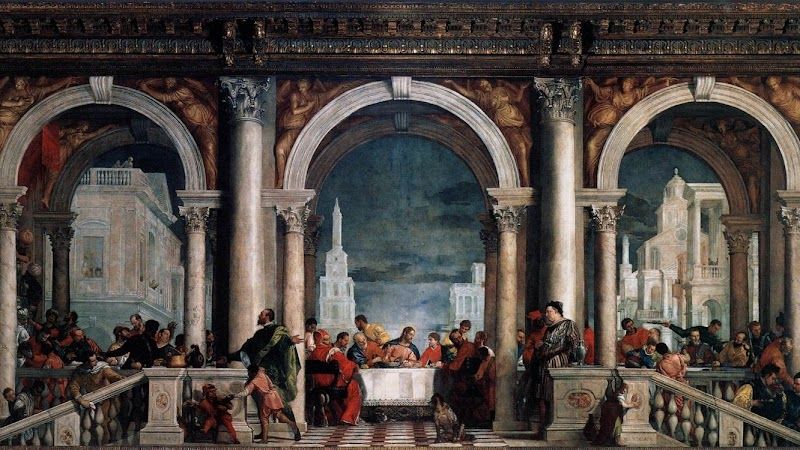
The art and student neighbourhood on the south bank: two of the best museums in Venice, the Grand Canal entrance with the Salute dome, Campo Santa Margherita for cheap spritz, and the Zattere waterfront walk.
Cannaregio
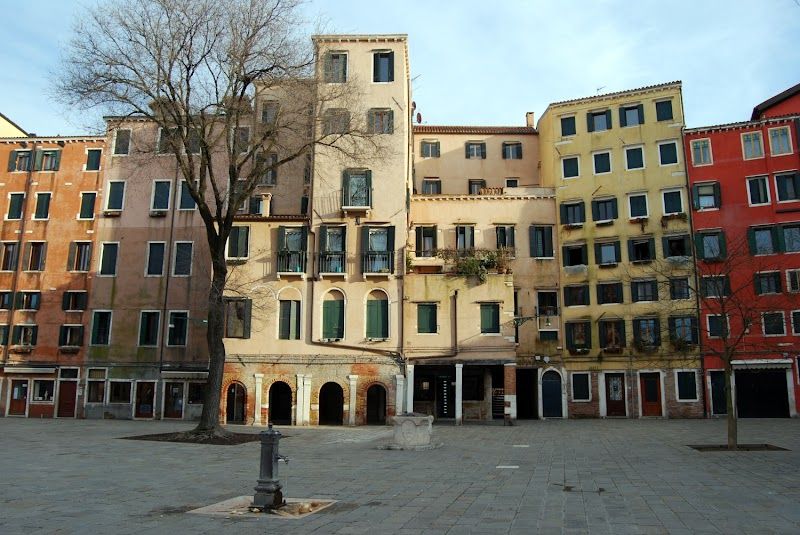
The most residential sestiere: the world's first Jewish Ghetto, the best bacari strips in Venice, Ca'd'Oro Gothic palace on the Grand Canal, and laundry lines where the tourist density drops to nearly zero.
Plan a trip featuring Castello & the Arsenale
Get a personalized Venice itinerary with Castello & the Arsenale built in.
Start Planning