The Freiburg im Breisgau vs Heidelberg debate splits travelers down the middle. Both cities anchor Germany's southwestern corner, both house prestigious universities, and both survived World War II better than most German cities. Yet they offer completely different experiences. Freiburg sits at the edge of the Black Forest with genuine medieval bones, while Heidelberg clusters around the Neckar River with Romantic-era charm that has seduced tourists since the 1800s.
After spending time in both cities, the choice comes down to what you value most. Freiburg gives you authentic medieval Germany without the tour bus crowds, plus direct access to the Black Forest. Heidelberg delivers Germany's most famous castle ruins and the kind of picturesque riverside setting that launched a thousand postcards. Neither disappoints, but they serve different travel personalities.
Architecture and Historic Centers
Freiburg's Rebuilt Medieval Core
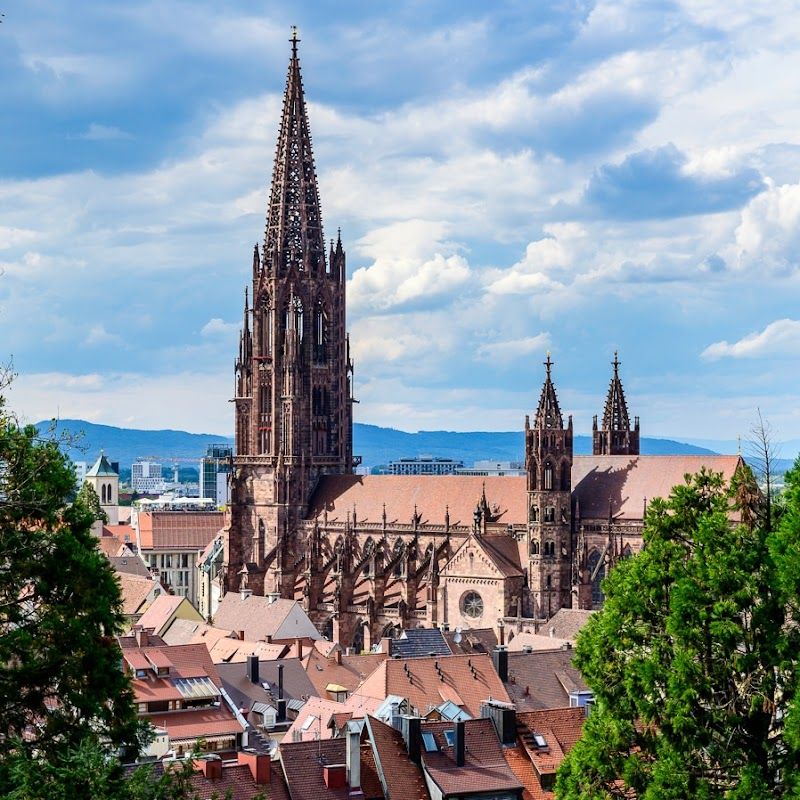
Freiburg's Altstadt represents one of post-war Germany's most successful reconstruction projects. The medieval street plan survived Allied bombing in 1944, and the city rebuilt using original stones and architectural plans. The result feels authentic because it largely is - the Freiburg Munster cathedral emerged completely intact, providing an anchor for the rebuilt surroundings.
The Bachle - narrow water channels running through cobblestone streets - function exactly as they did in medieval times, carrying mountain water down from the Black Forest to cool the city center. Walking from Martinstor to Bertoldsbrunnen, you pass 13th-century foundations supporting carefully reconstructed 15th-century facades. The Historisches Kaufhaus on Munsterplatz showcases this approach - original Gothic structure with period-accurate restoration.
Tower climb verdict: The Munster's 116-meter spire costs EUR 5 and offers unobstructed Black Forest views. Heidelberg Castle's gardens provide better photo opportunities, but Freiburg's cathedral climb gives you Germany's sunniest city spread below.
Heidelberg's Romantic Ruins
Heidelberg's old town survived bombing but embraces a different architectural philosophy. The famous castle ruins deliberately remain incomplete - a Romantic-era decision that helped establish Heidelberg as Germany's first major tourist destination. The Neckar River setting creates dramatic vertical layers: river, old town, castle ruins, forested hills.
Heidelberg's Altstadt architecture spans broader periods than Freiburg's. Baroque facades mix with Renaissance guild halls and Gothic church towers. The Hauptstrasse pedestrian zone stretches 1.6 kilometers through the historic center, creating Europe's longest pedestrian shopping street. This length works against intimate exploration - Freiburg's compact Altstadt encourages wandering, while Heidelberg's sprawling old town can feel like a linear march between major sites.
The Tourism Impact
Here's where the freiburg heidelberg tourism comparison gets stark. Heidelberg processes approximately 3.5 million visitors annually, with tour buses arriving from Frankfurt throughout the day. The old town adapts to this volume with international restaurant chains, souvenir shops, and multilingual signage. Summer afternoons on Heidelberg's Hauptstrasse feel theme-park dense.
Freiburg attracts roughly 800,000 visitors per year - substantial but manageable. The difference shows in restaurant quality (locals still eat in Freiburg's Altstadt), shop authenticity (bakeries outnumber souvenir stores), and evening atmosphere (students drinking rather than tourists photographing).
Location and Day Trip Access
Freiburg's Black Forest Advantage
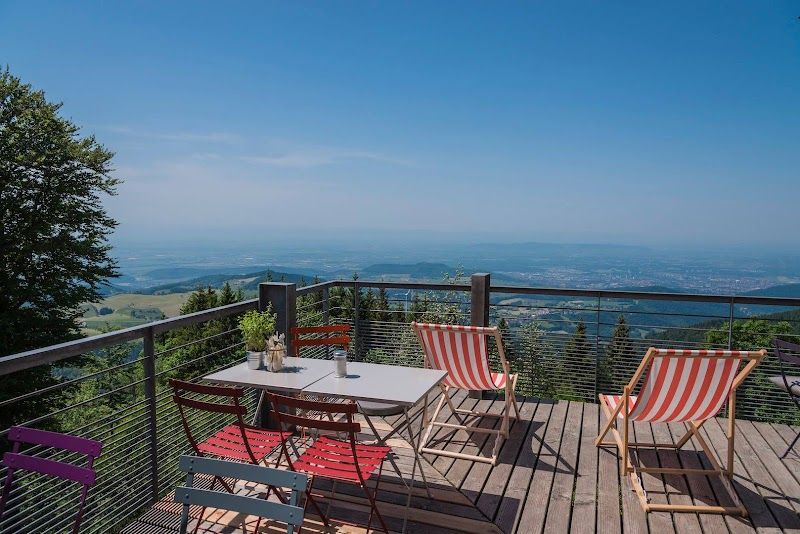
Freiburg's location at 278 meters on the Rhine plain, backed directly against the Black Forest, creates Germany's most dramatic urban-to-wilderness transition. You can walk from the Munster cathedral to dense forest trails in 15 minutes. The Schauinslandbahn cable car (EUR 13-21 return) lifts you from city center to 1,284-meter summit views in 20 minutes.
Day trip options from Freiburg favor outdoor activities and French proximity. Strasbourg sits 45 minutes east by train (EUR 15-25), offering Alsatian culture and architectural contrasts. Steinwasen Park provides family adventure activities (EUR 30-34 admission) 25 minutes into the Black Forest. The Oberried valley leads to traditional Black Forest villages where tourism hasn't overwhelmed local life.
Weather advantage: Freiburg averages 1,740 sunshine hours annually - Germany's highest. This matters for hiking, outdoor dining, and general mood during autumn/winter visits.
Heidelberg's Neckar Valley Position
Heidelberg occupies the Neckar Valley where the river breaks through the Odenwald hills toward the Rhine. This creates scenic river landscapes but limits hiking access compared to Freiburg's mountain backdrop. The Philosopher's Walk (Philosophenweg) provides the best local hiking, but serious Black Forest trails require driving 45-60 minutes south.
Day trip advantages favor cultural tourism. Frankfurt am Main sits 50 minutes north by ICE train, providing major city access and international airport connections. Stuttgart (40 minutes by train) offers urban sophistication and Porsche/Mercedes museums. The Romantic Road tourist route begins 60 kilometers northeast, leading to Rothenburg ob der Tauber and other medieval towns.
University Life and Student Culture
Academic Heritage Comparison
Both universities date to medieval origins - Heidelberg founded 1386, Freiburg 1457 - but developed different specializations. Heidelberg University claims Germany's oldest university status and educates 29,000 students across traditional humanities and medical research. Famous alumni include sociologist Max Weber and philosopher Hannah Arendt. The student presence concentrates in the old town, creating nightlife along Hauptstrasse and surrounding streets.
Freiburg University enrolls 25,000 students with stronger environmental science and engineering programs. The student quarter spreads across Stuhlinger and central neighborhoods rather than clustering in the Altstadt. This distribution creates more authentic neighborhood life - students live among families rather than dominating tourist areas.
Evening Entertainment
The heidelberg or freiburg better debate often centers on nightlife quality. Heidelberg's compact old town concentrates student bars, traditional pubs, and tourist restaurants within walking distance. Summer evenings bring outdoor dining along the Neckar riverside. The downside: authentic local spots get overwhelmed by tourist traffic.
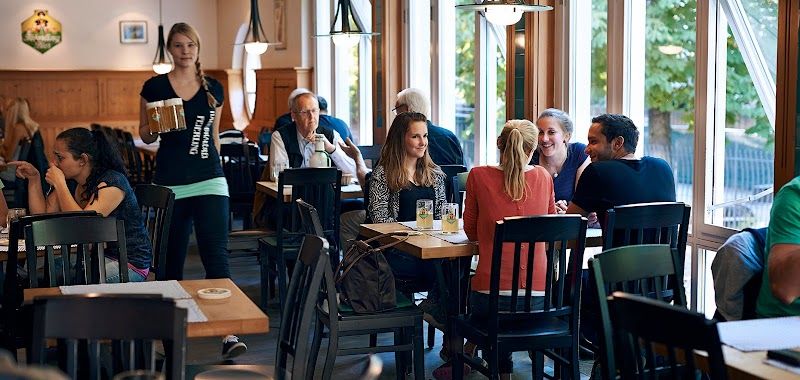
Freiburg spreads evening options across neighborhoods, encouraging exploration beyond the Altstadt. Hausbrauerei Feierling in the old town serves local Inselhopf beer alongside Badisch specialties (traditional dinner EUR 22-35). The Wiehre neighborhood offers family-run restaurants like Greiffenegg Schlössle without tourist markup.
Practical Travel Considerations
Getting There and Around
Transportation access favors Heidelberg significantly. ICE high-speed trains connect Heidelberg Hauptbahnhof directly to Frankfurt (45 minutes), Stuttgart (40 minutes), and other major cities. Freiburg requires connections for most long-distance routes, though direct ICE service to Frankfurt runs EUR 45-90 for the 2-hour journey.
Local transportation costs match between cities. Freiburg's RegioKarte 24-hour pass costs EUR 6.60 for unlimited tram/bus travel, while Heidelberg's equivalent runs similar rates. Freiburg's KONUS guest card advantage: hotel guests receive free public transportation throughout the entire Black Forest region, extending to Titisee, Baden-Baden, and other destinations.
Accommodation and Dining Costs
Family accommodation runs EUR 120-200 nightly for mid-range hotels in both old towns, with Freiburg slightly lower during peak summer months. The real difference appears in restaurant pricing and tourist markup. A traditional Gasthaus dinner costs EUR 22-35 in Freiburg compared to EUR 28-42 in Heidelberg's tourist zones.
Freiburg's daily market on Munsterplatz (Monday-Saturday 7:30 AM to 1:30 PM) offers bratwurst for EUR 4-5 and regional produce at local prices. Heidelberg's markets cater more to tourists with corresponding price increases. Coffee runs EUR 3-4.50 in both cities, but Freiburg maintains more authentic neighborhood cafes where locals actually drink.
Which City Wins Different Travel Priorities
Choose Freiburg If You Want
Authentic medieval atmosphere without overwhelming tourism. The rebuilt Altstadt feels lived-in rather than preserved-for-visitors. Students and locals use the same spaces as tourists, creating natural cultural exchange.
Direct outdoor access and hiking opportunities. No other German city offers this seamless transition from medieval squares to mountain trails. The Schlossberg provides city center hiking, while the Schauinsland cable car opens serious Black Forest exploration.
Better weather for outdoor activities. Germany's sunniest city matters for hiking, outdoor dining, and general travel comfort during shoulder seasons.
Family-friendly exploration without tourist trap pressures. Freiburg's budget-friendly family activities include free forest access, affordable cable car rides (EUR 13-21), and authentic local restaurants that welcome children.
Choose Heidelberg If You Want
Classic German Romantic scenery and famous castle ruins. Heidelberg delivers the Germany of poetry, literature, and tourism posters. The castle-river-old town composition photographs beautifully and matches romantic Germany expectations.
Better transportation connections for broader German exploration. Direct ICE service to major cities makes Heidelberg an efficient base for multi-city trips. Frankfurt Airport access (1 hour by train) simplifies international arrivals.
Concentrated historic sightseeing in a compact area. Everything significant sits within the old town walking zone. This efficiency appeals to travelers with limited time or mobility concerns.
Traditional German university town atmosphere with international recognition. Heidelberg University's reputation and student life create the quintessential German academic experience.
The Verdict: Different Cities for Different Travelers
The german university towns comparison doesn't produce a clear winner because Freiburg and Heidelberg succeed at different goals. Freiburg offers Germany's most livable medieval city with unmatched outdoor access, while Heidelberg provides Germany's most scenic university town with superior connectivity.
Choose Freiburg if you want to experience authentic German daily life in a medieval setting, plan outdoor activities, or prefer destinations where locals outnumber tourists. The city works particularly well for travelers interested in family-friendly medieval exploration or those using the Black Forest as a base for extended hiking.
Choose Heidelberg if you want classic German romantic scenery, need efficient connections to other major cities, or prefer concentrated sightseeing in well-established tourist infrastructure. Heidelberg serves travelers seeking German imagery and those using southwestern Germany as one stop on broader European itineraries.
Visit both if your schedule allows. The cities complement each other: Heidelberg for romantic Germany expectations, then Freiburg for authentic medieval life and Black Forest nature access. Train connections between the cities take 90 minutes with one change in Karlsruhe, making a dual visit practical for trips longer than four days.
For most independent travelers who value authenticity over convenience, Freiburg wins. For first-time German visitors who want guaranteed scenic beauty and smooth logistics, Heidelberg delivers. The best choice depends entirely on whether you prioritize experiencing real German life or capturing German imagery.