The Seville food tour industry has split into two camps: professional Seville food sherpas who run polished operations with branded aprons and set routes, and local guides who promise authentic experiences at family-run tabernas. After testing both approaches across multiple tours, the differences come down to more than just price points.
Food sherpas charge EUR 65-85 for their standard tours and follow predictable routes through Santa Cruz and Centro. Local guides ask EUR 35-50 and often venture into neighborhoods where tourists rarely go. But price alone doesn't determine value, and some expensive tours justify their cost while others pad their margins with mediocre stops.
What Seville Food Sherpas Actually Deliver
Professional food sherpas operate like tour companies rather than passionate locals showing off their city. They wear matching shirts, carry branded umbrellas, and stick to routes that prioritize convenience over authenticity. Their advantage is reliability - you know exactly what you're getting, when it starts, and where it ends.
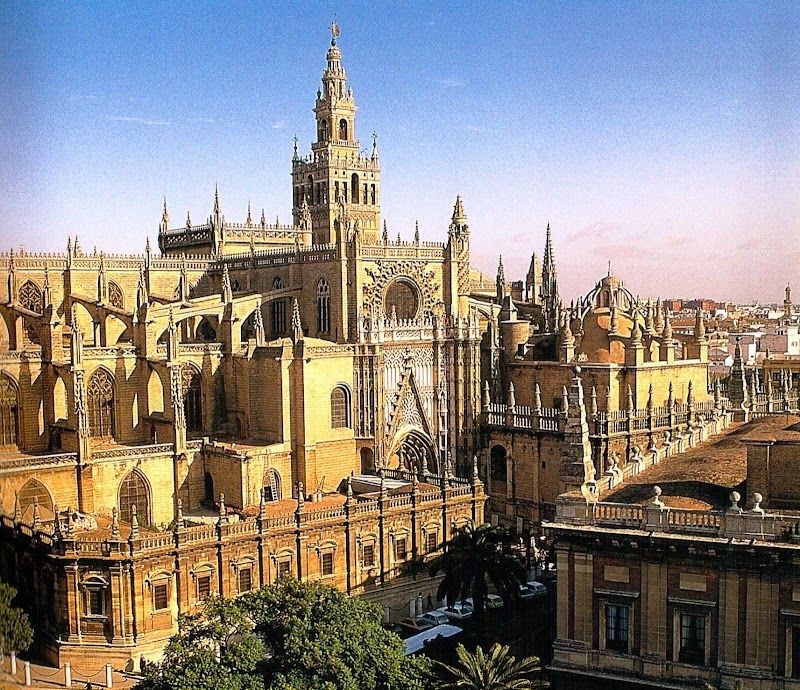
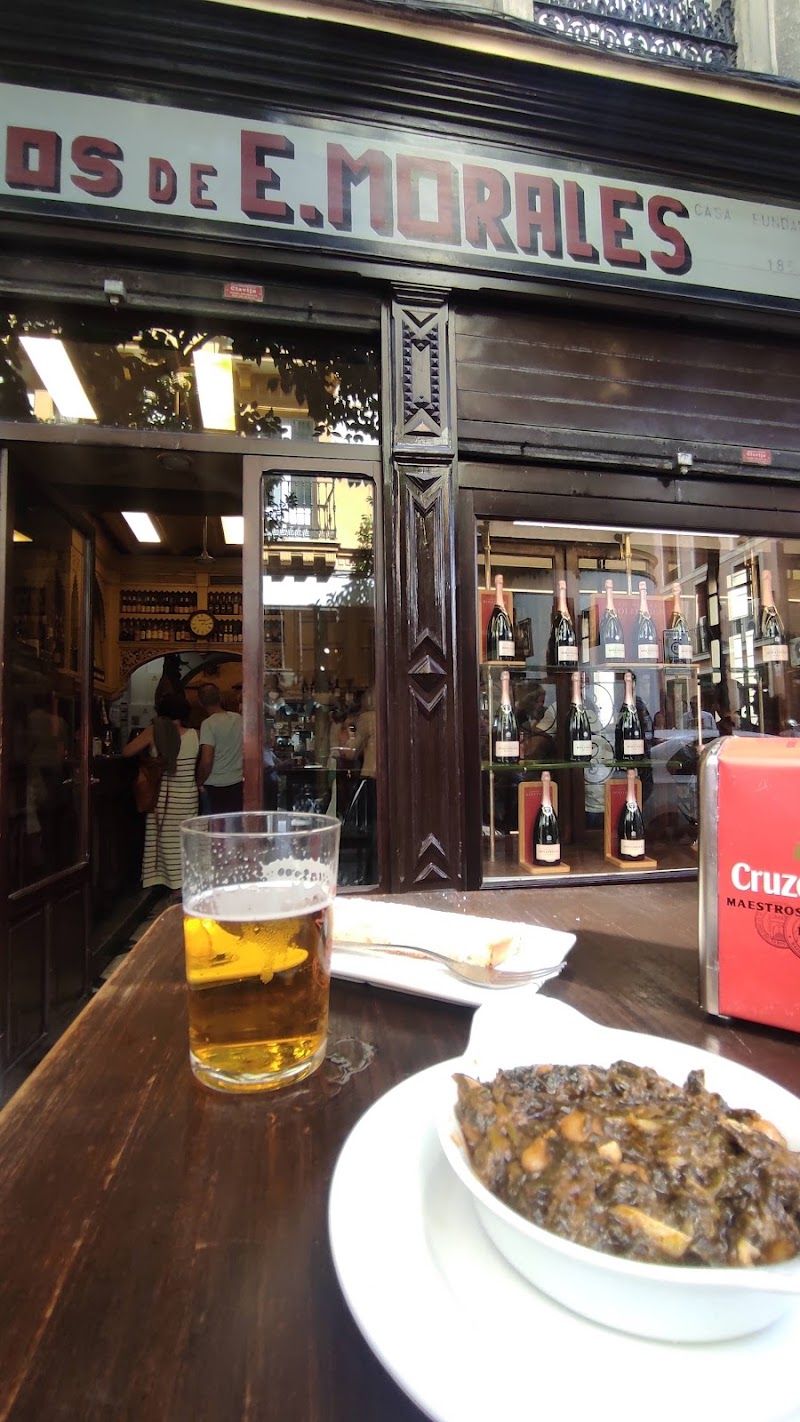
The typical sherpa route starts at Plaza Nueva, hits 4-5 predetermined restaurants, and concludes near the Cathedral after 3.5 hours. You'll visit El Rinconcillo, the oldest bar in Seville, where every tour group photographs the same jamón hanging from the ceiling. The food is good but predictable: jamón ibérico, manchego cheese, gazpacho, and fried fish.
Sherpa tours include everything in the price - no awkward moments calculating individual bills or wondering if the guide expects extra payment. They've negotiated group rates with restaurants, which means larger portions but less flexibility. If you hate anchovies, you're still getting anchovies because the menu was decided weeks ago.
The guides are knowledgeable about Spanish food culture and can explain the difference between Serrano and Ibérico ham, but they rarely have personal connections to the places you visit. They're selling information, not intimacy.
How Local Food Guides Operate Differently
Local guides in Seville are usually Spanish natives who fell into food touring accidentally - former teachers, bartenders, or restaurant workers who started showing friends around and turned it into income. Their strength is spontaneity and personal relationships with bar owners who greet them by name.
These tours feel more like following a knowledgeable friend than joining a commercial operation. Guides adjust routes based on what's fresh that day, which restaurants have space, and what the group seems to enjoy. They might skip the planned stop at Taberna Coloniales if they notice excellent-looking pescaíto frito at a place that's not on any tourist radar.
The downside is unpredictability. Local guides sometimes show up 15 minutes late, change the meeting point via WhatsApp, or discover their favorite tapas bar is closed for a private event. You're buying authenticity, not efficiency.
Local guides also handle payment differently. Some include all food and drinks in their fee, while others expect you to pay individually at each stop. This can create awkward moments when the group realizes they need to split a EUR 45 bill five ways, or when someone orders extra drinks without mentioning it.
Price Breakdown: What You're Actually Paying For
Food sherpa tours cost EUR 65-85 per person and include:
- Professional guide with formal training
- All food and drinks at 4-5 stops
- Educational materials or maps
- Guaranteed English fluency
- Insurance coverage
Local guide tours cost EUR 35-50 and typically include:
- Native Spanish guide with personal connections
- Food and drinks at 3-4 stops (usually included, sometimes separate)
- Flexible routing based on daily specials
- Smaller group sizes (4-8 people vs 10-15)
- More time at each location
The math shows sherpas aren't necessarily overpriced. If you calculate the individual cost of tapas, drinks, and a guide's time, EUR 75 becomes reasonable for a 3.5-hour experience that includes EUR 30-40 worth of food and drinks per person.
Local guides offer better value if you prioritize authentic experiences over convenience, but their lower prices sometimes reflect corners cut on food quality or portion sizes.
The Best Seville Food Tour Routes
Successful food tours in Seville, regardless of guide type, follow geographical logic. The city's heat makes long walks between stops miserable, so smart guides cluster their restaurants within 2-3 blocks.
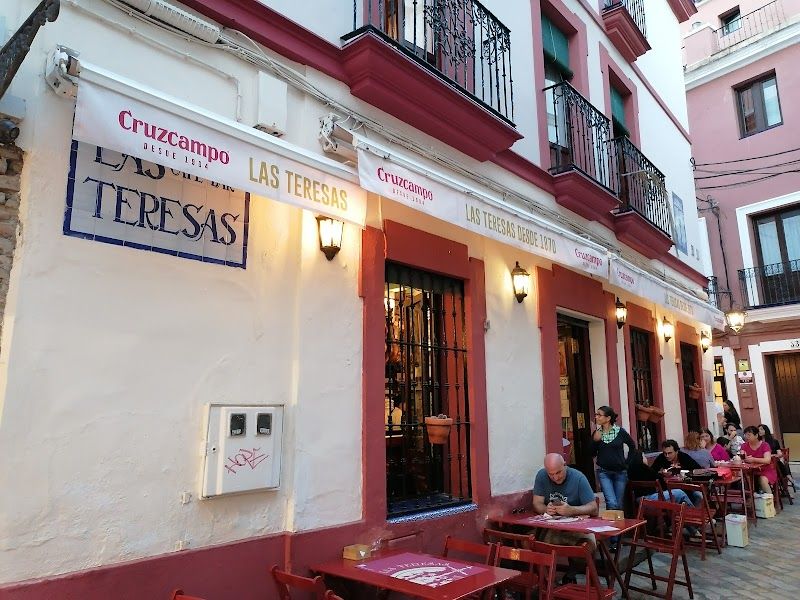
The classic sherpa route covers Santa Cruz and the Cathedral area, hitting tourist-friendly spots with air conditioning and English menus. You'll eat at Bar Las Teresas, where ham hangs from the ceiling and tourists photograph their food more than they eat it. The food is authentic but the atmosphere feels performed.
Better local guides venture into Triana, the neighborhood across the river that most tourists skip. Here you'll find bars where locals still outnumber visitors, and where bartenders remember your drink order after one visit. The Mercado de Triana offers excellent context about Seville's food culture, and most sherpa tours skip it entirely.
The best route we experienced started in Triana, crossed into El Arenal for riverside tapas, then finished in Centro at bars where flamenco musicians sometimes appear spontaneously. This route requires local knowledge that sherpa companies rarely possess.
What Food Tours Miss About Seville
Both sherpas and local guides struggle to capture Seville's most important food tradition: the unhurried afternoon tapeo. Real tapas culture happens between 1 PM and 4 PM, when Sevillanos move slowly between bars, ordering one tapa and one drink before walking to the next place.
Tours compress this into efficient packages, visiting 4-5 places in 3 hours with predetermined portions. You'll taste excellent food but miss the social rhythm that makes tapas culture meaningful to locals. Tours treat food as entertainment rather than lifestyle.
The other missing element is seasonal awareness. Seville's food changes dramatically with temperature - gazpacho disappears in winter, hot dishes dominate cold months, and summer menus emphasize chilled soups and cold cuts. Most tour operators stick to year-round crowd-pleasers rather than seasonal specialties.
Sherpas are particularly guilty of ignoring seasons because their routes and partnerships lock them into consistent offerings. Local guides have more flexibility but often default to safe choices when guiding international visitors who might not appreciate winter comfort foods.
When Food Sherpas Make Sense
Choose a professional Seville food sherpa if you're visiting during peak season (April-June, September-October), traveling with dietary restrictions, or need guaranteed English communication. Sherpas excel at managing logistics - they know which restaurants can accommodate gluten-free requests, which places have vegetarian options beyond cheese and bread, and how to keep groups moving efficiently.
Sherpas also work better for larger groups or corporate events where consistent quality matters more than authentic discovery. Their partnerships with restaurants ensure adequate seating and predictable timing, which matters when you have dinner reservations afterward.
For first-time visitors to Spain who need context about tapas culture, sherpas provide structured education about food history, preparation methods, and eating customs. They explain why Spaniards eat dinner at 10 PM and drink small beers with every tapa, contextualizing the experience beyond just tasting food.
When Local Guides Deliver Better Value
Local food guides work best for repeat visitors to Seville, experienced travelers comfortable with uncertainty, and small groups seeking intimate experiences. Their insider knowledge reveals parts of Seville that tour companies can't access - family-run places that refuse group bookings, seasonal specialties that change weekly, and neighborhood bars where conversations with locals happen naturally.
Local guides also adapt better to individual preferences. If your group loves seafood, they'll adjust the route toward coastal preparations. If someone requests vegetarian options, they know which places make excellent vegetable-based tapas rather than defaulting to cheese plates.
The best local guides we encountered were former restaurant workers who understood food preparation and could explain regional variations in traditional dishes. They knew which bars made their own chorizo, which places bought frozen croquetas, and where to find the city's best tortilla española on any given day.
Red Flags in Seville Food Tour Marketing
Avoid tours that promise "s" or "places tourists never find" - authentic spots in Seville aren't hidden, they're just in neighborhoods where visitors don't usually go. Real local knowledge shows up in seasonal awareness and personal relationships, not secret locations.
Be skeptical of tours that include more than 6 stops - you'll spend more time walking than eating, and later stops suffer as groups become tired and full. Quality tours focus on 3-4 carefully chosen places with enough time to understand each location's specialty.
Watch for tours that bundle flamenco shows or other attractions - food tours work best when they focus exclusively on eating and drinking culture. Combined packages usually deliver mediocre experiences across multiple activities.
Making the Most of Any Seville Food Tour
Regardless of guide type, arrive hungry but not starving. Tours pace food over several hours, and desperate hunger leads to poor decision-making at early stops. Eat a light breakfast and skip lunch.
Ask about drink policies upfront. Some tours include unlimited wine and beer, others provide one drink per stop, and budget options might exclude alcohol entirely. Understanding this prevents awkward moments when bills arrive.
Speak up about dietary restrictions during booking, not when you arrive. Seville's traditional tapas lean heavily on pork, seafood, and dairy. Vegetarian options exist but require advance planning, especially with sherpa companies that pre-order group meals.
The Verdict: Which Tours Actually Work
After testing multiple operators, the best food experiences in Seville come from small local guides who balance authenticity with professionalism. Look for guides who are Spanish natives, speak fluent English, include all food and drinks in their price, and limit groups to 6-8 people.
Avoid the cheapest options that exclude drinks or expect individual payment at each stop - the logistics become clunky and the math usually works out similarly to all-inclusive pricing. Also skip the most expensive sherpa tours that pad their routes with tourist attractions rather than focusing on food.
The sweet spot is EUR 55-65 for a 3-hour tour that visits 4 carefully chosen locations with a knowledgeable guide who has personal relationships with restaurant owners. This balances authentic discovery with professional execution.
For visitors who prioritize convenience and reliability over discovery, established sherpa companies deliver predictable quality at fair prices. For those seeking genuine cultural immersion through food, experienced local guides provide access to Seville's real tapas culture that commercial tours can't replicate.
Either choice beats attempting to navigate Seville's food scene independently during a short visit. The city's best bars don't advertise online, menus are rarely translated, and locals eat according to rhythms that visitors struggle to understand. A good guide, whether sherpa or local, provides context that transforms eating from consumption into cultural education.
The key is matching tour style to your priorities and travel experience. Seville's food culture rewards curiosity and patience, qualities that the best guides cultivate regardless of their professional background or pricing structure.