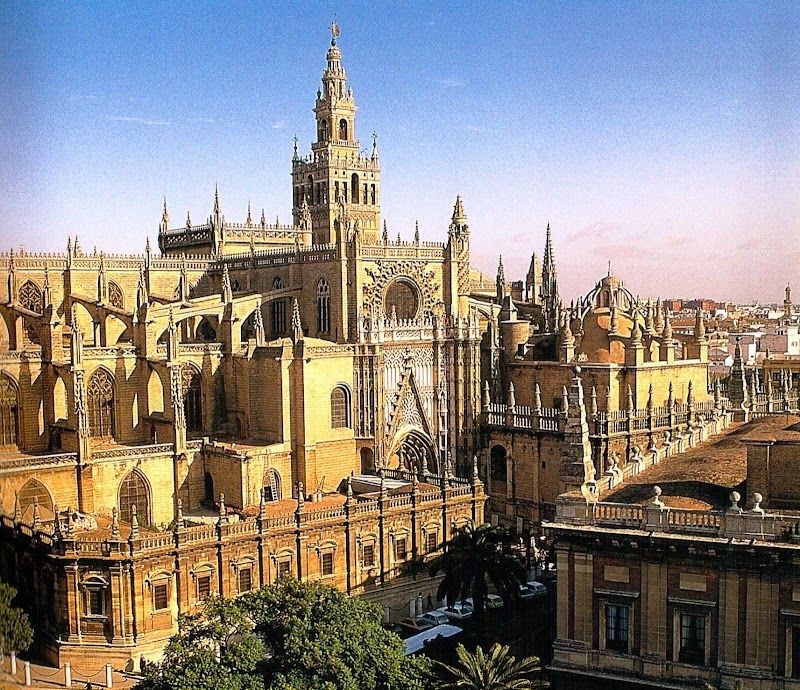
Walking into a traditional Seville restaurant without understanding the menu is like trying to navigate the Cathedral without a map - you'll miss the best parts. The seville food menu landscape spans centuries-old recipes that locals guard fiercely, and decoding these menus requires more than basic Spanish. You need to understand Andalusian food culture, regional specialties, and the subtle differences between what tourists order and what Sevillanos actually eat.
Seville's dining culture operates on its own schedule. Lunch starts at 2 PM (never earlier), dinner begins at 9 PM, and the concept of eating a sandwich at noon will earn you puzzled looks. The city's menus reflect this rhythm, with different offerings throughout the day that most guidebooks ignore.
Essential Spanish Menu Categories Every Seville Visitor Should Know
Spanish menus follow a predictable structure that becomes second nature once you understand the categories. Most seville restaurant menu guide resources overlook the importance of timing - what's available changes dramatically throughout the day.
Desayuno (Breakfast): 8 AM - 11 AM
Tostada con tomate y aceite (EUR 2.5-5) remains the breakfast king in Seville. This isn't toast with tomato - it's grilled bread rubbed with fresh tomato, drizzled with olive oil, and sprinkled with salt. The quality varies wildly between establishments, and locals judge cafes entirely on their tostada execution.
Café con leche pairs with most breakfast items, but don't order it after 11 AM unless you want to mark yourself as a tourist. Sevillanos switch to café solo (espresso) for the rest of the day.
Churros con chocolate appears on weekend breakfast menus, but skip the tourist trap versions near the Cathedral. The best churros come from neighborhood bars in Centro where locals queue on Sunday mornings.
Almuerzo (Lunch): 2 PM - 4 PM
Lunch represents serious business in Seville. The menú del día (EUR 12-18) offers three courses plus bread, drink, and dessert or coffee. This fixed-price option provides the best value for experiencing traditional Andalusian cooking.
Primer plato (first course) typically includes soups, salads, or rice dishes. Segundo plato features meat or fish with garnish. Postre covers dessert, though many locals choose coffee instead.
Tapas: All Day (But Best 7 PM - 10 PM)
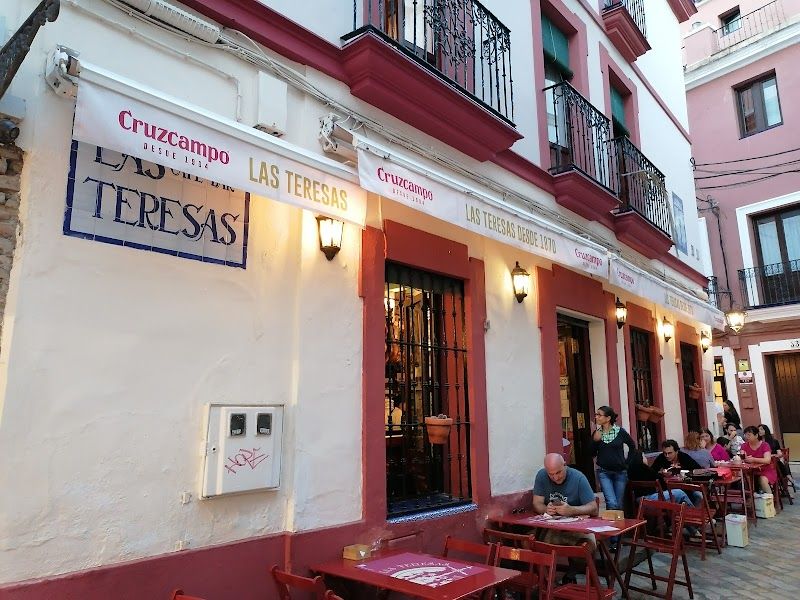
Tapas culture in Seville differs significantly from Madrid or Barcelona. Many bars still provide free tapas with drinks, particularly in traditional establishments like El Rinconcillo. Understanding tapa terminology prevents ordering disasters.
Cena (Dinner): 9 PM - Midnight
Dinner menus expand beyond daytime offerings, featuring more elaborate preparations and higher prices. Many restaurants don't serve dinner before 8:30 PM, and attempting to order earlier results in limited options or closed kitchens.
Decoding Andalusian Food Terms on Seville Menus
Andalusian cuisine uses specific terminology that differs from standard Spanish food vocabulary. These andalusian food terms appear consistently across Seville menus, and understanding them transforms your dining experience.
Cooking Methods That Define Seville Cuisine
A la plancha means grilled on a flat iron plate, the preferred method for fish in Seville. Frito indicates deep-frying, common for fish and vegetables. Guisado refers to stewing, typically used for meat dishes with sauce.
Al ajillo (with garlic) appears frequently, particularly with shrimp and mushrooms. The preparation involves olive oil, garlic, and often a touch of white wine or sherry.
Rebozado means battered and fried, while empanado indicates breaded and fried. Both techniques appear in traditional Seville preparations, but the results differ significantly.
Regional Ingredients You'll Encounter
Manzanilla refers to both a type of olive and a style of sherry. On menus, context determines the meaning. Aceitunas manzanilla are small, mild olives served as appetizers. Manzanilla wine appears in seafood preparations and as a drink option.
Jamón ibérico requires understanding quality grades. Jamón ibérico de cebo represents the basic level, while jamón ibérico de bellota commands premium prices (around EUR 8-12 per portion) due to acorn-fed pigs.
Gazpacho varies by establishment and season. Summer gazpacho uses tomatoes as the base, while salmorejo (from nearby Córdoba but common in Seville) creates a thicker consistency with bread and often includes hard-boiled egg and ham garnish.
Fish and Seafood Terminology
Boquerones are white anchovies marinated in vinegar, completely different from canned anchovies. Anchoas refer to salt-cured anchovies, typically used as garnish rather than standalone dishes.
Fritura de pescado encompasses mixed fried fish, a Seville specialty that showcases the city's relationship with fresh seafood despite being inland. Quality establishments change their fritura selection based on daily market availability.
Raya (skate wing) appears on traditional menus, often prepared with pimentón (paprika) and garlic. Urta (red sea bream) represents a premium fish option, typically priced around EUR 18-25 for a main portion.
Local Seville Specialties You Won't Find Elsewhere
Seville's culinary identity centers on dishes that developed specifically in this city. These specialties appear on traditional restaurant menus throughout Santa Cruz and Triana, but tourist-focused establishments often prepare inferior versions.
Signature Dishes Every Menu Should Include
Espinacas con garbanzos (spinach with chickpeas) represents Seville's Moorish culinary heritage. The dish combines spinach, chickpeas, olive oil, garlic, and spices in a preparation that varies between restaurants. Quality versions include comino (cumin) and pimentón dulce (sweet paprika).
Cola de toro (bull's tail stew) appears on traditional menus, particularly in restaurants near the bullring. The preparation requires slow cooking with wine and vegetables, resulting in tender meat that falls off the bone. Expect to pay around EUR 16-20 for a proper portion.
Huevos a la flamenca combines eggs with tomato sauce, vegetables, and often chorizo or jamón. Despite the name, this dish originated in Seville, not with flamenco culture. Many restaurants prepare individual portions in small clay dishes.
Market-Dependent Specialties
Tagarninas (golden thistles) appear on menus during winter months, typically prepared with chickpeas and cod. This wild green requires specific preparation to remove bitterness, and quality varies significantly between establishments.
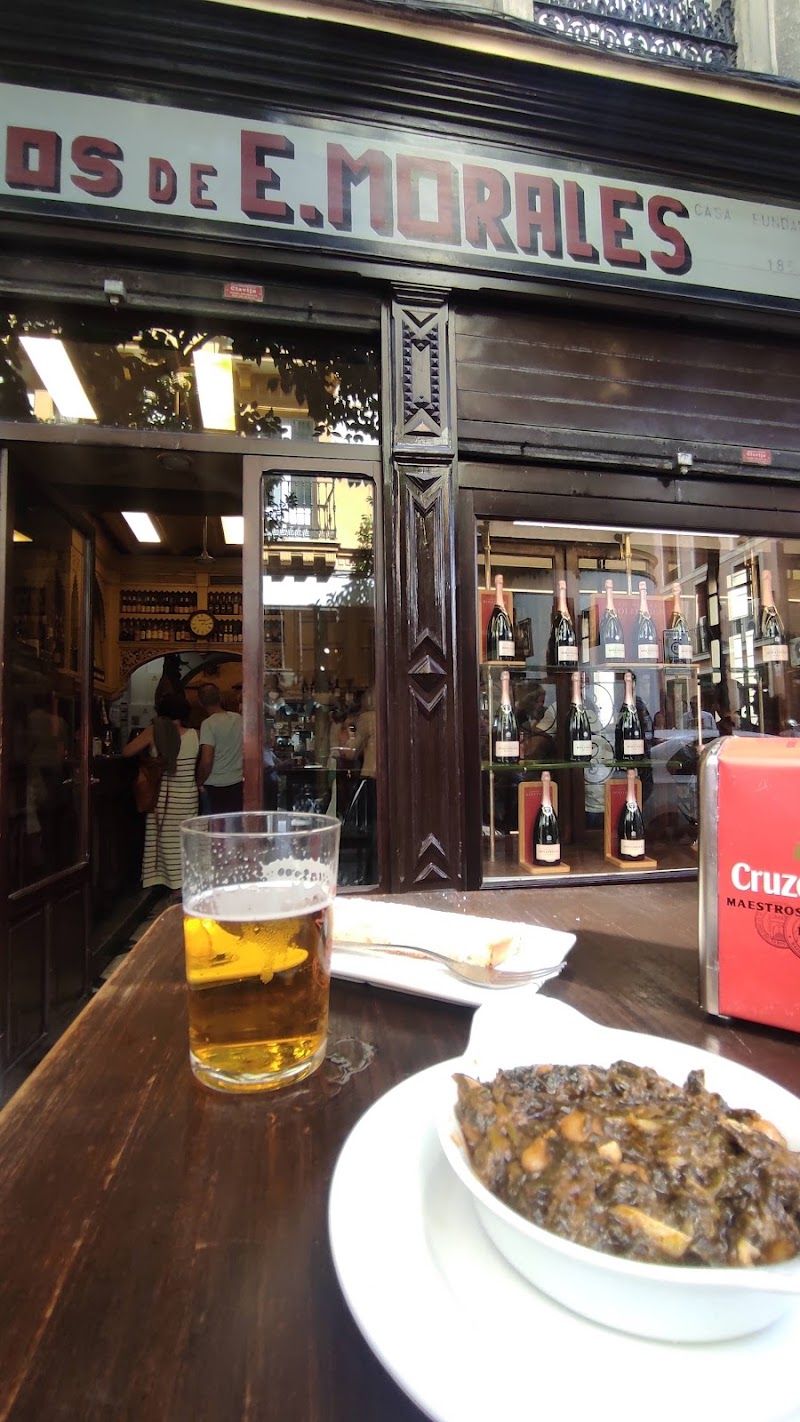
Habas con jamón (broad beans with ham) represents spring eating in Seville. The preparation seems simple but requires perfect timing - overcooked habas become mushy and unpalatable. Traditional bars like Casa Morales execute this dish properly.
Pescaíto frito encompasses various small fish fried in olive oil. The selection changes daily based on market availability, but typically includes boquerones, chanquetes, and salmonetes (red mullet). A mixed portion costs around EUR 12-15.
Understanding Seville's Unique Dining Customs and Menu Structure
Seville restaurants operate according to local customs that affect menu availability and dining experience. Understanding these customs prevents disappointment and ensures better meals.
The Tapas Bar Reality Check
Not all Seville bars serve food throughout the day. Many traditional establishments close their kitchens between lunch and dinner service, offering only drinks and perhaps aceitunas (olives) during afternoon hours.
Raciones represent larger portions of tapas, suitable for sharing between two people. Media ración provides a middle option between individual tapas and full raciones. Pricing typically follows a 1:1.5:2.5 ratio (tapa:media ración:ración).
Free tapas with drinks still exists in traditional bars, but don't expect elaborate preparations. Free tapas usually include aceitunas, boquerones, or simple montaditos (small sandwiches). Quality paid tapas start around EUR 3-8 depending on ingredients and preparation.
Menu del Día Strategy
The menú del día provides excellent value but requires strategic ordering. First courses tend to be lighter - soups, salads, or paella (when available). Second courses feature more substantial proteins with garnish.
Many restaurants offer wine or beer included with the menu price, but upgrade options exist for better wine quality. Postre choices typically include flan, fruta del tiempo (seasonal fruit), or industrial ice cream. Coffee upgrade usually costs EUR 1-2 additional.
Some establishments offer weekend menús del día with expanded options and higher prices (EUR 15-25). These weekend menus often include dishes that don't appear on weekday offerings.
Seasonal Menu Variations
Seville menus change significantly with seasons, reflecting both ingredient availability and climate considerations. Summer menus emphasize cold preparations - gazpacho, salmorejo, and grilled fish. Winter menus include more stews and hot preparations.
Guisos (stews) appear on menus from October through March, disappearing entirely during summer months. Cocido andaluz (Andalusian chickpea stew) represents winter comfort food, typically served only on specific weekdays.
Spring brings espárragos trigueros (wild asparagus) and habas to menus throughout the city. These ingredients command premium prices due to short seasons and labor-intensive harvesting.
Navigating Different Types of Seville Restaurants
Seville's restaurant landscape includes various establishment types, each with distinct menu styles and pricing structures. Understanding these differences helps you choose appropriate restaurants for specific occasions and budgets.
Traditional Tabernas and Their Menus
Traditional tabernas like those found near Mercado de Triana maintain classic Andalusian menu formats. These establishments often handwrite daily specials on chalkboards, reflecting market availability and seasonal ingredients.
Taberna menus typically feature simple preparations that highlight ingredient quality rather than complex techniques. Expect jamón ibérico, queso manchego, boquerones, and seasonal vegetables prepared traditionally.
Pricing at traditional tabernas remains reasonable - EUR 3-6 for most tapas, EUR 8-15 for raciones, and EUR 2-4 for local wine or beer. Many tabernas don't accept credit cards, so carry cash.
Modern Andalusian Restaurants
Contemporary restaurants in areas like El Arenal reinterpret traditional Andalusian cuisine with modern techniques. These establishments often provide English menu translations, but understanding Spanish terminology helps you appreciate the creativity involved.
Modern menus might list "Gazpacho de remolacha con helado de cabra" (Beetroot gazpacho with goat cheese ice cream) or "Atún rojo con manzanilla y aceitunas" (Bluefin tuna with manzanilla and olives). Prices reflect the elevated preparations - expect EUR 12-18 for starters and EUR 20-30 for main courses.
Tourist-Focused Establishments vs Local Favorites
Restaurants near major attractions like the Cathedral often cater to international tourists with multilingual menus and familiar preparations. These establishments typically charge premium prices for standard quality.
Local favorites concentrate in residential neighborhoods away from tourist areas. These restaurants assume Spanish fluency and traditional preferences. Menus may lack English translations, but the food quality and pricing typically surpass tourist-focused alternatives.
Our comprehensive food guide provides specific restaurant recommendations across all categories and neighborhoods.
Spanish Menu Vocabulary for Successful Seville Dining
Mastering essential spanish food vocabulary transforms menu navigation from guesswork to informed decision-making. These terms appear consistently across Seville restaurants, from neighborhood bars to upscale establishments.
Preparation and Cooking Terms
Asado indicates roasting, typically in an oven. A la parrilla means grilled over coals or gas flames. Salteado refers to sautéing in a pan with oil and often garlic.
En salsa means the dish includes sauce, though sauce types vary widely. En su jugo indicates cooking in natural juices without added liquid. Al horno specifically means oven-baked.
Crudo means raw, appearing in preparations like atún crudo (raw tuna) in modern restaurants. Marinado indicates marinating, common with fish and vegetable preparations.
Texture and Temperature Descriptors
Tierno describes tender meat or vegetables. Crujiente means crispy, often used for fried preparations or vegetable garnishes. Jugoso indicates juicy, typically applied to meat dishes.
Caliente means hot temperature, while picante indicates spicy heat (though Andalusian cuisine rarely uses significant spice). Fresco can mean fresh ingredients or cool temperature, depending on context.
Portion and Serving Information
Para compartir indicates dishes designed for sharing. Individual specifies single-person portions. Mínimo 2 personas means minimum two people must order the dish.
Según temporada indicates seasonal availability. Según mercado means pricing depends on market rates, typically for premium fish or seafood. Consultar precio requires asking for current pricing.
Practical Menu Navigation Tips for Seville Restaurants
Successful Seville dining requires understanding both written menus and unwritten customs that affect your restaurant experience. These practical strategies help you order confidently and avoid common tourist mistakes.
Asking Questions Without Seeming Ignorant
¿Qué me recomienda? (What do you recommend?) works in any restaurant and often yields better suggestions than random menu selection. Follow up with ¿Es especialidad de la casa? (Is it a house specialty?) to confirm the recommendation quality.
¿Está muy picante? (Is it very spicy?) prevents unpleasant surprises, though most Seville cuisine lacks significant heat. ¿Tiene pescado/marisco? (Does it contain fish/seafood?) helps those with allergies or dietary restrictions.
¿Cómo viene? (How does it come?) elicits preparation details that menu descriptions might omit. This question particularly helps with tapas selection when you're unsure about ingredients or preparation methods.
Decoding Daily Specials and Verbal Offerings
Many Seville restaurants announce daily specials verbally rather than writing them on menus. Platos del día typically offer better value and fresher ingredients than standard menu items.
Listen for acabamos de hacer (we just made) or muy fresco (very fresh) when servers describe specials. These phrases indicate recently prepared items using quality ingredients.
No tenemos (we don't have) followed by menu items indicates temporary unavailability, often due to ingredient quality concerns rather than simple shortage.
Timing Your Orders Strategically
Order timing affects food quality in Seville restaurants. Pescado frito tastes best when ordered early in meal service, before oil temperature fluctuates from repeated use. Arroces (rice dishes) require 20-30 minutes preparation time and work best when ordered simultaneously by your entire table.
Postres caseros (homemade desserts) often sell out during busy periods. Ask about dessert availability when ordering main courses to avoid disappointment.
Many restaurants prepare certain dishes only during specific hours. Callos (tripe stew) might only be available for lunch service, while pescaíto frito often isn't prepared until evening hours when oil temperature reaches optimal levels.
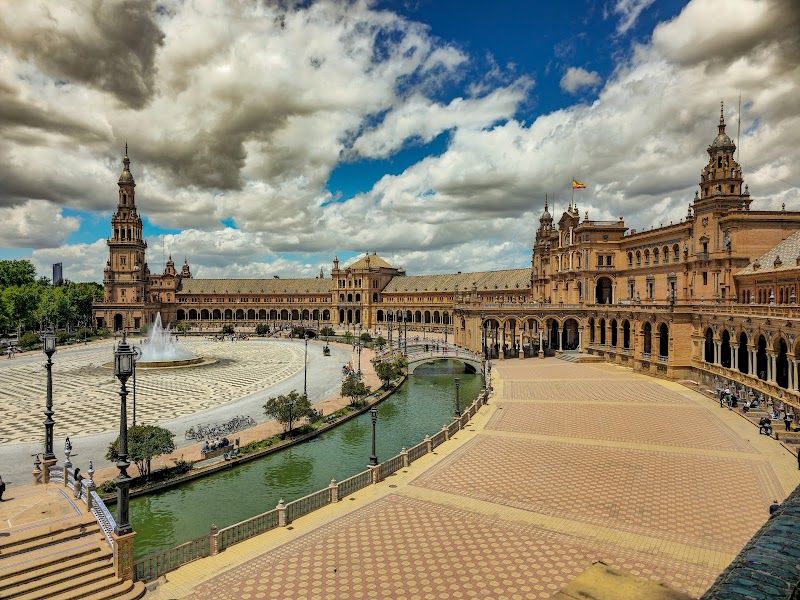
Understanding Seville's menu landscape requires patience and curiosity, but the payoff comes through discovering dishes that most visitors never encounter. The city's food culture rewards those who venture beyond basic spanish menu translation to embrace local dining customs and seasonal specialties. Whether you're exploring traditional tabernas in Triana or modern interpretations near Plaza de España, menu literacy opens doors to authentic Andalusian flavors that define this remarkable city.