Sangria is what cruise ship passengers order. Seville summer wine starts with understanding that when the mercury hits 40°C at 3 PM, locals aren't sipping heavy reds or tourist traps. They're drinking wines that were developed specifically for this brutal heat, served at temperatures and in combinations that actually make sense when the asphalt is melting.
The truth is that Seville's wine culture is built around survival. This city sits in the heart of Andalusia where summers regularly exceed 40 degrees Celsius, and the wine drinking habits reflect centuries of adaptation to extreme heat. The drinks that work here aren't the ones featured on Instagram or in guidebooks - they're the ones that keep you functional when stepping outside feels like opening an oven door.
The Science Behind Seville Sherry Summer Drinking
Sherry isn't just Seville's local wine - it's the city's summer survival strategy. Seville sherry summer drinking revolves around three specific types that locals swear by when the heat becomes unbearable. Manzanilla, the lightest and most saline of the sherries, comes from Sanlúcar de Barrameda just 90 minutes south and arrives in Seville bars at exactly 6-8°C.
Fino sherries work because of their alcohol content (15-17%) and bone-dry profile. Unlike regular wines that feel heavy in extreme heat, these fortified wines actually create a cooling sensation. The higher alcohol content means you drink less volume while the dry finish prevents the cloying sweetness that becomes nauseating in high temperatures.
At El Rinconcillo on Gerona street (the city's oldest tapas bar dating to 1670), a glass of fino costs EUR 2.5 and comes served in the traditional copa, a small tulip-shaped glass that concentrates the aromas while limiting exposure to warm air. The bartenders here pour directly from barrels stored in the coolest part of the basement, and they'll tell you that serving sherry at anything above 8°C in summer is criminal behavior.
Manzanilla takes the cooling effect further. This coastal sherry develops under a layer of flor yeast that creates a distinctly saline character. When you're losing salt through constant sweating, manzanilla actually helps replace electrolytes while providing the mental reset that comes with alcohol. It pairs perfectly with anchovies, olives, and jamón - foods that also help maintain salt levels.
Tinto de Verano: The Real Local Alternative to Sangria
Seville sangria is a tourist trap, but tinto de verano is what locals actually drink. This simple combination of red wine and lemon soda (usually Casera brand) represents everything smart about Andalusian summer drinking. The ratio is typically 50/50, the wine is always a basic young red that costs under EUR 3 per bottle, and it's served over ice in large glasses.
The genius of tinto de verano lies in its simplicity and temperature. Unlike sangria, which requires fruit preparation and often includes brandy (making it heavier and more alcoholic), tinto de verano takes 30 seconds to prepare and delivers immediate cooling. The lemon soda adds effervescence that makes the drink feel lighter, while the citrus provides vitamin C that your body craves in extreme heat.
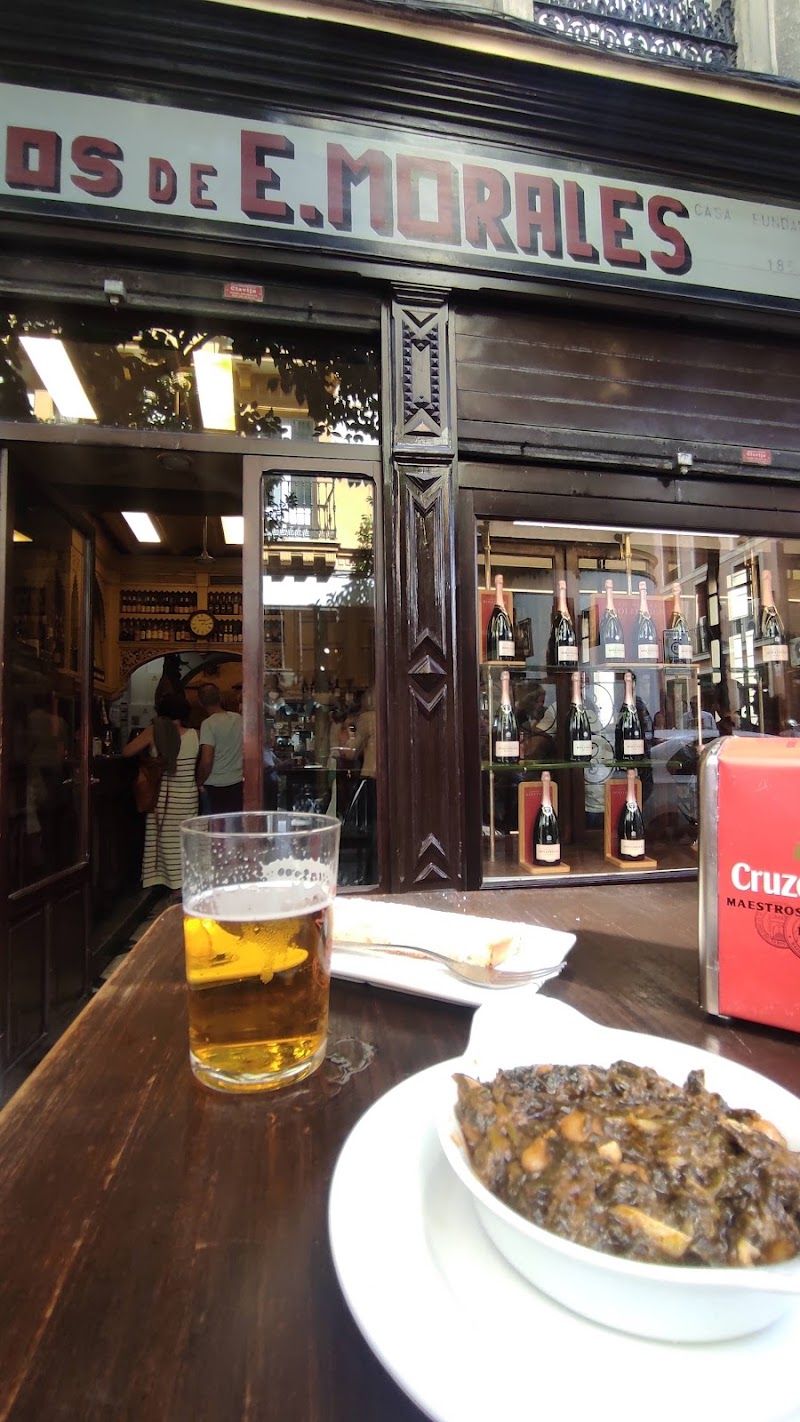
At Casa Morales on García de Vinuesa street, they serve tinto de verano for EUR 2-4 depending on the wine quality. The house version uses a local Tempranillo from Córdoba province mixed with Casera lemon soda. The bartender fills a large glass with ice, pours the wine to the halfway mark, tops with soda, and serves it immediately. No garnish, no ceremony, no Instagram potential - just effective heat management.
The drink works because it's designed for volume consumption. You can drink three tinto de veranos in the time it takes to finish one glass of regular wine, and the lower alcohol content (typically 6-8% after mixing) means you stay hydrated longer. Locals often order them in rounds of two or three glasses, drinking them quickly while they're still cold.
Seville Wine Bars That Understand Summer
The best Seville wine bars for summer drinking aren't the ones with extensive wine lists or temperature-controlled storage. They're the ones that understand the relationship between heat, thirst, and local drinking culture. These bars have adapted their service, pricing, and wine selection specifically for temperatures that regularly exceed human comfort levels.
La Bodega Santa Cruz: Sherry Headquarters
La Bodega Santa Cruz on Rodrigo Caro street operates as Seville's unofficial sherry headquarters. This tiny bar has no seating and barely room for 15 people standing, but it serves the city's coldest fino. The owners keep their sherry barrels in a basement that stays at 18°C year-round, and they serve glasses at 6°C exactly.
The selection focuses on working sherries: manzanilla from Barbadillo (EUR 2.5 per glass), fino from Tio Pepe (EUR 3), and amontillado from Lustau (EUR 4). These aren't rare bottles for collectors - they're everyday drinking sherries chosen specifically for their cooling properties and food-pairing abilities.
What makes La Bodega Santa Cruz essential for summer wine drinking is their understanding of volume and timing. Locals stop by for 2-3 quick glasses between 1-2 PM (before the afternoon shutdown) or 8-9 PM (when the heat finally breaks). The bar operates on rapid turnover - you drink, eat some olives or jamón, and leave. No lingering over wine in this heat.
Eslava: Modern Wine Bar with Heat Awareness
Eslava on Eslava street represents the newer generation of Seville wine bars that blend traditional heat management with contemporary wine knowledge. They serve natural wines and small-production bottles, but they adapt their service entirely for summer conditions.
Their summer wine menu eliminates anything over 13% alcohol and focuses on high-acidity whites and light reds served at cellar temperature. A glass of Albariño from Rías Baixas costs EUR 4-6 and arrives at exactly 8°C. Their house tinto de verano uses a natural red wine from Sierra de Cádiz mixed with artisanal lemon soda.
Eslava also serves rebujito, the fair drink that's become popular in Seville summers. This combination of manzanilla sherry, lemon soda, fresh mint, and ice creates a cooling drink that's more sophisticated than tinto de verano but less touristy than sangria. At EUR 5-6 per glass, it's positioned as a premium cooling drink.
Casa de las Cabezas: Traditional Cooling in Santa Cruz
Located in the Santa Cruz neighborhood on Conde de Barajas street, Casa de las Cabezas operates according to old-school Sevillano summer drinking principles. The bar maintains a temperature differential with the street that can reach 15°C, achieved through thick stone walls and minimal opening of doors.
Their summer wine focus is entirely local: sherries from Marco de Jerez, whites from Cádiz province, and light reds from nearby Córdoba. A glass of local white wine costs EUR 3-4 and comes automatically served over ice unless you specify otherwise. This isn't considered wrong or amateur - in Seville summer, room temperature wine is essentially undrinkable.
The bar also serves clara (beer mixed with lemon soda) for EUR 2-3, which many locals consider their gateway drink before moving to wine. The logic is sound: start with something very light and cold, then progress to slightly stronger drinks as your body adapts to the alcohol in extreme heat.
Wine Recommendations for Different Heat Levels
Seville summer wine drinking requires matching your choice to the actual temperature outside. Seville wine recommendations change not just by season but by the hour, as locals adjust their drinking to correspond with heat levels that can vary by 10-15°C between morning and afternoon.
35-38°C: The Transition Zone
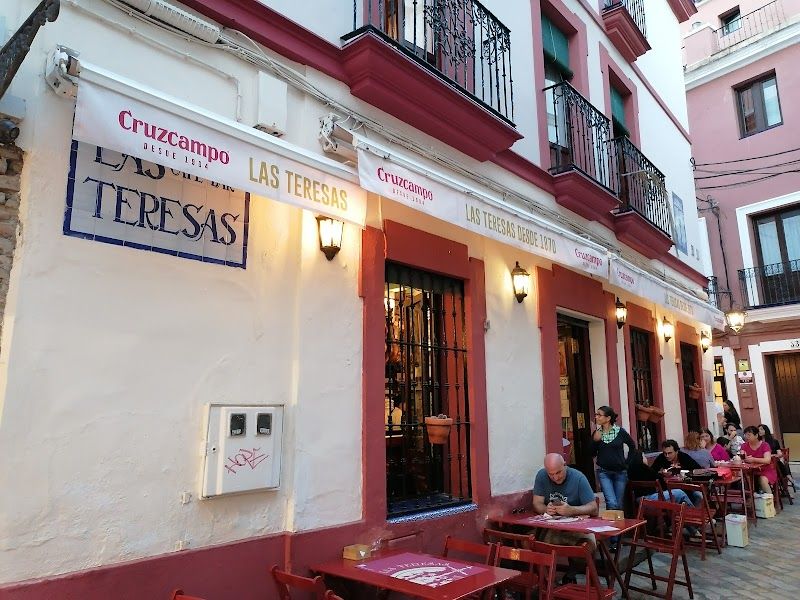
When temperatures reach the mid-30s (usually 11 AM to noon and again after 8 PM), you can still drink regular wines with some modifications. Local whites like Verdejo from Rueda or Albariño from Galicia work well served very cold over ice. At Bar Las Teresas on Santa Teresa street, they serve Albariño at EUR 4-5 per glass with ice cubes made from filtered water.
Light red wines also work in this temperature range if served at cellar temperature (12-14°C). A young Tempranillo from Valdepeñas, served slightly chilled, provides more complexity than tinto de verano while remaining drinkable. The key is choosing wines with high acidity and low tannins - anything that feels refreshing rather than warming.
38-42°C: Sherry Territory
Once temperatures exceed 38°C (typically 1-6 PM in summer), locals switch exclusively to sherry or sherry-based drinks. This isn't preference - it's survival. Regular wines become unpalatable, and the body craves something that provides both cooling and efficient alcohol delivery.
Manzanilla becomes the drink of choice, served in small glasses that prevent warming and consumed quickly. At Taberna Coloniales on Cristo de la Expiración street, locals order manzanilla in groups of 2-3 glasses at EUR 2.5-3 each, drinking them within 10 minutes before they lose their chill.
Fino sherries also work in this temperature range, particularly older versions with more complexity. A glass of Tio Pepe or La Ina provides the cooling sensation while offering enough interest to occupy your mind during the heat-induced mental fog that affects everyone in extreme temperatures.
Above 42°C: Emergency Protocols
When temperatures exceed 42°C (which happens 10-15 days each summer), even locals modify their wine drinking significantly. This is when rebujito and clara become the primary drinks, with wine consumption limited to very small quantities of the coldest possible sherries.
Many bars switch to "survival mode" service during these extreme heat days. Drinks are pre-chilled to near-freezing, served immediately, and consumed within minutes. The focus shifts from wine appreciation to heat management, and even experienced wine drinkers acknowledge that normal wine drinking becomes impossible.
The Economics of Summer Wine in Seville
Understanding Seville drink local culture requires recognizing that summer wine pricing reflects survival economics rather than wine quality. The wines that work best in extreme heat - basic sherries, young whites, and simple reds for mixing - are also the most affordable, creating a drinking culture that's accessible rather than elitist.
A typical summer wine session for locals might include 2-3 glasses of manzanilla (EUR 7-9 total), some olives and jamón (EUR 5-8), and perhaps a tinto de verano to finish (EUR 3-4). This provides 2-3 hours of cooling relief and social interaction for under EUR 20, making it an affordable way to manage the heat while maintaining social connections.
The Mercado de Triana offers the city's best wine prices for take-home consumption. Local sherries cost EUR 4-8 per bottle, young Spanish whites range EUR 3-6, and basic mixing wines for tinto de verano start at EUR 2.50. Buying wine here for home consumption becomes essential during the hottest months when leaving the house requires strategic planning.
Timing Your Wine Drinking Around Seville's Heat Schedule
Seville's summer wine culture operates on a schedule dictated entirely by temperature. Understanding this timing is crucial for anyone wanting to drink local rather than suffer through tourist-oriented wine service during the worst heat of the day.
Morning Window: 8-11 AM
The only time for leisurely wine consumption happens in the early morning when temperatures remain below 30°C. This is when locals visit markets, run errands, and occasionally enjoy a glass of wine with breakfast. At El Rinconcillo, they serve wine with traditional breakfast items like tostada con tomate and jamón ibérico.
Morning wine drinking focuses on light whites or very young reds served at cellar temperature. The pace is relaxed because the heat hasn't yet become oppressive, and you can actually taste wine rather than simply using it for cooling purposes.
Pre-Shutdown: 11 AM-2 PM
As temperatures climb toward 40°C, wine service shifts to rapid consumption mode. Locals make quick stops for 1-2 glasses of cold sherry or white wine before retreating indoors for the afternoon shutdown. This is when bars serve their coldest wines and focus on efficiency over experience.
The Centro neighborhood sees the most activity during this window, as people complete their morning activities and prepare for the afternoon heat siege. Wine bars switch to "express mode" - faster service, colder temperatures, smaller glasses.
Shutdown Period: 2-6 PM
Most wine bars either close completely or operate in minimal mode during peak heat hours. The few that remain open serve only the coldest possible drinks to customers seeking air-conditioned refuge. Wine appreciation becomes impossible - this is purely about survival.
Evening Recovery: 6-9 PM
As temperatures finally drop below 40°C, wine culture slowly resumes. However, the first drinks are still focused on cooling and recovery. Tinto de verano, rebujito, and ice-cold sherries dominate as people's bodies adjust to being active again.
Night Session: 9 PM-2 AM
Only after 9 PM can normal wine drinking resume in Seville summers. This is when bars bring out their better bottles, when wine conversation becomes possible again, and when locals can actually evaluate wines for quality rather than cooling efficiency.
The Triana neighborhood comes alive during these hours, with wine bars serving everything from local sherries to international bottles. Temperatures have dropped enough (usually to 32-35°C) that wine can be appreciated rather than simply consumed for survival.
Beyond Wine: The Complete Seville Summer Drinking Strategy
While wine forms the core of Seville's summer drinking culture, locals employ a comprehensive beverage strategy that includes strategic hydration, electrolyte replacement, and careful alcohol management. Understanding this complete approach helps explain why certain wines work and others fail in extreme heat.
Water consumption becomes mandatory between alcoholic drinks. Most wine bars provide free tap water (agua del grifo) that's perfectly safe and often served with ice. The local rule is one glass of water for every glass of wine when temperatures exceed 38°C.
Coffee culture also adapts to heat, with many locals switching to café con hielo (coffee served over ice) during summer months. This provides caffeine without the warming effect of hot coffee and often serves as a transition drink before evening wine consumption.
The complete summer drinking day might include morning coffee with ice, mid-morning white wine or sherry, afternoon water and electrolyte replacement, early evening tinto de verano or rebujito, and finally normal wine consumption after 9 PM. This progression acknowledges that fighting Seville's heat requires strategic drinking rather than simply ordering what you'd drink in normal climates.
For visitors wanting to experience authentic Seville summer wine culture, the key is abandoning preconceptions about proper wine service and embracing the local reality that extreme heat changes everything. The wines that work here - served ice-cold, consumed quickly, and chosen for cooling properties rather than complexity - represent centuries of adaptation to one of Europe's most challenging climates.
This approach might offend wine purists, but it keeps you functional, social, and properly hydrated when the alternative is heat exhaustion. In Seville summers, the best wine is the one that lets you survive another day at 40°C while maintaining enough energy to appreciate the city's remarkable culture once the sun finally sets.
If you're planning your first visit during the hot months, check out our First Time in Seville guide for complete preparation advice, or dive deeper into the local food scene with our comprehensive food guide that covers eating strategies for extreme heat.