Oxford's reputation as an expensive university city isn't entirely fair. Yes, you'll pay London prices for cocktails at fancy hotel bars, but this city of dreaming spires offers plenty of ways to experience its 900-year history without breaking your budget. With strategic planning and local knowledge, you can explore Oxford's colleges, museums, and literary pubs for much less than you'd expect.
The key to oxford budget travel lies in understanding what's actually worth paying for versus what you can experience for free. Many visitors waste money on overpriced tourist traps while missing the city's best free attractions. This guide breaks down exactly how much you need and where to spend wisely.
Oxford Budget Breakdown: Daily Costs
Your daily oxford travel cost depends heavily on your accommodation choice and eating habits. Here's what you can expect across different budget levels:
| Budget Level | Daily Total | Accommodation | Food | Transport | Activities |
|---|---|---|---|---|---|
| Budget | GBP 35-50 | GBP 25-35 | GBP 15-25 | GBP 5-10 | GBP 0-15 |
| Mid-range | GBP 60-90 | GBP 120-180 | GBP 25-40 | GBP 5-10 | GBP 15-30 |
| Upscale | GBP 150+ | GBP 200+ | GBP 60-85 | GBP 10-20 | GBP 30+ |
Budget travelers can absolutely do Oxford justice for GBP 35-50 per day. This means staying in university accommodation during vacation periods (GBP 80-120 per night for doubles, so GBP 25-35 per person), eating lunch at Covered Market vendors, and focusing on the many free museums and walking routes.
Mid-range visitors spending GBP 60-90 daily get comfortable hotels, proper pub dinners, and can afford the college entrance fees that make Oxford special. This is the sweet spot for most visitors who want convenience without luxury pricing.
Free Oxford Activities That Don't Suck
Oxford's best budget secret is the sheer number of attractions that cost nothing. Unlike many tourist cities where "free" means second-rate, Oxford's free offerings include some of its most impressive sights.
Museums You Don't Pay For
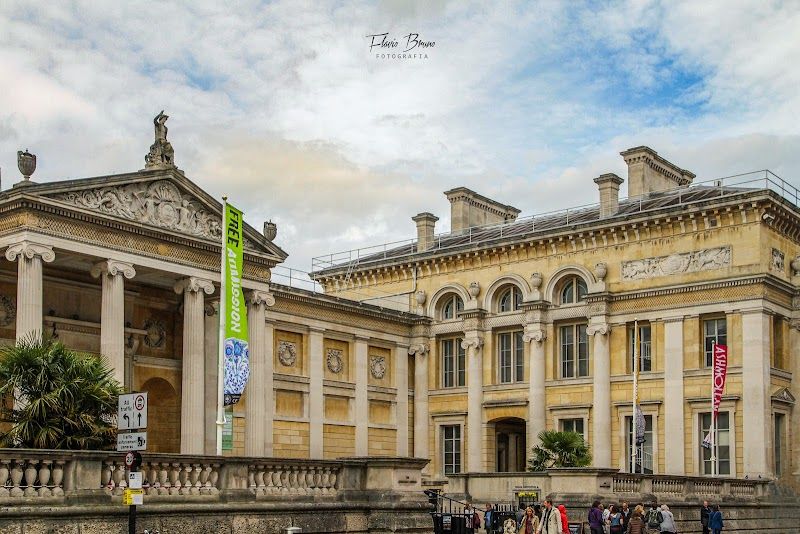
The Ashmolean Museum houses one of the world's great art collections and charges exactly nothing. This isn't a small local museum - it's got Egyptian mummies, contemporary art, and the Alfred Jewel. The building itself, designed by C.R. Cockerell in the 1840s, is worth the visit.
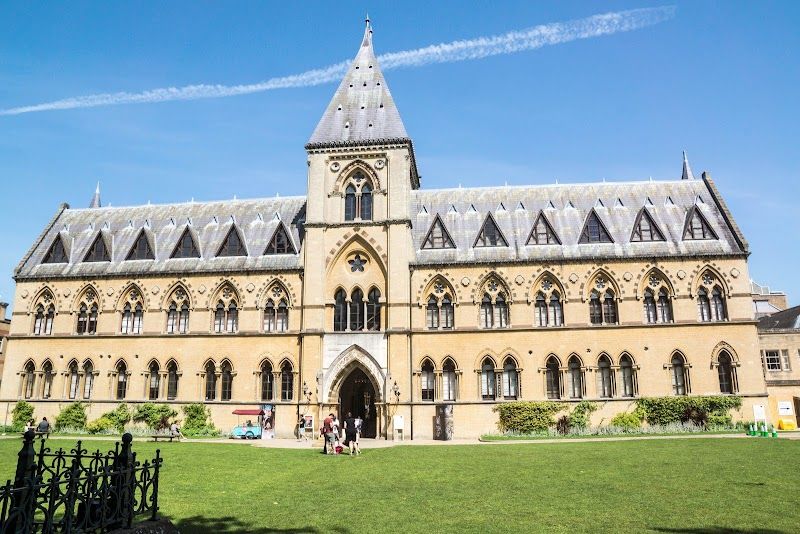
Oxford University Museum of Natural History combines Victorian Gothic architecture with dinosaur skeletons. The building's iron and glass roof creates a cathedral-like space that housed the famous 1860 debate between Thomas Huxley and Bishop Wilberforce about Darwin's theories. Entry is free.
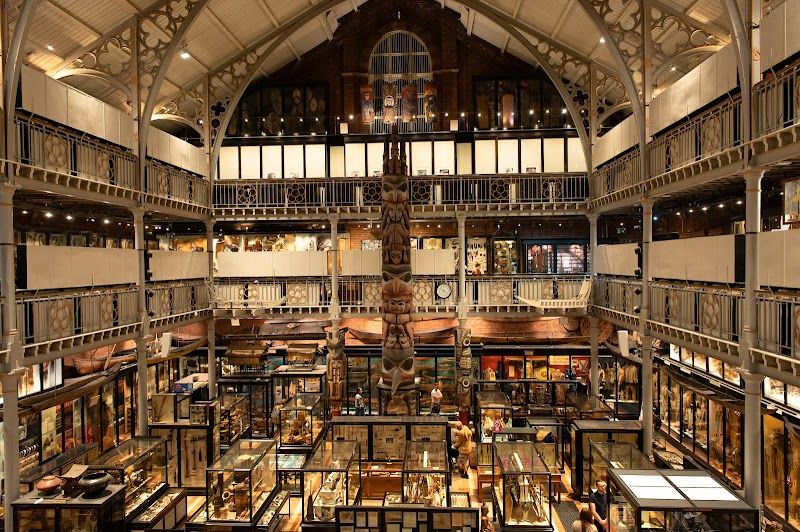
The Pitt Rivers Museum, accessed through the Natural History Museum, displays thousands of anthropological objects in Victorian cases. It's wonderfully old-fashioned and completely free, though donations are welcomed.
Walking Oxford's Architecture
Oxford's streets are an outdoor museum of English architecture spanning nearly a millennium. The Radcliffe Camera is the city's most photographed building and viewing it costs nothing. Walk around it at different times of day to see how the light changes on the honey-colored stone.
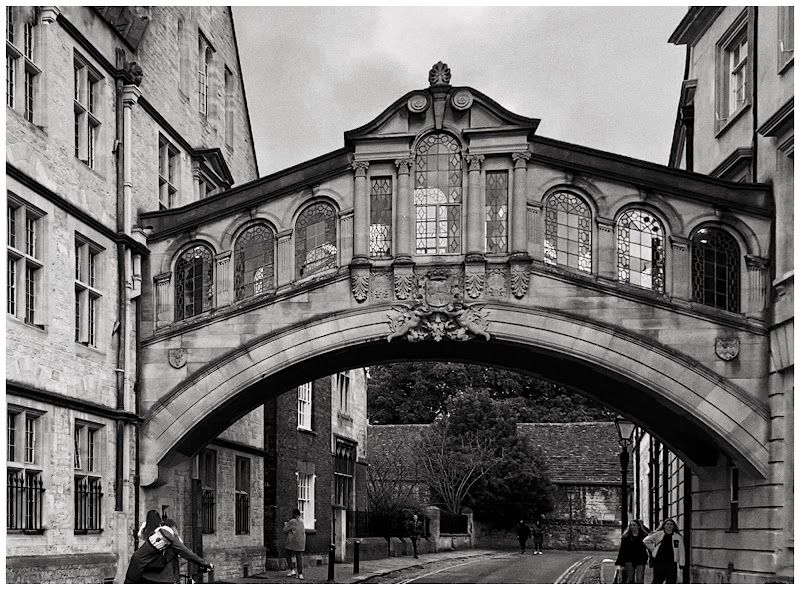
The Bridge of Sighs on New College Lane connects two parts of Hertford College. Unlike Venice's version, this one was built in 1914, but it's still worth the detour on any walking route through the central university area.
Christ Church Meadow provides free access to the Thames and Cherwell rivers. The meadow has been grazed by cattle for centuries and offers the best views of Oxford's skyline from the south. It's also where Lewis Carroll walked with the real Alice Liddell.
Oxford Cheap Eats: Where Locals Actually Go
Tourist restaurants along the High Street will charge you GBP 25-40 for mediocre meals. Smart budget travelers eat where Oxford's 45,000 students and locals go instead.
Covered Market Food Scene
The Covered Market has operated continuously since 1774 and remains Oxford's best value for quick meals. Alpha Bar serves proper bacon sandwiches for under GBP 4, while Georgina's Cafe does generous portions of eggs Benedict for GBP 6-8.
Nash's Bakery has been making Oxford's best sausage rolls since 1919. At GBP 2.50 each, they're substantial enough for lunch. Their steak and kidney pies cost GBP 4.50 and represent genuine value.
Brown's Cafe in the market serves full English breakfasts for GBP 4.5-7, substantially less than hotel breakfast charges. The portions are generous and the coffee is decent.
Pub Food That's Actually Good
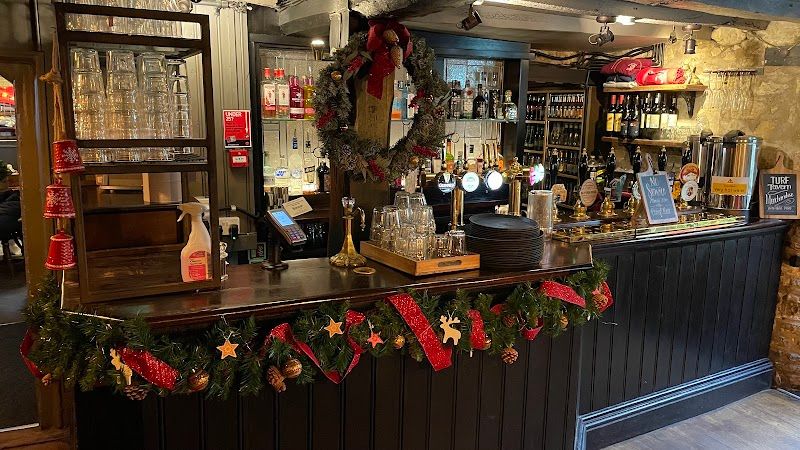
Oxford's historic pubs offer some of the city's best food values, especially for lunch. The Turf Tavern, hidden down a narrow alley off Holywell Street, serves solid pub lunches for GBP 8-12. The location, dating to 1381, is worth more than many paid attractions.
The Eagle and Child in Jericho was the regular meeting place of the Inklings, including J.R.R. Tolkien and C.S. Lewis. Their lunch menu runs GBP 8-12 for substantial plates, and you're paying for literary history as much as the food.
The King's Arms on Holywell Street serves students and academics, keeping prices reasonable. Fish and chips cost GBP 8-12, and the Sunday roast at GBP 14 feeds two light eaters.
Student-Friendly Spots
Follow the students to find Oxford's real food bargains. Hassan's on Cowley Road serves enormous Kurdish portions for GBP 6-9. Atomic Burger on Cowley Road does American-style burgers and shakes at fair prices for the quality.
Mission Burrito on Cornmarket Street offers California-style burritos for GBP 7-10 that easily serve as two meals. The portions are genuinely American-sized.
Transportation Costs in Oxford
Oxford is compact enough to walk, but understanding the transport options saves money and time, especially for day trips or reaching accommodation outside the center.
Getting Around Oxford
Oxford Bus Company dominates local transport. Single journeys cost GBP 2.5 and cover most city routes. The Day Rider ticket at GBP 5 makes sense if you're taking three or more buses. The Week Rider at GBP 22 is worthwhile for stays longer than four days.
Most attractions lie within a 15-minute walk of Carfax Tower, Oxford's traditional center. From the railway station to the Bodleian Library is exactly one mile - a pleasant 20-minute walk through the city center.
Cycling is popular but challenging for visitors. Oxford's medieval streets weren't designed for modern traffic, and navigating requires local knowledge. Bike rental costs approximately GBP 15-20 per day.
Getting to Oxford
From London, advance-purchase rail tickets start around GBP 15-25 and take one hour from Paddington. Same-day flexible tickets cost GBP 30-45. The Oxford Tube coach service runs every 12 minutes during peak hours and costs GBP 15-20 return.
From Heathrow Airport, the National Express coach costs GBP 25-35 direct to Oxford and takes 90 minutes. The train connection via Paddington totals GBP 35-55 but involves changing stations in London. Taxis cost GBP 120-150 and aren't worth it unless you're sharing among four people.
Oxford Budget Hotels and Accommodation
Accommodation is Oxford's biggest expense, but several options help control costs without sacrificing location or comfort.
University Accommodation
During vacation periods (April-September, plus Christmas and Easter breaks), Oxford colleges rent rooms to visitors for GBP 80-120 per night for doubles. Christ Church and Trinity College offer the most atmospheric settings, though booking requires advance planning.
These rooms include breakfast and put you inside actual Oxford colleges. You'll sleep where students have lived for centuries, often in buildings dating to the medieval period. The shared bathrooms and basic furnishings are part of the authentic experience.
Budget Hotel Options
Premier Inn Oxford City Centre charges GBP 60-90 for doubles and provides reliable modern comfort. The location on George Street puts you within walking distance of everything significant.
Travelodge Oxford Central offers similar rates and standards. Both chains include basic breakfast options that cost less than cafe meals.
YHA Oxford provides hostel accommodation with dorm beds at GBP 25-35. The location on Botley Road requires a 15-minute walk or short bus ride to the center, but the facilities are modern and clean.
Mid-Range Value
The Galaxie Hotel on Banbury Road combines reasonable rates (GBP 120-180) with character. The Victorian building offers more personality than chain hotels at similar prices.
Remont Oxford Hotel provides modern rooms at GBP 100-150, depending on season and availability. The Botley Road location is slightly out of center but connects easily by bus.
Worth Paying For: Oxford Activities That Justify Their Cost
While Oxford offers many free attractions, certain paid experiences provide unique access that justifies the expense for most visitors.
College Visits
Christ Church College charges GBP 18 but includes the Great Hall that inspired Harry Potter's Hogwarts, plus England's smallest cathedral and Tom Quad. The hour-long audio tour provides context that makes the architecture meaningful.
Magdalen College costs GBP 8 and offers the most beautiful college grounds, including a deer park and the tower where May Morning celebrations occur. The river walks alone justify the entrance fee.
New College (GBP 5-8 depending on season) has the best-preserved medieval architecture and cloisters used in Harry Potter filming. The chapel contains remarkable stained glass and Joshua Reynolds windows.
Guided Tours
Oxford Official Walking Tours cost GBP 18 for 90 minutes and provide access to college courtyards normally closed to individual visitors. The guides are often Oxford graduates who share insider knowledge about university traditions and hidden architectural details.
Student-led tours by companies like Oxford Student Tours charge GBP 15-20 and offer current student perspectives on university life. They're particularly good for understanding how the college system actually works.
The Bodleian Library
The Bodleian Library standard tour costs GBP 8 for 30 minutes in the medieval Duke Humfrey's Library. The extended tour at GBP 18 includes the Divinity School with its fan-vaulted ceiling used in Harry Potter films.
These are among Oxford's most atmospheric interiors and impossible to see otherwise. The library has been in continuous operation since 1602, and the medieval reading rooms retain their original character.
Day Trip Budget from Oxford
Blenheim Palace makes an excellent day trip, costing GBP 31 for palace and gardens admission plus approximately GBP 8 return bus fare on the S3 service. The palace where Winston Churchill was born offers formal gardens, a park designed by Capability Brown, and one of England's grandest baroque interiors.
The Cotswolds are accessible by bus, with services to Chipping Norton, Woodstock, and other villages. Return fares range GBP 6-12, and the villages offer free walking and sightseeing.
Stratford-upon-Avon costs approximately GBP 15-20 return by bus and provides Shakespeare-related attractions. The town itself is pleasant for walking, though Shakespeare properties charge separate admission fees.
Money-Saving Strategies for Oxford
Timing matters significantly. Visiting during university term time (October-December, January-March, April-June) means livelier pubs and more atmosphere, but also higher accommodation costs. Vacation periods offer better hotel rates but quieter streets.
Book college accommodation early if visiting during summer months. These rooms offer unbeatable value and authentic Oxford experiences, but availability is limited.
Eat lunch, not dinner, at expensive restaurants. Many upscale Oxford restaurants offer lunch menus at GBP 15-25 compared to GBP 60-85 for dinner. The food quality is identical, and lunch portions are often adequate for the day's main meal.
Use the Covered Market strategically. It closes at 5:30 PM on weekdays and 5:00 PM on Saturdays, but offers Oxford's best food values throughout the day.
Walk between colleges rather than taking guided tours. The first-timer's itinerary covers the essential sights efficiently, and you can always join a guided tour later if you want deeper context.
What Oxford Budget Travel Actually Costs
For budget-conscious travelers, Oxford can be experienced meaningfully for GBP 35-50 per day. This includes modest accommodation, meals at pubs and the Covered Market, extensive use of free museums and walking routes, and selective paid attractions like one college visit.
Mid-range travelers spending GBP 60-90 daily get comfortable hotels, proper restaurant meals, and access to the paid attractions that make Oxford special. This represents the best value for most visitors who want to see everything without worrying about costs.
Luxury travelers can easily spend GBP 150+ daily on boutique hotels, fine dining, and comprehensive guided tours. Oxford supports high-end tourism, but the incremental value diminishes rapidly above the mid-range level.
The city rewards visitors who do their research and make strategic choices. Oxford's greatest treasures - its architecture, literary associations, and academic atmosphere - are accessible to budget travelers who know where to look and what to skip. With proper planning, you can experience everything that makes Oxford special without the financial stress that ruins many tourist visits.