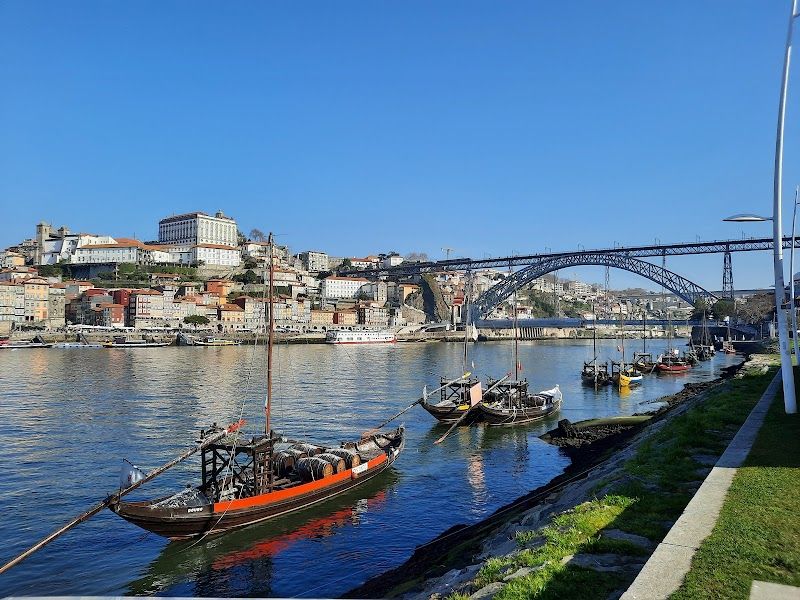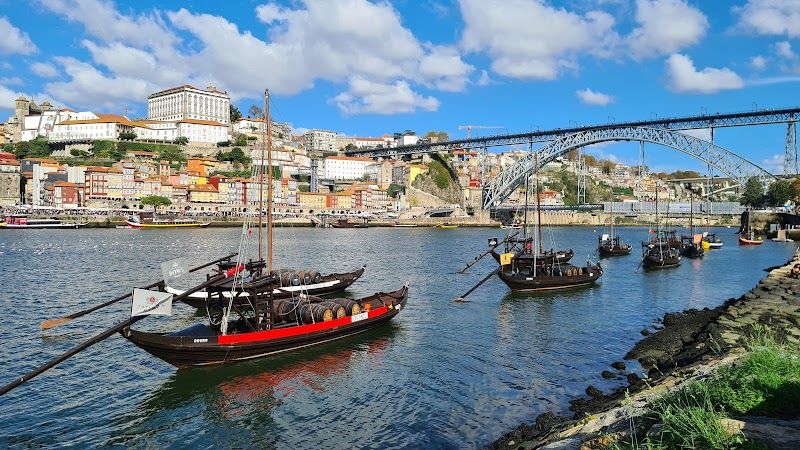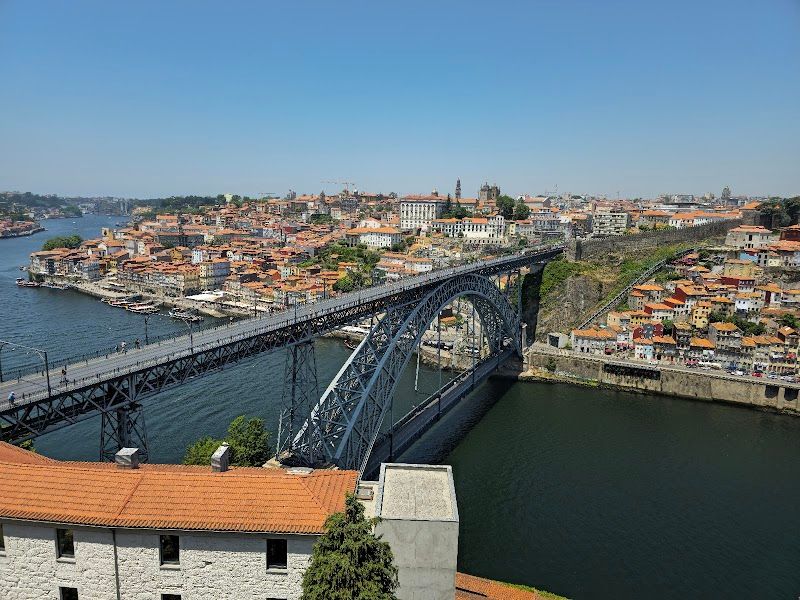
March transforms Porto from a rain-soaked winter city into the most pleasant version of itself. The weather shifts from the heavy Atlantic storms of February to mild, sunny days wandering the cobblestone streets of Ribeira without breaking a sweat or getting drenched.
This is shoulder season done right: hotel prices drop by 30-40% compared to summer peaks, restaurant terraces reopen, and you can actually get a table at Cafe Majestic without booking weeks ahead. The city shakes off its winter coat and remembers why it's worth the UNESCO designation.
Porto Weather in March: What You Actually Get
Porto's March weather sits in that sweet spot between winter's unpredictability and summer's intensity. Average temperatures range from 9°C to 16°C (48°F to 61°F), which translates to comfortable walking weather during the day and cool evenings that call for a light jacket.
Rainfall drops significantly from February's 158mm to around 101mm in March, spread across 14-16 days. This sounds like a lot until you realize these are often brief Atlantic showers rather than the persistent drizzle that defines Porto's winter months. The rain typically comes in quick bursts, followed by dramatic clearing skies that photographers dream about.
Daily Weather Patterns in March
Mornings start cool and often overcast, with temperatures around 8-10°C. By mid-morning, the marine layer usually burns off, revealing the kind of crisp blue skies that make the Dom Luis I Bridge look like a postcard. Afternoons warm to 15-17°C on sunny days, exploring Vila Nova de Gaia wine cellars or climbing the 225 steps of Clerigos Tower.
Evening temperatures drop quickly after sunset, usually settling around 9-11°C. The Atlantic influence means humidity stays moderate, so 16°C feels genuinely comfortable rather than muggy.
Rainfall Reality Check
March averages 12-16 rainy days, but "rainy day" in Porto often means a 20-minute downpour followed by sunshine. The rain is rarely the all-day soaking variety that ruins sightseeing plans. Instead, it creates dramatic lighting conditions that make the azulejo tiles on buildings like Capela das Almas particularly striking.
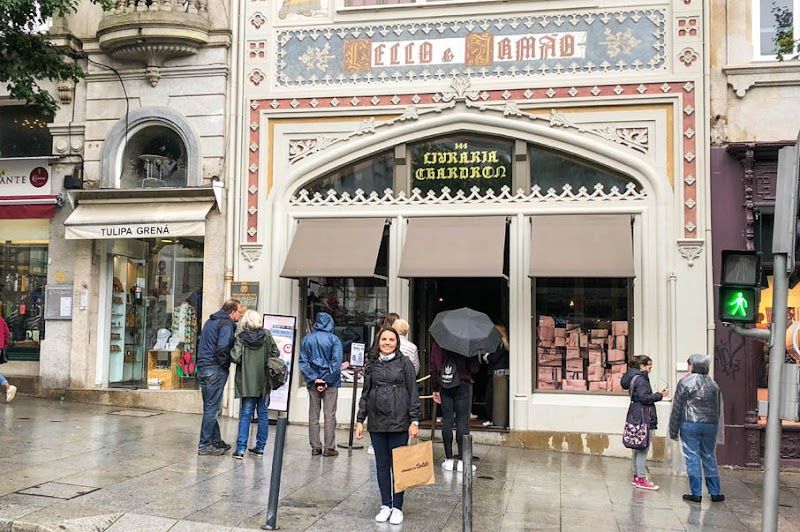
The wettest period typically falls in the first half of March, with conditions becoming more stable toward month's end. Plan indoor activities like Livraria Lello (EUR 6 admission) or port wine tastings for potentially rainy mornings.
Spring Events and Festivals in Porto During March
March brings Porto's cultural calendar back to life after the quiet winter months. The city uses the pleasant weather as an excuse to move events outdoors and fill the calendar with activities that take advantage of the improving conditions.
Fantasporto Film Festival
The International Film Festival of Porto typically runs from late February through early March, making it a major draw for March visitors. This is Portugal's most important fantasy and science fiction film festival, screening at Cinema Batalha and other venues around the Clerigos & University district.
Tickets cost around EUR 7-12 per screening, with festival passes available for EUR 45-65. The festival attracts international filmmakers and creates a genuinely buzzy atmosphere in the normally quiet university area.
St. Joseph's Day (March 19)
St. Joseph's Day is a national holiday in Portugal, which means most shops and museums close but restaurants and cafes remain open. The religious significance translates to special masses at major churches, particularly the Sé Cathedral and Igreja de Santo Ildefonso.
More practically for visitors, this holiday often coincides with special menu offerings at traditional restaurants and extended hours at port wine cellars in Vila Nova de Gaia.
Spring Market Season Begins
March marks the return of outdoor markets that disappear during winter months. Mercado do Bolhão extends its hours and vendors return to outdoor stalls around the covered market building. Weekend markets in neighborhoods like Cedofeita resume regular schedules.
The Saturday morning market at Rua de Miguel Bombarda becomes particularly active in March, offering vintage clothing, books, and local crafts that would have been impossible to browse comfortably in January or February.
Best Things to Do in Porto in March
March weather creates ideal conditions for activities that are less pleasant during Porto's hot summers or wet winters. The moderate temperatures and improving weather patterns make this the perfect month for walking tours, outdoor exploration, and activities that combine indoor and outdoor elements.
Explore Ribeira Without the Summer Crowds
Ribeira in March offers the rare combination of pleasant weather and manageable crowds. You can actually stop to admire the riverside architecture without fighting for photo spots or restaurant tables. The morning light hitting the colorful buildings creates ideal photography conditions, particularly around 10-11 AM when the marine layer lifts.
Start at São Bento Railway Station to admire the azulejo tile work, then walk downhill through the narrow streets to the riverfront. The outdoor terraces along Cais da Ribeira reopen for the season, offering river views with your morning coffee or afternoon port.
Port Wine Tasting Season Resumes
March marks the unofficial restart of serious port wine tasting season in Vila Nova de Gaia. The major cellars extend their hours and reopen outdoor tasting areas that close during winter months.
Sandeman Cellars offers tours from EUR 15-25 with tastings that now include outdoor elements impossible in January. The riverside location means you can combine tastings with walks along Cais de Gaia without bundling up in heavy coats.
Taylor's, Graham's, and Cockburn's all resume their full touring schedules in March, with some offering special spring promotions for visitors. The moderate temperatures make the walk between cellars comfortable, allowing you to visit multiple locations in a single afternoon.
Garden and Park Season Begins
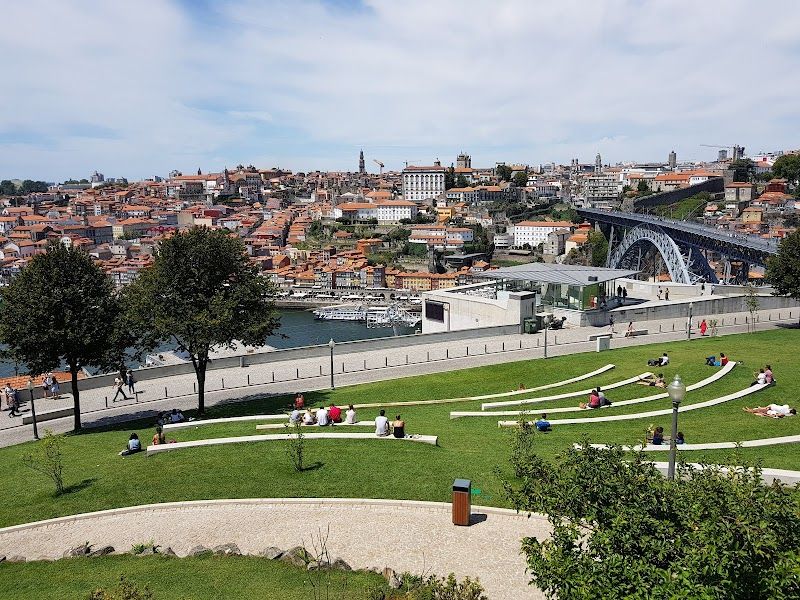
Jardim do Morro becomes genuinely pleasant in March as the grass greens and early spring flowers bloom. This elevated park offers panoramic city views without the summer crowds or winter mud. The benches become usable again for afternoon breaks with views across the Douro to Porto's skyline.
Fundação de Serralves gardens (EUR 12 admission including museum) showcase early spring blooms that peak in March and April. The outdoor sculpture installations become more appealing when you don't need to view them through rain or wear heavy coats that limit movement.
Jardins do Palácio de Cristal (free admission) offers 22 hectares of gardens that wake up in March. The peacocks become more active, the rose gardens begin their growing season, and the various themed areas become comfortable for extended exploration.
Walking and Bike Tours Resume
March weather makes walking tours comfortable for the first time since October. BlueGragon Porto Tours resumes full bike touring schedules, offering routes that would have been miserable in winter conditions.
The moderate temperatures mean you can tackle Porto's famous hills without overheating or getting soaked. Self-guided walking routes between neighborhoods become practical again, particularly the climb from Ribeira to Clerigos Tower that would be exhausting in July heat.
What to Pack for Porto in March
Packing for Porto in March requires balancing the reality of occasional rain with the possibility of genuinely warm, sunny days. The key is layering systems that can adapt to changing conditions throughout the day.
Essential Clothing Items
Waterproof jacket with breathable fabric is non-negotiable. Skip heavy rain gear in favor of lightweight, packable options that won't leave you overheating when the sun emerges. A jacket that stuffs into its own pocket works best for day trips.
Comfortable walking shoes with good grip matter more than waterproofing. Porto's cobblestone streets become slippery when wet, and you'll be doing significant walking on uneven surfaces. Waterproof shoes often lack the grip needed for Porto's steep, stone staircases.
Layers for temperature fluctuations should include a warm base layer for cool mornings, a mid-layer for afternoon warmth, and a light jacket for evenings. March temperatures can swing 8-10°C between morning and afternoon, making single-layer dressing impractical.
Weather-Specific Gear
Compact umbrella beats rain ponchos for Porto's brief showers. The narrow streets and frequent outdoor cafe stops make umbrellas more practical than full rain gear. Look for wind-resistant models that can handle Atlantic gusts.
Light scarf or neck warmer becomes essential for evening activities or early morning walks. March evenings can feel significantly cooler than daytime temperatures suggest, particularly near the river or in elevated areas like the Clerigos district.
Sunglasses and sunscreen are easily forgotten but necessary for March in Porto. When the sun breaks through, it reflects strongly off the river and white-painted buildings, creating glare that makes sightseeing uncomfortable without proper eye protection.
Practical Accessories
Daypack with rain cover or waterproof day bag protects electronics and documents during unexpected showers. Porto's weather can change quickly, and you don't want to cut short a port wine tasting because your phone got soaked.
Power bank and charging cables become more important in March when you'll likely be outdoors more than during winter months. Porto has limited public charging options, and March weather encourages longer days out exploring.
Cash in small denominations (EUR 5, 10, 20 notes) works best for traditional tascas and markets that may not accept cards. March brings out more street vendors and small establishments that operate cash-only.
Accommodation Considerations for March
March represents excellent value for Porto accommodations, with shoulder season pricing and better availability across all categories. Hotels drop winter heating costs while avoiding summer cooling expenses, often passing these savings to guests.
Neighborhood-Specific Recommendations
Staying in Ribeira during March means waking up to river views without summer's cruise ship crowds. The riverside hotels offer terraces and balconies that become usable again after winter months. Budget hotel rooms range EUR 40-70, while boutique options cost EUR 120-200.
Clerigos & University district provides central location with easy access to major sights and the metro. The higher elevation means better drainage during March showers, and proximity to Cafe Majestic and Cafe Santiago makes breakfast planning simple.
Cedofeita & Bolhao offers the best value for March stays, with local restaurants and cafes that aren't tourist-focused. Mid-range hotels cost EUR 80-150 and put you within walking distance of Mercado do Bolhão for fresh produce and local atmosphere.
Heating and Amenities
March temperatures mean hotels are transitioning between heating and cooling seasons. Check that your accommodation provides adequate heating for cool March mornings and evenings. Many historic Porto buildings have limited heating systems that work fine in summer but struggle during shoulder season temperature swings.
Look for accommodations with covered outdoor spaces like covered terraces or courtyards. March weather is outdoor breakfast or evening drinks, but you'll want protection options for sudden rain showers.
Transportation and Getting Around Porto in March
March weather makes Porto's public transportation significantly more pleasant than winter months while avoiding summer's crowded conditions. The metro system operates full schedules, and outdoor waiting becomes comfortable rather than miserable.
Metro and Public Transport
Single metro tickets cost EUR 1.30 for zones 1-2, covering central Porto and the airport connection. The 24-hour pass (EUR 4.15) becomes worthwhile in March when pleasant weather encourages more exploration. Airport to city center costs EUR 2 via the Violet Line direct to Trindade station.
Tram Line 1 along the river (EUR 3.50) offers scenic routes that are genuinely enjoyable in March weather rather than endurance tests. The historic trams provide better views of the Douro and Ribeira area when you're not focused on staying warm and dry.
Walking Conditions
March makes walking between Porto's neighborhoods practical for the first time since autumn. The steep climbs between Ribeira and upper neighborhoods become manageable when you're not bundled in heavy coats or struggling with umbrella handling.
Cobblestone streets dry more quickly in March's improving weather, reducing slip hazards that make winter walking treacherous. The consistent daylight hours (approximately 12 hours of daylight by month's end) provide adequate time for walking exploration without rushing before dark.
Taxi and Rideshare
Taxi availability improves in March as drivers resume normal schedules after reducing winter night shifts. Airport to city center costs EUR 25-35, with better availability than peak summer months when demand outpaces supply.
Rideshare services like Uber and Bolt operate more reliably in March conditions, with drivers more willing to accept rides to elevated neighborhoods that become difficult to navigate during heavy winter rains.
Food and Dining in March Porto
March dining in Porto benefits from seasonal ingredient availability and the reopening of outdoor terraces that have been closed since October. Restaurants extend hours and offer spring menus that take advantage of improving weather conditions.
Seasonal Specialties
March brings fresh seafood varieties that disappear during winter months, particularly shellfish and Atlantic fish that fishermen can access more reliably in calmer spring waters. Traditional restaurants expand menus beyond the winter comfort foods that dominate January and February offerings.
The francesinha sandwich (EUR 8-15) remains a year-round staple, but March weather makes the heavy, cheese-covered creation more appealing than during summer heat. Cafe Santiago and other traditional spots extend their terrace service for the first time since autumn.
Outdoor Dining Returns
Restaurant terraces reopen throughout Porto in March, offering al fresco dining that's been impossible for months. The riverside restaurants along Cais da Ribeira provide Douro views with comfortable temperatures for extended meals.
Restaurante Abadia do Porto and similar establishments in Ribeira offer outdoor tables that showcase Porto's architecture while providing shelter from occasional spring showers.
Market and Shopping
Mercado do Bolhão experiences increased activity in March as vendors return to outdoor stalls around the main market building. Fresh produce selection improves as spring growing seasons begin, and the comfortable temperatures make market browsing pleasant rather than rushed.
Local bakeries resume extended pastry selections that were reduced during slower winter months. Pastel de nata costs EUR 1-1.50 at neighborhood bakeries, and March weather makes the outdoor consumption of these custard tarts practical again.
March transforms Porto from a city you visit despite the weather into one you visit because of it. The combination of mild temperatures, reduced crowds, lower prices, and improving conditions creates the ideal window for experiencing Portugal's northern capital. Whether you're planning 2-3 days exploring the highlights or diving deep into Porto's food scene, March provides the perfect conditions for discovering why this UNESCO city has quietly become one of Europe's most rewarding destinations.