Richard Ayoade's Travel Man Seville episode presents the city as a place of architectural excess and bewildering heat, which is accurate, but his frantic 48-hour sprint misses what makes Seville actually work. The show's premise of cramming maximum experiences into minimum time clashes spectacularly with a city that operates on siesta schedules and late-night dinners. Here's what the Travel Man Seville full episode reveals about visiting this Andalusian capital, and what any sane person should do differently.
The Travel Man Seville Hotel Choice: Location Over Luxury
The Travel Man Seville episode showcases a boutique hotel in the Santa Cruz neighborhood, which gets the location absolutely right. Staying within walking distance of the Cathedral and Alcázar saves you from Seville's punishing afternoon heat and unreliable bus schedules. Hotels in Santa Cruz typically cost EUR 120-220 per night for boutique properties, but the convenience of rolling out of bed to the Seville Cathedral at 9 AM before the crowds arrive is worth every euro.
The episode glosses over a crucial detail: summer hotel pricing in Seville follows inverse logic. July and August rates drop because locals flee the city, making luxury hotels surprisingly affordable. A EUR 300 winter room might cost EUR 180 in peak summer, assuming you can handle 42-degree afternoons. The Hotel Casa 1800, which appears similar to Ayoade's accommodation, drops from EUR 220 in April to EUR 140 in August despite offering the same rooftop terrace and cathedral views.
Neighborhood positioning matters more than hotel stars in Seville. The episode's Santa Cruz location puts you within 200 meters of both the Cathedral and Alcázar entrances, eliminating the taxi rides that cost EUR 8-12 between neighborhoods. More importantly, you can retreat to air conditioning during the deadly 3-5 PM period when even the orange trees provide inadequate shade.
Alternative neighborhoods the episode ignores include Centro, where mid-range hotels cost EUR 85-150 and place you near authentic tapas bars like El Rinconcillo. The trade-off involves 15-minute walks to major monuments but immersion in neighborhoods where locals actually live and eat.
Following Ayoade's Cathedral Sprint: What Actually Works
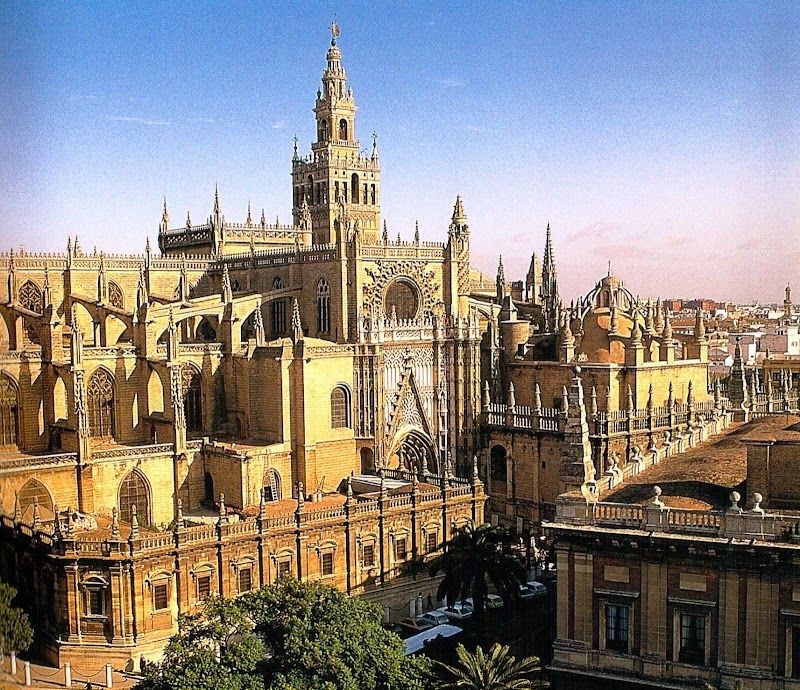
The Travel Man Seville episode shows Ayoade rushing through the Cathedral and Giralda Tower in what appears to be 20 minutes. This approach misses the point entirely. The Cathedral costs EUR 12 and contains Columbus's tomb carried by four kings, Murillo's paintings, and the largest Gothic altarpiece in the world. Ayoade's rapid-fire commentary captures none of the building's absurd scale.
The cathedral's dimensions overwhelm most visitors on first encounter. At 11,520 square meters, it's the third-largest church in the world and the largest Gothic cathedral anywhere. The central nave rises 37 meters, creating acoustic effects that make whispered conversations audible across vast distances. The episode's quick pan shots fail to convey the physical sensation of standing beneath vaults that make humans feel like insects.
The Giralda Tower climb requires strategy. The ramps were built for horses, not tourists, and the 34-story ascent in Seville heat will destroy anyone wearing the wrong shoes. Go at 9 AM or after 6 PM. The views from the top show why Seville dominates Andalusia - the city sprawls across the Guadalquivir valley with the Sierra Morena mountains as backdrop.
Practical cathedral visiting demands 2-3 hours minimum. The Capilla Real contains royal tombs, the Treasury displays medieval manuscripts, and the main altarpiece requires extended viewing to appreciate its 1,000 carved figures. Ayoade's sprint misses the Patio de los Naranjos, where orange trees planted in the 12th century still bloom, creating microclimates 5 degrees cooler than surrounding streets.
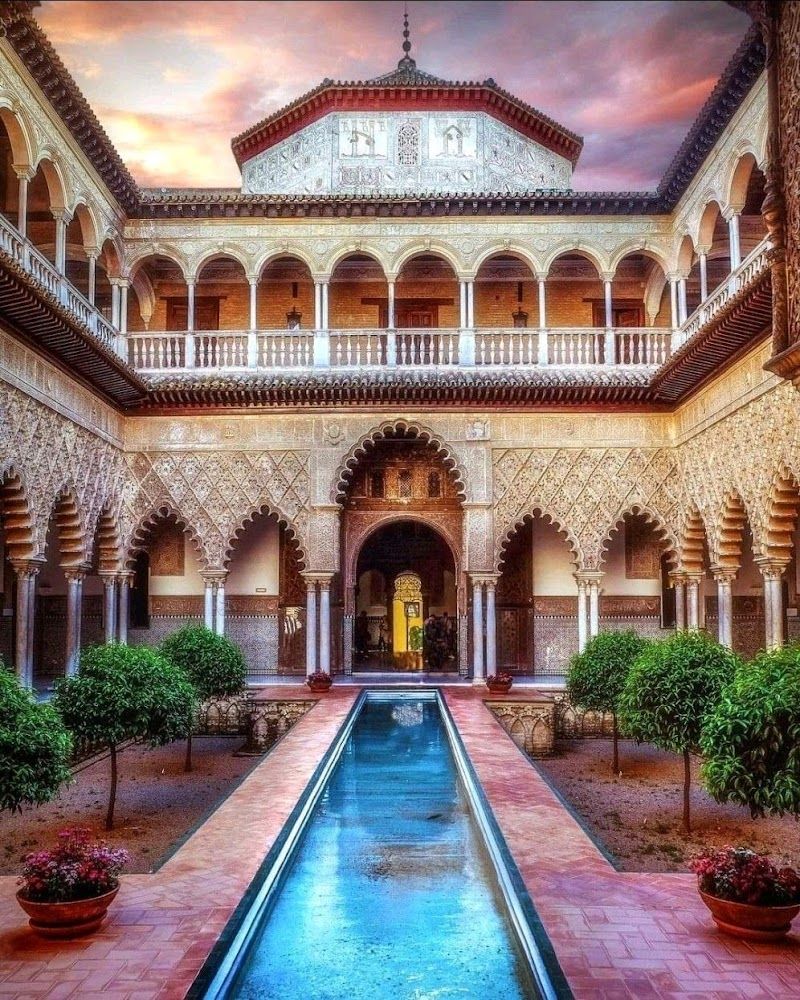
The episode correctly identifies the adjacent Real Alcázar as unmissable. At EUR 13.50, it's Seville's best value considering you're touring active royal palaces where Spain's kings still host state dinners. The Mudejar architecture combines Islamic geometric patterns with Christian symbolism in combinations that shouldn't work but absolutely do.
Alcázar timing determines your experience quality. Morning visitors encounter smaller crowds and cooler gardens, while afternoon visits after 3 PM become exercises in crowd navigation and heat endurance. The Salón de los Embajadores features a dome with mathematical precision that takes 20 minutes to fully appreciate, not the 30 seconds Ayoade allows.
The Plaza de España Reality: Beyond Travel Man's Quick Stop
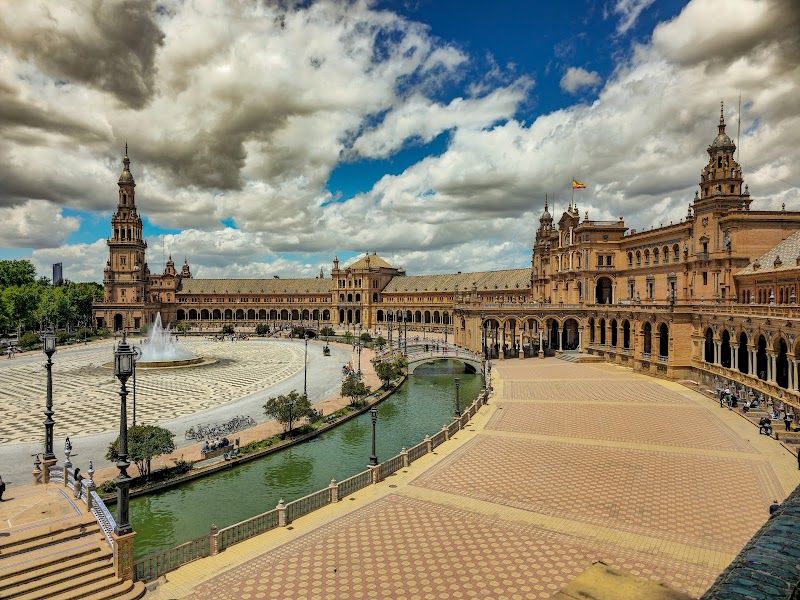
The Travel Man Seville episode includes obligatory shots of Plaza de España, but Ayoade's brief visit misses why this 1929 construction project matters beyond Instagram opportunities. The plaza cost 6.2 million pesetas (equivalent to EUR 85 million today) and nearly bankrupted Seville's municipal government.
The architectural achievement goes deeper than its semicircular design. Each of the 48 provincial alcoves contains hand-painted tiles depicting that region's history, creating a encyclopedia of Spanish culture in ceramic form. The central fountain system originally used Guadalquivir water pumped through underground channels, demonstrating 1920s engineering that still functions perfectly.
The episode's quick plaza visit ignores optimal viewing strategies. Early morning light hits the eastern alcoves perfectly, while late afternoon illuminates the western sections. The central tower, at 74 meters high, provides city views that rival the Giralda but costs nothing and involves no climbing.
Plaza timing affects crowd density dramatically. Weekend afternoons bring Spanish families with children who treat the plaza as a playground, creating authentic local atmosphere but challenging photography. Weekday mornings offer relative solitude and better light for the architectural details that justify the plaza's reputation.
The Flamenco Question: Ayoade's Skepticism Justified
Travel Man's Seville episode treats flamenco with characteristic British awkwardness, which actually reflects most tourists' genuine experience. Ayoade attends what appears to be a tourist tablao, complete with fixed seating and dinner service. These venues charge EUR 35-60 for performances that bear little resemblance to actual flamenco culture.
Tourist flamenco establishments concentrate in Santa Cruz, targeting visitors who want convenient dinner-and-show packages. Los Gallos, Tablao Arenal, and similar venues provide professional performances but sanitized experiences. The dancers smile too much, the guitarists play requests, and the atmosphere resembles dinner theater more than cultural expression.
Real flamenco happens in Triana bars after midnight, when guitarists and dancers show up because they feel like it, not because tourists paid admission. Casa de la Memoria offers a middle ground at EUR 18-22, with serious performers in an intimate setting that doesn't include paella and sangria.
The episode misses Seville's flamenco geography entirely. Triana, across the Guadalquivir, birthed most of flamenco's greatest dynasties. The Mercado de Triana and surrounding streets contain more authentic flamenco culture than all the Santa Cruz tablaos combined. Casa Cuesta, Bar Altozano, and other Triana establishments occasionally host impromptu performances where locals participate instead of just watching.
Flamenco authenticity requires cultural context. The art form emerged from Andalusian gypsy communities expressing grief, joy, and resistance through music and dance. Tourist shows strip away this emotional foundation, leaving technique without soul. The episode's discomfort with flamenco reflects the fundamental disconnect between performance-for-tourists and art-for-expression.
Heat Management: Where Travel Man Goes Wrong
Richard Ayoade's 48 hours in Seville schedule completely ignores the city's thermal reality. The episode shows him walking around in afternoon sun, looking progressively more wilted. This is tourism malpractice. Seville regularly hits 40+ degrees Celsius from June through September, and the city essentially closes from 2 PM to 6 PM.
Seville's heat operates on predictable patterns. Morning temperatures from 7-11 AM stay manageable (25-30 degrees), making this the optimal monument-visiting window. By noon, stone surfaces become untouchable and shade disappears as the sun reaches directly overhead. The afternoon period from 1-6 PM challenges human endurance, with temperatures often exceeding 42 degrees and humidity creating additional discomfort.
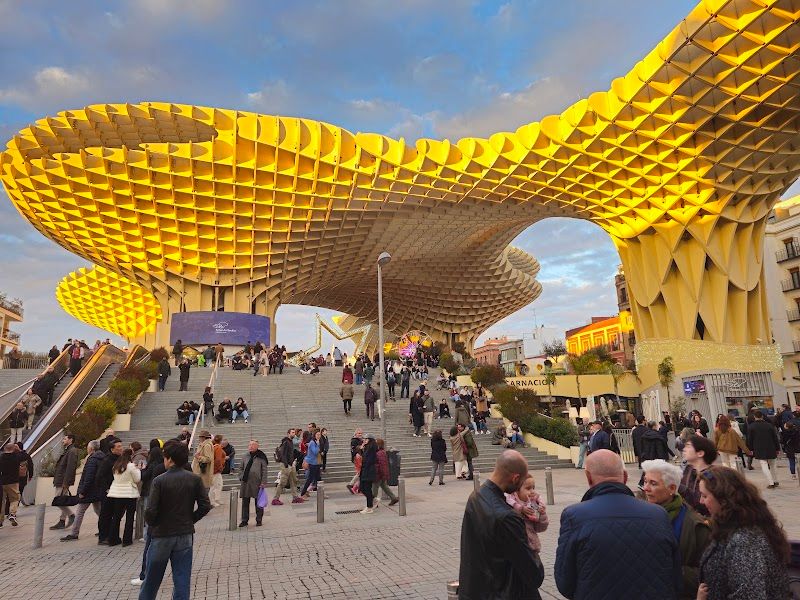
Smart Seville scheduling means morning monuments, afternoon museums or hotels, evening neighborhoods. The Metropol Parasol (Las Setas) provides afternoon shade and EUR 5 elevator access to city views, but Ayoade visits during peak heat when the wooden structure radiates stored thermal energy.
The Travel Man approach of cramming maximum sights into daylight hours fights against everything that makes Seville liveable. Locals eat dinner at 10 PM and populate squares after dark because the city doesn't function during afternoon heat. Shops close, cafés empty, and even the famous orange trees provide insufficient relief.
Air conditioning becomes survival equipment, not luxury. Museums like the Archaeological Museum (EUR 1.5 admission) and Fine Arts Museum (EUR 1.5) provide cultural experiences plus climate relief. The episode's outdoor focus during peak heat demonstrates fundamental misunderstanding of Seville's seasonal rhythms.
Food Reality Check: Beyond Travel Man's Surface Level
The Travel Man Seville episode shows restaurant meals that look suspiciously tourist-oriented. Real Seville eating happens at bars where tapas cost EUR 3-8 and arrive automatically with drinks. The episode's sit-down restaurant scenes miss the city's bar-hopping culture entirely.
El Rinconcillo, established in 1670, serves proper Sevillano food to locals who couldn't care less about tourists. Iberian ham, aged Manchego cheese, and Manzanilla sherry define the city's taste profile, not the gazpacho and paella that appear in most travel shows.
The episode also misses menu del día culture. These fixed-price lunches cost EUR 12-18 and include multiple courses plus wine or beer. Every neighborhood bar offers them, providing authentic local food at prices that make the Travel Man restaurant bills look ridiculous.
Seville's eating schedule demands adjustment. Breakfast happens from 8-10 AM with tostada con tomate (EUR 2.5-5) and strong coffee. Lunch runs 2-4 PM, coinciding with peak heat when most tourists hide indoors. The evening tapas period from 7-9 PM serves as social hour and appetite preparation for dinner, which starts after 10 PM.
Neighborhood food quality varies dramatically. Santa Cruz restaurants cater to tourists with inflated prices and simplified menus. Centro's authentic establishments like Eslava serve innovative tapas that locals queue for, while Triana bars focus on traditional preparations that haven't changed in decades.
The episode's apparent restaurant meals ignore standing bar culture. Sevillanos eat at bars while standing, moving between establishments for different specialties. One bar for jamón, another for cheese, a third for seafood. This bar-hopping approach provides variety, social interaction, and authentic local atmosphere that sit-down tourist restaurants can't replicate.
Transportation Truths: What the Episode Overlooks
Travel Man's Seville episode shows minimal public transportation, which reflects most tourists' experience but misses practical solutions. The metro system costs EUR 1.35 per trip and connects major neighborhoods efficiently. The weekly pass at EUR 15.2 makes sense for anyone staying beyond weekend visits.
Walking distances in Seville deceive. The episode makes Santa Cruz to Plaza de España look like a quick stroll, but it's 25 minutes in direct sun. The hop-on-hop-off buses that Ayoade ignores actually provide practical heat avoidance for EUR 20 per day.
Taxis cost EUR 22-30 from the airport, but the airport bus at EUR 4 runs frequently and drops you at major hotels. The episode's arrival logistics skip these details that determine whether your first Seville impression involves sweating through luggage or arriving refreshed.
The tram system connects central Seville to peripheral neighborhoods including Plaza de España and the University district. Single rides cost EUR 1.4, making it cheaper than taxis for longer distances. The air-conditioned cars provide relief during afternoon heat when walking becomes impossible.
Bike rental services operate throughout the city, though summer cycling requires early morning or late evening timing. The municipal bike share system costs EUR 1 per week plus usage fees, but private rentals at EUR 15-20 per day offer better bike quality and flexible pickup locations.
Beyond the Episode: What 48 Hours Actually Allows
Following the Travel Man Seville episode exactly would exhaust most travelers while missing experiences that define the city. Two days allows for Cathedral and Alcázar mornings, siesta recovery, and proper evening exploration of different neighborhoods.
Day one should focus on Santa Cruz's monuments during morning cool, afternoon retreat to hotels or air-conditioned museums, then evening discovery of Alameda de Hércules nightlife. Day two can explore Triana's ceramic workshops and authentic bars, followed by sunset at Plaza de España when the light turns golden.
The episode's rushed approach misses Seville's essential rhythm: morning energy, afternoon retreat, evening revival. Fighting this schedule guarantees misery.
Realistic 48-hour scheduling accommodates climate and culture. Morning monument visits when temperatures stay reasonable, midday museum time or hotel retreats, late afternoon neighborhood walks when heat subsides, and proper Spanish dinner timing after 9 PM create sustainable tourism that actually enjoyable.
The Verdict on Travel Man's Seville Strategy
Richard Ayoade's Travel Man Seville episode succeeds as entertainment but fails as travel advice. The show's British sensibility of packing maximum culture into minimum time clashes with a Spanish city that demands adaptation to local schedules.
The episode gets accommodation location right and identifies the major monuments correctly, but the execution ignores thermal reality and local eating patterns. Seville rewards visitors who embrace siesta scheduling and late-night dining, not those who sprint between air-conditioned attractions.
For practical planning, the Travel Man approach works if you visit between October and April when temperatures stay reasonable. Summer visitors need completely different strategies that the episode doesn't address.
Making Travel Man's Seville Work for Real Travelers
Adapting the Travel Man Seville episode for actual tourism requires strategic modifications:
Monument timing: Visit Cathedral and Alcázar at 9 AM opening, not during Ayoade's apparent midday schedule. The EUR 12 and EUR 13.50 admission fees buy access to spaces that become unbearable by noon in summer.
Neighborhood balance: The episode focuses heavily on Santa Cruz tourist zones. Real 48-hour itineraries need Centro's authentic bars and Triana's riverside culture for complete Seville understanding.
Meal scheduling: Tourist restaurant dinners at 8 PM miss the point. Sevillanos eat tapas from 7-9 PM, then dinner after 10 PM. Following local schedules provides better food and prices.
Heat adaptation: The episode's apparent afternoon walking tours are seasonal suicide. Summer visitors must plan around 2-6 PM shutdown periods when even locals hide indoors.
The Real Travel Man Seville Legacy
The Travel Man Seville episode captures the city's architectural drama and cultural intensity better than most travel programming. Ayoade's bewilderment at Seville's excess reflects genuine first-time visitor experience. The Cathedral really is that overwhelming, the heat really is that intense, and the late-night energy really does require adjustment.
However, the episode's time pressure format misses what makes Seville actually enjoyable: surrendering to Spanish schedules instead of fighting them. The most successful Seville visits happen when travelers stop trying to maximize sightseeing and start adapting to local rhythms.
For comprehensive Seville planning that goes beyond Travel Man's surface coverage, our First Time in Seville guide addresses practical details the episode skips, while our 2-3 day itinerary provides realistic scheduling that works with Andalusian climate and culture. Our food guide explains the tapas culture and neighborhood dining scenes that the episode barely touches.
The Travel Man Seville episode works best as introduction, not instruction manual. Use it to understand the city's scope and intensity, then plan according to season, personal heat tolerance, and willingness to eat dinner after 10 PM. Seville rewards adaptation, not conquest.