Prague's restaurant scene splits into two worlds: the tourist-packed establishments around Old Town Square charging EUR 20 for mediocre goulash, and the places where locals actually eat. The city's prague food hall scene represents the latter, offering authentic Czech food alongside international options at prices that won't bankrupt your trip.
The concept of organized food courts arrived relatively recently in Prague, but it's caught on fast. Unlike traditional restaurants where service can be glacially slow and menus haven't changed since 1989, these prague market hall spaces move quickly, experiment with flavors, and crucially, price their food for people who actually live here.
Manifesto Market: Prague's Food Hall Pioneer
Manifesto Market launched the prague food court revolution in 2018 with a simple concept: shipping containers converted into kitchens, arranged around communal seating areas. The original location in Florenc (near the bus station) proved that Praguers were hungry for something different from traditional heavy Czech cuisine.
The Anděl location (Nádražní 306/31, Smíchov) operates year-round and represents the brand's most ambitious expansion. Twenty-plus food vendors occupy converted containers and permanent structures, serving everything from Vietnamese pho to Czech craft beer. Prices range from EUR 4-8 for mains, roughly half what you'd pay for comparable quality in Staré Město.
Key vendors at Anděl include Lokal Burgers (EUR 6-9), Pho Vietnam (EUR 5-7), and Café Prádelna for coffee (EUR 2-3). The beer selection rotates through Czech craft breweries, with half-liters priced at EUR 3-4 compared to EUR 5-8 in tourist areas.
The seasonal Manifesto locations appear during warmer months at different Prague venues. Recent summers saw popup versions at Letná Park and near the National Theatre. These temporary installations typically offer 8-12 vendors and focus heavily on street food formats.
Operating hours: Daily 11:00-23:00 (Anděl), seasonal locations vary Getting there: Anděl metro station (Line B), exit toward Zlatý Anděl shopping center
Pražská Tržnice: The Historic Market Hall Revival
Pražská Tržnice (Prague Market Hall) at Bubenské nábřeží 306/13 in Holešovice represents Prague's attempt to revive its 1930s market hall tradition. This massive Art Deco building reopened in 2020 after extensive renovation, combining traditional market stalls with modern food vendors.
The ground floor houses permanent vendors selling fresh produce, Czech specialties, and prepared foods. Breakfast options start at EUR 3-5 for pastries and coffee, while lunch portions range from EUR 6-12. The standout is Kuchyň, serving elevated Czech comfort food in the EUR 8-14 range.
The first floor focuses on sit-down dining with several restaurants sharing the space. Eska Bakery operates a satellite location here, offering their renowned sourdough bread and pastries. Prices match their main location: EUR 3-5 for pastries, EUR 8-15 for lunch plates.
Weekend markets (Saturday-Sunday 8:00-15:00) transform the building into Prague's largest farmers market. Local producers sell everything from Moravian wine to artisanal cheeses, with most items priced 20-30% below similar products in city center shops.
Operating hours: Tuesday-Sunday 8:00-20:00 (closed Mondays) Getting there: Vltavská metro station (Line C), 5-minute walk along the river
Karlín's Food Scene: Where the Real Action Happens
The Karlín neighborhood contains Prague's most dynamic food scene, and several venues blur the line between traditional restaurants and food hall concepts. This flood-rebuilt district attracts young professionals who demand better food than the tourist-focused establishments elsewhere.
Kasárna Karlín (Kasárna Karlín cultural site) at Prvního pluku 2 operates as Prague's closest equivalent to Berlin's food halls. This former military barracks houses multiple independent vendors around a central courtyard. Vendors change seasonally, but regular fixtures include craft beer bars, specialty coffee roasters, and international street food.
Typical prices at Kasárna: small plates EUR 4-8, mains EUR 8-14, craft beer EUR 3-5. The venue operates more like a traditional market, with vendors setting their own hours, typically 11:00-22:00 on weekdays, later on weekends.
BiGy Food Hall at Thámova 183/18 takes a more structured approach, combining a grocery store with prepared food vendors. The deli counter offers Czech specialties at EUR 3-6 per portion, while the hot food section serves international options in the EUR 5-9 range. This works particularly well for apartment renters who want to combine grocery shopping with a quick meal.
The Smíchov Food District
Smíchov has emerged as Prague's most foodie-friendly district outside the center, anchored by several food hall-style venues. The Zlatý Anděl shopping center (where Manifesto Market operates) contains traditional food court options, but more interesting venues have opened in the surrounding streets.
Meet Factory at Ke Sklárně 3213/15 combines art gallery space with multiple food vendors. While primarily known for contemporary art exhibitions, the food offerings range from high-end burgers (EUR 8-12) to Vietnamese street food (EUR 4-7). The venue attracts a creative crowd, and events often include food components, making it worth checking their calendar.
Staropramen brewery complex has recently added several food vendors to complement brewery tours. While beer remains the main attraction, the food options provide substantial meals in the EUR 6-12 range, focusing on Czech specialties that pair well with beer.
Hidden Food Courts in Shopping Centers
Prague's shopping centers contain several underappreciated food courts that offer excellent value, though they lack the trendy atmosphere of standalone food halls. These venues serve locals who work nearby and price accordingly.
Palladium Shopping Center (Náměstí Republiky 1) in central Prague houses a top-floor food court that tourists rarely discover. Multiple Asian vendors offer authentic Vietnamese, Thai, and Chinese dishes in the EUR 5-8 range. Pho Vietnam serves bowls that rival those at Manifesto Market for EUR 2 less.
Westfield Chodov (Roztylská 2321/19) contains Prague's largest shopping center food court. While located outside the center (metro Line C to Chodov), the vendor variety exceeds most standalone food halls. Pricing runs 15-25% below city center equivalents, making the metro ride worthwhile for food enthusiasts.
Prague Street Food Markets: Seasonal Food Halls
Prague's warm-weather months bring numerous pop-up food markets that function as temporary food halls. These events typically run weekends from April through October, offering outdoor dining experiences that traditional venues can't match.
Náplavka Farmers Market (Naplavka waterfront) operates Saturday mornings year-round but expands significantly during summer months. Food vendors complement the produce stalls, serving fresh-made items in the EUR 3-8 range. The riverside location makes this one of Prague's most pleasant outdoor eating experiences.
Wenceslas Square Christmas Markets (late November through January) transform central Prague's main boulevard into a temporary food hall. While prices reflect the tourist location (EUR 6-12 for most items), the food quality generally exceeds similar markets elsewhere in Europe.
Comparing Prague Food Hall Prices
To understand the value proposition of prague food halls versus traditional restaurants, consider these price comparisons based on similar dishes:
| Dish Type | Food Hall Price | Tourist Restaurant | Local Restaurant |
|---|---|---|---|
| Goulash with bread | EUR 6-8 | EUR 12-16 | EUR 8-12 |
| Vietnamese pho | EUR 5-7 | Not available | EUR 6-9 |
| Craft beer (0.5L) | EUR 3-4 | EUR 5-8 | EUR 4-6 |
| Coffee & pastry | EUR 3-5 | EUR 6-9 | EUR 4-6 |
| Burger with fries | EUR 7-10 | EUR 12-18 | EUR 9-13 |
The savings add up quickly, particularly for travelers eating multiple meals daily. A couple dining at food halls versus tourist restaurants could save EUR 30-40 daily while often eating better food.
Food Hall Etiquette and Practical Tips
Prague food halls operate differently from traditional restaurants, and understanding the systems saves time and embarrassment. Most venues use order-and-pay-at-vendor systems, though some experimental locations employ app-based ordering.
Seating works communally at most venues. Don't expect reserved tables; grab seats when available and be prepared to share large tables with strangers. This actually enhances the experience, as you'll often receive dining recommendations from locals.
Payment methods vary by vendor. While most accept cards, some smaller vendors remain cash-only. Carrying EUR 20-30 in cash ensures you won't miss out on interesting options.
Peak hours (12:00-14:00 weekdays, 18:00-20:00 evenings) see significant crowds at popular venues. Arriving slightly earlier or later provides better food selection and easier seating.
Integration with Prague's Dining Scene
Prague food halls complement rather than compete with the city's traditional restaurant scene. They excel at quick, casual meals while providing international variety that was largely absent from Prague dining until recently.
For travelers, food halls solve several common Prague dining problems. Service speed eliminates the notoriously slow pace of traditional Czech restaurants. Price transparency prevents the bill shock common at tourist-focused establishments. Dietary variety accommodates preferences that Czech cuisine historically ignored.
These venues also connect to Prague's broader food evolution. The same entrepreneurs opening food hall vendors often graduate to standalone restaurants, creating a pipeline of culinary innovation. Several highly-regarded Prague restaurants, including venues featured in our comprehensive Prague food guide, started as food hall concepts.
Best Times and Seasons for Food Hall Visits
Prague's food hall scene varies significantly by season and time of day. Winter months (November-March) favor indoor venues like Pražská Tržnice and Kasárna Karlín, while summer brings the full range of options including seasonal Manifesto locations.
Weekday lunch hours (11:30-14:00) showcase food halls at their best, serving office workers who demand quick, quality meals. Weekend evenings bring different energy, with venues shifting toward social dining and extending hours.
Weather significantly impacts outdoor venues. Prague's unpredictable spring and fall weather can close outdoor food halls with little notice, so check current status before making plans.
For budget-conscious travelers, weekday specials at many venues offer additional savings. Several vendors provide lunch menus (typically 11:00-15:00) that include soup and main course for EUR 6-9.
Beyond Food: The Cultural Impact
Prague food halls represent more than dining options; they reflect the city's cultural evolution since 1989. These spaces provide social gathering points that didn't exist during the communist era, when restaurant culture remained formal and limited.
International influence visible in food hall menus reflects Prague's transformation into a cosmopolitan European capital. Vietnamese vendors, in particular, represent the city's largest immigrant community and their growing integration into Prague food culture.
Young entrepreneurs use food halls as testing grounds for concepts that might eventually become standalone restaurants. This creates a dynamic, experimental atmosphere that contrasts sharply with the conservative approach of established Prague restaurants.
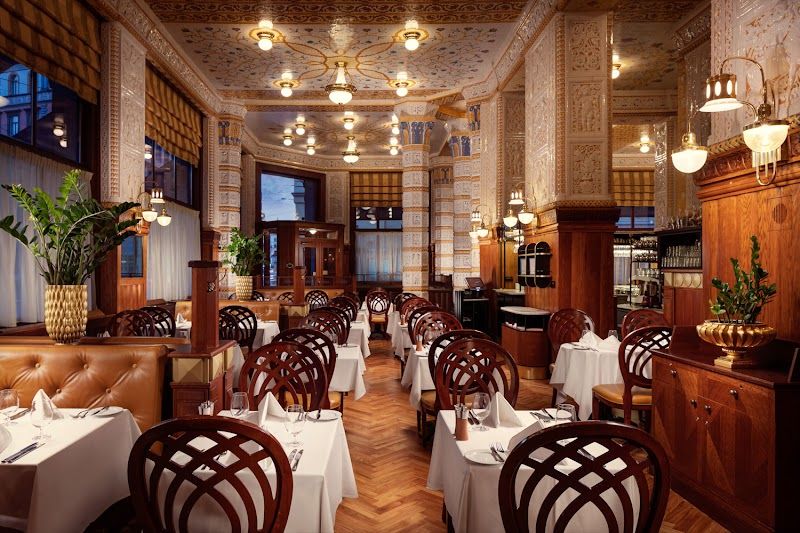
The success of prague food halls has influenced the broader restaurant scene, pushing traditional venues to modernize their approaches to service speed, menu variety, and pricing. Even century-old establishments like Café Louvre have adapted elements from food hall concepts.
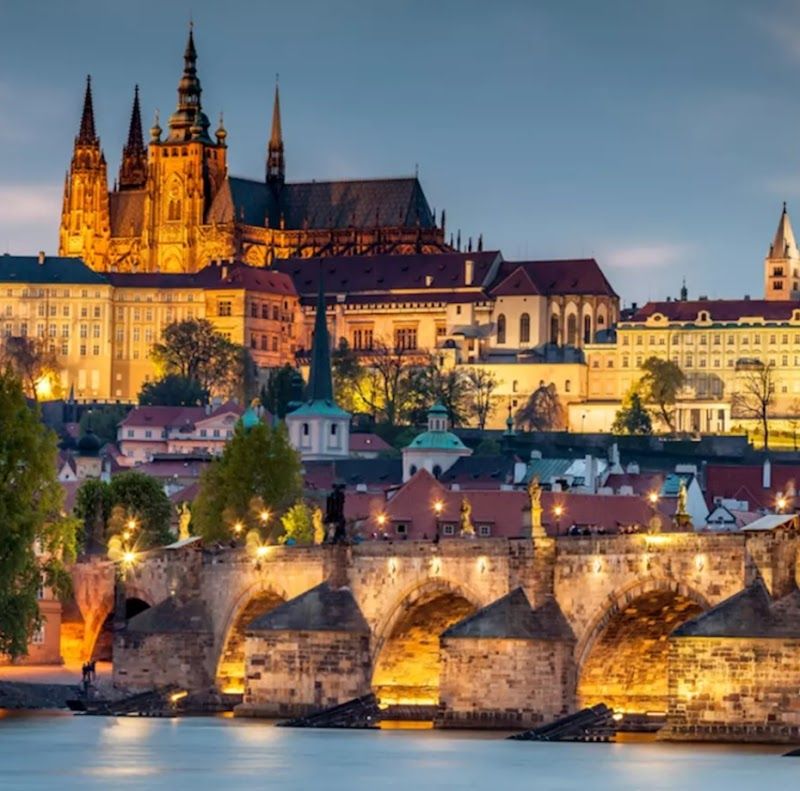
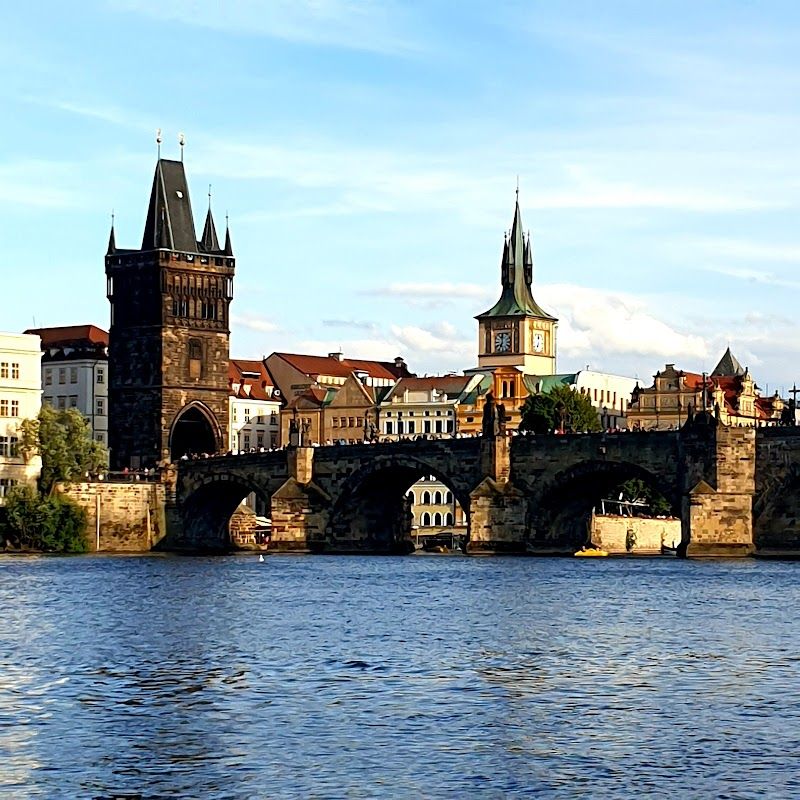
For visitors planning extended stays or those seeking authentic local experiences, Prague's food halls provide entry points into the city's evolving culinary identity. They represent where Prague dining is headed, rather than where it's been, making them essential stops for understanding contemporary Czech culture beyond the tourist-focused attractions of Charles Bridge and Prague Castle.