The Seville vs Granada debate splits travelers down the middle, and for good reason. Both cities represent different faces of Andalusia, each with monuments that justify international flights and cultural experiences you cannot replicate anywhere else in Spain.
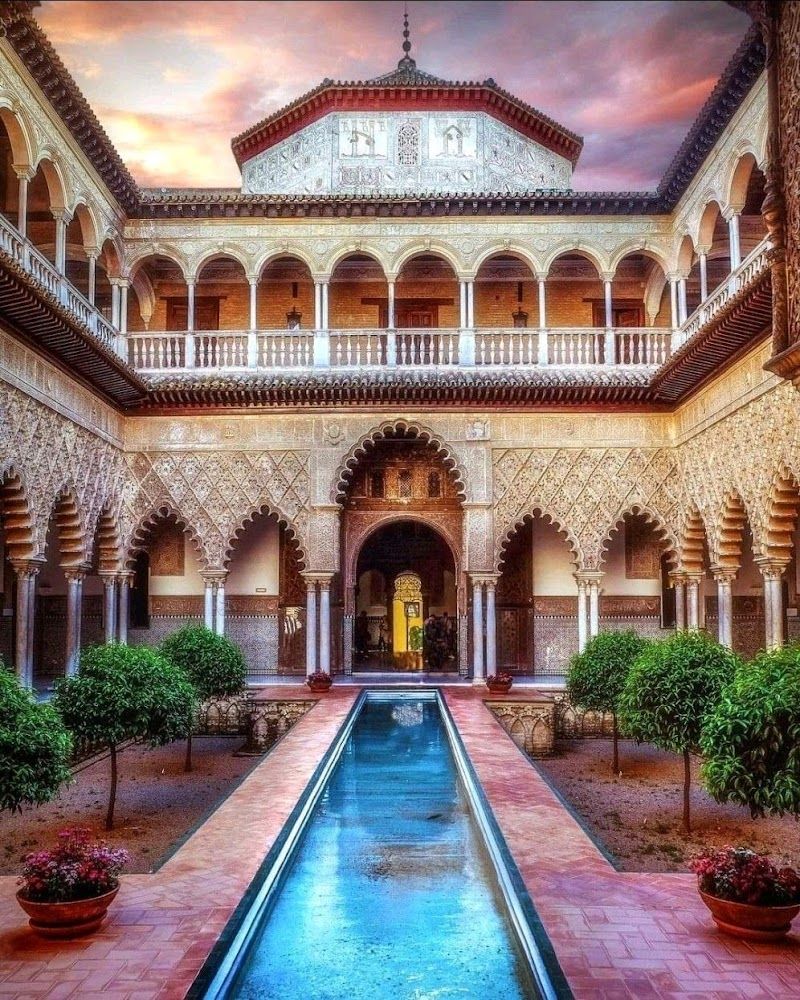
Seville is the city that takes flamenco seriously, where the Real Alcázar de Sevilla costs EUR 13.50 to enter and delivers palace rooms that make Versailles look restrained. Granada counters with the Alhambra, a fortress-palace complex that requires advance booking months ahead and costs EUR 14 for daytime entry. The question is not which city has better monuments - they both have UNESCO World Heritage sites that rank among Europe's finest - but which city fits your travel style and timing.
After spending considerable time in both cities, here's the honest comparison that will help you decide whether to book flights to Seville or Granada.
Why Seville Wins: Cathedral, Flamenco, and Proper City Life
Seville delivers the complete Spanish city experience. This is Andalusia's capital and largest city, with 700,000 residents who create authentic urban energy that Granada, with its 230,000 population, cannot match. The nightlife stretches past 2 AM in neighborhoods like Centro, where locals pack bars along Calle Betis until sunrise.
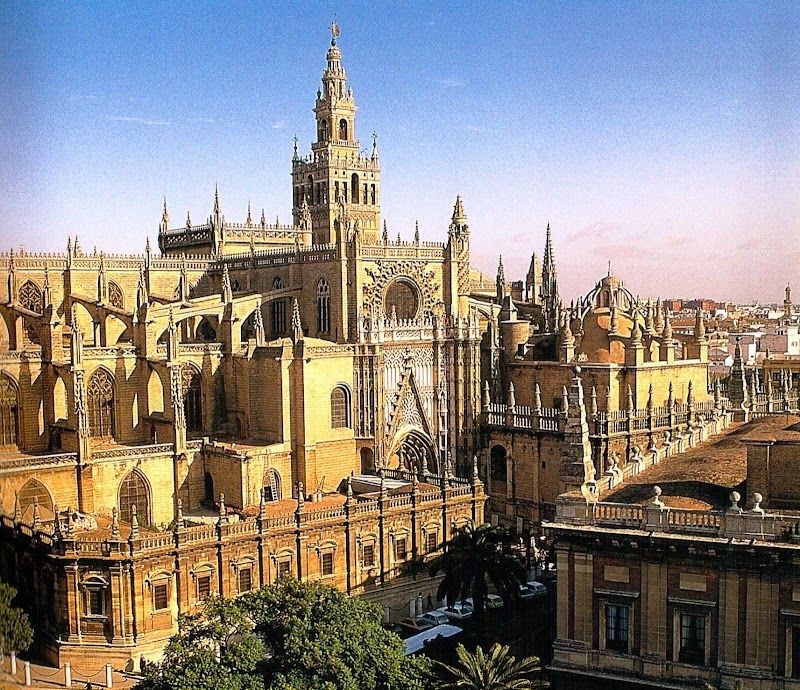
The Seville Cathedral and Giralda Tower is the world's largest Gothic cathedral, containing Columbus's tomb carried by four bronze kings in perpetuity. At EUR 12 admission, it delivers more architectural impact per euro than any monument in Spain. The cathedral's scale becomes clear when you climb the Giralda's 34 ramps (built for horses) to reach views over terracotta rooftops that stretch to the horizon.
Flamenco authenticity matters here. While Granada has flamenco shows for tourists, Seville birthed the art form. Casa de la Memoria hosts intimate performances (EUR 18-22) where dancers sweat close enough to the audience that you feel the floor vibrations through your seat. The Tablao Flamenco Show scene in Seville includes venues where locals attend, not just tour groups photographing through phones.
The food culture runs deeper than tapas tourism. El Rinconcillo, operating since 1670, serves jamón ibérico de bellota and manzanilla sherry at prices (EUR 3-8 per tapa) that reflect local economics, not tourist budgets. The Mercado de Triana operates as a neighborhood market first, tourist attraction second, with vendors who remember regular customers and their usual orders.
The heat creates unique rhythms. From June through September, Seville regularly hits 40°C and the city empties between 2 PM and 6 PM. This is not laziness - it is survival. The siesta becomes functional, and evening life extends until 3 AM to compensate. If you want to experience true Mediterranean rhythms, Seville's climate forces authentic lifestyle adjustments that Granada's milder temperatures do not require.
Why Granada Fights Back: The Alhambra and Mountain Setting
The Alhambra alone justifies choosing Granada. This 13th-century Nasrid palace complex represents the peak of Islamic architecture in Europe, with details like the Court of Lions that reward hours of examination. The EUR 14 general admission (advance booking essential) includes the Nasrid Palaces, Generalife gardens, and Alcazaba fortress. No other single monument in Andalusia approaches the Alhambra's artistic achievement.
Granada's setting provides relief that Seville cannot offer. The city sits at 738 meters elevation with the Sierra Nevada mountains providing a backdrop and temperatures that rarely exceed 35°C in summer. You can see snow-capped peaks from the Albaicín neighborhood while eating lunch in December. This geographic advantage means comfortable sightseeing year-round, while Seville becomes genuinely difficult to navigate during July and August afternoons.
The student population creates different energy. The University of Granada enrolls 60,000 students, creating nightlife that centers around affordable bars rather than tourist-focused flamenco shows. Tapas come free with drinks in many Granada bars - a tradition that Seville has largely abandoned. The Realejo and Albaicín neighborhoods maintain authentic residential character because students live there, not just tourists.
Tea culture distinguishes Granada from every other Spanish city. The Albaicín's tetería (tea house) tradition reflects the city's Moorish heritage more directly than Seville's converted mosque-cathedral. These venues serve mint tea and Middle Eastern pastries in settings that feel transported from Morocco rather than adapted for Spanish tastes.
Seville vs Granada: Monument Showdown
Both cities anchor their tourism appeal around UNESCO World Heritage monuments, but they deliver different experiences:
| Aspect | Seville | Granada |
|---|---|---|
| Primary Monument | Cathedral + Alcázar (EUR 25.50 combined) | Alhambra (EUR 14) |
| Booking Requirements | Same-day possible | Months advance required |
| Time Required | Full day minimum | Half day sufficient |
| Architectural Style | Gothic + Mudéjar mix | Pure Islamic Nasrid |
| Crowds | Manageable most seasons | Overwhelming year-round |
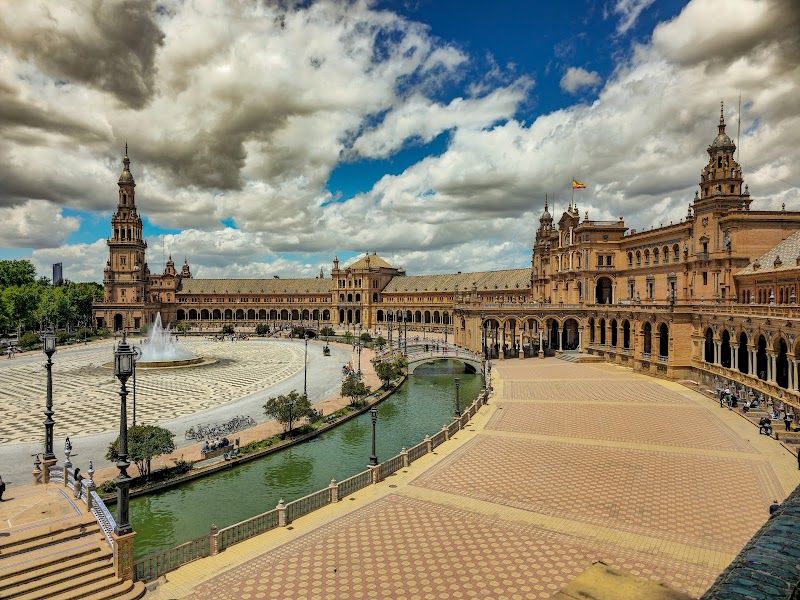
The Plaza de España in Seville provides free access to 1929 exposition architecture that HBO used for Game of Thrones filming. Granada's equivalent free attraction is the Mirador de San Nicolás, offering Alhambra views that cost nothing but require steep uphill walking through cobblestone streets.
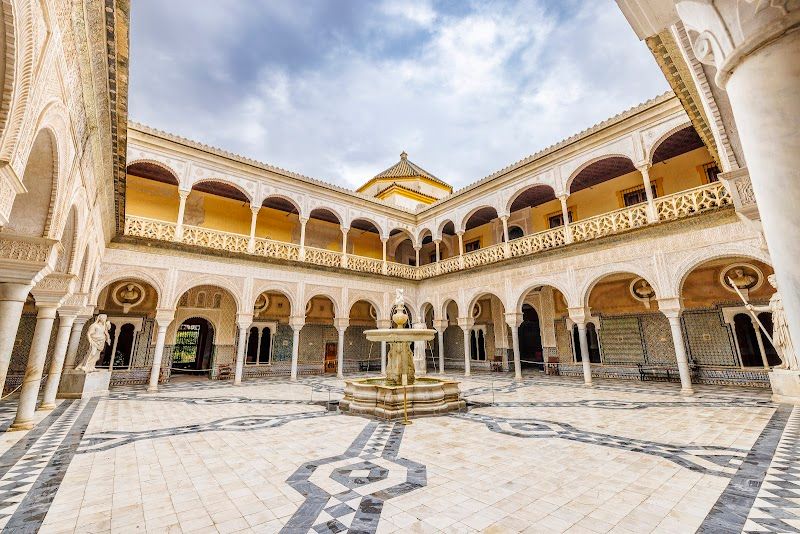
Seville's Casa de Pilatos (EUR 10) showcases Mudéjar architecture in a setting where you can examine details without fighting crowds. Granada's secondary monuments like the Royal Chapel (EUR 5) contain significant history but cannot compete with the Alhambra's overwhelming presence.
Food, Drink, and Cost Comparison
Seville costs more but delivers bigger portions and later hours. A typical tapas tour in Santa Cruz costs EUR 25-40 per person for three bars with drinks. Granada's equivalent costs EUR 15-25 but portions are smaller and quality varies more between venues.
Seville's restaurant scene includes establishments like Eslava that elevate Andalusian ingredients without tourist-menu simplification. The city's size supports specialized restaurants - Iranian, Peruvian, Japanese - that Granada's smaller population cannot sustain.
Granada's university population keeps some prices lower. Beer costs EUR 2-3 in student areas versus EUR 3-4 in central Seville. Coffee averages EUR 1.20-2.50 in both cities, but Granada's student cafes offer better WiFi and laptop-friendly environments.
Sherry culture belongs to Seville. The city sits an hour from Jerez, where fino and manzanilla sherries originate. Bars like La Bodega Santa Cruz serve sherry from 200-year-old barrels at EUR 2.50-5 per glass. Granada's wine culture focuses on local Alpujarra varieties that are harder to find outside the region.
When Weather Decides Everything
Summer temperatures create the clearest distinction between Seville vs Granada Spain. Seville's location in the Guadalquivir valley creates a heat bowl that reaches 42°C in July and August. The city adapts with later dinner hours (10 PM standard) and extended evening life, but daytime sightseeing becomes genuinely uncomfortable.
Granada's elevation and mountain proximity keep summer highs around 32-35°C, making afternoon walking possible year-round. Winter brings occasional snow to Granada while Seville maintains mild temperatures that average 15-20°C.
| Season | Seville Advantage | Granada Advantage |
|---|---|---|
| Spring (Mar-May) | Perfect weather, fewer crowds | Mountain wildflowers, ideal hiking |
| Summer (Jun-Aug) | Extended nightlife, siesta culture | Comfortable sightseeing all day |
| Fall (Sep-Nov) | Post-heat relief, harvest season | Clear mountain views, crisp air |
| Winter (Dec-Feb) | Mild temperatures, less rain | Snow-capped Sierra Nevada backdrop |
If you visit between June and September, Granada wins purely on comfort. If you want to experience authentic Spanish summer rhythms - late dinners, afternoon siestas, 2 AM street life - Seville delivers the full cultural immersion.
Neighborhood Character: Where You'll Actually Spend Time
Seville's neighborhood diversity exceeds Granada's options. Triana across the Guadalquivir river maintains working-class character where ceramics workshops operate alongside flamenco venues. The Alameda de Hércules creates nightlife density with dozens of bars within walking distance.
Granada's Albaicín provides better views and steeper character, with white houses climbing hillsides toward the Alhambra. The neighborhood requires good walking shoes and accepts that some restaurants are genuinely difficult to find. Sacromonte's cave houses offer unique accommodation and flamenco experiences, but the area feels more touristic than authentic residential space.
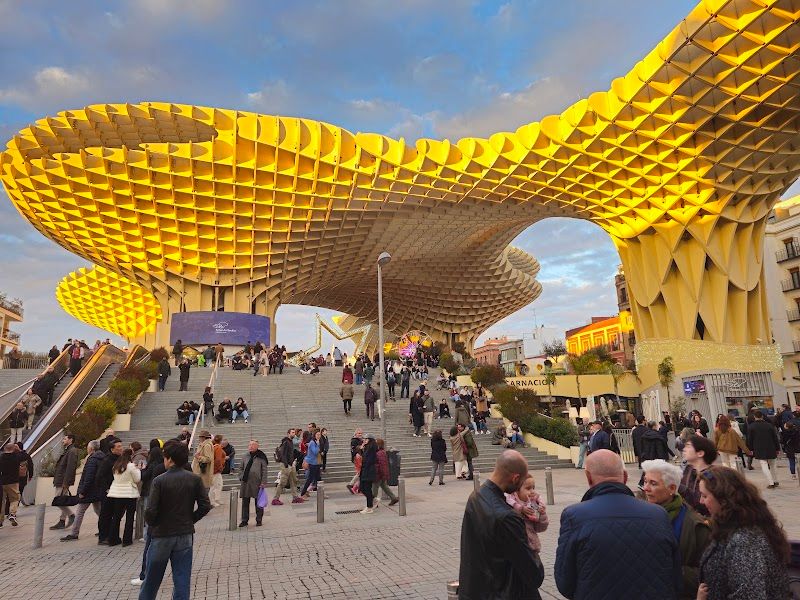
Seville's Centro includes the Metropol Parasol (Las Setas) with EUR 5 elevator access to city views. The modern architecture contrasts sharply with medieval streets below, creating visual variety that Granada's more consistent historic architecture does not provide.
Which Andalusian City Deserves Your Limited Time
Choose Seville if: You want the complete Spanish city experience with late-night dining, authentic flamenco, and monuments that reward multiple visits. The heat does not deter you, or you are visiting between October and May. You prefer cities with diverse neighborhoods and restaurant scenes that extend beyond tourist menus.
Choose Granada if: The Alhambra sits at the top of your Spain bucket list, and you want comfortable sightseeing temperatures year-round. You prefer compact cities where major attractions are walking distance from each other. Mountain scenery and tea house culture appeal more than urban nightlife diversity.
Choose both if your schedule allows: The cities are 250 kilometers apart with direct bus connections (3 hours, approximately EUR 15-20). Many travelers combine both in week-long Andalusia trips, though this requires advance Alhambra booking and awareness that the cities offer genuinely different experiences.
For first-time visitors to Andalusia, Seville provides broader Spanish cultural immersion. For travelers focused specifically on Islamic architectural heritage, Granada delivers Europe's finest example. The decision ultimately depends whether you prioritize comprehensive cultural experience or concentrated monument visitation.
Both cities justify international travel, but they reward different travel styles. Seville demands time to absorb rhythms and neighborhood character. Granada focuses attention on specific sites and scenic beauty. Neither disappoints visitors who understand what each city does best.
Start your planning with our detailed First Time in Seville guide if Seville wins your comparison, or begin researching advance Alhambra tickets if Granada's mountain setting and Islamic architecture prove more compelling.