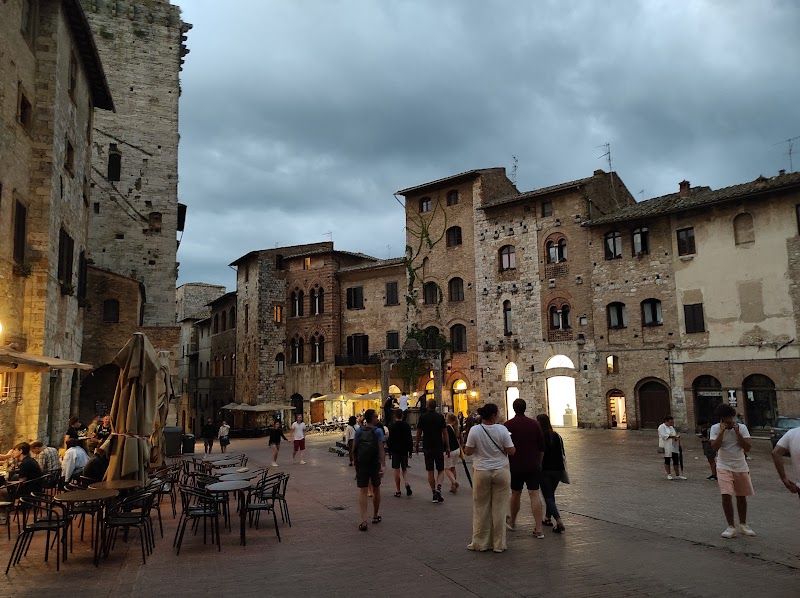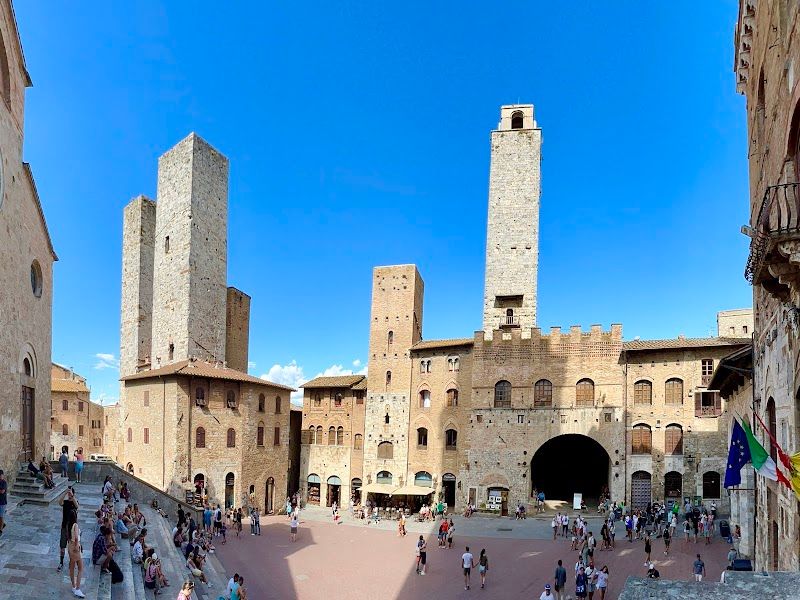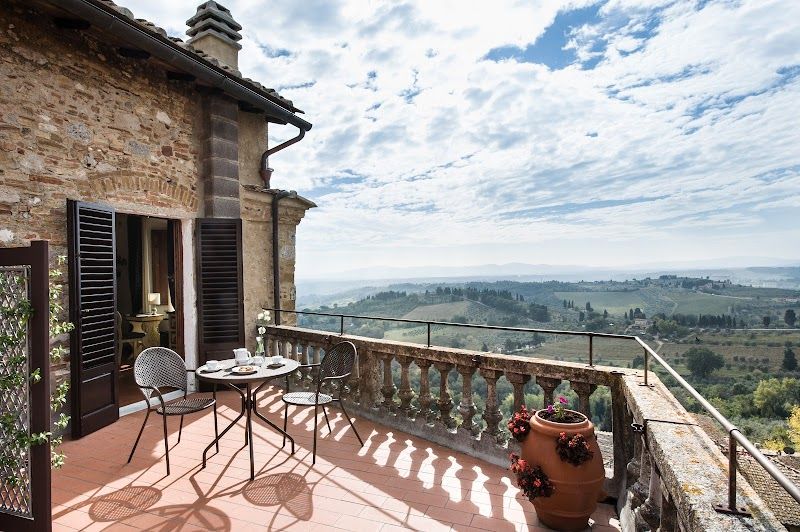
San Gimignano food extends far beyond the tourist-trap panini sold to day-trippers racing between the towers. This medieval hilltop town sits in the heart of Tuscany's white-truffle belt, produces Italy's only DOCG white wine from a single grape, and houses a gelateria that actually won world championships. The catch is knowing where to look.
Most visitors stick to the obvious spots around Piazza della Cisterna, grab a quick bite, and move on. That's a mistake. San Gimignano cuisine draws from centuries of Tuscan tradition, local ingredients like DOP saffron, and the unique terroir that produces Vernaccia di San Gimignano. The best meals happen at family-run trattorias where the menu changes with the season and the wine comes from vineyards visible from your table.
Vernaccia di San Gimignano: Italy's Tower Town Wine
Vernaccia di San Gimignano holds DOCG status as Italy's only white wine made from a single grape variety. The Vernaccia grape grows exclusively in the volcanic soil around San Gimignano, producing a crisp, mineral wine that pairs naturally with Tuscan cuisine. You can't get authentic Vernaccia anywhere else in the world.
The best introduction to san gimignano food culture starts with understanding this wine. Vernaccia has been produced here since at least 1276, when documents first mention local vineyards. Today, 70+ producers work the hills around the town, and the quality ranges from decent table wine to exceptional single-vineyard bottlings.
Where to Taste Vernaccia Wine
The Vernaccia Wine Experience inside the Rocca di Montestaffoli offers the most comprehensive tasting in town. Entry-level cards cost EUR 10 and let you sample 4-6 wines from different producers. Premium cards at EUR 25 unlock riserva bottlings and single-vineyard selections, plus small bites of pecorino and prosciutto.
The system works like a wine bar: buy a pre-loaded card, use it at automated dispensers, and get any unused credit refunded. Single-glass tastings run EUR 4-7, making this the most cost-effective way to compare producers. The facility opens daily with no reservations needed.
For a deeper dive, book a cellar visit at producers like Tenuta Sovestro, Cesani, or Panizzi. Off-site winery visits cost EUR 25-55 and include 60-90 minutes of cellar tours, 4-6 wine tastings, and often olive oil sampling. These require advance booking but offer direct contact with winemakers and the chance to buy bottles not available in town.
Enoteca Gustavo in the Collegiata & Palazzo Comunale area stocks the most extensive selection of local Vernaccia, with bottles from EUR 10-25. The owner knows every producer personally and can recommend specific vintages based on your preferences.
Wild Boar and Tuscan Classics: What to Eat in San Gimignano
San Gimignano best food centers on traditional Tuscan dishes executed with local ingredients. Wild boar roams the forests around the town, providing the meat for the signature pappardelle al cinghiale - wide ribbon pasta with slow-cooked wild boar ragu that appears on every menu for EUR 13-18.
The preparation varies significantly between restaurants. At Cum Quibus in the Rocca & Gardens area, the chef slow-braises wild boar with Vernaccia wine, creating a sauce that's both rich and bright. Le Vecchie Mura, just outside Porta San Matteo, takes a more traditional approach with tomatoes, rosemary, and Chianti.
Bistecca alla Fiorentina: The Ultimate Tuscan Steak
For carnivores, bistecca alla Fiorentina represents the pinnacle of Tuscan cooking. This massive T-bone steak gets charcoal-grilled rare, sliced tableside, and served with white beans and rosemary potatoes. Expect to pay EUR 55-80 per kilogram, with minimum cuts of 800g-1kg designed for 2-3 people sharing.
Le Vecchie Mura sources their beef from Chianina cattle raised in the Val d'Elsa below San Gimignano. The meat has a distinctive flavor that comes from the limestone-rich pastures, and the restaurant grills it over olive wood for extra smokiness. Reservations are essential, especially for weekend dinners.
Seasonal Specialties and Local Ingredients
San Gimignano cuisine changes with the seasons in ways that most visitors miss. Spring brings artichokes and fava beans. Summer features tomatoes, basil, and zucchini blossoms. Fall is truffle season, when white truffles from the surrounding hills appear in risottos and pasta dishes.
The town's DOP saffron adds a unique element to local cooking. San Gimignano has grown Crocus sativus since the 13th century, producing hand-picked stigmas that retail for EUR 5-10 per gram. Local chefs use it in risottos, pasta sauces, and even gelato. The flavor is more delicate than Spanish saffron, with floral notes that complement Vernaccia wine.
Pecorino di San Gimignano - aged sheep's milk cheese - pairs naturally with local honey and Vernaccia. Stagionato varieties cost EUR 18-30 per kilogram, depending on aging. The cheese develops a firm texture and sharp, nutty flavor after 4+ months in caves carved from the same tufa stone as the town's foundations.
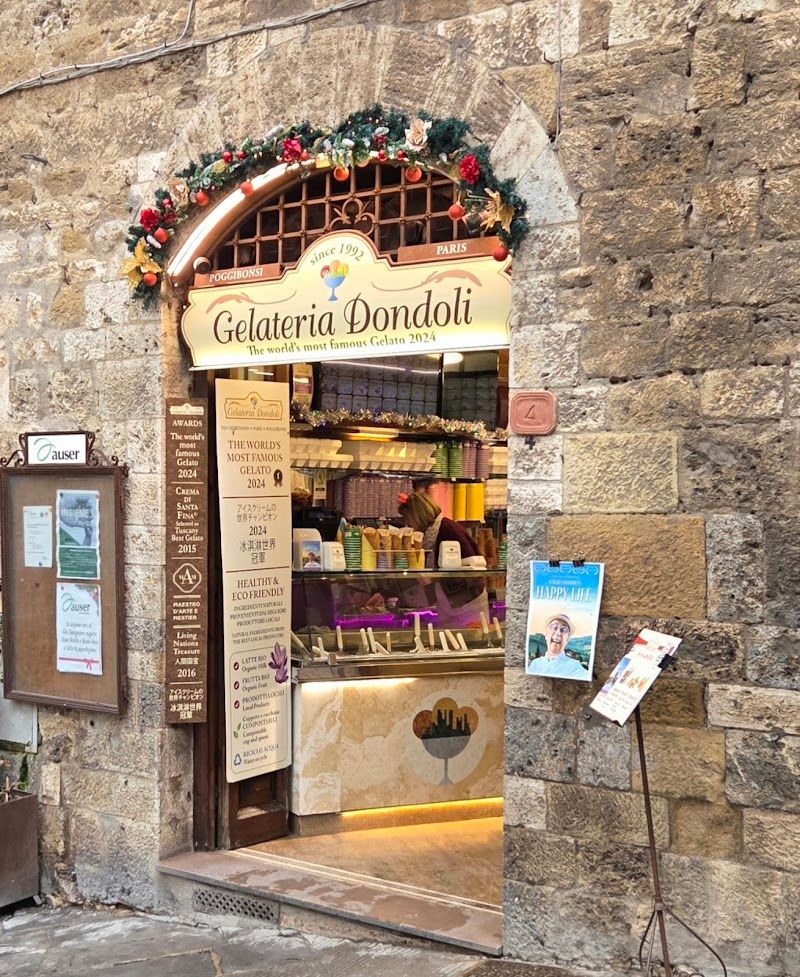
Gelateria Dondoli: World Championship Gelato
While most food writers dismiss gelato as tourist fare, Gelateria Dondoli actually earned its reputation. Sergio Dondoli won the World Gelato Championship in 2006, 2007, 2008, and 2009 - the only four-time winner in the competition's history.
The key difference is technique and ingredients. Dondoli makes gelato fresh daily using local products: Vernaccia wine becomes sorbetto, DOP saffron flavors the signature Crema di Santa Fina, and seasonal fruits come from farms within 20 kilometers of the shop.
Small cups cost EUR 3-4.50, which is reasonable for the quality. The signature flavors change seasonally, but Crema di Santa Fina (with saffron and pine nuts) and Vernaccia sorbetto remain year-round favorites. The shop sits at Piazza della Cisterna 4, and despite the constant queues, service moves quickly.
Other Notable Gelaterias
L'Antica Latteria offers a more traditional approach with classic flavors like stracciatella and pistachio. The gelato is good, though not groundbreaking, and the shop stays less crowded than Dondoli. Prices run slightly lower at approximately EUR 2.50-4.
Several shops along Via San Giovanni sell industrial gelato to tourists. Skip these entirely - the quality is poor and the prices are inflated.
Restaurant Recommendations: Where to Eat
Navigating San Gimignano restaurants requires local knowledge. Many places cater exclusively to day-trippers with overpriced, mediocre food. The best restaurants often hide on side streets or require reservations.
Fine Dining Options
La Cisterna occupies a 14th-century palazzo on Piazza della Cisterna and serves refined Tuscan cuisine. The menu emphasizes local ingredients prepared with modern techniques. Dinner costs EUR 35-55 per person for antipasto, primo, secondo, and a bottle of Vernaccia. The dining room features medieval stone walls and views of the main square.
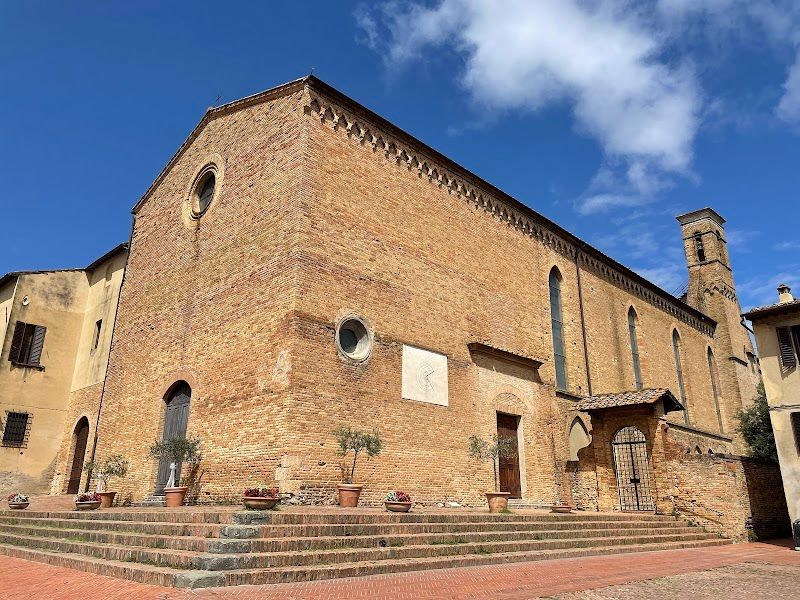
Locanda Sant'Agostino sits near the Chiesa di Sant'Agostino away from the main tourist flow. Chef Marco Staccioli trained in Michelin-starred kitchens before returning to San Gimignano to cook traditional dishes with contemporary presentations. The tasting menu highlights seasonal ingredients and costs approximately EUR 65-80.
Traditional Trattorias
Cum Quibus serves the most consistent traditional food in town. The pappardelle al cinghiale is exceptional, and the wine list focuses on small Vernaccia producers. Lunch runs EUR 18-28 per person for primo, secondo, and wine. The restaurant sits in a quiet corner near the fortress, making it less touristy than places on the main squares.
Dulcis In Fundo specializes in seasonal Tuscan cooking with an emphasis on vegetables. The menu changes based on market availability, and the chef sources ingredients from farms in the immediate area. Wild boar appears in winter, while spring features artichoke and fava bean dishes.
Le Vecchie Mura (just outside Porta San Matteo) has the best bistecca alla Fiorentina in town. The restaurant sources Chianina beef from local farms and grills it over olive wood. The atmosphere is rustic - stone walls, wooden tables, no pretensions - and the focus stays entirely on the quality of ingredients.
San Gimignano Food Shopping: Local Products to Take Home
The best food shopping happens at local producers rather than tourist shops along the main streets. Several family-run businesses sell authentic products that represent true san gimignano cuisine.
Wine and Olive Oil
Enoteca Corsi has the most extensive Vernaccia selection, with bottles from small producers not available elsewhere. Standard DOCG bottlings cost EUR 10-12, while riserva and single-vineyard wines run EUR 15-25. The shop ships internationally and offers tasting notes for each producer.
For olive oil, visit Frantoio Sociale del Chianti Fiorentino, which presses olives from groves around San Gimignano. The oil has a peppery finish characteristic of high-altitude Tuscan production. Bottles cost approximately EUR 12-18 for 500ml.
Specialty Ingredients
Saffron of San Gimignano DOP sells for EUR 5-10 per gram at La Bottega del Castello or directly from producers. This is significantly cheaper than buying imported saffron elsewhere, and the quality is exceptional.
Truffle Boutique on Via San Giovanni stocks white truffle products during season (October-December). Small jars of truffle honey cost EUR 12-28, while truffle oil and salt run approximately EUR 8-15. The shop sources truffles from the oak forests surrounding the town.
Pecorino di San Gimignano is available at Salumeria di Frosini and at the Friday-Saturday market on Piazza del Duomo. Semi-stagionato varieties cost EUR 18-22 per kilogram, while aged wheels run EUR 25-30. The cheese travels well and develops more complex flavors with additional aging.
Practical Information: Timing and Costs
Lunch at trattorias costs EUR 18-28 per person for primo, secondo, and wine. Most places offer fixed-price tourist menus around EUR 20, but these are usually mediocre. Ask for the menu in Italian to see the real offerings.
Dinner at mid-range restaurants runs EUR 35-55 per person for a full meal with wine. Reservations are essential in summer, especially for restaurants with terrace seating.
Coffee costs EUR 1.50 standing at the bar, EUR 3 sitting on Piazza della Cisterna. The view justifies the premium once, but locals always drink standing.
For wine shopping, budget EUR 10-25 for quality Vernaccia bottles. Cheaper wines exist, but the DOCG designation ensures minimum quality standards. Riserva bottlings offer the best value for special occasions.
Seasonal Considerations
San Gimignano food varies significantly by season. Spring (March-May) brings artichokes, fava beans, and new olive oil. Restaurants feature lighter dishes and fresh vegetables.
Summer (June-August) is peak season for both tourism and local produce. Tomatoes, zucchini, and basil are at their best, but restaurants get crowded and quality can suffer at tourist-focused places.
Fall (September-November) is truffle season and harvest time. White truffles appear on menus, wine producers offer harvest experiences, and the weather is ideal for long meals. This is the best time to visit for serious food experiences.
Winter (December-February) sees many restaurants close or reduce hours, but the ones that stay open focus on hearty dishes like wild boar stews and aged cheeses. It's the season for intimate dinners and serious wine tastings.
The key to great san gimignano food experiences is timing, local knowledge, and willingness to venture beyond the obvious tourist spots. The tower town offers genuinely excellent cuisine for those who know where to look, from world-championship gelato to wines you can't find anywhere else on earth. Plan accordingly, make reservations, and prepare for some of Tuscany's most distinctive flavors.
For comprehensive planning, check our complete San Gimignano food guide and first-time visitor overview for additional restaurant recommendations and practical tips.