The decision between San Gimignano vs Siena comes down to what you want from medieval Tuscany. San Gimignano gives you Instagram towers and wine tastings in a town you can walk across in 15 minutes. Siena offers Gothic architecture, serious museums, and the energy of a living university city. Both are worth seeing, but if you can only pick one, the choice depends on whether you want a half-day photo stop or a full cultural immersion.
Most travelers face this dilemma because both towns sit in central Tuscany, roughly 40 minutes apart by car and connected by regular buses. The distance from Siena to San Gimignano is 38 kilometers, but they offer completely different experiences despite sharing the same medieval DNA.
The Case for San Gimignano: Towers, Gelato, and Tourist-Friendly Simplicity
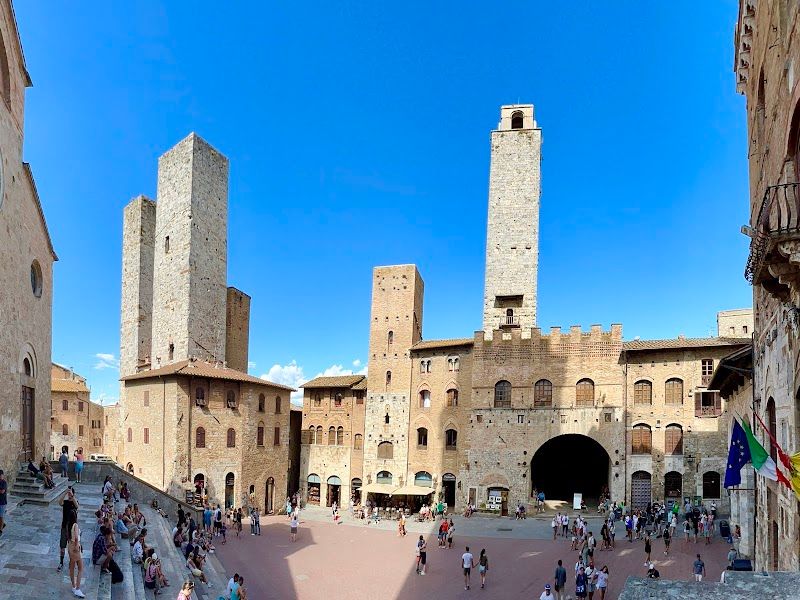
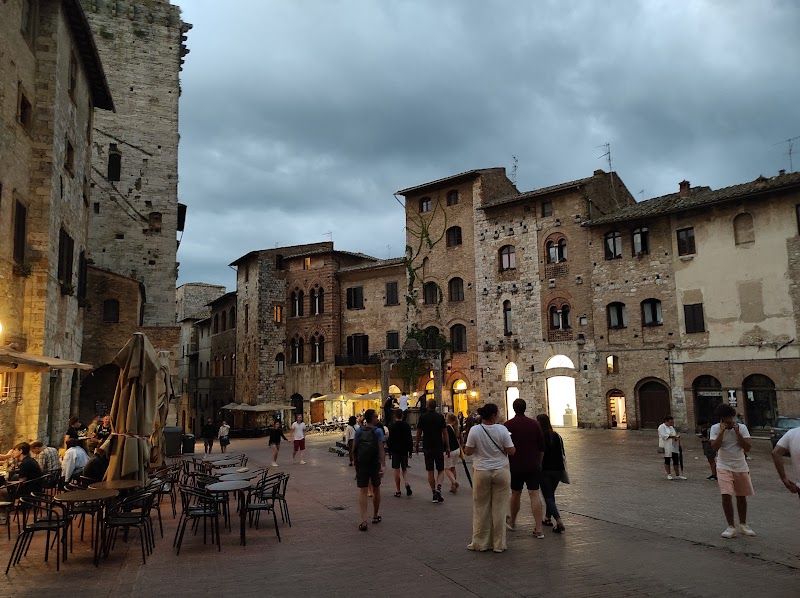
San Gimignano built its reputation on those 14 surviving towers, and the marketing photos don't lie. The skyline really does look like a stone Manhattan rising from the Tuscan hills. This is medieval architecture as theater set, preserved because the town became too poor in the 15th century to tear down the old towers like every other prosperous Italian city did.
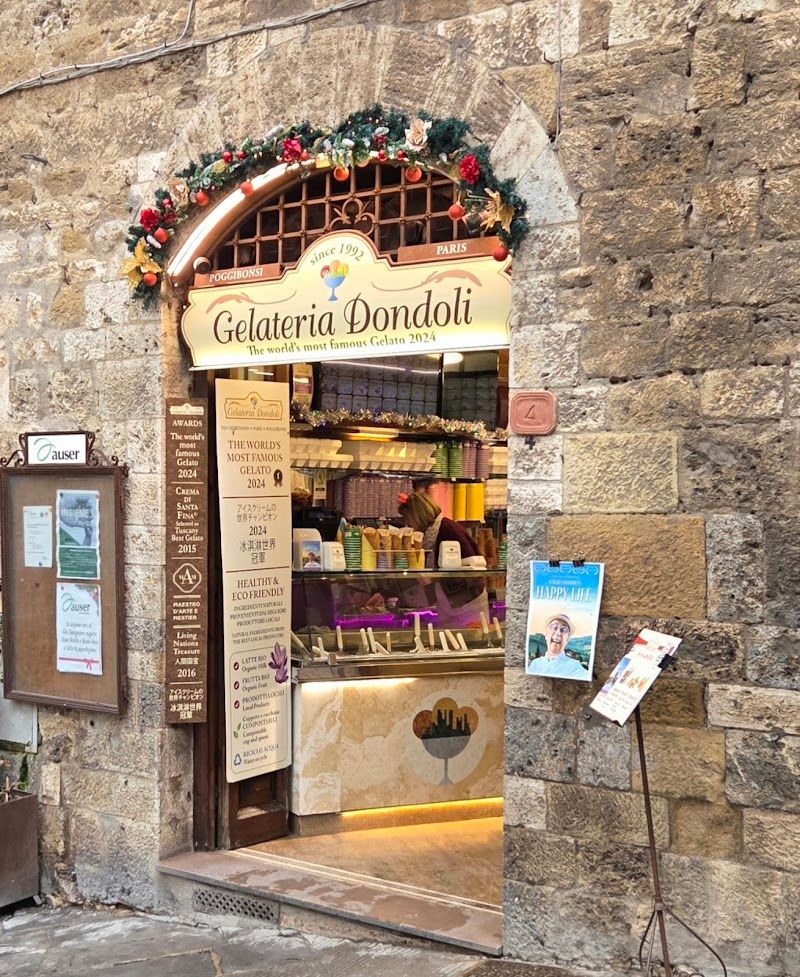
The experience is straightforward: enter through Porta San Giovanni, walk up Via San Giovanni to Piazza della Cisterna, take photos, eat gelato at Gelateria Dondoli (world championship winner, EUR 3-4.5 for a small cup), and climb Torre Grossa for the view (EUR 9-10 entry only, or EUR 15 for the San Gimignano Pass that covers all major sites).
The entire historic center fits inside medieval walls you can walk around in 20 minutes. Every street leads to either Piazza della Cisterna or Piazza del Duomo, so getting lost is nearly impossible. This makes San Gimignano travelers who want maximum medieval atmosphere with minimum navigation stress.
San Gimignano works best if you: want impressive photos, prefer wine tasting to museum browsing, have only half a day available, or struggle with large crowds and complex layouts.
The food scene centers on Vernaccia wine (Italy's only single-grape DOCG white, EUR 4-7 per glass) and that championship gelato. The town's saffron production dates to the 13th century and appears in everything from pasta to gelato flavors.
The Case for Siena: Gothic Architecture and Living History
Siena operates on a completely different scale. Where San Gimignano preserved its towers by accident of poverty, Siena built the Duomo, the Palazzo Pubblico, and Piazza del Campo because it was rich enough to compete with Florence for architectural supremacy. The result is Gothic architecture that still takes your breath away 700 years later.
Piazza del Campo alone contains more architectural significance than all of San Gimignano. The shell-shaped square hosts the Palio horse race twice yearly, transforming from tourist attraction to neighborhood battlefield as the 17 contrade (districts) compete in a tradition that predates most European nations.
The Siena Cathedral complex includes the main Duomo with its striped marble facade, the Piccolomini Library with Renaissance frescoes, and the Duomo Museum housing Duccio's original cathedral altarpiece. Each component would be the star attraction in a smaller city.
Siena also functions as a living city. The University of Siena brings 20,000 students who fill the bars and restaurants, meaning you can eat well without paying tourist prices. The historic center includes supermarkets, hardware stores, and local services alongside the museums and hotels.
Siena works better if you: enjoy detailed art and architecture, want to experience Italian city life, prefer destinations with depth over quick photo opportunities, or have a full day or more to explore.
Where to Stay: Siena or San Gimignano for Your Base
Deciding where to stay siena or san gimignano depends on your transportation situation and trip priorities. Each option has clear advantages depending on your travel style.
Staying in San Gimignano
Hotels inside San Gimignano's walls cost EUR 110-180 per night for mid-range properties like Hotel L'Antico Pozzo or La Cisterna. You pay a premium for the medieval atmosphere, but the convenience is real. You can photograph the towers at golden hour when the day-trippers have left, and you have easy access to the Rocca di Montestaffoli viewpoint for sunrise shots.
Parking adds EUR 13-15 per night at the Montemaggio lot (EUR 15 for 24 hours), since hotels rarely include parking. For travelers with cars who want the full medieval experience, staying inside the walls works well despite the cost.
Agriturismo options 5-15 minutes outside town offer better value at EUR 90-170 per night, often including breakfast and parking. These working farms frequently offer wine tastings and cooking classes, making them excellent for couples or families wanting a broader Tuscan experience.
Staying in Siena
Siena offers more accommodation variety and better transportation connections. Hotels range from budget options near the train station to luxury properties in the historic center. The city's size means you can find everything from hostels to five-star palazzos.
More importantly, Siena connects you to the rest of Tuscany. Direct buses run to Florence (75 minutes), and you can easily visit Montalcino, Montepulciano, or the Chianti region as day trips. If you're exploring Tuscany without a car, Siena makes a superior base.
The SITA bus from Siena to San Gimignano costs EUR 6-7.5 one-way and takes about 75 minutes, making San Gimignano an easy day trip from Siena. The reverse journey from San Gimignano to visit other Tuscan towns is much more complicated.
Can You Visit San Gimignano and Siena in a Day?
Yes, you can visit San Gimignano and Siena a day, but success depends on your transportation and priorities. The distance between the cities is manageable, but the logistics require planning.
By Car: The Practical Option
Driving makes a combined visit straightforward. The 38-kilometer drive takes 40-50 minutes via the SR2 highway, with clear signage throughout. Start early in San Gimignano (8 AM arrival) to avoid crowds, spend 3-4 hours covering the towers, Collegiata, and wine tasting, then drive to Siena for the afternoon.
In Siena, focus on Piazza del Campo and the Cathedral complex. This combination gives you San Gimignano's towers and Siena's Gothic masterpieces in one day, though both experiences feel somewhat rushed.
Parking in Siena costs approximately EUR 2-3 per hour in the peripheral lots with shuttle service to the center. In San Gimignano, use the Montemaggio lot (EUR 3 first hour, EUR 2.50 second hour) for closest access to the historic center.
By Public Transport: Challenging but Doable
Combining both towns using buses requires careful timing and realistic expectations. The morning bus from Siena reaches San Gimignano around 10 AM, giving you 4-5 hours before the last return bus at 6 PM. This timeline works for San Gimignano's compact size but leaves no time for Siena exploration.
Alternatively, base yourself in Siena and dedicate a full day to San Gimignano. The SITA bus schedule allows for a 9 AM departure, full day in San Gimignano, and evening return to Siena. This approach lets you experience San Gimignano properly while using Siena as your comfortable base.
Siena and San Gimignano Itinerary: Making the Most of Both
A well-planned siena and san gimignano itinerary requires at least three days to do justice to both destinations. Here's how to structure your time effectively.
Day 1: Siena Deep Dive
Start with Piazza del Campo early morning when the light hits the Palazzo Pubblico perfectly. Climb the Torre del Mangia for city views (advance booking required), then explore the Cathedral complex. The striped Duomo, Piccolomini Library, and Cathedral Museum deserve a full morning.
Afternoon options include the Santa Maria della Scala museum (medieval hospital with fascinating frescoes) or exploring the contrade neighborhoods. Each district maintains its own identity, church, and museum. The Drago (Dragon) and Selva (Forest) contrade offer excellent local restaurants away from tourist areas.
Spend the evening in the Campo with aperitivo, watching the light change on the medieval facades. This gives you the full Siena experience before adding San Gimignano to your itinerary.
Day 2: San Gimignano and Countryside
Take the morning bus to San Gimignano or drive for more flexibility. Follow our half-day San Gimignano itinerary covering the essential towers, piazzas, and that world-champion gelato.
The afternoon works well for countryside exploration. San Gimignano sits in premium Vernaccia wine territory, with producers like Tenuta Sovestro and Cesani offering cellar visits (EUR 25-55, booking required). The rolling hills provide classic Tuscan landscapes between the vineyards.
Return to Siena for dinner, or if staying overnight in San Gimignano, enjoy the towers lit up after dark when the crowds disappear.
Day 3: Choosing Your Preference
Use the third day to revisit whichever town captured your interest. Siena rewards longer exploration with neighborhood walks, additional museums, and the university area's local atmosphere. San Gimignano works well for a relaxed morning with coffee in Piazza della Cisterna, shopping for saffron and Vernaccia, and a final tower climb.
Food and Wine: How the Towns Compare
The culinary scenes reflect each town's character. San Gimignano focuses on local specialties: Vernaccia wine, saffron, pecorino cheese, and wild boar pasta. The restaurants cater primarily to day-trippers, with tourist menus around EUR 20 that range from adequate to disappointing. For better meals, ask for menus in Italian and expect EUR 35-55 for dinner at quality spots like Cum Quibus or Le Vecchie Mura.
Gelateria Dondoli remains the town's genuine food highlight. The world championship titles (2006-2009) reflect real skill, particularly in flavors like Crema di Santa Fina (with local saffron) and Vernaccia sorbetto.
Siena offers broader dining options and better value. University students ensure reasonable prices at neighborhood trattorias, while the larger population supports specialized restaurants. The city's position in wine country provides excellent selections from Chianti Classico, Brunello di Montalcino, and Vino Nobile di Montepulciano alongside the local offerings.
For wine enthusiasts, San Gimignano wins on uniqueness. Vernaccia di San Gimignano holds DOCG status as Italy's only single-grape white wine designation, and tasting it in the production zone adds authenticity to the experience. Siena provides access to Tuscany's full wine range but lacks the focused local identity.
Budget Breakdown: Costs Compared
San Gimignano and Siena show significant cost differences across categories. Transportation from Florence costs EUR 7.5 by bus to San Gimignano (via Poggibonsi) versus direct train service to Siena. The San Gimignano Pass at EUR 15 covers all major attractions, while Siena's cathedral complex and civic museums require separate tickets totaling EUR 25-30.
Accommodation favors Siena for variety and value. San Gimignano's limited hotel inventory inside the walls commands premium pricing (EUR 110-180), while Siena's larger tourism infrastructure offers options from budget hostels to luxury palazzos. Agriturismo stays around San Gimignano (EUR 90-170) provide better value but require car rental.
Dining costs reflect each town's tourism model. San Gimignano's restaurants primarily serve day-trippers with tourist menus around EUR 20, while quality dinner spots cost EUR 35-55. Siena's university population creates more dining variety, with excellent neighborhood trattorias offering better value than San Gimignano's tourist-focused establishments.
Parking adds EUR 13-15 daily in San Gimignano versus approximately EUR 15-20 in Siena's peripheral lots with shuttle service. For travelers without cars, both towns connect reasonably well to Florence and other Tuscan destinations, though Siena offers more frequent and direct connections.
The Verdict: Which Town Wins
Should i visit siena or san gimignano comes down to what you want from your Tuscan experience. San Gimignano delivers maximum medieval atmosphere in minimum time. The towers provide an instantly recognizable Italian experience, the wine tasting introduces you to unique Vernaccia, and the compact layout means you can see everything worthwhile in half a day.
Choose San Gimignano if you want: striking photography opportunities, focused wine experiences, easy navigation, or you're short on time. The town excels as a day trip or overnight stop rather than a base for broader Tuscan exploration.
Siena rewards deeper exploration with Gothic architecture, authentic Italian city life, and superior transportation connections. The Cathedral ranks among Europe's most important Gothic buildings, Piazza del Campo hosts genuine medieval traditions, and the university creates local atmosphere beyond tourism.
Choose Siena if you want: significant art and architecture, authentic Italian experiences, a base for exploring Tuscany, or you have multiple days available. Siena works better for travelers who prefer depth over quick photo opportunities.
For most travelers, the ideal solution involves both towns with Siena as your base and San Gimignano as a day trip. This combination gives you Siena's cultural depth plus San Gimignano's visual impact, connected by an easy 75-minute bus ride. The contrast between the two medieval approaches - Siena's living city versus San Gimignano's preserved village - shows different sides of Tuscan history and makes both experiences more meaningful.
Check our first-time San Gimignano guide for detailed planning, and remember that you don't have to choose just one. Both towns earned their reputations honestly, and seeing them in sequence provides a complete picture of medieval Tuscany's range and sophistication.