Athens
Kolonaki
Upscale Athens climbing Lycabettus Hill: designer boutiques, museums, the funicular to the best panoramic view in the city, and cafes where Athens goes to see and be seen.
About Kolonaki
Kolonaki is the upscale neighbourhood climbing Lycabettus Hill, and it is where moneyed Athenians shop, dine, and drink coffee. The Benaki Museum (EUR 12, Greek culture from prehistory to modern, the rooftop cafe has the best Lycabettus views) and the Museum of Cycladic Art (EUR 7, the minimalist marble figurines that inspired Picasso and Modigliani) are both here. Lycabettus Hill itself is the highest point in central Athens: walk up from Kolonaki (30-40 minutes, steep) or take the funicular (EUR 10 return, entrance on Aristippou Street) for the 360-degree panoramic view that covers the Acropolis, Piraeus, and on clear days, the islands. The cafes on Tsakalof and Skoufa streets are where Athens goes to see and be seen. Shopping is designer boutiques and Greek fashion labels, a step up from Ermou Street.
Things to Do
Top experiences in Kolonaki
Plateia Kolonakiou
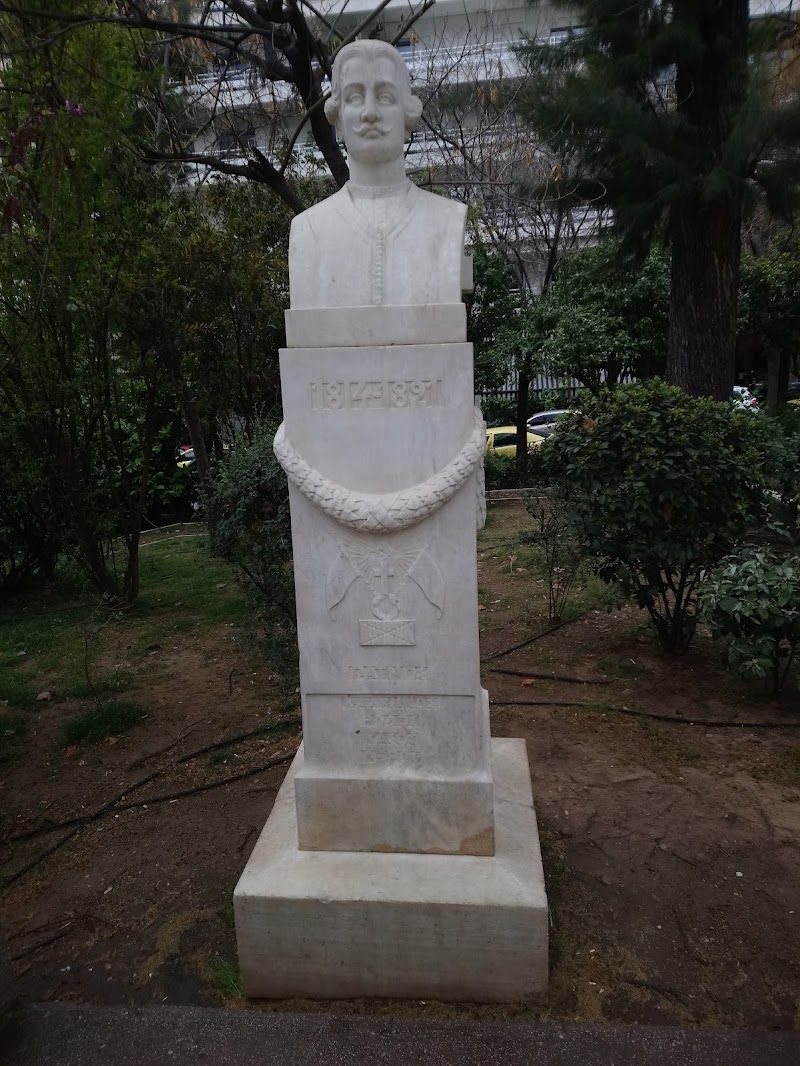
Plateia Kolonakiou (officially Plateia Filikis Etaireias) is the circular nerve center of Athens' poshest neighborhood, where you'll find some of the city's best people-watching alongside serious shopping. The square's ring of sidewalk cafés serves as outdoor theater seating for observing well-dressed Athenians sipping freddo espressos and discussing everything from politics to fashion. Designer boutiques line the surrounding streets, making this your gateway to brands like Hermès, Louis Vuitton, and high-end Greek designers. The square operates like an elegant living room where locals treat café tables as extensions of their homes. You'll see business deals conducted over coffee, mothers with designer strollers meeting for morning gossip, and stylish twenty-somethings checking their phones between shopping trips. The circular layout means you can walk the perimeter in two minutes, but most people settle into a café chair and stay for hours. The energy shifts throughout the day, from morning coffee rituals to evening aperitivo culture. Honestly, the coffee here costs nearly double what you'll pay elsewhere (expect 4-6 EUR for a freddo cappuccino), and you're paying for the location more than quality. Skip the touristy café terraces facing directly onto the square, they're overpriced even by Kolonaki standards. Instead, grab a seat at one of the side street cafés where you can still see the action but pay 2 EUR less per drink.
Benaki Museum
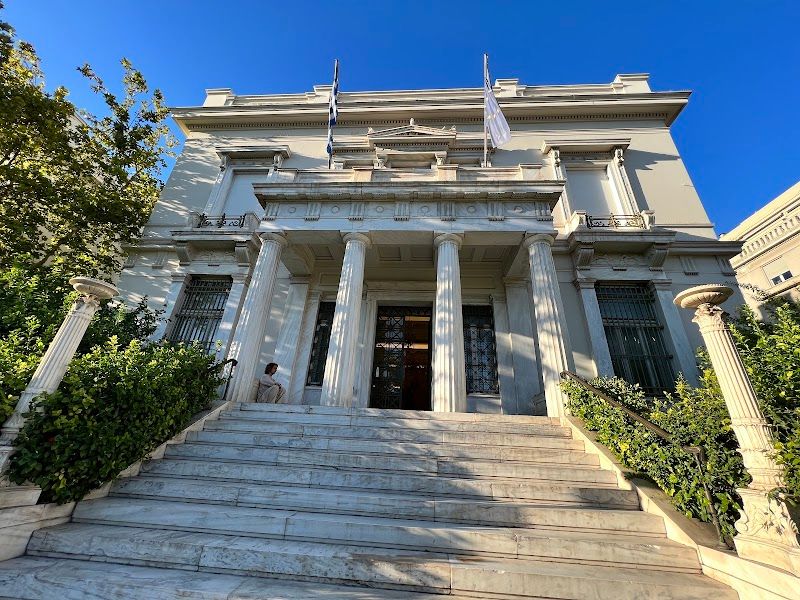
The Benaki Museum houses Greece's most comprehensive private collection, spanning 40,000 years from Neolithic pottery to 20th-century paintings. You'll find extraordinary Byzantine icons with gold leaf still gleaming, traditional folk costumes from every Greek region, and Ottoman-era jewelry that survived centuries of upheaval. The centerpiece is a meticulously reconstructed 18th-century Kozani reception room, complete with original wooden ceiling and Persian carpets. The museum flows chronologically through four floors of a gorgeous neoclassical mansion in upscale Kolonaki. Each room feels intimate rather than overwhelming, with carefully curated displays and excellent English descriptions. The Byzantine collection on the second floor genuinely impresses, while the folk art section reveals Greece beyond the ancient ruins. You'll spend most of your time on floors two and three, where the lighting and presentation rival major European museums. Most guides oversell this as essential, but it's really for culture enthusiasts rather than casual visitors. Skip the ground floor prehistoric section unless you're fascinated by pottery shards. The EUR 12 admission feels steep for what amounts to 90 minutes of viewing, though the audio guide adds valuable context. The rooftop cafe is genuinely excellent and doesn't require museum entry, so you can grab coffee with Lycabettus views for EUR 4 instead of paying full admission.
Lycabettus Hill
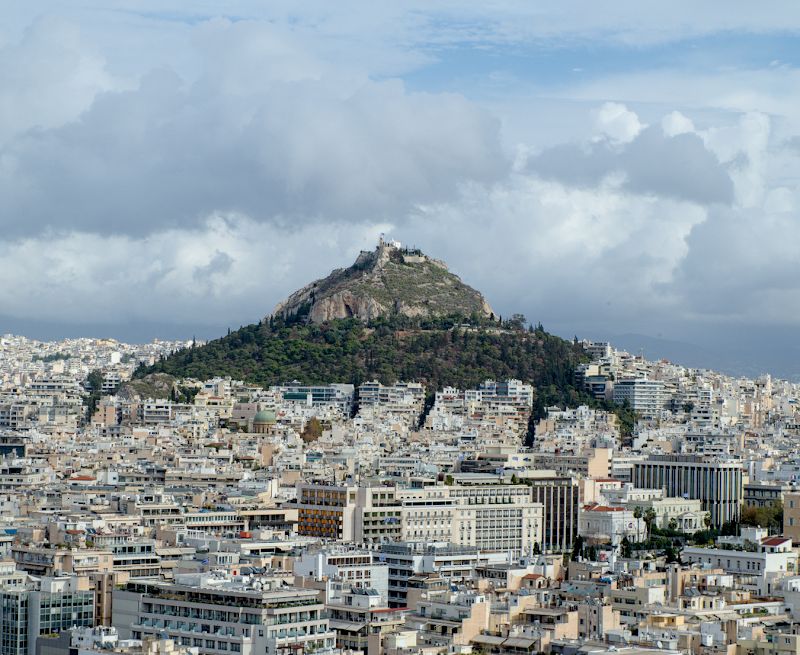
Lycabettus Hill rises 277 meters above Athens as the city's highest central point, offering a 360-degree panorama that stretches from the Acropolis to the Saronic Gulf. On clear days you'll spot the islands of Aegina and Salamis floating in the distance, while the sprawling city unfolds below like a concrete carpet punctuated by ancient ruins. The summit hosts the tiny Chapel of St. George and an open-air theater that comes alive during summer concerts. You can tackle the steep 40-minute climb from Kolonaki through pine-scented paths, or take the creaky funicular that deposits you at the top every 30 minutes. The ascent reveals glimpses of the city through the trees, building anticipation for the full reveal at the summit. Up top, the wind carries sounds from the city below while tourists jostle for selfie spots around the chapel's white walls. Most guides rave about sunset, but honestly, the crowds are awful and you'll be fighting for space. Go 90 minutes before sunset instead for golden light without the chaos. The summit cafe charges €7 for basic coffee, which feels steep until you realize you're paying for the view. Skip the overpriced restaurant and bring snacks, the funicular costs €10 return but saves your legs for exploring the city later.

Hellenic Parliament
The Hellenic Parliament occupies what was once the Royal Palace, a neoclassical beauty from 1843 that dominates Syntagma Square. You're here for the Evzones guards in their theatrical uniforms: white fustanella kilts, red caps with tassels, and shoes with enormous pom-poms called tsarouchia. These presidential guards perform a slow-motion changing ceremony every hour at the Tomb of the Unknown Soldier, moving like mechanical dolls in perfect synchronization. The hourly ceremony unfolds with surreal precision as two guards march in exaggerated slow motion, lifting their legs impossibly high and stamping their feet with force that echoes across the square. Their faces remain stone-serious while tourists snap photos of their theatrical uniforms. The Sunday 11 AM ceremony brings the full guard marching down from the barracks, accompanied by a military band, creating genuine spectacle rather than the brief weekday shows. Most guides oversell this as a major attraction when it's really a quick photo stop. The building itself isn't open for tours, so you're looking at architecture and watching guards for maybe 15 minutes total. Skip the souvenir shops around the square (overpriced tourist traps) and don't expect profound historical insight. Come for the Instagram shots and the novelty of seeing grown men in elaborate costumes taking their job very seriously.
Numismatic Museum
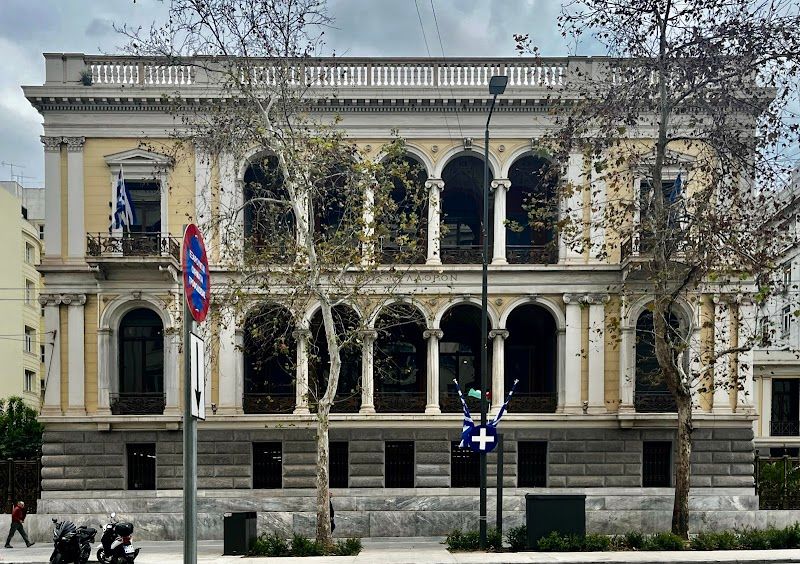
The Numismatic Museum houses one of the world's largest and most comprehensive coin collections inside Heinrich Schliemann's former mansion, the Iliou Melathron. You'll see 600,000 coins spanning from 1400 BC to today, including ancient Greek pieces that depict Alexander the Great and Byzantine emperors. The mansion itself is worth admiring: Pompeian style frescoes cover the ceilings, intricate mosaics cover the floors, and every room reflects Schliemann's obsession with Troy and classical antiquity. You start in the ground floor galleries where ancient Greek coins are displayed chronologically, then move upstairs through Roman, Byzantine, and modern European sections. The mansion's rooms feel like walking through a wealthy 19th century archaeologist's private study, complete with original furniture and decorative elements. The coin displays are engaging, with detailed explanations of how ancient economies worked and what different symbols meant on various currencies. Most guidebooks suggest visiting this attraction as a must-see in Athens, but it's really for serious history buffs and architecture enthusiasts. The mansion is worth seeing regardless of your interest in coins, making it worth the entry cost of around 4 EUR, which alone gets you a unique insight into the building's historic architecture.
Kombologadiko
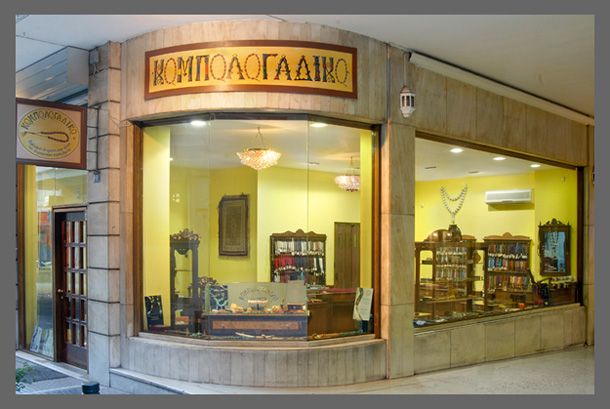
Kombologadiko is Athens' most specialized komboloi workshop, where a master craftsman creates and sells Greek worry beads in a tiny shop that feels more like an artist's studio. You'll find over 300 handmade sets displayed on every available surface, from simple olive wood pieces at EUR 15 to museum-quality amber komboloi reaching EUR 500. The owner speaks passionately about each set's materials and construction, often demonstrating traditional techniques right at his workbench. The moment you step inside, you're surrounded by the gentle clicking of beads and the scent of polished wood. The owner treats every visitor like a potential student, explaining how komboloi differ from prayer beads and demonstrating proper handling techniques. He'll let you feel the weight and texture of different materials: cool amber, smooth bone, warm olive wood, and various semiprecious stones. The space feels intimate and focused, with barely room for three customers at once. Most tourists rush through looking for quick souvenirs, but this place rewards patience. The real treasures are the vintage sets he keeps in a back cabinet, some over 100 years old, which he'll show to anyone genuinely interested. Skip the mass-produced sets sold elsewhere in Plaka for half the price, they're machine-made imports. Here, you're paying for authentic craftsmanship and the stories behind each piece.
Zoumboulakis Galleries
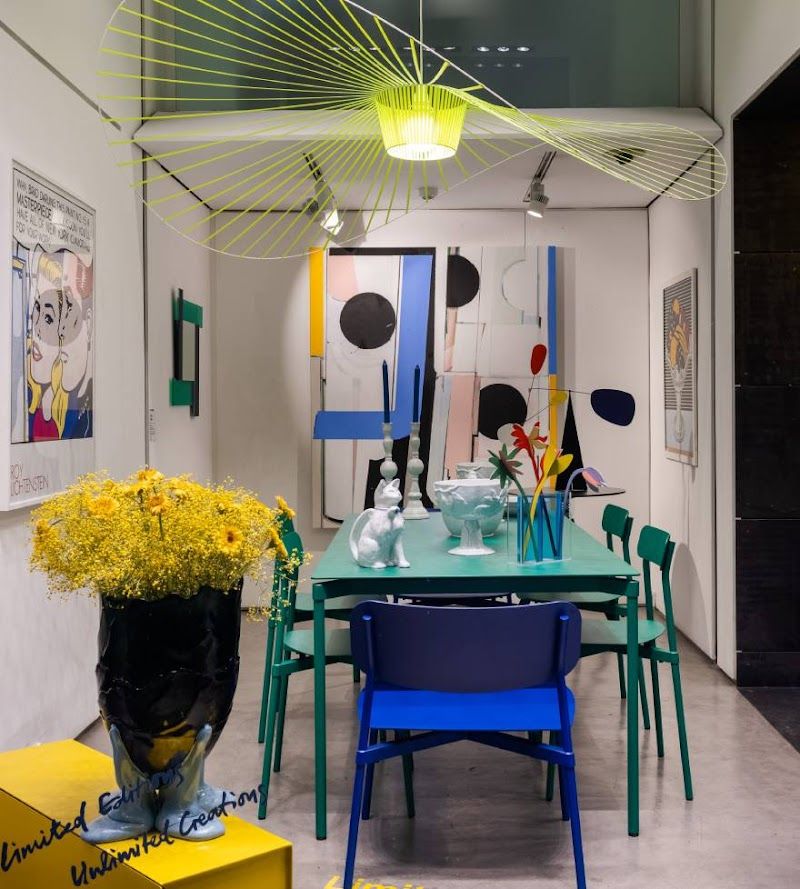
Zoumboulakis occupies two distinct spaces in upscale Kolonaki, and you'll get a genuine feel for how contemporary Greek art has evolved since the 1960s. The main gallery at Kriezotou 6 focuses on established artists, while their second space nearby rotates emerging talent. You'll see everything from bold abstract paintings to intricate sculptures, with most pieces priced between 800 and 15,000 EUR. The curation is thoughtful: each exhibition tells a story rather than just filling wall space. Walking through feels intimate and unhurried, exactly what a serious gallery should be. The staff knows every piece and artist personally, and they're happy to explain the Greek art scene's evolution without being pushy about sales. The lighting is excellent, and the white walls let the artwork breathe. You'll often have entire rooms to yourself, especially mid morning when the space feels calm and contemplative. Most visitors rush through in 15 minutes, but that's missing the point entirely. The real value here is understanding how Greek artists responded to political upheaval and cultural change. Skip the prints unless you're buying, they're overpriced tourist fare. Focus on the paintings and sculptures in the main room, where you'll find the gallery's strongest pieces. Opening nights get packed and lose the intimate atmosphere that makes this place special.
Zolotas
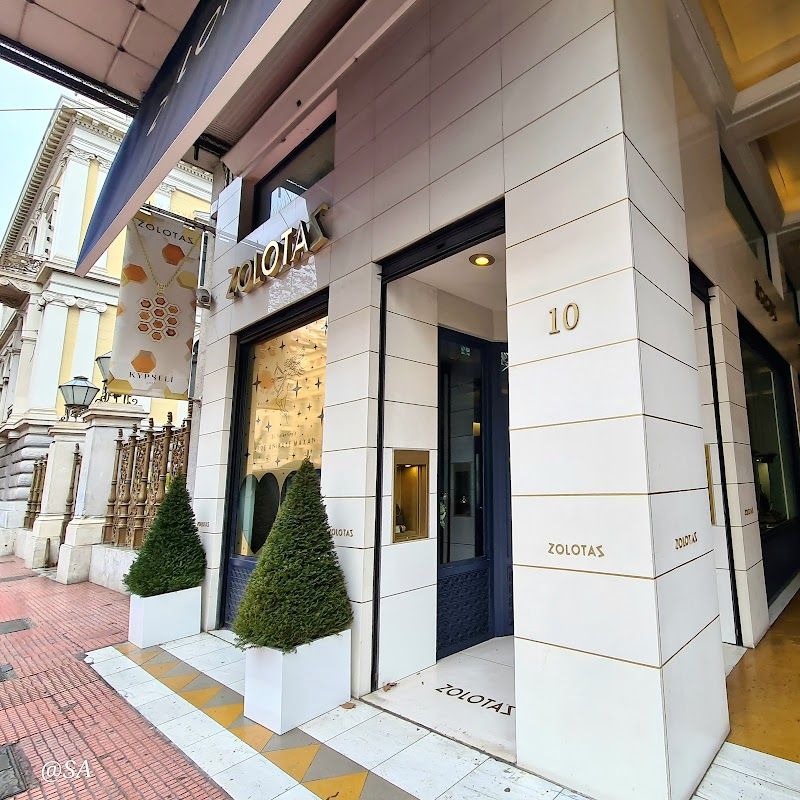
Zolotas is Greece's most prestigious jewelry house, crafting museum-quality reproductions of ancient Greek and Byzantine pieces since 1895. You'll find intricate gold work inspired by Mycenaean death masks, Minoan snake goddesses, and Byzantine imperial crowns, all created using traditional techniques passed down through generations. The Kolonaki flagship displays pieces that Greek royalty and international collectors have worn for over a century, with simple earrings starting around EUR 300 and elaborate necklaces reaching several thousand. Walking into the showroom feels like entering a private museum where everything is for sale. Glass cases display delicate gold olive wreaths, chunky Mycenaean-style bracelets, and Byzantine-inspired crosses, each piece accompanied by information about its historical origins. The staff knows the provenance of every design and can explain how ancient goldsmithing techniques create the distinctive textures and patinas. The atmosphere is hushed and reverent, befitting jewelry that museums would gladly acquire. Most jewelry stores in Plaka sell tourist trinkets, but Zolotas delivers authentic craftsmanship at prices that reflect the work involved. Skip the simpler pieces you can find elsewhere and focus on the complex archaeological reproductions that showcase their expertise. The historical catalog showing original sketches from commissions for Greek nobility is fascinating, but you need to specifically request it. Be prepared for serious prices: anything truly special starts at EUR 1,000.
Where to Eat
Restaurants and cafes in Kolonaki
Filipou
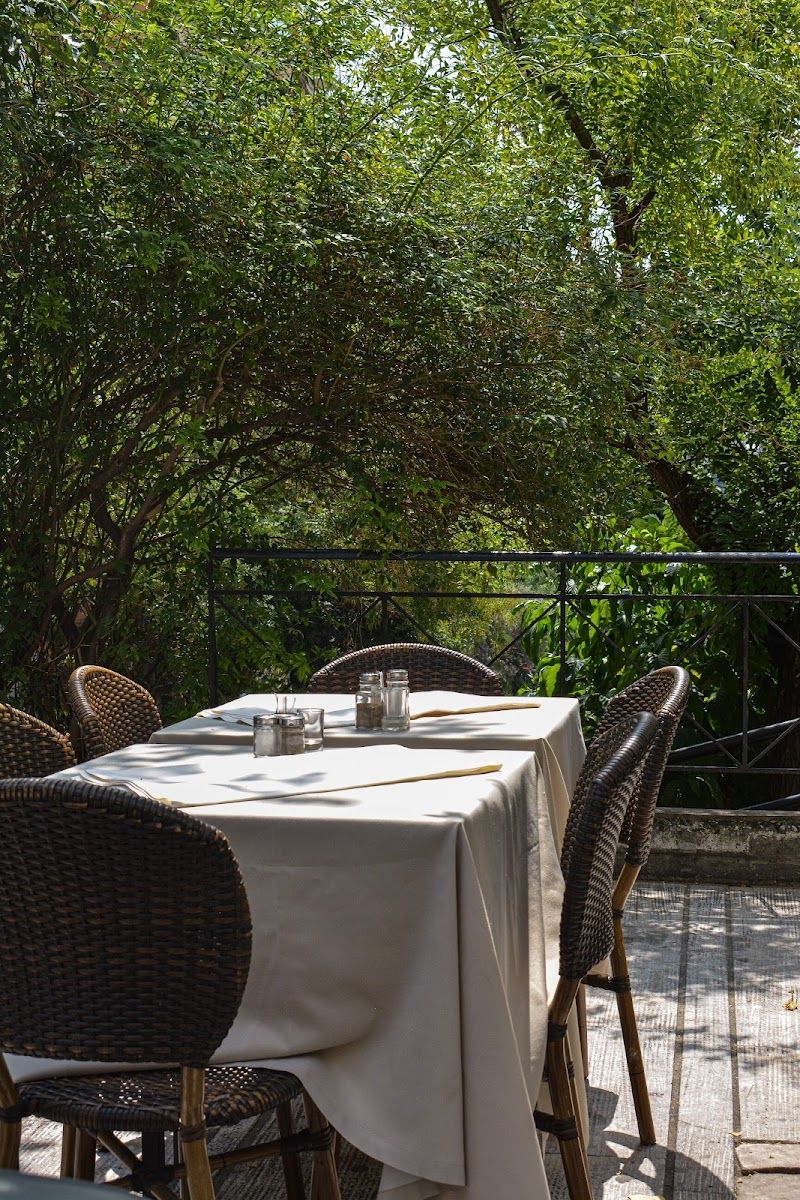
RestaurantFilipou has been serving Kolonaki's elite the same handmade pastries since 1931, and honestly, they've perfected the art. You'll find glass cases filled with traditional Greek sweets that look like jewelry: delicate galaktoboureko with crispy phyllo, chocolate profiteroles that locals queue for, and their famous ekmek kataifi topped with thick custard. The trigona panoramatos (triangular pastries filled with custard) are made fresh every morning and sell out by evening. The interior feels frozen in time with marble tables, vintage mirrors, and waiters in crisp white jackets who've worked here for decades. You'll sit among well-dressed Athenians who treat this place like their personal living room, lingering over coffee and newspapers. The atmosphere is refined but not stuffy, more like stepping into someone's elegant grandmother's parlor. Service moves at a leisurely Greek pace, which fits perfectly with the old-world setting. Most tourists walk past without noticing, but that keeps it authentic. Skip the touristy baklava and go for the chocolate profiteroles (around €4) or ekmek kataifi (€5). The coffee is excellent Greek-style, strong and served with a small sweet. Don't expect English menus or rushing, this place operates on its own timeline and that's exactly why it's special.
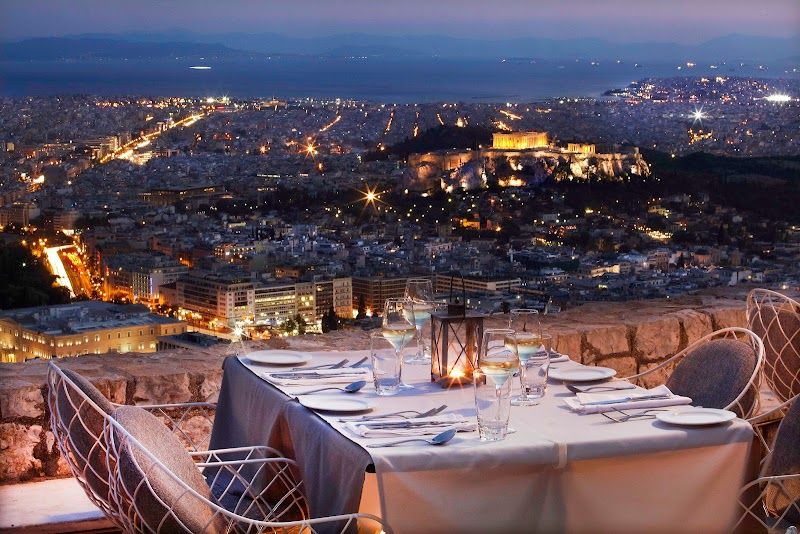
Orizontes Lycabettus
RestaurantUpscale restaurant atop Lycabettus Hill with 360-degree views of Athens and the Saronic Gulf. The Mediterranean menu takes a backseat to the spectacular sunset panoramas from the terrace tables.
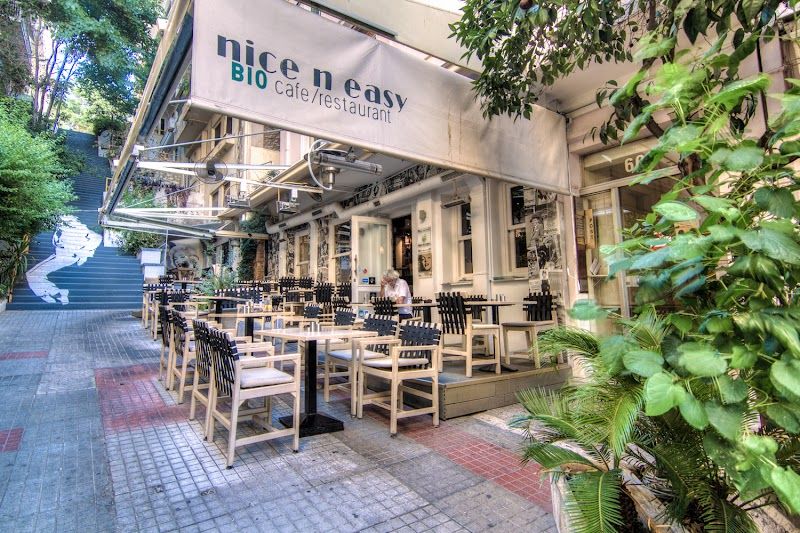
Nice n Easy
RestaurantUpscale organic restaurant focusing on farm-to-table Mediterranean cuisine with a modern twist. The menu changes seasonally and features organic ingredients sourced from local producers. Popular with health-conscious Kolonaki residents for its fresh salads, grilled fish, and natural wines.
Getting Here
Insider Tips
Lycabettus funicular
EUR 10 return, entrance on Aristippou Street. Runs every 30 minutes. Go 1 hour before sunset for the best light. The cafe at the top charges EUR 5-7 for coffee but the 360-degree view is the real purchase. Walking up takes 30-40 minutes from Kolonaki Square. The path is paved but steep.
Museum of Cycladic Art
EUR 7 entry. The marble figurines (3000-2000 BC) are strikingly modern: smooth, minimal, abstract. Picasso, Modigliani, and Henry Moore were all influenced by them. The gift shop has excellent reproductions. Allow 1-1.5 hours. Less crowded than the National Archaeological Museum.
Tsakalof Street cafes
Tsakalof and nearby streets have the best people-watching cafes in Athens. Freddo cappuccino (iced espresso with frothed milk, EUR 3-4) is the standard order in summer. The scene is fashionable without being pretentious. Good for a morning coffee or an early evening drink before dinner.
Nearby Neighborhoods
Continue exploring
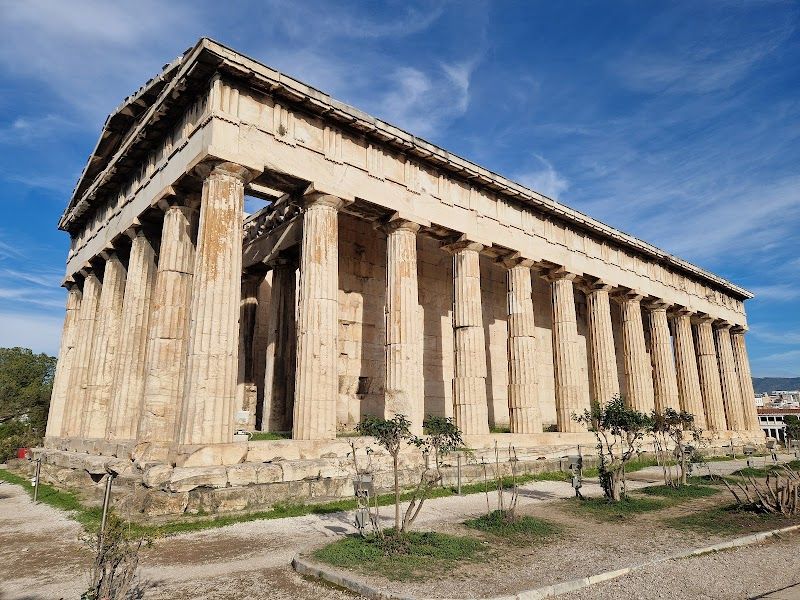
Plaka & Monastiraki
The tourist heart below the Acropolis: neoclassical houses, pedestrian streets, the flea market, rooftop bars with the most direct Acropolis views in the city, and souvlaki shops on every corner.
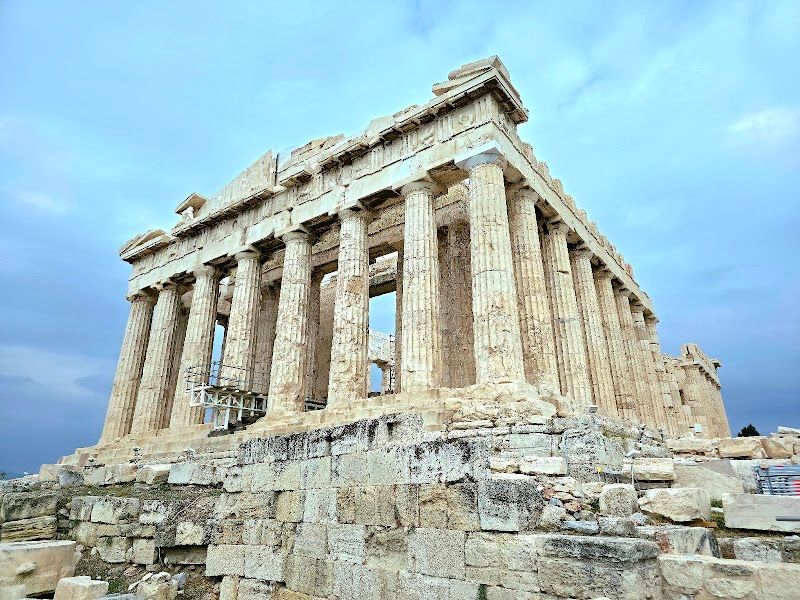
Acropolis & Makrigianni
The ancient core: the Acropolis, the museum, the theatre where drama was invented, and the pedestrianised promenade along the south slope, with quiet Makrigianni tavernas one block down.
Psyrri
Reclaimed warehouses turned into murals, mezedopolia, and rebetiko bars: the neighbourhood where Athens eats, drinks, and stays out until 3 AM.
Plan a trip featuring Kolonaki
Get a personalized Athens itinerary with Kolonaki built in.
Start Planning