
Barcelona
Sarria-Sant Gervasi
Village-quiet, residential, family-friendly, local
About Sarria-Sant Gervasi
Sarria still feels like the village it was before Barcelona swallowed it. The main street (Carrer Major de Sarria) has bakeries that have been making ensaimadas for generations, a local market (Mercat de Sarria) where nobody speaks English because nobody needs to, and a church square where old men play petanca in the afternoon. It's a 20-minute FGC train ride from Placa Catalunya and a world away from the Gothic Quarter crowds.
CosmoCaixa is up here - Barcelona's best science museum and one of the best in Europe. The Flooded Forest alone (€1,000 square metres of recreated Amazon rainforest with actual piranhas) justifies the trip. Free for under 16, €6 for adults. Tibidabo amusement park is further uphill - a century-old park with a ferris wheel at 500 metres above sea level that shows you the entire Barcelona coast on clear days. The journey there (FGC + Tramvia Blau + funicular) is half the fun.
You come to Sarria when you want to see how Barcelona actually lives when it's not performing for tourists. The restaurants are family-run and priced for the neighborhood. The Collserola park behind Tibidabo has hiking trails through Mediterranean forest with views that make the Instagram-famous Bunkers del Carmel look overcrowded. Most tourists never make it up here, which is precisely why it's worth the trip.
Things to Do
Top experiences in Sarria-Sant Gervasi
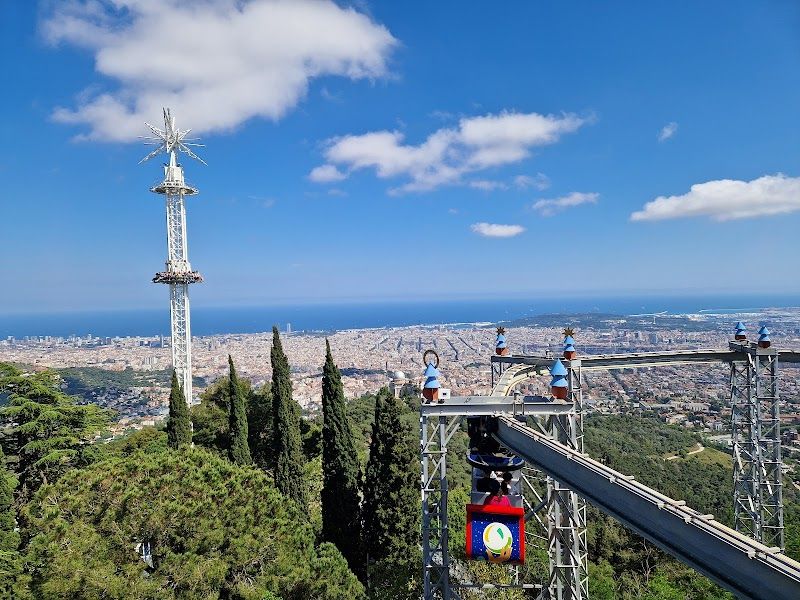
Tibidabo Amusement Park
Tibidabo sits 512 meters above Barcelona, making it Europe's most dramatically positioned amusement park. You'll find a fascinating mix of century-old mechanical rides alongside modern roller coasters, plus the towering Sagrat Cor basilica that dominates Barcelona's skyline. The real draw isn't just the rides - it's the sweeping views across the entire city, Mediterranean coastline, and Pyrenees mountains on clear days. The park feels like stepping back in time, especially on the vintage wooden Airplane ride from 1928 that still creaks and sways as it spins. The historic Ferris wheel and carousel maintain their original charm, while newer attractions like the Pendulum provide modern thrills. The atmosphere is distinctly nostalgic rather than flashy - families picnic between rides, and the pace feels relaxed compared to typical theme parks. The basilica looms overhead, and you can climb its tower for even more spectacular panoramas. Most guides don't mention that ride prices vary wildly - individual tickets cost €2-8 each, making the Sky Walk pass (€28.50) worthwhile if you plan to do more than four attractions. Skip the overpriced restaurant and bring snacks instead. The park often closes sections during weekdays in low season, so check the website before traveling up the mountain. Sunset visits are magical but remember the last funicular down leaves at 9:30pm.
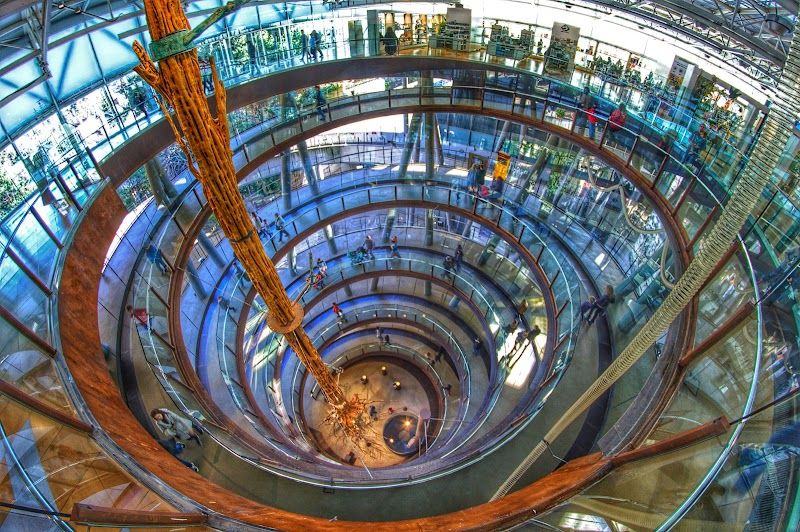
Cosmocaixa Barcelona
CosmoCaixa isn't your typical push-button science museum. The centerpiece is a genuine 1,000-square-meter slice of Amazon rainforest complete with 100 species of plants, free-roaming birds, caimans, and poisonous frogs behind glass barriers you can walk right up to. The flooded forest section recreates a real ecosystem where you'll watch piranhas swim beneath massive cecropia trees while tropical birds fly overhead. Beyond the rainforest, the geological wall traces Earth's history through actual rock formations, and the Matter Room lets you experiment with pendulums, optical illusions, and wave machines that actually teach physics concepts. The experience flows downward through the building's spiraling architecture, starting with temporary exhibitions on the top floor before descending into the permanent collections. The rainforest feels genuinely immersive - humid air, bird calls, and the smell of wet earth make you forget you're in a museum. Kids press their faces against glass barriers watching caiman barely move while colorful birds dart between branches above their heads. The physics section gets crowded with families, but the hands-on experiments actually work and demonstrate real scientific principles rather than flashy gimmicks. Adults pay €6, kids under 16 get in free, and the BCN transport card knocks off €1. Most visitors spend too long in the physics area and rush the rainforest - do the opposite. The planetarium costs extra (€4) and honestly isn't worth it unless you're killing time. Weekend mornings bring school groups and families, so aim for weekday afternoons if you want to linger in the Amazon section without dodging strollers.
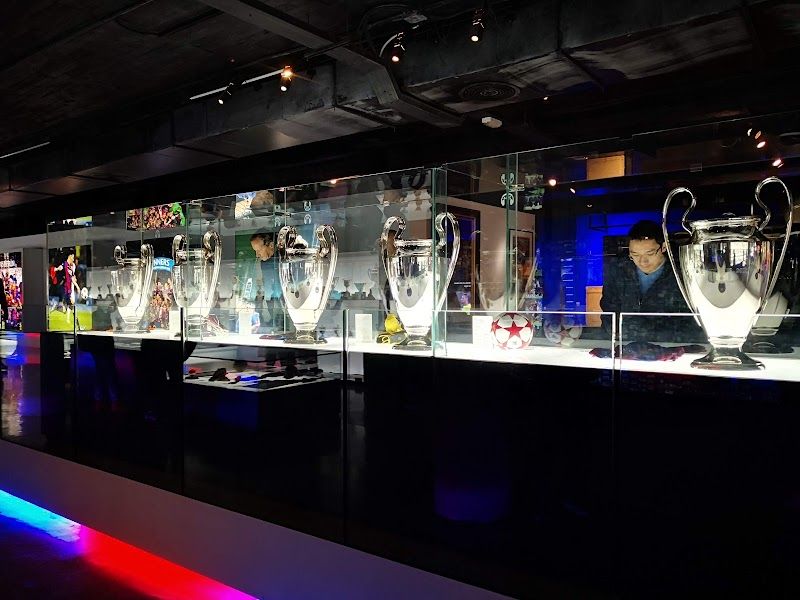
FC Barcelona Stadium Tour & Museum
Camp Nou is where you'll understand why football moves Barcelona in ways that go beyond sport - this is a pilgrimage site for 1.28 billion Barça fans worldwide. The self-guided tour takes you through the players' tunnel (you'll get goosebumps walking where Messi once did), into the press room where post-match drama unfolds, and onto the pitch where you can sit in the same seats where 99,000 people create earthquakes of sound. The museum chronicles 125 years of victories, failures, and pure football artistry with six European Cups, countless La Liga trophies, and interactive displays that'll make you appreciate the beautiful game even if you're not a fan. You'll start in the museum, moving through chronological exhibits that trace the club from 1899 rebels to modern global phenomenon, then descend into the bowels of the stadium. Walking through that tunnel onto the pitch is genuinely spine-tingling - the scale hits you immediately as you realize you're standing where football history happens weekly. The press room feels surprisingly intimate after seeing it on TV, and sitting pitch-side gives you perspective on just how fast and physical professional football really is. Here's what nobody tells you: the renovation chaos means you're paying full price (€29) for a significantly reduced experience - large sections are closed and construction noise is constant. The museum part is excellent and unaffected, but if you're here purely for the stadium experience, you might leave disappointed. Skip the overpriced audio guide (€5) since everything's well-labeled in English, and avoid weekends when tour groups clog the narrow walkways.
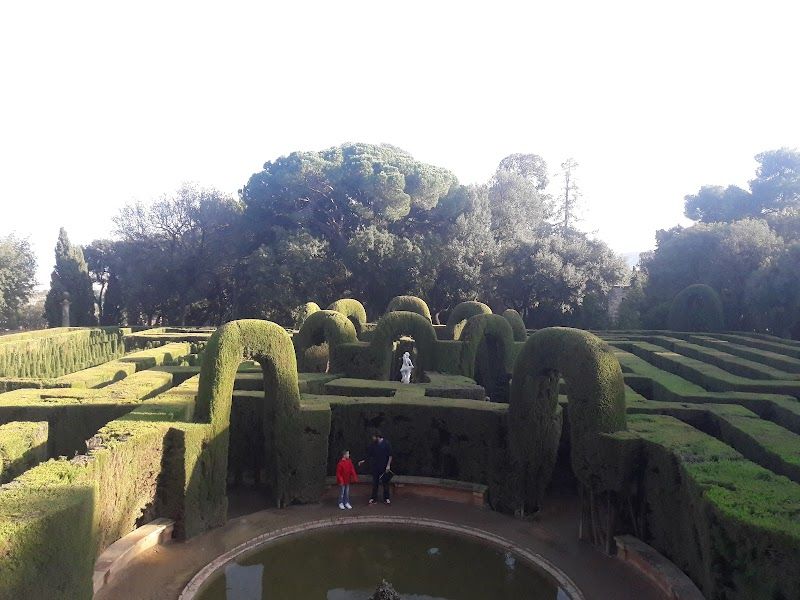
Parc del Laberint d'Horta
Parc del Laberint d'Horta sits in Barcelona's northern hills as the city's oldest surviving garden, built in 1791 by an Italian marquis who clearly had maze obsession. The centerpiece hedge labyrinth takes 10-15 minutes to solve if you're decent at puzzles, longer if you're easily flustered. Beyond the maze, you'll find neoclassical temples, a romantic grotto with artificial waterfalls, and terraced gardens that climb the hillside with genuine 18th-century statuary. The park splits into two distinct areas - the formal neoclassical lower section with the maze and pavilions, then a looser romantic garden above with winding paths and shaded groves. Most visitors beeline for the maze (fair enough), but the upper gardens reward wandering, especially the pavilion with valley views. The whole place feels wonderfully removed from Barcelona's intensity, filled with dog walkers and local families rather than tour groups. Here's what guidebooks skip: entry costs €2.23 on most days, free Wednesday and Sunday. The maze isn't particularly large or complex compared to famous European examples, so don't expect to be lost for ages. The romantic garden section can feel overgrown and neglected compared to the manicured lower area. Skip weekends unless you enjoy watching children shriek through hedgerows - weekday mornings give you the contemplative atmosphere this place deserves.
Parc de Cervantes
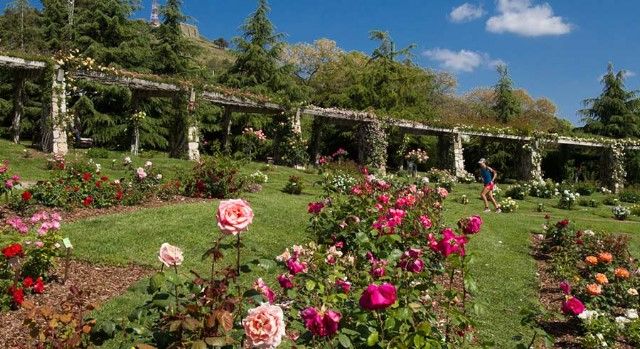
Parc de Cervantes is Europe's most serious rose garden, with 11,000 bushes representing 245 varieties arranged in precise geometric patterns. You'll walk through labeled sections showcasing everything from climbing English roses to compact hybrid teas, making it feel like an outdoor botanical classroom. The park hosts Barcelona's international rose competition each May, when varieties from around the world compete for prizes - and you get to see them at peak perfection. The garden feels surprisingly formal for Barcelona, with straight gravel paths dividing the roses into neat rectangular beds. Each variety is clearly labeled with both common and scientific names, plus growing information that's actually useful if you garden yourself. The scent hits you in waves as you walk - some sections smell like tea, others like spice or fruit. It's quiet here, mostly locals walking dogs or reading on benches between the rose beds. Most guides oversell this as romantic when it's really more educational than Instagram-pretty. The roses are stunning in May but pretty ordinary by August when Barcelona's heat takes over. Skip it entirely in winter - there's literally nothing to see except thorny sticks. The park is free and takes about an hour to see properly, making it perfect filler between other Diagonal attractions.
Parc de la Creueta del Coll
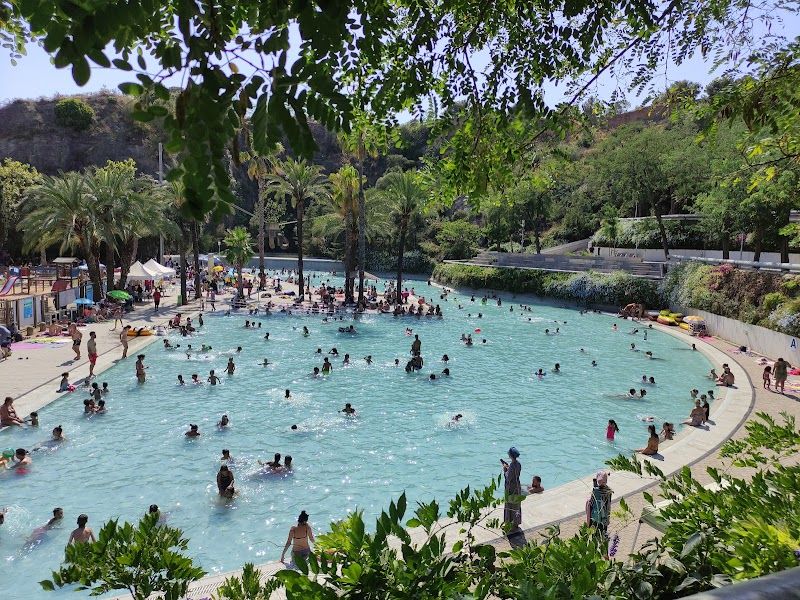
This former quarry turned park sits on a hillside in Gràcia, carved into terraced levels that create natural amphitheater seating overlooking Barcelona. The centerpiece is Eduardo Chillida's massive suspended concrete sculpture, "Elogio del Agua," which hangs dramatically over the large public swimming pool below. You'll find locals sunbathing on the grassy terraces, kids splashing in the pool during summer months, and genuine city views without the tourist crowds that pack Park Güell. The terraced design means you're constantly walking up or down stone steps between different levels, each offering a new perspective of the sculpture and cityscape. The pool area buzzes with local families during summer, while the upper terraces stay quieter for reading or picnicking. The raw concrete and stone give it an industrial edge that feels distinctly Barcelona - not prettified for postcards but genuinely functional as a neighborhood gathering spot. Most guidebooks barely mention this place, which keeps it refreshingly local. The pool (€5, June-September) is the real draw - proper lap swimming with those city views, not just a tourist photo op. Skip it on rainy days since there's no shelter, and don't expect manicured gardens or fancy facilities. It's about 20 minutes uphill from Joanic metro, so factor in the walk or take bus 24.
Torre Bellesguard
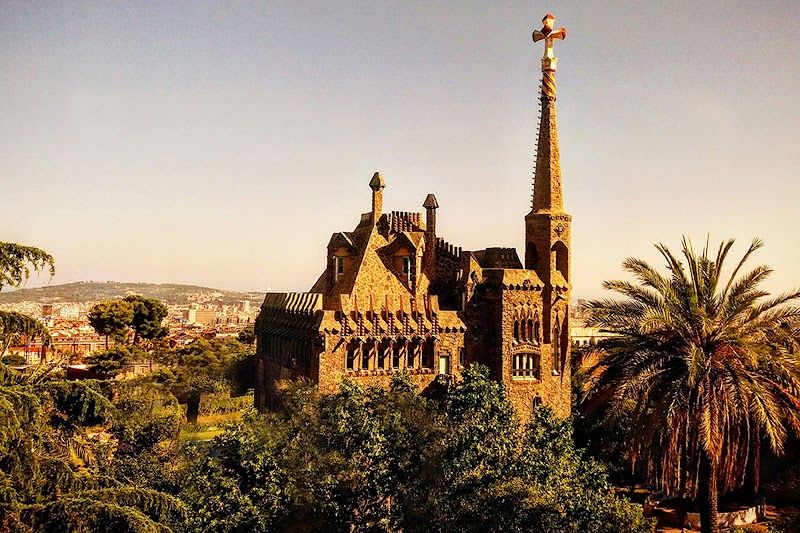
Torre Bellesguard is Gaudí's most overlooked masterpiece, a neo-Gothic fairy tale house built atop a 15th-century royal castle's foundations. You'll explore a medieval-meets-modernista creation where Gaudí used natural stone, ceramic mosaics, and his signature organic curves to honor King Martin the Humane's original fortress. The self-guided tour takes you through restored medieval vaults, up a spiraling tower with dragon-scale ceramics, and onto a rooftop terrace where the Collserola mountains frame Barcelona's skyline. The experience feels intimate compared to Gaudí's circus-like attractions. You'll wander through quiet medieval gardens where original castle walls peek through modern landscaping, then climb the distinctive spired tower that looks like something from a Brothers Grimm story. Inside, the house blends Gothic arches with Gaudí's flowing lines, and stained glass windows cast colored shadows across stone floors. The rooftop access is the real payoff - you're practically alone up there with 360-degree views. At €16 for adults, it's Barcelona's best value Gaudí experience and you can usually walk up without booking. Most visitors rush through in 45 minutes, but give yourself an hour to properly absorb the gardens and rooftop. The audio guide is decent but skippable - the architecture speaks for itself, and you'll want extra time photographing those views without crowds.
Jardins de la Vil·la Amèlia
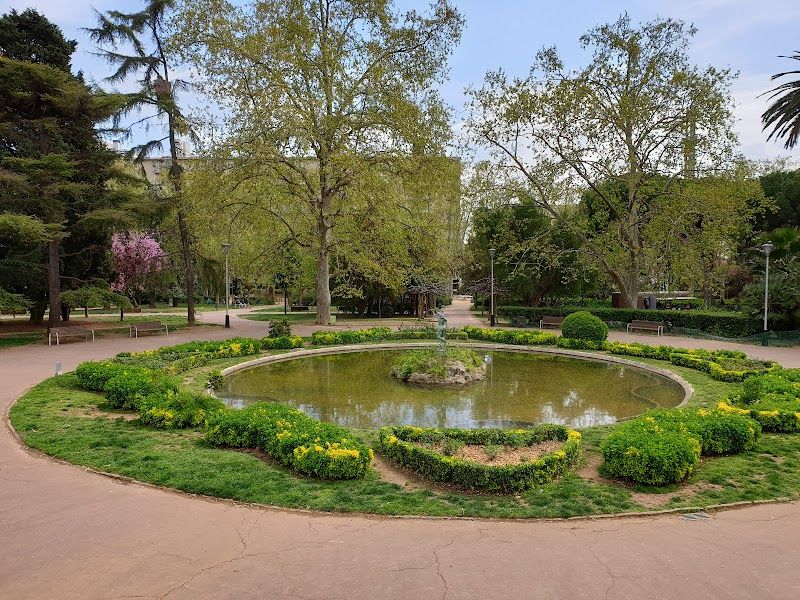
Hidden tranquil garden tucked away in the heart of Gràcia, featuring shaded pathways, historic trees, and peaceful benches. This former private estate garden offers a serene escape from the bustling neighborhood streets. Perfect spot for reading or a quiet break during your Gràcia exploration.
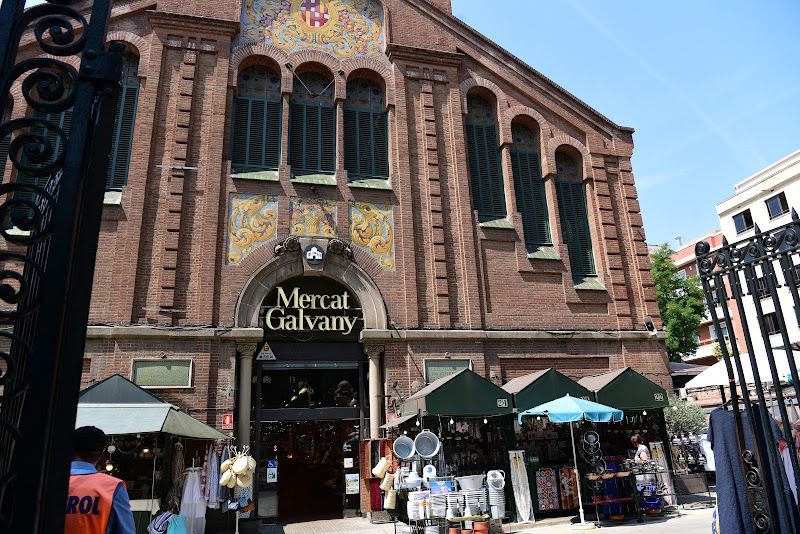
Mercat de Galvany
A traditional market in the upscale Galvany neighborhood serving a discerning clientele with premium products. The market is known for exceptional quality butchers, fishmongers, and specialty food shops. The restored 1927 building maintains its original character with modern upgrades.
Where to Eat
Restaurants and cafes in Sarria-Sant Gervasi
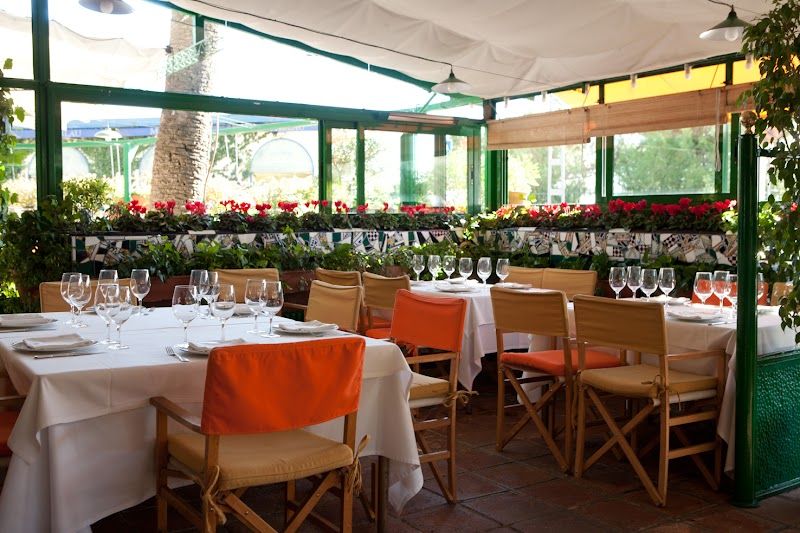
La Venta
RestaurantHistoric restaurant perched on Tibidabo mountain offering panoramic city views alongside traditional Catalan cuisine. The elegant dining room maintains its 1920s character while serving updated classics like canelons and rice dishes. The terrace is magical for sunset dinners.
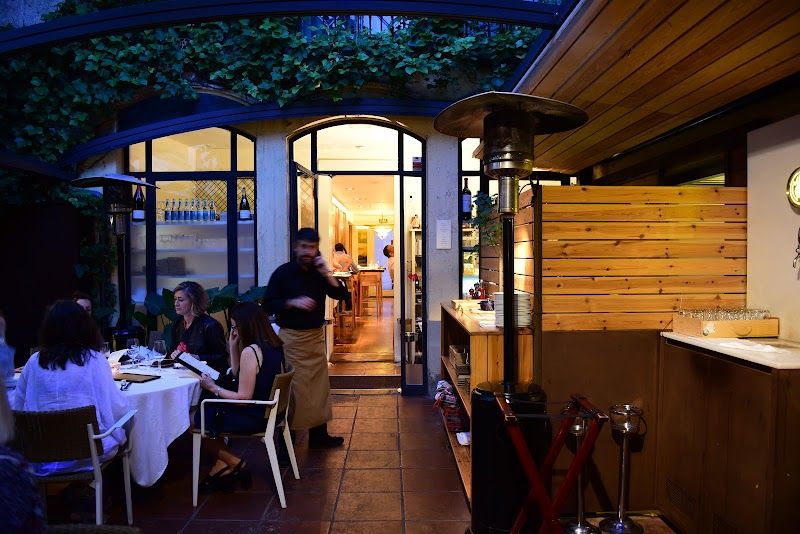
Vivanda
RestaurantNeighborhood bistro serving market-fresh Catalan cuisine in a cozy setting with exposed stone walls. Chef Jordi Vilà's cooking emphasizes seasonal ingredients prepared simply to let quality shine. The menu del dia at lunch is exceptional value.
Nightlife
Bars and nightlife in Sarria-Sant Gervasi
Getting Here
Metro Stations
On Foot
Sarria village is walkable but hilly. Getting between attractions requires buses or the FGC train.
Insider Tips
CosmoCaixa + Tibidabo combo
Both are accessible from Avinguda Tibidabo FGC station. Do CosmoCaixa in the morning (2-3 hours), lunch at a Sarria restaurant, then Tibidabo in the afternoon. Full day away from tourists.
Mercat de Sarria
The local market on Passeig de la Reina Elisenda de Montcada is tiny compared to Boqueria but completely authentic. Good spot for a quick lunch at the market bar.
Nearby Neighborhoods
Continue exploring


Related Articles
Barcelona vs Madrid: Which City Should First-Time Visitors Choose?
Should you visit Barcelona or Madrid first? We break down the food, culture, costs, and vibe to help you decide which Spanish city matches your travel style.
How Much Food Actually Costs in Barcelona: Real Prices for Every Budget
Barcelona food prices range from €1.50 coffee to €100 upscale dinners. Menu del dia lunches at €12-18 offer the best value, while neighborhood tapas bars keep costs low.
Plan a trip featuring Sarria-Sant Gervasi
Get a personalized Barcelona itinerary with Sarria-Sant Gervasi built in.
Start Planning