
Lisbon
Graca
Residential Lisbon at its best - the viewpoint locals actually prefer, the flea market that has been running for centuries, and restaurants where the menu is still handwritten.
About Graca
Graca sits above Alfama and rewards the climb with Miradouro da Graca - arguably the best viewpoint in Lisbon. The neighbourhood is residential, quieter than Alfama, and has a Saturday morning feel that the tourist districts lost years ago. The Feira da Ladra flea market has been running since the 13th century and now fills the Campo de Santa Clara on Tuesdays and Saturdays with antiques, books, records, and general chaos. Restaurants here serve locals, not tourists, and the prices reflect it. The Panteao Nacional (National Pantheon) has a rooftop terrace with 360-degree views that most visitors skip entirely - EUR 4, almost always empty, and the best paid viewpoint in the city.
Things to Do
Top experiences in Graca
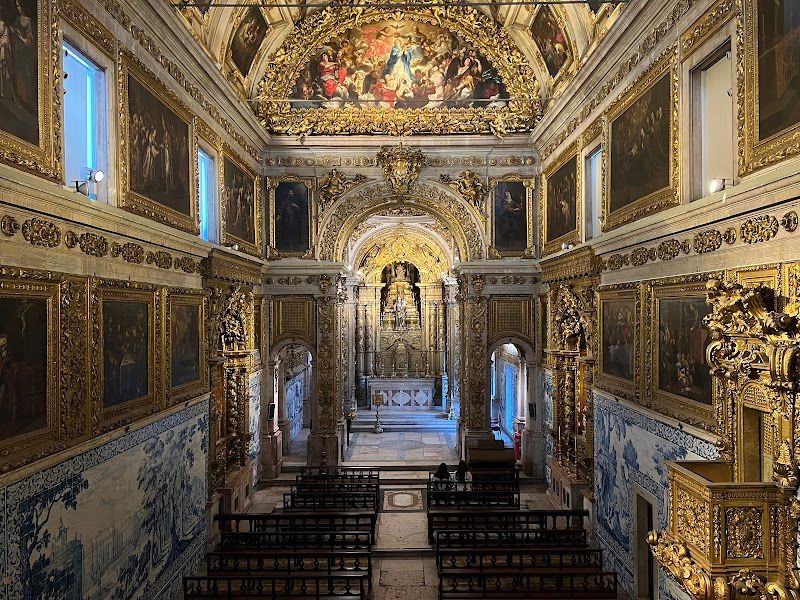
National Tile Museum
The National Tile Museum lives inside a 16th-century convent and tells the complete story of azulejo tiles - Portugal's signature art form that covers everything from metro stations to palace walls. You'll walk through 500 years of ceramic history, from Moorish geometric patterns to contemporary installations. The showstopper is a 23-meter panoramic tile panel showing Lisbon before the 1755 earthquake completely destroyed it - this is literally the only detailed visual record of that lost city. The visit flows chronologically through converted convent rooms, each period beautifully displayed with context about techniques and cultural influences. The restored convent church will stop you in your tracks - every surface gleams with blue and gold baroque tilework from floor to vaulted ceiling. You'll understand how tiles evolved from practical wall coverings to high art as you move through increasingly elaborate examples. The peaceful cloisters provide breathing space between rooms. This is Lisbon's most underrated museum because tourists chase bigger names, which means you'll actually have space to appreciate the collection. Entry costs €5 (free first Sunday monthly), and 75 minutes covers everything without rushing. Skip the contemporary section if you're short on time - the historical pieces and that earthquake panorama are what you came for. The museum cafe serves decent coffee surrounded by original azulejo walls.
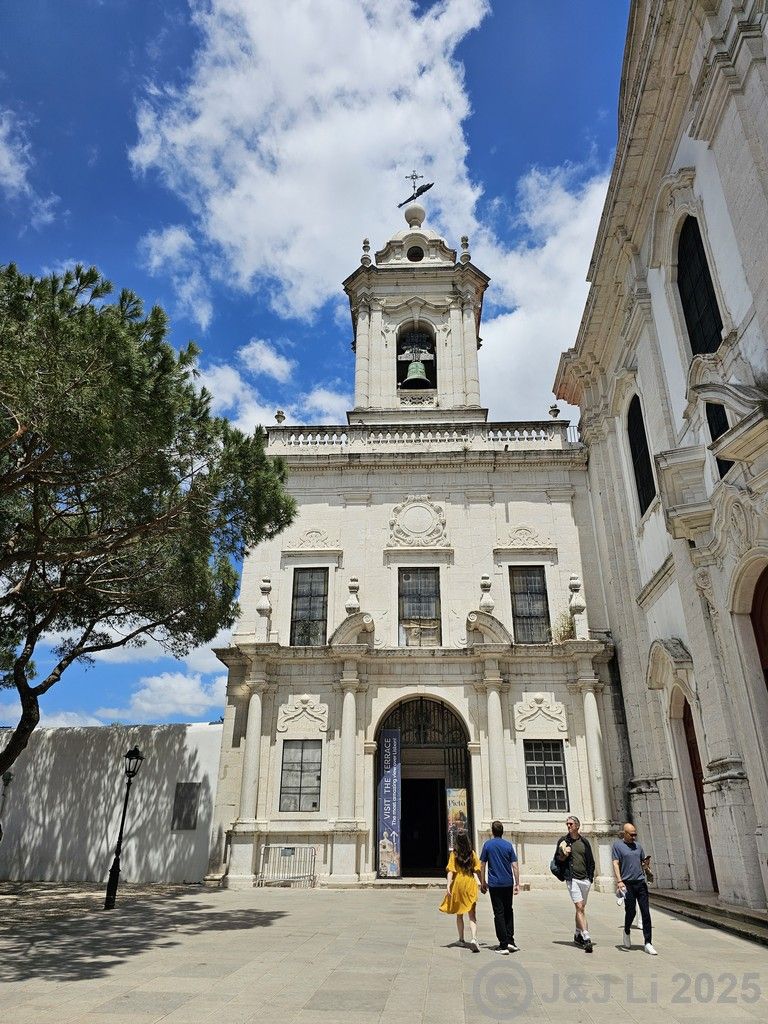
Igreja e Convento da Graça
The Igreja e Convento da Graça is a 13th-century Augustinian monastery that showcases some of Lisbon's most impressive azulejo tilework alongside ornate baroque interiors. You'll find elaborate blue and white ceramic panels depicting religious scenes, plus a church interior dripping with gilded woodwork and intricate ceiling paintings. The convent buildings wrap around peaceful courtyards where you can actually hear yourself think, unlike the tourist chaos at other Lisbon churches. The visit flows naturally from the entrance courtyard through interconnected spaces - church nave, side chapels, and remnants of monastic quarters. What strikes you immediately is how the afternoon light transforms those famous azulejo panels into something almost luminous. The baroque altar feels almost overwhelming after the serene tile galleries, and you'll often have entire sections to yourself while tour groups crowd into the Sé Cathedral down the hill. Most guidebooks oversell this as a major attraction, but that's actually its strength - you get authentic atmosphere without fighting for photos. The church itself takes 20 minutes max, so spend your time in the quieter courtyard areas where the tile work is actually better preserved. Skip the small museum section unless you're really into religious artifacts - the architecture and tiles are the real draw here.
Where to Eat
Restaurants and cafes in Graca
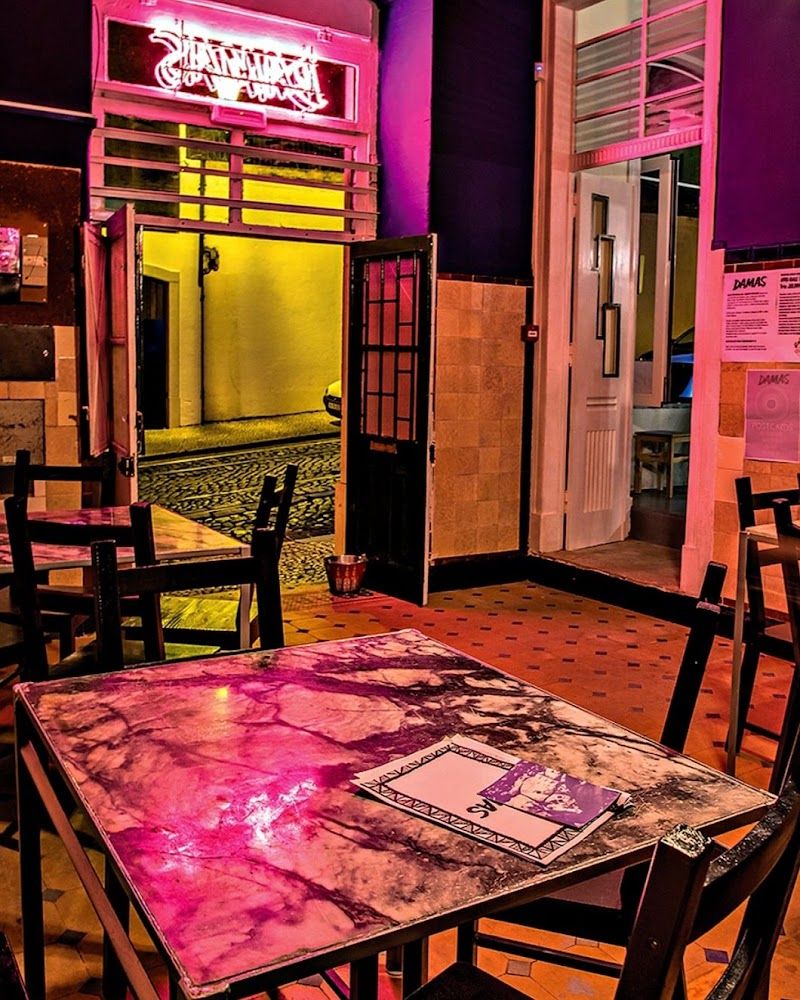
Damas
RestaurantContemporary Portuguese restaurant celebrating regional recipes with modern presentation and local ingredients. The chef focuses on traditional dishes from different Portuguese regions with a creative twist. Intimate dining room with exposed stone walls creates a sophisticated yet welcoming atmosphere.
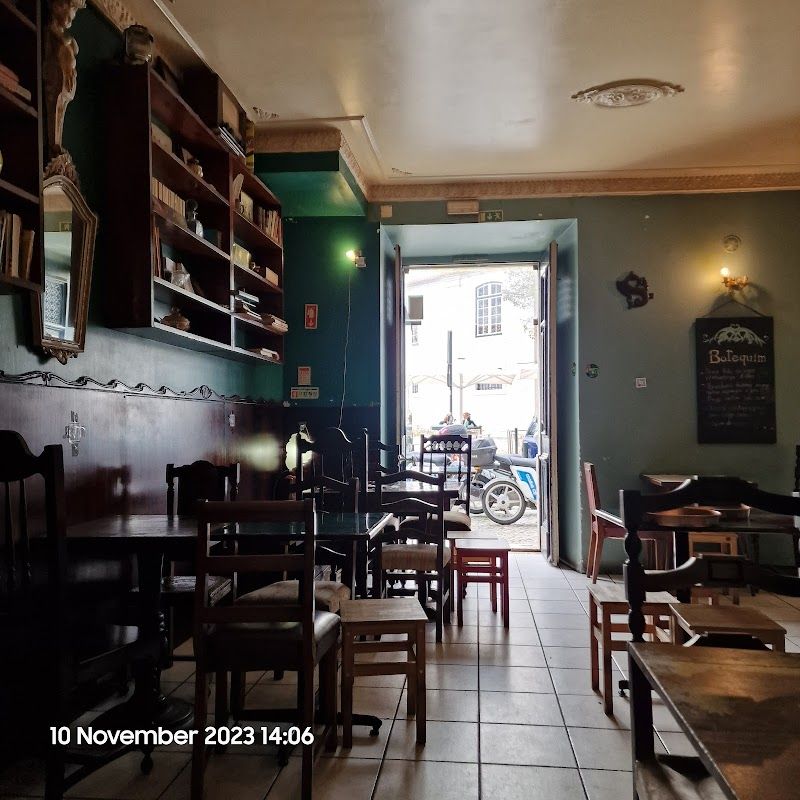
Botequim da Graça
RestaurantCozy neighborhood bistro blending Portuguese flavors with modern touches in a relaxed setting. Known for creative tapas-style dishes and an excellent wine selection. The outdoor terrace offers charming views of the neighborhood streets.
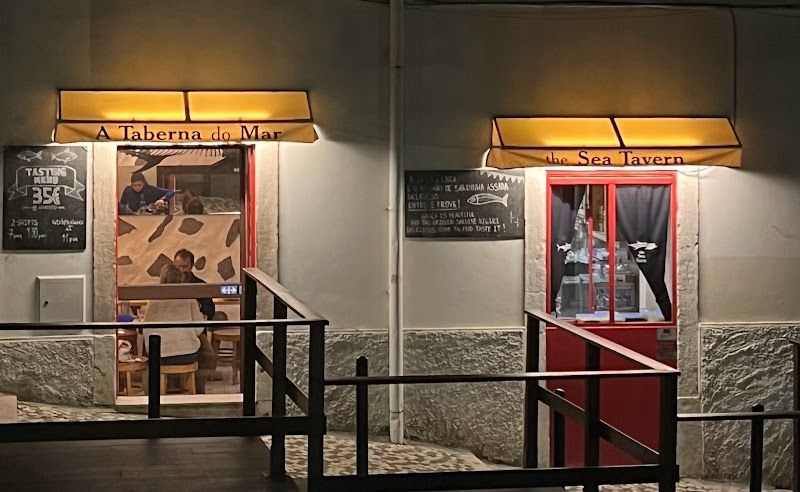
Taberna Graça
RestaurantAuthentic neighborhood taberna serving traditional Portuguese petiscos and generous portions of home-style cooking. The grilled sardines and polvo à lagareiro are standout dishes. Family-run establishment with a warm, local atmosphere far from tourist crowds.
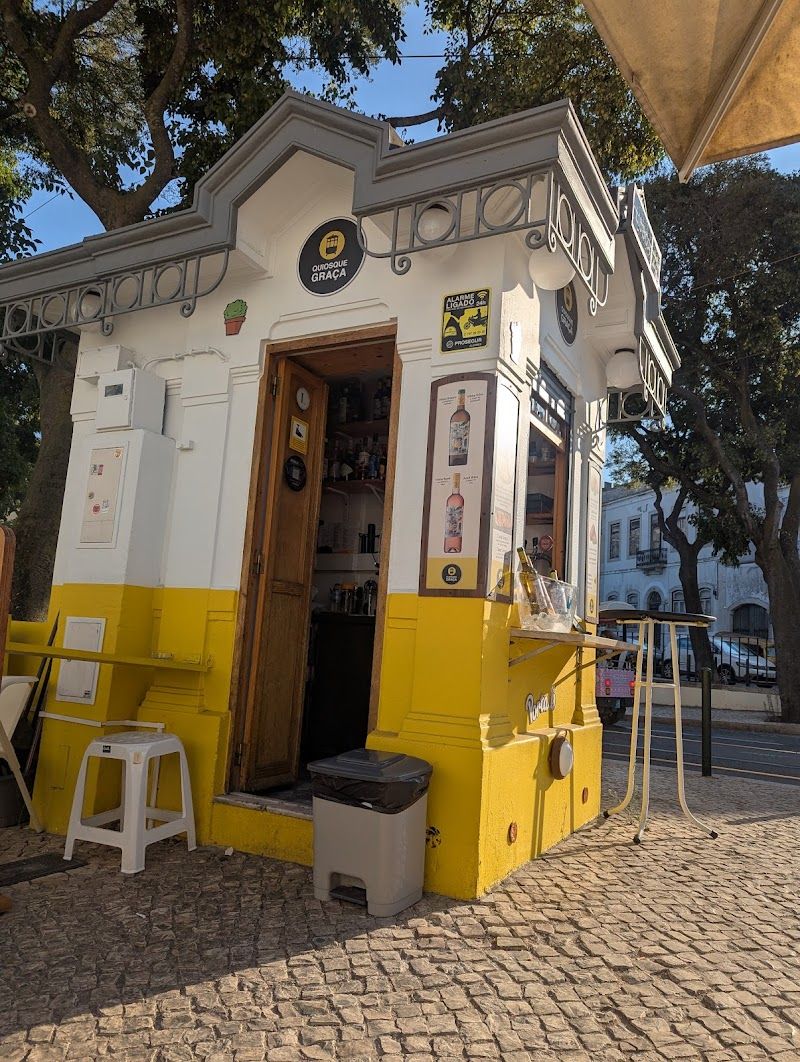
Quiosque da Graca
RestaurantHilltop kiosk on Miradouro da Graca's terrace under massive pine trees, packed with locals drinking imperial beers and tourists catching breath after the climb. The EUR 1 espresso tastes better with panoramic views across the castle and downtown.
Getting Here
Insider Tips
Sunset at the miradouro
Arrive 30 minutes before sunset with an imperial from the kiosk (EUR 2). The castle and river views turn golden. Miradouro da Senhora do Monte, 5 minutes further uphill, is wider but less atmospheric.
National Pantheon rooftop
EUR 4 entry, almost always empty. The 360-degree view from the dome terrace beats every paid viewpoint in Lisbon. Free on first Sunday of each month.
Walk from Alfama
Walk up from Alfama through Largo da Graca (15 minutes, steep). Or take Tram 28 to Graca stop - one of the few sections where it is not overcrowded.
Nearby Neighborhoods
Continue exploring
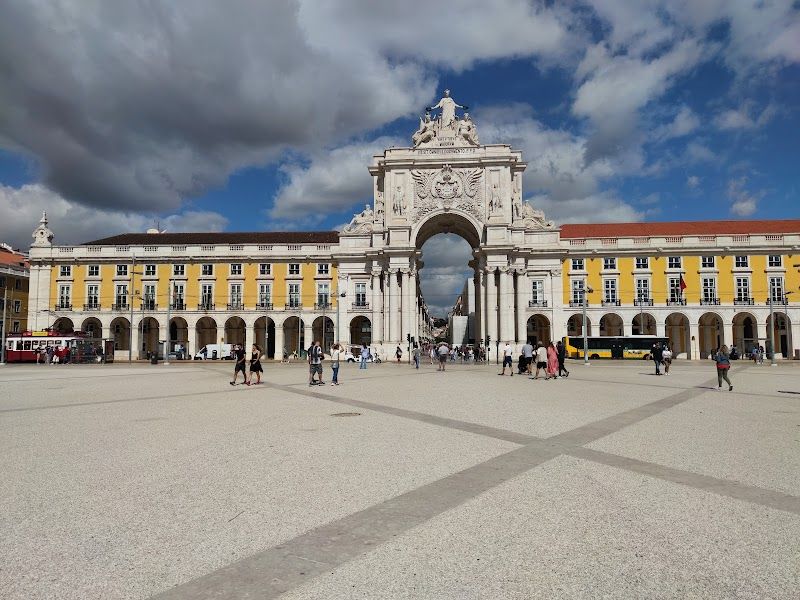
Alfama
The soul of old Lisbon - narrow lanes, fado from open windows, and neighbourhood life that predates everything else in the city.

Baixa & Rossio
Lisbon's grand centre - the Enlightenment grid built from rubble, opening onto the river at one end and the hills at every other.

Chiado & Bairro Alto
Chiado's elegant cafes by day, Bairro Alto's 200-bar street party by night - Lisbon's day and evening split personality.