Mallorca
South
Long natural beaches, salt flats, a national park island, and the least developed stretch of Mallorca's coast.
About South
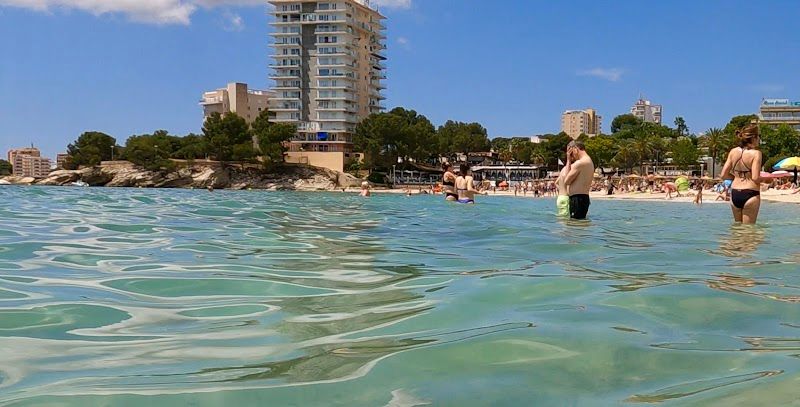
The south coast of Mallorca is the least developed and has the island's best natural beach. Es Trenc is a 3 km stretch of white sand backed by dunes and pine trees with no hotel in sight (EUR 7 parking, arrive before 10 AM in summer). Colonia de Sant Jordi is a small harbour town with waterfront restaurants and the boats to Cabrera National Park (EUR 40-50 return, a protected archipelago 14 km offshore with hiking, snorkelling, a ruined castle, and water that looks Caribbean). The Ses Salines salt flats between Es Trenc and Colonia are still operational and attract flamingos in winter and spring. Campos has a Saturday market and the thermal baths at Banys de Sant Joan de la Font Santa (EUR 25 day pass, the only thermal spa on the island). The south is where Mallorcans go on weekends when they want a beach without the crowds.
Things to Do
Top experiences in South
Serra de Tramuntana (Ma-10 Drive)
The Ma-10 is a mountain road running 90 km along the northwest coast of Mallorca from Andratx to Pollenca, through the UNESCO-listed Serra de Tramuntana. It is one of the best drives in Europe: hairpin bends, tunnel sections, viewpoints overlooking 300-metre drops to the sea, and stone villages that appear around corners. Drive south to north for the best views (the coast opens up on your right). Allow a full day with stops in Valldemossa, Deia, and Soller. The road is narrow in sections, so rent a small car: anything bigger than a Seat Ibiza might cause stress through the tightest bends. In summer, tour buses use the road between 10 AM and 4 PM, so start early or you'll be stuck behind a German coach doing 20 km/h. Budget €15-20 for parking in the main villages. Valldemossa gets packed by noon, but the Real Cartuja monastery (€9.50) is worth seeing as this is where Chopin spent his winter. In Deia, skip the overpriced Hotel La Residencia lunch and grab a bocadillo at Ca'n Costa for €6. The Sa Foradada viewpoint, 15 minutes past Deia, offers a good photo opportunity without the crowds. Soller is your logical lunch stop. Park at the train station (€3 for 4 hours) and walk five minutes to Cafe Scholl for excellent German-run coffee and cake. The orange groves have a lovely scent in spring, but by August the heat will make the car journey uncomfortable without air conditioning. Fill up your tank in Soller as petrol stations are scarce on the mountain sections.
GR 221 Ruta de Pedra en Sec
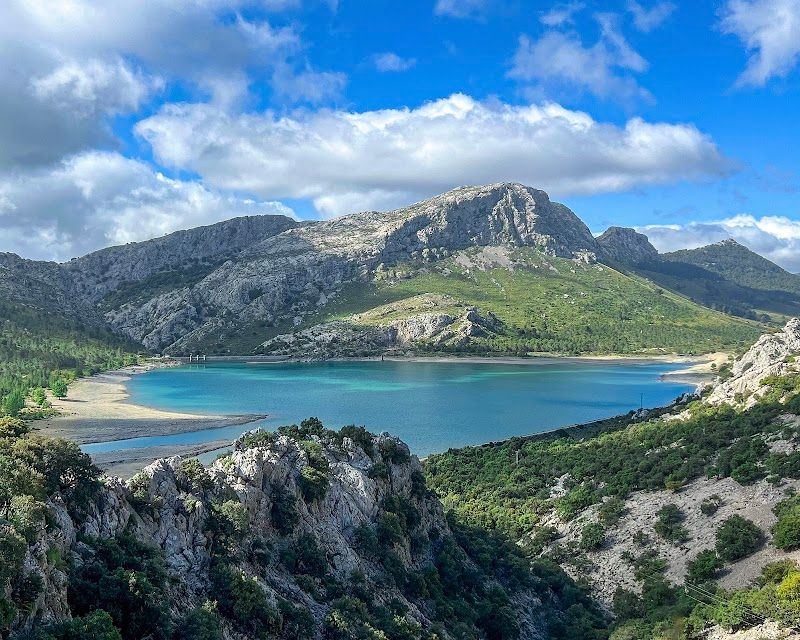
The GR 221 follows ancient mule paths and charcoal routes through Mallorca's UNESCO-listed Tramuntana mountains, connecting eight stone refuges across 140 kilometers of varied terrain. You'll walk on dry-stone paths that haven't changed in centuries, past abandoned snow houses where workers once collected ice for Palma's markets, through oak forests and olive terraces that cascade down to distant sea views. The trail passes through genuine mountain villages like Deià and Valldemossa, where you can resupply or bail out if needed. Each day feels like stepping back into pre-industrial Mallorca. The refuges are basic but atmospheric: shared dorms, simple meals, and evening conversations with fellow hikers from across Europe. Morning starts often reveal cloud inversions filling valleys below while you walk in brilliant sunshine above. The stone work is exceptional, with perfectly fitted walls that have survived centuries without mortar. You'll hear nothing but wind, bells from roaming sheep, and your own footsteps on ancient flagstones. Most guides won't mention that spring can be muddy and cold, while summer is extremely hot with limited water sources. The refuges cost around 15 EUR per night but book up months ahead for peak season. Skip the final section into Pollença, it's mostly road walking. The Sa Calobra detour adds coastal views but requires an extra day most people don't plan for.
Salines de Llevant
Salines de Llevant produces actual sea salt using 2,000-year-old Roman techniques, with workers still raking salt by hand in shallow evaporation ponds. The operation runs year-round, but winter brings the real spectacle: hundreds of flamingos arrive from November through March to feed on brine shrimp in the mineral-rich water. You'll walk coastal paths with clear views across geometric salt beds that shift from white to deep pink depending on algae concentration and water depth. The experience feels surprisingly industrial yet timeless, watching modern workers use ancient methods while pink birds wade through man-made lagoons. Salt pyramids dot the landscape like miniature mountains, and the air carries that sharp, clean scent of concentrated seawater. Flamingos cluster in specific ponds where brine shrimp are thickest, creating photo opportunities that feel almost surreal against Mallorca's typical beach scenery. The contrast between working salt production and wildlife sanctuary creates an atmosphere unlike anywhere else on the island. Most guides oversell this as a major attraction when it's really a pleasant hour-long detour, best combined with nearby Colonia de Sant Pere. The viewing is free from public paths, so ignore any tour operators charging admission. Winter visits are dramatically better due to flamingo presence, but summer offers the fascinating spectacle of salt harvest. The coastal path can get muddy after rain, and there's zero shade, so bring water and sun protection.
Mondrago Natural Park
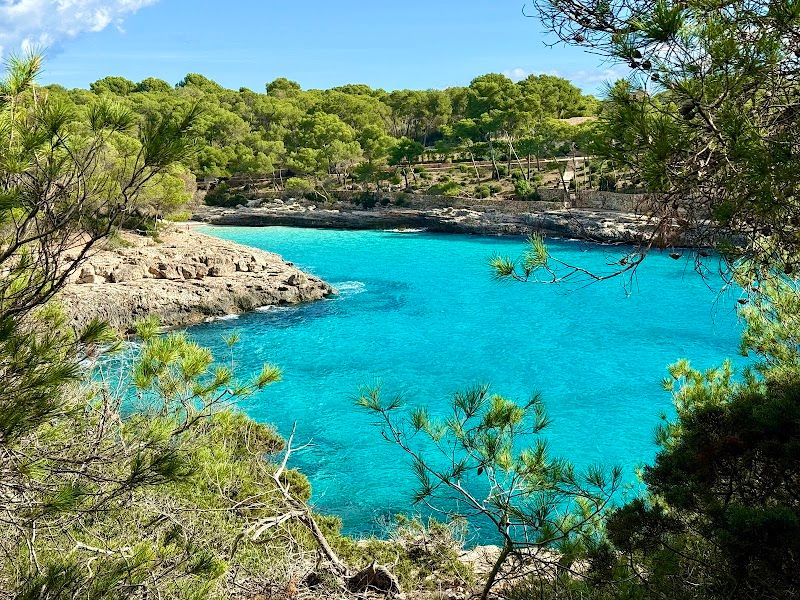
Mondrago Natural Park on the southeast coast has two beaches (S'Amarador and Cala Mondrago) connected by a boardwalk through pine forest and coastal wetlands. S'Amarador has fine sand and shallow water, excellent for families. Cala Mondrago is slightly smaller with rocks on the sides good for snorkelling. The park is free to enter (EUR 5 parking). A walking trail loops through the park (3 km, 1 hour, flat, easy) past farmland, wetlands, and viewpoints. Birdwatchers come for the ospreys and Audouin's gulls. The park limits daily visitors in summer, so arrive before 10 AM.
Santuari de Sant Salvador
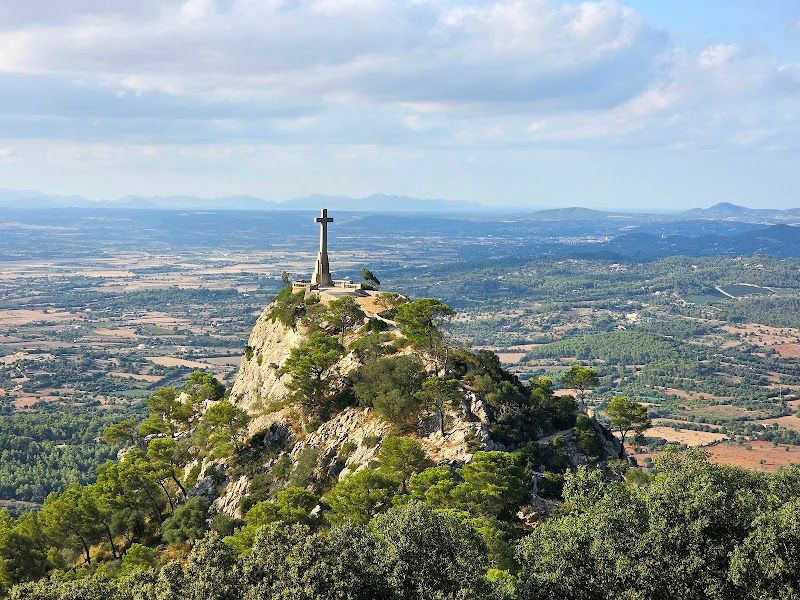
This 14th-century monastery sits atop a 509-meter peak near Felanitx, crowned by a massive 37-meter stone cross that you can spot from across southeastern Mallorca. The real draw is the panoramic views: on clear days you'll see from Cabrera Island in the south all the way to Cap de Formentor in the north, with the entire coastline spread below. The site includes the original church, a towering Cristo Rei statue, and simple guesthouse rooms where you can spend the night. The drive up takes you through 28 dramatic hairpin turns carved into the mountainside, each bend revealing more spectacular vistas. Once at the top, you'll find a surprisingly peaceful atmosphere despite the steady stream of day visitors. The stone buildings feel authentically monastic, and the terrace offers multiple vantage points for photos. Late afternoon light transforms the landscape below into golden patchwork, while sunrise (if you stay overnight) paints the sea in brilliant oranges and pinks that photographers rave about. Most day visitors rush up, snap photos, and leave within 30 minutes, missing the best light completely. The monastery rooms cost around 25-35 EUR per night and are basic but clean, with the enormous advantage of having the sunrise viewpoint to yourself. Skip the small museum inside unless you're genuinely interested in religious artifacts. The real magic happens during golden hour, so time your visit for late afternoon or commit to staying overnight.
Botanicactus
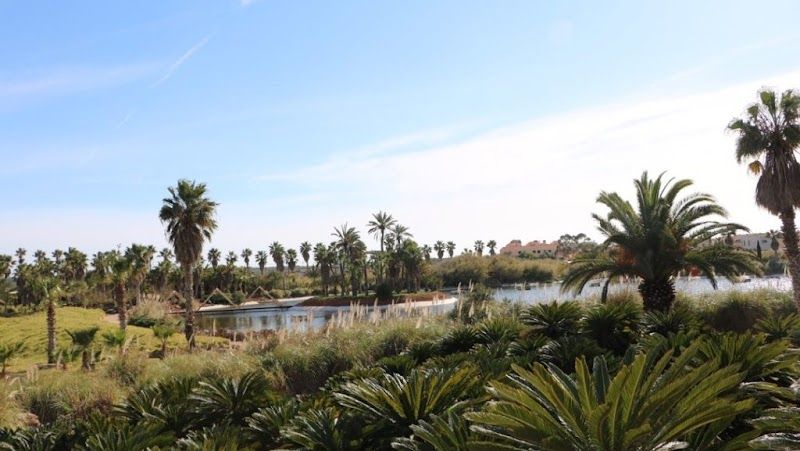
Botanicactus sprawls across 50,000 square meters of southeastern Mallorca, housing Europe's most extensive cactus collection with over 12,000 species from five continents. You'll walk through distinct climate zones, from towering Mexican barrel cacti that dwarf visitors to delicate South African succulents arranged in themed gardens. The park includes a reconstructed traditional Mallorcan farmhouse and an artificial lake that feels oddly tropical against the spiky landscape. The experience flows along well-marked gravel paths that weave between massive agave plants and forests of columnar cacti reaching 15 feet high. Shade structures provide relief every few hundred meters, essential since most of the park bakes under full Mediterranean sun. The scale surprises first-time visitors: individual specimens can be decades old and utterly massive, while smaller gardens showcase intricate patterns of colorful succulents that look almost alien. At 12 EUR entry, it's pricey for what amounts to a very specialized garden that you'll either love or find boring after 45 minutes. Skip the overpriced cafe near the entrance and bring water instead. The farmhouse reconstruction feels like tourist padding, but the cactus collections genuinely impress, especially the barrel cactus section that most visitors rush past on their way to the lake.
Cabrera Island Day Trip
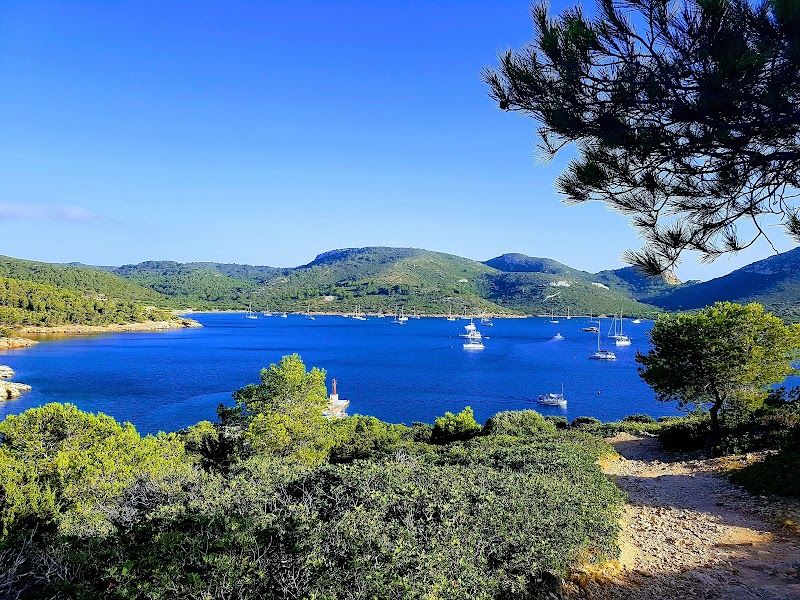
Cabrera is a national park archipelago 14 km off the south coast of Mallorca: uninhabited islands with hiking trails, a 14th-century castle, and some of the clearest water in the Mediterranean. The boat from Colonia de Sant Jordi takes 45 minutes (EUR 40-50 return, April to October). On the island: hike to the castle (30 minutes each way, panoramic views), snorkel in the Blue Grotto (Sa Cova Blava, where the water glows neon blue), and eat your packed lunch at the small harbour. Daily visitor numbers are limited to protect the ecosystem. Book 2-3 weeks ahead in summer.
CCA Andratx
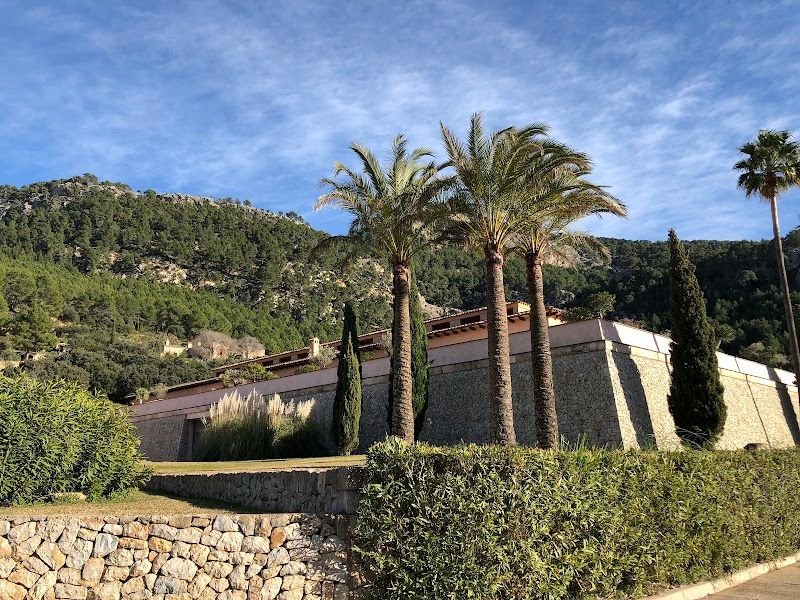
CCA Andratx houses one of Spain's most ambitious contemporary art spaces, sprawling across 56,000 square meters of galleries, sculpture gardens, and artist studios. You'll encounter rotating exhibitions that focus heavily on emerging international artists, often featuring large-scale installations and experimental media that bigger museums won't touch. The building itself, designed by Valencia's GRAS architects, feels like a piece of contemporary sculpture with its clean lines and floor-to-ceiling windows framing the Tramuntana mountains. Walking through feels like exploring a high-end private collection rather than a traditional museum. The galleries flow seamlessly into outdoor sculpture areas where contemporary works sit against Mediterranean landscaping. You'll often spot artists in residence working in their studios, and the scale means you can easily spend two hours without seeing everything. The mountain backdrop through those massive windows competes with the art for your attention, especially during golden hour. Most travel guides oversell this as essential viewing, but it's really for serious contemporary art fans. Skip it entirely if you prefer classical or historical pieces. The €12 admission feels steep given the hit-or-miss nature of rotating exhibitions, though the architecture alone justifies a visit for design enthusiasts. Check their website before visiting since some galleries close between exhibition changes, leaving you with less to see than expected.
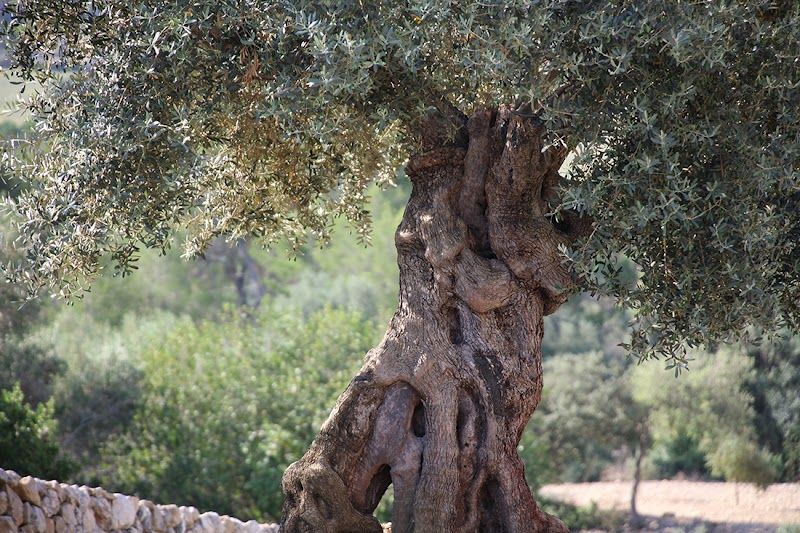
Vino y Olivas Tours
Vino y Olivas runs intimate wine tours through Mallorca's Binissalem region, visiting two family-owned wineries where you'll taste indigenous grapes like the peppery Manto Negro and crisp Prensal Blanc. You'll get proper cellar tours with the winemakers themselves, not just a tasting room experience, and learn why these local varieties thrive in Mallorca's limestone soils. The tour caps at eight people, so you actually get to ask questions and try wines that never leave the island. The day starts with pickup from Palma in a comfortable minivan, then winds through terraced vineyards backed by the Tramuntana mountains. At each winery, you'll walk through working cellars where oak barrels line stone walls, then sit for proper tastings paired with local cheese and charcuterie. The guides know their stuff about Mallorcan wine history and aren't pushing sales, just genuine enthusiasm for these small producers. Most wine tours here are tourist traps serving mediocre Tempranillo, but this one focuses on authentic Mallorcan varietals you can't find elsewhere. The 85 EUR price includes transport, all tastings, and food pairings, which is fair for the quality. Book the Thursday tour if possible since you'll hit Binissalem's market and can buy bottles directly from producers at better prices than in Palma shops.
Where to Eat
Restaurants and cafes in South
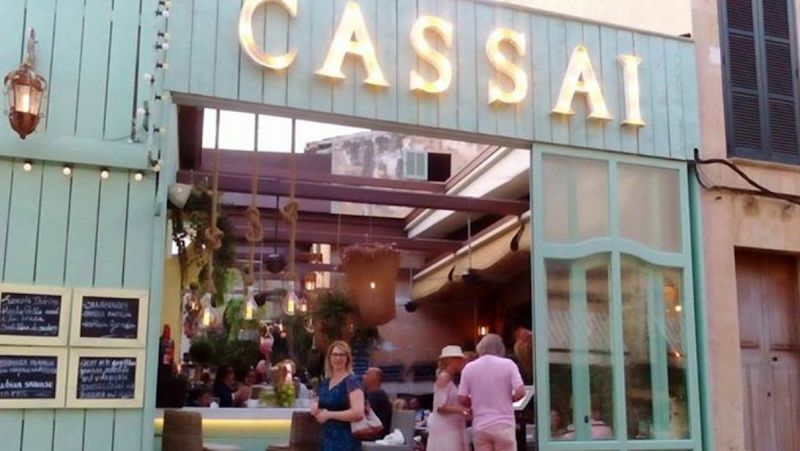
Cassai
RestaurantMarket-driven restaurant in Santanyí's stone center, focused on seasonal vegetables and seafood from nearby Portopetro. The menu changes based on what's available, morning catch, farm eggs, wild asparagus in spring. Small dining room with 8 tables and an open kitchen.
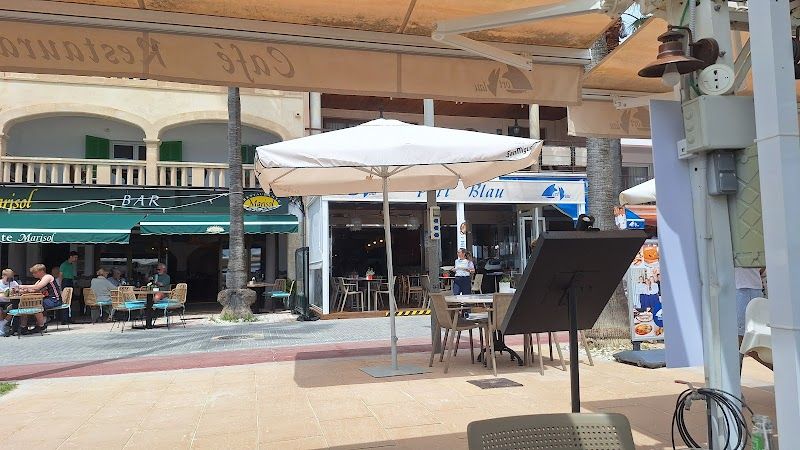
Port Blau
RestaurantHarbor-side seafood restaurant in tiny Cala Figuera, where fishing boats still tie up at the stone docks. The catch displayed on ice comes from the boats you see outside the window. Grilled fish sold by weight, exceptional grilled calamari, and rice dishes for two.
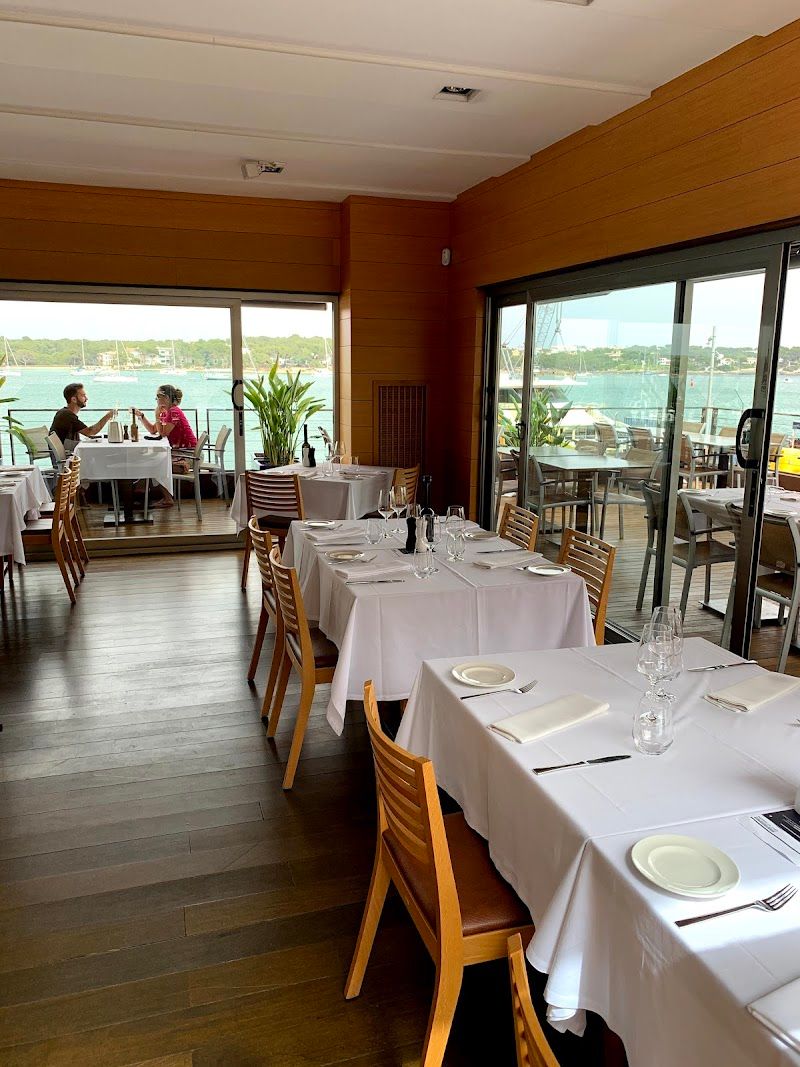
Sa Llotja
RestaurantHarbourfront restaurant in Porto Cristo specializing in caldereta de llagosta and whole roasted fish. The lobster stew costs EUR 75 per person and requires 24 hours notice, but the simpler grilled fish is excellent and half the price. Solid wine list featuring Mallorcan whites.
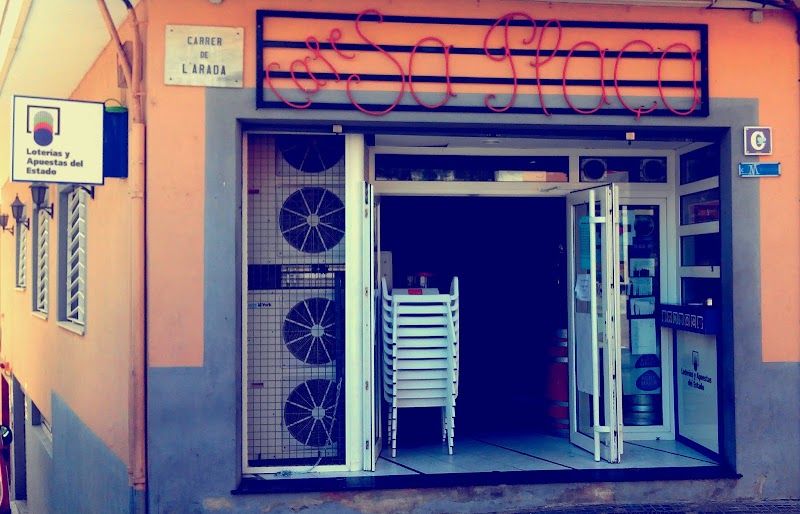
Café Sa Plaça
CafeFamily-run café in the heart of Artà's main square serves excellent coffee and homemade pastries that have been crafted there since 1920. It's a genuine local spot where residents often gather for breakfast and sample traditional Mallorcan ensaimadas. The café's outdoor space offers views of the Sant Salvador sanctuary on the hill and is a popular spot to observe the local culture.
Nightlife
Bars and nightlife in South
Getting Here
Insider Tips
Es Trenc strategy
Three parking areas: Ses Covetes (closest, fills first, EUR 7), Sa Rapita (north end, less crowded), and the main car park (middle, EUR 7). Arrive by 9:30 AM in July and August or the parking fills. Walk 10-15 minutes along the beach from any car park to find space. The chiringuito (beach bar) at the south end does decent food.
Cabrera day trip
Boats from Colonia de Sant Jordi, EUR 40-50 return, April to October. The island is a national park with limited daily visitors (book 2-3 weeks ahead in summer). Hike to the castle (30 minutes), snorkel in the Blue Grotto (bring your own gear), and eat your packed lunch at the harbour. The water clarity is extraordinary.
Ses Salines salt flats
The salt flats between Es Trenc and Colonia are still producing salt. Walk or cycle the path alongside them. Flamingos visit from November to March. The flor de sal (hand-harvested sea salt) is sold at local shops and markets, EUR 5-8 for a jar, and makes a better souvenir than anything in the airport.
Nearby Neighborhoods
Continue exploring
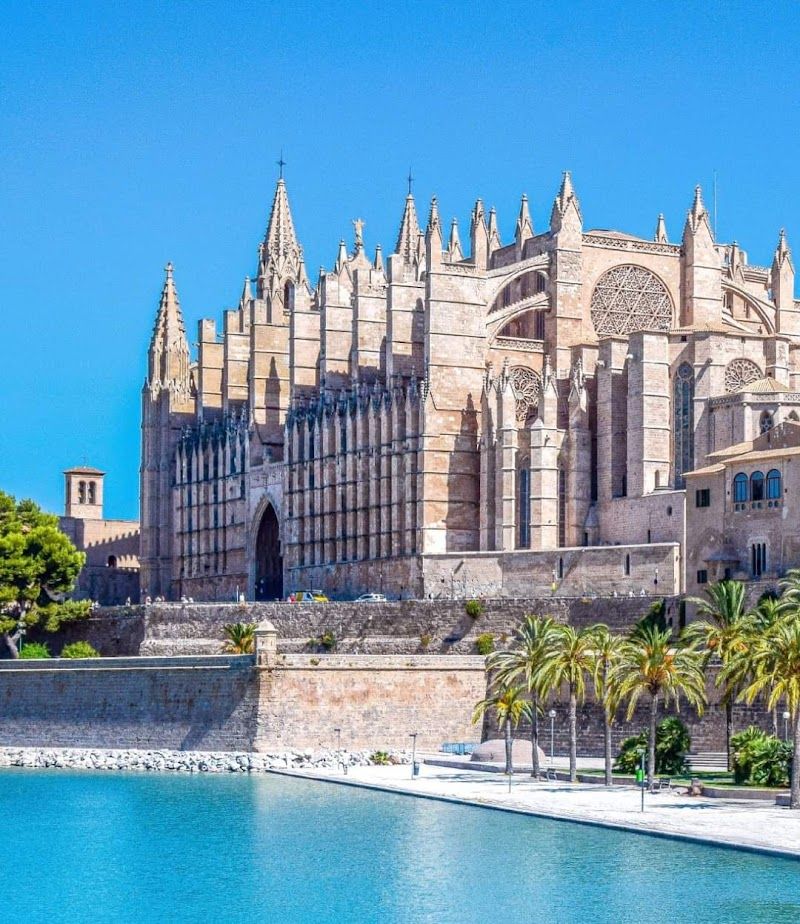
Palma
A real Mediterranean city: Gothic cathedral on the waterfront, narrow old town streets, palace courtyards, and the Santa Catalina neighbourhood where locals eat and drink.
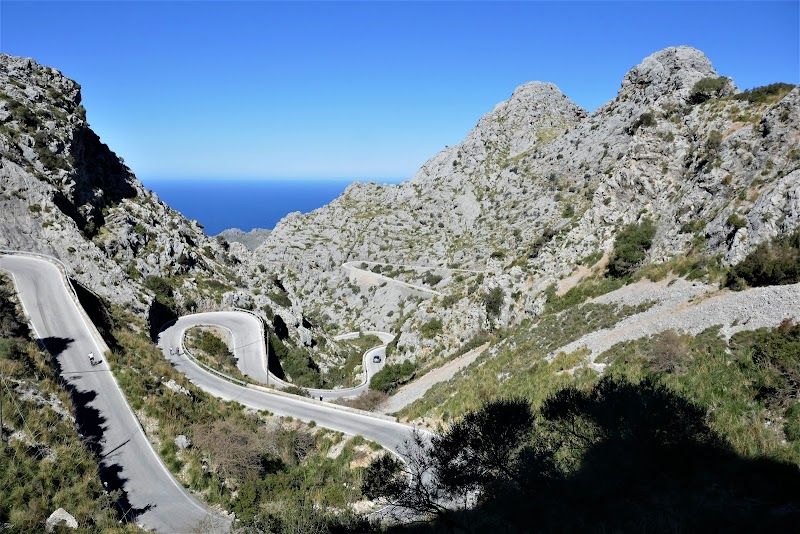
Serra de Tramuntana
UNESCO mountain range: stone villages clinging to cliffs, ancient olive groves, hiking trails, and a coastal road that is one of the best drives in Europe.
Southwest Coast
The quieter, more upscale end of the coast: Port d'Andratx harbour, Sant Elm village, Dragonera island, and sunset views that draw painters and photographers.
Related Articles
Seville Safety Guide: Which Neighborhoods to Avoid and Where to Stay Instead
Most of Seville is safe, but certain areas demand caution. Here's where to avoid staying and which neighborhoods offer better options for travelers concerned about safety.

Central Market Hall Budapest: Complete Guide to Hungary's Most Famous Food Market
The Central Market Hall is Budapest's food shopping headquarters. Here's what to buy, when to visit, and how to navigate this 19th-century market like a local.