
Milan
Isola
Milan's most creative neighbourhood - street art, natural wine bars, brunch spots, and the energy of a district that knows it is on the rise.
About Isola
Isola ("island" in Italian) was literally cut off from the rest of Milan by the railway until Porta Garibaldi station connected it. That isolation preserved a working-class character that has now attracted the creative class: street artists, natural wine bars, brunch spots, and independent restaurants. Via Borsieri and Via Carmagnola are the main strips. The Frida cocktail bar is an institution. Blue Note Milan (the only European outpost of the New York jazz club) is here. The neighbourhood has the energy of a place that knows it is on the rise but has not yet been priced out.
Things to Do
Top experiences in Isola
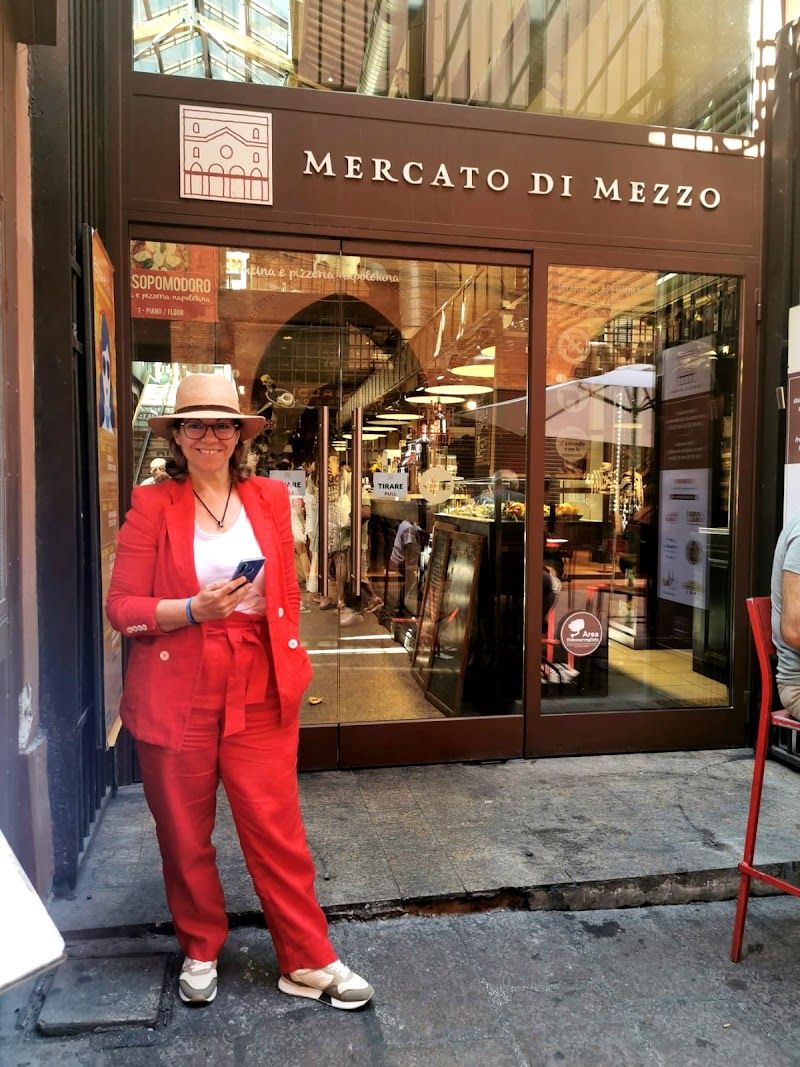
Mercato Metropolitano Milano
Mercato Metropolitano Milano transforms a former industrial warehouse near Porta Genova into Milan's most ambitious food hall, with over 40 vendors spanning everything from Sicilian arancini (€4-6) to craft cocktails (€8-12). You'll find proper sit-down restaurants alongside quick grab spots, plus local artisan producers selling everything from aged cheeses to handmade pasta. The space doubles as a cultural hub with live music most evenings and occasional food workshops. The converted warehouse feels genuinely communal rather than touristy - locals come for after-work aperitivo while families share weekend lunches at the long wooden tables. The acoustic design means it never feels overwhelming despite housing hundreds of diners, and the open kitchen concept lets you watch everything being prepared fresh. The craft beer selection is exceptional, featuring small Italian breweries you won't find elsewhere in the city. Most food halls feel like upscale cafeterias, but this one actually works because vendors aren't just reheating pre-made items. However, weekend evenings get genuinely packed - arrive before 7pm or after 9pm to avoid the worst crowds. Skip the more expensive "gourmet" stalls near the entrance and head toward the back where prices drop significantly. The €15-20 you'll spend for a full meal beats most nearby restaurants for quality.
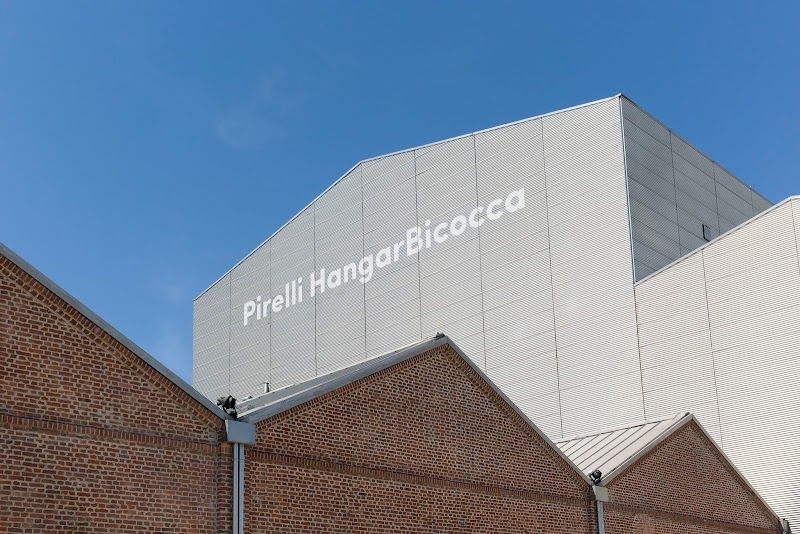
Pirelli HangarBicocca
Pirelli HangarBicocca transforms a massive former locomotive factory into one of Europe's most dramatic contemporary art spaces. The cavernous 15,000-square-meter hangar creates an almost cathedral-like atmosphere where monumental installations take on otherworldly proportions. Anselm Kiefer's Seven Heavenly Palaces dominates the main space - seven towering concrete and lead structures that feel like ancient ruins in a post-apocalyptic landscape. The raw industrial architecture, with its exposed steel beams and weathered concrete floors, doesn't just house the art - it becomes part of it. Walking through feels like exploring an abandoned cathedral filled with contemporary relics. The scale hits you immediately - Kiefer's towers stretch 14-18 meters high, their surfaces crusted with ash, clay, and metal fragments that catch the filtered light streaming through skylights. The space stays refreshingly cool even in summer, and the acoustics create an almost reverent quiet broken only by footsteps echoing off concrete. Rotating exhibitions in the side galleries tend toward equally ambitious large-scale works that would be impossible to display elsewhere. Most art guides oversell this as essential viewing, but honestly, it's quite niche - if conceptual contemporary art isn't your thing, 90 minutes here will feel endless. The permanent Kiefer installation is undeniably impressive but also oppressive and somber. Free admission makes it worth trying, but book online since weekend slots fill fast. Skip the small side exhibitions unless you're already hooked by the main hangar.
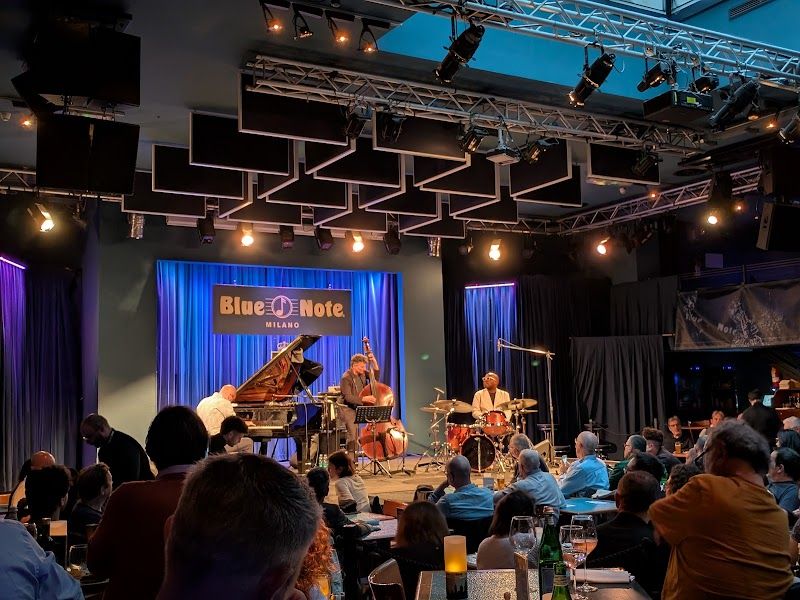
Milan Jazz and Cocktail Evening Tour
This guided tour takes you through Milan's authentic jazz scene across three carefully chosen venues in Brera and Porta Venezia, with a local guide who knows the owners and can get you into places you'd never find alone. You'll experience the evolution from traditional bebop haunts like Blue Note Milano to contemporary fusion spots where local musicians experiment with electronic elements. Each stop includes cover charges (typically €15-25 per venue) and a welcome cocktail, while your guide shares stories about Milan's jazz renaissance that began in the smoky clubs of the 1960s. The evening flows naturally from intimate basement venues where you're close enough to watch fingering techniques, to slightly larger spaces where the energy builds as the night progresses. You'll hear everything from classic standards to modern interpretations, often with Italian musicians who've trained at Berklee or studied in New York. The atmosphere shifts distinctly between venues - from hushed reverence at traditional spots to animated conversation during fusion sets where audience participation is encouraged. Most jazz tours in Milan hit tourist traps, but this one connects you with venues where locals actually go to hear serious music. Skip this if you're expecting smooth jazz or dinner music - these are working musicians playing challenging material. The €120-150 tour price includes everything except additional drinks, and you'll save money versus trying to navigate the scene solo since many venues have membership requirements or don't advertise showtimes publicly.
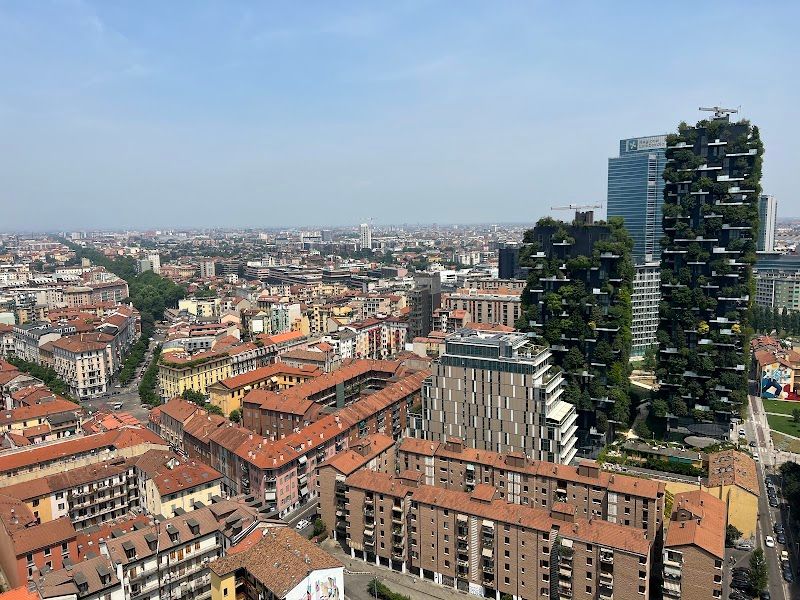
Bosco Verticale
Bosco Verticale is exactly what it sounds like - two residential towers transformed into living skyscrapers with 900 trees and 20,000 plants growing from every balcony. Stefano Boeri's 2014 creation proves sustainable architecture doesn't have to be ugly, turning luxury apartment living into a vertical ecosystem that genuinely absorbs CO2 and houses birds and insects 110 meters above Milan's streets. You can't go inside, but the exterior alone shows how green building can work without sacrificing style. Walking around the base feels like discovering architecture from the future - the towers change dramatically with each angle as different plants catch the light and seasons shift the colors. Morning light hits the east-facing greenery beautifully, while the contrast against Milan's traditional grey buildings is striking. The dedicated maintenance teams you'll spot rappelling down the facades are part of the show - it takes serious engineering to keep a vertical forest alive. Most travel guides oversell this as a major destination when it's really a 15-minute photo stop. The surrounding Porta Nuova district has better dining and shopping than the towers themselves. Don't circle the buildings endlessly - get your shots from the park behind and move on. The real value is seeing Milan's commitment to green urban planning in action, not spending an hour staring at apartment balconies.
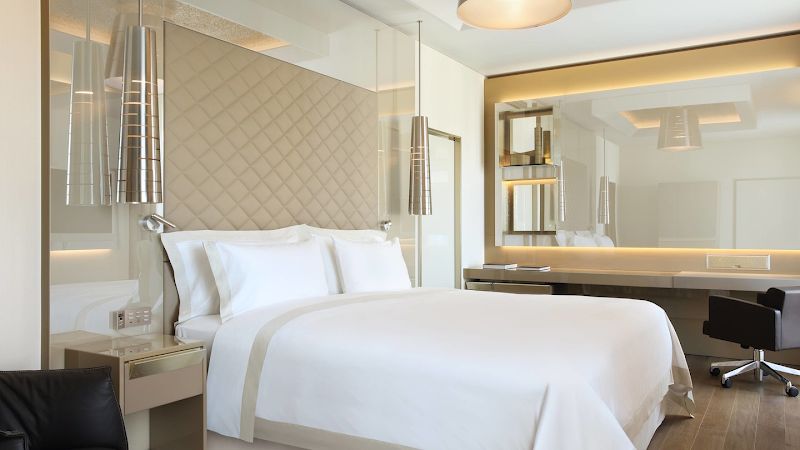
Excelsior Milano
Excelsior Milano transforms seven floors of a restored 1920s building into Milan's most ambitious luxury department store. You'll find over 200 brands from Valentino to Comme des Garcons, plus a dedicated design floor showcasing Italian furniture and home goods that most tourists completely miss. The real draw is the progression upward - ground floor fashion gives way to a spa-like wellness center on the sixth floor, crowned by a rooftop restaurant with unobstructed Duomo views. The experience feels more like exploring a luxury hotel than shopping - each floor has distinct lighting and music, with wide corridors that never feel cramped even during peak hours. The basement food hall surprises with legitimate Italian specialties rather than tourist traps, while the upper floors get progressively quieter and more exclusive. Staff actually know their products and won't hover unless you need help, which is refreshingly rare for Milan's luxury scene. Most guides oversell this as a shopping paradise, but it's really about the building and views - prices run 20-30% higher than standalone boutiques for identical items. The seventh floor terrace bar charges €18 for cocktails but you can access the terrace views for free just by walking through. Skip the wellness floor unless you're actually booking a treatment (starts around €80), and avoid Saturday afternoons when the food hall becomes genuinely unpleasant.
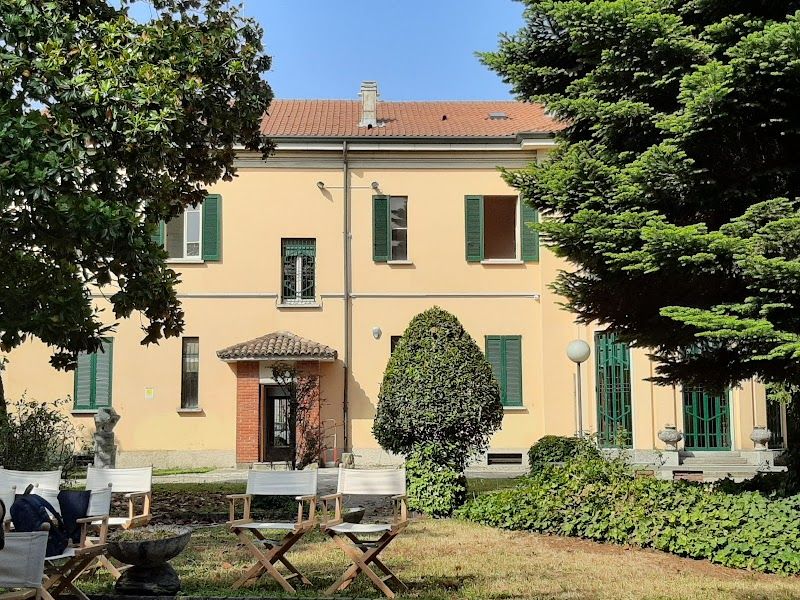
Casa Testori
Casa Testori preserves the former home of Giovanni Testori, one of Milan's most influential 20th-century writers and art critics. You'll walk through intimate rooms filled with his personal collection of paintings by Giorgio de Chirico, Lucio Fontana, and other Italian masters, plus his extensive library of rare books and manuscripts. The house itself is a beautiful example of early 20th-century Milanese architecture, with original furnishings that show how this cultural heavyweight actually lived. The guided tour takes you through five rooms, each telling part of Testori's story as both critic and collector. Your guide explains how Testori championed artists who later became household names, often buying their work before anyone else recognized their talent. The atmosphere feels genuinely personal, like browsing a friend's private collection rather than a sterile museum. You'll see handwritten letters between Testori and famous artists, plus his annotated art books that reveal his critical process. Most travel guides oversell this as essential Milan culture, but it's really for serious art lovers or Testori fans specifically. The collection is small but high quality. Tours run only on weekends and cost 10 EUR, though they're often free during special events. Skip it if you're short on time in Milan, but if you love intimate house museums and modern Italian art, it's genuinely rewarding.
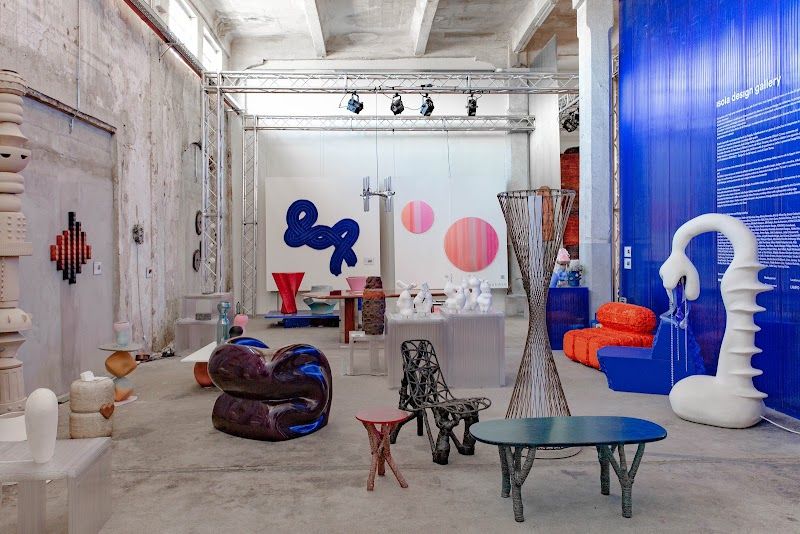
Isola Street Art and Design Tour
Isola's transformation from industrial wasteland to Milan's creative epicenter happened fast, and this walking tour with local artists shows you exactly how it unfolded. You'll see large-scale murals by collectives like Orticanoodles, smaller guerrilla pieces tucked into courtyards, and the polished street art that developers commissioned for the Porta Nuova towers. The route covers both the sanitized Varesine district and grittier back streets where artists still work illegally. Your guide knows these artists personally and can tell you which pieces sparked neighborhood controversies or city hall meetings. The tour moves at a comfortable pace through pedestrian zones and quiet residential streets, stopping at working studios where you might catch painters mid-project. You'll duck into independent design shops selling screen prints and ceramics, plus a few galleries that showcase local talent alongside international street artists. Most cultural tours in Milan stick to obvious sites, but this one reveals how gentrification actually works in real time. The Varesine section feels corporate and sterile compared to the authentic creativity happening on side streets near Porta Garibaldi station. Skip the weekend tours if you want access to working studios, since most artists keep weekday schedules. The 25 EUR cost includes small group access that larger tour companies can't match.
Where to Eat
Restaurants and cafes in Isola
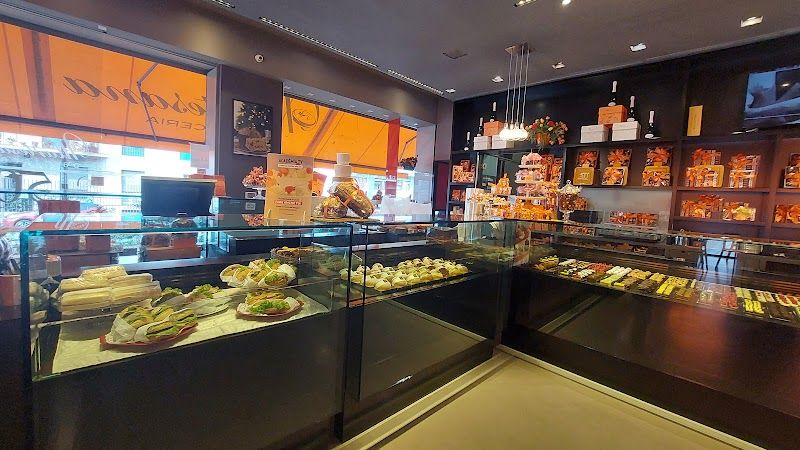
Pasticceria Martesana
CafeForget the touristy pastry shops near the Duomo - Pasticceria Martesana is where Milan's discerning locals have been getting their sugar fix since 1929. This isn't just another pretty bakery; it's a third-generation family operation that has perfected the art of traditional Lombard pastry making while quietly innovating behind the scenes. The moment you step inside the elegant storefront on Corso di Porta Venezia, you'll understand why fashion editors and business executives make daily pilgrimages here. The glass display cases gleam like jewelry showcases, filled with architectural marvels of sugar, cream, and perfectly laminated dough. Their cornetti (€1.80) aren't just breakfast pastry - they're works of art with impossibly flaky layers that shatter at first bite. The cappuccino (€1.50) is textbook perfect, served in proper porcelain cups that locals nurse while scanning La Gazzetta dello Sport. But the real magic happens with their single-portion cakes (€4-7) - miniature symphonies of seasonal flavors that change with obsessive attention to what's actually ripe and good. During Christmas season, their panettone becomes the stuff of legend, with a waiting list that includes Milan's most powerful families. The bakers arrive at 4 AM daily, and by evening, the cases are nearly empty - a testament to both quality and the refined palates of their clientele. This is Italian pastry making at its most sophisticated.
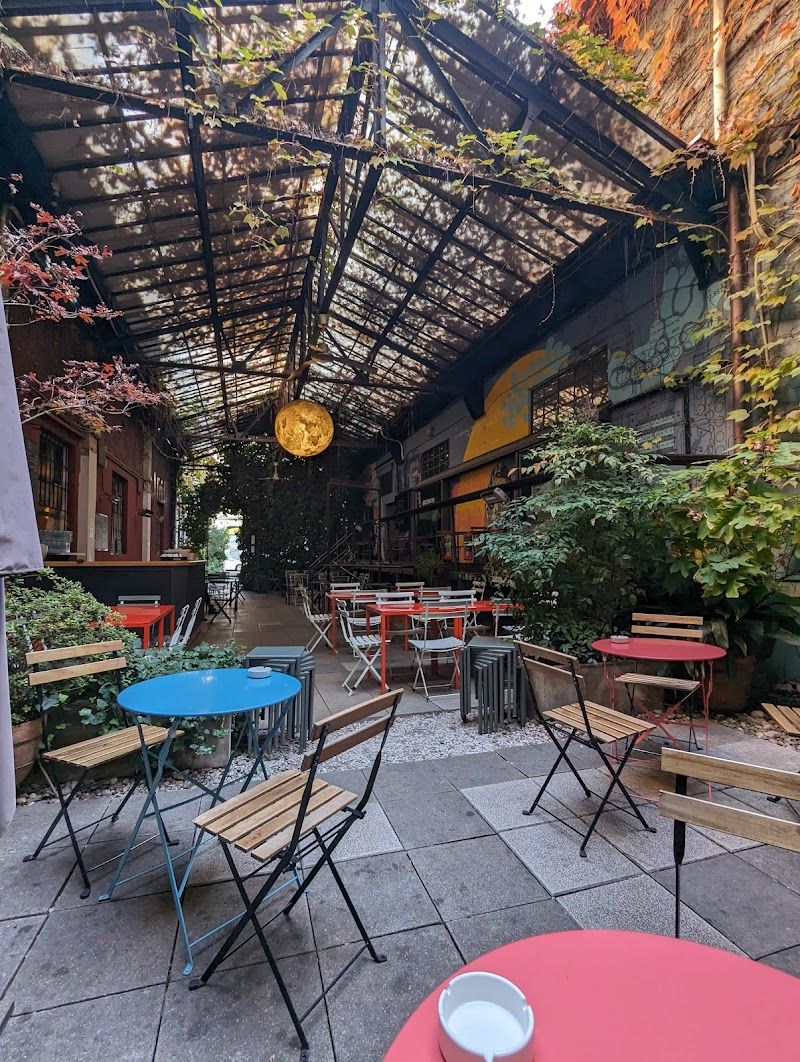
Frida
RestaurantContemporary trattoria in the heart of Isola serving creative Italian cuisine with a modern twist. The intimate space features an open kitchen and a carefully curated wine list focusing on natural and biodynamic wines. Known for their seasonal menu that changes frequently based on market availability.
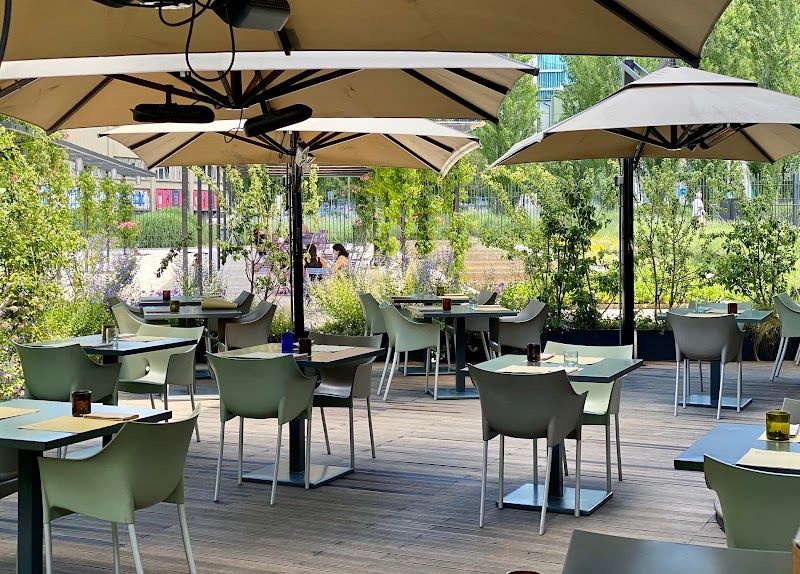
Ratanà
RestaurantModern Milanese cuisine in a converted industrial space near Porta Garibaldi. Chef Cesare Battisti reinvents classics like risotto al salto and mondeghili with seasonal ingredients and impeccable technique.
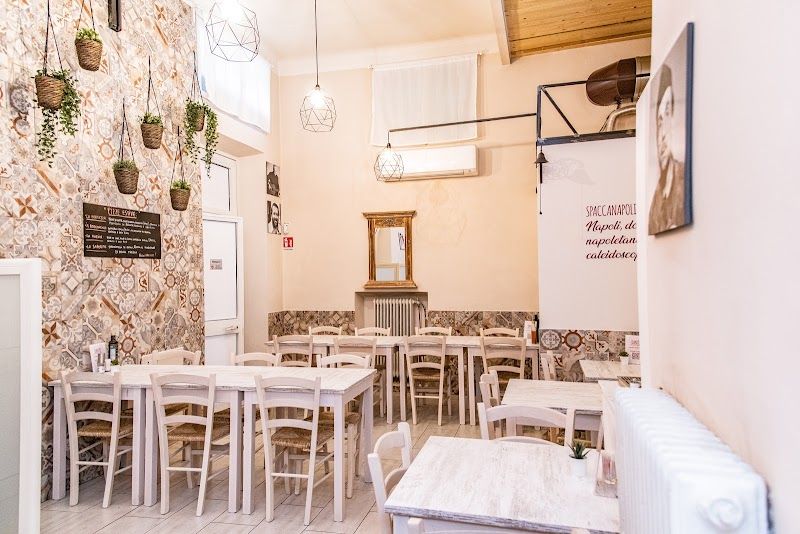
Pizzeria 1977 da Tano
RestaurantA no-frills pizzeria run by the same Neapolitan family since 1977, serving authentic pizza with perfectly charred crusts and quality toppings. The simple interior and friendly service create an unpretentious atmosphere beloved by students and professors alike. Their pizza margherita is considered one of the best in the neighborhood.
Getting Here
Insider Tips
Street art walk
Via Borsieri and the surrounding streets have some of the best street art in Milan. The large murals change regularly. Walk from Porta Garibaldi station north through the neighbourhood.
Brunch culture
Isola has the best brunch scene in Milan. Weekend brunch (EUR 12-18) at spots like Pavé and Dry Milano is where young Milanese spend Saturday mornings.
Blue Note Milan
The only European Blue Note jazz club. Tickets EUR 25-50 depending on the act. Dinner packages available. Book ahead for weekend shows. Sunday brunch with live jazz is the local favourite.
Nearby Neighborhoods
Continue exploring

Centro Storico
Milan's monumental core - the Duomo, the Galleria, the castle, and the grand squares that make the first impression.

Brera
Milan's bohemian art quarter - cobbled streets, the Pinacoteca, independent boutiques, and the best aperitivo scene outside Navigli.

Navigli
Milan's canal district - aperitivo at sunset on the water, vintage shops, flea markets, and the most relaxed neighbourhood in the city.
Related Articles
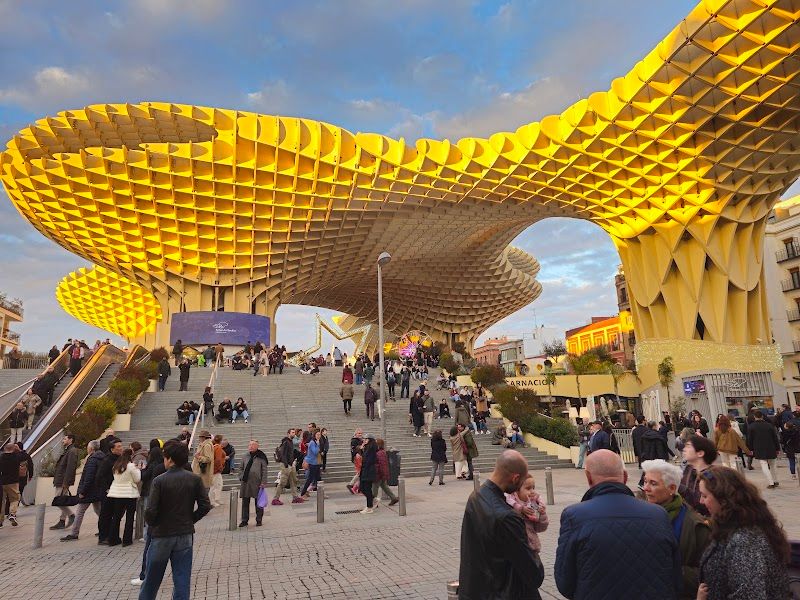
Seville Safety Guide: Which Neighborhoods to Avoid and Where to Stay Instead
Most of Seville is safe, but certain areas demand caution. Here's where to avoid staying and which neighborhoods offer better options for travelers concerned about safety.

Munich 3 Day Itinerary: The Perfect First Visit Plan
This Munich 3 day itinerary covers the essential Bavarian capital experiences: historic Marienplatz, world-class museums, beer gardens, and a day trip to Neuschwanstein Castle.