Rome
Colosseo & Forum
Ancient, monumental, genuinely awe-inspiring
About Colosseo & Forum
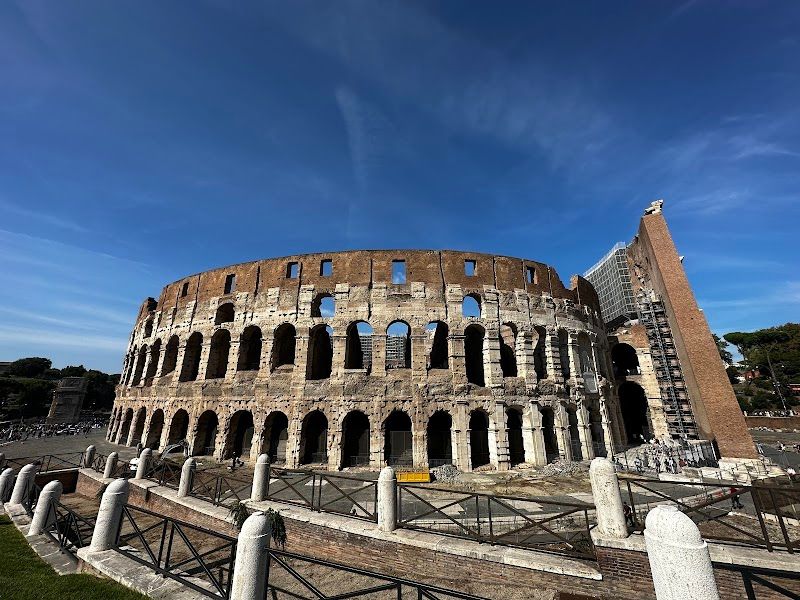
The Colosseum is one of the few places on earth that's exactly as impressive as you've been told. Standing inside, looking up at four storeys of arches that held 50,000 spectators two thousand years ago, makes every other old building you've ever seen feel like a garden shed. Book the combined ticket (€18 for Colosseum + Forum + Palatine Hill, valid 2 days) online at least a week ahead. Walk-ups face 90-minute queues or scalpers charging triple. The €24 underground tour adds the arena floor and the hypogeum below where gladiators and animals waited, and it's genuinely worth the extra money.
The Roman Forum sits between the Colosseum and Piazza Venezia, and it's the one place where "imagine what this looked like 2,000 years ago" actually works, because enough is standing to give you the scale. The Palatine Hill above it has the best views and the quietest corners. Most people rush through the Forum to get back to the Colosseum, which means the Palatine Hill after 11 AM is surprisingly empty. The Circus Maximus is a 5-minute walk south: now a long grassy park where Romans jog and walk dogs where 250,000 people once watched chariot races.
Go early. Gates open at 9 AM and by 10:30 it's a wall of tour groups with matching earpieces. Enter from the Via dei Fori Imperiali side (not the main tourist approach), head straight up to the third level for the best photos, then work your way down. Skip the guys in gladiator costumes outside. They'll charge you €10 for a photo and get aggressive if you try to take one for free.
Things to Do
Top experiences in Colosseo & Forum
Colosseum
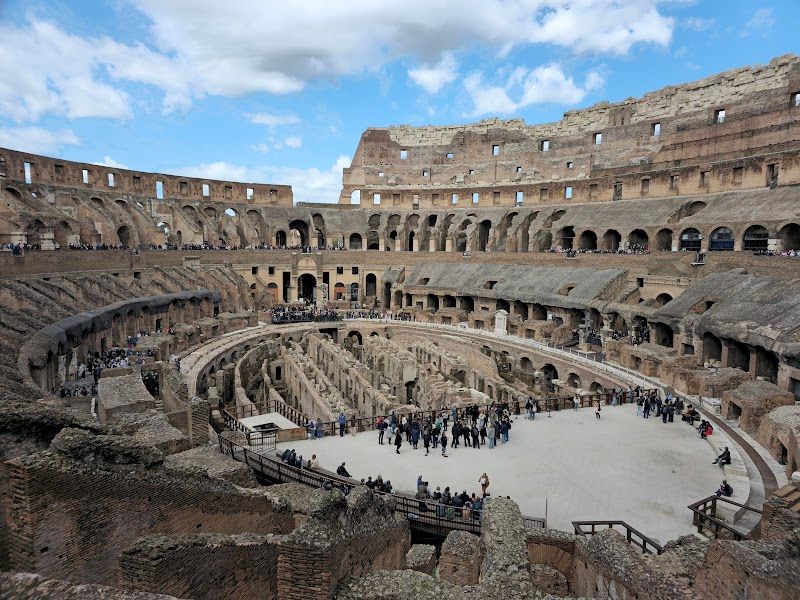
Fifty thousand spectators, four storeys of arches, and an engineering system so advanced they could flood the arena floor for mock naval battles. The Colosseum doesn't need a sales pitch - but standing inside it, on the edge of what was once the arena floor, looking down into the exposed tunnels where gladiators and wild animals waited to be lifted into the fight, is a different experience from any photo. The scale is the thing. Your brain can't quite reconcile that this was built in 80 AD. The €18 combined ticket covers the Colosseum, Roman Forum, and Palatine Hill for two consecutive days - which is the smart way to do it. Use day one for the Colosseum, day two for the Forum and Palatine. Book online at least a week ahead; walk-up tickets exist but the queue can stretch to two hours in peak season, and the guys in gladiator costumes outside charging €10 for a photo are just the start of the annoyances if you arrive unprepared. The €24 underground tour adds the arena floor and the hypogeum - the network of tunnels, lifts, and trap doors beneath the surface. If you can get a slot (they sell out fast), it's worth every cent. Walking through the corridors where animals were kept before being hoisted into the arena on mechanical elevators is genuinely chilling. The standard ticket gets you the first two levels; the third level opened a few years back and has the best panoramic views of the interior, plus you can see the Forum from above. Timing is everything. Gates open at 9 AM and by 10:30 the tour groups arrive in waves. Enter from the Via dei Fori Imperiali side entrance (shorter line than the main Piazza del Colosseo entrance). Go straight to the third level for photos while the light is good, then work your way down. Late afternoon after 3 PM is the other sweet spot - the crowds thin and the golden hour light through the arches makes the travertine glow. Bring water. There's almost no shade inside.
Roman Forum
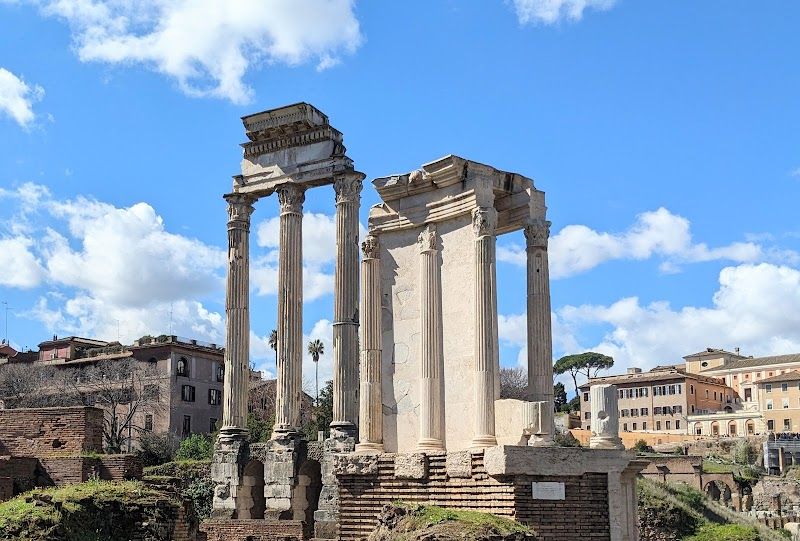
The Roman Forum is where 2,000 years of civilization collapsed into rubble, then got excavated into something extraordinary. You're walking through the actual center of the Roman Empire - the Senate House where Caesar was murdered, the Temple of the Vestal Virgins where sacred flames burned for centuries, and the Arch of Titus celebrating the conquest of Jerusalem. The Via Sacra still runs right through the middle, the same marble road where triumphant generals paraded their conquered enemies. It starts overwhelming - just endless broken columns and foundation stones scattered across a massive excavated pit. But once you get oriented (seriously, get that audio guide), individual buildings snap into focus. You'll recognize the three towering columns of the Temple of Castor and Pollux, walk through the perfectly preserved Arch of Septimius Severus, and stand in the circular Temple of Vesta. The scale hits you gradually - this "ruined field" was once packed with 100,000+ Romans doing business, worshipping, and watching political drama unfold. Most visitors rush through in 45 minutes and see nothing but old stones. Give it the full 90 minutes minimum and you'll understand why Rome ruled the world. The €18 Colosseum combo ticket covers three days, so you can return. Skip the overcrowded center during peak hours - the eastern end near the Temple of Antoninus and Faustina is just as impressive with half the crowds.
Domus Aurea
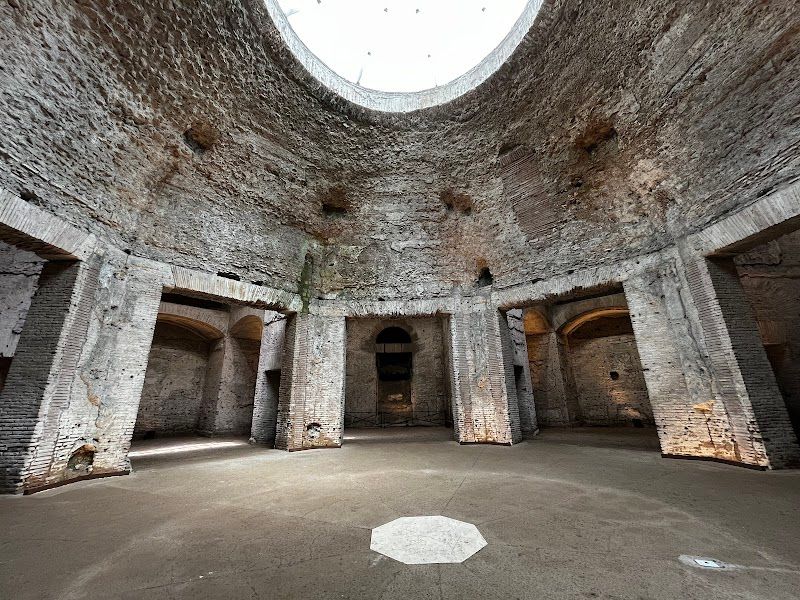
Nero's Golden Palace was ancient Rome's most extravagant residence, covering 300 acres with a 35-meter bronze statue of the emperor at its entrance. After Nero's death, successive emperors buried it under baths and parks. Today you're visiting the underground remains, featuring some of Rome's finest surviving frescoes and the world's first dome. The VR experience reconstructs entire rooms in detailed accuracy, showing how the dining halls rotated and gardens cascaded through courtyards. You'll walk through dimly lit corridors wearing VR headsets that transform bare walls into gilded chambers with marble columns and painted ceilings. The contrast is quite striking - one moment you're looking at crumbling brickwork, the next you're seeing golden decorations and intricate mythological scenes exactly as Romans would have. The audio guide explains Nero's engineering innovations, including the rotating dining room and sophisticated heating systems. Groups are limited to 25 people, so you won't feel rushed. Most guides don't mention that standard tours (€16) skip the best preserved frescoes in the Room of the Golden Vault. The VR weekend tours cost €22 but include access to restricted areas and much better reconstruction technology. Book directly on the official website, as third-party sites charge extra fees. The temperature remains around 15°C year-round, so bring layers even in summer.
Case Romane del Celio
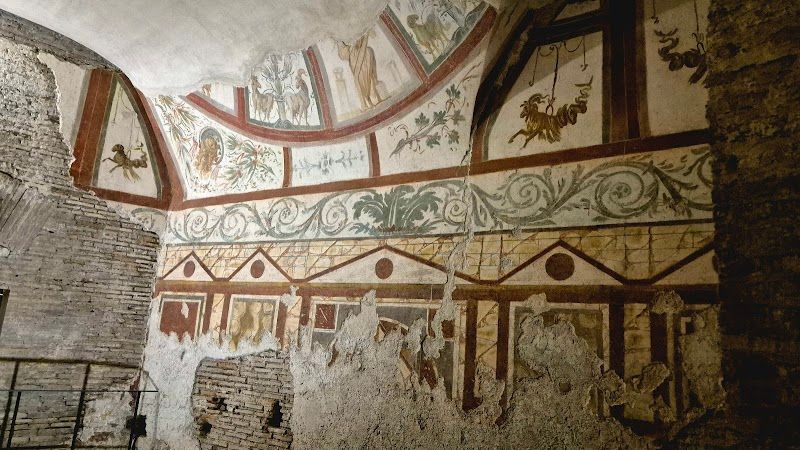
Case Romane del Celio preserves an entire block of Roman houses beneath the Basilica of Santi Giovanni e Paolo, dating from the 2nd to 4th centuries AD. You will descend into over 20 rooms across multiple levels, including private apartments, shops, a nymphaeum with original frescoes, and even Christian frescoes from when the space was secretly used for worship. The preserved paintwork features genuine reds and blues that resemble colours applied yesterday rather than 1,700 years ago. The visit feels like exploring a wealthy Roman's basement that time has forgotten. You follow a set route through narrow corridors and chambers, with excellent lighting that brings out details in the frescoes and mosaics. The temperature drops noticeably underground (around 15°C year-round), and the silence creates an almost sacred atmosphere. Audio guides in multiple languages explain each room's function, from the confessio where early Christians may have been martyred to elegant dining rooms with intact decorative schemes. At €8 for adults, this delivers far better value than the Colosseum's underground tour. Most visitors rush through in 45 minutes, but you can easily spend 90 minutes here if you're interested in Roman domestic life. Skip the overpriced bookshop upstairs, but don't miss room 17 with its perfectly preserved ceiling frescoes. The site gets busy around 11am when tour groups arrive, so aim for opening time or late afternoon.
Parco del Celio
Parco del Celio spreads across the Caelian Hill with massive chunks of the Temple of Claudius scattered like ancient Lego blocks among umbrella pines and open grass. You'll find genuine Roman families here, not tour groups, walking their dogs past 2,000 year old walls. The park feels like a neighborhood secret where kids play football next to imperial ruins and elderly Romans read newspapers on benches facing the Palatine Hill. The atmosphere is wonderfully ordinary, Romans using their ancient city as a backyard. You'll hear Italian conversations echoing off temple walls while joggers weave between archaeological remnants. The central area opens onto perfect picnic spots with views toward the Colosseum, though the ruins themselves are more impressive than any vista. Dogs run free in certain sections, and the sound of children playing mingles with birdsong from the pines overhead. Most guidebooks barely mention this place, which keeps it refreshingly authentic. The temple ruins are fenced but still dramatic, these aren't Disney reconstructions but real weathered stones you can touch. Skip the small playground unless you have kids, focus on the western section where the largest temple blocks sit. Entry is completely free, unlike every other archaeological site in Rome, making this perfect for budget travelers or anyone suffering from monument fatigue.
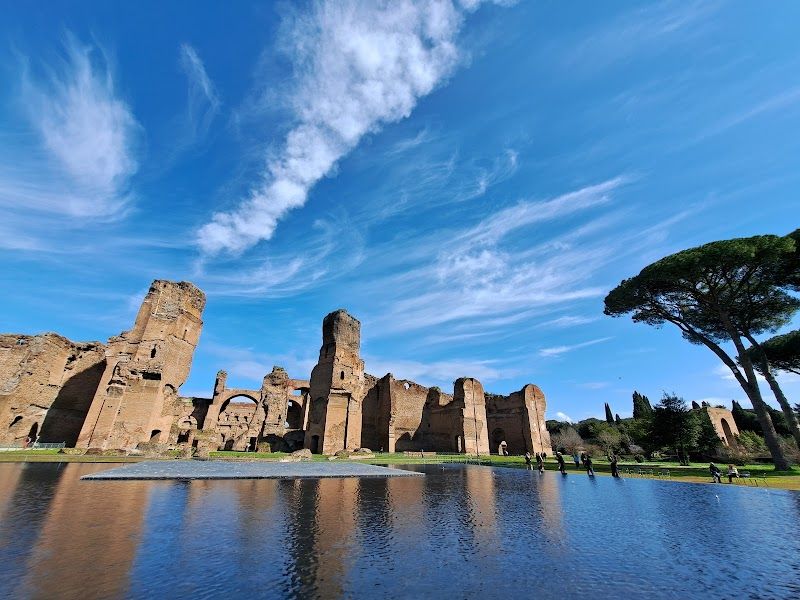
Terme di Caracalla
The Terme di Caracalla are Rome's best-preserved ancient baths, built by Emperor Caracalla in 216 AD to accommodate 1,600 Romans daily. You'll walk through massive caldarium (hot bath) halls with 40-meter-high vaulted ceilings, see the original black and white floor mosaics in the tepidarium (warm room), and explore underground tunnels where slaves stoked furnaces for the hypocaust heating system. The sheer scale dwarfs you - these weren't just baths but a social complex with libraries, shops, and exercise areas. You enter through the modern glass pavilion and follow a logical circuit through the main bathing sequence. The audio guide (€6) brings the ruins to life, explaining how Romans progressed from cold to hot pools while socializing and conducting business. The highlight is standing in the massive central hall where sunlight streams through ancient windows, imagining the marble-clad walls and bronze fittings that once gleamed here. Most guides oversell the mosaics - they're impressive but limited to a few rooms and underground areas. Skip the virtual reality experience (€5 extra) unless you're traveling with kids who need the visual aid. The standard €10 ticket is plenty, and you can easily see everything in 90 minutes. Come early morning when tour groups haven't arrived and the lighting hits the brick walls perfectly.
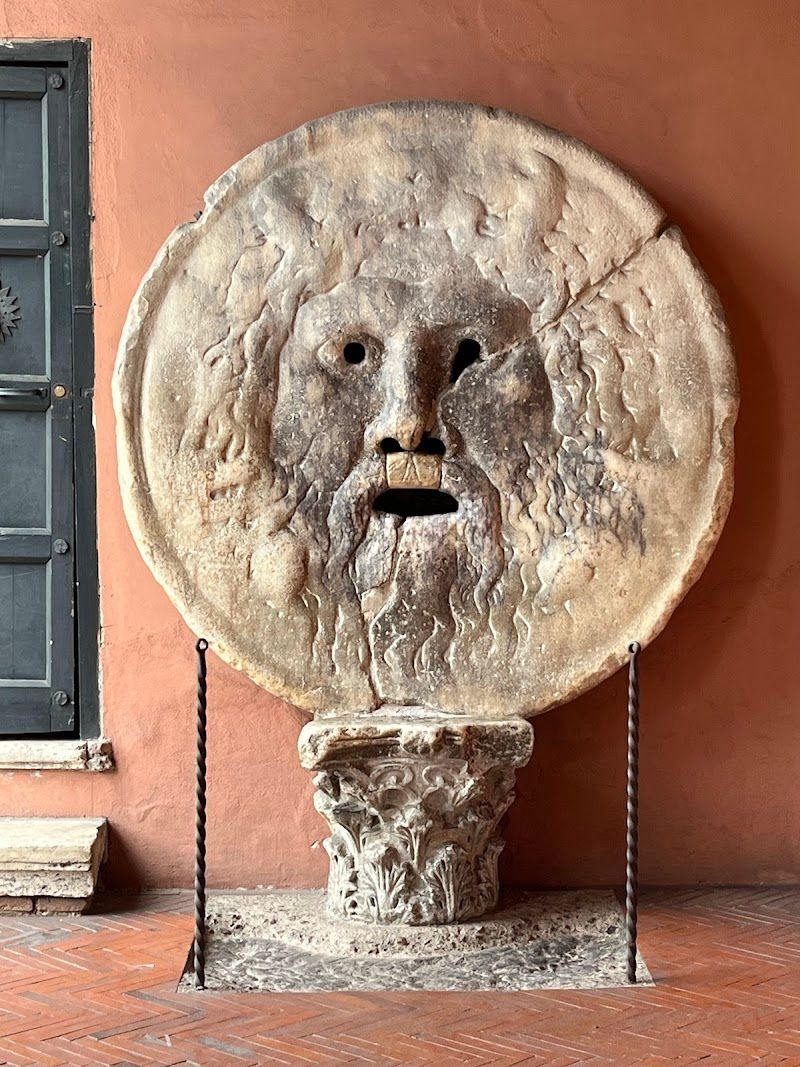
Bocca della Verità
The Bocca della Verità is a 1st-century marble drain cover depicting a bearded face, now sitting in the portico of Santa Maria in Cosmedin church. According to medieval legend, if you put your hand in its mouth and tell a lie, it'll bite your hand off - complete nonsense, but tourists queue for hours to stick their hands inside for photos. The church itself is far more interesting: it's got one of Rome's finest 12th-century Cosmatesque marble floors and houses what's claimed to be St. Valentine's skull in a side chapel. You'll find a constant stream of tourists posing dramatically with their hands in the stone mouth while guides spin tales about medieval lie detectors. The atmosphere is pure tourist theater - people hamming it up for Instagram while ignoring the genuinely beautiful medieval church surrounding them. The portico stays busy from mid-morning through sunset, with groups cycling through every few minutes for their obligatory shots. Most guides don't mention that the official €2 photo queue is completely unnecessary - you can walk straight into the church for free and see the mask from inside the portico without waiting. The church's Cosmatesque floor and ancient columns are genuinely spectacular and completely overlooked by 90% of visitors. Skip the photo if you're pressed for time, but don't miss the church interior - it's one of Rome's most authentic medieval spaces.
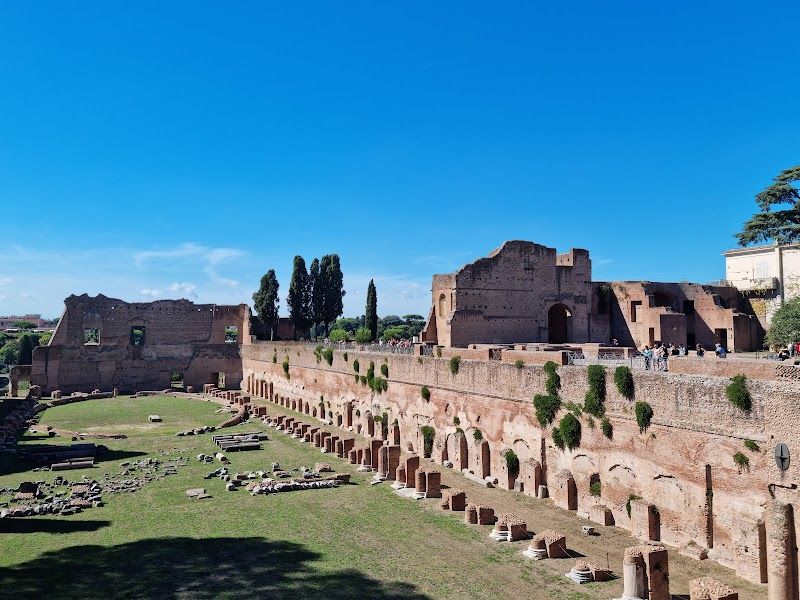
Palatium
The Palatine Museum sits inside the archaeological park on Palatine Hill, housing artifacts excavated from the imperial palaces where Augustus, Tiberius, and Domitian once lived. You'll see spectacular frescoes from Augustus's house, marble sculptures from palace gardens, and intricate floor mosaics that survived nearly 2,000 years. The collection focuses entirely on finds from this hill, making it the most specific imperial Roman museum you can visit. The museum occupies a 19th-century building with modern climate-controlled galleries that feel refreshingly cool after walking the ruins outside. Everything connects directly to the archaeological sites you've just explored - those foundation walls suddenly make sense when you see the frescoes that once covered them. The lighting is excellent for photography, and interactive displays help decode the complex imperial family trees and building phases. Most people rush through to get back outside, but you're missing the best part of your Palatine ticket (museum entry is included). The Augustus house frescoes alone justify slowing down - these survived because they were buried, not because they were restored. Skip the gift shop entirely and spend that time in the fresco rooms instead.
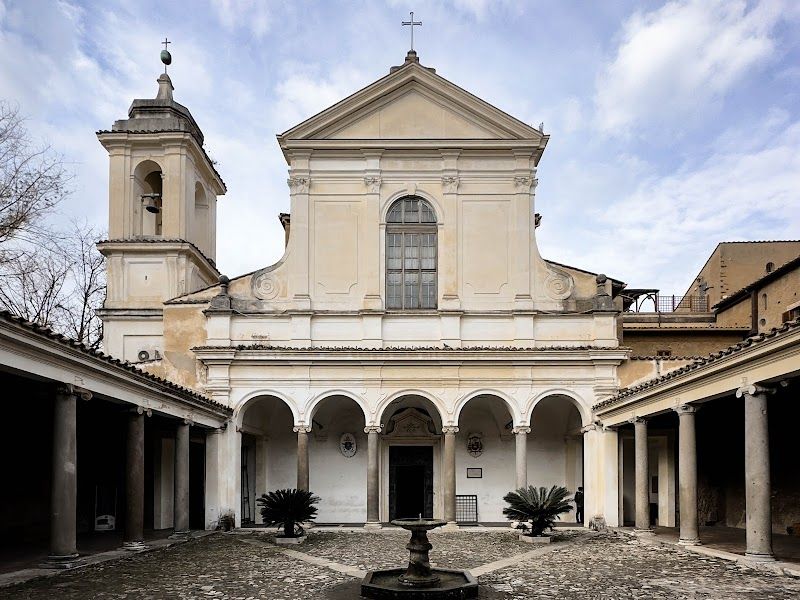
Basilica of San Clemente
Three layers of history stacked on top of each other, literally. The current 12th-century basilica sits on top of a 4th-century church, which sits on top of a 1st-century Roman house and a Mithraic temple. You descend through each layer, and by the time you reach the bottom you can hear an underground river running through Roman brickwork. The 12th-century apse mosaic upstairs is one of the finest in Rome. Entry to the lower levels costs €10 and is absolutely worth it. This is the single best way to understand Rome's layered history.
Where to Eat
Restaurants and cafes in Colosseo & Forum
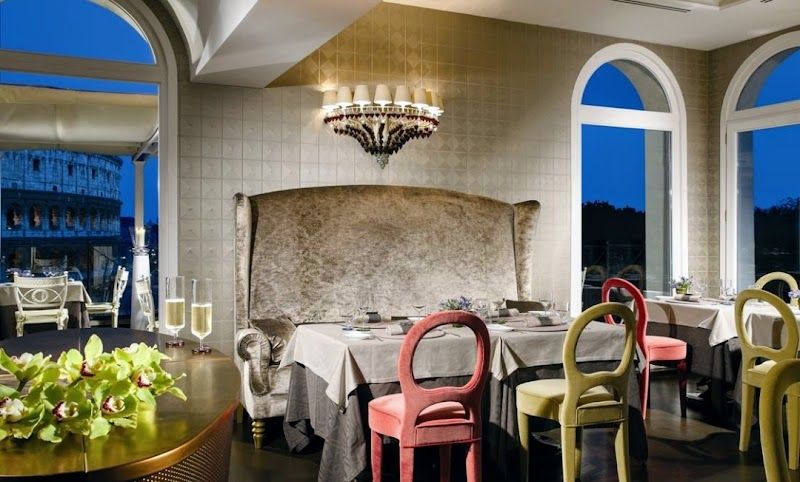
Aroma Restaurant
RestaurantMichelin-starred rooftop restaurant at Palazzo Manfredi offering innovative Italian cuisine with stunning views of the Colosseum. The terrace setting provides an extraordinary dining experience combining haute cuisine with ancient Rome's most legendary monument. Chef Giuseppe Di Iorio creates seasonal tasting menus that showcase contemporary Italian gastronomy.
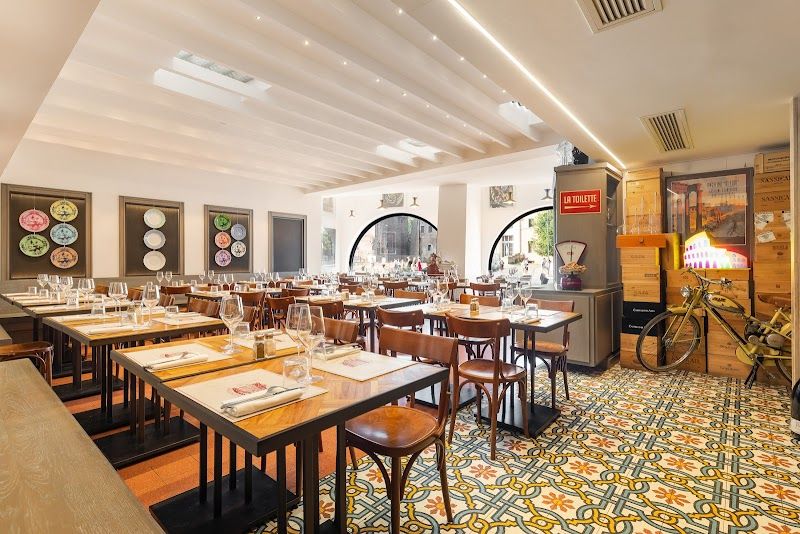
Osteria Angelino ai Fori
RestaurantFamily-run trattoria tucked away on a quiet street near the Imperial Forums, serving traditional Roman dishes since the 1950s. Known for authentic carbonara, amatriciana, and grilled meats in a cozy, no-frills atmosphere. Popular with locals who work in the area.
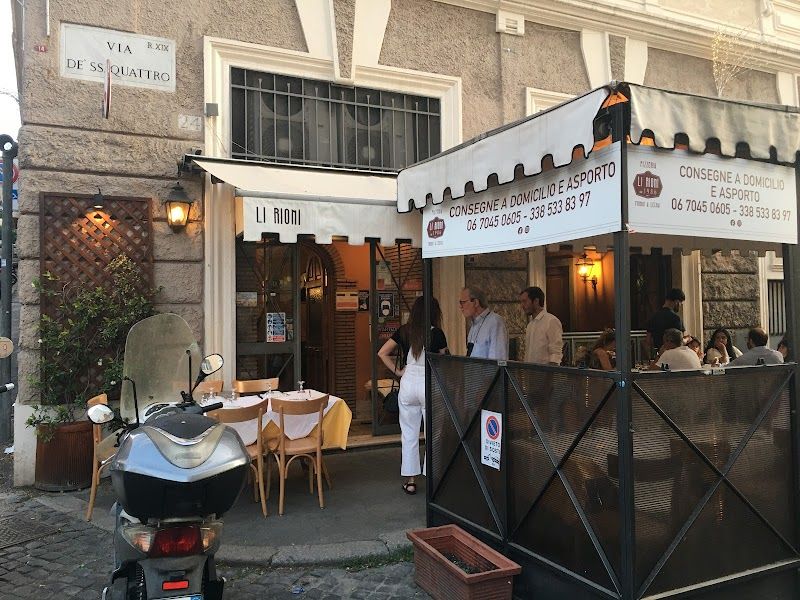
Li Rioni
RestaurantAuthentic Roman pizzeria specializing in pizza al taglio (by the slice) and supplì, located just steps from the Colosseum. Run by the same family for decades, offering crispy-bottomed Roman-style pizza with creative seasonal toppings. Quick, affordable, and packed with locals at lunch.
Getting Here
Metro Stations
On Foot
The Colosseum, Forum, and Palatine Hill are all connected and walkable within minutes.
Insider Tips
Book the underground tour
The €24 ticket adds the arena floor and the hypogeum (underground tunnels). You'll walk where gladiators walked and see the lift mechanisms that raised animals into the arena. Limited availability. Book 3+ weeks ahead for weekend slots.
Palatine Hill in the afternoon
Most visitors do the Colosseum and Forum in the morning and skip the Palatine Hill. Go after lunch when it empties out. The Farnese Gardens at the top have shade, views over the Forum, and almost nobody in them after 2 PM.
Nearby Neighborhoods
Continue exploring


Related Articles
Rome vs Florence: Which Italian City Should You Visit First?
Rome delivers epic history and incredible food accidents, while Florence offers Renaissance perfection in a walkable package. Here's how to choose.
Rome vs Venice: A Complete Guide to Choosing Your Italian Destination
Rome delivers ancient wonders and incredible food, while Venice offers unique canals and artistic treasures. We break down costs, crowds, and what each city does best.
Plan a trip featuring Colosseo & Forum
Get a personalized Rome itinerary with Colosseo & Forum built in.
Start Planning