
Rome
EUR & Ostiense
Fascist-era architecture, emerging creative scene, the other Rome
About EUR & Ostiense
EUR (pronounced "ay-oor") is Mussolini's answer to a question nobody asked: what if Rome was rebuilt as a rationalist utopia? The neighbourhood was planned for a 1942 World Expo that never happened because of the war, and the buildings that survived are fascinating in the way that uncomfortable history often is. The Palazzo della Civilta Italiana (the "Square Colosseum") is the most photographed: six floors of identical arches that Fendi now uses as their headquarters. It's striking, unsettling, and completely unlike anything else in Rome.
The area between EUR and Testaccio is Ostiense, which is having a moment. Eataly Rome is here: four floors of Italian food products, restaurants, and cooking classes inside the converted air terminal building from the 1930s. Centrale Montemartini is Rome's best-kept museum secret: classical Roman statues displayed inside a decommissioned power plant, marble gods next to diesel engines. Entry is €10 and you'll have entire rooms to yourself.
Via Ostiense itself is developing a bar and restaurant scene that draws from the nearby Roma Tre university. Prices are significantly lower than central Rome. Porto Fluviale is a massive converted warehouse with €8-12 pizzas and aperitivo that gets packed with locals on Friday nights. This isn't a neighbourhood you'd base yourself in, but it's worth a half-day trip, especially if you're interested in architecture that makes you think rather than just takes your breath away.
Things to Do
Top experiences in EUR & Ostiense
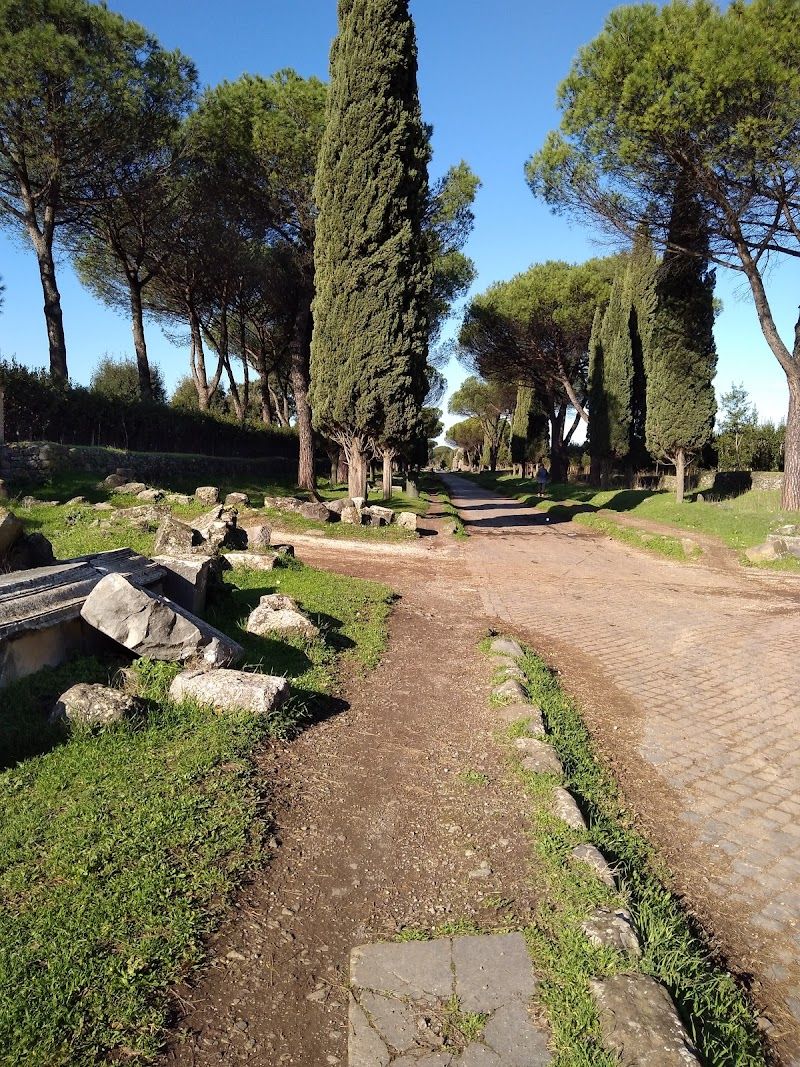
Via Appia Antica
Via Appia Antica stretches 18km southeast from Rome's ancient walls, but the first 5km contain all the drama: original Roman basalt stones scarred by chariot wheels, towering umbrella pines, and massive tombs including Cecilia Metella's fortress-like mausoleum. You'll walk the same route that armies, pilgrims, and slaves traveled for over 2,000 years, passing underground Christian catacombs and crumbling aqueduct arches. The road surface is genuinely ancient, not a reconstruction, making every step feel like time travel. The experience shifts between peaceful countryside and archaeological wonderland. Cyclists glide past on rental bikes while you navigate uneven basalt blocks that can twist ankles. The landscape opens up after the busy entrance, revealing endless views of Roman campagna dotted with cypress trees and wildflower meadows. Sunday transforms the road into a car-free promenade where Roman families picnic among 2,000-year-old tombs, creating an oddly festive atmosphere around ancient death monuments. Most visitors attempt too much and burn out after 3km on those brutal stones. Focus on the stretch from Porta San Sebastiano to Cecilia Metella's tomb (about 3km) for maximum reward with minimum foot punishment. The bike rental at Porta San Sebastiano costs 15 EUR for 4 hours, absolutely worth it unless you enjoy medieval torture. Skip the expensive catacombs tours and concentrate on the free outdoor monuments.
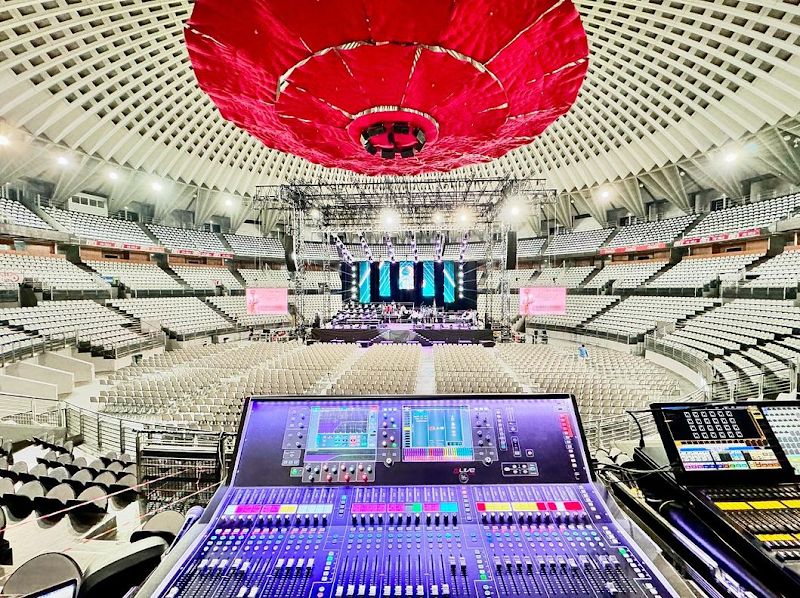
PalaLottomatica
PalaLottomatica is Rome's premier indoor arena, a sleek 11,000-seat venue in EUR that hosts everything from NBA preseason games to international pop stars. Built in 1960 and modernized in 2003, it's where Taylor Swift sells out in hours and AS Roma celebrates championship victories. The arena's steep seating ensures decent views from most spots, and the sound system is genuinely impressive - you'll actually understand the lyrics at concerts. Inside, it feels more intimate than the capacity suggests, with good sightlines even from upper sections. The concourse wraps around completely, so you can walk the full perimeter during intermissions. Concessions are typical arena fare - overpriced paninis (€8-12) and beer (€6-8) - but the atmosphere during big events is electric. Security moves efficiently, and the modern amenities feel refreshingly functional compared to some of Rome's older venues. Most people underestimate travel time - it's a solid 30-minute Metro ride from central Rome, and the last train back is around midnight. Skip the official merchandise unless you're desperate; prices are inflated even by concert standards. The €15 parking fills up fast, but street parking exists if you're willing to walk 10-15 minutes. For basketball games, upper sections offer the best value at around €25-35.
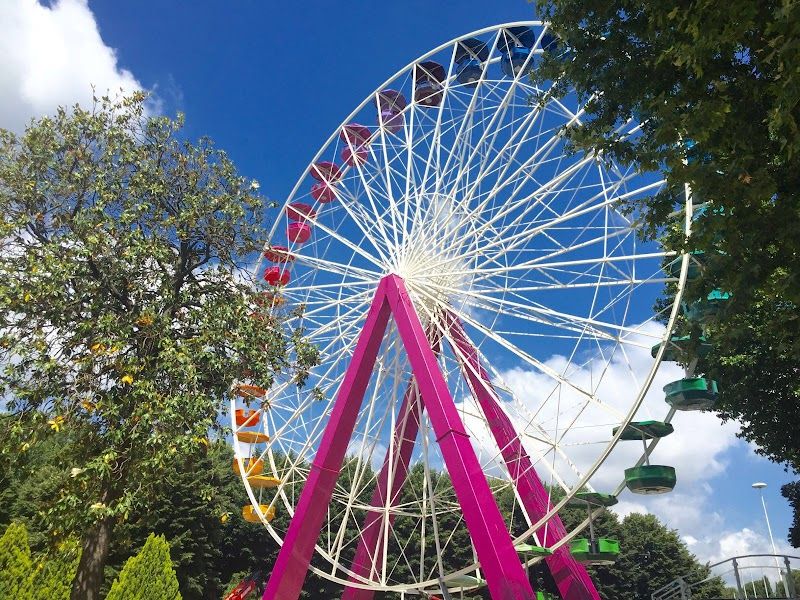
LunEur Park
LunEur Park offers old-school amusement park fun in Rome's EUR district. Vintage Italian elements meet modern safety standards within the park. Classic rides, such as a 1960s carousel with hand-painted horses, a traditional Ferris wheel with views of EUR's rationalist architecture, two roller coasters, and a fun house with moving floors and trick mirrors await visitors. Families with younger kids are the target, but adults also enjoy the nostalgic atmosphere and restored vintage rides. The experience feels authentic rather than corporate, with kids running between rides while parents chatter on benches, gelato vendors working the crowds, and a relaxed pace after Rome's intensity. The carousel is a crowd favourite due to its ornate details and classic calliope music, while the roller coasters have minimal waits. Green spaces between attractions give visitors room to breathe, and the picnic areas fill up on weekends with local families bringing elaborate lunch spreads. Most travel sites tend to understate this place, but its charm comes to life when embracing the retro vibe rather than expecting grand productions. It's best to skip the arcade games, which are overpriced and dated. The focus should be on the outdoor rides. Entry costs €3, with individual rides costing €3-5 each. An unlimited wristband (€18) is worthwhile if you're staying more than two hours. The fun house is a highlight, with kids emerging dizzy and giggling every time.
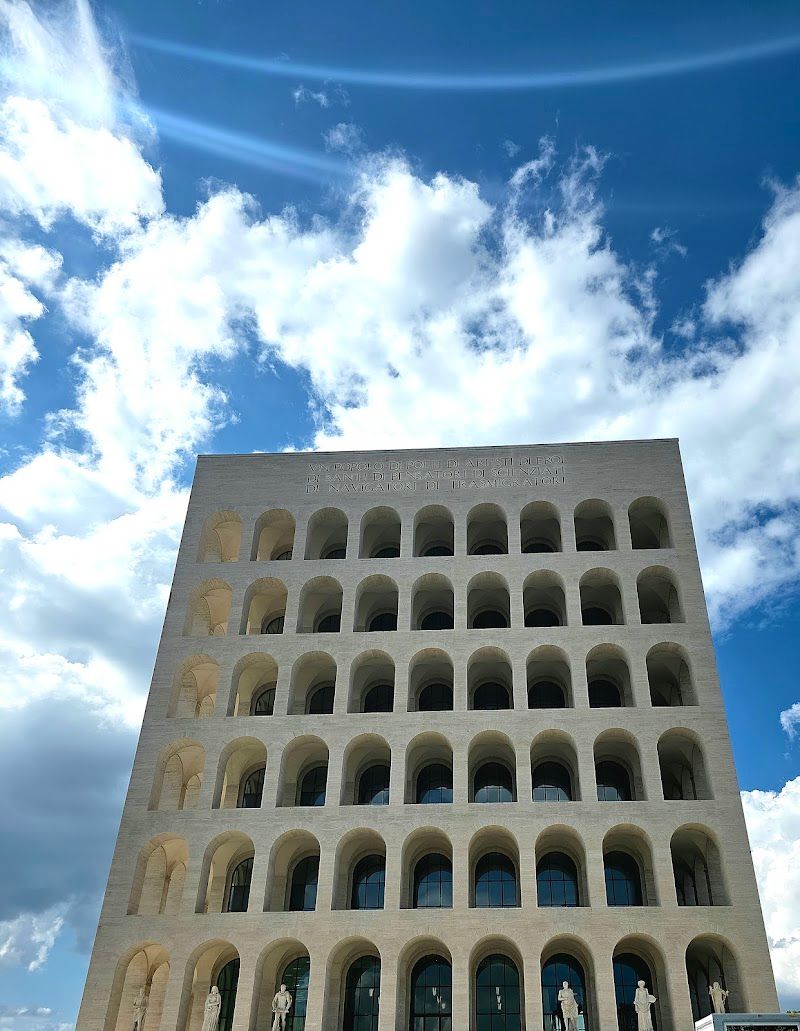
Museo della Civiltà
Museo della Civiltà houses Italy's most comprehensive collection of folk traditions, decorative arts, and medieval sculptures across four separate museums under one 1940s EUR building. You'll find everything from Sicilian puppet theaters and traditional costumes to Byzantine ivory carvings and Renaissance ceramics. The medieval art section alone contains over 800 pieces, including wooden sculptures and illuminated manuscripts that most visitors to Rome may not see. The experience feels like wandering through Italy's cultural DNA - one moment you're examining intricate Venetian lace, the next you're face-to-face with haunting medieval Madonnas. The building's Rationalist architecture creates a perfect backdrop for these intimate artifacts. The flow between sections can feel disjointed since it combines four formerly separate collections, but this actually works in your favor - you'll stumble across surprises around every corner. Most guides completely ignore this place, which is unfortunate given the quality and €10 entry fee. The folk traditions section gets crowded with school groups on weekdays, so afternoons work better. Skip the ethnographic displays on the ground floor - they're dusty and poorly lit. Head straight to the medieval collection on the second floor, then work your way down. You'll need the full 2.5 hours if you're genuinely interested in Italian culture beyond the usual Roman attractions.
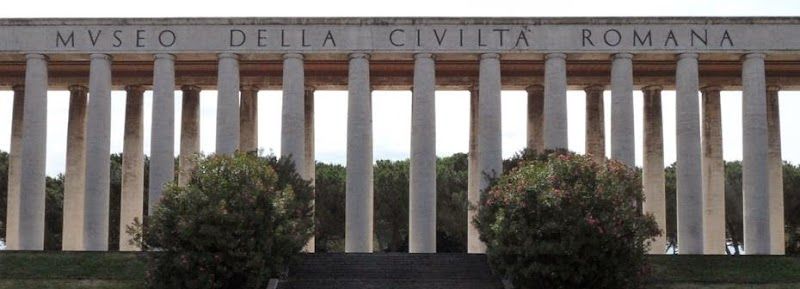
Museo della Civiltà Romana
The Museo della Civiltà Romana houses the world's most detailed reconstruction of ancient Rome at its peak, centered around a jaw-dropping 1:250 scale model that covers an entire room. You'll walk around this miniature metropolis seeing every street, building, and monument as it stood in the 4th century AD. The museum also displays plaster casts of famous Roman sculptures, detailed dioramas showing daily life from gladiator training to bread making, and working models of Roman engineering marvels like aqueducts and siege engines. The experience feels like time travel through perfectly preserved replicas. You start with the massive scale model in Room 36, where you can spend ages identifying landmarks and understanding Rome's layout. The dioramas bring Roman life to vivid detail: you'll see how Romans bathed, what their apartments looked like, and how they built their roads. The atmosphere is scholarly rather than flashy, with excellent lighting that makes every detail visible. Most guides don't mention that the museum is currently undergoing major renovations, so only certain sections are open and the experience feels incomplete. The EUR location means a 30-minute metro ride from central Rome, which isn't worth it unless you're genuinely fascinated by Roman civilization. Skip this if you're short on time and stick to the actual ruins downtown, but if you're traveling with kids or want to understand how all those Forum fragments once fit together, it's genuinely enlightening.
Where to Eat
Restaurants and cafes in EUR & Ostiense
Getting Here
Metro Stations
On Foot
EUR is spread out and built for cars. Walking between the main buildings takes 20-30 minutes. Ostiense is more compact.
Insider Tips
Centrale Montemartini museum
Classical Roman statues in a decommissioned power station. €10 entry. You'll have entire galleries to yourself because nobody knows about it. The contrast between ancient marble and industrial machinery is genuinely art-installation-level good.
Porto Fluviale on Friday nights
A converted warehouse with space for hundreds. Pizzas €8-12, aperitivo from 6 PM. It fills with university students and young Romans from 8 PM. The brunch on Sundays is excellent too.
Nearby Neighborhoods
Continue exploring


Related Articles
Rome vs Florence: Which Italian City Should You Visit First?
Rome delivers epic history and incredible food accidents, while Florence offers Renaissance perfection in a walkable package. Here's how to choose.
Rome vs Venice: A Complete Guide to Choosing Your Italian Destination
Rome delivers ancient wonders and incredible food, while Venice offers unique canals and artistic treasures. We break down costs, crowds, and what each city does best.
Plan a trip featuring EUR & Ostiense
Get a personalized Rome itinerary with EUR & Ostiense built in.
Start Planning