
Rome
San Giovanni & Celio
Quiet, residential, churches that matter more than they look
About San Giovanni & Celio
San Giovanni is where Romans go to church and eat lunch, and they've been doing both here since the 4th century. The Basilica of San Giovanni in Laterano is technically the most important church in Catholicism (not St. Peter's, which surprises everyone), and it's free, enormous, and almost empty compared to the Vatican. The Holy Stairs next door (Scala Santa) are the ones Jesus supposedly climbed at Pontius Pilate's palace, and pilgrims still ascend them on their knees. It's intense even if you're not religious.
The Celio hill between San Giovanni and the Colosseum is one of Rome's seven original hills and one of its quietest neighborhoods. The Basilica of San Clemente is a three-layer archaeological cake: a 12th-century church on top of a 4th-century church on top of a 1st-century Roman house and a Mithraic temple. Entry is €10 and it's the most underrated site in Rome. The gardens of Villa Celimontana are free, shaded, and popular with families. In summer, the jazz festival here is one of Rome's best outdoor events.
The restaurants around Via Appia Nuova and Piazza Re di Roma serve the local population, not tourists. Prices are 20-30% lower than Trastevere or Centro Storico for comparable quality. Hostaria da Nerone on Via delle Terme di Tito does a €10 pasta lunch that could make you cancel your fancy dinner reservation. This is neighbourhood Rome, unphotogenic and genuine, and if you have a fourth day in the city, this is where you should spend your morning.
Things to Do
Top experiences in San Giovanni & Celio
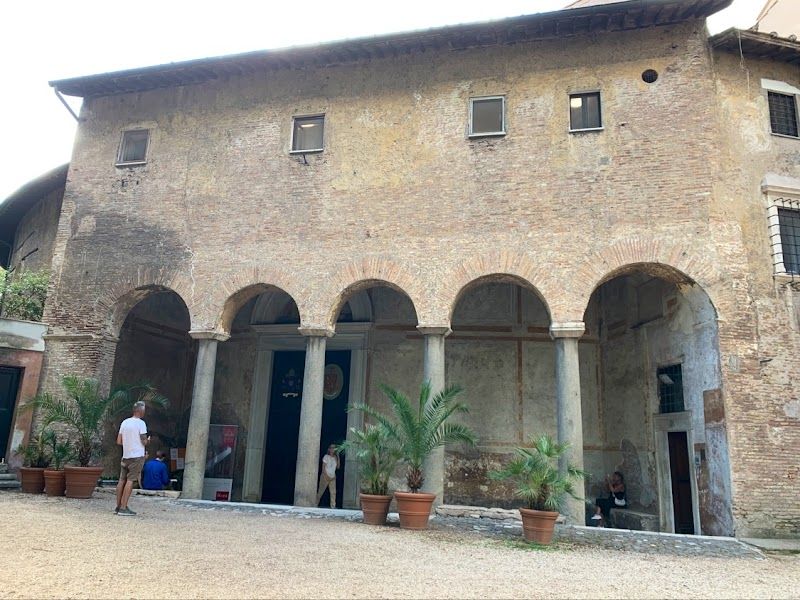
Santo Stefano Rotondo
Santo Stefano Rotondo is Rome's most unusual church - a perfectly circular 5th-century structure that breaks every rule of traditional church design. You'll find yourself in a haunting space where ancient Roman columns support three concentric rings, creating an almost pagan atmosphere that feels more like a temple than a Christian church. The real draw is Niccolò Circignani's Renaissance frescoes covering the walls - 34 scenes depicting Christian martyrdoms in graphic, unflinching detail that'll stick with you long after you leave. Walking into this church feels like discovering a secret. The circular layout is disorienting in the best way - there's no clear altar focus, so your eye wanders around the columned ambulatories while the martyrdom scenes unfold in brutal detail above. The acoustics are extraordinary because of the round design, and even whispers carry across the space. Morning light streaming through the clerestory windows illuminates the frescoes with an almost theatrical intensity. Most guidebooks barely mention this place, which means you'll likely have it to yourself - a rare experience in Rome. The church closes from 12:30-3:30pm daily and all day Monday, which catches most visitors off guard. Don't rush the frescoes - they're historically significant as Counter-Reformation propaganda but artistically fascinating. The circular architecture is one of only a few examples in Rome, making this genuinely more unique than the famous churches everyone queues for.
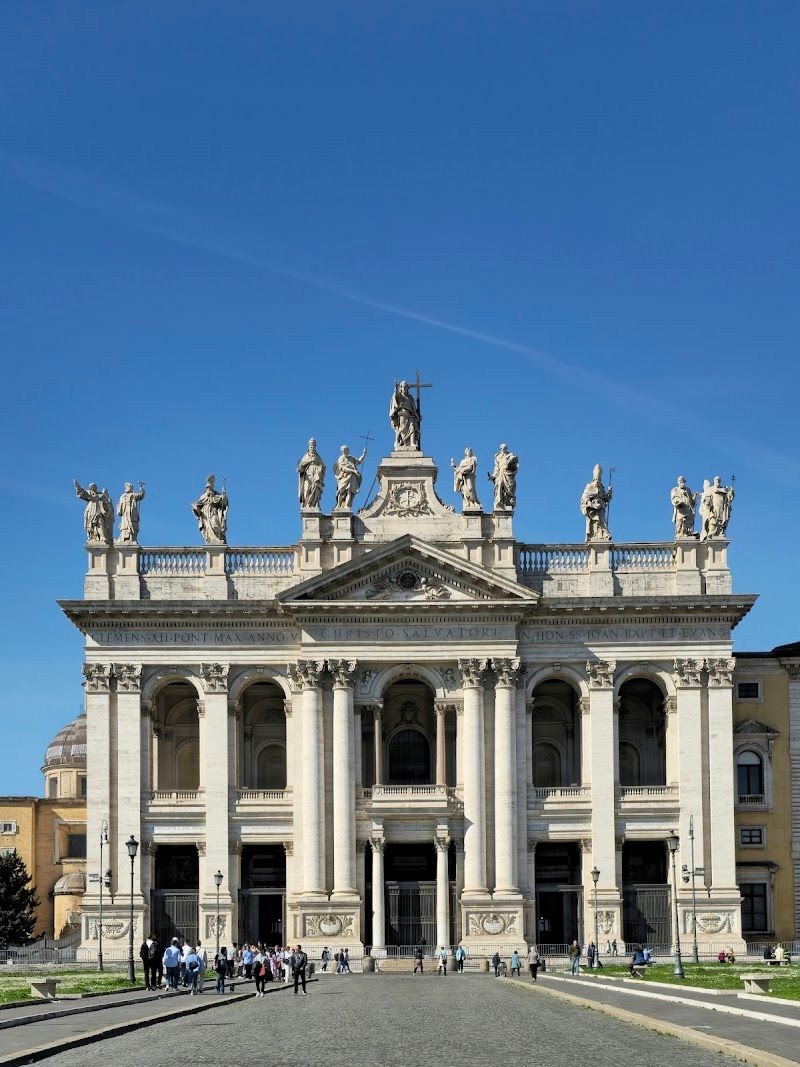
Basilica di San Giovanni in Laterano
This is Rome's actual cathedral, not St. Peter's, and holds the title "Mother of All Churches" for good reason. You'll find Borromini's surprisingly restrained white Baroque interior housing relics like pieces of the Holy Cross and John the Baptist's hair, plus Renaissance frescoes that most people walk right past. The 13th-century cloister is the real treasure - those twisted mosaic columns and carved medieval fragments create one of Rome's most peaceful spaces. The experience feels more authentic than St. Peter's because it's still a working parish church. Locals drop in for prayer while tourists gawk at the massive papal altar and ornate ceiling. The cloister requires a separate entrance and feels like stepping into a medieval monastery - sunlight filters through the columns while ancient stone carvings tell biblical stories. The contrast between the austere nave and decorative side chapels keeps you discovering new details. Most guides oversell the interior's grandeur compared to other Roman basilicas. The real payoff is the cloister (€2 entry), which rivals any in Europe but gets skipped by rushed visitors. Skip the museum upstairs unless you're genuinely interested in papal vestments. The baptistry next door is free and contains 5th-century mosaics that outshine anything inside the main church.
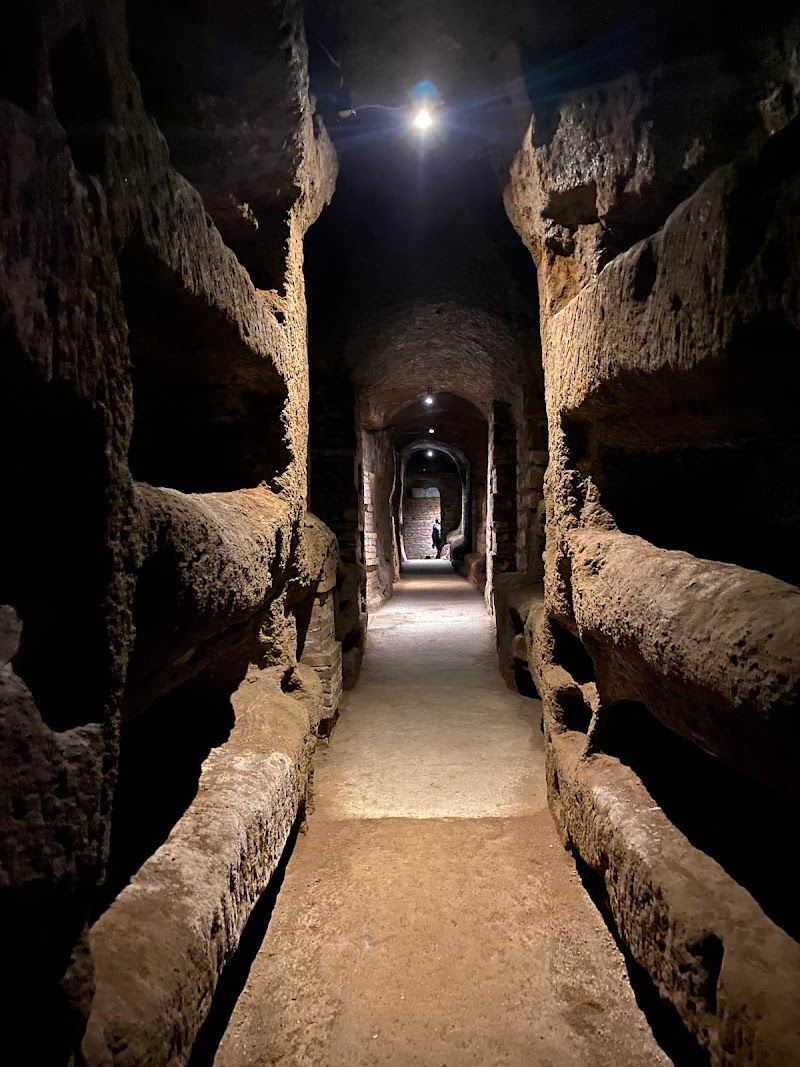
Rome Catacombs Tour
The Rome Catacombs tour takes you 20 meters underground into ancient Christian burial networks dating from the 2nd century. You'll walk through narrow tunnels carved from volcanic rock, seeing original frescoes of biblical scenes, ancient Greek and Latin inscriptions, and burial niches (loculi) where early Christians were laid to rest. The San Callisto catacombs contain the Crypt of the Popes, where nine 3rd-century popes were buried, while San Sebastiano preserves some of Rome's oldest Christian symbols and graffiti invoking Saints Peter and Paul. The experience feels genuinely otherworldly - cool temperatures (14°C year-round), dim lighting, and the weight of walking where Romans mourned 1,800 years ago. Your guide leads groups of 25 maximum through a predetermined route, stopping at frescoed chambers where you can make out fish symbols, portraits of the deceased, and biblical scenes painted directly onto rock walls. The tunnels stretch for kilometers but you'll see about 500 meters, spending roughly 45 minutes underground at each site. Most tours combine both catacombs for €16, but honestly, San Callisto alone gives you the full experience - it's better preserved and less rushed. Skip the expensive 'VIP' tours (€35+) that promise special access; the standard route shows you everything worthwhile. The above-ground basilicas are forgettable; your time is better spent in the tunnels where the real history lives.
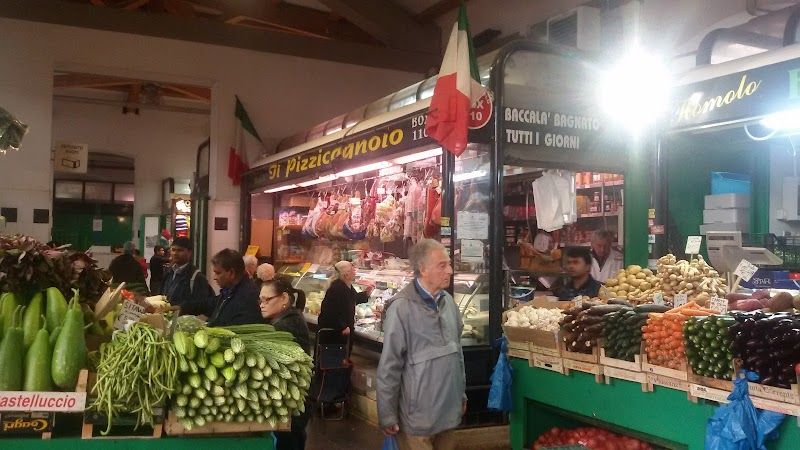
Nuovo Mercato Esquilino
Nuovo Mercato Esquilino is Rome's most international food market, housed in a 1920s covered hall where Italian nonnas shop alongside Ethiopian families hunting for berbere spice and Filipino workers buying fresh taro leaves. This isn't a tourist attraction - it's a functioning neighborhood market where you'll find ingredients impossible to locate elsewhere in Rome, from West African plantains to Chinese black vinegar, all at prices that beat specialty shops by 40-50%. The market operates like any Roman mercato, just with vendors speaking five languages simultaneously. You'll weave between Italian produce stands overflowing with seasonal vegetables and small stalls run by immigrants selling goods from their home countries. The Chinese section dominates the interior with the freshest Asian vegetables I've found in Rome, while African vendors near the entrance offer spices so fragrant you'll smell them from the street. It's loud, crowded, and completely authentic. Most guides treat this place like an exotic curiosity, but locals know it's simply Rome's best market for quality and price. Skip the touristy Campo de' Fiori - here you'll pay €2-3 per kilo for vegetables that cost €6-8 in central Rome. The real treasure isn't the novelty ingredients but watching Rome's changing demographics play out over morning shopping routines.
Villa Celimontana
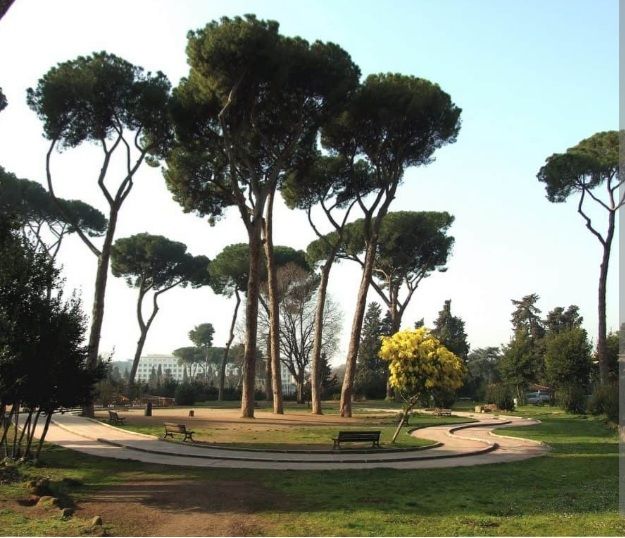
Villa Celimontana gives you Rome's most peaceful green space without the crowds that plague Villa Borghese. This 16th-century cardinal's villa sits atop Caelian Hill, surrounded by landscaped gardens filled with umbrella pines, palm trees, and ancient Roman fragments. You'll find actual obelisk pieces scattered throughout, plus sweeping views toward the Palatine Hill. The summer jazz festival transforms the grounds into Rome's best free music venue. Walking these paths feels like discovering a neighborhood secret - Romans bring their kids here while tourists queue at the Colosseum just 500 meters away. Stone benches line shaded walkways where you can actually hear birds instead of traffic. The villa itself houses the Italian Geographic Society (closed to visitors), but the real draw is wandering the terraced gardens and stumbling across Roman marble chunks casually placed among the flowerbeds. Peacocks occasionally strut across the lawns. Most guidebooks barely mention this place, which keeps it blissfully quiet. The jazz concerts (July-August) are genuinely excellent and completely free - arrive early for the best spots on the grass. Skip the tiny playground unless you have toddlers. The park works perfectly as a rest stop between major sites, though you might end up staying longer than planned once you settle under those magnificent pines.
Gladiator School Rome
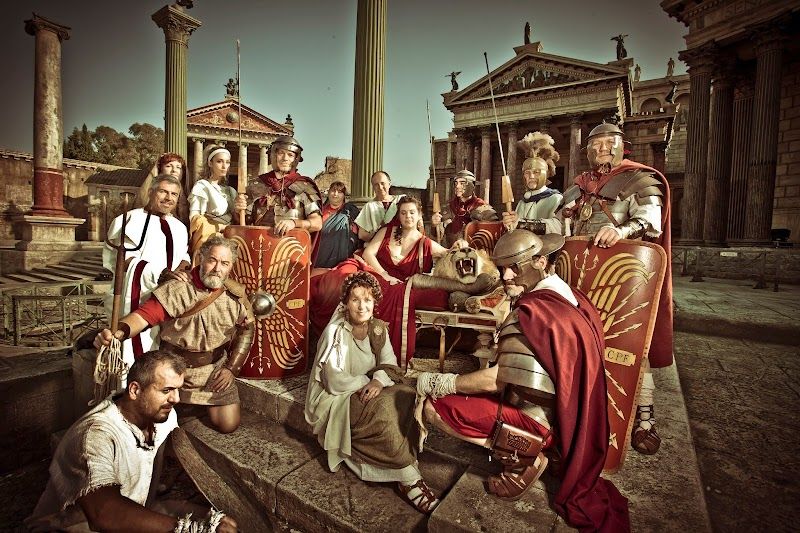
This is proper gladiator training with the Gruppo Storico Romano, historians who've studied Roman combat techniques for decades. You'll spend two hours learning authentic sword work, shield techniques, and combat stances using wooden gladius replicas and scuta shields. They dress you in proper tunics and teach you the actual moves gladiators used in the Colosseum, not Hollywood nonsense. The instructors are serious about historical accuracy and you'll leave with a genuine understanding of how these fighters actually lived and fought. The session takes place in their training hall near the Appian Way, where you start with basic footwork and weapon handling before progressing to partner combat. The atmosphere feels surprisingly authentic as you practice the salute "Ave Caesar, morituri te salutant" and learn the difference between different gladiator types like murmillo and thraex. Your instructor explains the psychology behind each move while correcting your stance, and by the end you're sparring with other participants using proper Roman techniques. The wooden weapons have real weight and the shields are hefty, so you'll definitely feel it in your arms. Most tour companies offer watered down versions for three times the price, but this costs around 35 EUR and it's the real deal. Skip the photo packages they offer afterward, they're overpriced tourist shots. The certificate ceremony at the end feels a bit cheesy but the training itself is genuinely impressive. Book directly through their website rather than through hotel concierges who add markup.
Where to Eat
Restaurants and cafes in San Giovanni & Celio
Nightlife
Bars and nightlife in San Giovanni & Celio
Getting Here
Metro Stations
On Foot
Walkable but hillier than the Centro Storico. The Celio hill requires some climbing.
Insider Tips
Basilica of San Clemente
Three churches stacked on top of each other spanning 2,000 years. The underground levels include a Roman house and a temple to Mithras. €10 entry is a fraction of Colosseum prices for an equally mind-blowing historical experience. Takes 45 minutes.
Cheaper restaurants
The trattorias around Piazza Re di Roma and Via Appia Nuova serve the same Roman classics (cacio e pepe, carbonara, amatriciana) at 20-30% less than tourist areas. Hostaria da Nerone near the Colosseum is the crossover pick: local quality, tourist-adjacent location.
Nearby Neighborhoods
Continue exploring


Related Articles
Rome vs Florence: Which Italian City Should You Visit First?
Rome delivers epic history and incredible food accidents, while Florence offers Renaissance perfection in a walkable package. Here's how to choose.
Rome vs Venice: A Complete Guide to Choosing Your Italian Destination
Rome delivers ancient wonders and incredible food, while Venice offers unique canals and artistic treasures. We break down costs, crowds, and what each city does best.
Plan a trip featuring San Giovanni & Celio
Get a personalized Rome itinerary with San Giovanni & Celio built in.
Start Planning