
Rome
Tridente & Piazza di Spagna
Elegant, shopping-focused, Baroque grandeur meets high-street retail
About Tridente & Piazza di Spagna
The Tridente is named for the three streets that fan south from Piazza del Popolo like a trident: Via del Corso (the main shopping street), Via di Ripetta, and Via del Babuino (the luxury one). This is elegant Rome, the Rome of Audrey Hepburn on the Spanish Steps and Bulgari on Via Condotti. It's also where you'll find the densest concentration of chain stores and tourist tat in the city, so your experience depends entirely on which streets you choose.
The Spanish Steps are 135 steps of Baroque travertine marble connecting Piazza di Spagna at the bottom to Trinita dei Monti church at the top. You can't sit on them anymore (a 2019 law, enforced by fines), but the view from the top is worth the climb. The Keats-Shelley House at the bottom right is a small museum (€6) in the apartment where John Keats died in 1821. Piazza del Popolo at the northern end is one of Rome's most impressive squares: twin churches, an Egyptian obelisk, and the Pincian Hill gardens above with a terrace view that rivals the Gianicolo.
Via Condotti, Via Frattina, and Via Borgognona form the luxury shopping triangle. Gucci, Prada, Valentino. If that's not your budget, Via del Corso has H&M and Zara in buildings with frescoed ceilings, which is its own kind of experience. The neighbourhood is less a place to eat and more a place to walk through between the Centro Storico and Villa Borghese. Antico Caffe Greco on Via Condotti has been serving coffee since 1760, and the €7 espresso is the price of sitting where Casanova, Goethe, and Byron sat.
Things to Do
Top experiences in Tridente & Piazza di Spagna
Spanish Steps
The Spanish Steps are Rome's most famous staircase, 135 travertine steps connecting the luxury shopping district below to the Trinità dei Monti church above. Built in the 1720s with French money (hence the French church at the top), they've been a social hub for three centuries. You're here for the elegant curves of the staircase itself, the view from the top over Piazza di Spagna, and the Barcaccia fountain at the base designed by Pietro Bernini. Climbing feels ceremonial: the steps widen and narrow in graceful curves, and you'll notice how the travertine catches light differently throughout the day. From the top, the view opens up over the red rooftops toward the Pantheon and Vatican. The piazza below buzzes with street artists, tourists posing for photos, and shoppers emerging from Via dei Condotti with designer bags. The pink Keats Shelley House at the bottom right adds literary weight to all the Instagram activity. Here's what guides don't mention: sitting on the steps gets you a €400 fine, strictly enforced by police who patrol constantly. The steps are frankly more photogenic than meaningful, worth 20 minutes max unless you're shopping the expensive boutiques nearby. Come at 7am for empty photos, or skip entirely if you're short on time. The real charm is people watching from the Barcaccia fountain, which costs nothing and gives you the same view.
Borghese Gallery
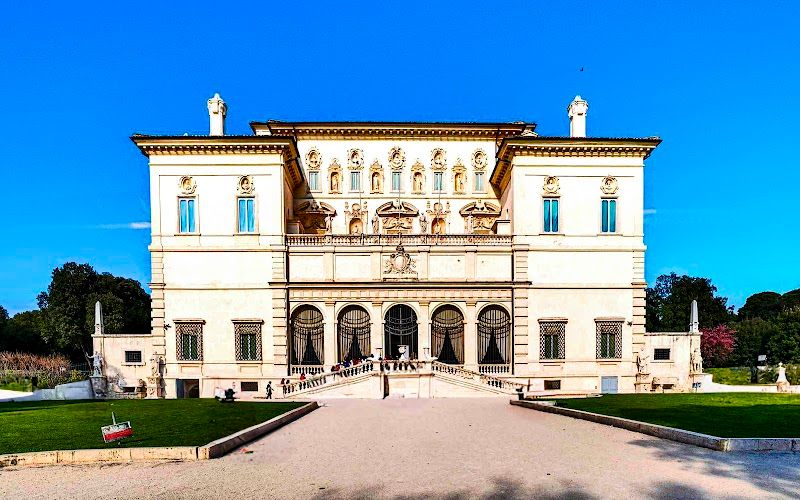
You must book ahead. This is not a suggestion - the Borghese Gallery limits entry to 360 people every two hours, and slots sell out weeks in advance during peak season. If you show up without a reservation, you will not get in. Book at galleriaborghese.beniculturali.it (the official site, not the third-party resellers who charge double) 2-3 weeks ahead, earlier in summer. That mandatory booking is actually one of the gallery's greatest features, because it means you'll see Bernini's Apollo and Daphne without fighting through a crowd. And you need to see it. The marble looks like actual skin - Daphne's fingers are turning into laurel leaves, Apollo's hand is pressing into her waist, and you can see the exact moment of transformation. It's the single most impressive piece of sculpture in Rome, and Bernini carved it at 24. The Rape of Proserpina, in the next room, has the same impossible quality: Pluto's fingers pressing into Proserpina's thigh create dimples in the marble that shouldn't be possible. The €15 entry is a bargain for what's arguably the best small art museum in the world. Two floors: ground floor is sculpture (Bernini, Canova), first floor is paintings (Caravaggio, Raphael, Titian). The Caravaggio room alone - Boy with a Basket of Fruit, David with the Head of Goliath (where Goliath's face is Caravaggio's self-portrait), and the raw, unflinching Madonna dei Palafrenieri - is worth the ticket. The 2-hour time limit sounds restrictive but it's actually perfect. It forces you to see a manageable collection without the museum-death-march exhaustion that hits at the Vatican or the Uffizi. You'll leave wanting to come back, which is the sign of a great museum. The gardens around the gallery (Villa Borghese park) are free, beautiful, and ideal for decompressing afterwards - rent a rowboat on the lake (€3 for 20 minutes) or just sit on a bench and process what you've just seen.
Villa Borghese Gardens
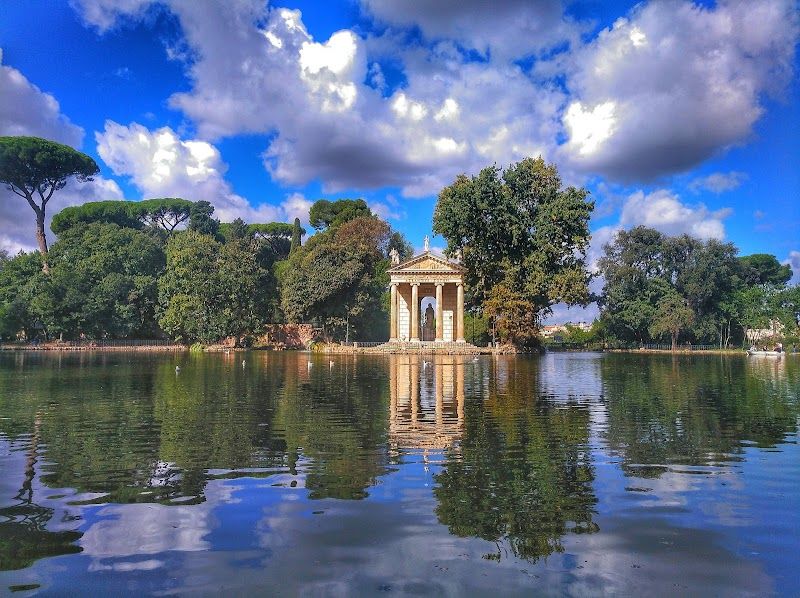
Villa Borghese is Rome's green lung, spreading across 80 hectares of rolling hills, umbrella pines, and landscaped gardens above Piazza del Popolo. You'll find Italians doing what they rarely do elsewhere - actually relaxing on benches, families cycling shaded paths, and couples rowing tiny boats on the artificial lake (€3 for 20 minutes). The park connects major attractions like the Borghese Gallery, so it's functional as well as beautiful. The atmosphere shifts completely from Rome's intensity the moment you enter. Instead of honking Vespas, you'll hear fountains trickling and children laughing at playgrounds scattered throughout. The western Pincio terrace delivers the city's best panoramic view - St. Peter's dome floating above terracotta rooftops with Piazza del Popolo spread below. Joggers loop the main paths at dawn, while families claim shady spots for elaborate picnics by afternoon. Most visitors rush through heading to the Borghese Gallery, but you're missing the point if you don't slow down. The lake area gets packed with families on weekends - go weekday mornings for peace. Skip the overpriced cafe near the entrance and bring food from nearby markets. Bike rental is worth it (€4-6/hour) since the park is bigger than it looks, but avoid the touristy surreys unless you have small kids.
Bioparco di Roma
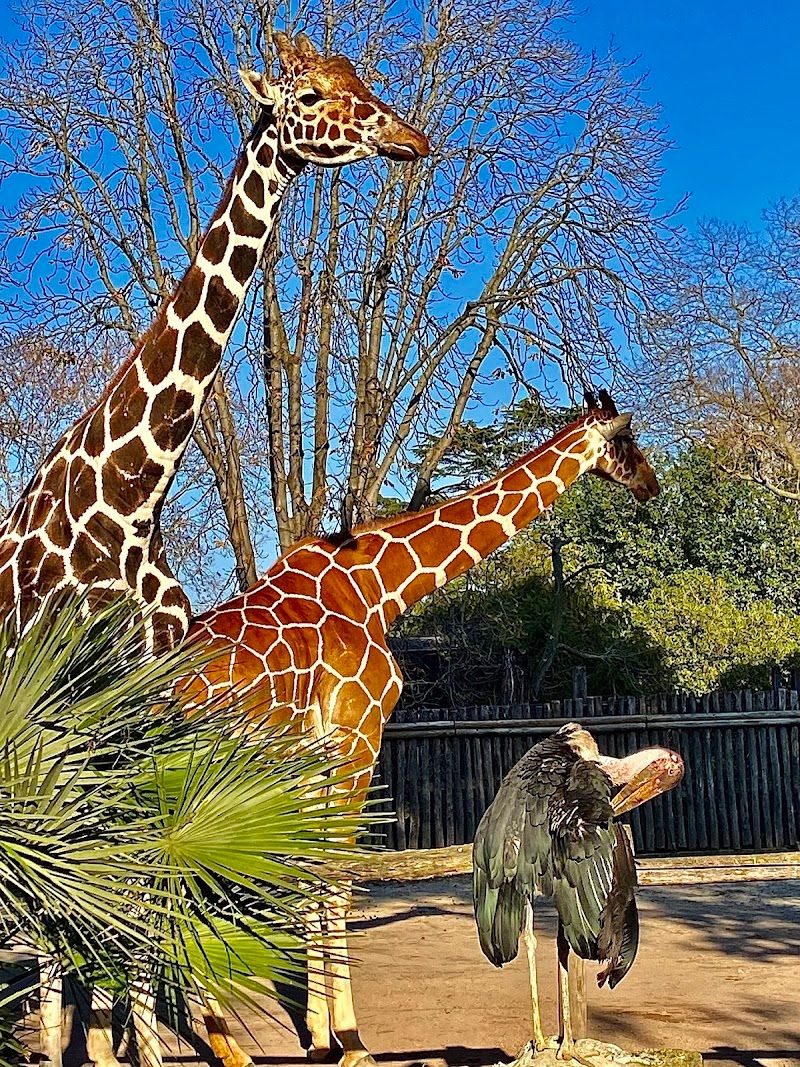
Rome's 110-year-old zoo sits right in Villa Borghese, housing over 1,000 animals across 17 hectares of surprisingly green space. You'll find Asiatic elephants splashing in sizeable pools, Amur tigers prowling through glass-fronted enclosures, and a whole island dedicated to ring-tailed lemurs who'll come right up to the fence. The reptile house showcases everything from Galápagos tortoises to venomous cobras, while the farm section lets kids pet goats and watch chickens roam freely. The layout follows winding paths that feel more like a park walk than a typical zoo march. Animals live in spacious, naturalistic habitats rather than cramped concrete cages - the hippo pool alone is massive, and you can watch them underwater through huge glass panels. The atmosphere stays relaxed even with families around, and you'll find plenty of shaded benches under mature trees. Feeding times draw the biggest crowds, especially at the sea lion pool where handlers explain conservation efforts. Most travel guides oversell this as a full-day experience - three hours covers everything comfortably. Skip the overpriced cafeteria (€12 for mediocre sandwiches) and pack snacks instead. The gift shop prices are ridiculous, but admission at €16 for adults and €13 for kids feels reasonable for what you get. Focus your time on the big cats, elephants, and reptile house - the bird aviaries are frankly underwhelming compared to the star attractions.
MAXXI - Museo nazionale delle arti del XXI secolo
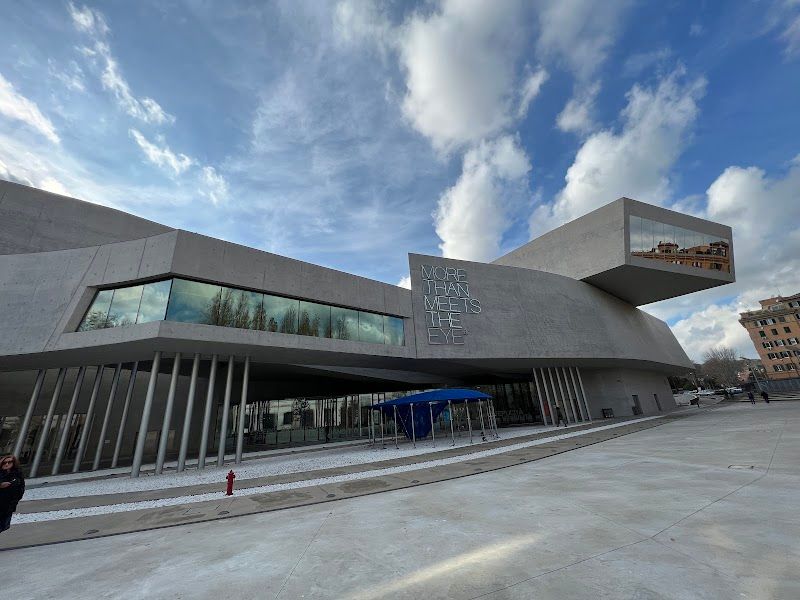
MAXXI is not just another art museum - it's Zaha Hadid's swooping concrete sculpture that happens to contain galleries. The building curves and flows like frozen water, with dramatic skylights casting shifting shadows throughout the day. You'll find rotating exhibitions of contemporary art, architecture displays, and design installations, but honestly, the structure itself outshines most of what's inside. The galleries flow into each other seamlessly, with no traditional room divisions. Walking through MAXXI feels like being inside a piece of contemporary art. The floors slope gently, walls curve without warning, and natural light pours in from unexpected angles above. You'll find yourself photographing the architecture more than the exhibitions - those concrete ribbons create engaging perspectives from every angle. The space can feel disorienting in the best way, especially when you reach the upper levels where the ceiling opens dramatically. Most guides won't tell you this: the permanent collection is quite thin, and temporary exhibitions can be hit-or-miss. Entry costs €12 (€9 reduced), which feels steep when exhibitions disappoint. The building is worth seeing, but don't expect Vatican-level art treasures. Skip the overpriced café and focus your time on exploring the architecture itself - that's where MAXXI truly delivers.
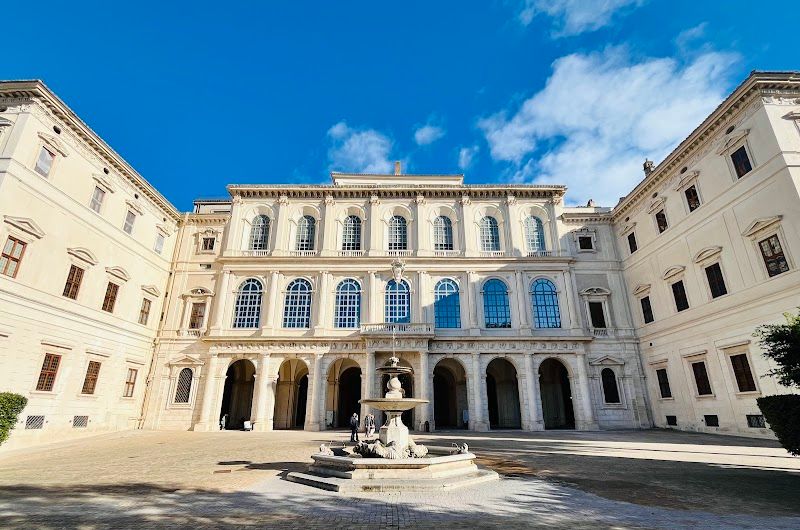
Galleria Nazionale d'Arte Antica in Palazzo Barberini
The Galleria Nazionale d'Arte Antica occupies Palazzo Barberini, a 17th-century baroque masterpiece where the architecture competes with the art collection. You'll find Caravaggio's "Judith Beheading Holofernes" and his haunting "Narcissus," plus works by Raphael and Hans Holbein the Younger. Pietro da Cortona's ceiling fresco in the Gran Salone is a ceiling covering 1,400 square meters, featuring an allegory of divine providence that makes the ceiling seem to dissolve into heaven. Your visit flows through intimate palace rooms filled with Renaissance and baroque paintings, then opens dramatically into the Gran Salone where you'll crane your neck trying to figure out where real architecture ends and painted illusion begins. The competing staircases by Bernini and Borromini create a fascinating architectural dialogue - Bernini's flows in elegant curves while Borromini's climbs in angular geometry. The palace retains its residential feel with original frescoed ceilings and period furnishings. Most guides may overemphasize the importance of the entire collection when in reality the main attractions are the Caravaggios and the ceiling. To make the most of your time, skip the upper floors unless you're interested in 16th-century portraits - focus on the piano nobile. Admission costs €12, and the museum is relatively uncrowded compared to the Vatican museums. The audio guide (€5) is worth it for the Gran Salone's complex symbolism, providing a deeper understanding of the art.
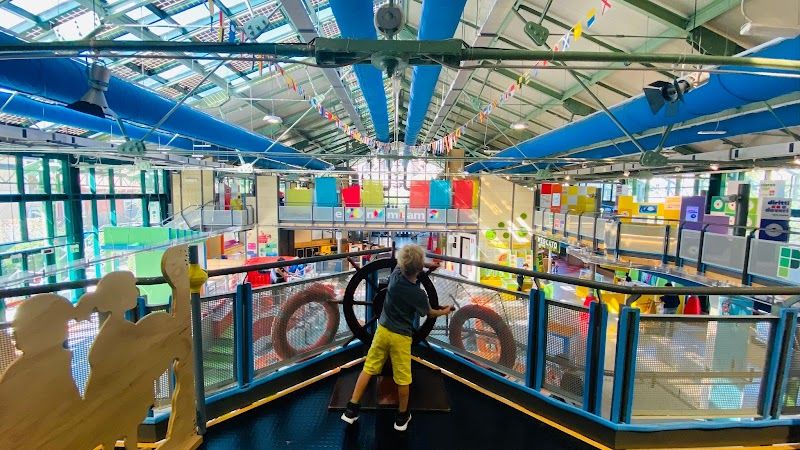
Explora Children's Museum
Explora Children's Museum transforms a former tram depot into Rome's best interactive playground for kids aged 3-12. You'll find thoughtfully designed exhibits where children can operate water pumps and locks, build structures with real tools, tend a mini farm with tractable soil, and run wild in a fully stocked supermarket complete with shopping carts and checkout scanners. It's educational without feeling like school - kids learn through genuine play rather than pressing buttons to watch screens. Visits are organized in timed 105-minute sessions that prevent overcrowding and give families breathing room. The converted industrial space feels airy and modern, with excellent air conditioning that makes it genuinely comfortable even in August heat. Children move freely between zones while parents can actually relax on benches scattered throughout. The supermarket area consistently draws the longest queues of excited toddlers, while older kids gravitate toward the construction zone with its miniature cranes and hard hats. At €8 per child and €5 per adult, it's reasonable for what you get, though the time limit feels restrictive when kids are deeply engaged. Most Rome attractions cater to adults dragging reluctant children along - this reverses that dynamic completely. Book online for weekend slots, but weekday walk-ins usually work fine. The small cafe serves basic snacks, but the nearby Villa Borghese offers better picnic options if weather permits.
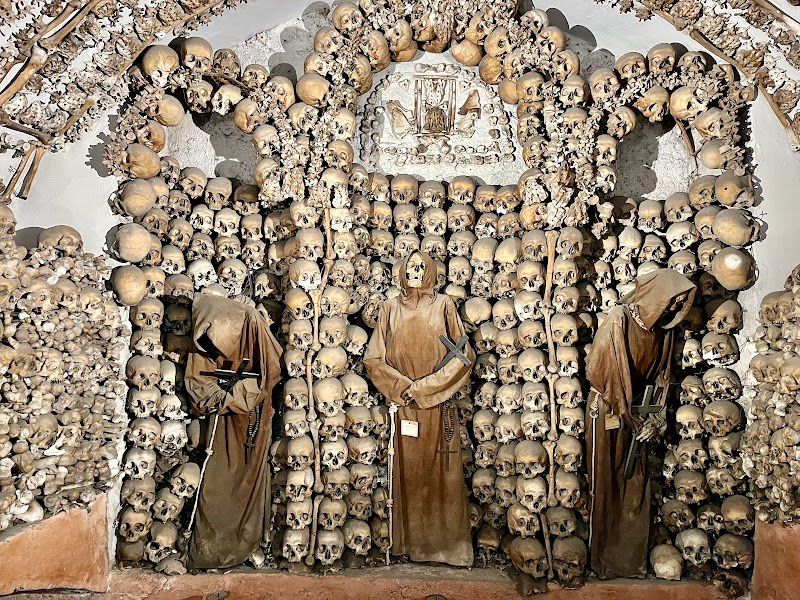
Museo e Cripta dei Frati Cappuccini
The Capuchin Crypt is exactly what it sounds like - the arranged bones of 4,000 friars from the 17th-19th centuries forming intricate wall decorations across six underground chapels. You'll see chandeliers made from arm bones, flower patterns created with ribs, and hundreds of skulls embedded into walls like macabre wallpaper. It's surprisingly artistic rather than purely ghoulish, representing the Capuchin monks' meditation on mortality and the temporary nature of earthly life. The visit flows through the small museum upstairs first, then down into the dimly lit crypt chambers. Each chapel has its own bone theme - the Crypt of the Skulls, the Crypt of the Pelvises, and so on. The atmosphere is reverent rather than creepy, with soft lighting and hushed voices. You'll spend most of your time studying the intricate patterns and marveling at the craftsmanship involved in arranging human remains so systematically. Entry costs €10, which feels steep for what's essentially a 20-minute experience once you skip the museum portion upstairs. The crypt itself is genuinely fascinating, but the preceding rooms with paintings and religious artifacts feel like filler. Come for the bones, not the art history lesson. The gift shop's €15 photo book is actually worth it since photography is banned inside.
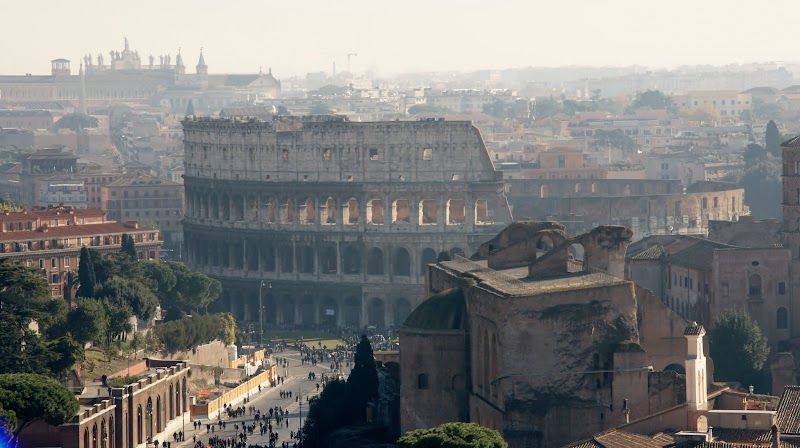
Via del Corso
Via del Corso is Rome's main shopping thoroughfare, a straight 1.5-kilometer stretch connecting Piazza del Popolo to Piazza Venezia. You'll find Zara, H&M, and Mango alongside Italian chains like Coin and Rinascente, all housed in buildings that date back centuries. The street serves as both a retail destination and architectural timeline - 17th-century palaces now host flagship stores, while baroque church facades peek between modern shopfronts. Walking the Corso feels like shopping through a living museum. The crowds flow steadily from north to south, with Romans genuinely shopping alongside tourists taking photos. The street widens and narrows unpredictably, opening onto small piazzas before funneling back into narrow sections lined with ancient walls. Street performers and vendors set up near the major intersections, while the constant hum of Vespas and buses provides the soundtrack. Most guides oversell this as a cultural experience when it's really just effective shopping. The clothes are the same international brands you'd find anywhere, often at higher prices than other EU cities - expect to pay €40-60 for basic items at Zara. The real value is convenience - everything's walkable, and you can grab an espresso (€1.20) at numerous bars between stores. Skip the weekend crowds entirely and go weekday afternoons when Romans actually shop here.
Where to Eat
Restaurants and cafes in Tridente & Piazza di Spagna
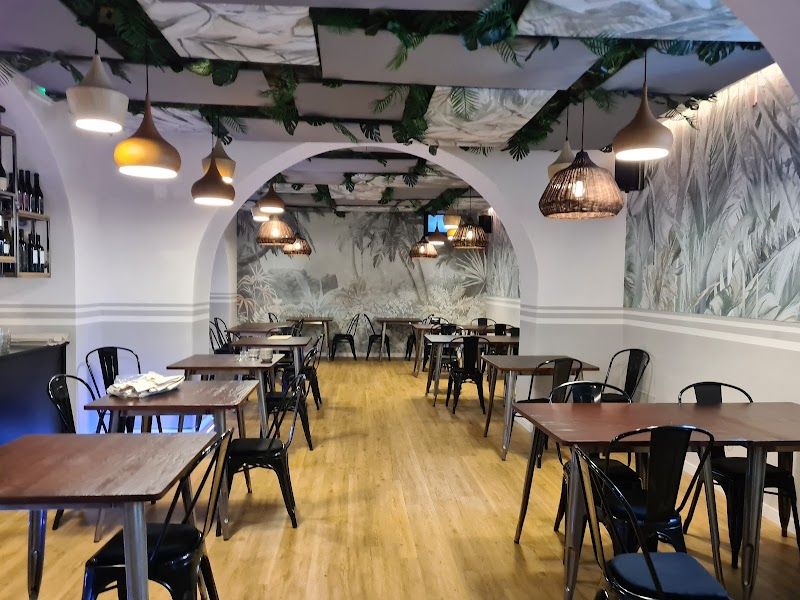
Primo
RestaurantIntimate trattoria serving creative Roman cuisine with a modern twist in a cozy, industrial-chic setting. The menu changes seasonally and features locally-sourced ingredients prepared with meticulous attention to detail. Known for exceptional pasta dishes and an excellent natural wine selection.
Settembrini
RestaurantElegant neighborhood restaurant serving traditional Roman and Italian cuisine with a modern twist. Known for exceptional pasta dishes and an extensive wine list featuring Italian regional selections. The intimate dining room and professional service make it a local favorite for special occasions.
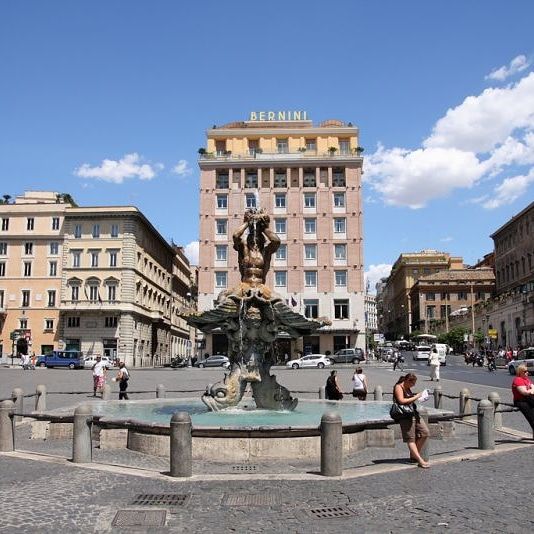
Barberini
CafeTraditional pasticceria in Testaccio since 1960, famous for their bomboloni (Italian doughnuts) filled fresh to order and their exceptional millefoglie. Everything is made in-house using recipes passed down three generations. Counter service with a few tables outside.
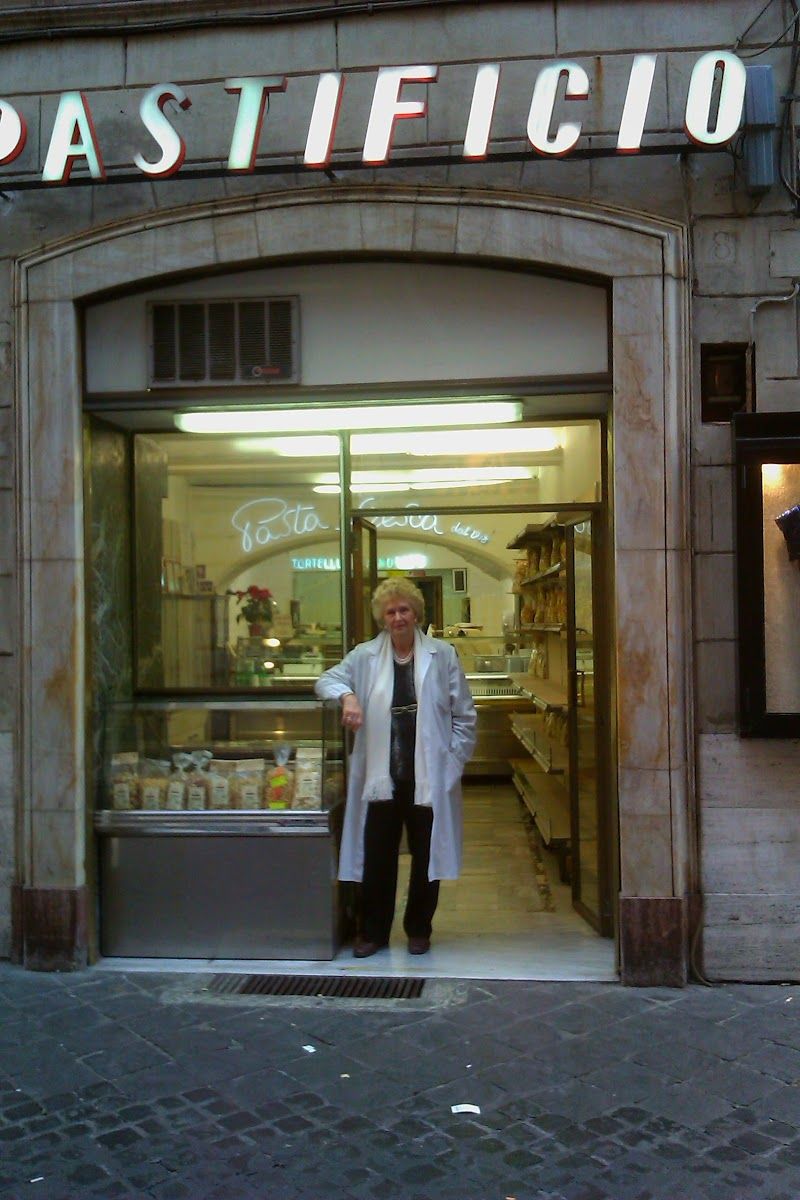
Pastificio Guerra
RestaurantFresh pasta shop in Testaccio that also serves quick lunch plates of their daily pasta specials. Standing room or small counter seating, rock-bottom prices, and whatever they're making that day for local restaurants. Closes by 3pm.
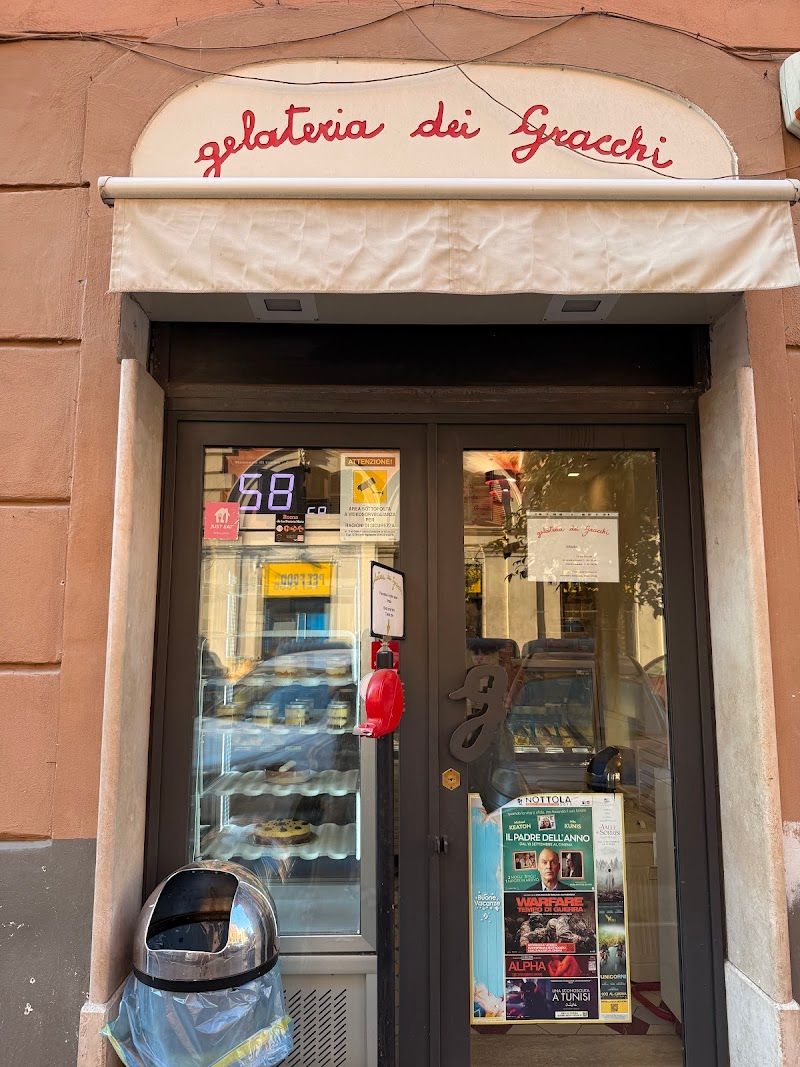
Gelateria dei Gracchi
CafeArtisanal gelato shop in the heart of Prati serving creative flavors made with high-quality natural ingredients. Their seasonal fruit flavors and unique combinations like ricotta with figs make it worth the short wait. A true neighborhood gem that locals frequent year-round.
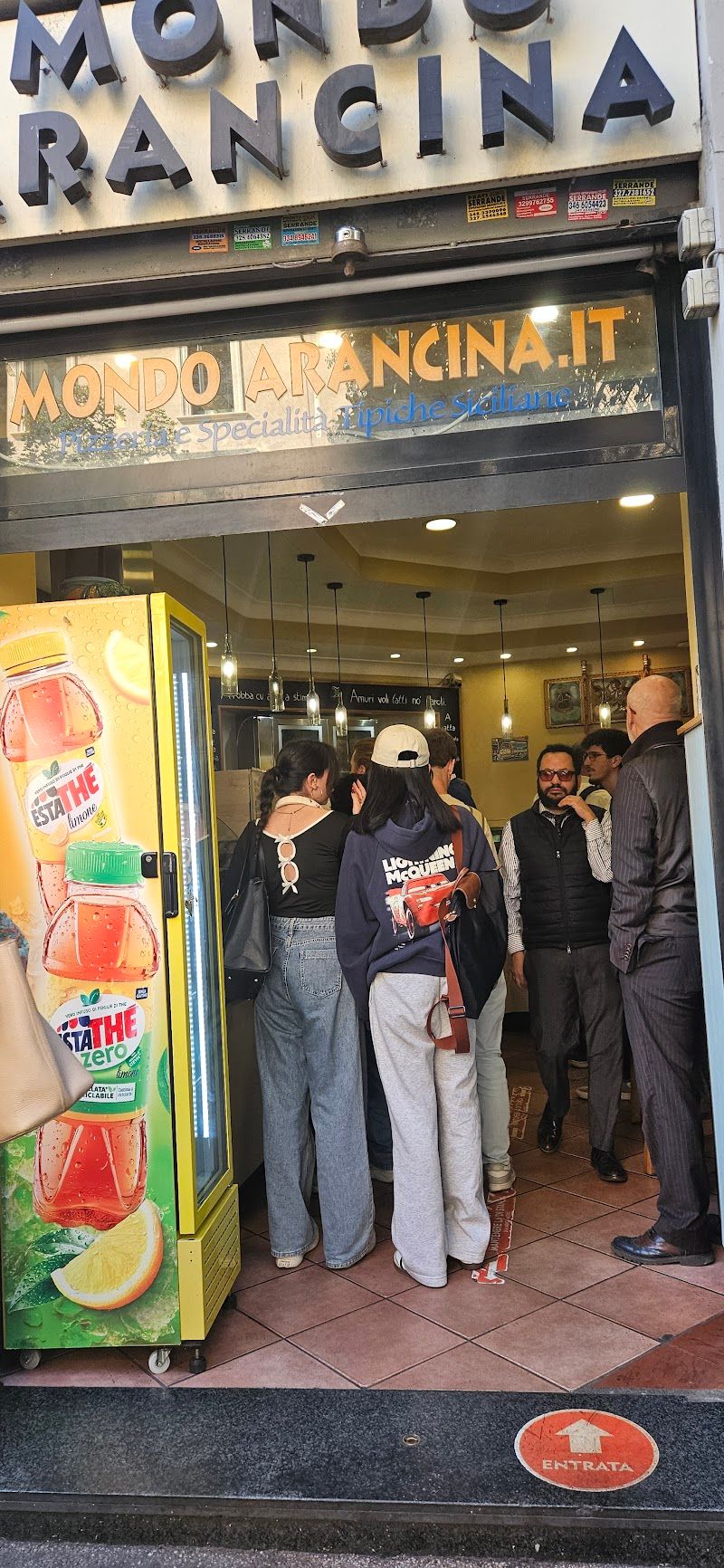
Mondo Arancina
RestaurantSicilian arancini specialists with both traditional and creative versions of the fried rice balls. Not Roman, but Romans love these. Quick service, affordable, and a nice contrast to Roman supplì. Multiple locations but Prati original is best.
Getting Here
Metro Stations
On Foot
Flat and very walkable. The three streets are pedestrianized or traffic-limited.
Insider Tips
Pincian Hill over Spanish Steps
Skip the crowded Spanish Steps view and walk 5 minutes into the Pincian Hill gardens above. The terrace has the same view (plus St. Peter's dome in the distance) with a fraction of the people. Free, open until sunset.
Via del Corso timing
The shopping street is packed from 11 AM to 7 PM on weekends. If you want to walk it without being shoulder-to-shoulder, go on a weekday morning or after 8 PM when the shops close but the street stays lit and beautiful.
Nearby Neighborhoods
Continue exploring


Related Articles
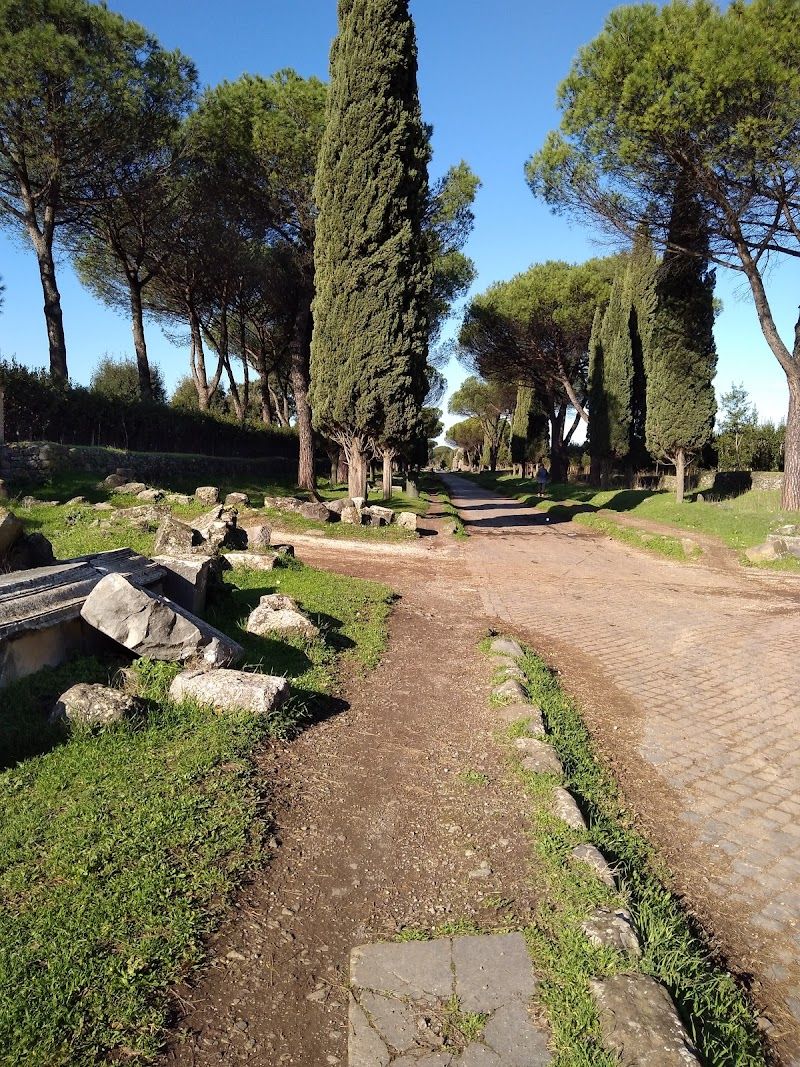
Rome vs Florence: Which Italian City Should You Visit First?
Rome delivers epic history and incredible food accidents, while Florence offers Renaissance perfection in a walkable package. Here's how to choose.
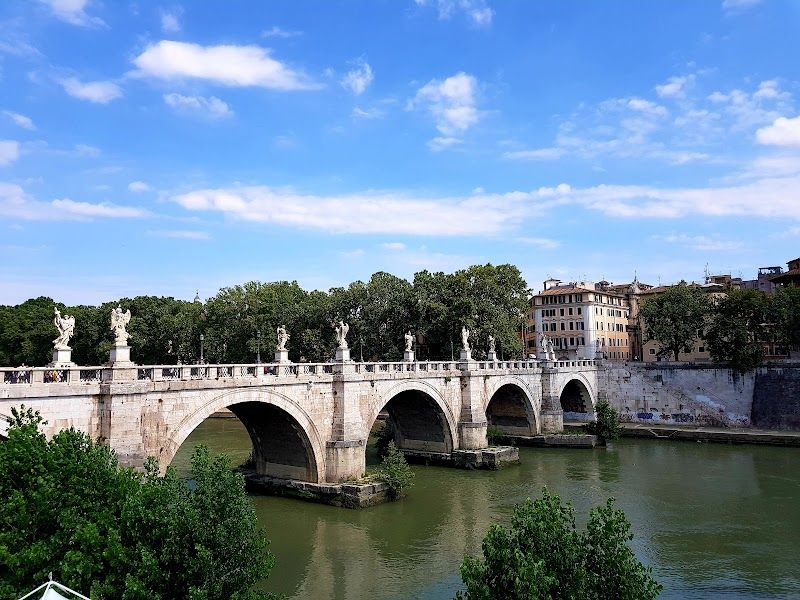
Rome vs Venice: A Complete Guide to Choosing Your Italian Destination
Rome delivers ancient wonders and incredible food, while Venice offers unique canals and artistic treasures. We break down costs, crowds, and what each city does best.
Plan a trip featuring Tridente & Piazza di Spagna
Get a personalized Rome itinerary with Tridente & Piazza di Spagna built in.
Start Planning