
Rome
Vatican & Prati
Monumental, religious, with a surprisingly liveable residential neighborhood behind it
About Vatican & Prati
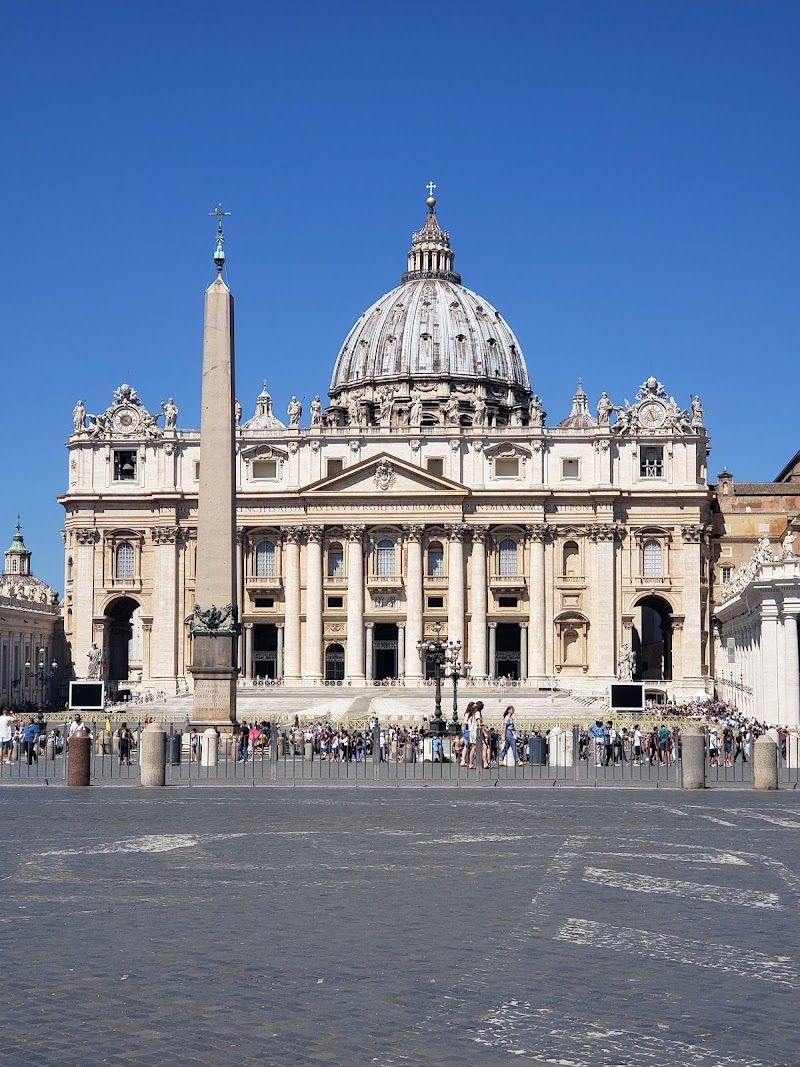
The Vatican is its own country, which is a fact that never stops being slightly absurd when you're standing in a queue that started in Italy and ends in a gift shop. St. Peter's Basilica is free (no booking needed, just a security screening queue), genuinely enormous, and contains enough art to fill a museum. The dome climb costs €8 for stairs or €10 with a lift for the first section, and the view from the top is the best in Rome if you can handle 551 steps in a narrowing spiral.
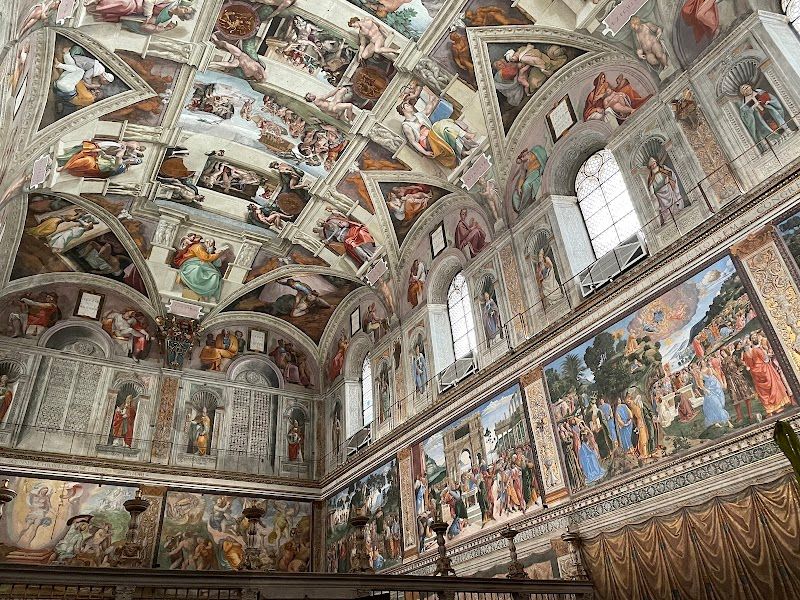
The Vatican Museums are where the Sistine Chapel lives, along with roughly 70,000 other works of art in 54 galleries. The €17 online ticket (book 2+ weeks ahead) saves you from a queue that regularly hits 2-3 hours. Here's the strategy most guides won't tell you: go straight to the Sistine Chapel first (follow signs, resist the urge to stop), spend 20 minutes there while it's still relatively empty, then backtrack through the galleries at your own pace. Everyone else does it the other way and arrives at the Chapel exhausted and in a crowd.
Prati is the neighborhood behind the Vatican walls, and it's where you should eat. The streets between Via Cola di Rienzo and Via Ottaviano have genuine Roman trattorias at normal prices. Il Sorpasso does excellent aperitivo. Sciascia Caffe is one of Rome's best coffee roasters. The tourist lunch trap zone is between the Vatican Museums exit and Castel Sant'Angelo: those €35 "tourist menu" restaurants with laminated picture menus. Walk three blocks north into Prati and you'll spend €12 for a better meal.
Things to Do
Top experiences in Vatican & Prati
Vatican Museums
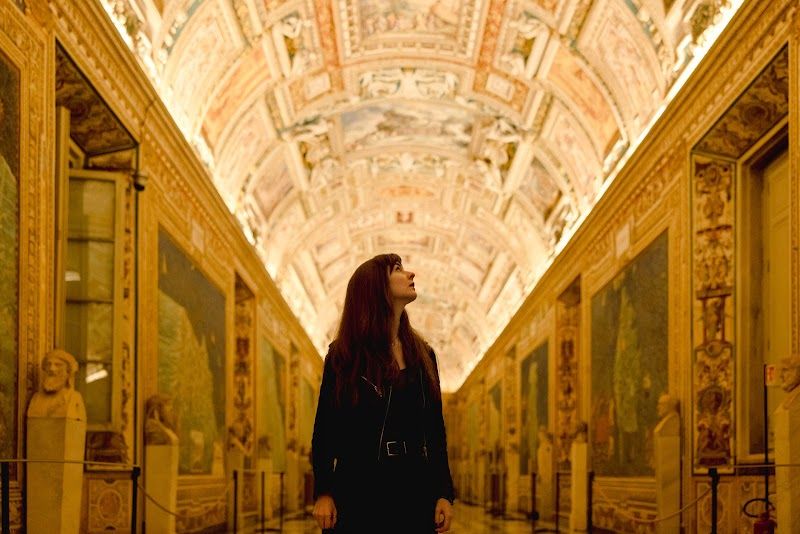
Twenty-two thousand rooms, seven kilometres of corridors, and one of the largest art collections on earth. Most people sprint through the Vatican Museums to reach the Sistine Chapel at the end, and that's a mistake - though an understandable one, because the signage practically herds you in that direction. The Raphael Rooms alone deserve an hour. The Gallery of Maps, a 120-metre corridor of 16th-century cartographic paintings, will make your jaw drop even if you've never cared about maps. Here's the counterintuitive strategy that actually works: go straight to the Sistine Chapel first. Follow the signs, resist every temptation to stop in the galleries on the way, and get there before the room fills to standing-room-only capacity (which happens by 10 AM). Spend 20 minutes with Michelangelo's ceiling while you can still breathe, then backtrack through the galleries at your own pace while the crowds are all flowing in the opposite direction. It completely changes the experience. The €17 entry ticket is reasonable for what you get - this is genuinely one of the top 3 museum collections in the world. Book online and skip the ticket queue, which can wrap around the Vatican walls for two hours in summer. The security queue is separate and moves fast. Friday evenings from April through October, the museums stay open until 10:30 PM with a fraction of the normal visitors - if you can get a Friday evening slot, take it without hesitation. Budget a minimum of 3 hours, wear comfortable shoes, and bring water. The cafeteria on the terrace level has decent food, reasonable prices for the location, and a view over the Vatican Gardens that beats fighting for a table in the overpriced restaurants near St. Peter's. The last Sunday of each month is free admission - but the queue is 3+ hours long and the galleries are so packed you'll see more elbows than art. Not worth it unless you genuinely cannot afford €17.
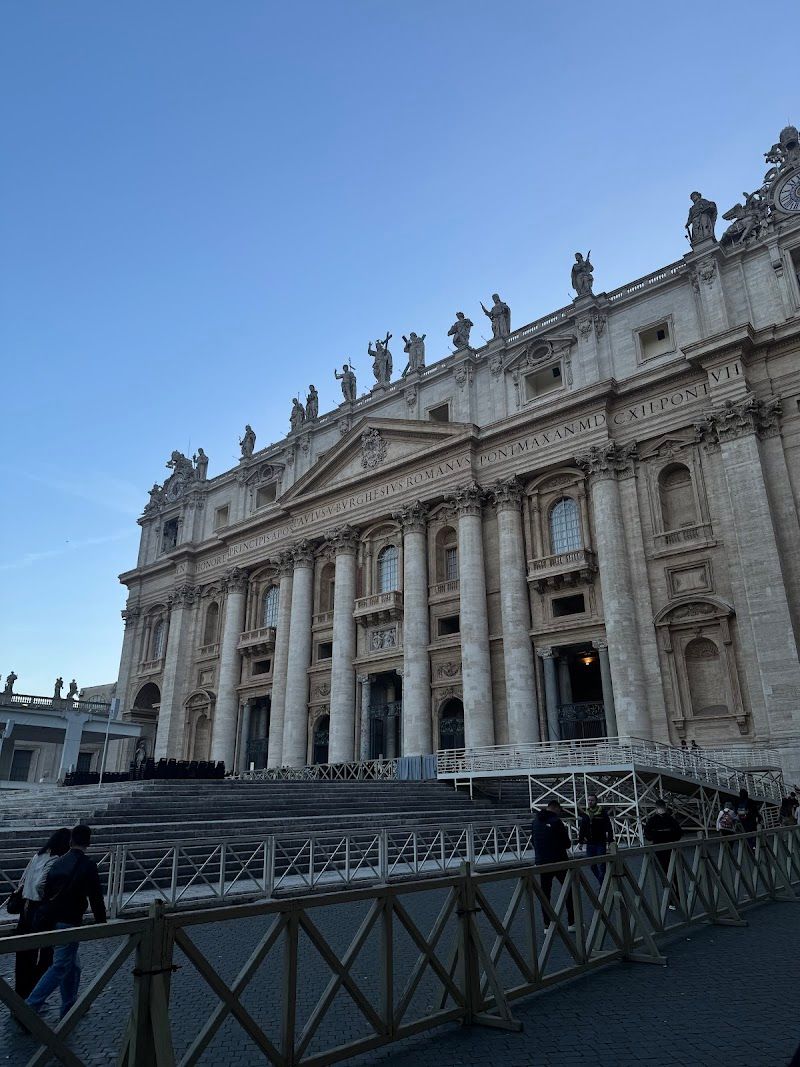
St. Peter's Basilica
Free to enter, and that fact alone makes St. Peter's Basilica one of the most extraordinary deals in Europe. The largest church in the world earns that title in every direction you look - the nave stretches 186 metres, the dome rises 136 metres, and the interior can hold 20,000 people. But the scale is deceptive because everything is so precisely proportioned. Those cherubs near the ceiling that look normal-sized? They're 2 metres tall. The letters in the Latin inscription ringing the dome? Each one is nearly 2 metres high. Your brain simply refuses to process the actual dimensions. Michelangelo's Pieta is immediately to the right when you enter - behind bulletproof glass since a hammer attack in 1972, but still breathtaking from a few metres away. Bernini's baldachin, the enormous bronze canopy over the papal altar, stands 29 metres tall and uses bronze stripped from the Pantheon's portico (the Romans have always been pragmatic about recycling). The whole building took 120 years to build and involved Bramante, Raphael, Michelangelo, and Bernini - essentially every genius of the Renaissance taking turns. Climb the dome. This is non-negotiable. The €8 option includes a lift partway up (plus 320 stairs); the €10 option is all 551 stairs. Either way, the climb through the curved interior wall of the dome - where the wall literally tilts inward and you realize you're walking between the inner and outer shell - is one of the most surreal architectural experiences in Rome. The view from the top is the best panorama in the city. Come early morning for the clearest light. Dress code is strictly enforced: covered shoulders and knees, no exceptions, no excuses. They turn people away every day, including tourists who've queued for an hour. Bring a scarf or light layer even in August. The security queue on the right side of the piazza (facing the basilica) is consistently shorter than the main colonnade approach. Morning before 10 AM or late afternoon after 4 PM are the best times - midday is suffocating in both heat and crowd density.
LivTours
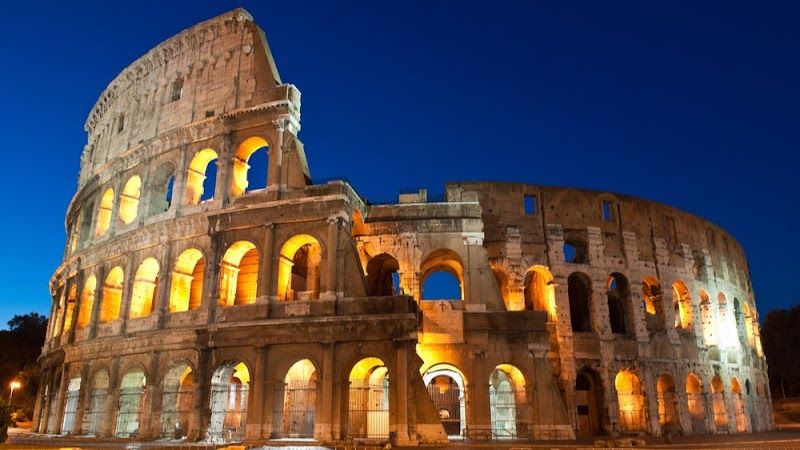
LivTours operates small group tours (maximum 6 people) to Rome's major sites with skip the line access and expert guides who actually know their stuff. You'll get into the Vatican Museums, Sistine Chapel, Colosseum, and Borghese Gallery without the usual queues, plus commentary that goes beyond Wikipedia facts. Their guides are art historians and archaeologists, not just script readers, so you'll learn things that make the frescoes and sculptures actually come alive. The experience feels like exploring with a knowledgeable friend rather than being herded through tourist traps. Your guide tailors explanations to the group's interests, spending extra time on Renaissance art if that's your thing, or focusing on gladiator stories if you prefer drama to dates. The small groups mean you can ask questions, hear properly, and actually see what's being pointed out. No fighting crowds of 30+ people with colored umbrellas and megaphones. Most tour companies pack you in like sardines and rush through highlights. LivTours costs around €89 for Vatican tours and €79 for Colosseum, which is fair considering you skip 2+ hour lines and get personalized attention. Their early morning Vatican access (90 minutes before opening) is worth every euro for near empty Sistine Chapel views. Skip their full day combinations though, six hours is too much even with great guides.
Walks of Italy
Walks of Italy takes you three stories beneath Rome's streets to explore genuine catacombs and underground basilicas that most tourists never see. You'll descend through layers of history, from medieval churches down to 4th-century Christian burial sites, with guides who actually know the archaeology instead of just repeating scripts. The tour covers San Clemente basilica with its perfectly preserved frescoes and the lesser-known San Martino catacombs where early Christians carved intricate symbols into volcanic rock. The experience feels like controlled urban spelunking. You'll walk through narrow underground corridors lit by your guide's flashlight, past genuine Roman foundations and medieval frescoes that have survived because they've been buried for centuries. The temperature drops noticeably as you go deeper, and the modern city noise completely disappears. Your guide points out details you'd miss alone: ancient graffiti, architectural techniques, and burial customs that reveal how Romans actually lived and died. Most underground Rome tours are overpriced tourist traps, but Walks of Italy's small groups (maximum 12 people) and knowledgeable guides justify the premium. Skip their Vatican tours, which aren't significantly better than cheaper options, but this underground experience is genuinely unique. Book directly through their website for best availability, though afternoon slots often have space for walk-ins. The tour costs around 55-65 EUR per person depending on season.
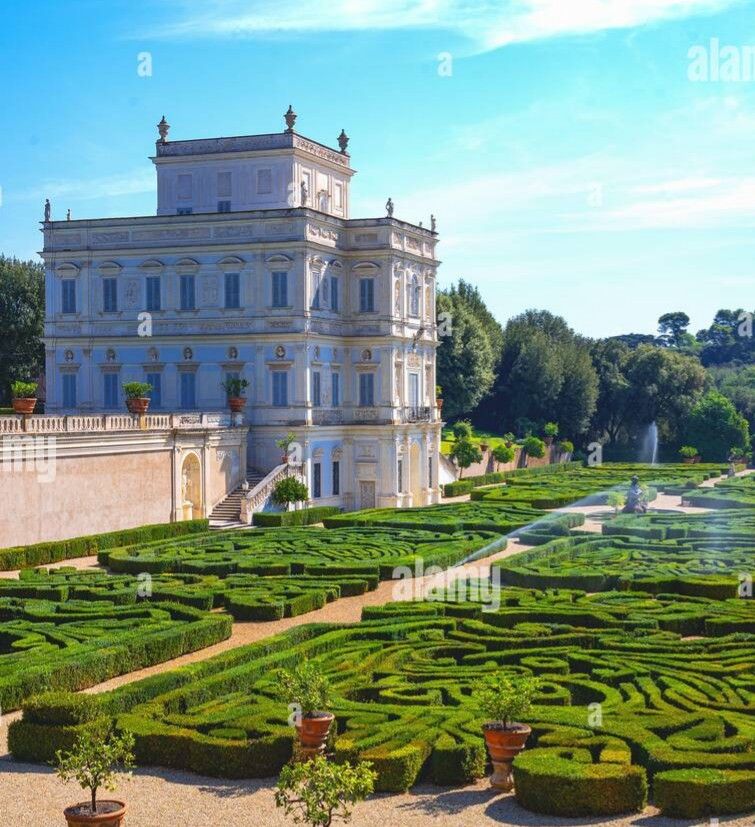
Villa Doria Pamphilj
Villa Doria Pamphilj is Rome's largest park, stretching 450 acres across Trastevere's western edge with no admission fee. You'll find miles of shaded gravel paths winding through pine groves, formal Italian gardens around the 17th-century villa, and a small lake where families feed ducks. The formal gardens near Casino del Bel Respiro showcase perfectly manicured hedges, fountains, and geometric flower beds that feel like stepping into a Baroque painting. The park operates on Roman family time - arrive around 10am and you'll have the formal gardens mostly to yourself, with only dedicated joggers pounding the main circuit path. The atmosphere shifts dramatically between sections: the manicured villa grounds feel theatrical and planned, while the wilder wooded areas toward the perimeter offer genuine peace. Sunday afternoons transform the place into an outdoor living room where extended Roman families claim benches for hours-long gatherings. Most guides oversell this as a sightseeing destination when it's really about experiencing Roman daily life. Skip the far western sections unless you're training for a marathon - they're just scrubland. The real magic happens in the formal gardens and around the lake, both accessible within 20 minutes of the Porta San Pancrazio entrance. Come hungry and grab supplì from a nearby bakery for an impromptu picnic.
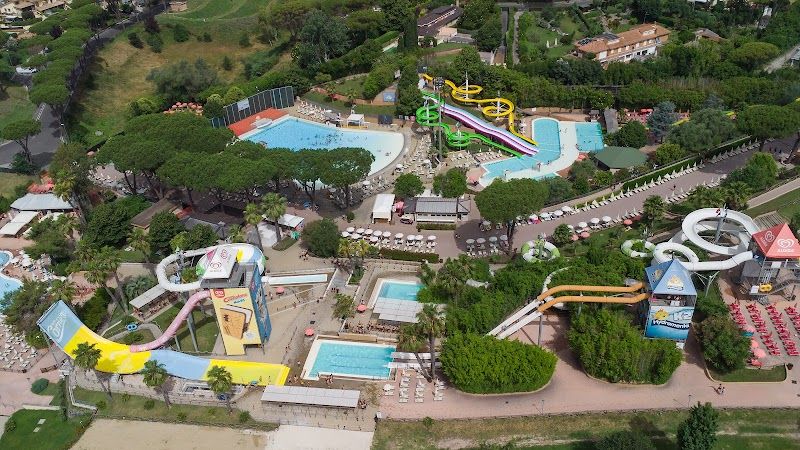
Hydromania
Hydromania sprawls across 90,000 square meters in Rome's EUR district, making it the city's biggest water park and your best escape from summer heat. You'll find serious thrill rides like the near-vertical Kamikaze slide alongside family-friendly attractions including a massive wave pool, lazy river, and dedicated kids' zones with mini slides and splash fountains. The park divides clearly between adrenaline junkies and families, so you can easily stick to your speed. The atmosphere feels like a proper resort rather than a basic pool complex. Palm trees and tropical landscaping create shade between attractions, while the wave pool generates genuine excitement every 15 minutes when the artificial surf kicks in. Lines move reasonably fast except for the Kamikaze, where you'll wait 20-30 minutes on busy days. The lazy river offers genuine relaxation as you float past waterfalls and through caves, though kids often turn it chaotic by mid-afternoon. Entry costs €22 for adults and €18 for kids under 12, but parking adds another €5 that most people don't expect. The food is overpriced theme park fare (€8 paninis, €4 drinks), so many locals pack lunches. Skip the expensive sunbed rentals (€15) and focus on arriving early for free umbrella spots. Weekends get genuinely crowded - Tuesday through Thursday offers the best experience with shorter lines and calmer pools.
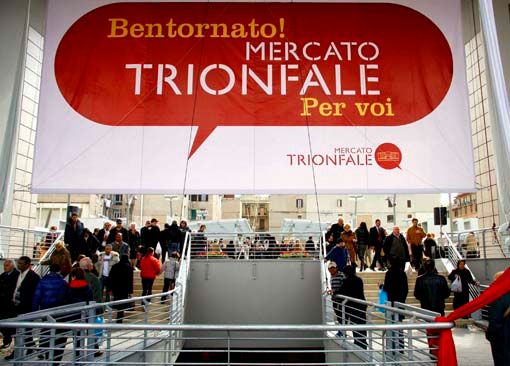
Mercato Trionfale
Mercato Trionfale is Rome's largest covered food market and the most authentic shopping experience you'll have near the Vatican. Over 270 vendors spread across a massive hangar-like space sell everything from just-caught Mediterranean fish to wheels of aged pecorino, plus flowers, spices, and prepared foods. This is where Roman chefs and nonnas do their serious shopping, so you're getting wholesale prices and restaurant-quality ingredients. You'll find stalls dedicated to specific regions - Sicilian citrus, Calabrian peppers, Lazio vegetables - making it essentially a tour of Italy through food. The market operates like organized chaos, with vendors calling out prices and shoppers wheeling carts between narrow aisles. The fish section near the center creates the most drama, with vendors arranging elaborate displays of whole branzino, red prawns, and seasonal catches while shouting recommendations. The cheese vendors offer generous tastings, especially if you show genuine interest. You'll hear mostly Italian and Roman dialect - this feels like a neighborhood institution rather than a tourist stop, which it absolutely is. Most food markets in Rome are small and touristy, but Trionfale delivers serious scale and authentic prices. A kilo of excellent San Marzano tomatoes costs around €3-4, fresh mozzarella di bufala runs €8-12 per kilo. Skip the overpriced vendors near the main Via Andrea Doria entrance - the best deals are deeper inside. The market gets picked over by afternoon, so arrive before 11am for the best selection.
Enjoy Rome
Enjoy Rome runs evening walking tours that showcase the city's monuments under floodlights, when the tourist crowds have dispersed and temperatures drop. You'll visit the Pantheon, Trevi Fountain, and Spanish Steps bathed in golden artificial light, plus descend into the underground San Clemente basilica or catacombs depending on the route. The company's been operating since 1994 and their guides know the stories behind each site rather than just rattling off Wikipedia facts. The 2.5-hour tours move at a comfortable pace through Rome's centro storico, with plenty of photo stops at illuminated fountains and facades. The underground portion feels genuinely atmospheric - cool stone corridors lit by your guide's flashlight, with early Christian frescoes emerging from the darkness. Groups stay small (usually 15-20 people) and the guides encourage questions. You'll end up seeing familiar landmarks transformed by nighttime lighting and shadows. Most evening tour companies charge €35-45 for similar routes, but Enjoy Rome keeps prices around €25-30 for adults. Skip their daytime tours - they're nothing special and Rome has dozens of better options when the sun's up. The real value here is experiencing the city's monuments after dark, when they look completely different and you can actually get close enough for decent photos without fighting crowds.

The Roman Guy
The Roman Guy runs some of Rome's best small-group tours, with exclusive access that regular tourists can't get. Their after-hours Vatican tours let you explore the Sistine Chapel without crowds, while their gladiator school sessions have you learning actual combat techniques in period costume. The guides are theatrical storytellers who make ancient history feel immediate - they'll act out Senate debates and demonstrate Roman military formations right where they happened. Their tours feel more like following a passionate friend than joining a tourist group. You'll get exclusive morning entry to the Colosseum's underground chambers, walk through Vatican halls in near-silence at closing time, or find yourself sword-fighting in a villa outside Rome. The pacing is relaxed despite packed itineraries, with guides who pause for photos and answer every question. Groups stay small (12-15 people max), so you're never straining to hear or fighting for position. Their Vatican after-hours tours (€89-129) are genuinely worth the premium - seeing the Sistine Chapel with just 20 other people instead of 2,000 is transformative. Skip their standard day tours though; you'll pay €20-30 more than competitors for similar experiences. The gladiator school (€45) sounds gimmicky but delivers real historical insight along with the fun. Book directly through their website to avoid third-party markup.
Where to Eat
Restaurants and cafes in Vatican & Prati
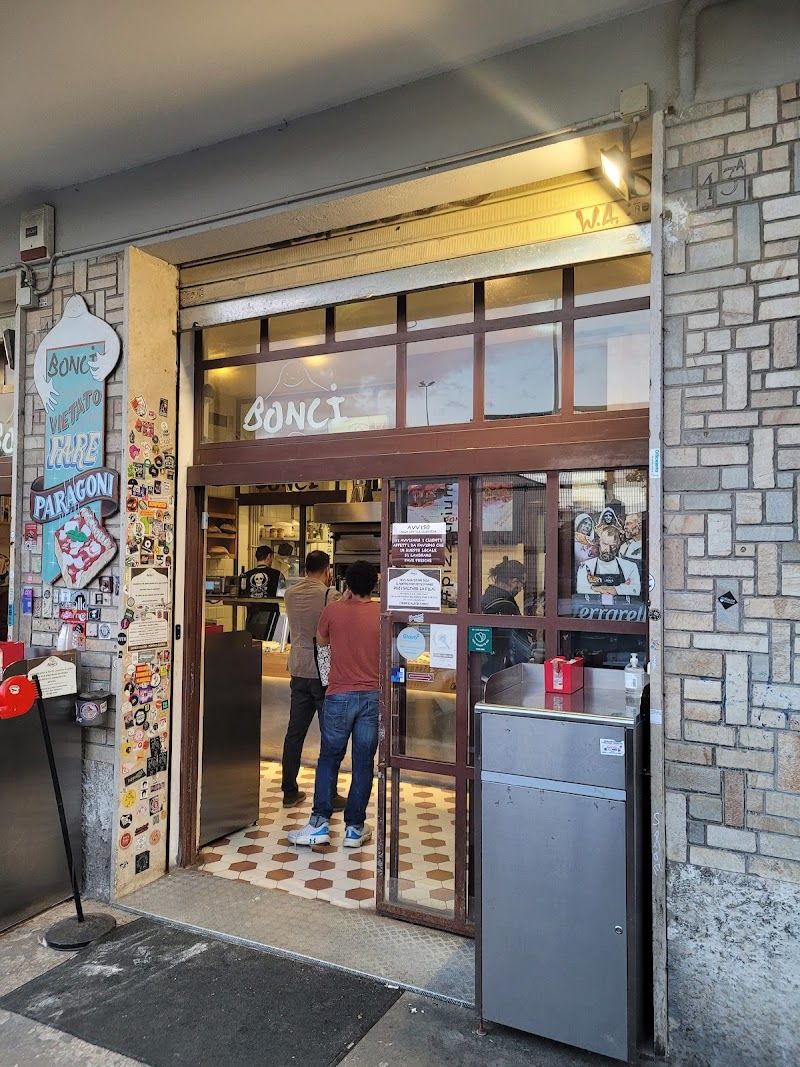
Bonci Pizzarium
RestaurantGabriele Bonci's legendary pizza al taglio near the Vatican, often called the best in Rome. Inventive toppings change daily, using premium ingredients like aged cheese, seasonal vegetables, and artisanal cured meats. Expect lines but they move quickly.
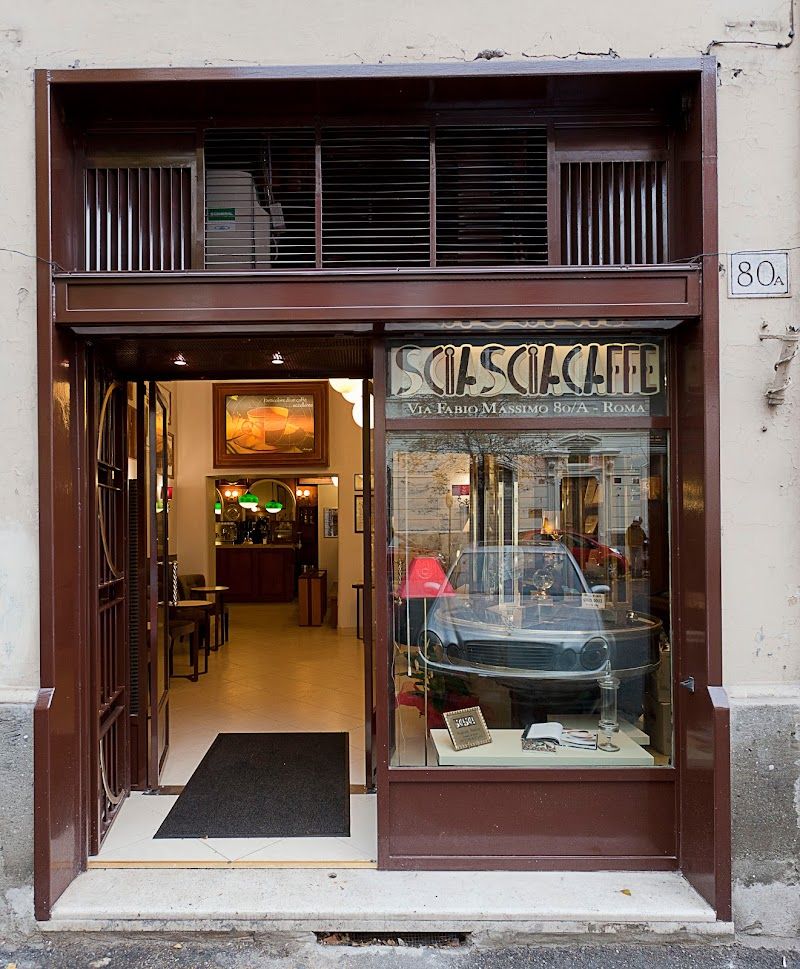
Sciascia Caffè 1919
CafeArt Nouveau café in Prati serving since 1919, with original fixtures, mirrors, and a painted ceiling. Their house-roasted coffee is exceptional, and the pastry selection includes Roman classics. Elegant sit-down atmosphere without being stuffy. Popular with local professionals.
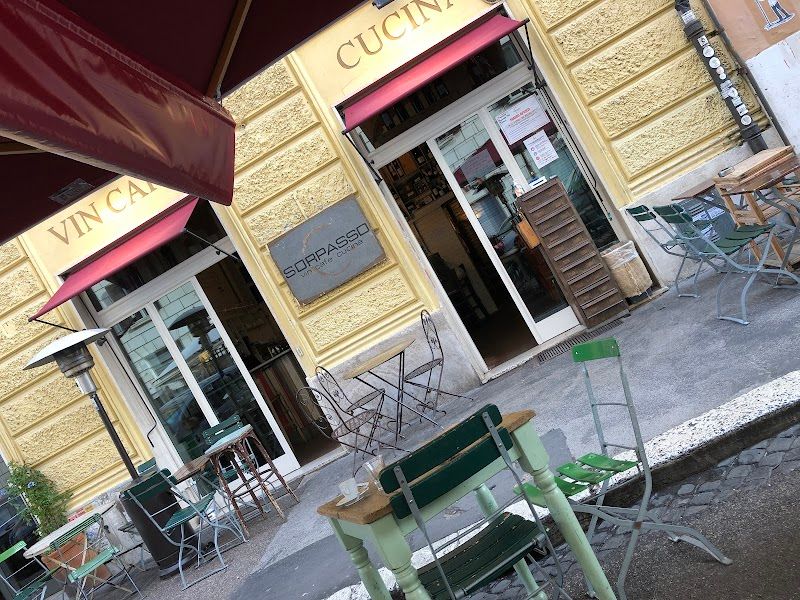
Il Sorpasso
RestaurantAll-day restaurant and wine bar in Prati serving everything from breakfast to dinner. Creative plates with quality ingredients, excellent coffee program, and a wine selection spanning Italian regions. Popular with local professionals for lunch.
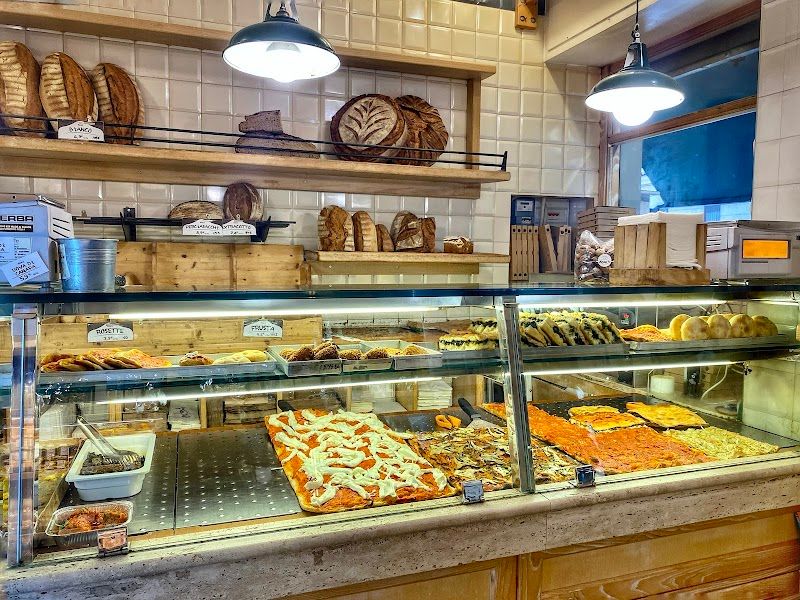
Panificio Bonci
RestaurantGabriele Bonci's bakery near Prati serving pizza bianca, focaccia, and incredible bread. Different from Pizzarium - this is where Romans buy bread and quick bites. The pizza with mortadella is legendary, and everything comes out of the oven constantly.
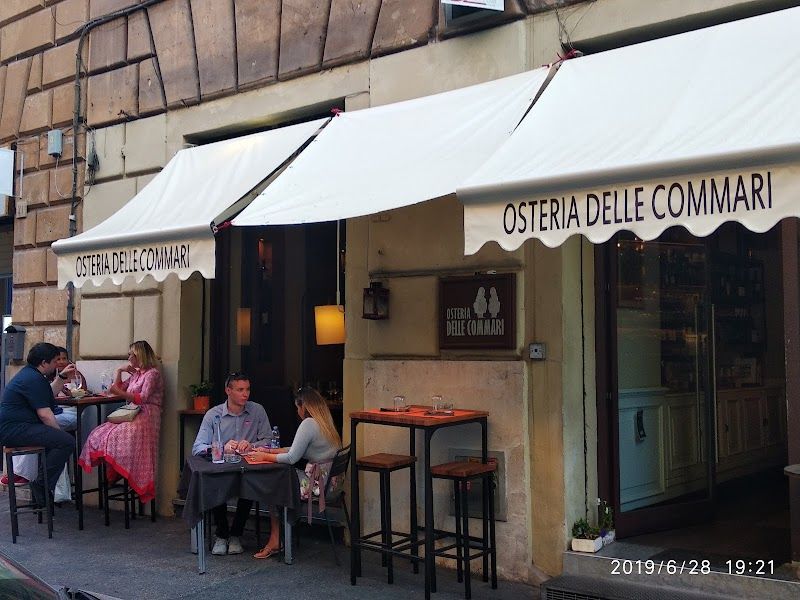
Osteria delle Commari
RestaurantAuthentic Prati neighborhood trattoria where locals come for solid Roman classics. The carbonara and amatriciana are textbook perfect, portions are generous, and the atmosphere is convivial. Tourist-free despite proximity to Vatican.
Nightlife
Bars and nightlife in Vatican & Prati
Getting Here
Metro Stations
On Foot
The Vatican itself is walkable. Prati is flat and easy to navigate on foot.
Insider Tips
Sistine Chapel first strategy
When you enter the Vatican Museums, follow the signs to the Sistine Chapel and go straight there. Resist stopping at the Gallery of Maps and the Raphael Rooms on the way in. See the Chapel first while it's uncrowded, then backtrack. Everyone else arrives exhausted after 2 hours of galleries.
Eat in Prati, not near the Vatican
The restaurants on Via della Conciliazione (the boulevard leading to St. Peter's) are tourist traps. Walk 3 blocks north into Prati. Via Cola di Rienzo area has normal-priced trattorias. Sciascia Caffe for the best coffee in the area.
Nearby Neighborhoods
Continue exploring


Related Articles
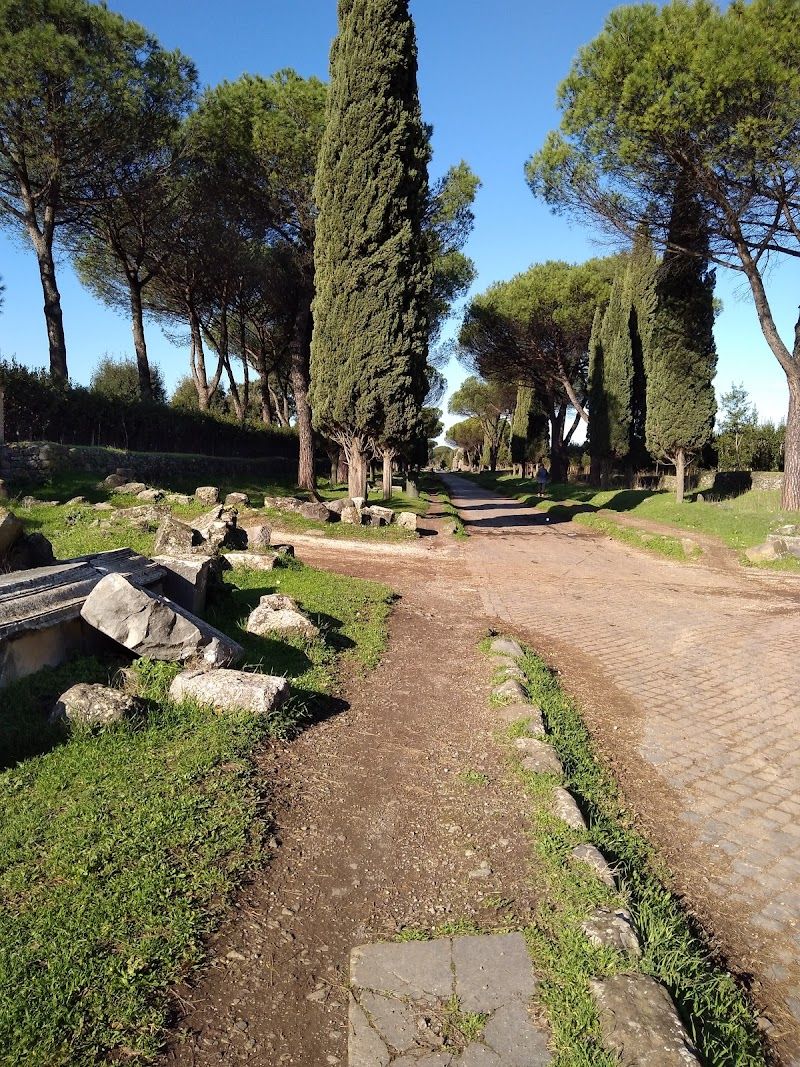
Rome vs Florence: Which Italian City Should You Visit First?
Rome delivers epic history and incredible food accidents, while Florence offers Renaissance perfection in a walkable package. Here's how to choose.
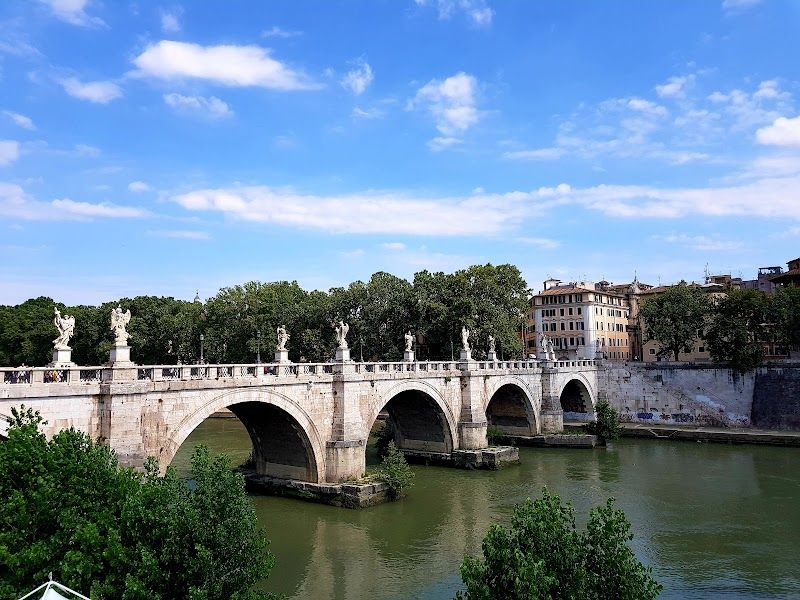
Rome vs Venice: A Complete Guide to Choosing Your Italian Destination
Rome delivers ancient wonders and incredible food, while Venice offers unique canals and artistic treasures. We break down costs, crowds, and what each city does best.
Plan a trip featuring Vatican & Prati
Get a personalized Rome itinerary with Vatican & Prati built in.
Start Planning