
Vienna
Alsergrund
The university quarter: Freud's apartment, a secret campus courtyard, Votivkirche, and the Servitenviertel restaurants that locals keep to themselves.
About Alsergrund
Alsergrund is the 9th district, the university quarter, and home to one of Vienna's most peculiar attractions: the Freud Museum (EUR 14), the actual apartment at Berggasse 19 where Sigmund Freud lived and invented psychoanalysis. Votivkirche is a neo-Gothic church that rivals the Stephansdom in ambition if not fame. The old AKH (General Hospital) university campus has a courtyard complex that is a secret summer hangout: students, food trucks, outdoor seating, and none of the tourist energy of the Innere Stadt. The Servitenviertel area, around the Servite Church, has some of the best independent restaurants in the city, and most visitors never find it.
Things to Do
Top experiences in Alsergrund
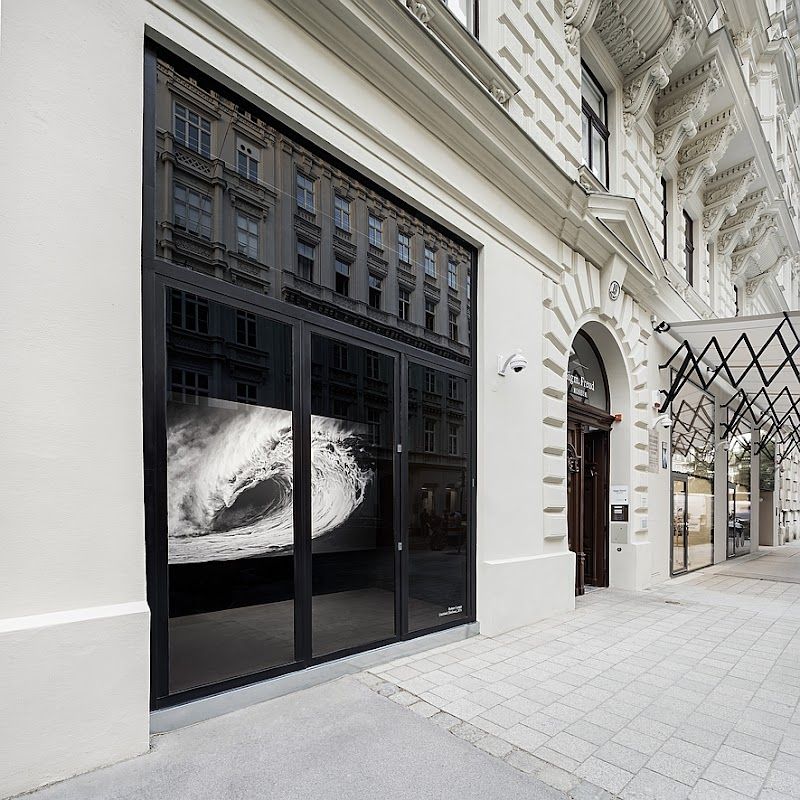
Sigmund Freud Museum
This modest apartment on Berggasse preserved the rooms where Freud lived and worked for 47 years, developing psychoanalysis from 1891 until the Nazis forced him to flee in 1938. You'll see his actual consultation room with the famous couch (a replica, since the original went to London), his personal library filled with first editions, and family photographs covering every surface. The waiting room where patients like the Wolf Man sat nervously before sessions has been restored exactly as it was, complete with Persian rugs and antiquarian furniture. The experience feels intimate and slightly eerie, walking through rooms where groundbreaking therapy sessions happened. His study overflows with ancient artifacts, books in multiple languages, and the desk where he wrote The Interpretation of Dreams. The audio guide (included) provides essential context, but you'll spend most time just absorbing the atmosphere of these cramped, book-lined rooms. Everything feels frozen in 1938, down to his hat hanging by the door. Most visitors rush through in 30 minutes, but you need at least an hour to appreciate the detail. The €12 entry fee is reasonable for what you get, though don't expect interactive displays or modern museum techniques. Skip the basement exhibition about psychoanalysis history and focus on the actual apartment upstairs where the magic happened.
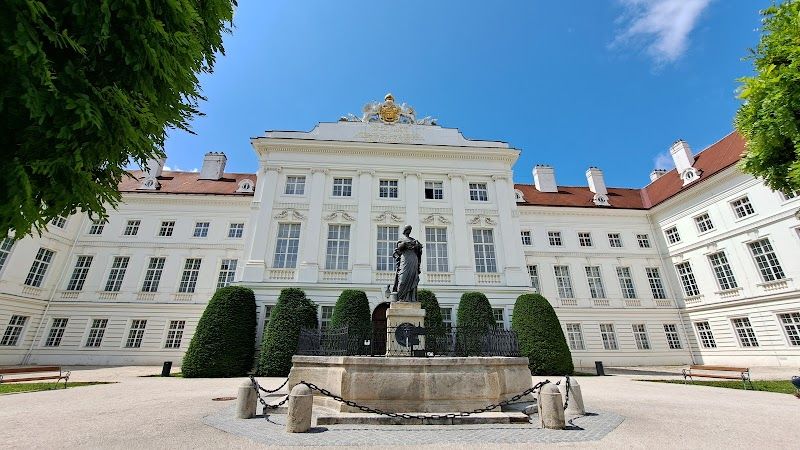
Cafe Josefinum
Cafe Josefinum sits on a busy street corner in the medical university district, serving as the unofficial canteen for broke med students and locals who've discovered Vienna's best value breakfast. You'll pay EUR 2.80 for expertly pulled espresso and EUR 6.50 to 9.50 for plates piled high with eggs, bread, ham, and cheese that'll fuel you until dinner. The real draw is the back garden: chestnut trees create natural shade over mismatched tables where you can linger for hours without dirty looks. Inside feels wonderfully ordinary, with worn wooden tables, medical textbooks scattered about, and the kind of unpretentious atmosphere that makes tourist coffee houses seem ridiculous by comparison. The daily lunch board lists traditional Austrian dishes for under EUR 10, and you'll hear more German than English from tables of students cramming for exams. Service moves at neighborhood pace, not tourist speed, which means your coffee stays hot and conversations flow naturally. Most Vienna cafe guides push you toward expensive tourist traps with EUR 5 espressos and tiny portions. Skip those entirely and come here for what locals actually drink and eat. The garden fills up fast in summer, so arrive before 11am or after 2pm. Don't expect Instagram worthy presentation, but do expect to leave satisfied and with money still in your wallet.
Where to Eat
Restaurants and cafes in Alsergrund
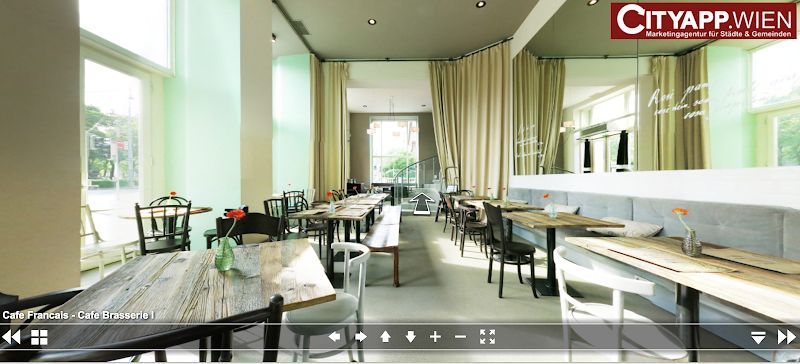
Café Francais
CafeBelle époque-style cafe and bistro in Alsergrund with high stuccoed ceilings, velvet banquettes, and art nouveau light fixtures creating a Left Bank Paris atmosphere. The breakfast menu (EUR 8-14) runs until 4 PM on weekends, featuring eggs benedict and French toast alongside traditional Viennese options. Melange costs EUR 4.90.
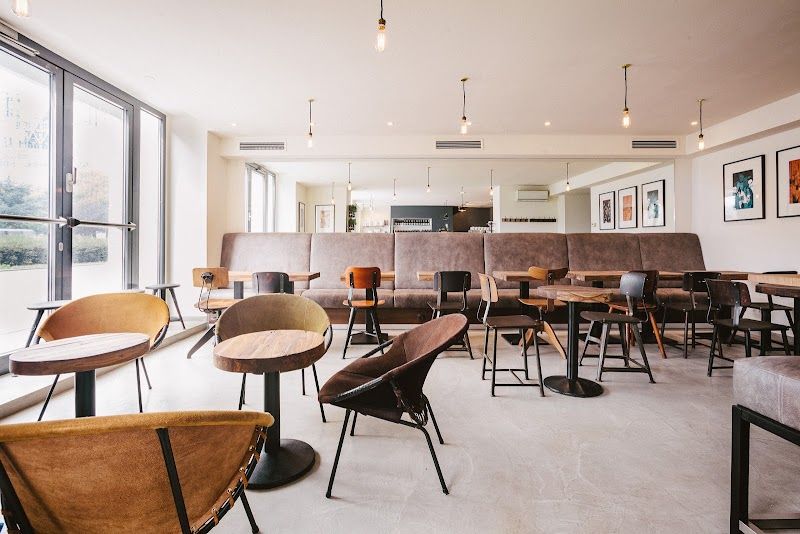
Jonas Reindl Coffee
CafeMicro-roastery and espresso bar in Leopoldstadt with a cult following for their meticulously sourced beans and precise brewing temperatures displayed on digital thermometers. Filter coffee costs EUR 3.80, and the rotating guest beans from Nordic roasters attract serious coffee geeks. Stand at the bar or take one of six seats at the window counter.
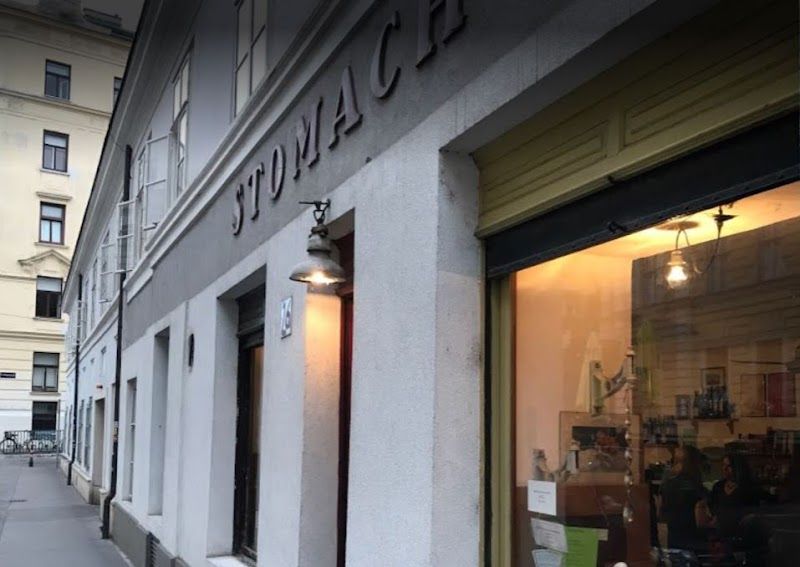
Stomach
RestaurantA modern Austrian bistro in Neubau with an open kitchen where you can watch chefs prepare market-driven daily menus. The lunch special includes soup, main, and coffee for EUR 14.50, and the wine list focuses on natural Austrian producers.
Nightlife
Bars and nightlife in Alsergrund
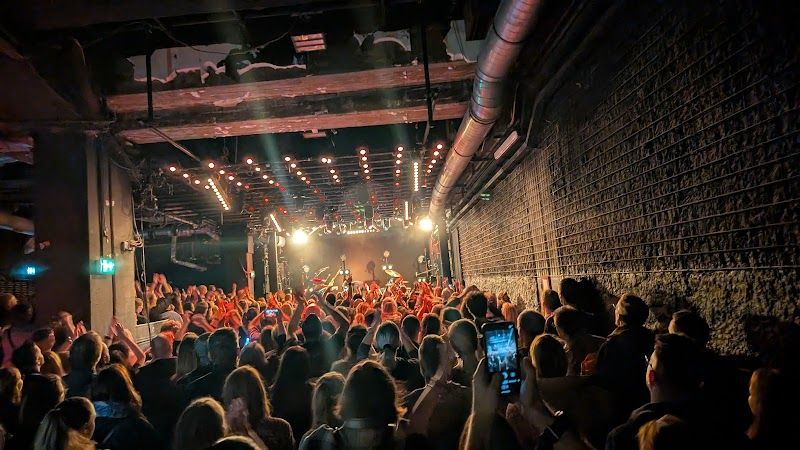
Flex
NightlifeLegendary electronic music club housed in a graffiti-covered former warehouse directly on the Danube Canal, hosting international DJs and live acts since 1995. The venue has two stages with different music programs, an outdoor terrace right on the water, and a reputation for serious techno and house music. It's Vienna's most important club for electronic music culture.
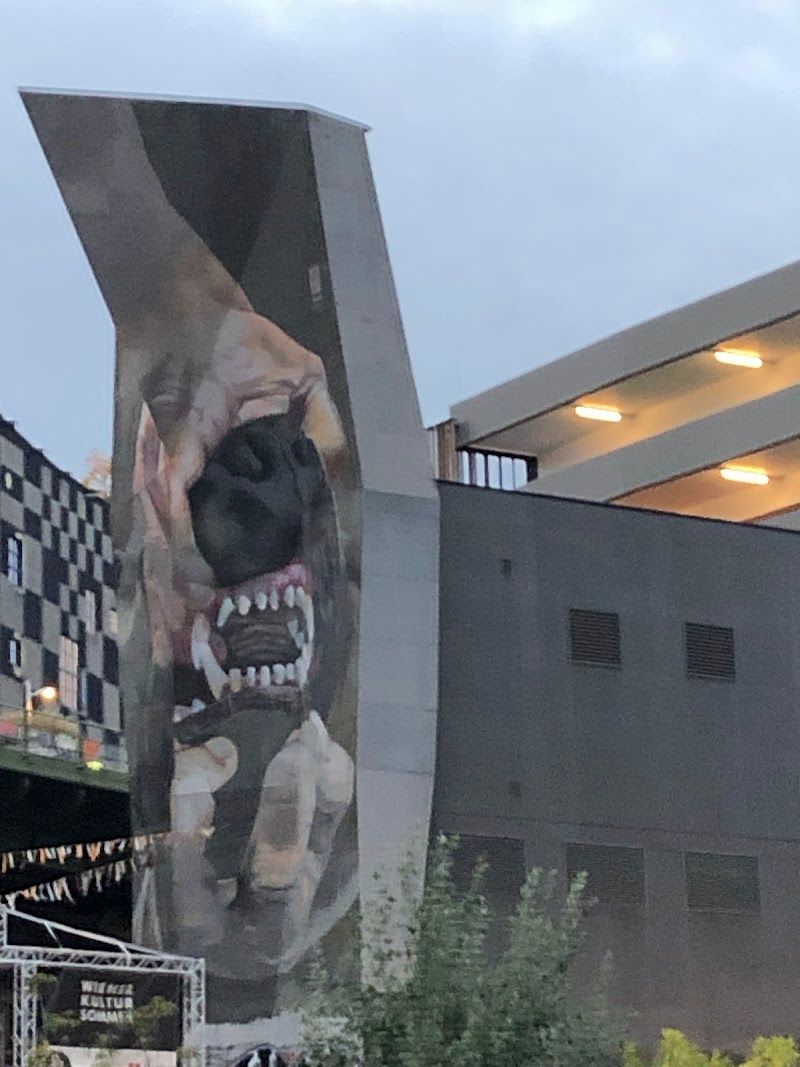
Grelle Forelle
NightlifeUnderground electronic music club in a former warehouse on the Danube Canal, featuring a world-class sound system and hosting cutting-edge techno, house, and experimental electronic acts. The industrial space has exposed concrete walls, a main floor that gets packed after 2 AM, and a more relaxed bar area upstairs. It's a serious club for serious dancers with a no-photo policy on the dance floor.
Getting Here
Insider Tips
Freud Museum
EUR 14. Berggasse 19. The actual apartment where Freud lived, worked, and received patients from 1891 to 1938. The couch is a replica (the original is in London), but the waiting room, the study, and the personal artifacts are genuine. Allow 1-1.5 hours.
Old AKH campus
The former General Hospital is now a university campus with a large courtyard complex. In summer it fills with students, food trucks, and pop-up bars. Enter from Alser Strasse. It is the kind of place that feels like a local secret because it is one.
Servitenviertel
The area around the Servite Church and Servitengasse has a concentration of excellent small restaurants, wine bars, and cafes. Less known than Leopoldstadt but equally interesting for dining. Walk from the Freud Museum (10 minutes).
Nearby Neighborhoods
Continue exploring

Innere Stadt
The old city inside the Ring: imperial palaces, Gothic cathedral, opera house, and the shopping streets where Habsburg grandeur meets daily Viennese life.

MuseumsQuartier & Spittelberg
Vienna's cultural heart: the MQ courtyard that becomes a living room on summer evenings, world-class museums, and Spittelberg's Biedermeier lanes.

Leopoldstadt
The Prater, the local market, and the restaurant scene that is quietly becoming the most interesting in Vienna.
Plan a trip featuring Alsergrund
Get a personalized Vienna itinerary with Alsergrund built in.
Start Planning