
Vienna
Josefstadt
Vienna's smallest and most charming district: the oldest German-language theatre, quiet cafes, antique shops, and streets that feel like they stopped changing in 1920.
About Josefstadt
Josefstadt is the 8th district, the smallest in Vienna, and one of the most genuinely charming. The Theater in der Josefstadt is the oldest continuously operating theatre in the German-speaking world and still stages excellent productions. The streets here are residential, tree-lined, and quiet in a way that the tourist districts are not. Antique shops, small galleries, and old-school Viennese cafes dot the neighbourhood. Cafe Hummel has been serving Melange since 1930 and the interior has barely changed. Josefstadt rewards wandering without a plan, which is the most Viennese activity of all.
Things to Do
Top experiences in Josefstadt
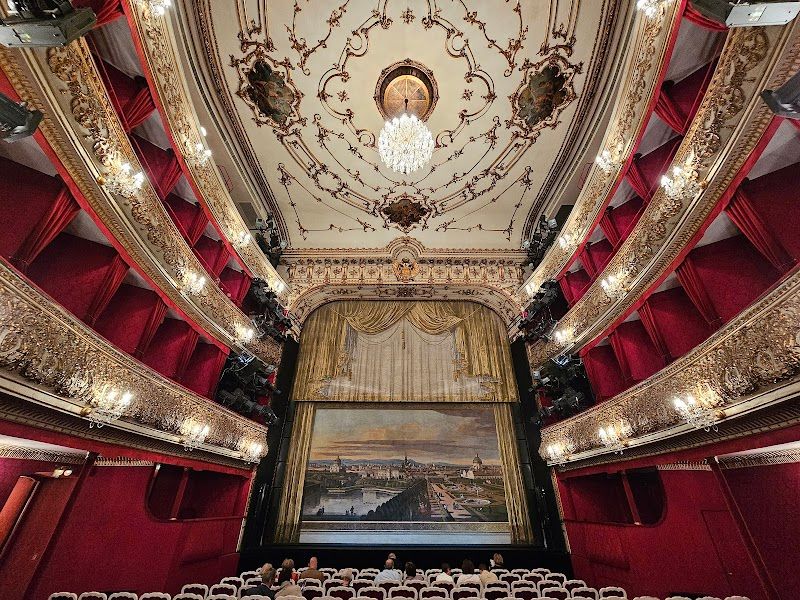
Theater in der Josefstadt
Theater in der Josefstadt sits in a beautifully preserved baroque building that's been staging German-language theater since 1788. You'll watch Austria's finest actors perform everything from Nestroy comedies to contemporary Austrian premieres in an intimate 600-seat auditorium with original 18th-century details. The theater's claim to fame includes Beethoven conducting his overture here in 1822, and today it remains Vienna's go-to venue for serious German theater. The experience feels refreshingly intimate compared to Vienna's grand opera houses. You'll enter through a modest street-level lobby that opens into a jewel box theater with three tiers of red velvet seats. The acoustics are exceptional from anywhere in the house, and the close quarters mean you can see every facial expression. Intermissions happen in a small bar area where locals discuss the performance over wine and schnaps. Tickets range from €15 for upper balcony to €45 for orchestra seats, making this Vienna's most affordable quality theater. Most tourists skip it entirely because performances are in German, but the acting is so strong you'll follow along even without perfect language skills. Book directly through their website to avoid fees, and avoid the cramped second balcony unless you're on a tight budget.
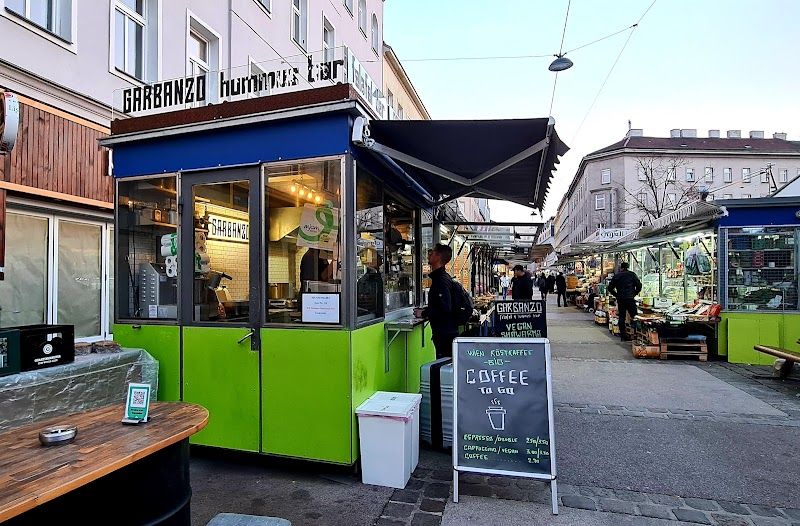
Brunnenmarkt
Europe's longest street market stretches for nearly a mile along Brunnengasse, bringing authentic Middle Eastern and Balkan flavors to Vienna's multicultural 16th district. You'll find Turkish spice vendors measuring out sumac and za'atar by the gram, Serbian butchers selling fresh chevapi, and produce stalls where 2kg of tomatoes costs what you'd pay for 500g at Naschmarkt. The market serves Vienna's large immigrant communities, so prices stay honest and quality stays high. Walking the full length takes about an hour if you stop to browse, weaving between wooden stalls that spill onto the sidewalk with pyramids of pomegranates, hanging strings of dried peppers, and steam rising from fresh bread ovens. The sounds shift from German to Turkish to Arabic as you move between sections, with vendors calling out prices and neighbors catching up over coffee. Saturday mornings bring the biggest crowds when the organic farmers set up around Yppenplatz square, turning the area into a proper food festival. Most travel guides romanticize this place, but honestly, it's a working neighborhood market first and tourist attraction second. The produce is excellent value (expect to pay 3 to 4 EUR for items that cost 8 EUR elsewhere), but skip the clothes stalls unless you need cheap basics. Come hungry and bring cash since most vendors don't take cards, and don't expect English everywhere.
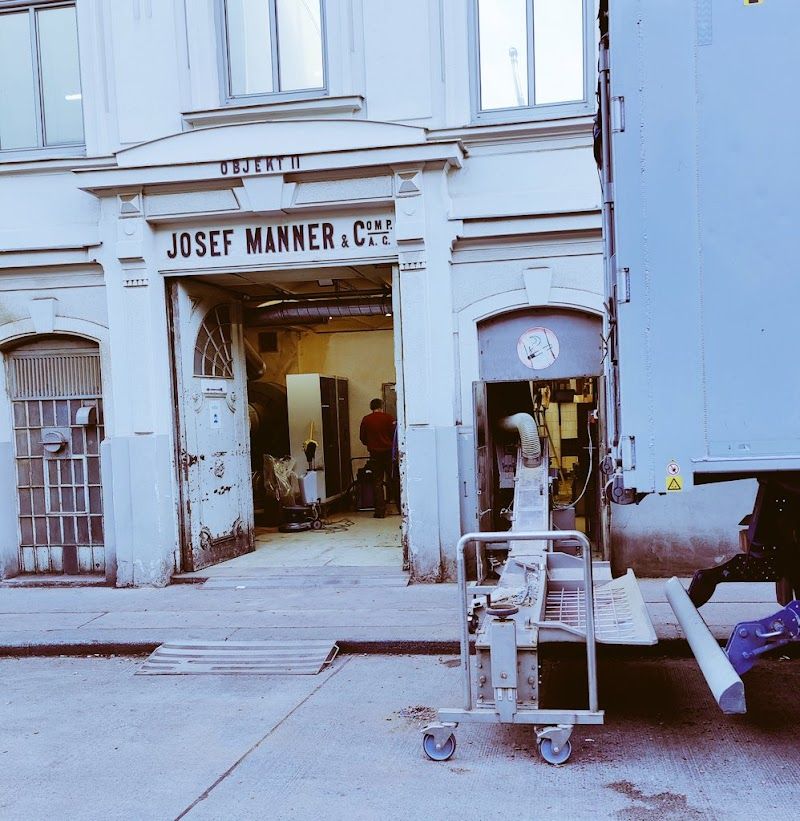
Manner Shop & Factory Outlet
Manner's factory shop gives you a rare peek inside Austria's most beloved confectionery empire, where those pink Neapolitaner wafers have been made since 1890. You'll walk through a small museum displaying vintage advertisements and original machinery, then peer through viewing windows to watch modern production lines cranking out thousands of wafers daily. The guided tour covers everything from cocoa sourcing to the precise baking temperatures that create those distinctive layers, plus you get to taste limited edition flavors that never make it to regular stores. The hour-long experience feels more like visiting a friend's quirky family business than a corporate tour. Your guide (usually a longtime employee) shares genuine stories about wartime sugar shortages and celebrity endorsements while you sample warm wafers straight from the cooling racks. The museum section showcases beautifully preserved 1950s packaging and advertising posters that'll make design lovers swoon. The factory viewing area lets you watch workers in hairnets carefully packaging those familiar pink boxes by hand. Most travel guides oversell this as some grand tourist attraction, but it's really just a sweet (literally) hour for anyone curious about local manufacturing. The €12 tour fee includes generous samples and a 20% discount in the outlet shop, where irregular wafers sell for €3 per bag instead of €5 retail. Skip the weekend slots when production stops and you're basically paying to look at silent machinery. Book directly by phone rather than through hotel concierges who add unnecessary markup.
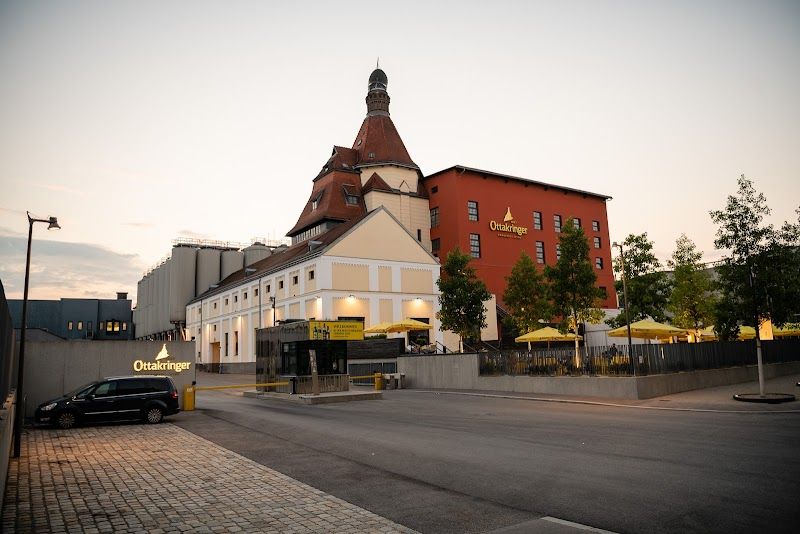
Ottakringer Brauerei
Ottakringer Brauerei has been churning out Vienna's most popular beer since 1837, and their 90-minute tours take you through the entire operation from grain to glass. You'll walk through massive copper brewing vessels that still bubble away daily, descend into cool fermentation cellars where the magic happens over weeks, and learn why Viennese prefer their local brew over imported options. The tour ends in their cozy tap room where you sample four different varieties, including their flagship Ottakringer Gold that you'll see in every Viennese pub. The experience feels authentically industrial rather than polished for tourists. Your guide (usually a longtime brewery employee) explains the brewing process while massive machinery hums around you, and the fermentation cellars maintain that perfect beer-making temperature year-round. The best part comes at the end when you settle into wooden benches in the tap room, comparing the crisp lager against their seasonal wheat beer while other tour groups create a genuine pub atmosphere. You can hear bottling lines working in the background, reminding you this isn't a museum but a working brewery producing 500,000 hectoliters annually. Most brewery tours in Europe cost 15-20 EUR, but Ottakringer runs theirs for just 12 EUR including all tastings, making it Vienna's best beer value. Skip the weekend tours if you want smaller groups and more personal attention from guides. The tap room stays open after tours end, so you can order additional beers for 3-4 EUR each if you want to extend the experience, though four samples usually satisfy most visitors.
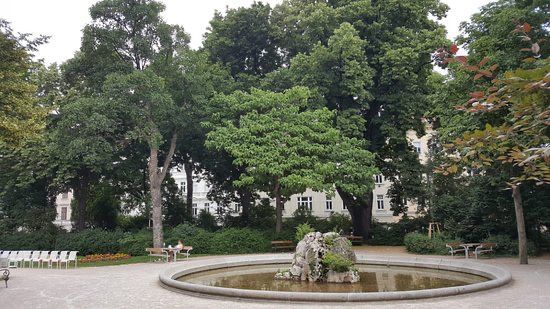
Schönborn Park
Schönborn Park transforms what was once an aristocratic palace garden into Vienna's most authentic neighborhood green space. You'll find tree-lined gravel paths winding through manicured lawns, a well-equipped playground that draws local families, and plenty of benches where Josefstadt residents come to read or chat. The baroque layout still shows through in the symmetrical plantings and formal hedgerows, but this feels like a real park, not a tourist attraction. The atmosphere here is pure residential Vienna. Office workers cut through on their commute, parents push strollers along the main paths, and kids dominate the playground after school. You'll hear more German than English, which tells you everything about who actually uses this space. The park has a lived-in quality that the grander Viennese gardens lack, with locals treating it like their extended backyard. Most guidebooks barely mention Schönborn Park, which works in your favor. Skip it if you're hunting for Instagram shots or historical significance, but if you want to see how real Viennese families spend their downtime, it's perfect. The summer concerts are pleasant but nothing special. Come here when you need a break from sightseeing rather than as a destination itself.
Wiener Eistraum
Wiener Eistraum transforms Vienna's Rathausplatz into Austria's largest outdoor ice rink each winter, creating a winding 9,000 square meter ice path that snakes through the City Hall park. You'll glide past neo-Gothic architecture under thousands of twinkling lights while traditional Austrian music plays overhead. The experience combines skating with Vienna's winter charm: mulled wine stands, roasted chestnut vendors, and couples taking romantic evening spins around the illuminated course. The ice path isn't your typical oval rink. Instead, you'll follow curved routes that weave between trees and past the imposing Rathaus facade, creating natural stopping points for photos or warm-up breaks. Evening visits offer the most atmosphere when golden lights reflect off the ice and Vienna's winter mist creates an almost magical setting. The rental booth stays busy, but skates are decent quality (sizes run small, so go up one). Most skaters are locals out for evening exercise rather than tourists, giving it an authentic neighborhood feel. Skip the weekend evenings when it's packed with families and inexperienced skaters who clog the narrow sections. Admission runs €6.50 for adults, €4 for students, with skate rental adding another €5. The ice quality varies dramatically: fresh morning sessions glide smoothly, but by afternoon you're navigating rough patches and puddles. Most travel guides oversell this as romantic, but it's genuinely fun if you time it right and don't expect pristine Olympic-level ice.
Where to Eat
Restaurants and cafes in Josefstadt
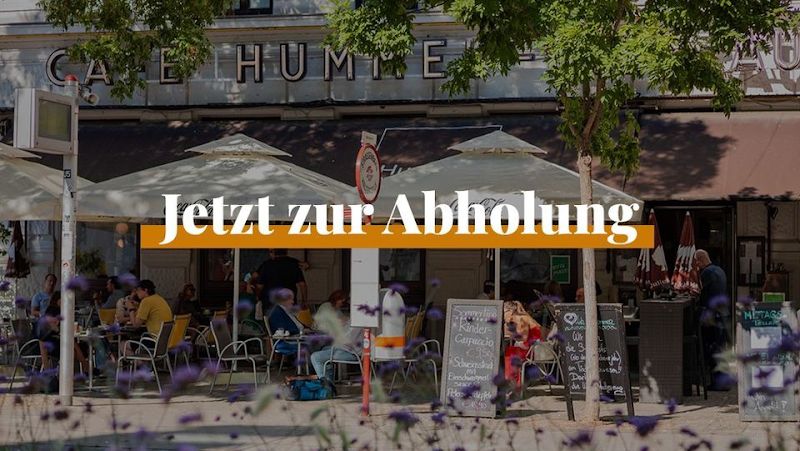
Café Hummel
CafeCafé Hummel stands as one of Vienna's most authentic coffeehouses, operating continuously since 1904 in the charming Josefstadt district. This genuine local institution offers refuge from tourist-heavy alternatives while maintaining impeccable Viennese coffeehouse traditions. The interior showcases original Jugendstil architectural details, with dark wood paneling, vintage mirrors, and marble-topped tables that transport visitors back to imperial Vienna. The café excels at breakfast service, offering traditional Austrian fare including fresh Semmel rolls (€2.50), creamy scrambled eggs (€8.90), and house-made jams. Their pastry selection features exceptional Apfelstrudel (€4.20) and Sachertorte (€5.10), all prepared on-site using traditional recipes. Coffee preparation follows classic Viennese methods: expect perfectly crafted Melange (€3.80), Einspänner (€4.20), and Turkish coffee (€3.50). Open Monday through Saturday from 7:00 AM to 7:00 PM, and Sunday 8:00 AM to 6:00 PM, Café Hummel attracts primarily locals, creating an authentic atmosphere where newspapers rustle and conversations flow in German. The service embodies traditional Viennese coffeehouse culture: waiters in formal attire serve with professional efficiency rather than forced friendliness. Visit during mid-morning for the best pastry selection and quieter atmosphere. Afternoon brings a livelier crowd of locals meeting friends. Cash payment preferred, though cards accepted. This represents Vienna's coffeehouse culture at its most genuine, without pretension or tourist pandering.
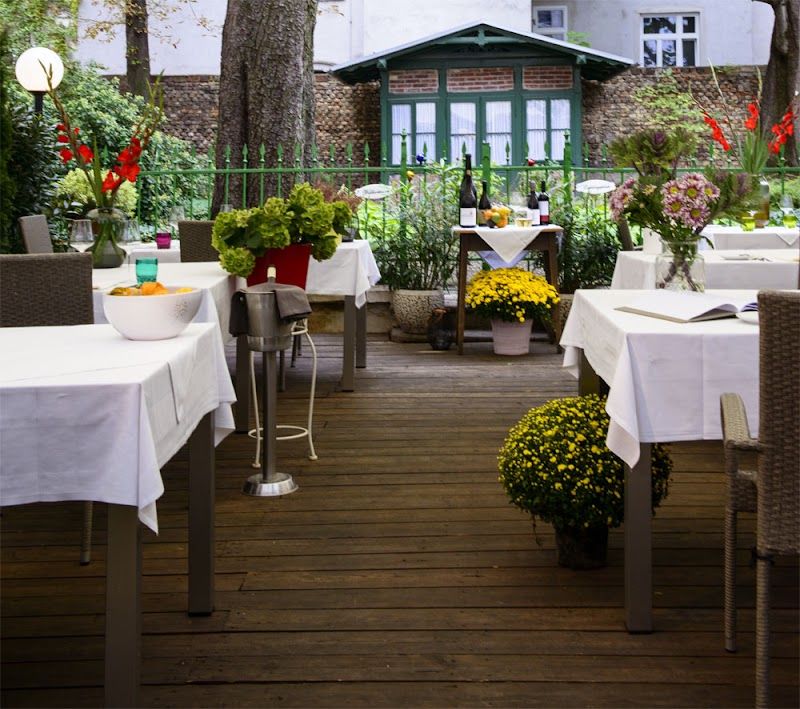
Fuhrmanns Garten
RestaurantA charming neighborhood restaurant with a lovely garden courtyard that's perfect for warm weather dining. They serve modern Austrian cuisine with seasonal ingredients and have an excellent wine selection. The cozy interior features exposed brick and a relaxed, unpretentious atmosphere.
Nightlife
Bars and nightlife in Josefstadt
Getting Here
Insider Tips
Theater in der Josefstadt
The oldest continuously operating theatre in the German-speaking world. Productions are in German, but the building and atmosphere are worth experiencing even if you do not speak the language. Tickets from EUR 15.
Cafe Hummel
Serving Melange since 1930. The interior is unchanged, the waiters are proper Viennese (meaning they leave you alone), and it is the kind of coffee house where you can sit for hours without anyone looking at you sideways.
Antique shops
Josefstadt has a concentration of antique shops and small galleries, particularly along Josefstadter Strasse. Less polished and lower prices than the Innere Stadt equivalents. Good for actual finds rather than showroom browsing.
Nearby Neighborhoods
Continue exploring

Innere Stadt
The old city inside the Ring: imperial palaces, Gothic cathedral, opera house, and the shopping streets where Habsburg grandeur meets daily Viennese life.

MuseumsQuartier & Spittelberg
Vienna's cultural heart: the MQ courtyard that becomes a living room on summer evenings, world-class museums, and Spittelberg's Biedermeier lanes.

Leopoldstadt
The Prater, the local market, and the restaurant scene that is quietly becoming the most interesting in Vienna.
Plan a trip featuring Josefstadt
Get a personalized Vienna itinerary with Josefstadt built in.
Start Planning