Finding the best food in Triberg means cutting through the tourist traps on Hauptstrasse to reach the places where locals actually eat. This small Black Forest town claims to have invented Schwarzwälder Kirschtorte (Black Forest cake), and while that's disputed, you can definitely taste the original version here alongside authentic Baden cuisine that uses local trout, wild game, and plenty of kirsch schnapps.
The food scene splits between traditional Gasthäuser serving hearty Baden meals and tourist-focused cafes pushing overpriced cake. The best strategy is knowing which establishments take their cooking seriously and which ones exist solely to separate tour groups from their euros. After hiking the Triberg Waterfalls or exploring the town center's cuckoo clock shops, you'll want sustenance that matches the authentic character of this Black Forest community.
Where Black Forest Cake Actually Tastes Right
Cafe Schaefer on Hauptstrasse 33 serves what they claim is the original Schwarzwälder Kirschtorte recipe. A slice costs EUR 5-6 and comes with a small glass of kirsch, which is how it should be served. The cake here uses actual Black Forest cherries (not the bright red maraschino versions found elsewhere), real kirsch-soaked sponge, and proper whipped cream between layers.
The difference becomes obvious when you taste it. Real Schwarzwälder Kirschtorte has layers of chocolate sponge cake soaked with kirsch (cherry brandy), whipped cream, and sour cherries. The chocolate shavings on top should be dark, not milk chocolate, and the entire dessert should have a subtle alcoholic bite from the kirsch. Many tourist versions skip the alcohol entirely or use artificial cherry flavoring.
The cafe gets absolutely packed between 11 AM and 2 PM when tour buses arrive, so visit before 10:30 AM or after 3 PM for a seat. The filter coffee pairing costs EUR 3-4 and works better than espresso with the cake's rich flavors. German filter coffee (Filterkaffee) remains the traditional pairing because its milder flavor doesn't compete with the kirsch and cherry notes.
For a quieter Black Forest cake experience, head to Bergsee-Cafe near the waterfalls entrance. Their version follows the traditional recipe but without the tour bus crowds. The lakeside setting makes it worth the 10-minute walk from town center, and you can combine it with a visit to the waterfall trails.
Conditoreien (traditional pastry shops) throughout Triberg also serve Black Forest cake, but quality varies dramatically. Look for shops where you can see the cake being assembled - layers should be distinct, cream should be freshly whipped (not from a can), and cherries should be dark red, not artificially bright.
Traditional Baden Restaurants Worth Your Time
Restaurant Pfaff: Proper Local Cooking
Restaurant Pfaff near the waterfalls serves the most authentic Baden cuisine in Triberg. Their lunch plates run EUR 12-18 and feature dishes locals actually order: Flammkuchen (Alsatian-style flatbread) for EUR 10-14, Maultaschen (Swabian pasta pockets) for EUR 12-16, and Schwarzwaldforelle (local trout) for EUR 18-24.
The trout comes from local streams and gets prepared simply - pan-fried with butter, herbs, and a splash of Riesling. Order it with Spätzle (hand-scraped noodles) and you get a proper Black Forest meal. The Spätzle here gets made fresh daily using a traditional Spätzlehobel (scraping board) that creates irregular, rustic shapes that hold sauce better than machine-made versions.
Their Flammkuchen deserves special mention. This Alsatian-influenced dish consists of thin dough topped with crème fraîche, onions, and Speck (smoked bacon). The version at Restaurant Pfaff uses wood-fired ovens that create the proper crispy-chewy texture contrast. Vegetarian versions substitute mushrooms or seasonal vegetables for the Speck.
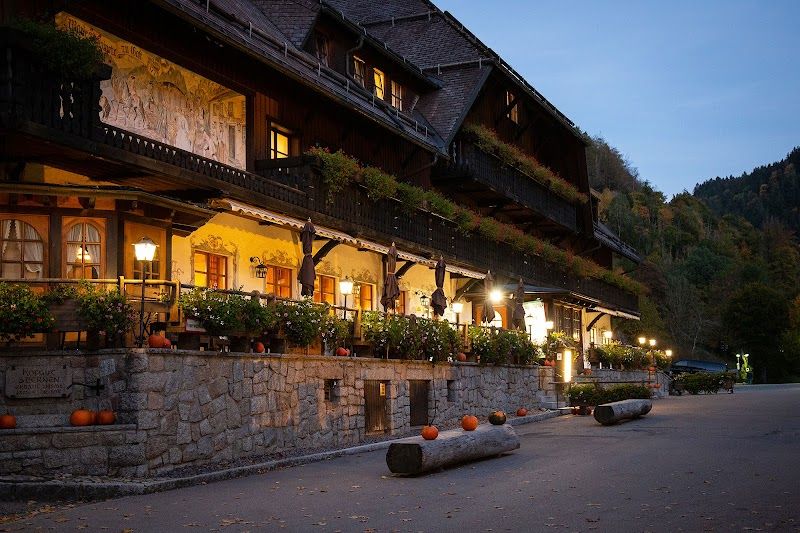
The restaurant occupies a traditional half-timbered building with low ceilings and wooden tables that have seen decades of use. Service follows old-school German patterns - efficient but not chatty, with servers who know their menu ingredients and preparation methods.
Gasthaus Adler Schonach: Game and Seasonal Specialties
In the village of Schonach, 5 km west on the B500, Gasthaus Adler Schonach specializes in wild game from the surrounding forests. During hunting season (October through January), they serve venison, wild boar, and rabbit prepared according to centuries-old Baden recipes.
Their Rehschnitzel (venison cutlet) comes from deer hunted in the immediate area, not farmed venison from other regions. The meat gets served with traditional accompaniments: red cabbage (Rotkohl), chestnuts, and juniper berry sauce. Wild boar appears as Wildschweinbraten (roast wild boar) with a dark sauce made from the roasting juices and local red wine.
The restaurant takes reservations seriously - call ahead or risk disappointment. Their wine list focuses on Baden vintages from the region's steep vineyard slopes, particularly Spätburgunder (Pinot Noir) that pairs well with game dishes. Baden produces some of Germany's best Pinot Noir, with wines that show more body and richness than their northern German counterparts.
During spring months, the menu shifts to feature wild asparagus (Waldspargel) foraged from the forest understory. This differs from cultivated white asparagus - it's thinner, more intense in flavor, and appears in soups, salads, and as a side dish with local fish.
Bergsee Forellenhof: Trout Farm to Table
Bergsee Forellenhof operates both a trout farm and restaurant beside a mountain lake. The fish here gets caught from their own ponds mere hours before serving, making it the freshest option in the area. The restaurant building dates to the 1920s but the trout preparation follows methods passed down for generations.
They offer different trout preparations - smoked, grilled, or prepared "Müllerin Art" (dredged in flour and pan-fried). The smoked version makes an excellent starter, served with horseradish cream and dark bread. The smoking happens on-site using beech and oak wood, giving the fish a subtle smokiness without overwhelming its delicate flavor.
Their signature dish combines fresh trout with Schwarzwälder Speck (Black Forest bacon) and regional herbs like wild marjoram and woodruff. The bacon adds richness while the herbs provide earthy notes that complement the trout's clean taste. Side dishes include their house-made potato salad prepared with local vinegar and warm bacon dressing.
The restaurant's location beside the mountain lake creates a peaceful dining atmosphere, especially on warm evenings when you can eat on the terrace. Children can feed the trout in the ponds while adults finish their meals - a practical advantage for families visiting Triberg with kids.
Triberg Food Specialties Beyond Black Forest Cake
Kirsch Schnapps: The Local Spirit
Every meal in Triberg should end with kirsch, the clear cherry brandy that gives Black Forest cake its distinctive flavor. The best examples come from small distilleries in the surrounding valleys, not the commercial bottles sold in souvenir shops.
Restaurants typically serve kirsch in small glasses (2-3 cl) as a digestif. Good kirsch tastes clean with a pronounced cherry aroma - avoid versions that burn going down or smell artificial. The best kirsch comes from Schwarzwälder Kirschwasser, which requires specific cherry varieties grown in designated Black Forest areas.
Some establishments offer tastings of different kirsch varieties, including aged versions that develop more complex flavors. Aged kirsch (10+ years) shows more smoothness and subtle fruit notes, while young kirsch provides more direct cherry intensity. Restaurants often pair different kirsch ages with specific desserts - young kirsch with chocolate desserts, aged kirsch with fruit tarts.
Small-batch producers like Brennerei Ziegler and Stählemühle create artisanal versions that showcase the cherry's natural flavors without artificial additives. These cost more (around EUR 8-10 per glass) but demonstrate why kirsch became the region's signature spirit.
Schwarzwälder Schinken (Black Forest Ham)
Authentic Black Forest ham gets smoked over fir and juniper wood, giving it a distinctive flavor different from other German hams. In Triberg restaurants, it appears on charcuterie plates, in sandwiches, or wrapped around asparagus during spring season.
The real version has protected designation of origin status, meaning it must be produced in specific Black Forest regions using traditional methods. The process requires specific steps: curing with salt and regional spices, cold-smoking over fir wood for several weeks, then aging in cool, humid conditions.
Authentic Schwarzwälder Schinken has a deep red color from the smoking process and a firm texture that slices cleanly. The flavor combines smoky, salty, and slightly sweet notes. Tourist shops sell inferior versions made elsewhere using different smoking methods - stick to restaurant servings where you can taste the difference.
Restaurants serve it properly sliced paper-thin, often paired with local bread, butter, and cornichons. The best presentations include multiple ham varieties showing different aging periods and smoking intensities.
Local Honey and Forest Products
The Black Forest produces excellent honey, with varieties depending on which trees the bees visit. Fir tree honey (Tannenhonig) has a dark color and strong flavor that locals prefer on bread for breakfast. You'll find it at farmers markets and some restaurants offer it with cheese plates.
Tannenhonig differs from flower honey - it's less sweet, more complex, with earthy and mineral notes. Bees collect honeydew from fir trees rather than nectar from flowers, creating this distinctive regional specialty. Local bakeries use it in traditional Lebkuchen (spiced cookies) and Honigkuchen (honey cakes).
Wild mushrooms appear on menus during autumn months, particularly Pfifferlinge (chanterelles) and Steinpilze (porcini). These get prepared simply - sautéed with onions and herbs - to highlight their forest flavors. Chanterelles have a golden color and fruity aroma, while porcini provide meaty texture and earthy taste.
Restaurants often combine forest mushrooms with game dishes or serve them as vegetarian main courses with Spätzle and cream sauce. The mushroom season runs from August through October, with peak availability in September.
Baden Wine Pairings
Baden produces Germany's warmest climate wines, with grape varieties that thrive in the Black Forest's protected valleys. Local restaurants stock impressive selections of regional wines that pair excellently with traditional dishes.
Spätburgunder (Pinot Noir) works with game dishes and rich preparations. Baden Spätburgunder shows more body and fruit than Burgundy versions, with enough structure to handle venison and wild boar. Grauburgunder (Pinot Gris) pairs well with trout and lighter preparations.
Riesling from Baden differs from Mosel or Rheingau versions - it's drier, with more minerality and less residual sugar. This makes it excellent with traditional dishes like Sauerbraten or pork preparations.
Many restaurants offer wine flights that showcase different Baden producers, allowing you to taste regional terroir variations. These typically cost EUR 15-20 for four small pours and include tasting notes explaining each wine's characteristics.
Budget-Friendly Eating in Triberg
For travelers watching expenses, Imbiss zur Linde serves decent German fast food without tourist markup. Their Currywurst and Döner kebabs cost around EUR 6-8, and the portions satisfy hungry hikers returning from the waterfalls.
The Currywurst here follows proper preparation - good quality bratwurst sliced and topped with curry-spiced tomato sauce, served with bread rolls or fries. It's not gourmet food, but it's filling and authentic to German fast food culture.
The town center has several bakeries selling fresh pretzels, sandwiches, and regional pastries for under EUR 5. These work well for picnic lunches near the waterfalls or for early morning fuel before exploring Triberg's cuckoo clock shops.
Bäckerei Weber on Hauptstrasse 45 produces excellent traditional bread including Schwarzbrot (dark rye bread) and Bauernbrot (country-style mixed grain bread). Their sandwiches use proper German cold cuts and local cheese, creating substantial meals for around EUR 4-6.
Local supermarkets stock regional products like Black Forest ham, Baden wines, and different kirsch brands at much lower prices than souvenir shops. This matters if you want to take authentic flavors home without paying tourist premiums. Edeka and Rewe both carry good selections of regional specialties.
When and Where to Eat in Triberg
Timing Your Meals
Triberg restaurants follow traditional German meal timing. Lunch service runs 11:30 AM to 2 PM, dinner starts at 6 PM. Many kitchens close between 2 PM and 6 PM (Ruhezeit), so plan accordingly. Sunday dinners often end early, sometimes by 8 PM, and many restaurants close Monday afternoons.
Tour buses arrive between 11 AM and 2 PM, making this the worst time to visit popular spots like Cafe Schaefer. Early morning (before 10 AM) or late afternoon (after 3 PM) visits provide better service and atmosphere. Restaurant staff appreciate customers who arrive outside peak tourist hours.
German dining culture expects leisurely meals, especially dinner. Don't expect quick service - servers assume you want time to enjoy your food and conversation. Rushing through meals is considered rude, so budget extra time for restaurant visits.
Seasonal Considerations
Spring brings asparagus season (Spargelzeit) from April through June. Local restaurants create special menus featuring white asparagus prepared various ways - with hollandaise sauce, wrapped in ham, or in cream soups. The asparagus comes from nearby Baden growing areas and appears fresh on menus for this limited season.
Asparagus menus often include multiple courses: asparagus soup as starter, main course with hollandaise sauce and new potatoes, and asparagus ice cream for dessert. This seasonal obsession reflects German appreciation for fresh, local ingredients at their peak.
Autumn offers wild mushroom and game seasons when menus expand beyond standard dishes. Restaurants post special boards advertising daily mushroom finds and seasonal game preparations. This is also grape harvest time, so wine lists feature new vintages and harvest celebrations.
Winter focuses on hearty stews and warming spirits, while summer emphasizes fresh trout and lighter preparations. Christmas markets in December bring seasonal specialties like Glühwein (mulled wine) and traditional Christmas cookies.
Finding Triberg Food Beyond the Tourist Zone
The Gutach Valley contains several family-run restaurants that see fewer tourists. Gasthaus Sternen Gutach serves traditional meals in a 16th-century building with original wooden beams and ceramic tile stoves.
This restaurant specializes in traditional Baden cooking methods - slow braising, wood-fired cooking, and seasonal ingredient focus. Their Sauerbraten (marinated roast beef) requires three days of preparation, with the meat marinating in wine vinegar, vegetables, and spices before slow cooking.
In Schonach, locals recommend Gasthaus Hirsch Schonach for their Sunday roast dinners and extensive Baden wine selection. The village location means lower prices and more authentic atmosphere than Triberg's main street establishments.
Sunday roast (Sonntagsbraten) represents serious German home cooking - large cuts of meat (usually pork, beef, or lamb) roasted with vegetables and served with multiple side dishes. These meals require reservations and typically last 2-3 hours with multiple courses.
What to Skip in Triberg
Most restaurants directly on Hauptstrasse between the cuckoo clock shops serve mediocre food at inflated prices. Their menus target tour groups with "international" dishes that bear little resemblance to local cuisine. These establishments prioritize quick turnover over food quality.
Avoid Black Forest cake from places that don't use real kirsch or proper cherries. The artificial versions taste sweet without the complex flavors that make the dessert worth eating. Signs of poor quality include: bright red cherries (should be dark), no alcohol taste, overly sweet cream, and dry cake layers.
Restaurants with menus in six languages and pictures of every dish usually prioritize volume over quality. Better establishments assume you can handle German descriptions and focus their energy on cooking. Authentic restaurants may offer English explanations but won't have picture menus.
"Schnellimbiss" (fast food) places serving "German" food to tourists often use frozen ingredients and simplified preparations. Real German fast food (like proper Currywurst) differs significantly from tourist versions.
Planning Your Triberg Food Experience
A proper food tour of Triberg requires at least two days. Start with authentic Black Forest cake at Cafe Schaefer, then explore traditional restaurants for lunch and dinner. Include a kirsch tasting and visit restaurants in surrounding villages for the complete experience.
Make dinner reservations, especially on weekends or during peak season (June through September). Many establishments have limited seating and local customers book their preferred tables in advance. Phone reservations work better than online booking for smaller restaurants.
For the complete Black Forest cake trail experience, plan visits to multiple cafes to compare different preparations of this regional specialty. Each place interprets the traditional recipe slightly differently, creating interesting variations on the classic theme.
Consider staying in accommodations that include breakfast to experience German morning meal culture. Traditional German breakfast includes various breads, cold cuts, cheese, jam, and coffee - a substantial meal that prepares you for active days exploring the region.
The best food in Triberg rewards travelers who look beyond the obvious tourist traps. Focus on places where locals eat, respect traditional preparations, and take time to appreciate the regional specialties that make Black Forest cuisine distinctive. Your taste buds will thank you for the extra effort, and you'll experience authentic German food culture rather than tourist approximations.