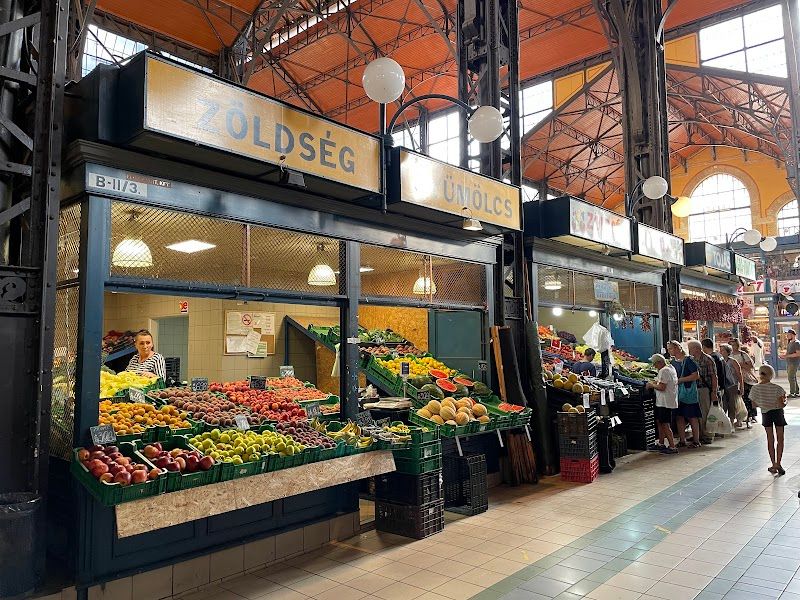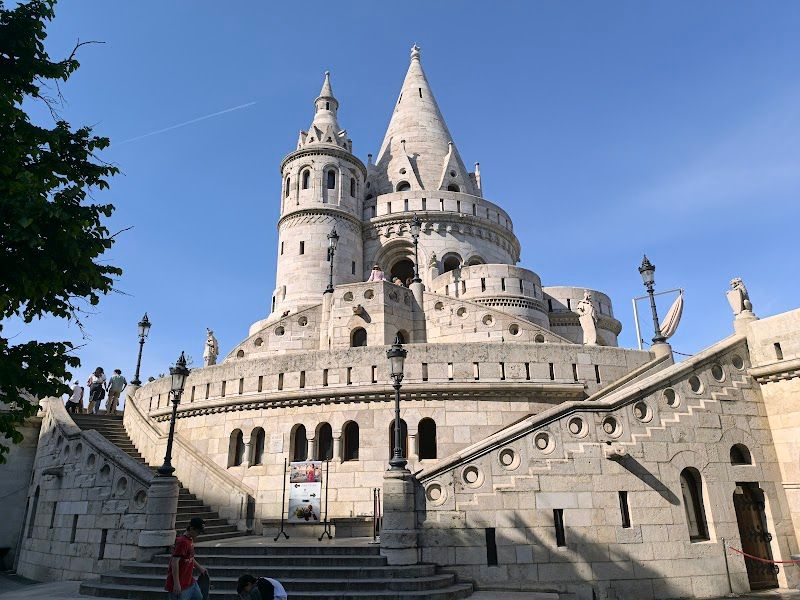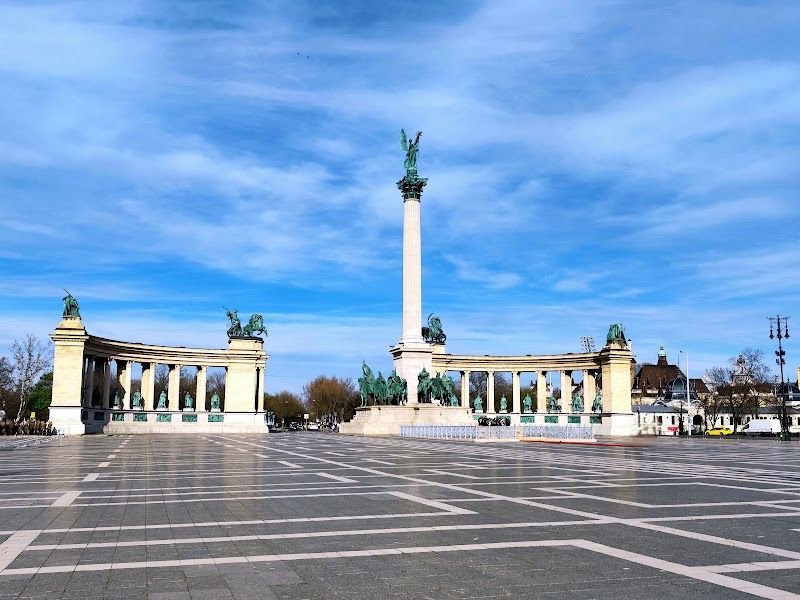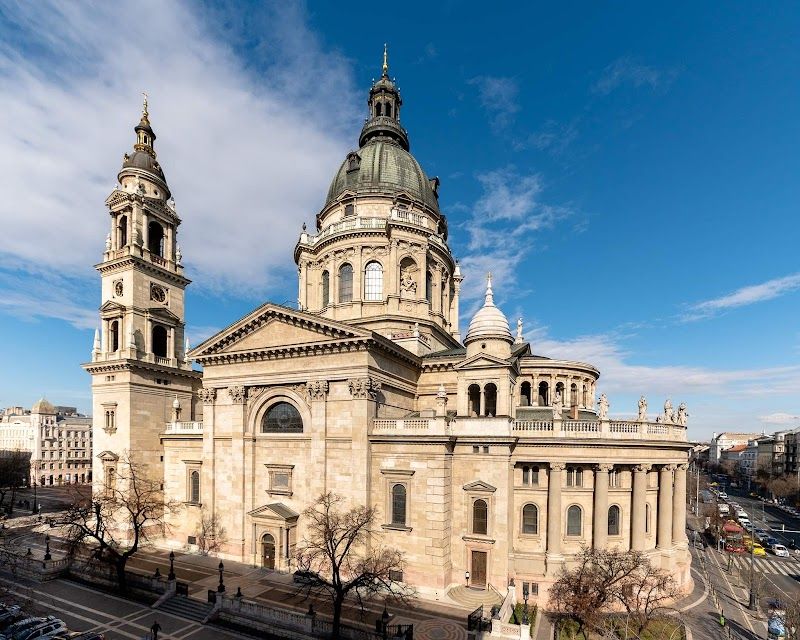
Budapest's food scene splits cleanly between two worlds: the tourist-trap goulash served around Váci Street and the real Hungarian cuisine hiding in local markets and neighborhood restaurants. A good budapest food tour bridges that gap, taking you from the paprika stalls of the Great Market Hall to family-run restaurants where locals actually eat.
The city's culinary landscape reflects its geography - Buda's quieter streets house traditional restaurants that have served the same dishes for generations, while Pest's markets and Jewish Quarter offer everything from lángos stands to modern interpretations of Hungarian classics. Most budapest food tours stick to Pest for practical reasons (everything is closer together), but the best ones venture across the Danube to show you both sides of the story.
Why Take a Food Tour in Budapest
Budapest food tours solve a specific problem: the language barrier and cultural gap that keeps most visitors eating overpriced, underwhelming meals in tourist zones. Hungarian cuisine relies heavily on technique and seasonal ingredients that you can't decode from a menu translation. A knowledgeable guide explains why paprika isn't just a spice here but a cultural cornerstone, or how Hungarian wine regions produce bottles that rival Burgundy at half the price.
The logistics matter just as much as the food knowledge. Budapest's food scene is scattered across multiple neighborhoods, from the riverside markets in Belváros to the Jewish Quarter's traditional bakeries. A good tour connects these dots efficiently, using insider knowledge to skip lines at popular spots and time visits when vendors are most talkative.
Most food tours cost EUR 45-85 for 3-4 hours, including 6-8 tastings and a local guide. Compare that to eating the same amount of food independently - you'll spend EUR 35-50 just on meals, plus transportation time between neighborhoods, plus the inevitable tourist trap meals that waste both money and stomach space.
Best Budapest Food Tours by Neighborhood
Great Market Hall and Belváros Food Tours
The Great Market Hall anchors most budapest food market tours, and for good reason. This 1896 neo-Gothic building houses 180 vendors selling everything from Hungarian sausages to fresh lángos. But here's what most tourists miss: the real action happens on the ground floor with the local vendors, not the touristy upper level.
Taste Hungary's Market Hall Tour (EUR 65, 3 hours) does this right. They start at 10am when vendors are setting up, giving you first crack at the day's specialties. The tour includes tastings at Fazekas Péter's sausage stand (try the téliszalámi), the Bálint family's paprika booth, and ends with lángos from the stand that's been in the same family since 1920.
The tour extends beyond the market into Belváros, hitting the wine bar beneath St. Stephen's Basilica for Hungarian wine tastings (Tokaj dessert wine and dry Furmint from Badacsony), and a traditional pastry shop on Váci Street that locals still frequent.
What makes this tour worth EUR 65: The guide's vendor relationships mean you taste products before buying, get wholesale prices on items you want to take home, and learn preparation techniques you can't pick up from guidebooks.
Jewish Quarter Food Scene Tours
The Jewish Quarter offers Budapest's most diverse food landscape - traditional Jewish bakeries alongside modern ruin bar kitchens, plus the Hungarian dishes that evolved from Jewish culinary traditions.
Budapest Food Walk's Jewish Quarter Tour (EUR 55, 3.5 hours) covers this complexity well. The route starts at Frici Papa (Kazinczy utca 55) for traditional Jewish pastries - their flódni (layered cake with poppy seeds and walnuts) beats any you'll find elsewhere. From there, it's a short walk to the kosher Carmel Restaurant for authentic cholent (slow-cooked stew) and schnitzel prepared according to 200-year-old family recipes.
The tour includes stops at two ruin bars - Szimpla Kert for their house-made pálinka (Hungarian fruit brandy) and Instant for gourmet versions of Hungarian street food. This combination shows how Jewish and Hungarian cuisines merged over centuries of coexistence.
The honest verdict: This tour works best for adventurous eaters. Traditional Jewish-Hungarian dishes can be heavy and unfamiliar. If you prefer lighter Mediterranean flavors, skip this one.
Castle District Traditional Hungarian Tours
Buda's Castle District houses some of Budapest's oldest restaurants, many occupying medieval cellars that create perfect wine storage conditions. Food tours here focus on traditional Hungarian cuisine in its most authentic settings.
Culinary Hungary's Buda Castle Tour (EUR 75, 4 hours) takes advantage of these unique venues. The tour includes lunch at Stand25 Bisztró, where chef Tamás Széll serves modern interpretations of Hungarian classics using traditional techniques. Their goulash soup uses a 15-hour bone broth base, and the schnitzel is pounded and breaded to order.
The tour continues to Ruszwurm Confectionery (established 1827) for traditional Hungarian desserts - their Ruszwurm cream cake uses the same recipe from the Habsburg era. Final stop is the wine cellars beneath Matthias Church, where you taste Hungarian wines that have been aging in these cellars since the 1970s.
Why this costs EUR 75: The venues charge premium prices for their historic settings and quality ingredients. You're paying for atmosphere as much as food.
Street Food and Market Tours
Budapest street food extends far beyond lángos, though most tours don't venture beyond the obvious choices. The best budapest food scene exploration requires hitting multiple neighborhoods and understanding seasonal availability.
Essential Street Food Stops
Lángos stands: The Hungarian fried bread deserves its reputation, but location matters. The stand inside Great Market Hall serves tourist versions with expensive toppings. Head to Lehel Market (XIII district) for authentic lángos at EUR 3-4 with sour cream and cheese, or garlic and salt for purists.
Kürtőskalács (chimney cake): These sugary spirals are ubiquitous in tourist areas, but most are made from frozen dough and reheated. Molnár's Kürtőskalács (near Heroes' Square) makes them fresh every hour, and you can watch the entire process.
Hungarian sausages: Skip the mass-produced versions at tourist restaurants. Bock Bisztró's butcher shop (Erzsébet körút 43-49) sells house-made sausages using traditional smoking techniques. Their debreceni sausage uses Hungarian mangalitsa pork and costs EUR 6-8 per portion.
Seasonal Market Tours
Budapest food changes dramatically with seasons, and smart food tours adjust their routes accordingly. Spring tours focus on asparagus from Gödöllő and early strawberries from Kecskemét. Summer brings Hungarian tomatoes that put most European varieties to shame, plus stone fruits from the Great Plain.
Fall is peak season for Hungarian wine and the paprika harvest. This is when budapest food tours reach their best - wine tastings include fresh Beaujolais-style wines from Villány, and paprika vendors let you taste varieties that won't be available again until next harvest.
Winter tours lean into preserved foods and hearty stews. This is actually an ideal time for food tours - restaurants serve their heartiest dishes, wine cellars are at perfect temperature, and crowds are smaller.
Hungarian Cuisine Tours: Traditional vs Modern
The divide between traditional and modern Hungarian cuisine creates an interesting choice for food tour participants. Traditional tours focus on dishes that haven't changed in centuries - goulash prepared over open flames, schnitzel pounded by hand, and desserts using pre-industrial techniques.
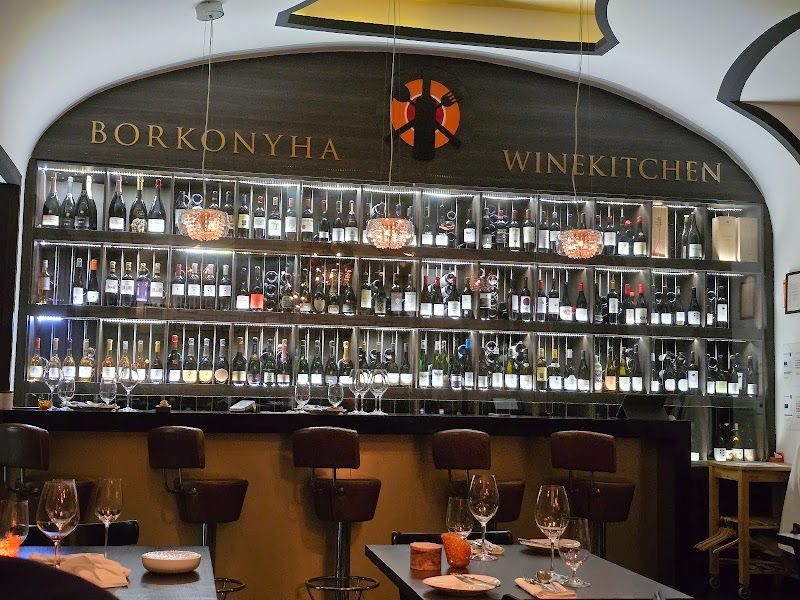
Modern tours showcase how contemporary Hungarian chefs interpret these classics using molecular gastronomy or international influences. Borkonyha Winekitchen exemplifies this approach - their "goulash" arrives as a deconstructed dish with spherified paprika and sous-vide beef.
Traditional Hungarian Cuisine Focus
Hungarian Heritage Food Tour (EUR 85, 4.5 hours) commits fully to tradition. Every stop serves recipes that predate 1900, often in restaurants that have operated for multiple generations. The tour includes Gundel Restaurant (City Park) for their famous palatschinken (crepes with chocolate sauce), Százéves Restaurant for authentic fisherman's soup using Danube fish, and Frici Papa for traditional Jewish-Hungarian pastries.
This tour requires serious appetite and patience - traditional Hungarian meals are substantial and service moves slowly. But the authenticity is unmatched, and guides explain the Ottoman, Austrian, and Jewish influences that shaped each dish.
Modern Hungarian Interpretations
Contemporary Budapest Food Tour (EUR 95, 4 hours) showcases new-generation Hungarian chefs who trained internationally but returned to reinterpret local cuisine. Stops include Costes (the first Michelin-starred restaurant in Eastern Europe), Babel (known for modernist techniques applied to Hungarian ingredients), and Salt Restaurant (offering Hungarian-Mediterranean fusion).
The portions are smaller but more refined, and presentations often surprise visitors expecting heavy traditional fare. This tour appeals to food enthusiasts familiar with international fine dining trends.
Food Tour Logistics and Practical Tips
Most budapest food tours meet at central locations like Chain Bridge or Vörösmarty Square, then use public transportation to reach various neighborhoods. Tours typically include BKK day passes (EUR 5.9), but confirm this when booking.
Timing matters significantly. Morning tours (9-11am start) catch markets at their freshest, when vendors are most willing to let you sample products. Afternoon tours (2-4pm start) align better with Hungarian meal timing - lunch is the main meal, and restaurants serve their best dishes during afternoon service.
Group sizes affect the experience. Tours with 6-8 people allow for more interaction with vendors and restaurant staff. Larger groups (12-15) move more efficiently between stops but lose the personal touch that makes food tours worthwhile.
What's Included vs Additional Costs
Most food tours include all tastings, but drink pairings often cost extra. Wine tastings add EUR 15-25 to tour costs, while beer pairings add EUR 10-15. Some tours include one drink per stop, others charge separately for all beverages.
Hidden costs to watch for: Tips for guides (expected 10-15% for good tours), additional food purchases at markets (vendors offer discounts to tour participants), and transportation back to your accommodation (tours often end far from starting points).
Best Food Tours by Budget and Duration
Budget-Friendly Options (EUR 35-55)
Free Budapest Walking Tours offers a food-focused walking tour for tips only, but it covers fewer tastings and spends more time walking between venues. Good for getting oriented to the food scene, but don't expect substantial meals.
Budapest Food Walk's Essential Tour (EUR 45, 3 hours) offers the best value for comprehensive coverage. Six tastings include lángos, goulash, Hungarian wine, and traditional desserts, plus a local guide who explains Hungarian dining customs.
Premium Tours (EUR 75-120)
Taste Hungary's Progressive Dinner Tour (EUR 110, 5 hours) treats food touring as a full dining experience. Each stop serves course-sized portions, progressing from appetizers at a traditional wine bar to main courses at family restaurants to desserts at century-old pastry shops.
The tour includes three Hungarian wine pairings and ends with coffee and digestif at New York Café. This is essentially a guided progressive dinner for the price of two restaurant meals.
Choosing the Right Budapest Food Tour
The best budapest food tour depends on your priorities: cultural education, maximum food variety, or authentic local experiences. Tours focusing on markets and street food offer the most variety for your money, while restaurant-based tours provide more comfortable settings and refined presentations.
For first-time visitors: Choose tours that combine Great Market Hall with neighborhood restaurants. This gives you both the market experience and insight into local dining culture.
For food enthusiasts: Opt for tours that include cooking demonstrations or visits to specialty producers. Several tours include stops at artisan bakeries or traditional butchers where you can watch preparation techniques.
For dietary restrictions: Budapest's growing vegetarian scene means most tours can accommodate plant-based diets with advance notice. Traditional Jewish-Hungarian dishes often work for kosher requirements, though certified kosher restaurants are limited.
Book budapest food tours at least 48 hours in advance, especially during peak season (April-October). The best local guides fill up quickly, and popular restaurant stops may require reservations. Most tours run rain or shine, but winter tours may adjust routes based on seasonal vendor availability.
The investment in a quality food tour pays dividends throughout your Budapest visit - you'll discover neighborhoods worth returning to, learn to navigate local markets confidently, and develop enough Hungarian food vocabulary to order with confidence at restaurants citywide. After experiencing how locals approach dining in Budapest, you'll find yourself planning return visits around specific seasonal dishes or wine harvest timing.