When choosing between Copenhagen vs Oslo for your Scandinavian adventure, you face two distinctly different Nordic capitals. Copenhagen seduces with flat cycling streets, canal-side dining, and the design aesthetic that conquered the world. Oslo counters with dramatic geography, proximity to fjords, and a more affordable entry point into Nordic culture.
The decision comes down to your priorities: Copenhagen for urban sophistication and compact walkability, or Oslo for natural drama and outdoor access. Both cities punch above their weight internationally, but they deliver entirely different experiences.
Copenhagen vs Oslo Cost Breakdown
Copenhagen operates on Danish kroner (DKK) while Oslo uses Norwegian kroner (NOK), making direct price comparisons tricky. Here's the reality: Copenhagen costs significantly more for accommodation and dining, while Oslo edges ahead for transport and activities.
Daily budget comparison for mid-range travelers:
| Category | Copenhagen | Oslo |
|---|---|---|
| Accommodation (3-star hotel) | DKK 1300-2000 | NOK 1200-1800 |
| Meals (breakfast, lunch, dinner) | DKK 400-600 | NOK 350-500 |
| Local transport | DKK 130 (24-hour pass) | NOK 105 (24-hour pass) |
| Museum entries | DKK 130 average | NOK 120-150 average |
| Beer at bar | DKK 50-70 | NOK 90-110 |
Copenhagen's accommodation costs sting the most. A decent hotel room in Vesterbro or near Nyhavn runs DKK 1800-2500 per night during peak season. Oslo hotel prices hover around NOK 1500-2200 for comparable quality.
Food tells a different story entirely. Copenhagen's lunch scene revolves around smørrebrød at DKK 95-140 per meal, while Oslo's lunch prices reach NOK 150-250 for similar quality. However, Copenhagen's evening dining costs escalate quickly - mid-range dinners hit DKK 350-500 compared to Oslo's NOK 300-450.
Transportation: Flat Bikes vs Mountain Views
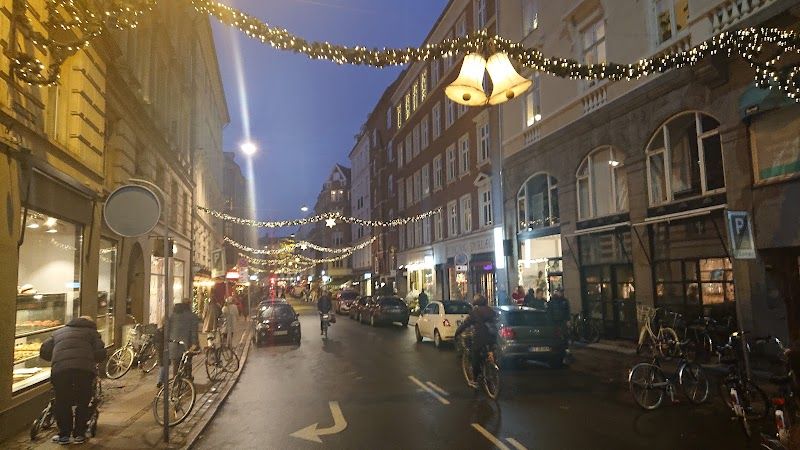
Copenhagen wins the urban mobility contest decisively. The city built itself around bicycles, and this shows in every detail. Bike lanes separate from both pedestrians and cars, traffic lights timed for cycling speed, and a completely flat topography make cycling the obvious choice.
Copenhagen's metro system costs DKK 27 for zones 1-2 (covering central areas), with a 24-hour pass at DKK 130. The system connects seamlessly - metro, buses, and harbor buses all use the same ticket. Airport access costs DKK 39 on the direct train, reaching Central Station in 13 minutes.
Oslo's topography creates transport challenges Copenhagen never faces. The city climbs hills in all directions, making cycling work only for the determined. Oslo's T-bane (metro) system costs NOK 39 for central zones, with day passes at NOK 105. The system reaches further into nature - T-bane line 1 delivers you to cross-country skiing trails in winter and hiking paths in summer.
For visitors, Copenhagen's compact size means walking covers most attractions within Indre By and surrounding neighborhoods. Oslo spreads across a much larger area, requiring more strategic transport planning.
Cultural Experiences: Design vs Nature
Copenhagen vs Oslo cultural offerings target completely different interests. Copenhagen delivers concentrated urban culture - museums within walking distance, design shops lining every street, and a food scene that redefined Nordic cuisine globally.
Torvehallerne showcases Copenhagen's food obsession perfectly. This glass-covered market houses 60 vendors selling everything from traditional smørrebrød to modern interpretations of Nordic ingredients. The market operates Tuesday-Sunday, with most vendors opening 10 AM-7 PM.
Oslo's cultural strength lies in its integration with nature. The Opera House allows visitors to walk on its slanted roof for harbor views. Vigeland Sculpture Park contains 200+ sculptures by Gustav Vigeland, spread across 80 acres that connect to the city's extensive park system.
Museum quality differs significantly between cities. Copenhagen's National Museum (DKK 130) covers Danish history comprehensively, while Ny Carlsberg Glyptotek (DKK 135) houses impressive ancient and modern art collections. Oslo counters with the striking new Munch Museum and the comprehensive National Gallery.
Copenhagen's design scene permeates daily life in ways Oslo's doesn't. From the PH lamps in cafes to the Arne Jacobsen chairs in restaurants, Copenhagen treats design as living culture rather than museum pieces. Designmuseum Danmark (DKK 130) provides context, but the real education happens in shops, cafes, and streets.
Food Scenes: New Nordic vs Traditional Norwegian
The Copenhagen vs Oslo food comparison isn't close - Copenhagen revolutionized Nordic cuisine while Oslo refined traditional Norwegian cooking. Copenhagen's influence spread globally through restaurants like Noma, Geranium, and Alchemist, creating demand for New Nordic principles worldwide.
Copenhagen's smørrebrød culture provides accessible entry into this food movement. Schønnemann serves traditional versions (DKK 95-140 per piece), while Aamanns 1921 offers modern interpretations. These aren't tourist traps - locals lunch here regularly.
Street food scenes differ dramatically. Copenhagen's Reffen and Paper Island markets offer high-quality casual dining at DKK 80-120 per meal. Oslo's street food concentrates around Mathallen food hall and various festivals, with prices running NOK 120-180 for similar quality.
Oslo excels at traditional Norwegian specialties Copenhagen can't match. Fresh seafood arrives daily from Norwegian coasts, appearing in restaurants at prices that would shock visitors familiar with landlocked seafood costs. Reindeer, elk, and other game meats feature prominently on Oslo menus during appropriate seasons.
Beer culture varies significantly. Copenhagen's craft beer scene, led by Mikkeller and other innovative breweries, transformed the city's drinking culture. Mikkeller Bar in Vesterbro offers 20+ rotating taps featuring experimental styles. Oslo's beer scene focuses more on traditional Scandinavian styles, though craft brewing has gained ground recently.
Accommodation: Location vs Value
Copenhagen accommodation requires strategic thinking about location and season. Summer prices peak dramatically, with decent 3-star hotels reaching DKK 2000+ per night in central areas. Winter rates drop to DKK 1200-1500, making off-season visits significantly more affordable.
Location matters more in Copenhagen than Oslo due to the compact city size. Staying in Nyhavn/Indre By puts everything within walking distance but commands premium prices. Vesterbro offers better value while maintaining easy access via walking or cycling.
Hostel culture thrives in Copenhagen, with quality options like Generator Copenhagen and Steel House offering dorm beds at DKK 250-400. These hostels maintain high standards - private bathrooms, modern design, and social spaces that encourage interaction.
Oslo's accommodation spreads across wider geography, affecting both price and experience. Central Oslo hotels charge NOK 1800-2500 per night during peak season, but staying slightly outside the center can cut costs by NOK 500-700 per night while adding only 10-15 minutes travel time.
Airbnb markets differ significantly. Copenhagen's strict regulations limit short-term rental options in central areas, while Oslo maintains more flexible policies. This affects both availability and pricing for apartment rentals.
Weather and Seasonal Considerations
Copenhagen vs Oslo weather patterns influence travel planning differently. Copenhagen's maritime climate creates milder winters but also more unpredictable weather year-round. Summer temperatures rarely exceed 25°C (77°F), making outdoor dining comfortable but requiring layers for temperature changes.
Oslo's continental climate produces more extreme seasonal variations. Winter temperatures regularly drop below -10°C (14°F), but this enables winter activities impossible in Copenhagen - cross-country skiing within city limits, ice skating on natural surfaces, and northern lights viewing on clear nights.
Summer daylight hours favor both cities dramatically. Copenhagen enjoys sunset after 10 PM during peak summer, while Oslo experiences even longer days due to its northern latitude. This extended daylight transforms the cities - outdoor dining continues late into evening, and parks remain active until midnight.
Rainfall patterns affect outdoor planning. Copenhagen averages 170 rainy days per year with precipitation typically light but frequent. Oslo receives more intense but less frequent rainfall, making umbrella timing more predictable.
Day Trip Opportunities
Copenhagen's day trip options focus on cultural and historical sites. Kronborg Castle (Hamlet's Elsinore) sits 45 minutes north by train, while Louisiana Museum of Modern Art (DKK 155) combines contemporary art with dramatic coastal location. Sweden's Malmö lies just 35 minutes across the Øresund Bridge, making it Europe's easiest international day trip.
Oslo's day trip advantage lies in natural diversity unmatched by Copenhagen. The Lofoten Express train reaches dramatic fjord scenery within 2 hours. Cross-country skiing and hiking trails begin where the T-bane ends - no additional transport required. Summer ferries navigate Oslo fjord, reaching islands with beaches and historic sites.
Flåm Railway, consistently rated among the world's most scenic train routes, operates as a long day trip from Oslo (12 hours total). This journey showcases Norwegian landscape impossible to experience from Copenhagen's flat geography.
Shopping and Nightlife Scenes
Copenhagen dominates the Scandinavian design shopping scene. Værnedamsvej in Vesterbro combines small boutiques with vintage shops and design studios. The street maintains local character while offering international appeal - locals shop here regularly rather than treating it as a tourist zone.
Stroget pedestrian area concentrates major international brands, but Copenhagen's shopping appeal lies in smaller streets radiating from this center. Elmegade in Nørrebro offers alternative fashion and independent bookshops serving the neighborhood's multicultural population.
Oslo's shopping scene emphasizes outdoor gear and traditional crafts. Norwegian wool sweaters, hiking equipment, and design items featuring traditional patterns fill downtown shops. Quality justifies prices - Norwegian outdoor gear performs in extreme conditions most visitors will never experience.
Nightlife cultures reflect different social patterns. Copenhagen's bar scene operates earlier and more casually. Pre-dinner drinks at 5-6 PM lead to restaurant dining, then possible return to bars until midnight. Beer gardens and canal-side drinking create outdoor socializing impossible in Oslo's climate for much of the year.
Oslo nightlife concentrates into shorter, more intense periods. Winter darkness encourages indoor socializing, while endless summer daylight shifts parties outdoors and extends them far later than Copenhagen's schedule.
Making the Copenhagen vs Oslo Decision
Choose Copenhagen if you prioritize compact urban experiences, design culture, and culinary innovation. The city works best for travelers who enjoy walking or cycling between attractions, appreciate sophisticated food scenes, and want to experience Scandinavian design in its natural environment. Copenhagen suits visitors seeking concentrated cultural experiences within limited time.
Choose Oslo if natural beauty, outdoor activities, and seasonal extremes appeal to your travel style. Oslo delivers authentic Nordic landscape access within city limits, seasonal activities impossible in Copenhagen, and generally lower costs for food and activities. Oslo works better for travelers comfortable with larger urban areas and interested in nature integration.
Budget-conscious travelers should consider timing carefully. Copenhagen's high accommodation costs never truly disappear, but winter rates drop significantly. Oslo's seasonal price variations affect activities more than accommodation - summer hiking and winter skiing command premium prices during peak seasons.
For first-time Scandinavian visitors comparing Copenhagen vs Stockholm alongside the Oslo option, Copenhagen offers the most concentrated introduction to Nordic culture. However, Oslo provides more authentic insight into how geography shapes Scandinavian lifestyle and culture.
Both cities reward extended visits over quick stops. Copenhagen's compact size makes 2-3 days sufficient for major attractions, while Oslo's natural integration benefits from 4-5 days to properly experience both urban and outdoor offerings. Consider your travel style, budget constraints, and seasonal timing when making the final Copenhagen vs Oslo decision.