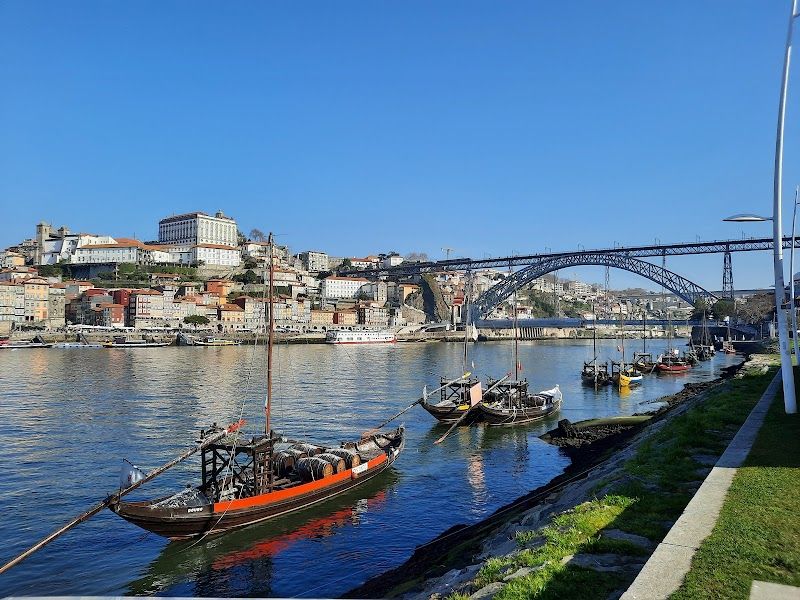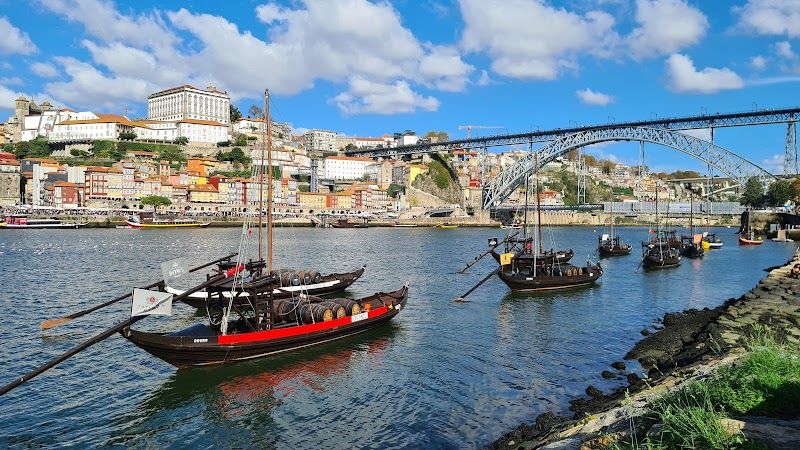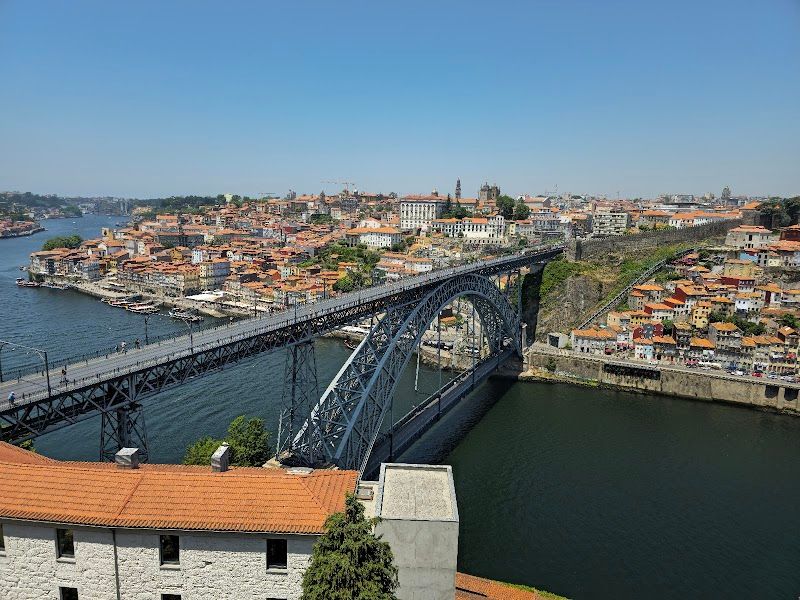
February in Porto delivers exactly what you'd expect from a northern Portuguese winter: temperatures hovering around 8-15°C, frequent rain showers, and grey Atlantic skies that make the terracotta rooftops look even more dramatic against the granite hillsides. This isn't the Porto of summer postcards, but it's arguably more authentic. The tourist crowds have disappeared, restaurant tables are available without reservations, and the city feels like it belongs to locals again.
The weather in February averages 12 rainy days, with about 100mm of precipitation spread across the month. Mornings often start grey and drizzly, afternoons might offer brief sunny breaks, and evenings are genuinely cold. Pack layers, waterproof shoes, and an umbrella that won't collapse in Atlantic winds. The good news: Porto in winter reveals indoor treasures that summer visitors often skip in favor of river cruises and outdoor markets.
Port Wine Cellars: Perfect Weather for Underground Tastings
February weather makes port wine tasting in Vila Nova de Gaia not just pleasant but logical. The centuries-old stone cellars maintain consistent temperatures year-round, and there's something particularly satisfying about warming up with a glass of 20-year tawny while rain patters on ancient roof tiles above.
Sandeman Cellars offers tours from EUR 15-25 that include tastings of three different port styles. Their guides actually know the difference between ruby and tawny beyond the color, and they'll explain why vintage ports from certain years cost EUR 200 per bottle while others sell for EUR 20. Book the 2pm tour to avoid morning rain showers.
Graham's, Taylor's, and Cockburn's run similar operations along Cais de Gaia, each claiming to be the "oldest" or "most authentic." The truth: they're all legitimate, they all age port in oak barrels using methods unchanged since the 1700s, and they all offer refuge from February weather. Choose based on location rather than marketing claims.
Indoor Market Culture When Outdoor Markets Close
While February rain shuts down most outdoor markets, Mercado do Bolhão in the Cedofeita & Bolhao neighborhood operates under a restored 20th-century iron and glass roof that makes it winter exploration. The market reopened in 2022 after extensive renovation, and it now combines traditional vendors selling bacalhau and Portuguese cheese with modern food stalls offering everything from Asian fusion to craft beer.
The best strategy: arrive around 11am when vendors are fully set up but before the lunch rush. Try the bifana (pork sandwich) for EUR 1.5-3 from any of the traditional stalls, then explore the cheese section where samples are free and explanations come in rapid Portuguese that somehow makes perfect sense when accompanied by pointing and nodding.
Museums and Cultural Sites: Porto's Indoor Treasures
Livraria Lello: More Than Instagram Hype
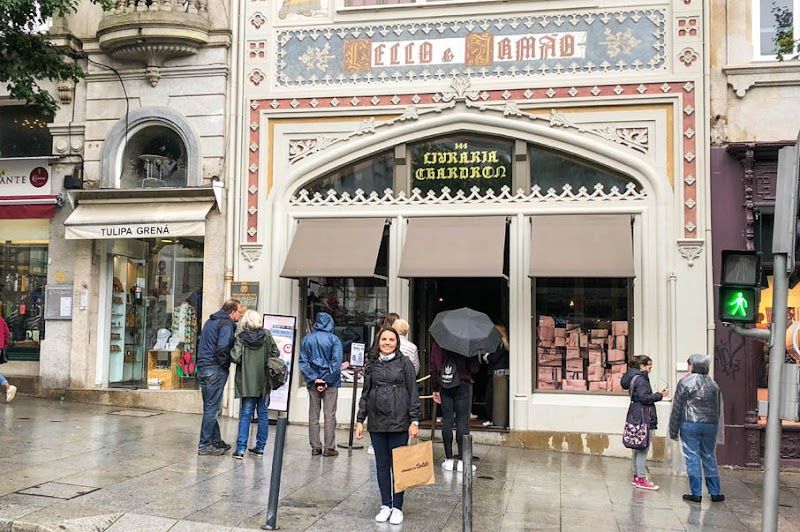
Livraria Lello charges EUR 6 entrance fee, refundable with book purchase, which immediately filters out casual browsers and creates a more contemplative atmosphere in February. Yes, it's the bookstore that supposedly inspired Hogwarts. More importantly, it's a functional Art Nouveau masterpiece from 1906 with a spiral staircase that photographs beautifully under winter's softer light.
The strategy: visit on weekday mornings when tour groups haven't arrived. Buy a Portuguese book (even if you can't read it) to get your EUR 6 back, and spend time in the upper level where most visitors never venture. The architecture details are extraordinary, and February's reduced crowds mean you can actually appreciate them.
Museu de Serralves: Contemporary Art in a Pink Palace
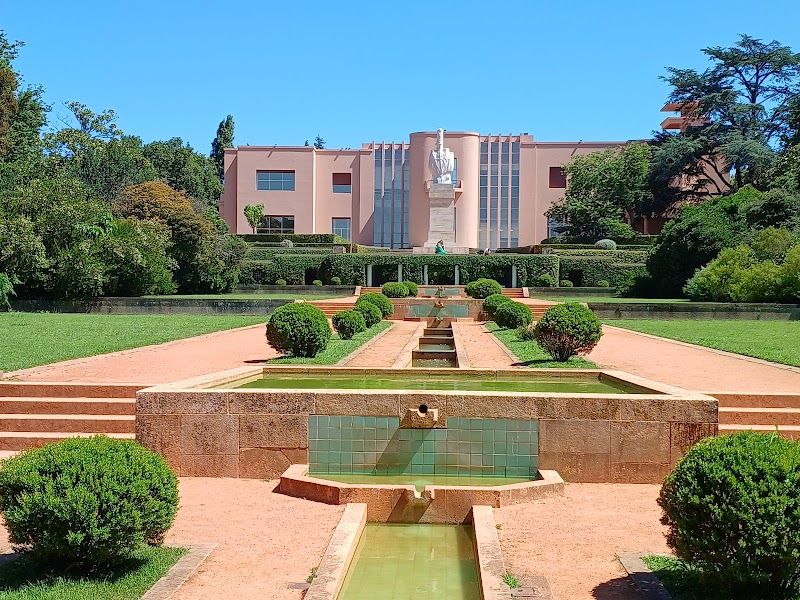
The Fundação de Serralves combines contemporary art galleries with a 1930s Art Deco mansion and 18 hectares of gardens. In February, the gardens are less appealing, but the indoor spaces shine. The contemporary art museum (EUR 12 admission) regularly rotates exhibitions, and the Art Deco house tour reveals how Portugal's wealthy lived between the wars.
The gardens, while less colorful in winter, offer covered walkways and greenhouse sections that provide shelter from rain while maintaining that connection to nature that makes Serralves special. February admission prices are the same as summer, but you'll have galleries almost to yourself.
Churches and Historic Sites: Architectural Warmth
Porto's churches provide both literal warmth and spiritual refuge from February weather. The city's religious architecture spans from Romanesque to baroque, and most major sites are free or charge minimal entrance fees.
São Bento Station: Art History Lesson During Transit
São Bento Railway Station serves as both transportation hub and accidental art museum. The station walls display 20,000 azulejo tiles depicting Portuguese history, from medieval battles to pastoral scenes of the Douro valley. You don't need a train ticket to appreciate the artwork, and the covered platforms provide perfect shelter during February downpours.
Spend 20-30 minutes reading the tile stories (explanatory plaques are in Portuguese and English), then catch the urban trains to explore suburbs like Matosinhos or coastal areas that are less crowded in winter.
Igreja de São Francisco: Gold Interior Worth the EUR 7.5
The Igreja de São Francisco charges EUR 7.5 for access to its baroque interior, where every surface gleams with gold leaf applied during the 18th-century renovation. In February's grey weather, the contrast between the simple Gothic exterior and the overwhelming golden interior feels particularly dramatic.
The attached museum includes catacombs and religious art, but the real attraction is the church itself. Arrive before 4pm when natural light through the windows creates the best illumination for the gold work.
Cafés and Indoor Food Culture: Staying Warm and Fed
Café Majestic: Tourist Trap Worth the Price
Café Majestic on Rua Santa Catarina charges tourist prices (espresso costs EUR 2.5 versus EUR 1 at neighborhood cafés), but the Belle Époque interior, marble tables, and mirrored walls create an atmosphere that justifies the markup during cold February afternoons.
Order the traditional galão (coffee with milk) and Portuguese pastries, claim a table by the window, and use the WiFi to plan the rest of your day while watching Porto residents navigate February weather. The café opens at 9:30am and stays busy until evening.
Café Santiago: The Original Francesinha Experience
Café Santiago serves Porto's most famous dish, the francesinha, in a setting that hasn't changed since 1959. A francesinha costs EUR 8-15 depending on size and extras, and it's essentially a meal-sized sandwich covered in melted cheese and a spicy beer-based sauce that locals guard more carefully than their port wine recipes.
February is francesinha consumption: the dish is heavy, warming, and designed for cold weather. Santiago's version includes linguiça, fresh sausage, ham, and steak, assembled with the kind of precision that comes from making the same sandwich thousands of times.
Local Tascas: Where Porto Eats in Winter
Neighborhood tascas (small restaurants) offer prato do dia (daily specials) for EUR 7-12, and February menus emphasize warming dishes like cozido à portuguesa (mixed meat and vegetable stew) and bacalhau com natas (codfish casserole). These places don't advertise or maintain websites, but they're identifiable by paper menus taped to windows and interior decoration that peaked in 1985.
Try Tasca do Zequinha on Rua de Passos Manuel or O Diplomata on Rua José Falcão. Both serve proper Portuguese comfort food to locals who've been eating there for decades.
Indoor Activities and Experiences: Culture and Entertainment
Palácio da Bolsa: 19th Century Opulence
Palácio da Bolsa guided tours (EUR 11) reveal the former stock exchange building's extraordinary interior, including the Arabian Room that took 18 years to complete and looks like it belongs in Córdoba rather than Porto. The 30-minute tour operates in multiple languages and provides perfect shelter from February weather.
The building demonstrates Porto's 19th-century commercial wealth, when the city controlled trade between Portugal and its colonies. February tours are smaller and more intimate than summer crowds.
Fado Performance: Portuguese Soul Music
Ideal Clube de Fado offers authentic fado performances in an intimate setting that seats maybe 50 people. Tickets cost approximately EUR 15-25 including one drink, and shows typically start at 9:30pm. February audiences are smaller and more attentive than summer tourist groups.
Fado translates roughly as "fate" and the music expresses saudade, that Portuguese concept of nostalgic longing that has no direct English equivalent. On grey February nights, fado makes perfect sense.
Day Trip Options: Indoor Alternatives
February weather affects day trip options, but several nearby attractions work well in winter conditions.
Aveiro: Venice of Portugal (When Venice is Too Cold)
Aveiro sits 75km south of Porto via regional train (approximately EUR 8-12 round trip), and its colorful Art Nouveau buildings and covered market areas provide winter shelter. The city's famous ovos moles (sweet egg confection) are available year-round, and the canal boat tours operate with covered vessels during winter months.
Guimarães: Indoor Medieval History
Guimarães, Portugal's first capital, offers castle tours, medieval streets with covered walkways, and museums that work well during February weather. Regional trains from Porto cost approximately EUR 6-10 round trip, and the journey takes 70 minutes through Minho countryside that looks particularly dramatic under grey winter skies.
Practical February Considerations: Transportation and Logistics
Porto's metro and bus system operates normally in February, though outdoor waiting areas become less comfortable. The Andante 24-hour pass (EUR 4.15) covers all public transport in zones 1-2, which includes the city center and airport connections.
Most museums and attractions maintain winter hours (typically 10am-6pm), though some reduce weekend hours or close Mondays. Restaurant dinner service starts later than other European cities (8pm or 9pm), which aligns well with February's early sunsets.
Hotel prices in February drop significantly from summer peaks: mid-range rooms cost EUR 80-150 versus EUR 120-200 in July. Hostels charge EUR 15-25 for dorm beds, and boutique hotels range EUR 120-200 for doubles.
What to Pack for Porto in February
Waterproof jacket (essential), warm layers you can add/remove as weather changes, comfortable waterproof shoes with good grip for wet cobblestones, compact umbrella, and warm hat for evening walks along the river.
Avoid cotton clothing that stays wet, heavy coats that become uncomfortable indoors, and any shoes that aren't completely waterproof. Porto's hills and stairs become treacherous when wet.
Making the Most of Winter Porto
February in Porto rewards travelers who embrace indoor culture over outdoor sightseeing. The city's wine cellars, historic buildings, café culture, and museum collections shine brightest when summer crowds disappear and locals reclaim their city.
This isn't the best time to photograph the Douro valley or take river cruises, but it's excellent for understanding why Porto has survived as a major European port for over 2,000 years. The architecture, food, wine, and cultural traditions that define the city remain constant regardless of weather.
Plan indoor activities for mornings when rain is most likely, save outdoor walking for afternoon breaks in weather, and remember that February in Porto offers something unavailable in summer: the chance to experience Portugal's second city as locals live it year-round, rather than as tourists visit it during three months of perfect weather.
For comprehensive planning beyond February specifics, check our 2-3 Days in Porto itinerary and our detailed food guide covering the dishes that make cold weather bearable.